

Mount Fuji - Kawaguchi Lake
Mount Fuji & Kawaguchi Lake: A First-Timer’s Guide to Japan’s Most Iconic View
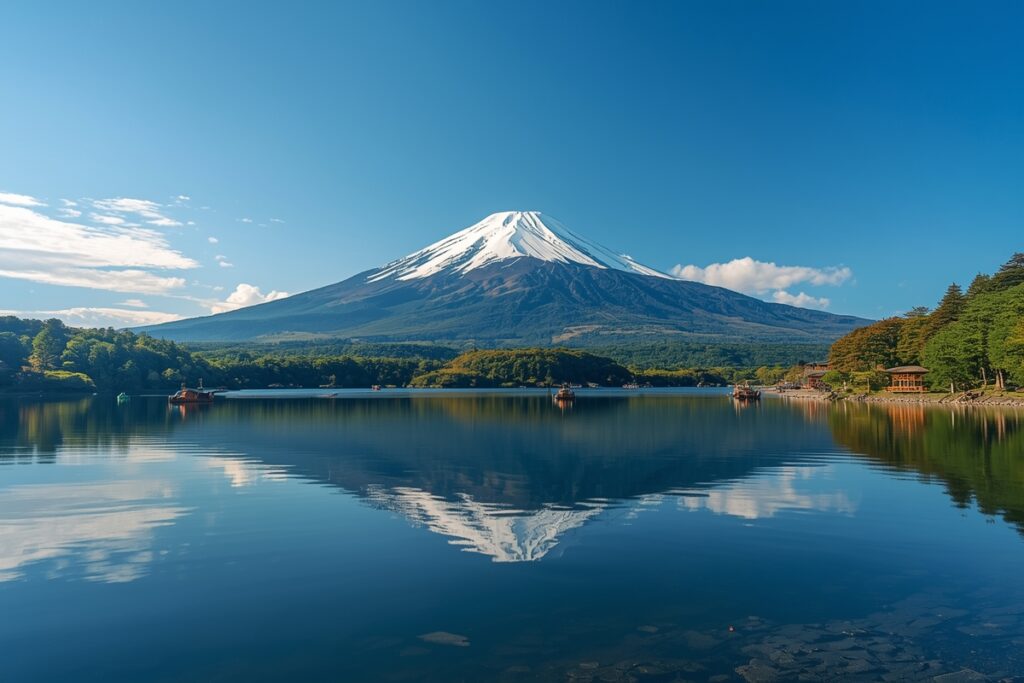
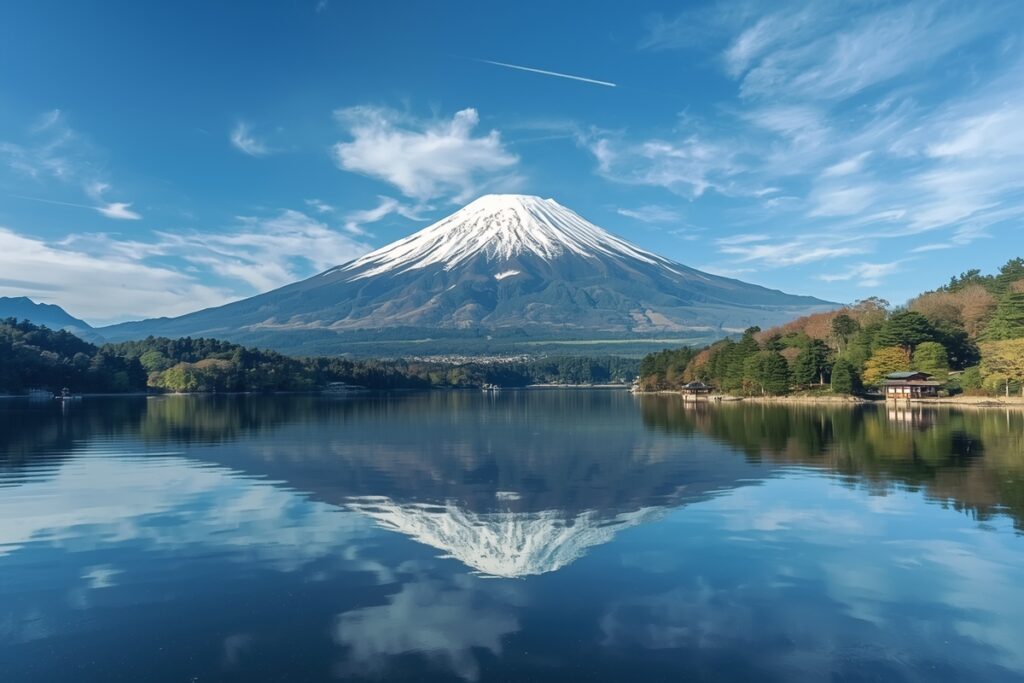
Photos are for illustrative purposes only.
For many first-time visitors to Japan, seeing Mount Fuji is a dream moment. One of the very best places to admire this perfectly shaped volcano is from Kawaguchi Lake (Kawaguchiko), a scenic resort town on the northern side of Fuji. Reflections of the mountain on still water, seasonal flowers, hot springs, and relaxed lakeside cafés make it an ideal day trip or overnight escape from Tokyo.
This guide explains how to visit Mount Fuji via Kawaguchi Lake, what to see and do, when to come, and how to enjoy the area respectfully and comfortably, even on your first trip to Japan.
Why Visit Mount Fuji via Kawaguchi Lake?
Kawaguchiko is one of the Fuji Five Lakes, a group of lakes formed by Mount Fuji’s volcanic activity. Among them, Lake Kawaguchi is the most developed for tourism, with easy transport, a wide range of hotels and ryokan, and many clear viewpoints of the mountain.
For international travelers, Kawaguchiko offers several advantages:
- Classic postcard views: See Mount Fuji rising behind the lake, often reflected in the water on calm mornings.
- Gentle pace: Compared to Tokyo or Osaka, Kawaguchiko feels like a peaceful countryside resort.
- All-season beauty: Cherry blossoms, fresh greenery, lavender, fiery autumn leaves, and snowy peaks each bring a different character.
- Easy access from Tokyo: Regular trains and buses make a visit possible even on a short trip.
- A mix of culture and nature: Temples, shrines, museums, and hot springs sit side by side with hiking trails and lake cruises.
Unlike climbing Mount Fuji, which is only safe and officially open during a limited summer season, viewing Fuji from Kawaguchiko is enjoyable almost year-round.
Best Seasons and Times to See Mount Fuji
One of the biggest surprises for new visitors is that Mount Fuji is often hidden by clouds, especially in the warmer months. To increase your chances of a clear view, timing matters.
Season-by-Season Highlights
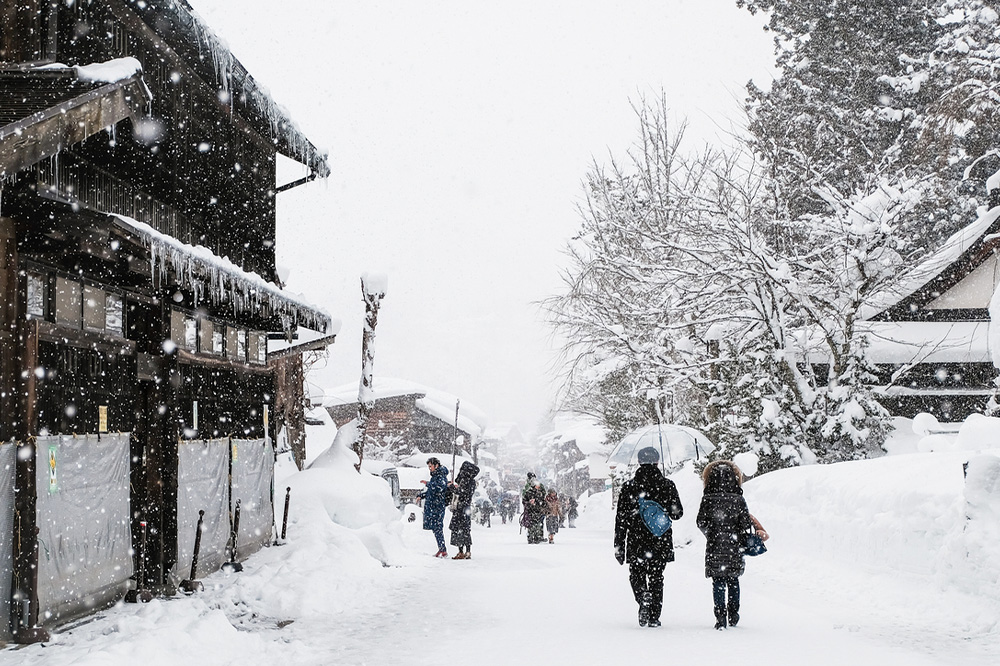
- Winter (December–February): The air is crisp and dry, offering the most reliable visibility of Fuji’s snow-covered peak. It can be very cold, but on clear mornings the mountain appears incredibly sharp against a deep blue sky.
- Spring (March–May): Early spring can still offer good views. Around early to mid-April, cherry blossoms (sakura) bloom along the lake, creating iconic scenes of pink flowers framing Mount Fuji.
- Summer (June–August): Summer brings lush greenery and the official climbing season for Mount Fuji, but also humidity and more frequent clouds. You may need to be patient or start early in the day to see the peak.
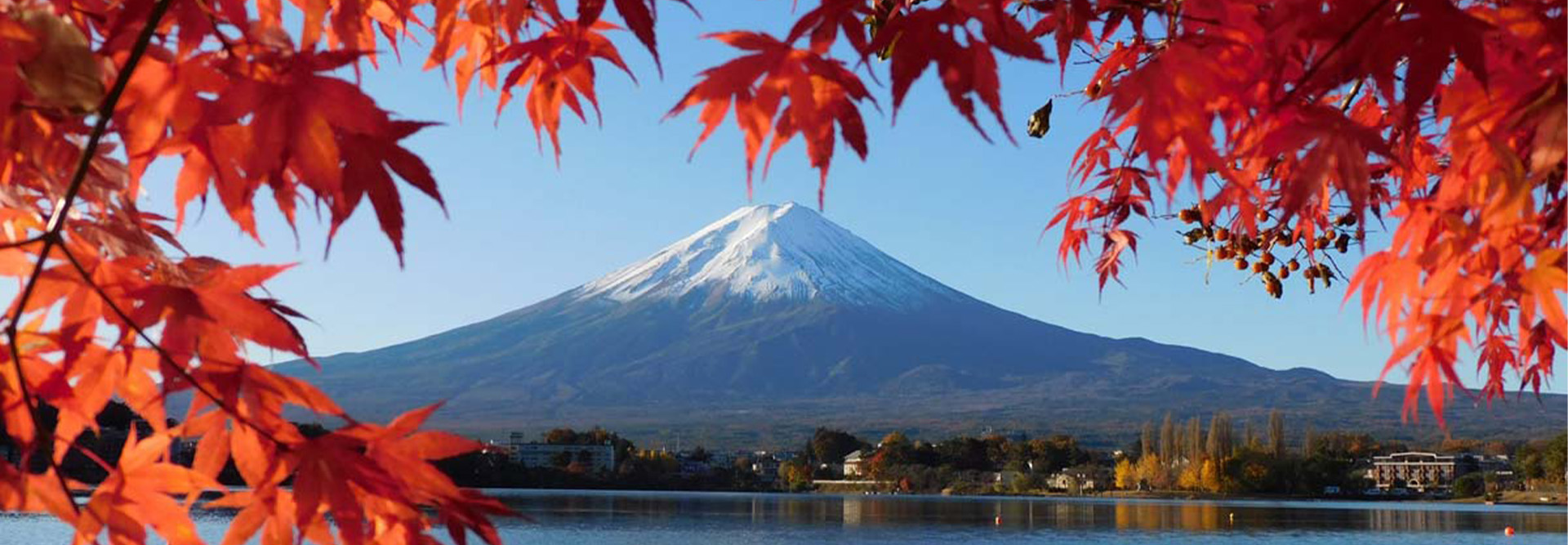
- Autumn (September–November): Cooler air improves visibility, and red and gold foliage around the lake adds dramatic color. Late October to mid-November is usually the best time for autumn leaves.
Time of Day
The most reliable time to see Mount Fuji is usually early morning, just after sunrise, when the air is still and clouds are less likely to have formed. Late afternoon, especially near sunset, can also be beautiful, with the mountain glowing pink or orange in the fading light.
Clouds often build up around midday, so if you are staying overnight, plan your key photo stops for early morning and keep the middle of the day for museums, cafés, or onsen.
How to Get to Kawaguchi Lake from Tokyo
Kawaguchiko is easily accessible from Tokyo by train or highway bus. Travel times are usually about 2–3 hours one way.
By Train
Most travelers use a combination of JR lines and the local Fujikyuko Line:
- From Shinjuku Station: Take a JR Limited Express (such as the "Fuji Excursion" when available) directly to Kawaguchiko Station, or transfer at Otsuki Station to the Fujikyuko Line. Journey time is about 2–2.5 hours.
- Japan Rail Pass: JR sections are covered, but the Fujikyuko Line portion is not fully included. You pay the non-JR segment separately.
Train travel is comfortable and less affected by traffic, and you can reserve seats on most limited express services.
By Highway Bus
Highway buses run from several points in Tokyo, including Shinjuku, Tokyo Station, and Shibuya, directly to Kawaguchiko Station. The journey usually takes around 2 hours, depending on traffic.
Buses are often cheaper than trains and can be convenient if your hotel is near a major bus terminal. Reservations are recommended on weekends and busy seasons such as cherry blossom and autumn foliage.
Getting Around Kawaguchiko
Once you arrive, you can explore the area using:
- Sightseeing buses: Loop buses circle the lake and stop at major attractions, including viewpoints, museums, and ropeways.
- Rental bicycles: Biking along the lake’s edge is a scenic, flexible way to get around, especially in pleasant weather.
- Walking: Many viewpoints and lakeside paths are walkable from major hotels on the north shore.
Most signs and announcements are available in English, and staff at Kawaguchiko Station can usually help with basic information.
Top Viewpoints and Things to Do Around Kawaguchi Lake
1. North Shore of Lake Kawaguchi
The northern lake shore offers some of the most famous views of Mount Fuji, with the mountain rising behind the water and fields of seasonal flowers in the foreground. There are broad walking paths and photo spots, making it easy to find your own angle.
On calm mornings, you may see sakasa-Fuji, the "upside-down Fuji" reflection on the water’s surface. Photographers often arrive around sunrise for the best chance of mirror-like reflections.
2. Mount Fuji Panoramic Ropeway
On the eastern side of the lake, the Mount Fuji Panoramic Ropeway (formerly known as the Kachi Kachi Ropeway) takes you up a hillside to an observation deck overlooking Lake Kawaguchi and Mount Fuji. On clear days, views from the top are wide and spectacular.
The ropeway station is near the lakeside and accessible by sightseeing bus or on foot from many hotels. At the summit, you will find small trails, viewing platforms, and sometimes playful references to Japanese folktales.
3. Oishi Park
Oishi Park sits on the northern shore of the lake and is known for seasonal flower displays set against the backdrop of Mount Fuji. Lavender fields in early summer, bright red kochia bushes in autumn, and neatly maintained flower beds throughout the year make it a popular spot for leisurely walks and photos.
There is a small market area with local products, snacks, and coffee. It is an easy stop on the sightseeing bus route and well signposted in English.
4. Lake Kawaguchi Cruise
Short sightseeing boat cruises operate on Lake Kawaguchi, offering a slightly different perspective of Mount Fuji from the water. The mountain may appear more distant than on land, but gliding across the lake with Fuji on the horizon is relaxing and gives you a sense of the area’s scale.
Boats usually run regularly during the day, with tickets available at the pier near the central lakeside area. In busy seasons, lines can form close to departure times.
5. Onsen with a View
Soaking in a hot spring while gazing at Mount Fuji is a uniquely Japanese experience. Kawaguchiko has several onsen (hot spring baths), including hotels and public facilities with indoor and open-air baths oriented toward the mountain.
Common etiquette includes washing thoroughly before entering the bath, bathing without swimsuits, and keeping towels out of the water. Tattoos may still be restricted in some facilities, although attitudes are slowly changing. It is best to check each onsen’s policy in advance.
6. Cultural Sites and Museums
Beyond scenery, the Kawaguchiko area offers small but interesting cultural attractions, which can be ideal when weather conditions are not perfect for Fuji viewing:
- Local art and music museums: Some showcase classical instruments, regional crafts, or art inspired by Mount Fuji.
- Traditional shrines and temples: Quiet grounds, stone lanterns, and towering cedars offer a chance to experience the spiritual side of the region.
These spots are usually labeled on local maps available at Kawaguchiko Station’s tourist information center.
Staying Overnight vs. Day Trip
Many travelers visit Kawaguchiko as a day trip from Tokyo, but staying overnight has clear advantages.
Day Trip Considerations
A day trip can work if you:
- Leave Tokyo early in the morning
- Prioritize a few main spots, such as the ropeway and the north shore
- Accept that weather conditions may or may not reveal Mount Fuji
This is a good option for tight itineraries, but can feel rushed in peak seasons.
Benefits of an Overnight Stay
Staying one or two nights lets you:
- Enjoy sunrise and early-morning views when chances of clear skies are highest
- Relax in an onsen or traditional inn without watching the clock
- Stroll the lakeside in the evening when day-trip crowds thin out
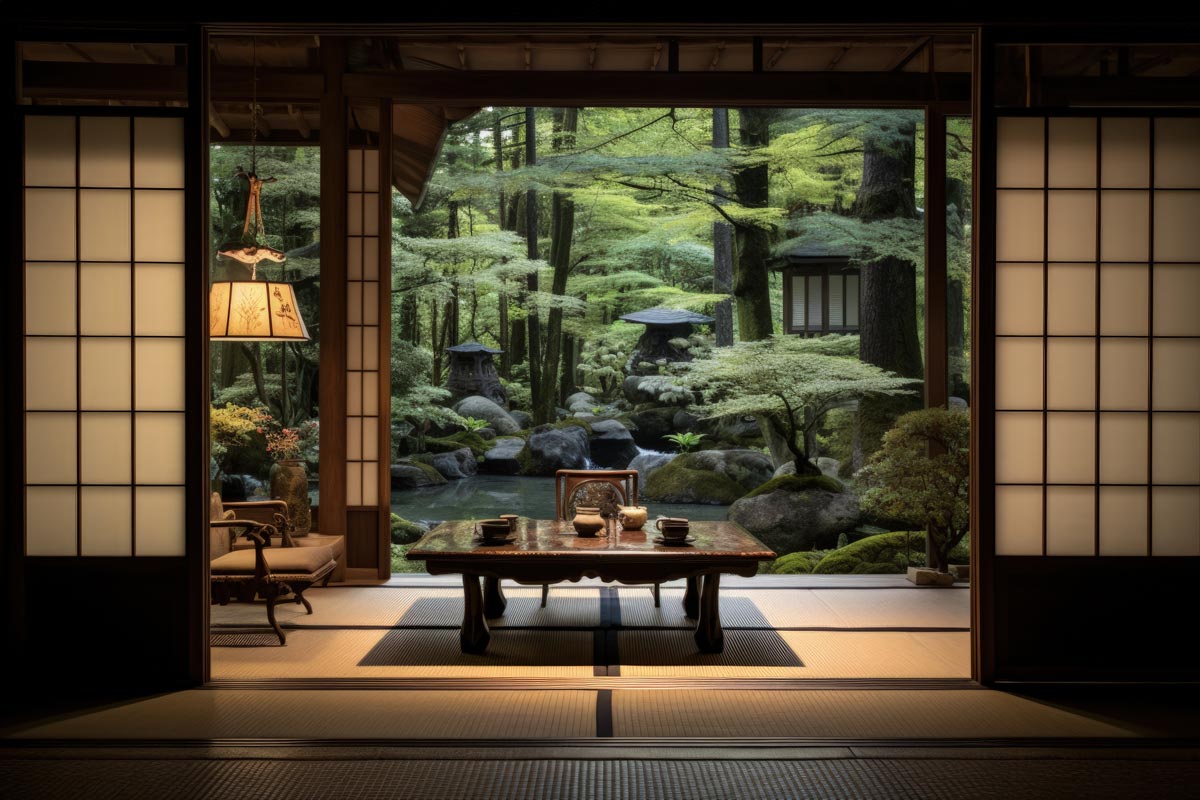
Many visitors choose a ryokan (traditional inn) with tatami-mat rooms and kaiseki-style dinners. Sleeping on futons and wearing yukata robes is part of the cultural experience, and some rooms offer private baths facing Mount Fuji.
Practical Tips for First-Time Visitors
Weather and Clothing
Weather around Mount Fuji changes quickly. Even in warmer months, mornings and evenings can be cool, especially near the lake. Bring:
- A light jacket or fleece, even in spring and autumn
- Comfortable walking shoes for lakeside paths and ropeway stations
- Layers in winter, including gloves and a warm hat if you plan to be outside at sunrise
Cash, Cards, and Language
Japan has rapidly increased the use of credit cards and IC transport cards, but some small shops, buses, and rural cafés still prefer cash. It is wise to carry some Japanese yen, available from ATMs in convenience stores or at stations.
English is not always widely spoken, especially among older locals, but staff in tourist areas are usually familiar with basic phrases. Simple English, pointing to maps, or using translation apps works well. Polite greetings such as sumimasen (excuse me) and arigatou gozaimasu (thank you) are appreciated.
Respectful Behavior and Local Customs
Many Japanese see Mount Fuji as not only a landmark but also a sacred mountain. When visiting viewpoints, shrines, or quiet lakeside areas:
- Keep noise levels low, especially in the early morning and late evening.
- Do not litter; take rubbish with you if bins are not available.
- Follow instructions at shrines, such as bowing lightly at torii gates and refraining from loud conversations near worshippers.
At onsen, washing your body thoroughly before entering the bath is a sign of consideration for others. If you are unsure about the procedure, observe locals or check for illustrated guides, often posted near the entrance.
Photography Etiquette
Photography is a major reason for visiting Kawaguchiko, but it is important to be considerate:
- Avoid blocking narrow paths or viewpoints for long periods with tripods.
- Ask permission before photographing people at close range, especially families and children.
- Be cautious around private property, such as hotel grounds or residential gardens.
In busy flower fields or parks, stick to marked paths to protect plants and keep the landscape beautiful for future visitors.
Combining Kawaguchiko with Other Destinations
Kawaguchiko fits easily into many classic Japan itineraries. Possible combinations include:
- Tokyo + Kawaguchiko: A straightforward pairing, with Tokyo as your base and a day or overnight trip to Mount Fuji.
- Tokyo → Kawaguchiko → Matsumoto or Nagano: Travel westward into the Japanese Alps for castles, mountain scenery, and traditional towns.
- Tokyo → Kawaguchiko → Kyoto/Osaka: With careful planning, you can travel onward by train to the Kansai region, combining Fuji views with historic temples and vibrant city life.
Check train connections in advance, especially if you are using a rail pass. Some routes require transfers between JR and private lines, and you may need to purchase separate tickets.
Making the Most of Your Mount Fuji Experience
Seeing Mount Fuji from Kawaguchi Lake often becomes a highlight of a trip to Japan—but it is important to approach the experience with a little flexibility. Even if clouds hide the peak for part of your visit, the area’s calm atmosphere, lakeside walks, and hot springs offer their own charm.
Plan your travel carefully, give yourself the best possible chance of clear views by staying overnight or arriving early, and take time to enjoy the smaller details: the sound of water lapping at the shore, the taste of local sweets, and the sight of Mount Fuji slowly emerging from the clouds.
With this approach, a visit to Kawaguchi Lake becomes not just a photo opportunity, but a gentle introduction to Japan’s natural beauty and quiet, reflective side.

Access Map
Recommended spots for Autumn Leaves
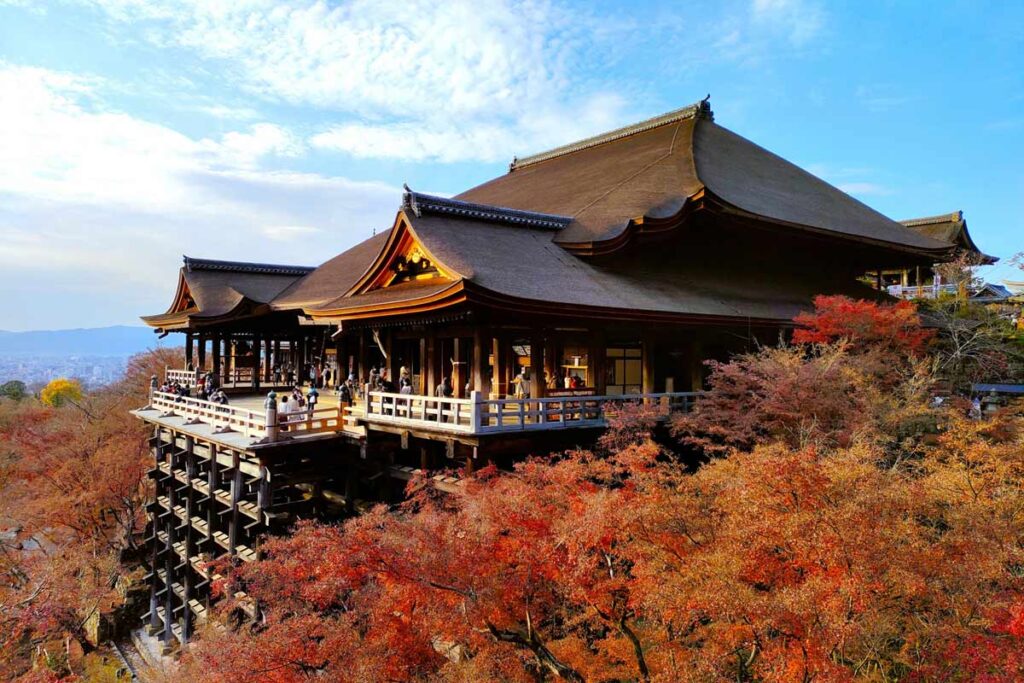
Kyoto
- Kiyomizu-dera
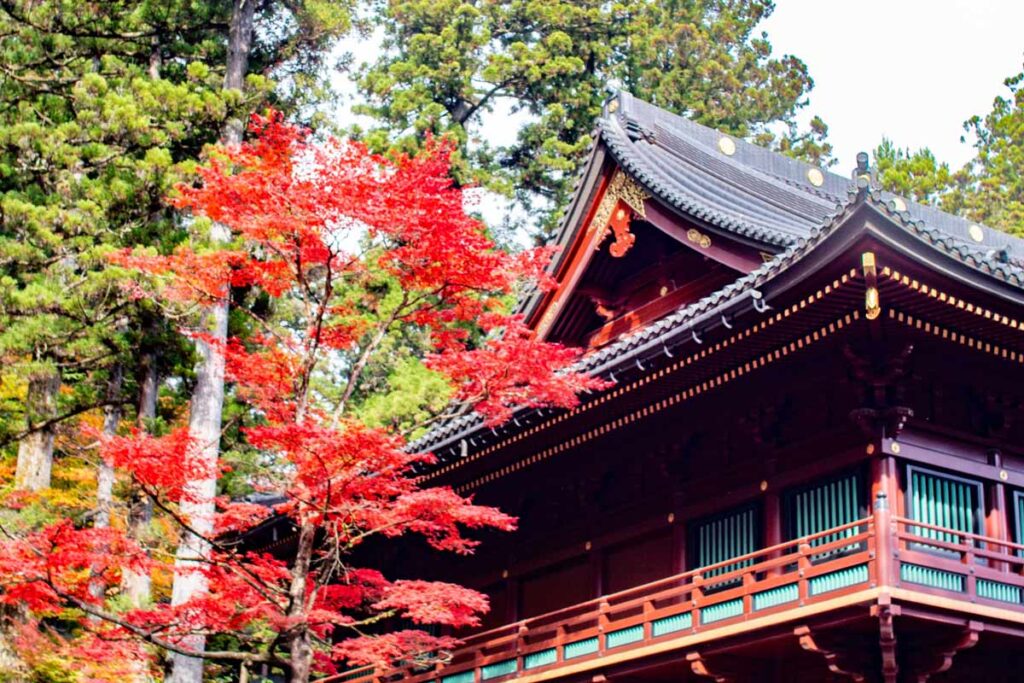
Nikko
- Toshogu Shrine
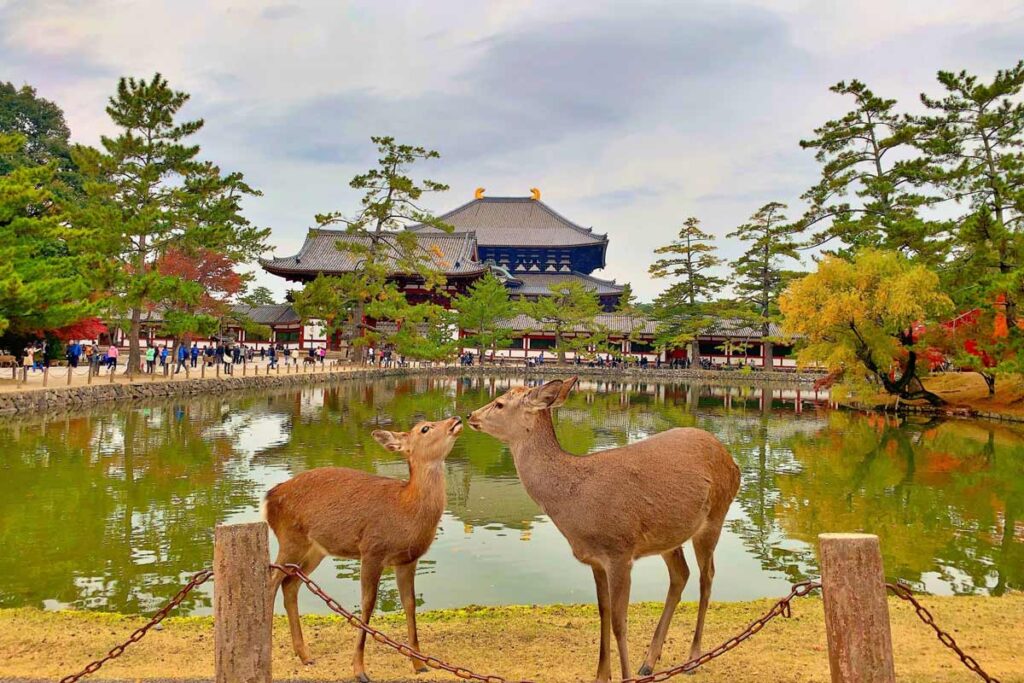
Nara
- Todaiji Temple
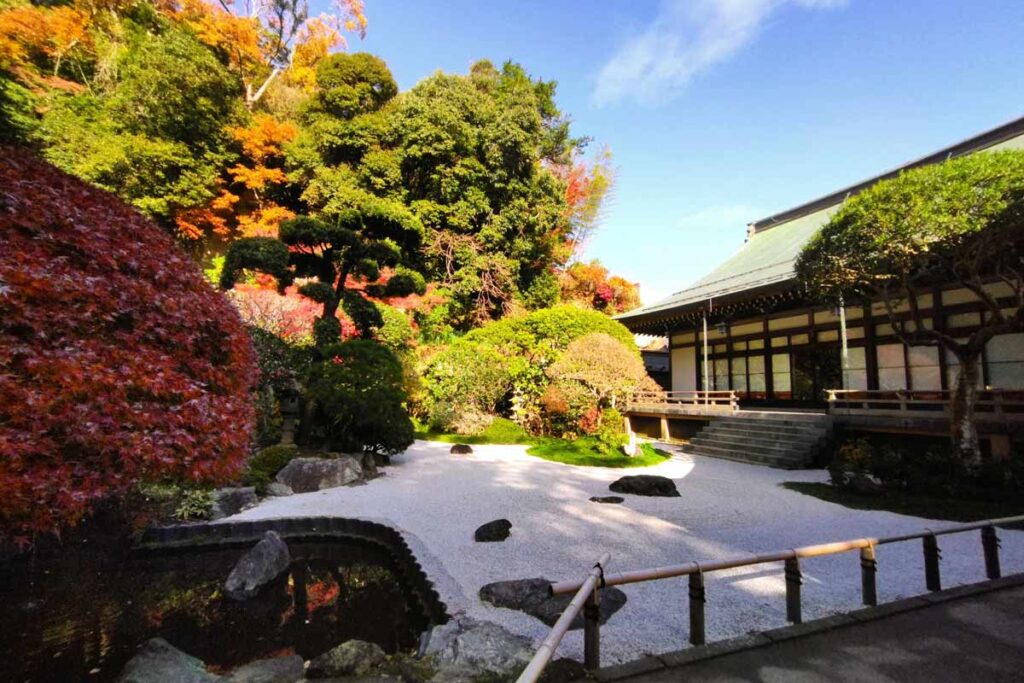
Kamakura
- Hokokuji Temple
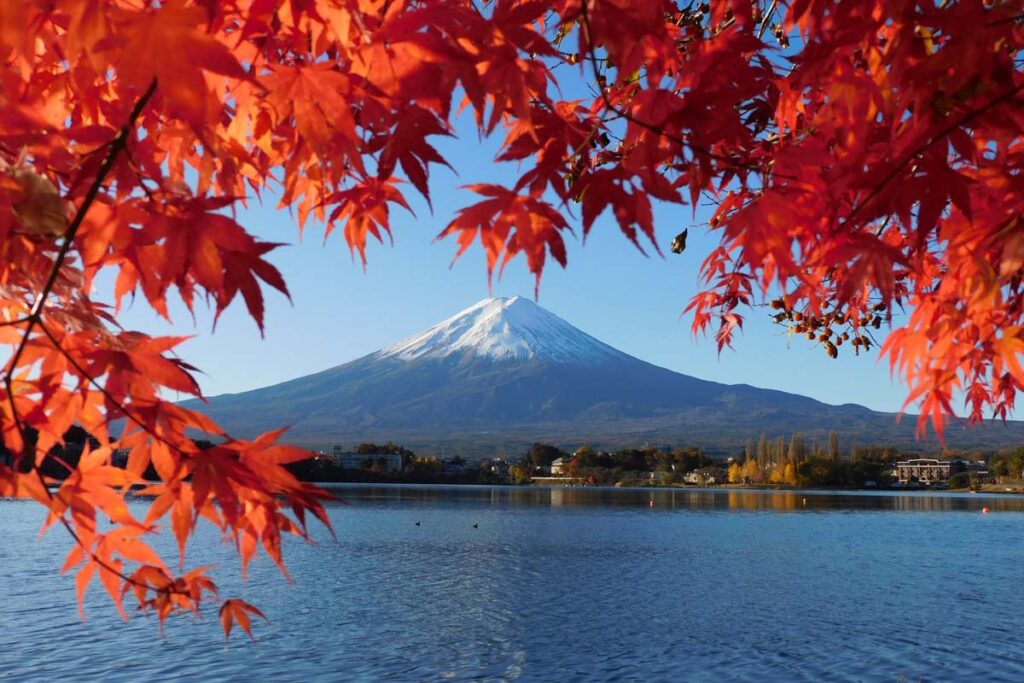
Mount Fuji
- Kawaguchi Lake
Other Seasonal Spot
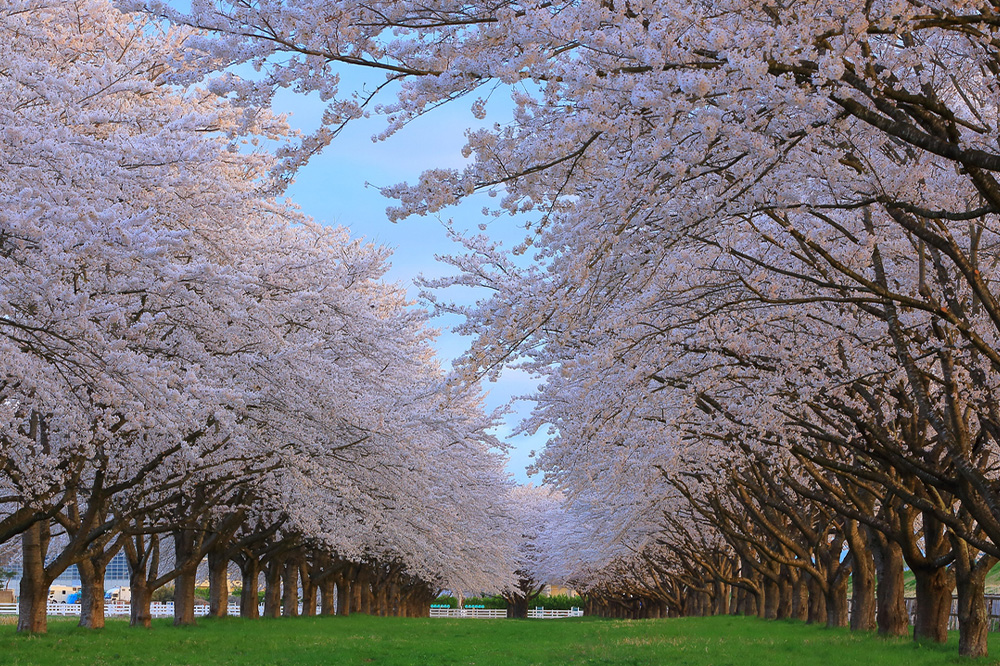
Cherry Blossoms
Summer Festivals