




Takayama - Frozen Waterfalls
Takayama Frozen Waterfalls: A Winter Wonderland in Japan
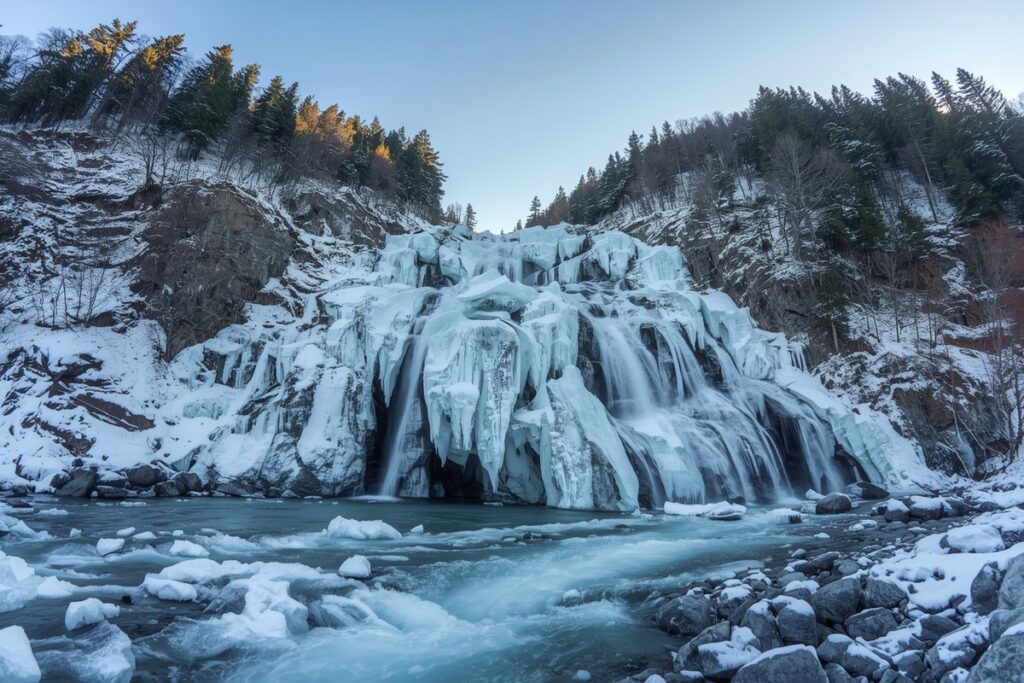
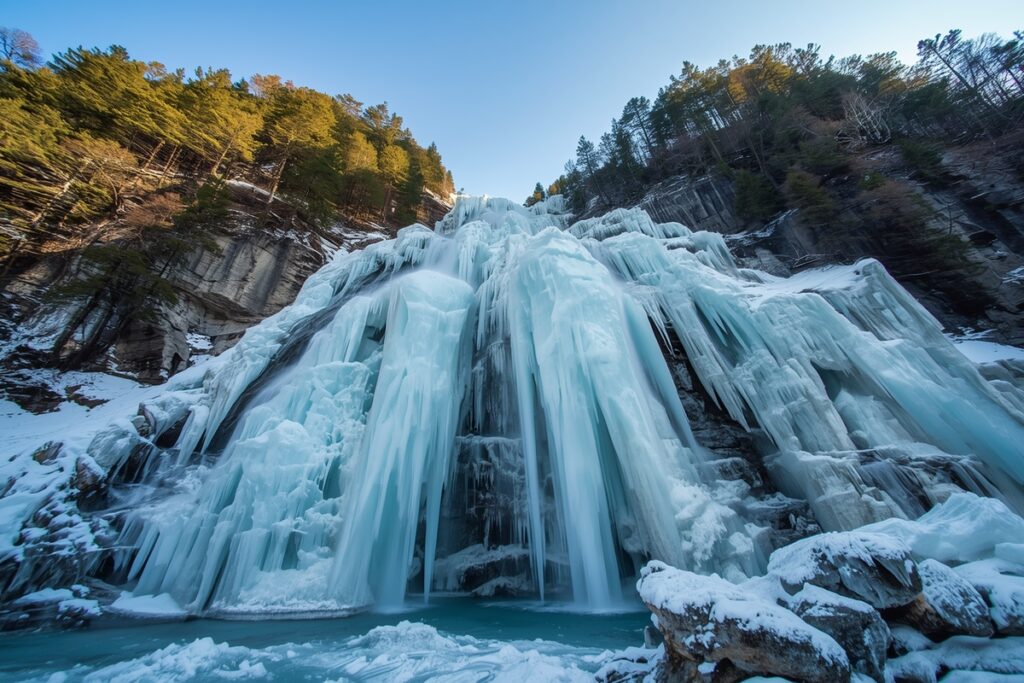
Photos are for illustrative purposes only.
In winter, the mountains around Takayama transform into a quiet white world where waterfalls turn to shimmering blue ice. For first-time visitors to Japan, this is one of the most magical ways to experience the country beyond the big cities. Frozen waterfalls near Takayama combine dramatic alpine scenery, easy access from town, and a distinctly Japanese way of enjoying the cold: with hot springs, hearty food and peaceful onsen towns nearby.
Why See Frozen Waterfalls in Takayama?
Takayama, in the northern part of Gifu Prefecture, sits high in the Japanese Alps. Deep snow, sub-zero temperatures and steep river valleys create perfect conditions for frozen waterfalls from mid-winter through early spring. Unlike busier winter resorts, Takayama’s icefalls feel intimate and uncrowded, giving you space to appreciate the silence and the sound of snow under your boots.
For international visitors, the appeal is more than just the scenery. A frozen waterfall outing pairs perfectly with Takayama’s historic old town, traditional wooden architecture and nearby hot spring (onsen) villages. In one day you can walk Edo-era streets in the morning, stand beneath a 30-meter curtain of ice at midday, and soak in steaming mineral baths as snow falls at night.
Best Time to Visit Takayama’s Frozen Waterfalls
The freezing season in the Japanese Alps is long, but the most stable conditions for viewing frozen waterfalls are:
- Late January to late February: Peak season. Temperatures remain reliably below freezing, creating large, solid ice formations.
- Early March: Often still good, especially at higher elevations, with slightly milder air but a higher chance of melt and icicles breaking off.
In December and early January, waterfalls may begin to freeze, but conditions change quickly. By late March, ice can become unstable and trails may be slushy and slippery. Always check recent photos, local tourism information or tour operator updates for current conditions.
Where to See Frozen Waterfalls Near Takayama
The region around Takayama is dotted with gorges, rivers and cliffs that freeze into icy sculptures each winter. Several spots are especially well-known, and many can be visited on a day trip from Takayama city.
1. Okuhida and the Frozen Gorges
Okuhida, west of Takayama, is famous for its outdoor hot spring baths and rugged mountain scenery. In winter, some valleys here develop spectacular icefalls and frozen canyon walls.
- Atmosphere: Remote, quiet and deeply snowy, with views toward the Northern Alps.
- Access: By bus from Takayama Station to various Okuhida onsen towns, then short local walks or guided outings to viewpoints.
- Afterwards: Stay overnight in a ryokan and enjoy rotenburo (open-air baths) while snow drifts down around you.
2. Norikura Highland Area
The Norikura area, technically across the border in Nagano but commonly reached via Takayama, offers a network of winter trails and frozen river scenery.
- Highlights: Snow-covered forests, wide frozen streams and smaller cascades turned to ice.
- Level: Ideal for beginner snowshoers or those trying winter hiking for the first time.
3. Lesser-Known Local Falls
Smaller waterfalls and ice walls can appear along forest trails and mountain roads near Takayama. Many are not famous enough to be on international maps but are popular with local hikers and photographers. If you join a guided tour, your guide may choose the best location of the day depending on snow, ice size and safety conditions.
How to Get to Takayama
Takayama is surprisingly easy to reach, even in winter. Trains and buses are well equipped for snow, making it a sensible base for first-time visitors to Japan who want to experience alpine landscapes without driving.
From Tokyo
- By train: Take the JR Tokaido Shinkansen to Nagoya (about 1 hour 40 minutes from Tokyo Station), then transfer to the Limited Express Hida for Takayama (around 2 hours 20 minutes). This route is fully covered by the Japan Rail Pass when valid.
- By highway bus: Direct buses from Shinjuku to Takayama take around 5.5–6 hours. In winter, this can be budget-friendly, but delays are possible in heavy snow.
From Osaka or Kyoto
- By train: Take the Shinkansen to Nagoya (around 35–50 minutes), then the Limited Express Hida to Takayama.
- By bus: Seasonal or regular highway buses may run via Gifu or Kanazawa depending on the company and timetable.
Once in Takayama, local buses connect the station with surrounding areas such as Okuhida, Hirayu Onsen and Norikura.
Exploring the Frozen Waterfalls: Tours and Independent Visits
For first-time winter travelers in Japan, joining a guided tour is strongly recommended. Guides manage route selection, safety, transport and language barriers, leaving you free to enjoy the scenery.
Guided Winter Tours from Takayama
Several local operators offer half-day or full-day tours that highlight frozen waterfalls and snowy landscapes around Takayama. Typical features include:
- Transportation: Round-trip transport from central Takayama or your accommodation.
- Gear rental: Rental of snowshoes, trekking poles and sometimes winter boots or gaiters.
- Local guidance: English-speaking guides familiar with ice conditions, weather and hidden viewpoints.
- Flexible routes: Shorter options for beginners or families, and longer routes for more active travelers.
Some tours also combine frozen waterfall viewing with:
- Stops at snow-covered shrines or mountain villages
- Visits to onsen towns for a hot spring soak
- Meals featuring Hida beef or local specialties
Going Independently
Independent exploration is possible if you are experienced with winter travel and comfortable navigating snow-covered trails. Keep in mind:
- Trailheads may be buried in snow or unmarked.
- Mobile reception can be limited in deep valleys.
- Snow depth, avalanche risk or thin ice can make certain routes unsafe on any given day.
Always consult your accommodation, visitor information centers, or local tourism offices before heading out alone, and never approach the base or top of a frozen waterfall without assessing the risk of falling ice.
What to Expect at the Frozen Waterfalls
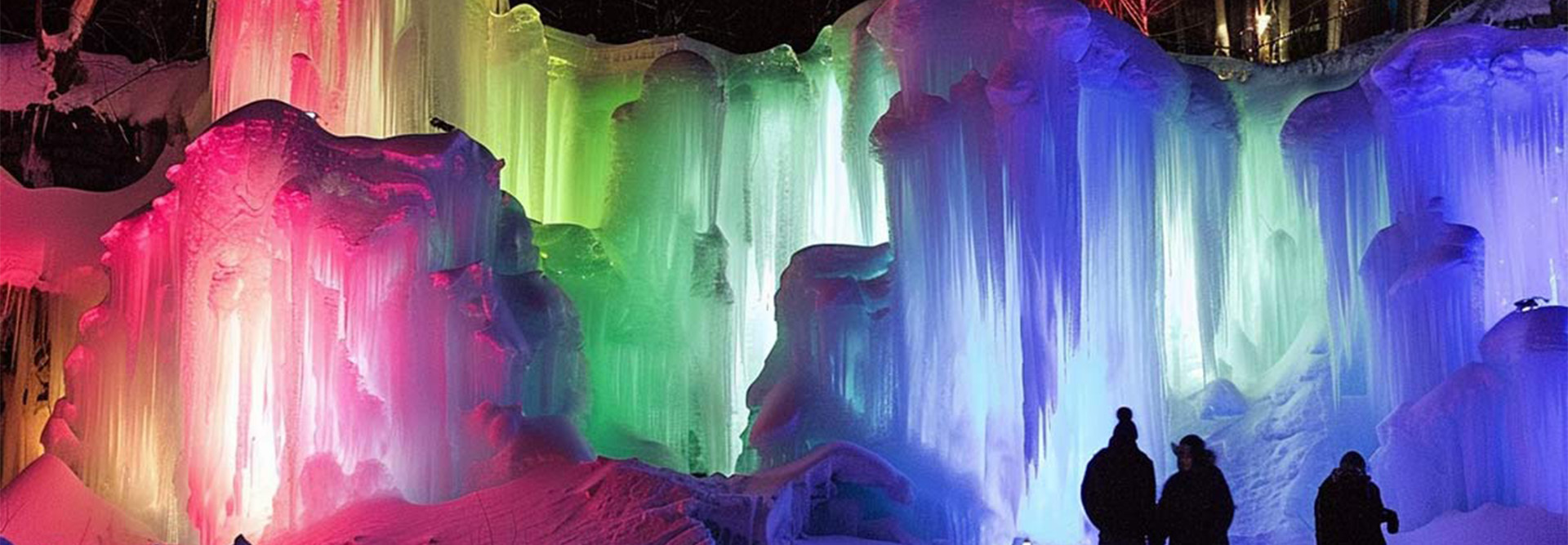
Reaching a frozen waterfall in the Takayama area feels like entering another world. The forest around is muffled by snow. The air is sharp and still. Where rushing water would normally roar, a cascade of ice clings silently to the rock, colored pale blue, white and sometimes green by trapped air and mineral-rich water.
Depending on the location and weather:
- The waterfall may appear as thick columns of ice, delicate curtains, or a broad, frozen wall.
- Long icicles may hang from overhangs and tree branches overhead.
- Snow may pile up at the base, creating soft shapes that contrast with the sharp lines of the ice.
In sunny weather, the ice shines and sparkles. On cloudy days, the atmosphere becomes quiet and almost monochrome. Because these sites are not usually crowded, it is easy to take photographs without people in the frame and to pause in silence, listening to the occasional crack or drip as the waterfall slowly changes.
What to Wear and Pack for Frozen Waterfall Visits
Conditions near frozen waterfalls are significantly colder than in Takayama’s town center. Dress and pack as if you were going on a light winter hike in the mountains.
Clothing
- Base layer: Thermal underwear (top and bottom) made from synthetic or wool fabric, not cotton.
- Mid layer: Fleece or insulated jacket to trap warmth.
- Outer layer: Waterproof, windproof shell jacket and pants; snow can be deep and wet.
- Socks: Thick wool or synthetic hiking socks. Consider bringing a spare pair.
- Footwear: Insulated, waterproof boots with good grip. Hiking boots with winter socks can be sufficient if snowshoes or crampons are provided.
- Accessories: Warm hat, gloves (preferably waterproof), scarf or neck gaiter.
Gear and Essentials
- Traction: Light crampons, microspikes or snowshoes, often supplied by tour operators.
- Backpack: Small daypack for spare layers, camera and snacks.
- Water: Dehydration happens even in cold weather; carry a bottle in an insulated sleeve if possible.
- Snacks: Energy bars, nuts or chocolate for quick calories.
- Camera or smartphone: Fully charged, with a dry pocket or waterproof case.
Even on guided tours, it is wise to bring your own gloves and warm hat, as rental options for clothing can be limited.
Safety Tips for Enjoying Frozen Waterfalls
Frozen waterfalls are beautiful but can be unpredictable. By respecting the environment and following local advice, you can enjoy them safely.
- Keep your distance: Do not stand directly under tall icicles or overhanging ice. Large chunks can fall without warning, especially on warmer days or in direct sun.
- Follow guides and signs: If you are with a guide, walk where they walk. Do not cross ropes or barriers.
- Watch your footing: Trails, rocks and wooden bridges can be extremely slippery. Use the traction devices provided.
- Be avalanche-aware: High mountain areas may have avalanche risk. Guided tours choose routes with safety in mind; avoid off-trail exploration.
- Check weather: Strong winds, heavy snow or sudden warming can change conditions quickly. Tour operators may adjust plans or cancel for safety.
Combining Frozen Waterfalls with Onsen and Local Culture
One of the joys of winter in Japan is ending a cold outdoor adventure with a steaming onsen bath. Takayama and its surroundings offer countless opportunities to do exactly that.
Onsen Villages Near Takayama
- Okuhida Onsen-go: A group of hot spring towns such as Hirayu, Fukuji and Shin-Hotaka, known for their open-air rotenburo with dramatic mountain views. In winter, imagine soaking in 40°C water while your hair collects snow.
- Hirayu Onsen: One of the easiest onsen towns to reach from Takayama, and a common base for winter excursions.
Many ryokan and baths accept daytime visitors for a small fee, even if you are not staying overnight. Be prepared to follow Japanese bathing etiquette: wash thoroughly before entering the tub, keep towels out of the water and bathe nude unless a specific facility states otherwise.
Takayama’s Old Town in Winter
Back in Takayama itself, the preserved old town (Sanmachi Suji) takes on a special charm in winter. Wooden merchant houses, sake breweries and small shops line narrow streets, their dark beams contrasting with heavy snow on the roofs.
After a frozen waterfall outing, stroll through the old town to:
- Sample Hida beef skewers or sushi, a regional specialty.
- Warm up with miso soup, hot sake or local amazake (a sweet, low- or non-alcoholic rice drink).
- Browse craft shops selling lacquerware, woodwork and traditional sweets.
Practical Tips for First-Time Visitors
To make the most of your frozen waterfall experience in Takayama, keep these practical points in mind.
- Language: English is not as widely spoken as in Tokyo or Kyoto, but tour providers serving international guests generally offer English support. Having your accommodation name and destination written in Japanese can help when using buses or taxis.
- Cash and cards: Many ryokan and larger shops accept credit cards, but some small establishments, local buses and rural onsen are cash-only. ATMs that accept foreign cards can be found at convenience stores and some banks in Takayama.
- Weather flexibility: Build some flexibility into your itinerary. If a tour is cancelled due to weather, you can spend extra time exploring Takayama’s markets, museums or old town.
- Travel insurance: For winter activities, make sure your insurance covers snow-related excursions such as guided hikes or snowshoe walks.
Why Takayama’s Frozen Waterfalls Belong on Your Japan Itinerary
Many first-time visitors to Japan focus on Tokyo, Kyoto and perhaps a day in the snow at a ski resort. Adding Takayama and its frozen waterfalls gives you a different side of the country: quiet mountain landscapes, traditional hot springs and a slower pace that contrasts beautifully with urban Japan.
Standing in front of a frozen waterfall near Takayama, you are surrounded not by neon and crowds, but by the simple sound of wind in the trees and the occasional creak of shifting ice. Combined with a hot spring soak and a night in a ryokan, it becomes one of those rare travel experiences that feels both dramatic and deeply peaceful.
If you are planning a winter trip to Japan and want a destination that blends nature, culture and comfort, Takayama’s frozen waterfalls are an inspiring choice.

Access Map
Recommended spots for Winter Snow
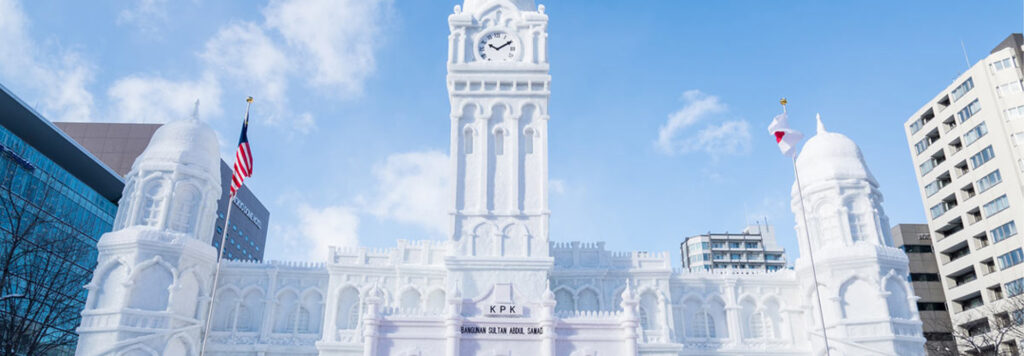
Hokkaido
- Sapporo Ice Festival
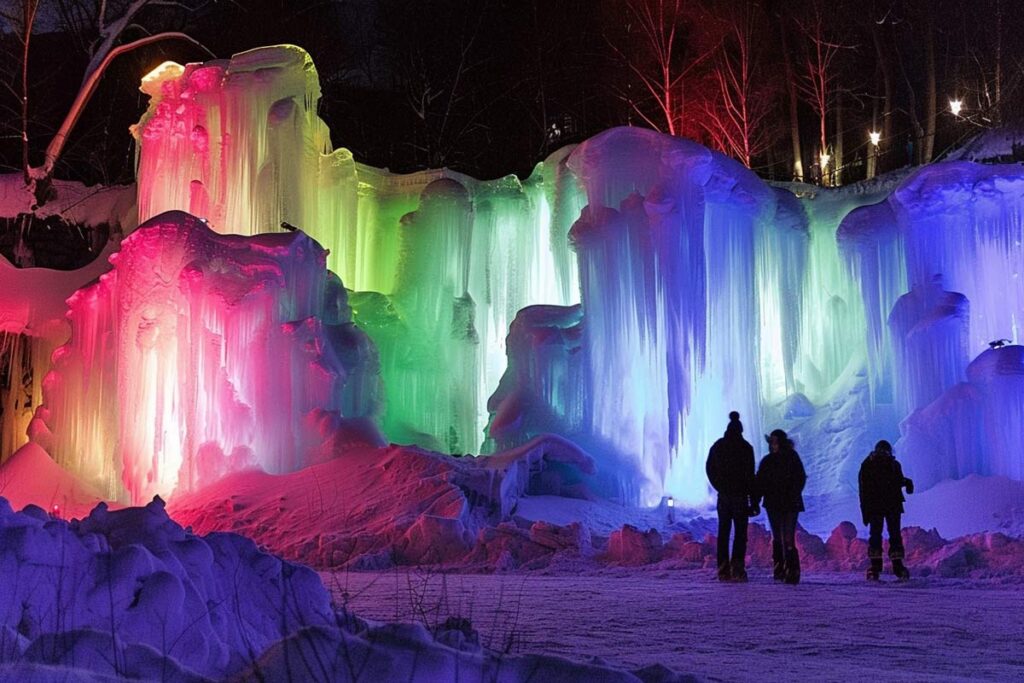
Takayama
- Frozen Waterfalls
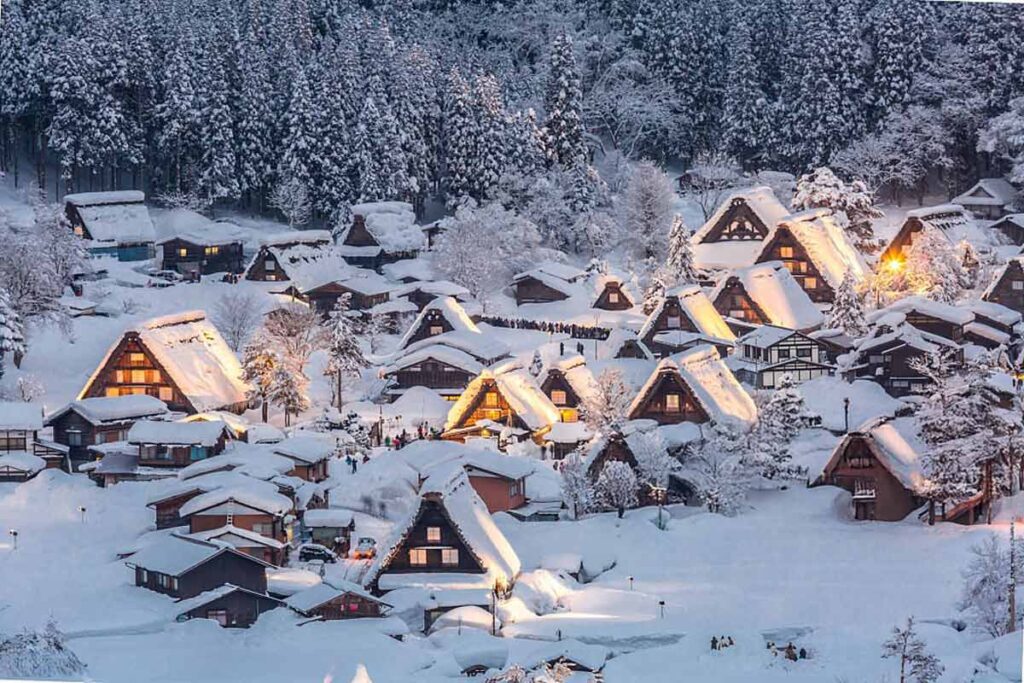
Shirakawa-go
- Historic Villages

Nikko
- Kegon Falls
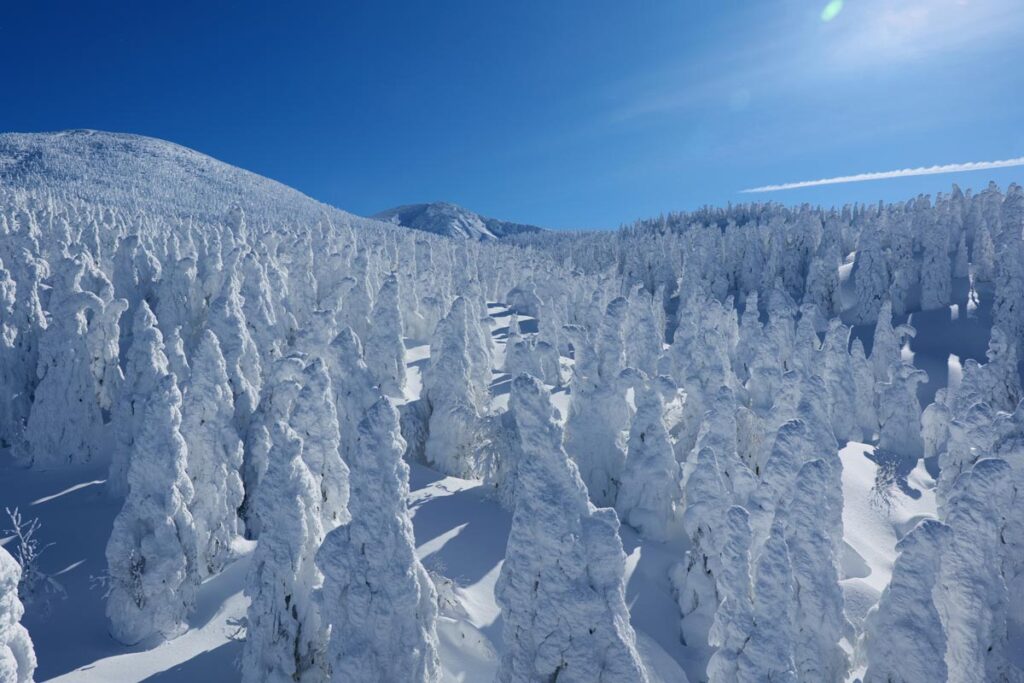
Zao
- Snow Monsters
Other Seasonal Spot
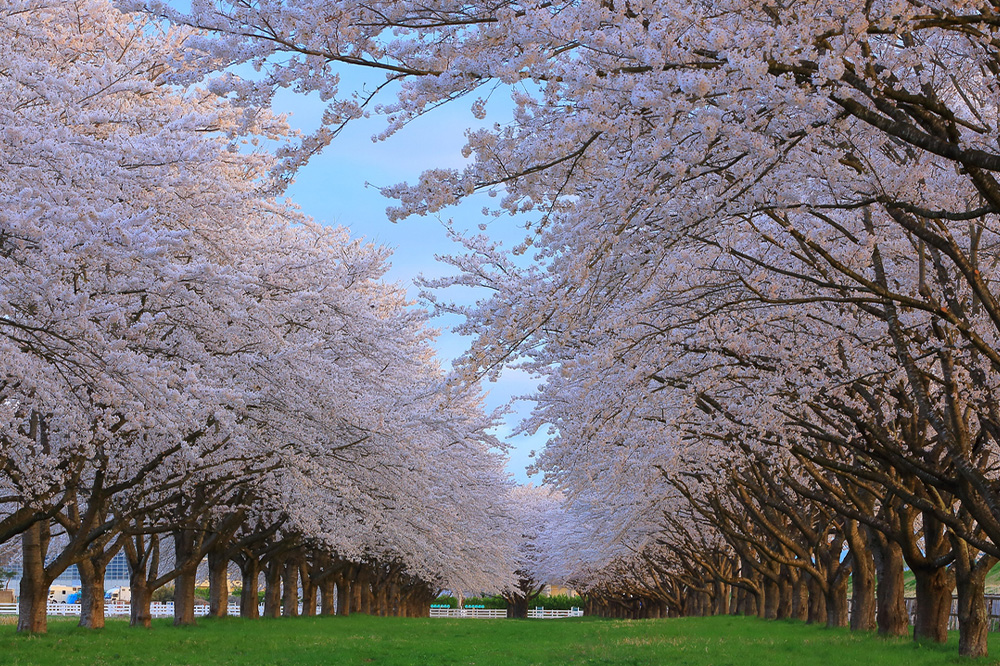
Cherry Blossoms

Summer Festivals