




Nikko - Kegon Falls
Nikko Kegon Falls Travel Guide for First-Time Visitors to Japan
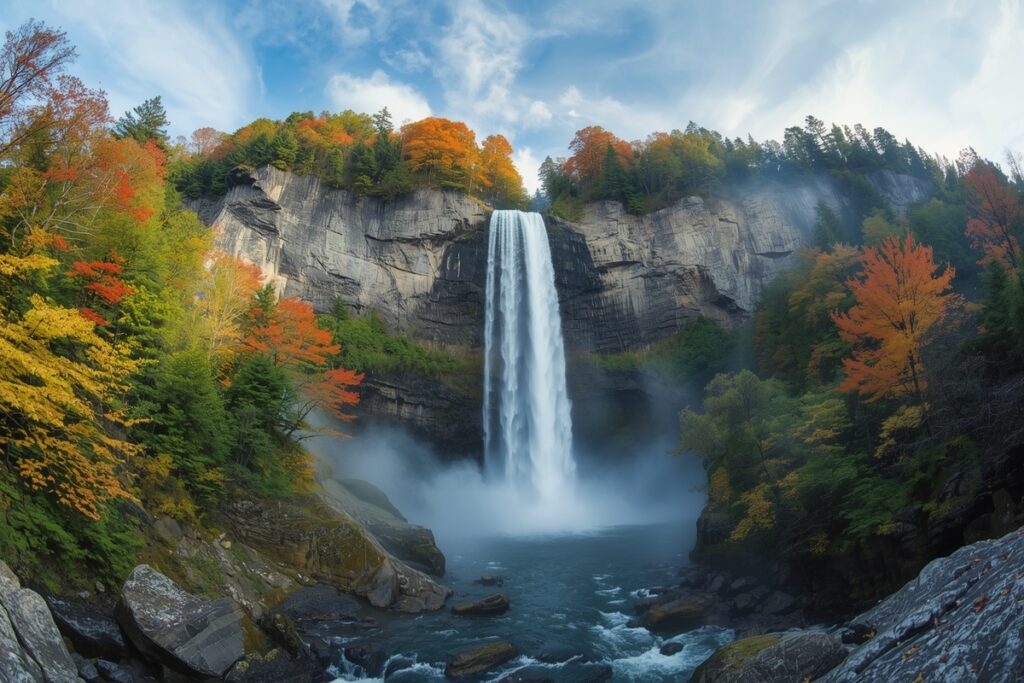
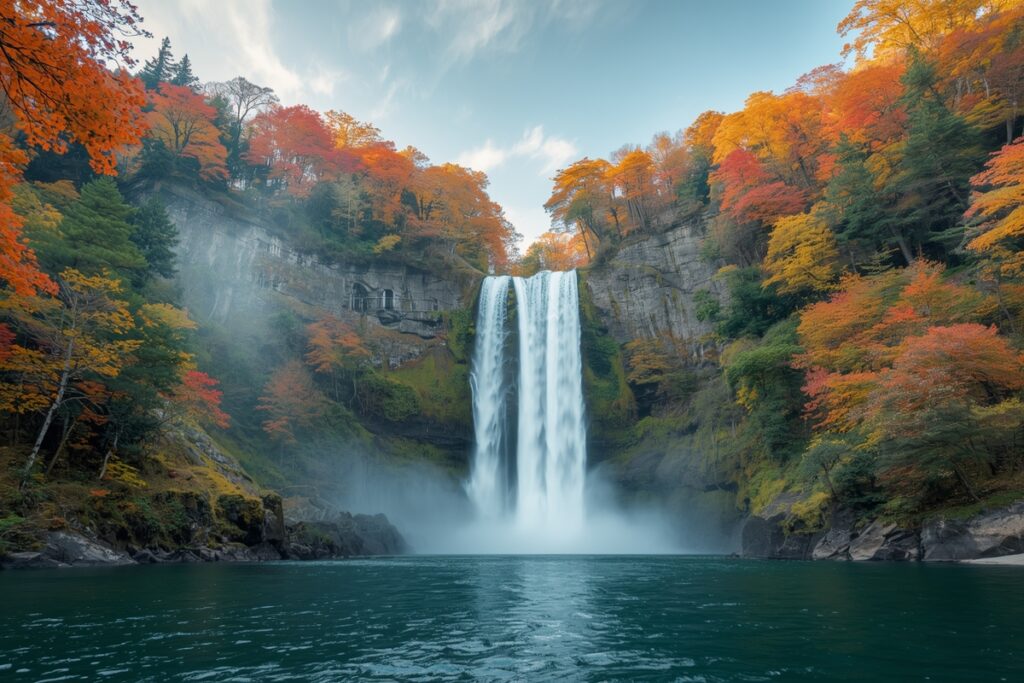
Photos are for illustrative purposes only.
Kegon Falls (Kegon no Taki) is one of Japan’s most dramatic waterfalls and a highlight of any trip to Nikko. Dropping almost 100 meters from the edge of Lake Chuzenji into a rocky gorge, it combines raw natural power with the quiet spirituality that Nikko is famous for. For many international visitors, Kegon Falls becomes the moment when Japan’s wild landscapes finally click into focus.
Why Kegon Falls Belongs on Your Japan Itinerary
Kegon Falls is often listed among Japan’s “three great waterfalls,” and it offers more than just a pretty viewpoint. Here, you can experience:
- Spectacular scenery: A single, powerful cascade framed by forested cliffs and mist.
- Easy access: Elevators and well-maintained paths make it straightforward for first-time visitors.
- Distinct seasonal beauty: Cherry blossoms in spring, lush greens in summer, fiery foliage in autumn, and icy formations in winter.
- A classic Nikko day trip: Combine the waterfall with Nikko’s famous shrines and Lake Chuzenji for a full, varied day.
Even if you only have a short time in Japan, Kegon Falls showcases a side of the country that you won’t find in the big cities: clean mountain air, sacred landscapes, and the deep connection between nature and spirituality.
Where Kegon Falls Is and How to Get There
Kegon Falls is located in the Okunikko area, a highland region above the main town of Nikko in Tochigi Prefecture, north of Tokyo. The waterfall is fed by Lake Chuzenji, which was formed by ancient volcanic activity from nearby Mount Nantai.
From Tokyo to Nikko
Most international visitors start from Tokyo. You have two main rail options:
- By Tobu Railway from Asakusa: Direct limited express trains (like the SPACIA) run from Asakusa Station to Tobu-Nikko Station. This is convenient if you’re staying in eastern Tokyo or near Asakusa.
- By JR (Japan Railways): Take a shinkansen (bullet train) from Tokyo or Ueno to Utsunomiya, then transfer to the JR Nikko Line for JR Nikko Station. This route is ideal if you have a JR Pass.
Both Tobu-Nikko and JR Nikko stations are close to one another, and local buses serve Kegon Falls and Lake Chuzenji from in front of the stations.
From Nikko Station to Kegon Falls
The easiest way is by bus. Look for buses bound for Chuzenji Onsen or Yumoto Onsen. Get off at the Chuzenji Onsen stop; from there it’s a short walk to the Kegon Falls observation area.
The drive up to Lake Chuzenji uses the famous Irohazaka Winding Road, a series of dramatic hairpin curves that climb through the forested mountainside. From the bus window, you can sometimes glimpse the valley and, in autumn, entire slopes of blazing red and yellow leaves.
If you’re driving, be mindful that the road can be busy in peak seasons, especially during autumn foliage weekends. Parking is available near Kegon Falls and Lake Chuzenji, but spaces can fill quickly.
Understanding the Spiritual Landscape of Nikko
Nikko has been a sacred site for centuries, and its slogan, often translated as “Never say ‘kekkō’ (wonderful) until you’ve seen Nikko,” reflects its longstanding status as a place of extraordinary beauty. Kegon Falls sits in the Okunikko highlands, which were considered a remote inner sanctuary beyond the more famous shrines and temples down in the town.
Mount Nantai, whose volcanic activity formed Lake Chuzenji, has been worshipped as a sacred mountain since ancient times. The lake and waterfalls fed by its waters were seen as embodiments of the mountain’s power. Visiting Kegon Falls is therefore not just a scenic stop; it’s a chance to see how Japan’s landscapes and spiritual traditions are intertwined.
Best Time to Visit Kegon Falls
Kegon Falls is beautiful year-round, but each season offers a different mood:
Spring (April–May)
Spring brings fresh greenery and, depending on the year, traces of late snow higher up in the mountains. Temperatures are still cool, and the air feels especially crisp. It’s a quieter time than high summer or autumn, making it good for travelers who prefer fewer crowds.
Summer (June–August)
Summer in Nikko is cooler than Tokyo, and the area becomes a refreshing mountain escape. Rainfall can raise water levels and intensify the falls, and the forest surroundings are a deep, vivid green. This is the ideal season for combining Kegon Falls with hiking in Okunikko.
Autumn (Late October–Early November)
Autumn is the most popular time to visit. The trees around the gorge turn brilliant shades of red, orange, and yellow. From viewpoints near Kegon Falls and along the Irohazaka Road, the scenery can be spectacular. Expect crowded buses and longer travel times on weekends and peak foliage days.
Winter (December–February)
In winter, Kegon Falls takes on an entirely different character. Portions of the waterfall and surrounding rock walls can freeze, creating intricate ice formations. The contrast between the flowing water and icy shards gives the scene a stark, quiet beauty. Dress warmly—temperatures can be significantly lower than in Tokyo—and check conditions, as snow can affect transportation.
What to Expect at Kegon Falls
Once you arrive at the Kegon Falls area, you’ll find a small cluster of buildings, souvenir shops, and food stalls. From here, you have two main viewpoints: the free upper platform and the paid lower observation area, accessed by elevator.
The Free Upper Viewing Platform
Just a short walk from the bus stop, the upper platform offers a panoramic view of Kegon Falls from above. You can see the water plunging from the outlet of Lake Chuzenji, surrounded by cliffs and forest. This spot is excellent for quick photos and gives you a sense of the waterfall’s height and setting.
The Elevator to the Lower Observation Deck
To really feel the power of Kegon Falls, take the elevator down to the base observation area. You’ll find a ticket counter near the entrance, where you pay a small fee for round-trip elevator access. The ride is short and brings you close to valley floor level, where several concrete platforms provide clear views of the waterfall and the rocky basin below.
From here, the sound of the water is much louder, and you may feel a fine mist depending on wind direction and season. In summer, this cool spray can be refreshing; in winter, it can make the air feel even colder, so having a waterproof layer or warm coat is wise.
Photography Tips and Scenic Angles
Kegon Falls is highly photogenic, but the high contrast between bright water and dark rock can be a challenge for cameras and phones. Here are a few practical tips:
- Use both platforms: Capture wide shots from the upper deck and more dramatic, close-up shots from the lower observation area.
- Consider the time of day: Midday light can be harsh; mornings often offer softer, more flattering light, especially on clear days.
- Protect your gear: Bring a lens cloth or wipe to remove mist from your camera or phone lens at the lower platform.
- Look beyond the main drop: In some seasons, smaller side streams appear on the cliff face, creating interesting compositions.
Combining Kegon Falls with Nearby Attractions
A visit to Kegon Falls usually forms part of a wider Nikko or Okunikko itinerary. To make the most of your day, consider these nearby sights:
Lake Chuzenji
Since Kegon Falls is essentially the outlet of Lake Chuzenji, it makes sense to walk or bus a short distance to the lakeshore. The lake has walking paths, viewpoints, boat cruises in some seasons, and lakeside cafés where you can rest with a view of the water and surrounding mountains.
Historically, Lake Chuzenji was a summer retreat for foreign diplomats, and a few Western-style residences remain as reminders of this era. Strolling along the shore gives a sense of how long travelers have appreciated this cooler mountain climate.
Other Okunikko Waterfalls
The Okunikko area is home to several other waterfalls, each with its own character:
- Ryuzu Falls: A long, stepped waterfall framed by maples—famous for autumn colors.
- Yudaki Falls: A powerful cascade at the outflow of Lake Yunoko, near Yumoto Onsen.
If you enjoy walks and mountain scenery, you can easily spend a full day exploring waterfalls and lakes around Okunikko.
Nikko’s Shrines and Temples
Many visitors combine Kegon Falls with a visit to Nikko’s UNESCO-listed shrines and temples, including the richly decorated Toshogu Shrine. If you are on a day trip from Tokyo, start early: visiting both the heritage sites in town and the Okunikko area in one day is rewarding but can feel rushed.
Practical Tips for First-Time Visitors
Tickets, Passes, and Costs
Aside from local transportation costs, the main fee directly related to Kegon Falls is the elevator ticket to the lower observation area. You can pay in cash at the ticket counter. Some regional passes offered by rail companies cover buses in the Nikko area and may offer discounts, so it’s worth checking options before your trip if you plan to explore more than just the waterfall.
What to Wear and Bring
Conditions at Kegon Falls can differ from Tokyo, especially in cooler months. Consider the following:
- Layered clothing: Temperatures in the mountains are often several degrees lower.
- Comfortable walking shoes: While paths are generally paved, you will be on your feet and possibly in damp areas.
- Rain gear: Weather can change quickly; a light rain jacket or umbrella is useful.
- Small towel or cloth: Handy for wiping mist off glasses or camera lenses.
Food and Facilities
Near the Kegon Falls entrance and around Chuzenji Onsen, you’ll find small restaurants and shops selling local specialties, including trout dishes, yuba (tofu skin), and sweets. Convenience stores may be limited directly at the falls area, so bringing a bottle of water and a snack from Nikko town can be smart, especially on busy days.
Restrooms are available near the parking area and bus stop. As always in Japan, it’s a good idea to carry a small pack of tissues and some coins for vending machines or restrooms that may have small fees.
Accessibility Notes
The elevator to the lower viewing area makes Kegon Falls more accessible than many natural sites. However, there may still be some slopes and steps, especially around the approach from the bus stop and within the observation area. If you or someone in your group has mobility concerns, allow extra time and check the latest information before you go.
Respecting Nature and Local Customs
Japan places significant cultural value on harmony with nature, and Nikko is no exception. When visiting Kegon Falls:
- Stay on marked paths and platforms for your safety and to protect the environment.
- Take any rubbish with you—bins can be limited in scenic areas.
- Keep noise to a minimum, especially in early morning or late afternoon when the atmosphere is particularly tranquil.
Even something as simple as pausing to quietly observe the waterfall, rather than rushing only to take photos, aligns with how many Japanese visitors engage with natural sites: as places to reflect as well as to sightsee.
How Much Time to Spend at Kegon Falls
For most travelers, 1 to 2 hours at Kegon Falls is enough time to enjoy both upper and lower viewpoints, take photos, and perhaps have a snack or browse a shop. If you add a lakeside walk at Lake Chuzenji or a quick meal in Chuzenji Onsen, plan for half a day in the Okunikko area, plus travel time from central Nikko.
If you are staying overnight in Nikko or Okunikko, you can take your time, visit in the early morning or late afternoon to avoid crowds, and explore more waterfalls and walking trails nearby.
Making Kegon Falls Part of Your Japan Story
Nikko’s Kegon Falls offers a powerful counterpoint to Tokyo’s neon streets and Kyoto’s temples. Standing before the roaring water, framed by cliffs and ancient forest, you’ll experience a side of Japan that many first-time visitors don’t expect: raw, unfiltered nature, still deeply connected to the country’s spiritual roots.
Whether you visit on a day trip or as part of a longer stay in the region, plan ahead for travel time, check the season’s conditions, and allow yourself a quiet moment just to watch and listen. Long after your photos are filed away, the sound and spray of Kegon Falls is likely to be one of the memories that stays with you.

Access Map
Recommended spots for Winter Snow
Hokkaido
- Sapporo Ice Festival
Takayama
- Frozen Waterfalls
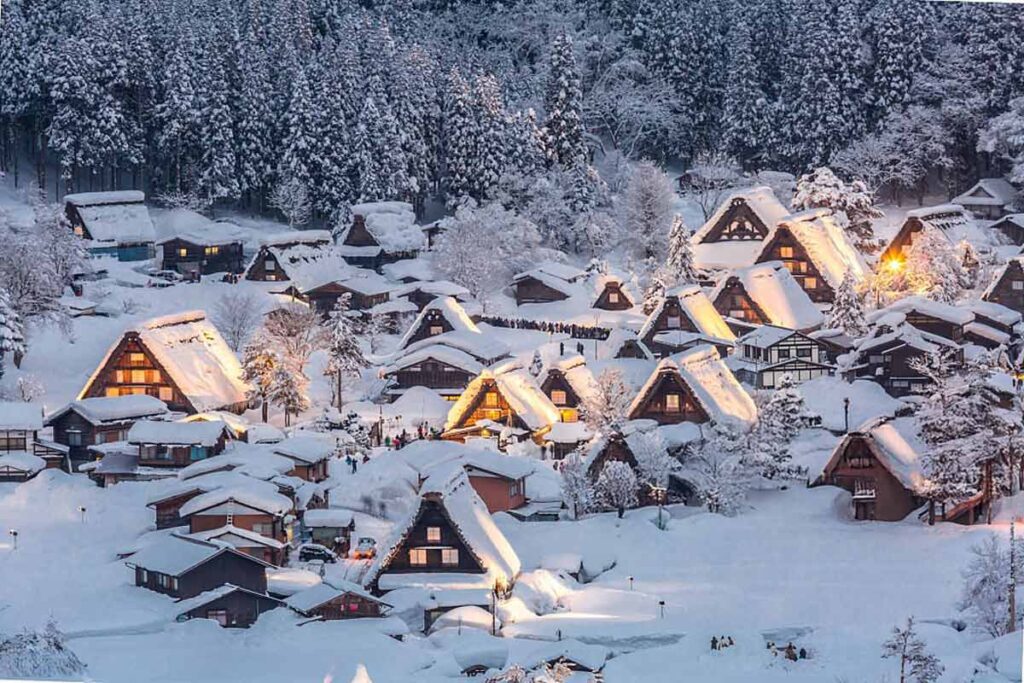
Shirakawa-go
- Historic Villages

Nikko
- Kegon Falls
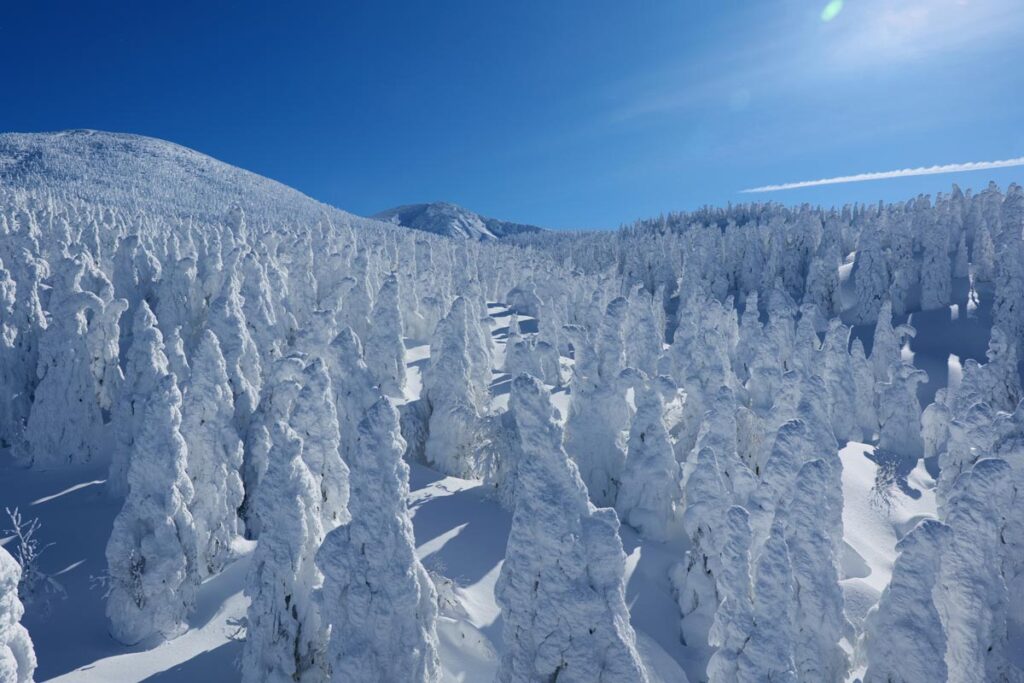
Zao
- Snow Monsters
Other Seasonal Spot
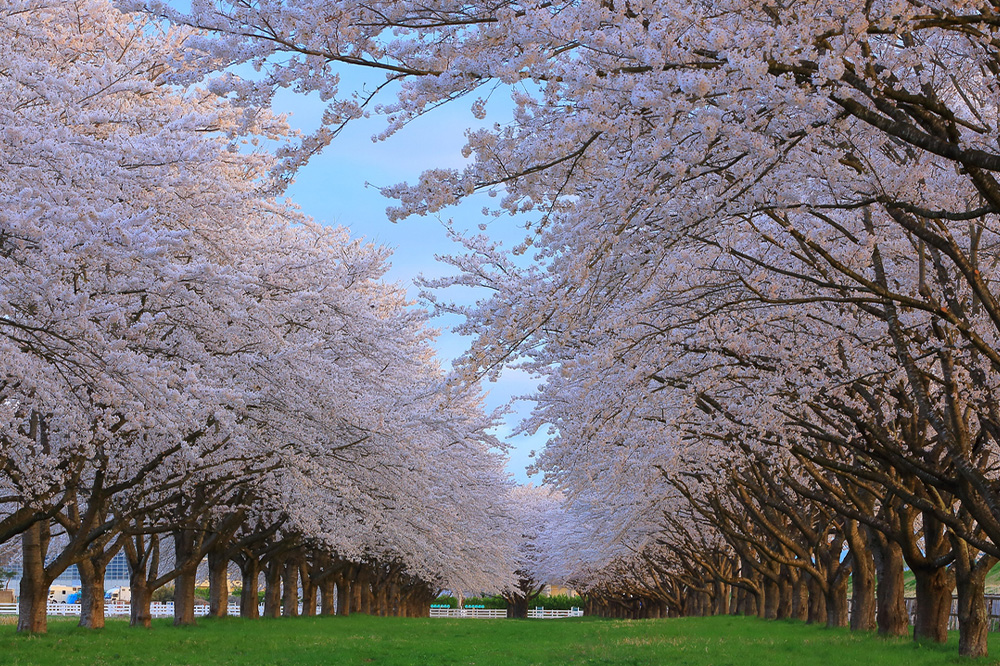
Cherry Blossoms

Summer Festivals