

Zao - Snow Monsters
Seeing Zao's Snow Monsters in Japan: A First-Timer's Guide
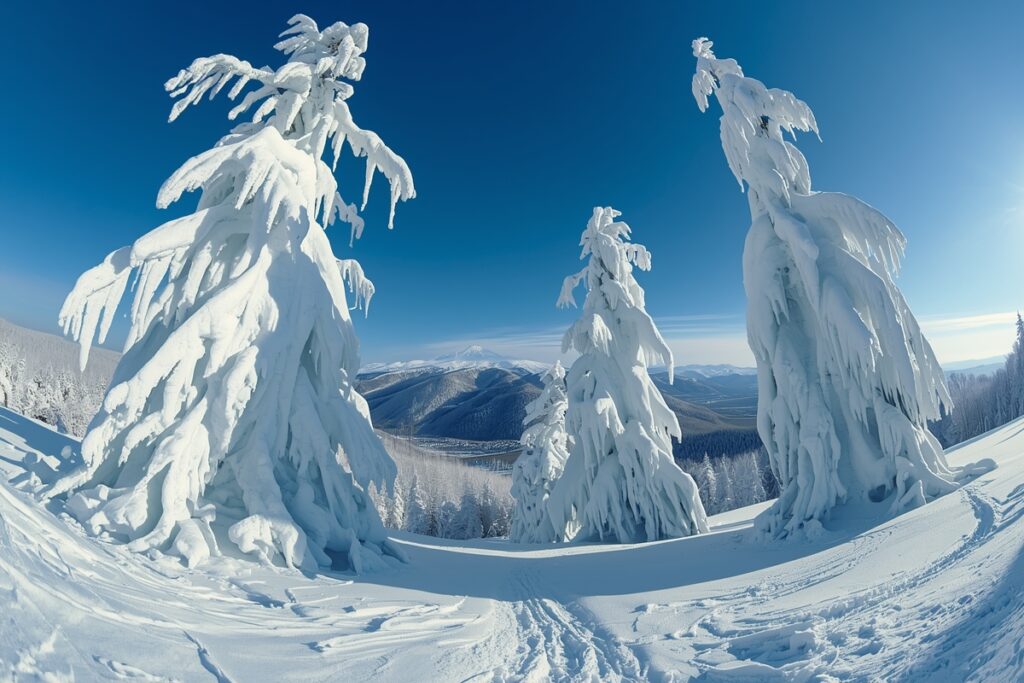
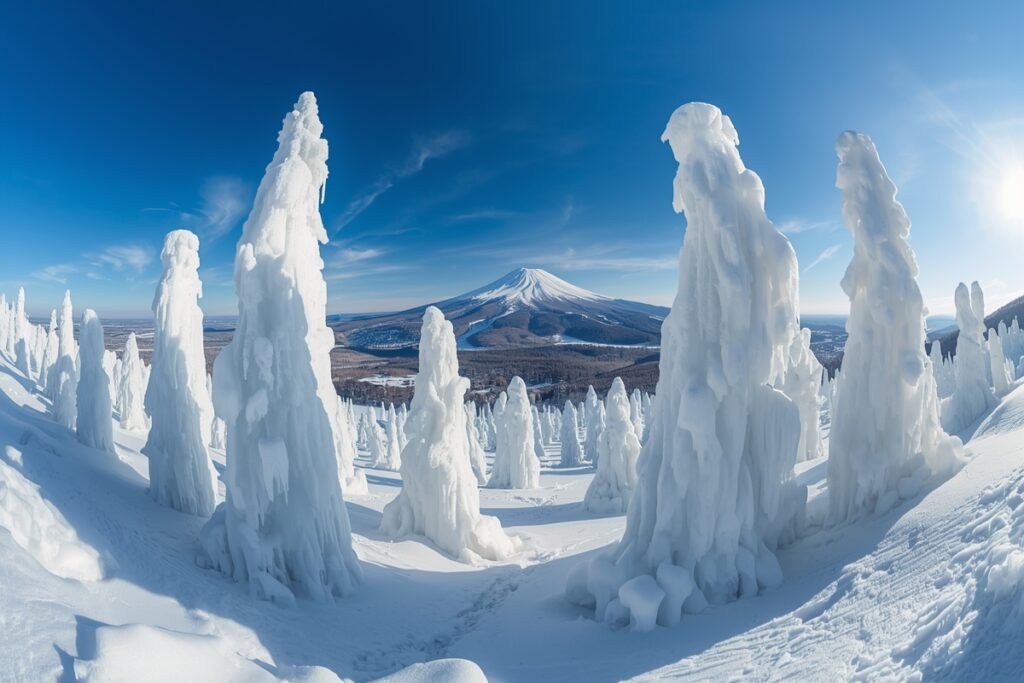
Photos are for illustrative purposes only.
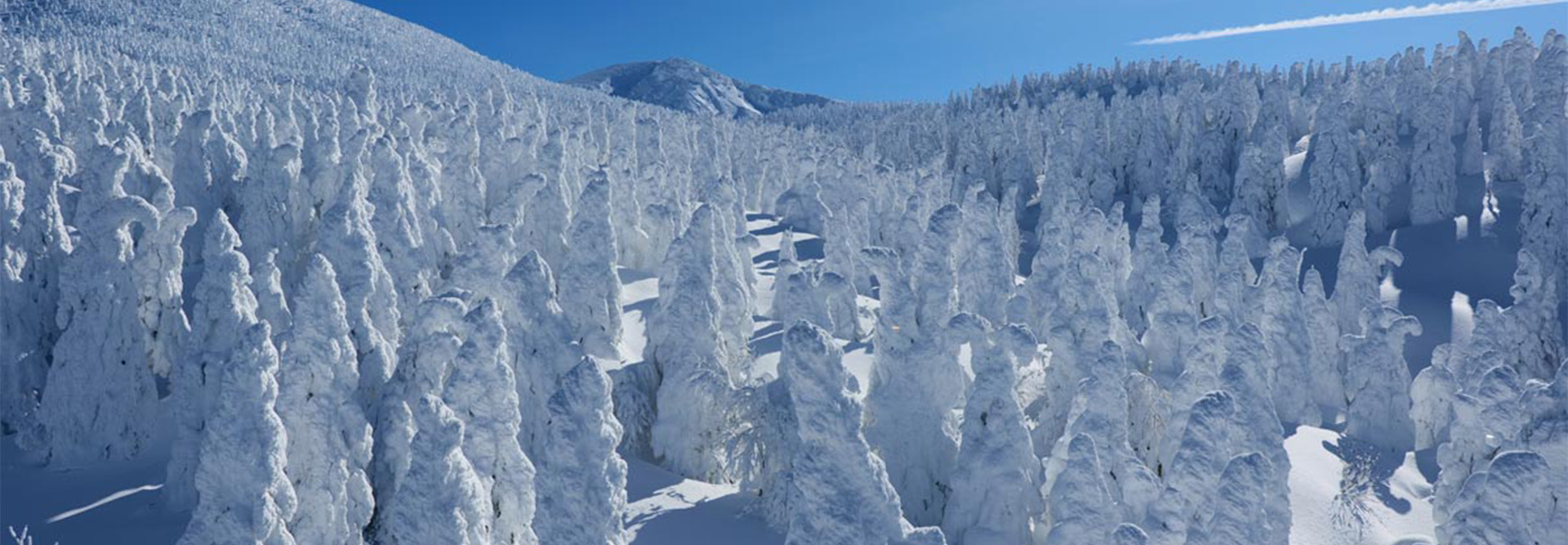
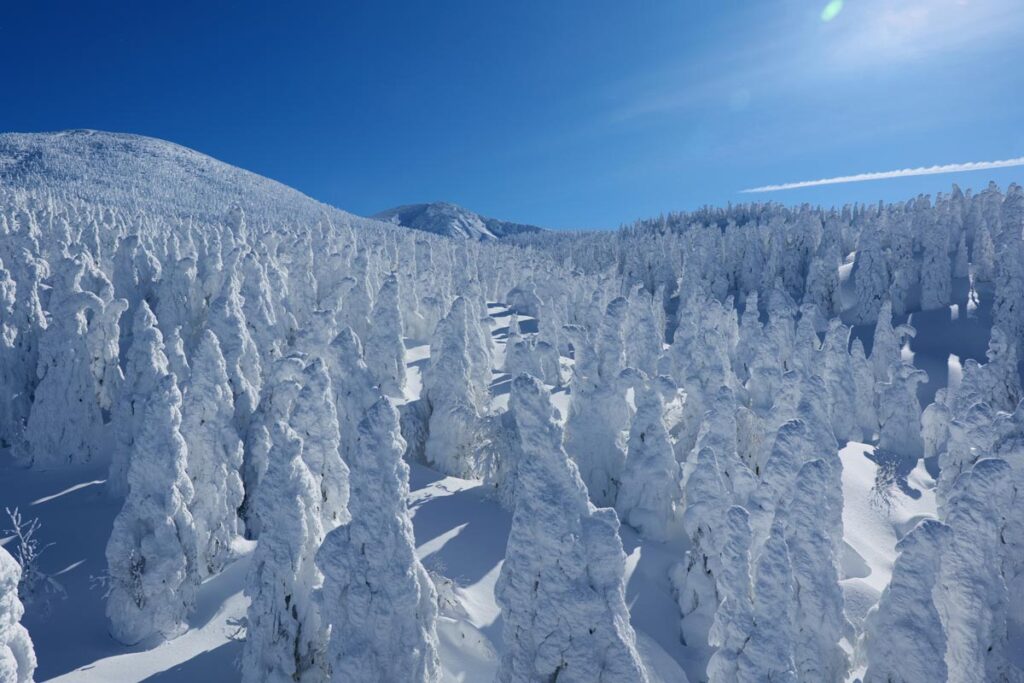
In the mountains of northern Japan, winter turns a quiet ski resort into something that looks almost otherworldly. At Zao, on the border of Yamagata and Miyagi Prefectures, fierce Siberian winds and heavy snowfall coat entire forests in ice and powder. The result is the famous “Snow Monsters” – towering, ghostly white shapes that seem to march down the slopes.
For first-time visitors to Japan, Zao is an easy and unforgettable side trip from Tokyo or Sendai. This guide explains how the Snow Monsters form, when and how to visit, what to expect on the mountain, and how to relax in Zao’s historic hot-spring town after a day in the snow.
What Are Zao's Snow Monsters?
The Snow Monsters, known in Japanese as juhyō, are actually Aomori fir trees encased in layers of rime ice and snow. In mid-winter, strong winds from Siberia pick up moisture over the Sea of Japan. When this super-cooled, fog-like mist hits the trees on Zao’s high slopes, it freezes instantly. Over weeks, the ice builds up into bulbous, sculptural shapes that can reach several meters tall.
The effect is eerie and beautiful: an entire mountainside of misshapen, frozen figures that locals describe as armies of monsters, ghosts, or spirits. By day, they look like frozen waves; by night, colorful lights transform them into a surreal landscape that feels almost like a scene from a fantasy film.
Where Is Zao and How Do You Get There?
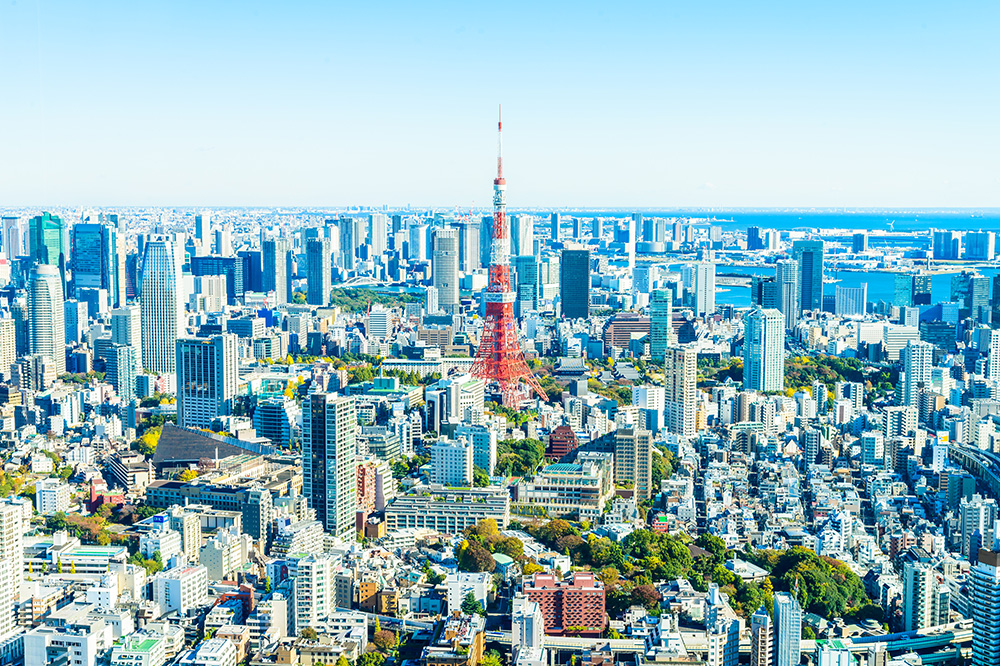
Zao is part of the Zao Mountain Range in the Tohoku region of northern Honshu. The Snow Monsters are centered around Zao Onsen Ski Resort in Yamagata Prefecture, with access from the onsen town of Zao Onsen. The nearest major city is Yamagata, and many visitors travel via Sendai or directly from Tokyo.
From Tokyo
You can reach Zao comfortably in a half-day from Tokyo using Japan’s efficient rail network:
- Tokyo to Yamagata: Take the JR Yamagata Shinkansen from Tokyo Station or Ueno Station to Yamagata Station (about 2.5–3 hours).
- Yamagata to Zao Onsen: From Yamagata Station, board a bus for Zao Onsen. The ride takes about 40 minutes and stops close to the ropeway base station and many ryokan.
The Yamagata Shinkansen is covered by the Japan Rail Pass, JR East Pass, and similar regional passes, making Zao a budget-friendly side trip if you are already using rail passes.
From Sendai
Sendai, the largest city in Tohoku, is another convenient base:
- Take the JR Senzan Line from Sendai Station to Yamagata Station (about 70–80 minutes).
- From Yamagata Station, take the bus to Zao Onsen as above.
There are also occasional direct buses from Sendai to Zao Onsen during the peak Snow Monster season; check current timetables in advance, as schedules change each winter.
Driving to Zao
Renting a car can be convenient, especially if you plan to explore other parts of Tohoku. The drive from Yamagata city to Zao Onsen takes about 30 minutes. However, winter driving in this region means snow, ice, and mountain roads. If you are not confident driving in these conditions, public transport is the safer option. Always confirm that your rental car is equipped with snow tires.
Best Time to See the Snow Monsters
The Snow Monsters are highly seasonal and change week by week. Planning your visit for the right time is essential.
Typical Season
- Late December – Early January: The trees begin to freeze and accumulate snow, but the monsters are still “growing.” You can see them, but they are smaller and less dramatic.
- Late January – Late February: Usually the prime viewing season. By this time, the Snow Monsters are fully formed, dense, and tall. Both daytime scenery and illuminated night views are at their best.
- Early March: Warmer temperatures and stronger sunshine start to erode the shapes. On many years, the monsters begin to collapse or shrink.
Exact conditions vary dramatically from year to year, depending on snowfall, wind, and temperature. If seeing the Snow Monsters at their peak is a top priority, aim for late January or February and build some flexibility into your schedule in case of bad weather.
Day vs. Night: Two Different Experiences
Zao offers two distinct ways to experience the Snow Monsters: bright, expansive daytime views and atmospheric night illuminations.
Daytime Visits
During the day, the Snow Monsters stretch across the upper slopes of the ski resort. On clear days, you get wide views of the white figures against blue sky, with the Zao mountain range in the background. This is ideal for photography, skiing, and snowboarding.
From Zao Onsen, take the Zao Ropeway up in two stages. The upper station, near Jizo Sancho, is the main viewing area. Most visitors walk a short distance from the station to wander among the snow shapes, snap photos, and enjoy the crisp mountain air. In deep winter, temperatures can plunge well below freezing, and wind chill is strong; quality winter clothing is essential.
Snow Monster Night Illumination
On selected evenings from late January to early March, Zao hosts the Snow Monster Night Illumination. From twilight into the night, powerful lights in shifting colors illuminate the frozen trees. Under the lights, the monsters appear even more surreal – some visitors describe them as frozen dragons or alien creatures. In low visibility, the illuminated snow and swirling mist give the entire mountain a dreamlike, otherworldly feel.
Special night ropeway services run on illumination days. From the upper station, you can view the Snow Monsters from an observation deck or step out briefly into the snow. Nighttime temperatures are typically even colder than during the day, so bring your warmest clothing, including hat, gloves, and a face covering.
Riding the Ropeway and Exploring the Snowfield
The Zao Ropeway is the main gateway to the Snow Monsters for both skiers and non-skiers. It operates in two sections:
- Sanroku Line (Lower Ropeway): Runs from the base station in Zao Onsen up to Juhyō Kogen Station. From its windows, you can gradually see the trees become whiter and heavier with snow as you ascend.
- Sancho Line (Upper Ropeway): Connects Juhyō Kogen Station to Jizo Sancho Station, near the summit. This section runs directly through the densest Snow Monster zone, giving you close-up views from the cabin.
At the top, you can explore short walking routes around the station complex, visit the small Jizo statue buried in deep snow, and admire panoramic views on clear days. For safety, stay on marked paths – snow depths can be several meters, and visibility may drop quickly in bad weather.
Skiing and Snowboarding Among the Snow Monsters
Zao Onsen Ski Resort is one of Japan’s classic ski destinations. While expert skiers will find challenging runs and off-piste routes, the resort is also friendly to beginners and intermediates, with long, scenic courses and wide slopes.
One of the unique draws is the chance to ski or snowboard right through the Snow Monster fields. On high slopes, you glide between frozen giants that line the run like silent spectators. This is a rare experience even for seasoned skiers who have traveled the world.
Rental shops in Zao Onsen offer skis, snowboards, and clothing, but sizes for very tall or large visitors may be limited. It is wise to reserve in advance or bring key items like gloves and goggles. Riding lifts in heavy wind and snow can be intense; always check local weather and follow resort safety guidelines.
Soaking in Zao Onsen: Hot Springs After the Cold
After facing freezing winds on the mountain, slipping into a steaming hot spring is more than just relaxing – it feels like a return to life. Zao Onsen is one of Japan’s oldest hot spring towns, with a history stretching back over a thousand years.
The onsen water here is strongly acidic, rich in minerals, and slightly cloudy. Locals say it is good for skin ailments, joint pain, and recovery from fatigue. For visitors, the appeal is also cultural: bathing naked in shared hot spring pools is a deeply Japanese experience, practiced with a quiet, respectful atmosphere.
Many ryokan (traditional inns) and hotels in Zao Onsen have their own baths, often open-air, where you can soak while snow falls around you. There are also small public bathhouses scattered around town, each with its own character. Basic onsen etiquette applies: wash thoroughly before entering the tub, do not put towels in the water, and keep voices low.
Where to Stay and How Long to Visit
Zao can be enjoyed as a day trip, but staying overnight allows you to experience both daytime and night views of the Snow Monsters and fully enjoy the hot springs.
Accommodation Options
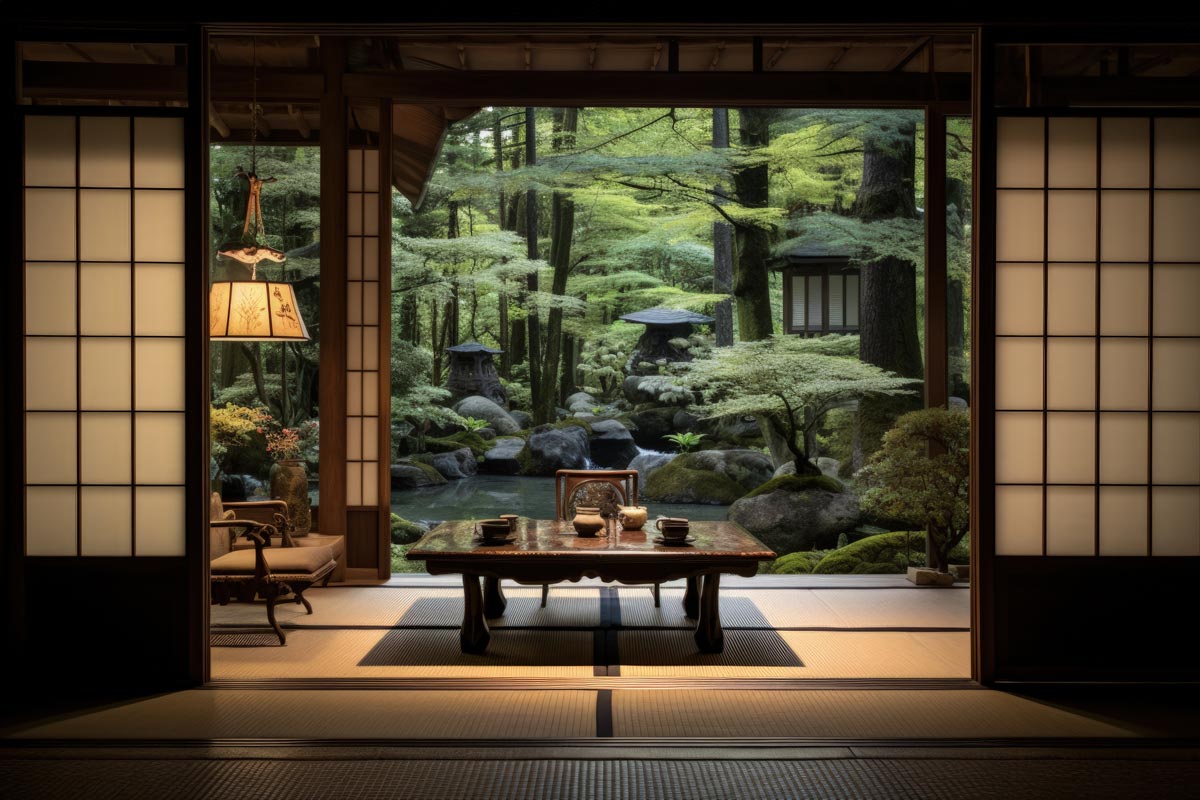
- Ryokan (Traditional Inns): Many offer tatami rooms with futons, multi-course kaiseki dinners, and private or communal hot spring baths. This is ideal if you want a classic Japanese experience.
- Hotels and Guesthouses: Western-style beds are widely available, with a range of budgets from simple lodgings to more upscale hotels. Some include breakfast or breakfast and dinner plans.
Zao Onsen is compact, and most accommodation is within walking distance of the ropeway base or shuttle bus stops. For ease of access in winter, consider a ryokan that offers pick-up from the Zao Onsen bus stop.
Recommended Length of Stay
- 1 night: Enough time to ride the ropeway during the day, soak in an onsen, and join a night illumination tour.
- 2–3 nights: Ideal if you want to ski or snowboard, explore different slopes, or build in buffer days for weather-related changes.
What to Wear and Bring
Conditions at Zao can be harsher than many first-time visitors to Japan expect. Proper clothing will make the difference between a magical experience and a miserable one.
- Base Layer: Thermal underwear and warm socks.
- Mid Layer: Fleece or wool sweater for insulation.
- Outer Layer: Waterproof and windproof jacket and pants – a ski outfit is ideal.
- Accessories: Warm hat, scarf or neck gaiter, insulated gloves or mittens, and snow boots with good grip.
- For Your Eyes and Skin: Sunglasses or goggles (the reflected light from snow can be intense) and lip balm or moisturizer for the cold, dry air.
Weather can change quickly in the mountains. Even if the onsen town feels relatively mild, temperatures at the upper ropeway station may be many degrees colder with strong wind and blowing snow.
Useful Tips for First-Time Visitors
- Check Schedules and Weather: Ropeway services and night illuminations are subject to cancellation or change in bad weather. Confirm the latest information on the day, especially if you travel from far away.
- Language Support: Some staff speak basic English, especially at larger hotels and ticket counters, but having key phrases or a translation app helps.
- Cash and Cards: Larger hotels and the ropeway usually accept credit cards, but small shops, casual restaurants, and public bathhouses may be cash only.
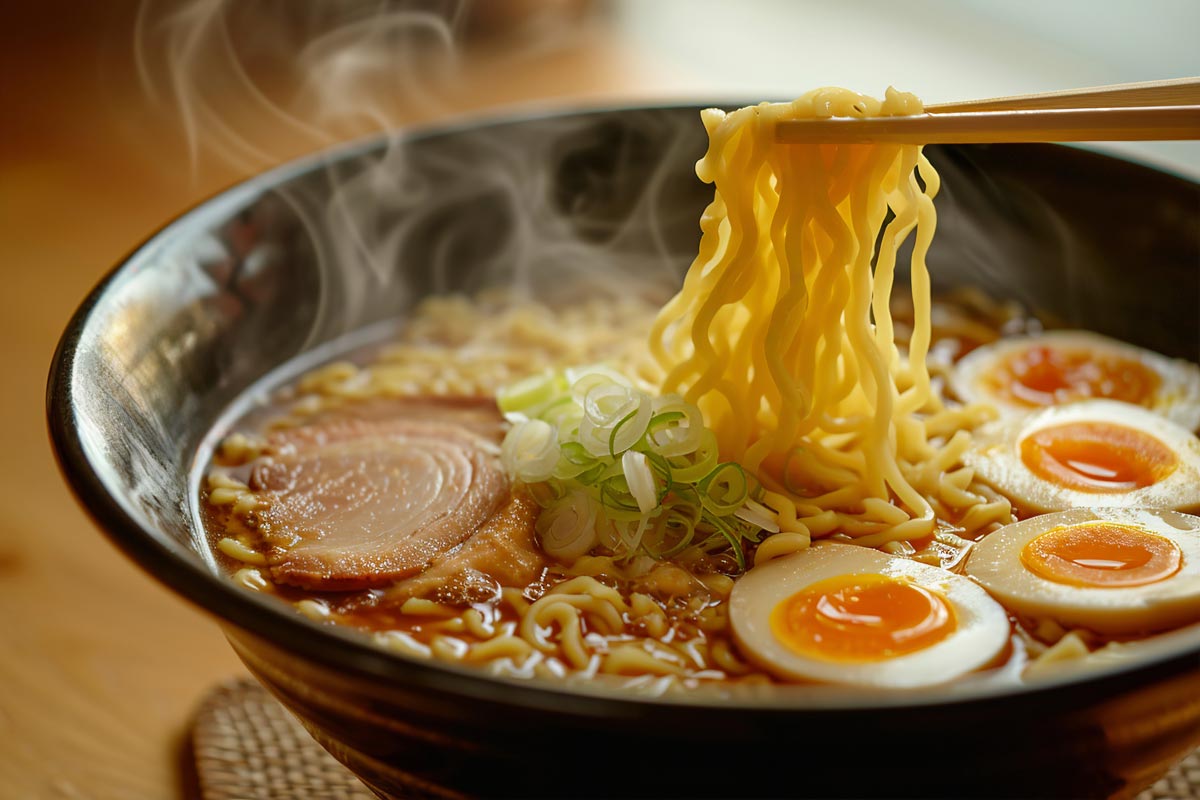
- Food Options: You will find simple, hearty Japanese dishes like ramen, curry rice, and hotpots around the ski area and town. Many ryokan include breakfast and dinner, allowing you to relax after a long day outside.
- Respect Local Customs: In onsen, follow bathing etiquette; in shared spaces, speak quietly and avoid tracking snow into indoor areas.
Why Zao Should Be on Your Japan Winter Itinerary
Japan offers many famous winter destinations, but Zao’s Snow Monsters are uniquely dramatic. Few places in the world combine this rare natural phenomenon with such accessible transport, quality ski slopes, and a traditional hot-spring town.
For first-time visitors, a winter journey to Zao adds something very different to the usual Tokyo–Kyoto route: the thrill of a harsh, beautiful alpine environment, the comfort of steaming hot springs, and a chance to witness a natural scene that exists only for a few short weeks each year.
Plan carefully, dress warmly, and give yourself time to slow down in the snow and steam. Under the icy gaze of the Snow Monsters, you will discover a side of Japan that most travelers never see.

Access Map
Recommended spots for Winter Snow
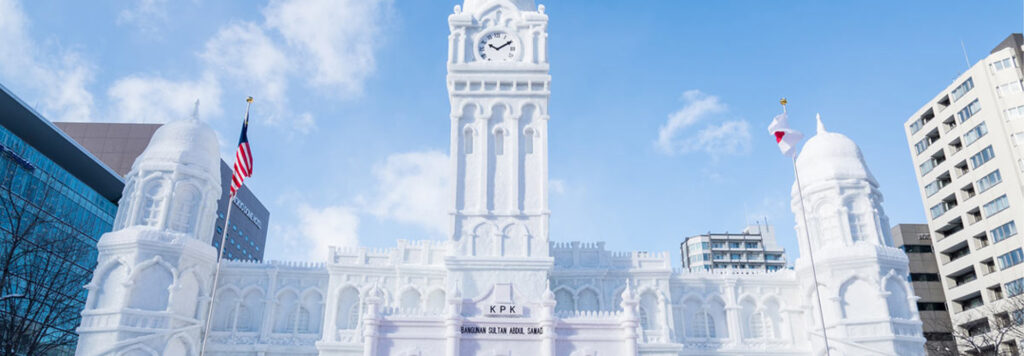
Hokkaido
- Sapporo Ice Festival
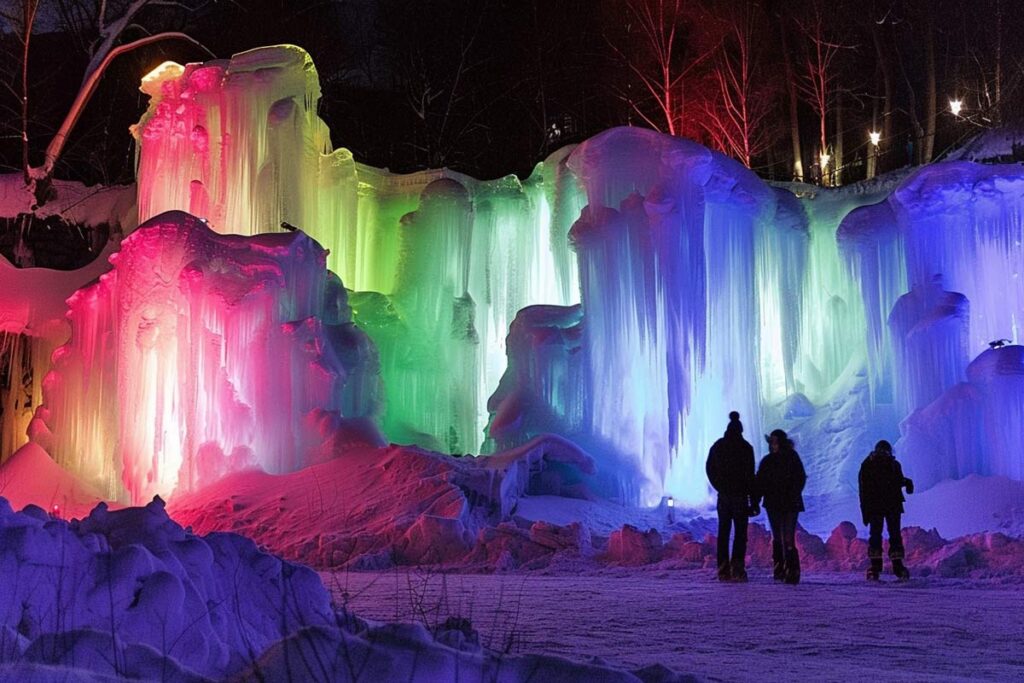
Takayama
- Frozen Waterfalls
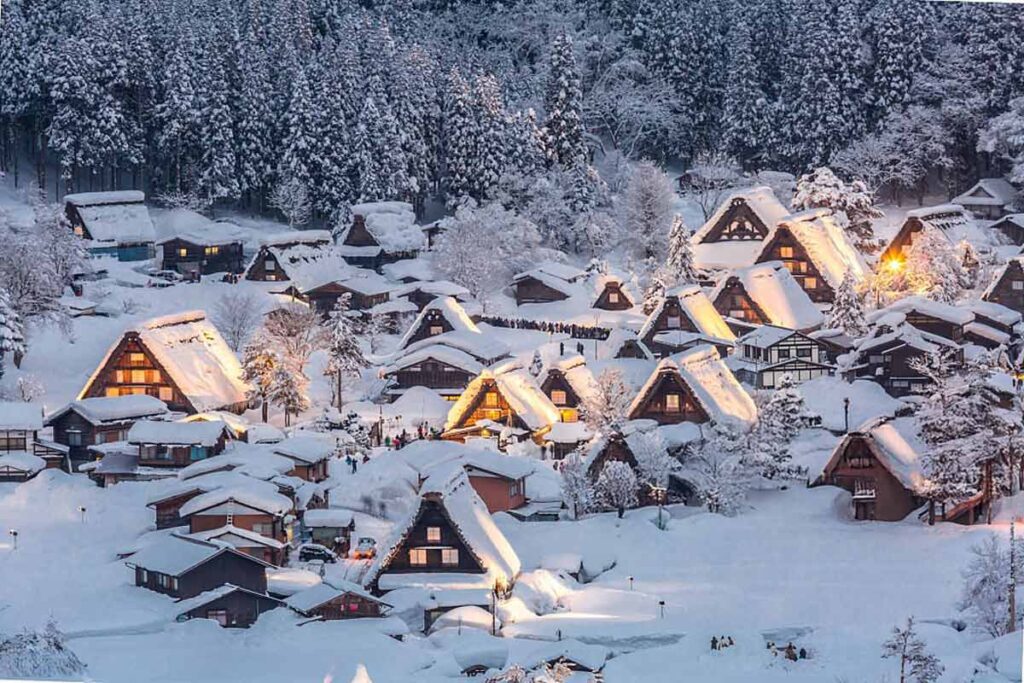
Shirakawa-go
- Historic Villages

Nikko
- Kegon Falls
Zao
- Snow Monsters
Other Seasonal Spot
Cherry Blossoms
Summer Festivals