





Ramen
Ramen in Japan: How to Enjoy the Nation’s Favorite Bowl
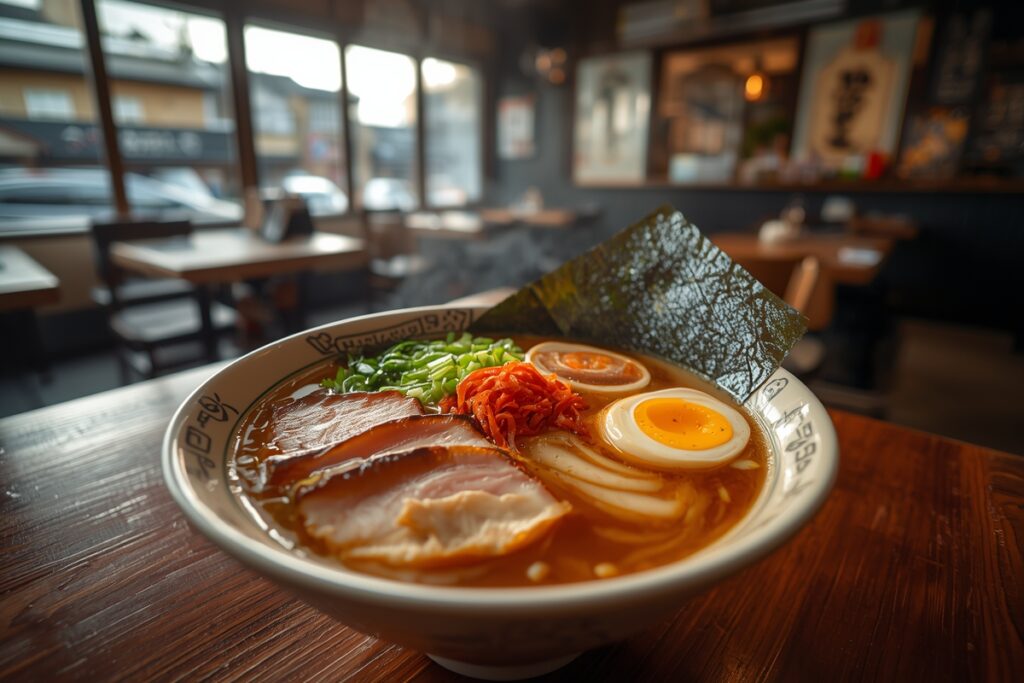
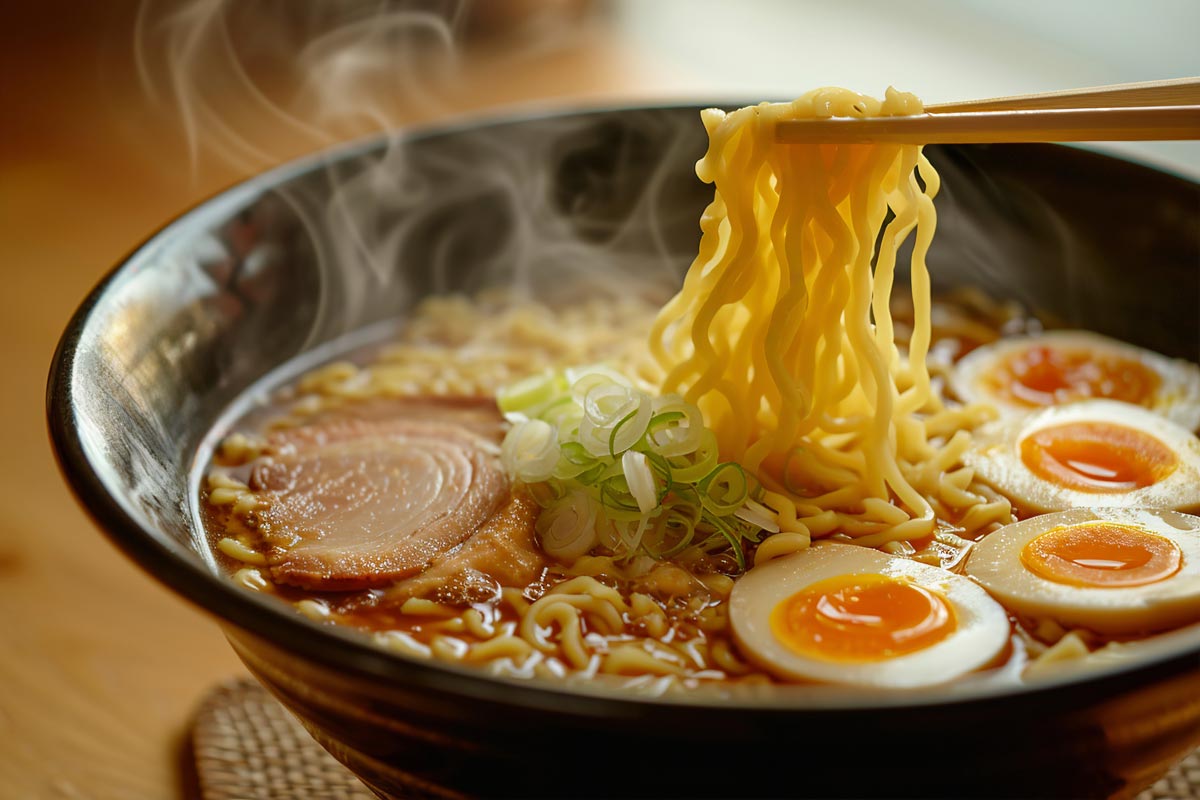
Ask many travelers what they dream of eating in Japan, and ramen is almost always at the top of the list. Steaming bowls of noodles, rich aromatic broth, slices of tender pork, and a soft-boiled egg with a golden yolk – Japanese ramen is comfort food, soul food, and fast food all at once.
If you are visiting Japan for the first time, ramen is one of the easiest and most satisfying local foods to try. It is affordable, widely available, and endlessly varied. This guide will walk you through the different ramen styles, how to order without stress, what to expect in a shop, and a few tips to help you slurp like a local.
What Exactly Is Ramen?
Ramen is a noodle soup dish made with wheat noodles served in a seasoned broth, topped with ingredients such as sliced pork (chashu), green onion, bamboo shoots, seaweed, and egg. While it has Chinese origins, ramen in Japan has evolved into a uniquely Japanese comfort food, with each region proudly offering its own variation.
Unlike traditional Japanese noodles like soba or udon, ramen is usually richer, bolder, and more customizable. Shops often specialize in a single style, obsessing over details like noodle thickness, cooking time, and the balance between fat, salt, and umami in the broth.
The Four Classic Ramen Broth Styles
Though there are countless sub-styles, most bowls you encounter in Japan will fall into one of four main categories. Knowing these will help you choose something you will love, even if you cannot read Japanese.
Shoyu Ramen (Soy Sauce)
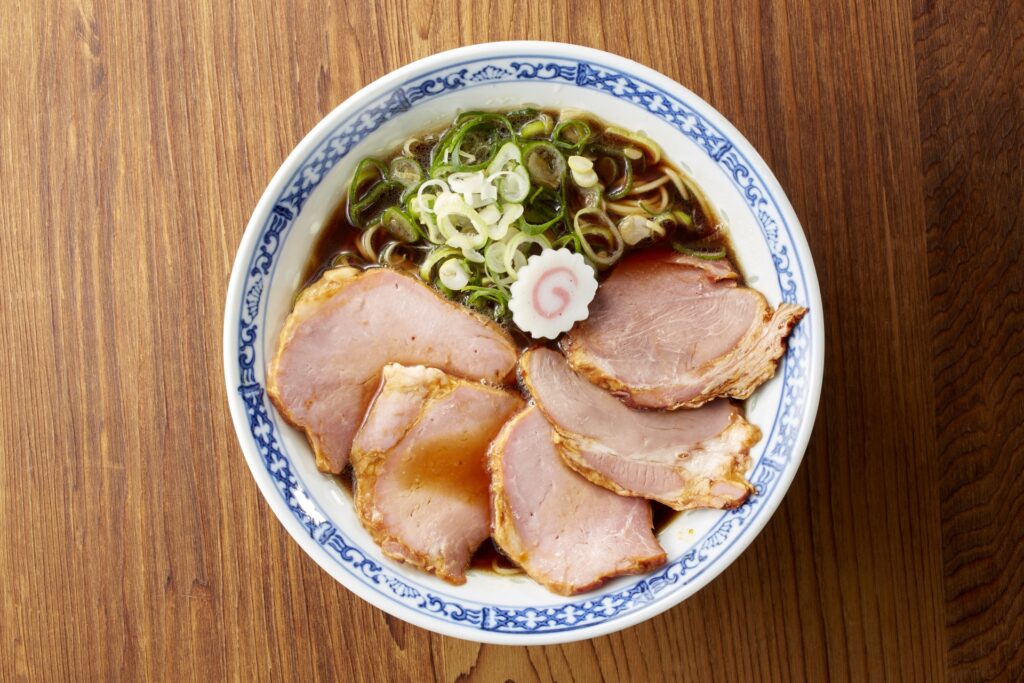
Shoyu means soy sauce, and shoyu ramen is probably the most common style across Japan. The broth is usually clear brown and made from chicken, pork, or a combination of meat and seafood stock, seasoned with soy sauce.
Flavour-wise, shoyu ramen tends to be aromatic, savory, and well balanced rather than overwhelmingly rich. You will often find it topped with chashu pork, menma (bamboo shoots), nori (seaweed), and green onions. This is a great starting point for first-time visitors because it is familiar, not too heavy, and widely available.
Shio Ramen (Salt)
Shio means salt, and shio ramen is the lightest-tasting of the classic styles. The broth is clear and golden, often based on chicken or seafood and seasoned primarily with salt and subtle herbs or aromatics.
Shio ramen can be delicate yet complex, letting you taste the underlying stock without being masked by strong seasonings. It is ideal if you prefer cleaner, less fatty soups or want something gentle after a long flight.
Miso Ramen (Fermented Soybean Paste)
Miso ramen was popularized in Hokkaido and is now beloved all over Japan. The broth blends stock with miso (fermented soybean paste), creating a thick, slightly creamy soup with a deep, nutty umami flavor.
This style is often paired with stir-fried vegetables like bean sprouts and cabbage, sweet corn, and butter, especially in Sapporo. Miso ramen is warming and hearty, perfect for colder months or when you are especially hungry.
Tonkotsu Ramen (Pork Bone)
Tonkotsu refers to pork bone, and this style originated in Kyushu, particularly Fukuoka. Pork bones are simmered for many hours until they release collagen and marrow, producing a thick, milky-white broth that is intensely rich and savory.
The noodles are typically thin and straight, and you can often choose the firmness (from very firm to soft). Tonkotsu ramen is deeply satisfying but can be heavy, so it is best enjoyed when you have an appetite. It is a must-try for visitors who love bold flavors.
Famous Regional Ramen to Try
Ramen in Japan is highly regional. If you travel beyond Tokyo, you can taste local interpretations that reflect climate, ingredients, and taste preferences.
Tokyo-Style Ramen
Tokyo’s classic bowl is based on a soy sauce (shoyu) broth made with chicken, pork, and sometimes dried fish or kelp. Noodles are usually medium-thin and wavy. Toppings tend to be simple: chashu, green onion, menma, and a slice of nori.
Tokyo is also a hotspot for inventive, modern ramen, from truffle-infused broths to vegetarian and vegan bowls. Around busy areas like Shinjuku, Shibuya, and Ikebukuro, you can find everything from tiny counter shops to famous chains with long queues.
Sapporo (Hokkaido) Miso Ramen
Sapporo is synonymous with hearty miso ramen. The broth is usually rich and slightly oily to help keep you warm in Hokkaido’s long winter. Corn and butter are signature toppings, along with bean sprouts, minced pork, and garlic.
If your trip includes Hokkaido, seek out a local miso ramen shop and enjoy it with regional specialties like Hokkaido butter and sweet corn. Portions are often larger, so arrive hungry.
Hakata (Fukuoka) Tonkotsu Ramen
Hakata ramen is the archetypal tonkotsu style: a creamy pork-bone broth with ultra-thin noodles, usually topped with green onions, pickled ginger, and sometimes black garlic oil. Shops in Fukuoka often offer “kaedama,” an extra serving of noodles you can add to your remaining broth.
If you try Hakata ramen, remember to tell the staff how firm you would like your noodles. Many locals choose firm or very firm (in Japanese, phrases like “kata” or “barikata” are used), which keeps the noodles from softening too quickly in the hot broth.
Kitakata Ramen (Fukushima)
Kitakata ramen is famous for its chewy, flat, curly noodles in a soy-sauce-based broth. It is lighter than tonkotsu but still deeply flavorful. The town of Kitakata has more ramen shops per capita than almost anywhere in Japan, and people even eat ramen for breakfast.
If your travels take you to Tohoku, this style offers a more subtle but very satisfying alternative to heavier regional bowls.
How to Order Ramen in Japan
Ordering ramen can feel intimidating if you do not speak Japanese, but most shops are surprisingly easy once you understand how they work.
Vending Machine System
Many ramen shops, especially in cities, use a ticket vending machine near the entrance:
- Insert cash or, in some newer machines, an IC card like Suica.
- Choose your ramen type using buttons, often with photos or basic English.
- Select add-ons such as extra noodles, extra chashu, egg, or gyoza.
- Press the button, collect your paper tickets, and hand them to the staff or place them on the counter.
Staff will then prepare your order. If you are unsure, watch what locals do or point to a picture that looks appealing. Many shops also have a “recommended” or “special” bowl at the top left of the machine.
Traditional Ordering at the Counter
Some ramen restaurants, especially older or more rural ones, take orders verbally. In this case, you can simply say the style of ramen you want. A few helpful words:
- Shoyu ramen – soy sauce ramen
- Shio ramen – salt ramen
- Miso ramen – miso-based ramen
- Tonkotsu ramen – pork-bone ramen
- Tokusei – special (often a deluxe bowl with extra toppings)
- Oomori – large portion of noodles
If language is a barrier, you can still succeed by pointing at menu photos or saying “osusume” (recommended) and letting the staff suggest a popular choice.
Customize Your Perfect Bowl
One of the joys of ramen in Japan is how customizable it is. Depending on the shop, you may be able to adjust several elements:
- Noodle firmness – soft, normal, firm, or extra firm
- Oil/fat level – less, normal, or extra rich
- Broth strength – lighter or stronger seasoning
Some shops ask these questions when you hand over your ticket; others provide a small form where you tick your preferences. If in doubt, normal for everything is a safe and delicious choice.
Popular Toppings and Extras
Common additions include:
- Ajitama – marinated soft-boiled egg
- Extra chashu – additional slices of braised pork
- Nori – sheets of seaweed
- Negi – extra green onion
- Moyashi – bean sprouts
- Butter and corn – especially in miso ramen
On the table, you may find free condiments like chopped garlic, chili oil, ground sesame seeds, or spicy pickled vegetables. Try your first few bites of the broth before adding anything, then adjust to taste.
How to Eat Ramen Like a Local
Japanese ramen etiquette is relaxed, but a few customs will help you blend in and enjoy your meal fully.
Slurping Is Encouraged
In Japan, slurping noodles is not rude; it is normal. Slurping helps cool the hot noodles and is thought to enhance the flavor by drawing in air along with the broth.
Use your chopsticks to lift a small bundle of noodles, support them with your spoon if needed, and slurp them up. Do not worry about being perfectly quiet – the sound of slurping is part of the ramen shop atmosphere.
Eat While It Is Hot
Ramen is meant to be eaten immediately. Noodles continue to soften in the hot broth, so most locals start as soon as the bowl arrives. Do not feel you need to wait for your companions’ bowls; in Japan, it is understood that hot noodle dishes are best enjoyed right away.
Finish the Broth – or Not
Many Japanese diners finish both noodles and broth, especially if the soup is particularly good. However, you are not obligated to drink all the broth, especially with very rich tonkotsu styles. Leaving some is perfectly acceptable.
What a Ramen Shop Experience Feels Like
Part of ramen’s charm is the atmosphere of the shops themselves. For many visitors, eating at a small local counter can be a highlight of their trip.
In big cities, ramen-ya range from standing counters in train stations to trendy, modern spaces. In more traditional shops, you might sit at a narrow counter facing the kitchen, watching the chef boil noodles, season bowls, and ladle broth in a fast, almost choreographed rhythm.
Meals are usually quick – often 15–30 minutes – and the focus is firmly on the food rather than lingering. Solo diners are common, and it is normal to eat alone without feeling out of place.
Ramen is not something you can enjoy while drinking and talking, but is more like fast food, so try to leave as quickly as possible after finishing your meal.
Costs, Payment, and Practical Tips
Ramen is one of Japan’s best-value meals. A standard bowl in a city like Tokyo generally costs around 800–1,200 yen, while special bowls with extra toppings may be slightly more. In smaller cities or local neighborhoods, prices can be lower.
Many ramen shops still prefer cash, especially those that use ticket vending machines, so it is wise to carry some coins and smaller bills. Increasingly, chains and modern shops accept IC cards or credit cards, but do not rely on this everywhere.
Unlike some restaurants abroad, tipping is not expected or practiced in Japan. A simple “gochisousama deshita” (thank you for the meal) as you leave is a polite way to show appreciation.
When and Where to Eat Ramen
Ramen shops typically open for lunch and dinner, though hours vary widely. In business districts, many are busiest at lunchtime; in nightlife areas, ramen is a popular late-night or post-drinking meal. Some famous shops draw long queues, especially on weekends and evenings.
For first-time visitors, good places to look for ramen include:
- Near major train stations such as Tokyo, Shinjuku, Ueno, and Osaka
- “Ramen streets” or food courts inside large stations or department store basements
- Shopping and nightlife districts like Shibuya, Shinjuku, Dotonbori, and Tenjin
- Local neighborhoods around your hotel, where small family-run shops may surprise you
You do not always need the “best in Japan” to have a memorable meal. Even unassuming neighborhood shops often serve bowls that far exceed typical ramen abroad.
Vegetarian and Halal-Friendly Options
Traditional ramen broths almost always contain animal products, usually pork or chicken. However, awareness of dietary needs is increasing, especially in large cities.
In Tokyo, Kyoto, and Osaka, you can find shops that specialize in vegetarian or vegan ramen, using vegetable stock and plant-based toppings. Some restaurants also offer halal-friendly options, often clearly labeled and sometimes supervised by halal certification bodies.
If you have strict dietary requirements, research specific shops in advance and confirm ingredients with staff. English-language menus or websites are increasingly common at such specialized venues.
Making Ramen Part of Your Japan Journey
Trying ramen in Japan is more than just ticking off a food item; it is a way to experience everyday local life. From the quiet concentration of solo diners at the counter to the steam rising from pots in a tiny kitchen, ramen shops offer an intimate glimpse of contemporary Japanese culture.
On your first visit, aim to sample at least two or three different types – perhaps a shoyu bowl in Tokyo, a miso ramen in Hokkaido, and a tonkotsu feast in Kyushu if your itinerary allows. Even if you stay in one city, exploring various shops will show you just how diverse this “simple” noodle soup can be.
With a basic understanding of styles, ordering, and etiquette, you will be ready to step into any ramen shop with confidence, follow your nose, and enjoy one of the most satisfying meals Japan has to offer.