
Soba
A First-Time Traveler’s Guide to Soba in Japan
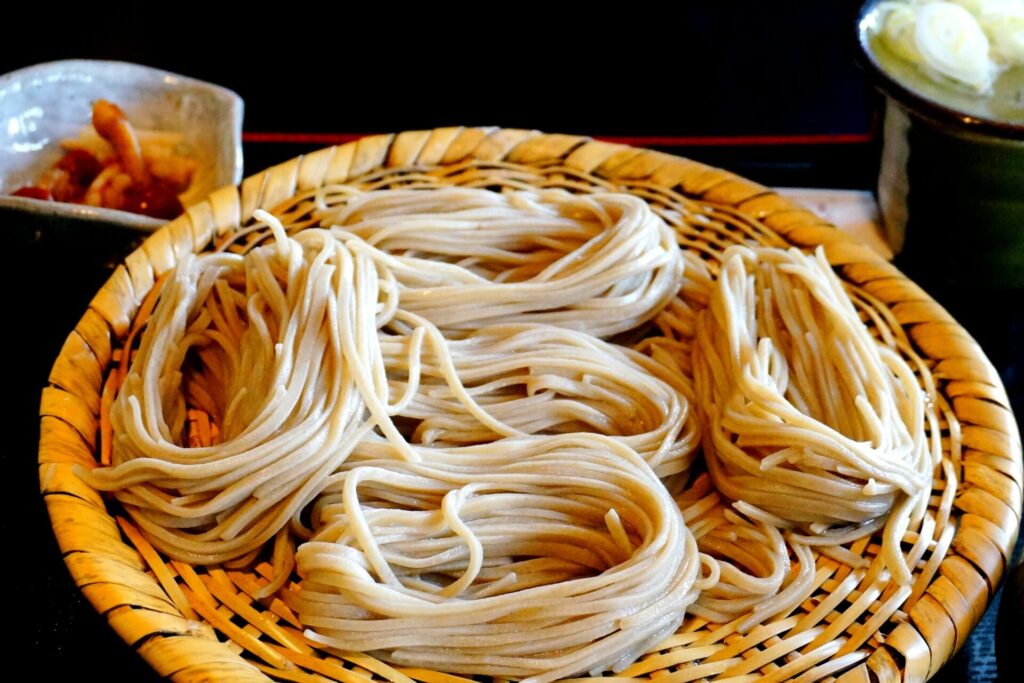
If you are planning your first trip to Japan, soba is one of the most approachable and rewarding dishes to try. These slender buckwheat noodles are simple yet deeply woven into everyday life, seasonal traditions, and regional culture. Understanding soba will not only expand your travel menu beyond sushi and ramen, it will also give you an easy, budget-friendly way to eat well almost anywhere in the country.
What Is Soba?
Soba are thin noodles made from buckwheat flour, sometimes blended with wheat flour for elasticity. They have a gentle nutty aroma, a slight earthiness, and a pleasantly firm bite. In Japan, soba can be enjoyed either chilled with a dipping sauce in summer, or in a steaming hot broth in colder months.
Buckwheat has long been cultivated in mountainous regions of Japan where rice can be difficult to grow, so soba became a staple for rural communities. Over time, it evolved into a beloved national dish served everywhere from standing-only train-station counters to elegant, centuries-old specialty restaurants.
Key Types of Soba Dishes
When you open a soba menu for the first time, the variety of names can feel overwhelming. Once you learn a few basic words, it becomes much easier to order confidently.
Zaru Soba & Mori Soba
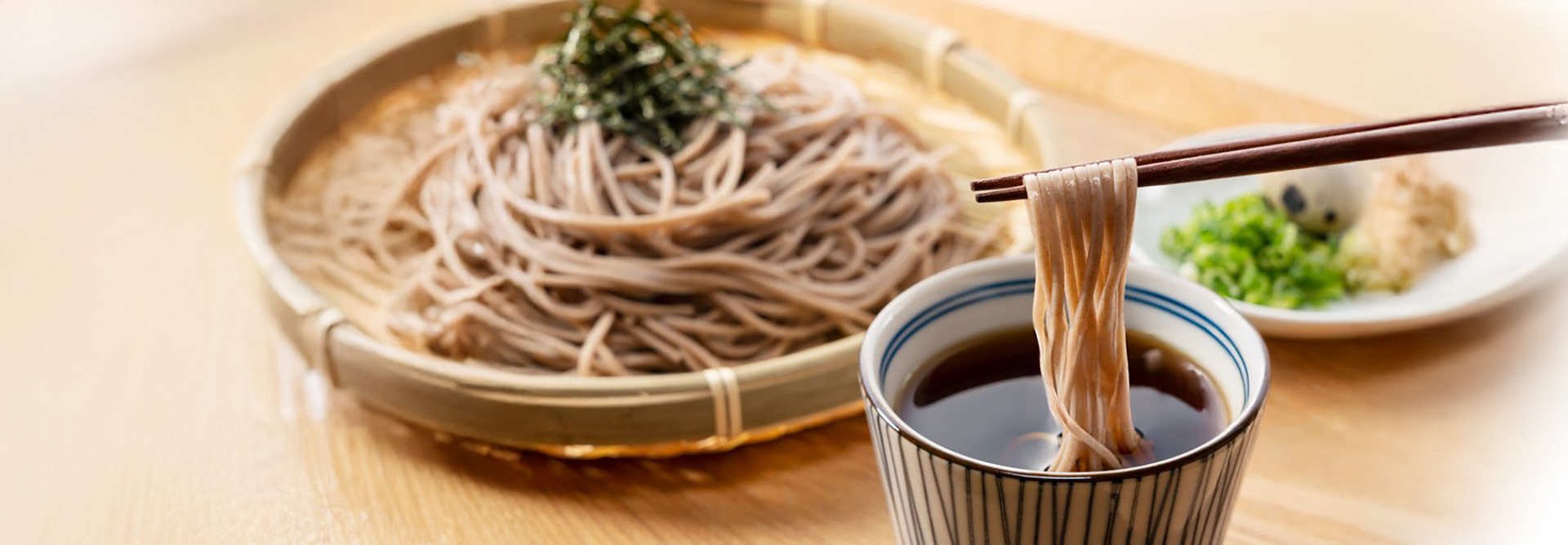
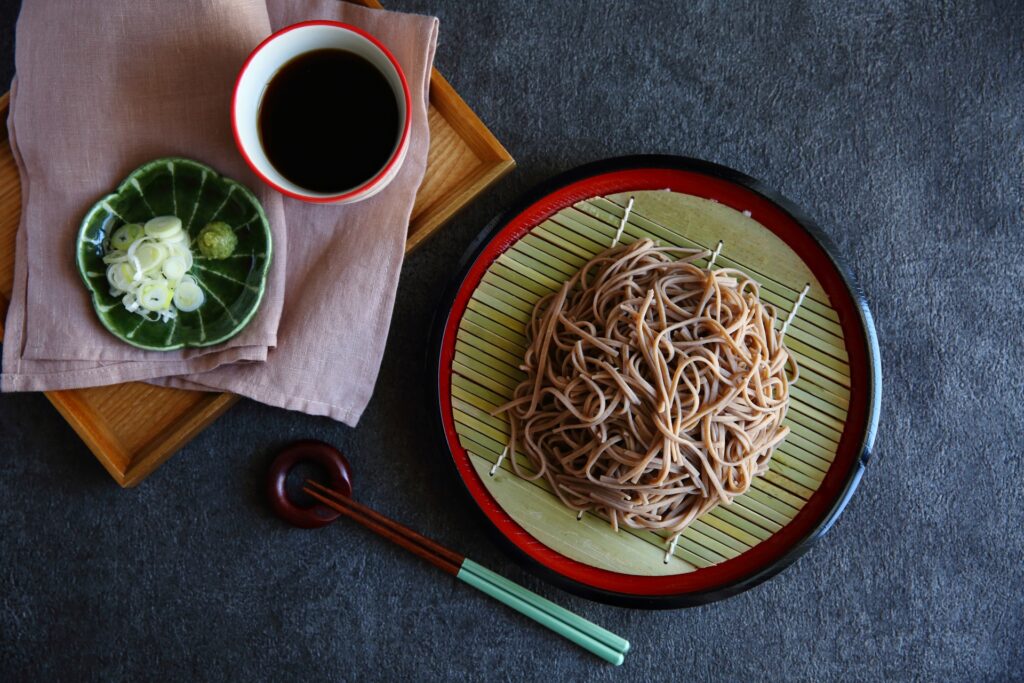
Zaru soba is chilled soba served on a bamboo tray with a dipping sauce (tsuyu) on the side. It usually comes topped with shredded nori (seaweed). Mori soba is almost the same, often without the seaweed garnish. These are the purest way to taste the noodles themselves.
You dip a small amount of soba into the sauce, slurp, and enjoy. This style is especially popular in summer, when refreshing cold noodles are ideal in Japan’s humidity.
Kake Soba
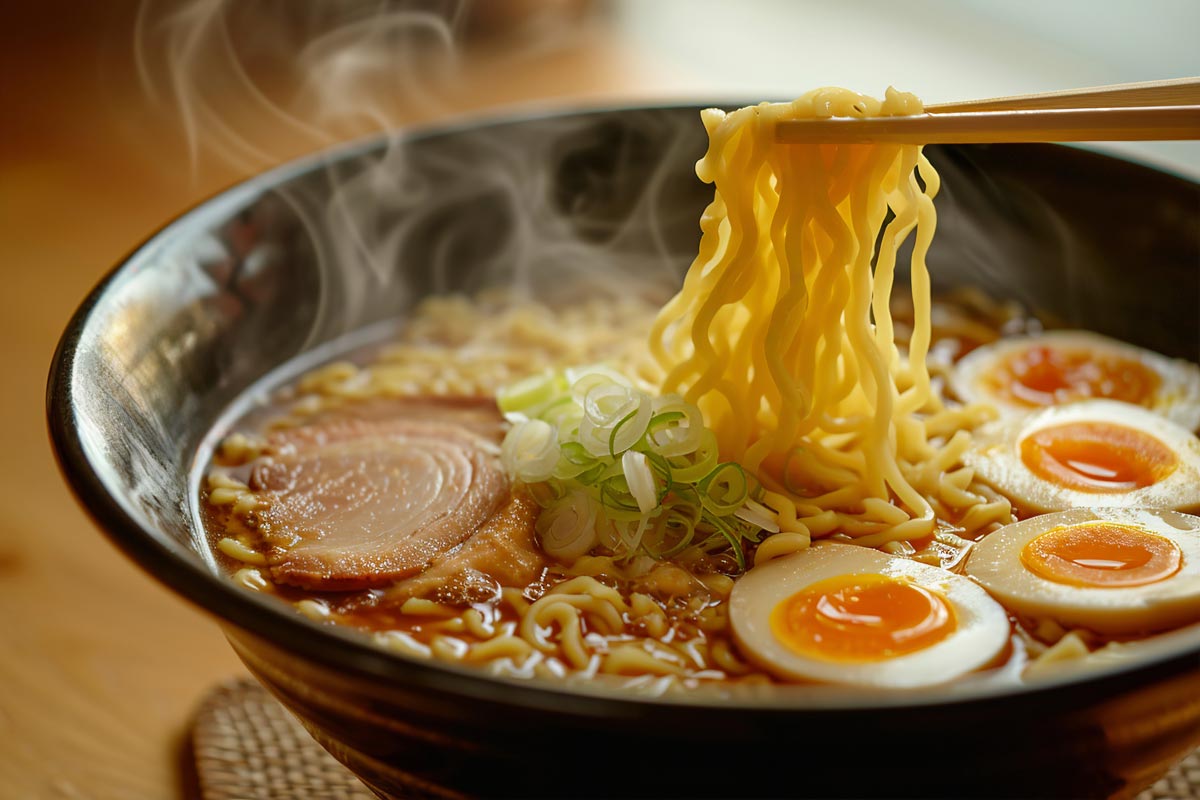
Kake soba is the simplest hot style: soba served in a clear, soy-seasoned broth. It is light yet comforting, often garnished with chopped green onions and sometimes a slice of kamaboko (fish cake). This is a great introductory dish if you are visiting in autumn or winter.
Tempura Soba
Tempura soba pairs soba with crisp, airy tempura such as shrimp and seasonal vegetables. It can be served either hot in broth or cold with a dipping sauce. In many traditional soba shops, you will see tempura being fried to order, adding a rich aroma to the room.
Tanuki, Kitsune, and Other Toppings
You will see several playful names that describe the toppings:
- Tanuki soba: Soba topped with crunchy bits of tempura batter (tenkasu). Light, inexpensive, and filling.
- Kitsune soba: Soba topped with sweet-simmered aburaage (fried tofu). The same “fox” topping used in kitsune udon.
- Tororo soba: Soba with grated yam, creating a sticky, creamy topping loved for its texture.
- Sansai soba: Soba topped with mountain vegetables, especially popular in rural or onsen regions.
Hot vs Cold: Seasonal Soba
Soba neatly follows Japan’s strong sense of seasonality. Cold soba is refreshing and popular in spring and summer, often served with light, crisp toppings. Hot soba comes into its own in autumn and winter, when a bowl of steaming broth provides welcome warmth after sightseeing or a temple visit.
Don’t hesitate to eat cold soba in winter or hot soba in summer if that appeals to you; locals do it too. But if you are looking to match the mood of the season, chilled zaru soba in August or fragrant hot kake soba in January will feel especially satisfying.
Cultural Significance: More Than Just Noodles
Soba is deeply connected to daily life and customs in Japan. One of the best-known traditions is toshikoshi soba, or “year-crossing soba,” eaten on New Year’s Eve. The long, slender noodles are seen as symbols of a long life, while the ease of cutting buckwheat noodles is believed to help “cut off” the hardships of the old year.
Historically, soba restaurants were common gathering spots in Edo (old Tokyo), functioning almost like neighborhood diners. People would stop in for a quick bowl before work, between errands, or on their way home from the bathhouse. This everyday quality continues: in modern Japan, soba is one of the most convenient, quick meals for office workers and travelers alike.
Where to Eat Soba in Japan
First-time visitors are often surprised by how many styles of soba restaurants exist. Knowing what to expect in each type can help you choose the right experience for your mood, schedule, and budget.
Standing Soba at Train Stations
Called tachigui soba or ekisoba, these are ultra-quick noodle counters on platforms or just outside ticket gates. You place your order at a vending machine, hand the ticket to the staff, and receive your bowl in minutes. Most customers finish in under ten minutes and move on.
These shops are ideal when you have a tight transfer or want a cheap, authentic meal among locals. Expect basic but tasty options like kake soba, kitsune soba, and tempura soba, usually for the cost of a single subway ride.
Casual Neighborhood Soba Shops
Small soba restaurants in residential areas or side streets offer a relaxed sit-down experience. They might serve both soba and udon, and often have simple set meals including rice bowls, pickles, or small side dishes. Menus may be partly in Japanese, but plastic food displays and photos are common and helpful.
These shops are a good choice for families or for travelers looking to take a break from busy sightseeing districts. Prices remain moderate, and staff are generally patient with visitors.
Specialty and Traditional Soba Restaurants
Dedicated soba restaurants, sometimes housed in traditional wooden buildings or modern minimalist interiors, focus on quality buckwheat and craftsmanship. Many grind their own flour, make noodles by hand, and adjust their menu seasonally.
Here you might find regional soba styles, sake pairings, and refined side dishes. Meals cost more than at a station counter, but you gain a deeper understanding of soba as a craft. For food-focused travelers, booking one high-quality soba meal is highly recommended.
Regional Soba Specialties to Try
As you travel Japan, you will notice that soba changes character from region to region. Trying local variations is an easy way to connect with the places you visit.
Nagano (Shinshu Soba)
Nagano Prefecture is one of Japan’s most famous soba-producing regions thanks to its cool climate and pure mountain water. Shinshu soba is prized for its aroma and clean flavor. Many restaurants proudly display the percentage of buckwheat flour in their noodles—higher percentages generally mean a more pronounced buckwheat taste.
Fukushima (Kitakata & Aizu)
While Kitakata is best known for ramen, Fukushima Prefecture also has excellent soba, especially in the Aizu area. Local soba restaurants often use regional buckwheat and well water, offering rustic, hearty noodles that pair beautifully with mountain vegetables and local sake.
Yamagata & Tohoku
The snowy Tohoku region, including Yamagata, produces flavorful buckwheat. In some rural areas, you can still find handmade soba served in old farmhouses or small family-run eateries, sometimes accompanied by wild plants gathered from the mountains.
Izumo Soba in Shimane
Izumo soba, from Shimane Prefecture in western Japan, has a darker color and robust flavor because the buckwheat is milled with the hull. It is often served in stacked lacquer bowls with different toppings, allowing you to enjoy multiple tastes in one meal.
How to Order Soba as a Visitor
Ordering soba is straightforward once you know a few keywords. Here is a simple step-by-step guide for first-time travelers:
1. Hot or Cold
- Hot in broth: Look for the word kake or menu sections with bowls illustrated in steaming soup.
- Cold with dipping sauce: Look for zaru, mori, or photos of noodles on a bamboo tray.
2. Type of Topping
Choose from basic toppings like tempura, kitsune (sweet tofu), mountain vegetables, or simply green onion and wasabi. Many menus offer set combinations, often illustrated with photos for easy selection.
3. Vending Machine Tickets
In station soba shops, look for a ticket machine near the entrance. Press the button for your dish (photos and prices usually help), pay in cash or IC card, and hand the printed ticket to the staff. If you are unsure, staff are often happy to point to popular choices.
4. Customizing Your Meal
Common extras include a larger noodle portion, additional tempura, or a side of rice. If there is an English menu, it will usually list these options. Otherwise, you can simply start with a standard portion; soba is rarely too large for a single meal.
How to Eat Soba: Etiquette and Tips
Soba etiquette is relaxed and practical. Knowing a few customs will help you feel more comfortable dining among locals.
Slurping Is Encouraged
Slurping soba is considered good manners, especially when eating hot noodles. It helps cool the noodles and enhances the aroma. You do not need to slurp loudly, but you should not worry about making sound.
Eating Cold Soba with Dipping Sauce
With zaru or mori soba, follow this simple sequence:
- Add a small amount of green onion and wasabi to your dipping sauce, adjusting to your taste.
- Pick up a modest bundle of noodles with your chopsticks.
- Dip only the lower part of the noodles into the sauce; do not soak them completely.
- Slurp and enjoy.
Eating too much wasabi or overfilling the sauce with condiments is not typical, but it is acceptable to adjust the flavor so that you enjoy your meal.
Finishing With Soba-yu
In many soba restaurants, especially when you order cold soba, the staff will bring a small pot of milky white liquid toward the end of your meal. This is soba-yu—the hot water used to boil the noodles, rich with buckwheat starch.
To drink it, pour some soba-yu into your leftover dipping sauce, creating a warm, gentle broth. Sip it directly from the cup. This is a traditional and satisfying way to finish the meal, not a drink to ignore or leave untouched.
Chopsticks and Bowls
Use your chopsticks to bring noodles to your mouth; do not cut noodles with your teeth halfway. It is common for a few droplets of broth to splash; just avoid leaning over the bowl too closely. When you are finished, placing your chopsticks neatly across your bowl or on the chopstick rest signals that you are done.
Dietary Considerations
Because soba is made from buckwheat, it is naturally gluten-free as a grain, but many commercial noodles contain a blend of buckwheat and wheat flour. If you are gluten-sensitive or have celiac disease, you will need to seek out restaurants that serve juwari soba (100% buckwheat) and confirm ingredients directly with the staff.
Vegetarians can often find options like kitsune soba or sansai soba, but note that most broths are made with bonito flakes (fish). If you strictly avoid fish, you will need to ask whether a vegetable-based broth (yasai dashi) is available; in many casual shops it is not. Vegans face similar challenges, as eggs and fish stock are common in toppings and soup.
Some tourists from overseas are unaware that they have a buckwheat allergy. If you think this may apply to you, please be careful.
When and How Much to Budget
Soba is one of the best-value meals you can enjoy in Japan, making it ideal for travelers watching their budget while still wanting authentic food.
- Standing soba shops: Around ¥350–¥700 per bowl, perfect for a quick breakfast or lunch.
- Casual sit-down shops: Typically ¥700–¥1,200 for a main dish, slightly more with tempura.
- Specialty soba restaurants: Expect around ¥1,200–¥2,000 or more per person, especially with premium tempura or side dishes.
Soba shops keep relatively simple hours: many open for lunch and close in the afternoon, then reopen for dinner. Station counters may operate from early morning to late evening, convenient for travelers catching trains.
Making Soba Part of Your Japan Journey
For first-time visitors, soba offers a perfect combination of accessibility, cultural depth, and local character. It is as suitable for a five-minute station meal as it is for a leisurely lunch in a centuries-old wooden townhouse. As you move from city to countryside, pay attention to how the noodles, toppings, and atmosphere change.
Whether you are slurping a quick bowl before boarding the Shinkansen, savoring hand-cut noodles in a mountain town, or joining locals in eating toshikoshi soba on New Year’s Eve, you will be taking part in a quiet, everyday ritual that has shaped Japanese life for centuries.
Include at least one soba meal in every region you visit, and let these humble buckwheat noodles guide you to places and experiences you might otherwise miss.