


Kobe Beef (Hyogo)
The First-Timer’s Guide to Kobe Beef in Japan
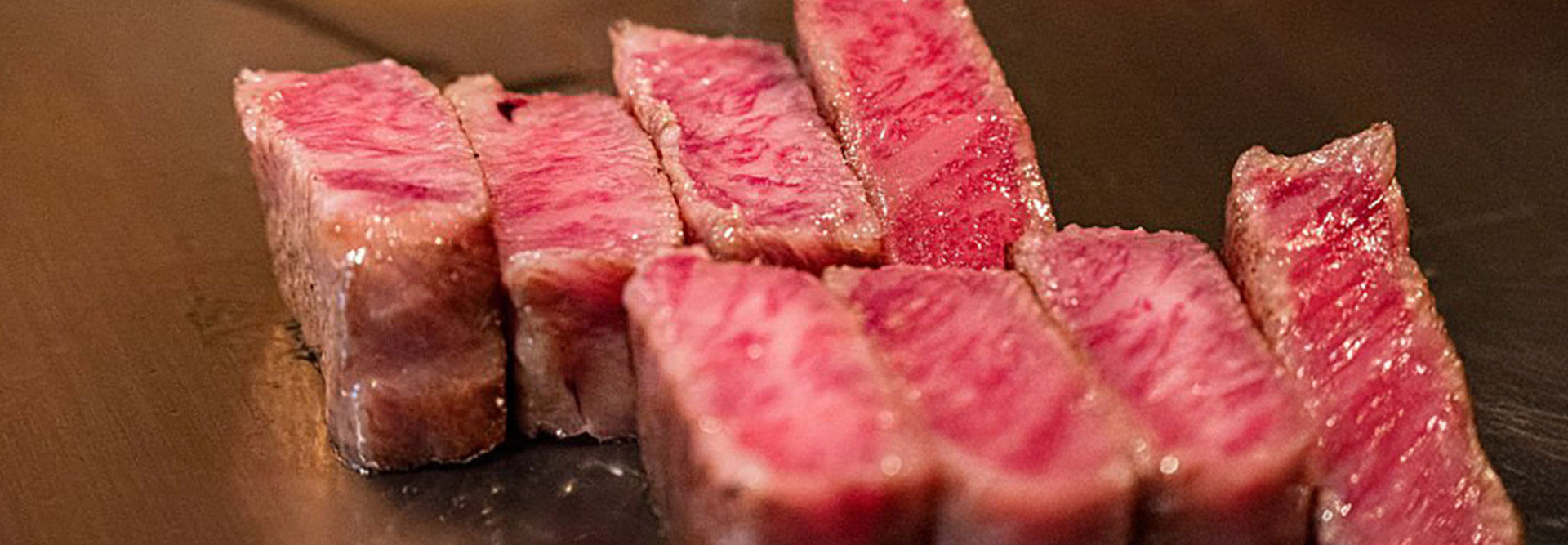
For many travelers, tasting real Kobe beef is as essential as seeing Mt. Fuji or riding the shinkansen. This luxurious wagyu, famous for its marbling and melt-in-your-mouth texture, comes from a specific breed of cattle raised under strict conditions in Hyogo Prefecture. If you are planning your first trip to Japan and dream of trying Kobe beef in its hometown of Kobe, this guide explains what makes it special, how to avoid imitations, and the best ways to enjoy it.
What Exactly Is Kobe Beef?
Kobe beef is a trademarked, strictly regulated brand of wagyu (Japanese beef) from Tajima-gyu cattle raised in Hyogo Prefecture, whose capital is Kobe. It is not simply any marbled steak. Only meat that meets the standards of the Kobe Beef Marketing & Distribution Promotion Association can be called “Kobe Beef.”
Some of the core requirements include:
- Breed: Purebred Tajima strain of Japanese Black cattle.
- Origin: Born, raised, and processed in Hyogo Prefecture.
- Quality grade: Must achieve high scores for meat quality and marbling (generally A4 or A5).
- Official certification: Each approved cut receives an individual ID number and a special mark.
Outside Japan, the term “Kobe beef” is often used loosely on menus. In Japan, however, the name is legally protected. When you dine in Kobe or elsewhere in the country, you can check for certifications that prove the restaurant serves the real thing.
Kobe vs. Wagyu: What Is the Difference?
First-time visitors are often confused by the many beef-related terms in Japan. Understanding them will help you order with confidence and avoid overpaying.
- Wagyu: Literally means “Japanese cow.” It refers to several Japanese breeds known for their intense marbling. Not all wagyu is Kobe, but all Kobe beef is wagyu.
- Kobe Beef: A premium brand of wagyu that satisfies the strict rules mentioned above, and which can only come from Hyogo Prefecture.
- Other regional brands: Japan has many famous local wagyu brands such as Matsusaka, Omi, and Hida beef. These are high-quality in their own right but are not Kobe beef.
Think of wagyu as the general category and Kobe as one of its most exclusive labels. If your budget is tight, trying high-grade wagyu from another region can still be an unforgettable experience and slightly more affordable than certified Kobe beef.
Why Kobe Beef Is So Famous
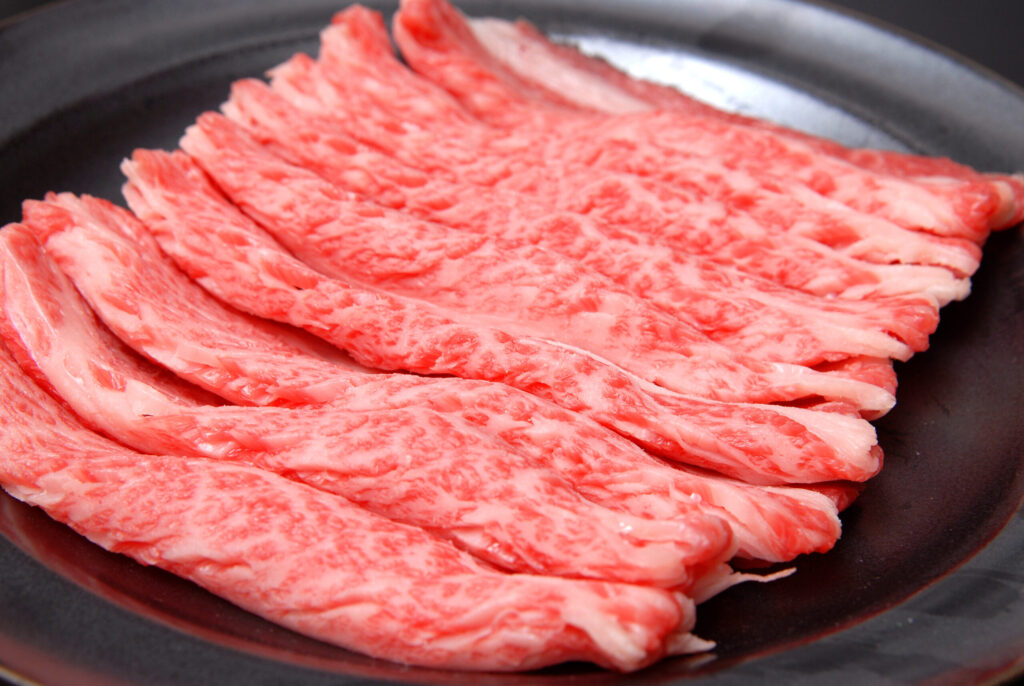
Kobe beef is celebrated for its remarkable texture and flavor. The meat is densely marbled with fine streaks of fat that melt at relatively low temperatures, giving each bite a buttery, almost silky feel. This intramuscular fat carries a rich umami flavor without the heaviness of typical steak fat.
Producers in Hyogo focus on careful breeding and stress-free rearing. While legends about cattle being massaged daily or fed beer are often exaggerated, the reality is that farmers pay meticulous attention to feed, health, and living conditions. The result is meat that has become a symbol of Japanese craftsmanship and luxury dining around the world.
Where to Eat Kobe Beef in Kobe and Hyogo
While you can find Kobe beef in major cities like Tokyo and Osaka, tasting it in its home region adds a special sense of place to the experience. Hyogo Prefecture, and especially Kobe city, offers a range of options from high-end teppanyaki to casual lunch sets.
Kobe City: Sannomiya and Motomachi Areas
Central Kobe is compact and easy to navigate, making it ideal for a meal stop on a day trip from Osaka or Kyoto. The Sannomiya and Motomachi districts are filled with Kobe beef restaurants that cater to both locals and visitors.
You will find several types of establishments:
- Teppanyaki steak houses: A chef grills the beef on an iron plate in front of you, often in a set course that includes appetizers, vegetables, rice, and dessert.
- Yakiniku restaurants: Japanese-style barbecue where you grill small pieces of meat yourself at the table.
- Western-style bistros and steakhouses: Serving Kobe beef in steak, burger, or roast forms.
Many restaurants are within walking distance of JR Sannomiya Station or Motomachi Station, making them convenient even if you have luggage with you.
Other Spots in Hyogo Prefecture
Beyond Kobe city, you can also seek out Kobe beef and Tajima-gyu in other parts of Hyogo:
- Himeji: Combine a visit to Himeji Castle with a Kobe beef lunch near the station.
- Tajima region (northern Hyogo): The home of Tajima cattle, where some local restaurants serve exceptionally fresh wagyu in rural settings.
If your itinerary includes onsen resorts like Kinosaki Onsen, check ryokan dinner menus; many feature Tajima wagyu or Kobe beef as a highlight of their kaiseki (multi-course) meals.
How to Recognize Authentic Kobe Beef
Because the name is so famous, some restaurants outside Hyogo—or even outside Japan—use “Kobe” as a marketing term. When you are in Japan and want to be sure you are eating the real thing, look for the following signs.
- Official mark: Authentic Kobe beef is accompanied by a chrysanthemum-shaped logo and a certificate of authenticity issued by the local association.
- Individual ID number: Many restaurants display a certificate with a numeric ID for the cow from which your meat was sourced.
- Clear labeling on the menu: Menus usually distinguish between “Kobe Beef” and other wagyu options, often with different pricing.
- Membership or listing: Reputable Kobe beef restaurants proudly state that they are certified to serve Kobe beef.
When in doubt, you can politely ask the staff, “Is this certified Kobe beef?” Staff in tourist-friendly areas often have English menus and basic English explanations ready.
Typical Ways to Enjoy Kobe Beef
Rather than simply ordering a big steak, consider how Japanese diners enjoy premium beef. Many restaurants serve it in smaller portions but in a variety of textures and cooking styles, allowing you to appreciate its quality without overwhelming your palate.
Teppanyaki
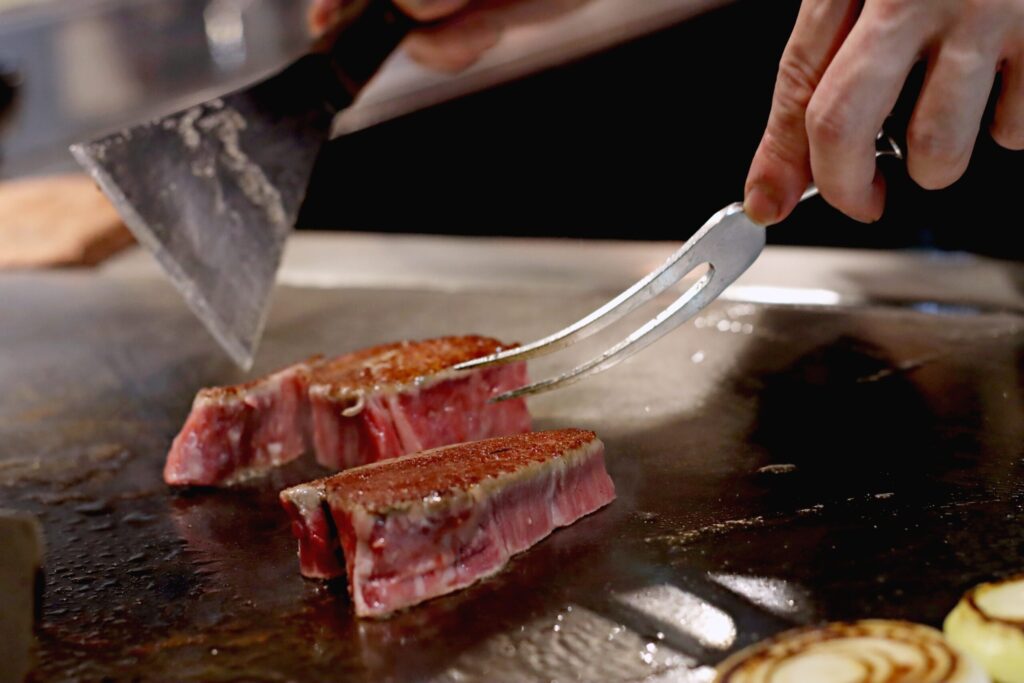
Teppanyaki is a classic way to enjoy Kobe beef. You sit at a counter around a large iron plate where the chef prepares each course in front of you. A typical Kobe beef teppanyaki course might include:
- Seasonal appetizer and salad
- Grilled vegetables
- Kobe beef steak, sliced into bite-sized pieces
- Rice or fried rice, miso soup, and pickles
- Dessert and coffee or tea
The chef will usually ask how you like your meat cooked. For highly marbled wagyu like Kobe beef, many locals prefer rare to medium-rare to fully enjoy the texture and flavor.
Yakiniku (Japanese BBQ)
At a yakiniku restaurant, you can try several different cuts in smaller quantities. Thin slices of rib, loin, and other parts are quickly grilled over charcoal or a gas flame at your table. This is a more casual and social way to taste Kobe beef and compare it with other wagyu cuts.
Shabu-shabu and Sukiyaki
Some restaurants offer Kobe beef in traditional hot pot dishes:
- Shabu-shabu: Paper-thin slices of beef are briefly swished in a pot of boiling broth, then dipped in sauces.
- Sukiyaki: Beef is simmered in a sweet-savory mixture of soy sauce, sugar, and mirin along with vegetables and tofu.
Both methods showcase the tenderness of the meat in a lighter format than a full steak course.
Burgers and Casual Dishes
In Kobe, some cafes and bistros serve Kobe beef burgers or cutlet sandwiches. While still not cheap, these can be a more relaxed and sometimes more affordable way to taste the flavor of Kobe beef without committing to a full-course meal.
How Much Does Kobe Beef Cost?
Kobe beef is a luxury product, and prices reflect its rarity and the care that goes into raising the cattle. Costs vary widely depending on cut, portion size, and restaurant style, but here are rough guidelines for Kobe city:
- Lunch teppanyaki sets: Around ¥5,000–¥10,000 per person for smaller portions of Kobe beef with side dishes.
- Dinner courses: Often ¥12,000–¥25,000 or more per person at dedicated Kobe beef restaurants.
- Yakiniku: If you mix Kobe beef with other wagyu cuts, you may spend ¥6,000–¥12,000 per person depending on how much you order.
- Burgers and light meals: From about ¥2,500 and up, depending on the amount of Kobe beef used.
Many restaurants list prices clearly outside the entrance. For first-time visitors, choosing a lunch set at a reputable teppanyaki restaurant is a good way to experience Kobe beef at a relatively approachable cost.
How to Order Kobe Beef in Japan
Japanese menus can feel intimidating, but Kobe beef restaurants in major tourist areas usually offer English or photo menus. Here are a few tips to make ordering smoother.
- Look for set menus: Lunch and dinner “course” menus bundle several dishes and a fixed amount of Kobe beef. This is simpler than ordering à la carte.
- Portion size: Beef portions are often smaller than Western steakhouse standards, especially at lunch. However, the richness of the meat means most people leave satisfied.
- Doneness: The staff may ask, “How would you like it cooked?” In Japan, “medium rare” is a common choice for marbled wagyu.
- Upgrades: Some courses let you upgrade certain dishes to Kobe beef for an additional fee. If you want to maximize Kobe beef within your budget, ask about these options.
If you have dietary restrictions, communicate them clearly at the start. Many higher-end restaurants will do their best to accommodate requests, but flexibility may be limited for set courses.
Restaurant Etiquette and Tips
Japanese dining etiquette is generally straightforward and focused on respect and consideration for others. When eating Kobe beef, keep the following points in mind.
- Reservations: Popular Kobe beef restaurants can book up, especially on weekends and holidays. Reserve in advance when possible, particularly for dinner.
- Punctuality: Arrive on time for your reservation. If you will be late, it is polite to call the restaurant, though staff may speak limited English.
- Shoes and dress: Most Kobe beef restaurants are Western-style and do not require removing shoes. Smart casual clothing is appropriate for high-end venues.
- Noise level: Keep your voice at a moderate level, especially at teppanyaki counters where diners share the space closely.
- Payment: Many higher-end places accept credit cards, but it is wise to carry cash as a backup. There is no tipping culture in Japan; service charges, if any, are included in the bill.
When to Visit Kobe for the Best Experience
Kobe is a year-round destination, and Kobe beef tastes excellent in any season. However, timing your visit can enhance the overall trip.
- Spring (March–May): Combine a Kobe beef lunch with cherry blossom viewing in nearby parks and waterfront strolls.
- Autumn (October–November): Enjoy mild weather, colorful foliage in the surrounding mountains, and a cozy steak dinner.
- Winter (December–February): Rich, hot dishes like teppanyaki, sukiyaki, and shabu-shabu are especially comforting on cold days.
Golden Week (late April–early May), mid-August, and New Year holidays are peak travel periods in Japan. If you visit during these times, book restaurants earlier than usual.