

Halal Restaurants
Halal Restaurants in Japan: A Complete Guide for First-Time Visitors
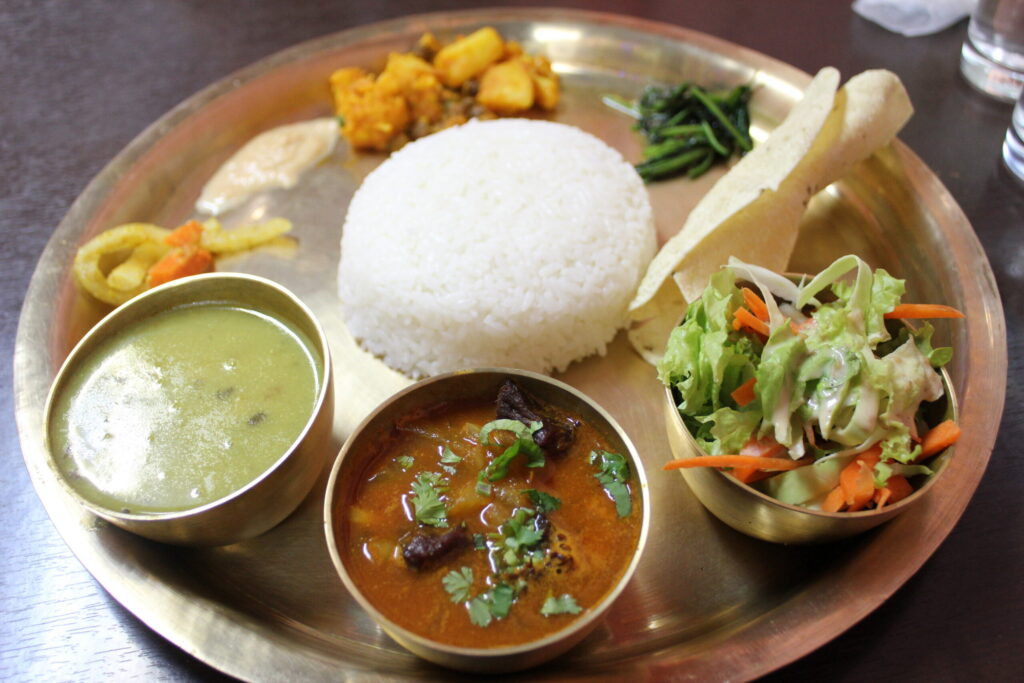
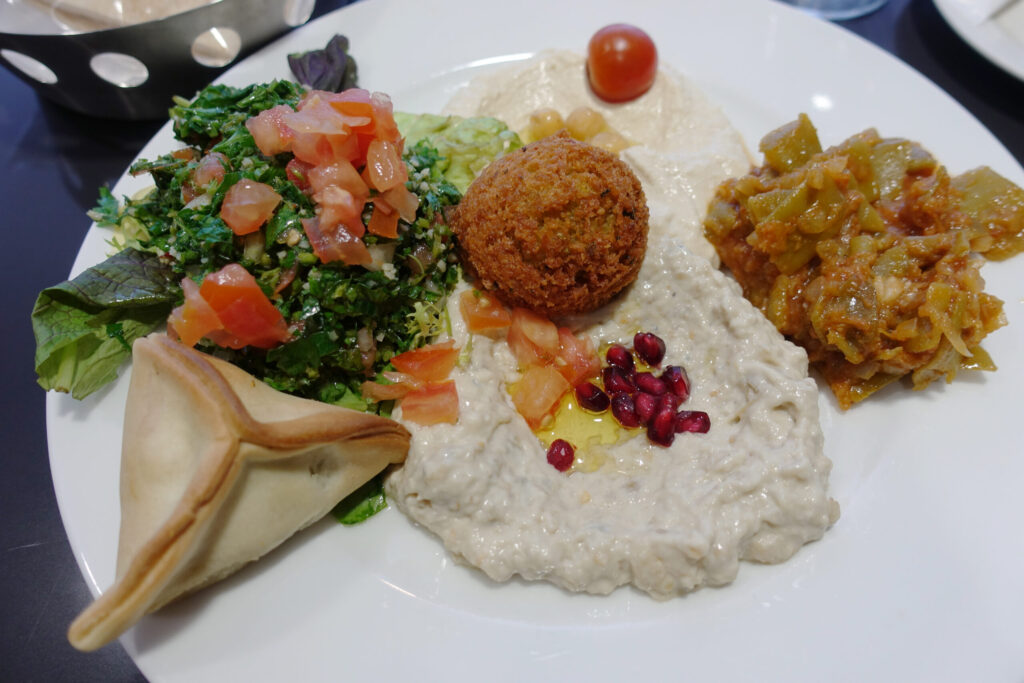
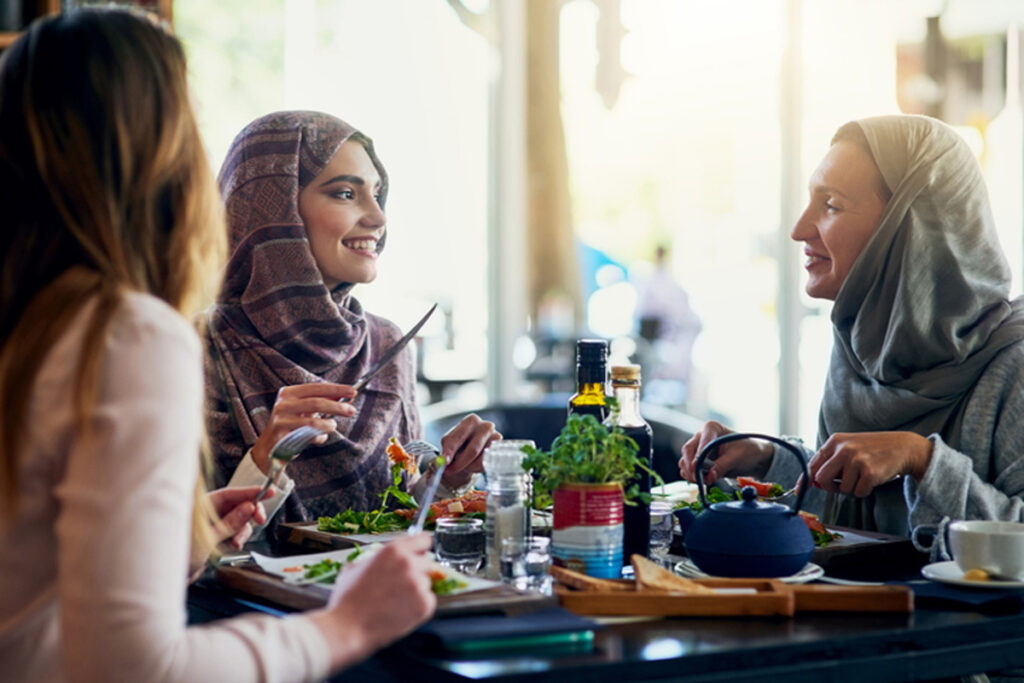
Japan is famous for sushi, ramen, and delicate kaiseki meals, but many Muslim travelers worry: “Will I find halal food in Japan?” The short answer is yes. Halal restaurants and Muslim-friendly options are steadily increasing, especially in major cities and popular tourist areas. With a bit of preparation, you can enjoy Japanese cuisine while staying true to your dietary and religious needs.
Understanding the Halal Dining Scene in Japan
Japan is not a Muslim-majority country, and the concept of halal is still relatively new to many locals. However, tourism from Southeast Asia, the Middle East, and other Muslim communities has encouraged restaurants, hotels, and even government agencies to support halal and Muslim-friendly initiatives.
You will find a mix of:
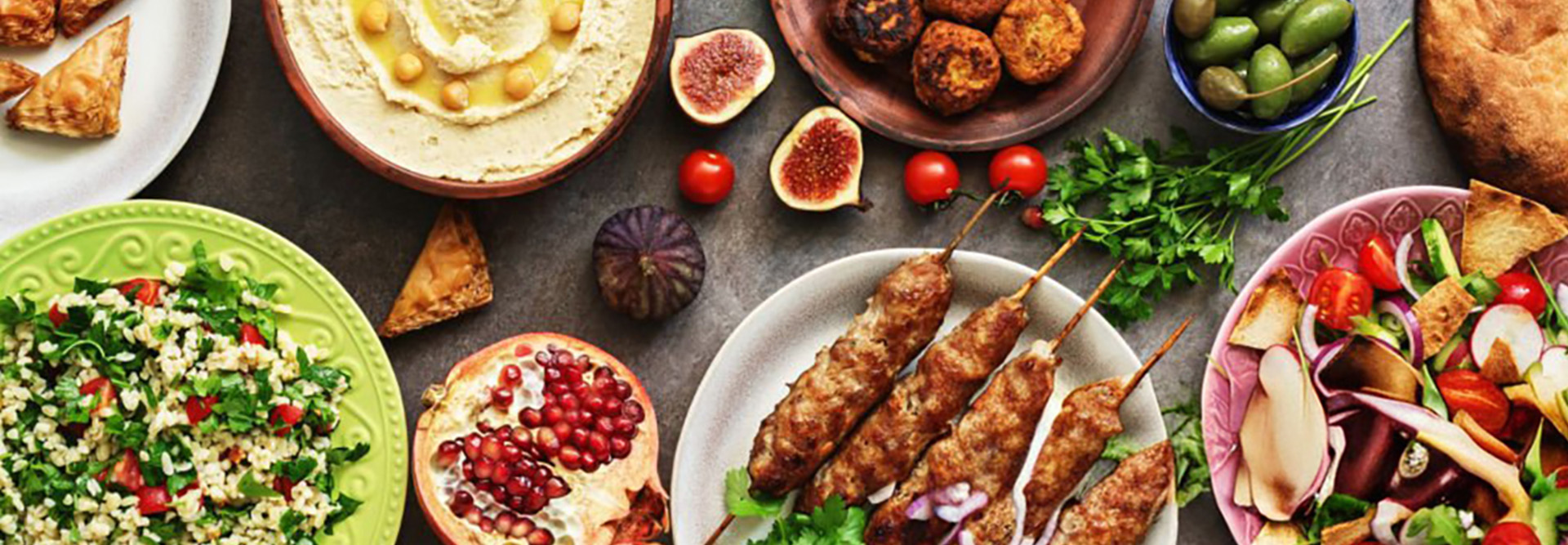
- Fully halal-certified restaurants serving Japanese, Indian, Turkish, or Middle Eastern cuisines.
- Muslim-friendly restaurants that avoid pork and alcohol in selected dishes but may not be fully certified.
- Vegetarian and seafood-focused places that can be suitable with some care and communication.
While you won’t see halal options on every street corner, smart planning lets you eat well and experience Japan’s food culture comfortably.
What “Halal” Usually Means in Japan
As you explore, you may notice several terms used on menus and signs. Understanding the differences will help you make informed choices:
Halal-Certified Restaurants
Some restaurants in Japan are certified by recognized Islamic organizations. These places usually:
- Use halal-certified meat and ingredients
- Keep separate cooking utensils and equipment for halal food
- Do not serve pork
- Often do not serve alcohol or clearly separate it from food preparation
Look for a halal logo or certificate displayed near the entrance or cashier, and don’t hesitate to ask staff to confirm.
Muslim-Friendly or Halal-Friendly
“Muslim-friendly” or “halal-friendly” often means the restaurant is trying to accommodate Muslim guests but may not be fully certified. Common examples include:
- Special halal menus using halal meat in selected dishes
- No pork in certain items, but alcohol may be served to other guests
- Seafood or vegetarian dishes prepared without obvious non-halal ingredients
If you choose these restaurants, it is wise to ask about the details: meat source, cooking oil, and whether cookware is shared with non-halal items.
Vegetarian, Vegan, and Seafood Options
In many situations, vegetarian, vegan, or seafood-based meals can be the easiest solution. Traditional Japanese cuisine offers plenty of fish, tofu, and vegetable dishes, but you should still check for:
- Dashi (soup stock) made from bonito flakes (fish) and sometimes mixed with other animal products
- Mirin and sake (rice wines) used for seasoning
- Animal fat or lard in frying oil
If you prefer to avoid alcohol used as an ingredient, mention this clearly when ordering.
Where to Find Halal Restaurants in Japan
Halal options are concentrated in large cities and areas popular with international visitors. Planning your itinerary around these hubs will make dining much easier.
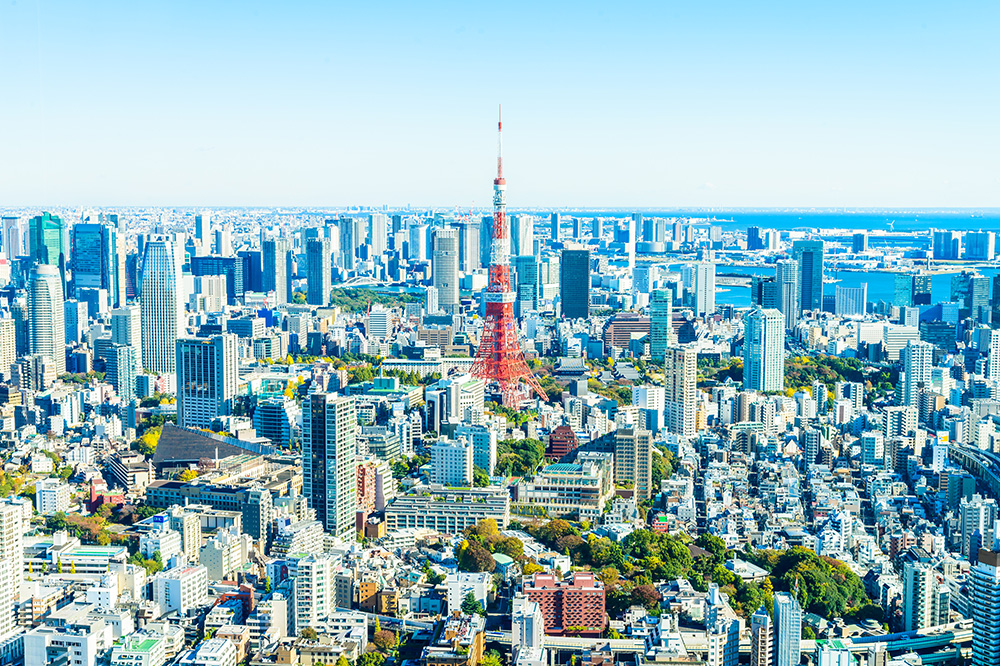
Tokyo
Japan’s capital has the widest range of halal choices. Popular districts for halal food include:
- Asakusa: Near Senso-ji Temple, you’ll find halal ramen shops, Japanese curry restaurants, and donburi (rice bowl) places catering to tourists.
- Shibuya and Shinjuku: Busy commercial centers with halal Indian, Turkish, Malaysian, and sometimes halal yakiniku (Japanese barbecue) restaurants.
- Ueno and Akihabara: Around Ueno Station and the electronics and anime district of Akihabara, you’ll find kebab stands, halal curry, and cafés.
Tokyo’s airports, especially Narita and Haneda, increasingly offer halal-certified or Muslim-friendly meals in selected restaurants.
Osaka and Kyoto
The Kansai region, famous for its rich food culture, also offers several halal options:
- Osaka: In the Namba and Umeda areas, look for halal ramen, curry, and international cuisines. Some restaurants near popular shopping streets mark halal meals clearly.
- Kyoto: Around Kyoto Station and in the Gion and Kawaramachi districts, you’ll find a smaller but growing number of halal-certified and Muslim-friendly spots, including Japanese set meals, soba, and bento.
Because Kyoto is more traditional and residential, reservations and research are especially useful here.
Other Major Cities and Tourist Areas
As tourism develops, more places are adding halal and Muslim-friendly dining:
- Sapporo (Hokkaido): Some halal ramen shops, soup curry restaurants, and international cuisine.
- Fukuoka (Kyushu): A handful of halal and Muslim-friendly options, especially around Hakata Station and Tenjin.
- Nagoya, Kobe, and Hiroshima: Limited but growing halal restaurants, often near central train stations or major sightseeing areas.
- Resort areas such as Hakone or Okinawa: Muslim-friendly menus may be available at certain hotels and resorts if requested in advance.
How to Search for Halal Restaurants
Finding halal dining in Japan is much easier if you use a combination of tools and strategies.
Use Halal Restaurant Apps and Maps
Several mobile apps and online maps help you search specifically for halal or Muslim-friendly places. Features typically include:
- Filtering by “Halal certified,” “No pork,” or “Vegetarian”
- User reviews from other Muslim travelers
- Arabic or English menus and photos
- Prayer room information at or near the restaurant
Keep your phone connected with a data SIM card or Wi-Fi device so you can search on the go.
Check Google Maps and Review Sites Carefully
Google Maps can be very helpful if you know what to search for. Try keywords such as “halal,” “ムスリムフレンドリー” (Muslim-friendly), or “ハラール” (halal) along with the city name. Always open the photos and reviews to confirm:
- Whether the restaurant is really halal or just “no pork”
- If there is a visible certificate
- Recent comments from Muslim diners
Ask at Mosques and Information Centers
Local mosques and Islamic centers across Japan often keep up-to-date lists of nearby halal restaurants and grocery stores. Some major tourist information centers and hotel concierges also have printed maps or brochures featuring Muslim-friendly options in English.
What to Expect When Dining at Halal Restaurants
Halal restaurants in Japan can range from simple, family-run eateries to stylish modern cafés. Knowing what to expect will help you relax and enjoy the experience.
Language and Menus
In major cities, many halal restaurants offer menus in English, sometimes with photos and explanations. Staff may speak basic English, but not always. To make communication easier:
- Look for picture menus or displays of food models in the window.
- Use a translation app to show your questions in Japanese.
- Learn a few simple phrases, such as “No pork, please” or “Is this halal?”
Common Japanese Dishes in Halal Versions
Some restaurants specialize in halal interpretations of classic Japanese dishes, such as:
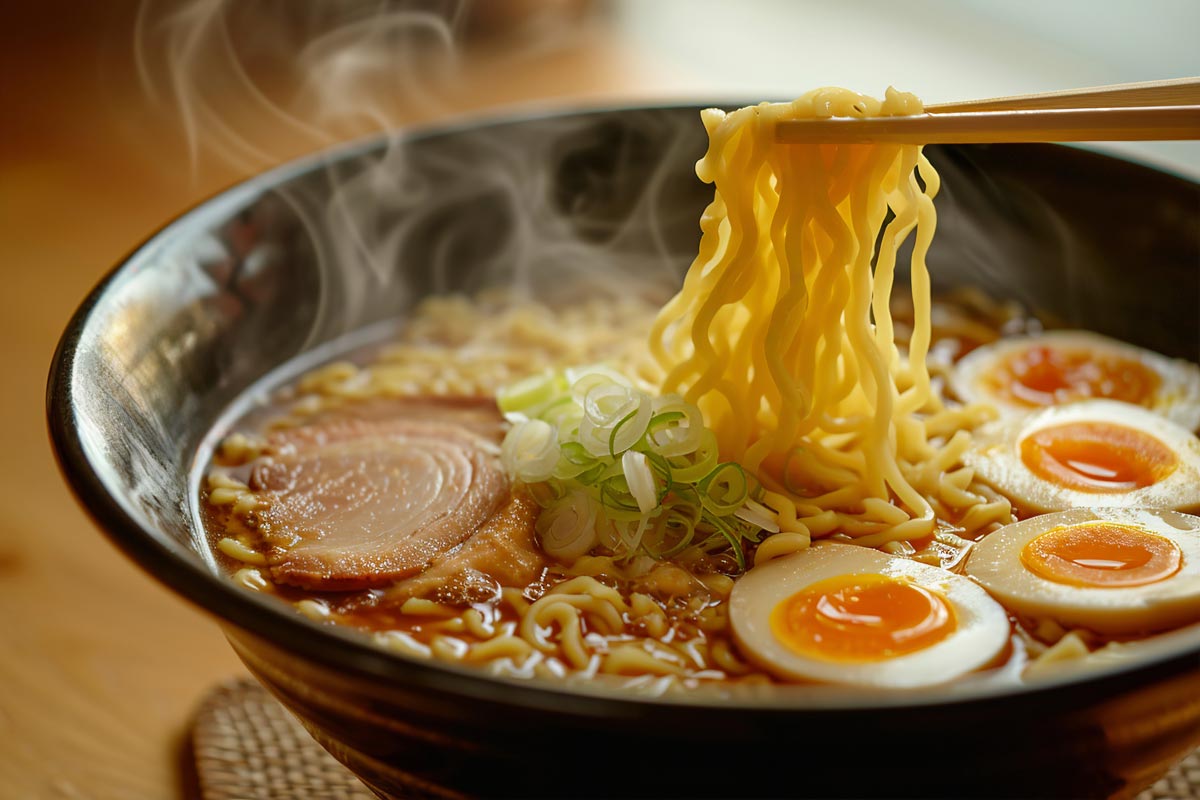
- Halal ramen with chicken or beef broth and halal chashu (roast meat).
- Halal wagyu or yakiniku, offering premium Japanese beef from halal-approved sources.
- Japanese curry made with halal meat and free from pork or alcohol-based flavorings.
- Donburi (rice bowls) topped with halal beef, chicken, or seafood.
These menus let you enjoy local flavors that would normally be off-limits due to pork or non-halal preparation.
Prayer Spaces and Facilities
Some halal restaurants, especially in areas like Asakusa and Osaka’s central districts, provide prayer spaces, prayer mats, or qibla direction signs. In other cases, they may be able to direct you to the nearest mosque or quiet area where you can pray. Public facilities such as airports, large train stations, and some shopping malls in major cities also offer prayer rooms.
Tips for Staying Halal-Safe Throughout Your Trip
Beyond restaurant choices, a few daily habits make it easier to maintain halal standards while traveling in Japan.
Learn Key Japanese Phrases
Having a few phrases ready can help you explain your needs even at non-specialized places. Useful expressions include:
- “Watashi wa butaniku wo taberaremasen.” – I cannot eat pork.
- “Arukōru wa haitte imasu ka?” – Does this contain alcohol?
- “Kore wa harāru desu ka?” – Is this halal?
Show the text on your phone or a card if pronunciation is difficult.
Use Convenience Stores Wisely
Japanese convenience stores (konbini) like 7-Eleven, Lawson, and FamilyMart are everywhere and can be very useful for snacks or light meals. While most ready-made meals aren’t halal-certified, you can often find:
- Onigiri (rice balls) with fillings like plain seaweed, salted plum, or simple salmon
- Fresh salads, cut fruit, and yogurt
- Breads and pastries without meat or obvious alcohol-based flavorings
Always check ingredient labels, and when in doubt, choose simple items like fruit, nuts, or plain breads.
Consider Self-Catering Options
If your accommodation has a kitchen or microwave, you can buy ingredients from supermarkets or halal specialty stores:
- Look for halal-certified meat at certain international supermarkets in big cities.
- Buy fresh vegetables, rice, noodles, and tofu, which are widely available.
- Bring your own snacks, seasonings, or instant meals from home as a backup.
Plan Ahead for Rural Areas
Outside major cities, halal restaurants are rare. When visiting countryside onsens, small towns, or remote islands:
- Contact your hotel or ryokan in advance and explain your dietary requirements.
- Ask if they can prepare seafood- or vegetable-based meals without alcohol or pork.
- Bring some packaged halal food or snacks just in case.
Cultural Etiquette When Eating Out in Japan
Respecting local dining etiquette will make your restaurant experiences smoother and more enjoyable, especially when staff are making a special effort to accommodate halal requests.
Reservations and Peak Times
Popular halal restaurants, especially in tourist districts, can become busy at lunch and dinner times. If possible:
- Make a reservation in advance, particularly for large groups or on weekends.
- Avoid peak hours (around 12:00–13:30 and 18:30–20:00) if you prefer a quieter environment.
Paying and Service
In Japan, you usually:
- Pay at the cashier near the entrance rather than at the table.
- Do not tip; service charge is often included or not expected.
- Receive a wet towel or tissue before your meal for cleaning your hands.
Handling Alcohol in Shared Spaces
Even in Muslim-friendly restaurants, other guests may drink alcohol. If you prefer to avoid this, look for fully halal-certified restaurants that do not serve alcohol, or visit during off-peak hours when it is less likely to be present.
Enjoying Japan’s Cuisine With Confidence
Traveling in Japan as a Muslim visitor is becoming easier every year. With an expanding network of halal restaurants, Muslim-friendly menus, and supportive local communities, you can taste authentic Japanese flavors while staying within your halal requirements.
By researching key areas, using halal apps and maps, and communicating your needs clearly, you can turn meals into one of the highlights of your trip—not a source of stress. Whether you are slurping a bowl of halal ramen in Tokyo, savoring seafood in Osaka, or enjoying a quiet vegetarian meal in Kyoto, Japan’s food culture is ready to welcome you.
With thoughtful planning and an open mind, your first visit to Japan can be both spiritually comfortable and deliciously memorable.

Useful Link