



Dietary Restriction Guide
Dietary Restriction Guide for Traveling in Japan

Japan is often described as a food lover’s paradise, but if you have dietary restrictions, planning what to eat can feel intimidating. Fish-based broths, hidden sauces, and unfamiliar labels can complicate even a simple bowl of noodles. With a bit of preparation, though, Japan is absolutely manageable for vegans, vegetarians, halal and kosher travelers, gluten-free visitors, and anyone with allergies or other dietary needs.
This guide offers practical tips, cultural context, and simple Japanese phrases to help you eat safely and confidently on your first trip to Japan.
Understanding Japanese Food Culture
Before diving into specific diets, it helps to understand a few basics of how food works in Japan:
Hidden Ingredients to Watch For
Many Japanese dishes contain animal products or wheat even when they look plant-based or simple. Common examples include:
- Dashi – The foundational soup stock. Often made from katsuobushi (bonito fish flakes) and/or kombu seaweed. Even vegetable dishes and miso soup usually contain fish-based dashi unless specified otherwise.
- Soy sauce (shoyu) – Traditionally brewed with wheat and soy. This is important for gluten-free travelers.
- Mirin and sake – Sweet cooking wine and rice wine used in many sauces and marinades. Halal and some religious diets may need to avoid them.
- Bonito flakes (katsuobushi) – Dried fish flakes sprinkled on tofu, okonomiyaki, takoyaki, and vegetables.
- Animal fats – Pork or beef fat is sometimes used in frying or stir-frying, especially in ramen and yakiniku restaurants.
These ingredients may not appear in English on menus, so learning what to ask and how to ask it is crucial.
Politeness and Directness
Japanese service is famously polite, and staff truly want to help. However, they may be hesitant to give a firm answer in English if they are unsure about ingredients. Some may say “It might be difficult…” instead of saying “No.” Having your needs written in Japanese, and asking staff to check with the kitchen, greatly improves clarity.
General Tips for Any Dietary Restriction
Regardless of your specific needs, a few universal strategies make eating in Japan much easier.
1. Carry a Clear Japanese Explanation Card
Write or print a short message in Japanese explaining what you cannot eat. For example:
- “I cannot eat meat, fish, or products made from them (such as dashi stock).”
- “I have a serious allergy to wheat. If I eat it, I may become very ill.”
Show this to staff before ordering and ask: “Daijōbu desu ka?” (Is this OK?). There are also apps and online generators that create allergy and restriction cards in Japanese.
2. Use Chain Restaurants and Convenience Stores Strategically
Large chains and convenience stores often have standardized menus and, sometimes, allergen charts or detailed ingredient lists. In big cities, many stores provide allergy icons on packaging, and some chains offer plant-based or halal-friendly options.
3. Base Yourself in Major Cities
Tokyo, Osaka, Kyoto, Nagoya, Fukuoka, and Sapporo are far easier for special diets than rural areas. You’ll find vegetarian cafés, halal-certified restaurants, and gluten-free bakeries. In the countryside, you may need to rely more on convenience stores, supermarkets, and simple dishes like rice balls and salads.
4. Consider Self-Catering
Booking accommodation with a small kitchen or at least a microwave can be a game changer. Japanese supermarkets have excellent fresh produce, tofu, natto (fermented soybeans), rice, and pre-cut vegetables. Even with limited cooking equipment, you can assemble safe, satisfying meals.
Vegetarian and Vegan Travelers
Japan has a long Buddhist temple cuisine tradition (called shōjin ryōri), which is entirely plant-based and often vegan. However, outside of specialist restaurants, vegetarianism and veganism are still not widely understood.
Main Challenges
- Dashi stock in miso soup, ramen, and many vegetable dishes.
- Fish flakes on tofu, salads, and savory pancakes.
- Meat or seafood in seemingly vegetable dishes, such as bits of pork in fried rice or shrimp in salads.
Helpful Japanese Phrases
- “Watashi wa niku to sakana wa taberaremasen.” – I cannot eat meat or fish.
- “Dashi wa sakana kara tsukutte imasu ka?” – Is the soup stock made from fish?
- “Dashi nashi ni dekimasu ka?” – Can you make it without dashi?
Vegan- and Vegetarian-Friendly Dishes
Ask carefully about ingredients, but the following are often adaptable:
- Shōjin ryōri – Temple cuisine served at some Buddhist temples and specialized restaurants, especially in Kyoto and Koyasan. Typically vegan; confirm that no bonito-based dashi is used.
- Plain rice (gohan) – A safe staple; combine with side dishes.
- Tofu dishes – Chilled tofu (hiyayakko) or hot tofu dishes (yudōfu). Ask to omit bonito flakes and check the broth.
- Vegetable tempura – Vegetable-only tempura can be vegetarian if fried separately and served with salt instead of fish-based dipping broth.
- Onigiri (rice balls) – Look for fillings like umeboshi (pickled plum), konbu (seaweed), or plain salted rice. Always check labels for fish stock or bonito.
- Salads and side dishes – Simple vegetable salads, steamed vegetables, edamame, and pickles, but watch out for fish-based dressings.
In Tokyo, Kyoto, and Osaka, you’ll find dedicated vegan and vegetarian cafés, plant-based ramen shops, and bakeries. Search for terms like “vegan restaurant Tokyo” or use specialist restaurant-finding apps before you travel.
Halal and Muslim-Friendly Travel
Halal options have expanded significantly in Japan, particularly in major cities and around popular attractions. That said, planning is still important.
Main Challenges
- Pork and pork extract in broths, ramen, and some sauces.
- Alcohol in seasonings, especially mirin and sake.
- Difficulty verifying the source and method of meat preparation.
What to Look For
- Halal-certified restaurants – Many display a “Halal” mark or certification notice. Some ramen shops and curry houses now offer halal menus.
- Muslim-friendly eateries – These may not be fully certified but avoid pork and alcohol. Always check details.
- Seafood and vegetarian dishes – If you are comfortable with these, they broaden your options. Confirm that alcohol is not used in marinades or sauces.
Helpful Japanese Phrases
- “Watashi wa butaniku ga taberaremasen.” – I cannot eat pork.
- “Osake ya mirin wa haitte imasu ka?” – Does this contain alcohol or mirin?
- “Harāru no niku wa arimasu ka?” – Do you have halal meat?
Many airports and large train stations now have halal or Muslim-friendly options, prayer rooms, and clear information panels. Check tourism board websites for up-to-date lists of halal restaurants in each city.
Kosher and Other Religious Dietary Needs
Kosher food is not widely available in Japan, but there are small Jewish communities, especially in Tokyo, that may help visitors source kosher products. Contact synagogues or community centers ahead of time to ask about local options and where to buy staples.
For other religious dietary rules—such as avoiding specific meats or fasting at particular times—use the same strategies: carry a clear Japanese card, research in advance, and, when possible, choose simple, whole foods such as plain rice, fruits, nuts, and vegetables from supermarkets.
Gluten-Free and Celiac Travelers
Traveling gluten-free in Japan requires care, especially if you have celiac disease, because wheat appears in many places you might not expect.
Main Sources of Gluten
- Soy sauce (shoyu) – Almost all regular soy sauce contains wheat.
- Wheat-based noodles – Ramen, udon, and many yakisoba dishes are made from wheat.
- Breaded and fried foods – Tonkatsu, tempura, fried chicken, and croquettes all use wheat flour or breadcrumbs.
- Sauces and marinades – Teriyaki sauce, dipping sauces, and some curry mixes include wheat as a thickener.
Helpful Japanese Phrases
- “Watashi wa komugi arerugī ga arimasu.” – I have a wheat allergy.
- “Komugi ya odashi wa haitte imasu ka?” – Does this contain wheat or fish soup?
- “Guruten furī no ryōri wa arimasu ka?” – Do you have any gluten-free dishes?
Gluten-Free-Friendly Foods
Always double-check, but these are good starting points:
- Rice (gohan) – Naturally gluten-free; a cornerstone of safe meals.
- Plain grilled fish or meat – Ask for it simply salted (shio) without sauce or marinade.
- Sashimi – Fresh raw fish without soy sauce or with gluten-free soy sauce you bring yourself.
- Onigiri – Some rice balls are safe, but check for soy sauce, tempura bits, or fried coatings.
- Rice crackers (senbei) – Many contain soy sauce (and therefore wheat), but some are labeled gluten-free; check packages carefully.
- 100% buckwheat soba – Look for “juwari soba” (100% buckwheat). Most soba noodles contain a mix of buckwheat and wheat, so confirmation is essential.
Carrying your own small bottle of gluten-free soy sauce can make sashimi, grilled dishes, and plain rice much more appealing. In big cities, some specialty shops and international supermarkets sell gluten-free snacks, pasta, and bread.
Food Allergies: Staying Safe
Japan is becoming more allergy-aware, and many packaged foods display standard allergen icons. However, cross-contamination and language barriers can still be issues.
Common Allergens in Japan
The most commonly indicated allergens on Japanese labels include wheat, egg, milk, shrimp, crab, buckwheat, and peanuts. Shellfish and nuts also appear in many dishes and desserts.
Essential Allergy Strategies
- Carry an emergency card in Japanese clearly stating your allergy and severity (e.g., “If I eat peanuts, I will have a serious reaction”).
- Always have medication such as antihistamines or an epinephrine auto-injector if prescribed. Do not rely on local pharmacies having what you need.
- Inform staff clearly that it is an allergy, not a preference. Use strong wording like “If I eat this, I may get very sick.”
- Be extra cautious with shared fryers, buffets, and street food stands where cross-contact is likely.
Many family restaurants and fast-food chains have allergen charts online or on tablets in-store, allowing you to check specific menu items quickly.
Eating at Different Types of Restaurants
Knowing what to expect at common restaurant types helps you choose wisely.
Izakaya (Japanese Pubs)
Izakaya menus are often broad, with plenty of grilled vegetables, salads, edamame, and rice dishes. However, sauces may contain dashi, soy sauce with wheat, or alcohol. Ask staff to keep seasonings simple—salt and lemon are often enough.
Ramen Shops
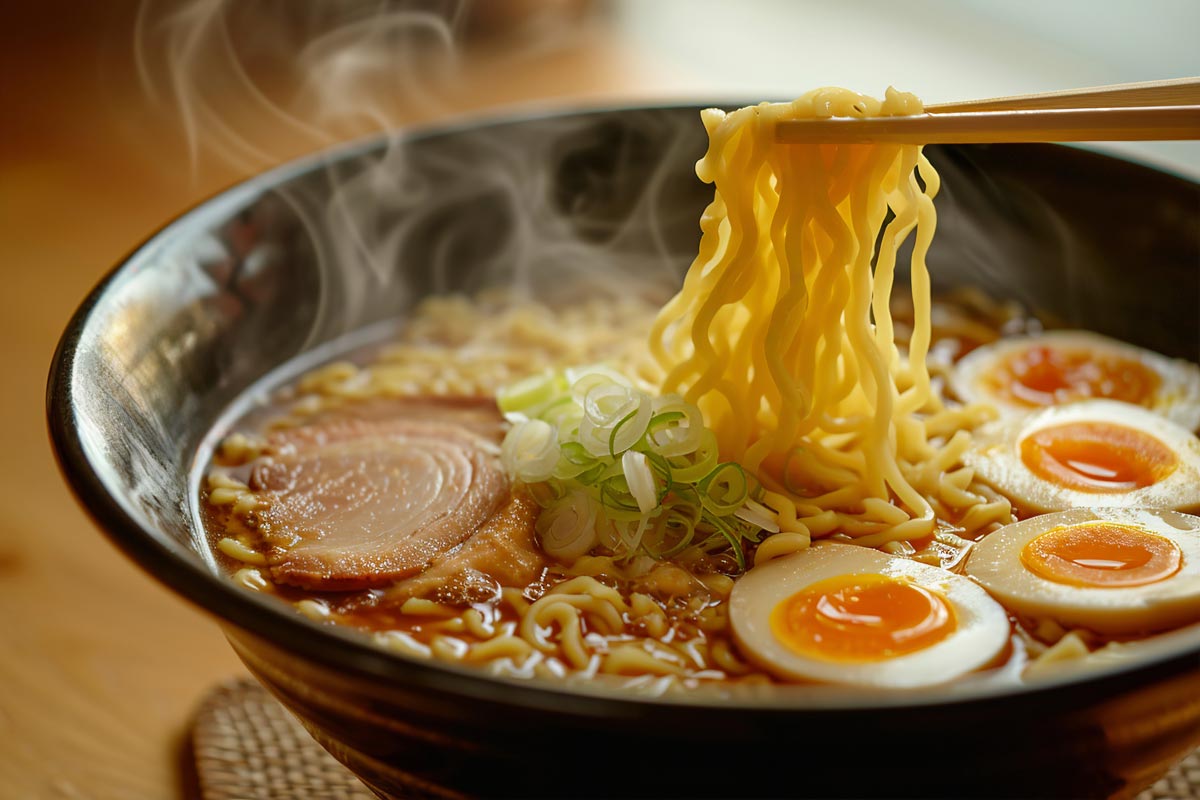
Most ramen broths are based on pork, chicken, or fish, and noodles are wheat-based. Vegan, vegetarian, and halal ramen shops do exist in large cities, but in a typical neighborhood ramen-ya, options are limited for many dietary restrictions.
Sushi and Sashimi Restaurants
Sushi can work well for pescatarians, halal travelers who eat seafood, and gluten-free visitors who bring their own soy sauce. Vegetarians should ask for cucumber rolls, pickled vegetable rolls, and inari sushi (rice in sweet tofu pockets), but must check for dashi in rice seasoning and inari sauce.
Family Restaurants and Cafés
Big family restaurant chains often have picture menus, kids’ meals, and allergy charts. Western-style cafés may be more open to substitutions, such as removing cheese or switching sauces, especially in tourist areas.
Convenience Stores and Supermarkets
Japanese convenience stores (konbini) like 7-Eleven, Lawson, and FamilyMart are surprisingly useful for travelers with dietary restrictions.
Konbini Options
- Onigiri – Choose simple fillings; check labels for fish extracts or soy sauce.
- Salads and cut fruit – Usually clearly labeled; dressings may contain soy sauce or dairy.