

Halal Certification Guide
Halal Certification Guide for Travelers in Japan
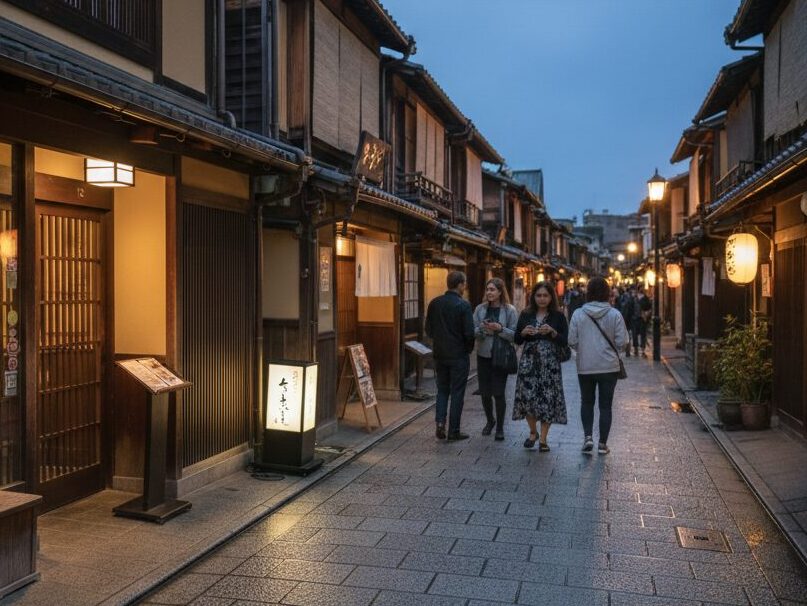
Planning your first trip to Japan as a Muslim traveler can feel exciting and a little overwhelming. Japanese food is world famous, but how easy is it to find halal meals? Can you trust “halal” signs? Where do you pray while exploring big cities and countryside towns? This halal certification guide for Japan will help you travel with confidence, eat well, and enjoy your journey.
Understanding Halal in the Japanese Context
Japan is not a Muslim-majority country, so the idea of halal food and services is still relatively new for many local businesses. In recent years, however, the number of Muslim visitors and residents has grown, especially from Southeast Asia and the Middle East. This has encouraged restaurants, hotels, and tourism offices to start learning about and offering halal and Muslim-friendly options.
It is important to understand that “halal” in Japan can mean different things depending on the establishment. Some places are fully halal-certified, while others are “Muslim-friendly” or simply avoid pork and alcohol without official certification. Knowing the difference will help you make informed choices that suit your own standards and level of comfort.
What Halal Certification Means in Japan
Halal certification in Japan is usually provided by private Islamic organizations rather than by the government. These organizations inspect restaurants, factories, and food producers to check that ingredients and preparation methods meet Islamic dietary rules.
Common Elements of Halal Certification
While the details may differ between certifying bodies, halal-certified businesses in Japan typically follow these rules:
- No pork or pork-derived ingredients are used.
- Meat and poultry come from animals slaughtered according to Islamic law.
- No alcohol is used in cooking, sauces, or desserts.
- Utensils, pots, and kitchen surfaces are not shared with non-halal items, or they are thoroughly cleaned according to specific guidelines.
- Food storage and serving practices avoid cross-contamination with non-halal foods.
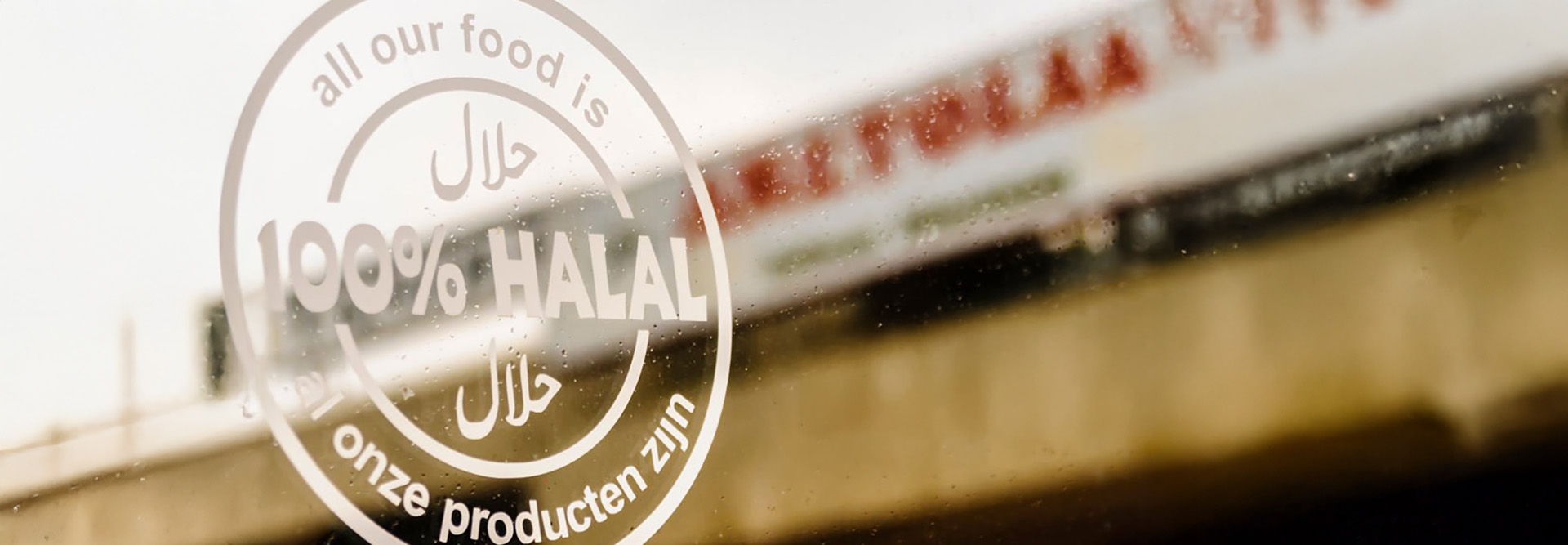
When you see a clear halal logo from a recognized Islamic organization, it usually indicates the restaurant or product has been inspected and approved according to these criteria.
Types of Labels You May See
Japanese tourism information and restaurant menus often use several different terms. Understanding these labels can help you decide what suits your personal needs.
- Halal-certified: The restaurant or product is officially certified by a recognized Islamic organization in Japan. This is the safest option for travelers who need strict halal observance.
- Muslim-friendly or Muslim-welcome: The establishment makes an effort to accommodate Muslim guests, such as offering halal meat, pork-free dishes, or separate utensils, but may not have formal certification.
- Pork-free: No pork is used, but alcohol, non-halal meat, or cross-contamination may still be present. This might be acceptable for some travelers but not for others.
- Vegetarian / Vegan: Often the most accessible option in non-halal restaurants, though some dishes may still include alcohol-based seasonings like mirin or sake. It is always worth asking.
How to Recognize Halal-Friendly Places in Japan
In major cities like Tokyo, Osaka, and Kyoto, many halal and Muslim-friendly restaurants clearly display signs in English and Arabic. Shopping streets near tourist areas may also show window stickers or posters that say “Halal,” “Prayer Space Available,” or “Muslim Friendly.”
However, not every place with a halal-looking sign is fully certified, and standards can vary. Always read the details carefully, and do not hesitate to ask staff about ingredients if you are unsure.
Useful Questions to Ask
Staff in Japan are usually polite and willing to help, even if their English is limited. You can show written questions on your phone to make communication easier. Here are some simple questions you can use:
- “Is this restaurant halal-certified?”
- “Is the meat halal?”
- “Do you use alcohol in the food or sauce?”
- “Is there any pork or pork extract in this dish?”
Learning a few Japanese phrases or keeping a short translation note saved on your phone can be very helpful, especially outside big cities.
Typical Halal and Muslim-Friendly Options
As tourism from Muslim countries has grown, more Japanese restaurants have adapted their menus. You will find a mix of fully halal Japanese dishes, international cuisine, and simple vegetarian options.
Japanese Dishes that Can Be Made Halal
The following Japanese favorites are often available in halal-certified or Muslim-friendly versions in major cities:
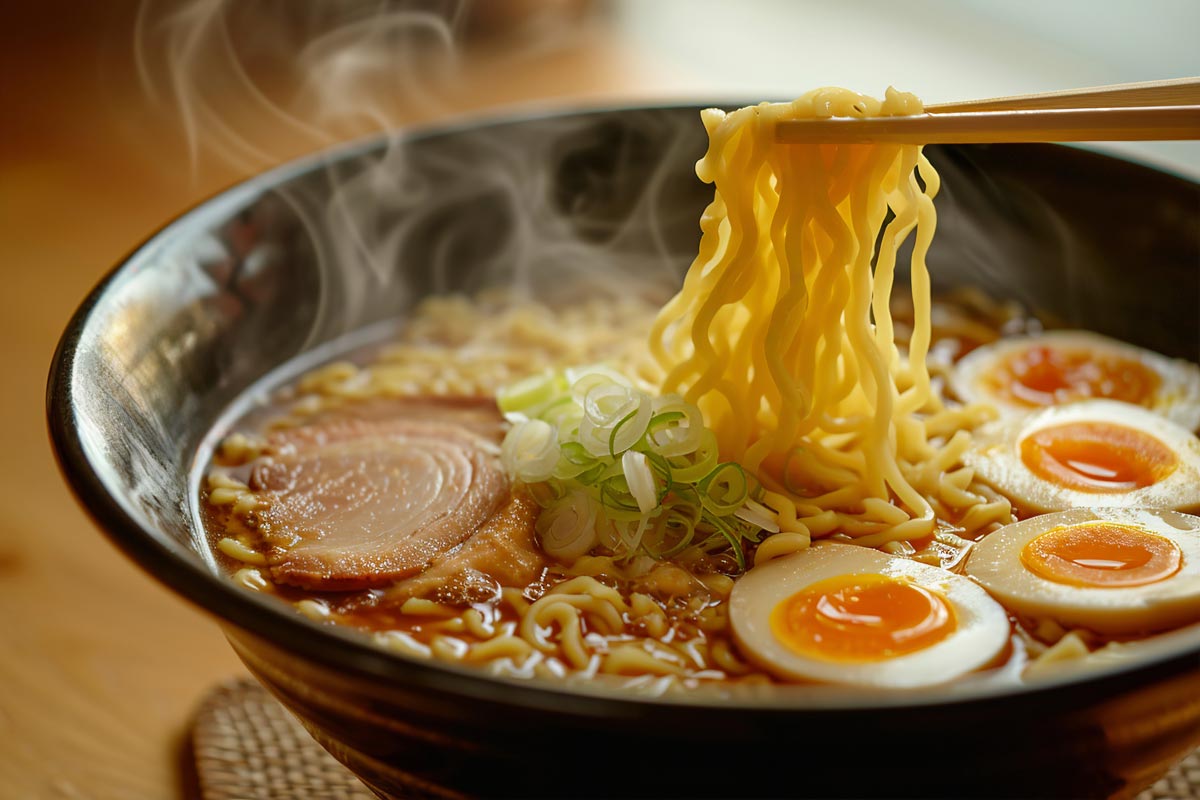
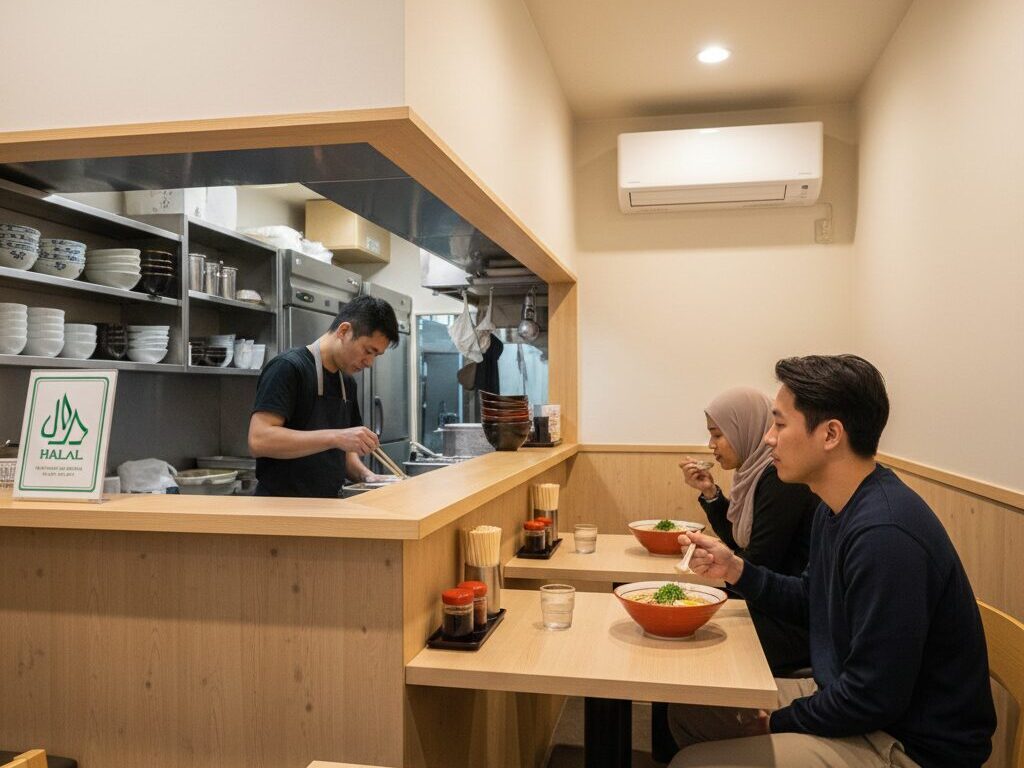
- Ramen: Some specialty shops serve ramen made with halal-certified chicken or beef, alcohol-free soy sauce, and separate kitchen tools.
- Curry rice: Japanese curry can be prepared with halal meat and without pork or alcohol. Look for restaurants that clearly mention this.
- Yakiniku (grilled meat): A few yakiniku restaurants offer halal beef and chicken, with dedicated grills and utensils.
- Tempura: Deep-fried seafood and vegetables cooked in vegetable oil can be Muslim-friendly if the batter and sauce are free of alcohol and animal-derived additives.
International Halal Cuisine
In most major Japanese cities you will find a growing number of halal restaurants serving Turkish, Indian, Pakistani, Indonesian, Malaysian, Middle Eastern, and Central Asian food. These are often fully halal and can be a reliable option when you are unsure about local Japanese places.
Convenience Stores and Supermarkets
Japanese convenience stores are famous for their variety, but they do not yet have many clearly labeled halal foods. Still, you can usually find safe and simple items such as:
- Fresh fruit and salads (check dressings for alcohol or animal products)
- Plain onigiri (rice balls) with seaweed or salt – avoid fillings unless you understand the label
- Bread, snacks, and drinks that do not contain alcohol, gelatin, or animal shortening
If you prefer to cook, larger supermarkets in big cities sometimes have sections for imported halal products, including frozen meat, instant noodles, and spices.
Halal and Muslim-Friendly Cities in Japan
Halal options are most developed in major tourist destinations, but they are gradually spreading across the country. Planning your itinerary with this in mind can make traveling much easier.
Tokyo
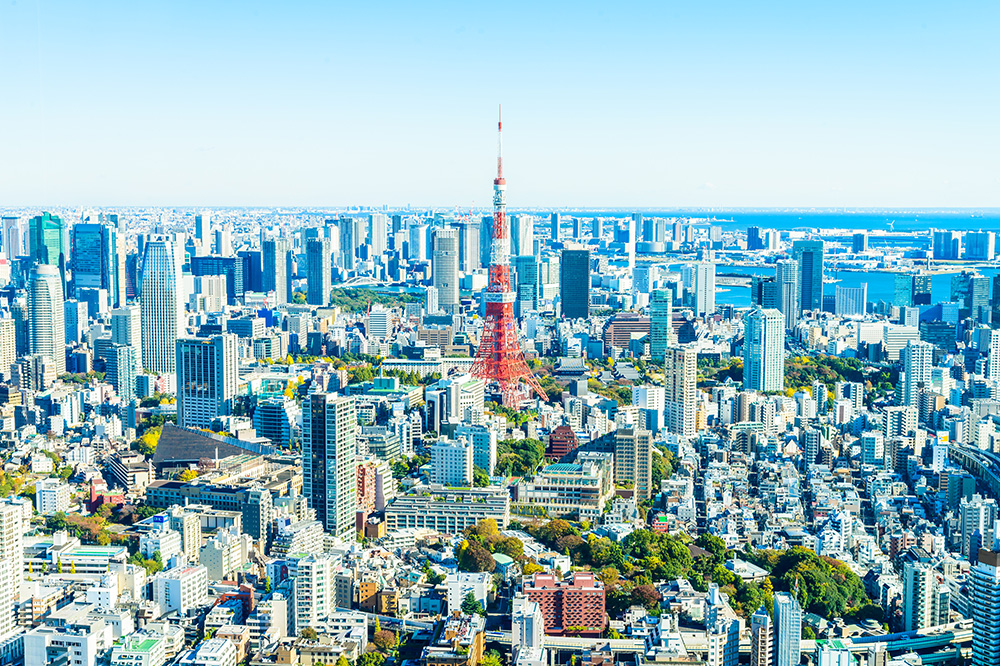
Tokyo offers the widest choice of halal-certified and Muslim-friendly restaurants in Japan, from stylish halal ramen shops to Indonesian and Turkish eateries. Districts with many visitors, such as Asakusa, Shinjuku, Shibuya, and Ueno, often have at least one or two options within walking distance of major attractions. Some shopping malls and commercial buildings include prayer rooms and halal-certified food courts.
Osaka and Kyoto
Osaka’s lively food culture now includes several halal ramen, curry, and yakiniku restaurants, especially in central areas like Namba and Umeda. Nearby Kyoto, famous for its temples and traditional streets, is also becoming more Muslim-friendly, with a small but growing number of halal-certified restaurants near major sightseeing spots, as well as prayer spaces at some tourist facilities.
Other Regions
In cities like Nagoya, Fukuoka, Sapporo, and Hiroshima, halal options are fewer but still possible to find, particularly around universities and main train stations. Rural areas and smaller towns are more challenging, so you may need to rely on vegetarian dishes, seafood, or self-catering. Planning ahead and carrying some snacks or instant halal meals can be helpful for long train rides or day trips.
Prayer Facilities and Mosques in Japan
Prayer spaces are becoming more common in major airports, shopping centers, and some popular tourist attractions in Japan. Japanese businesses and local governments are increasingly aware of Muslim visitors’ needs and are providing dedicated spaces or multipurpose rooms that can be used for prayer.
At Airports
International airports such as Narita, Haneda, Kansai, Chubu, and Fukuoka often have prayer rooms that include ablution facilities. They are usually marked in English on airport maps and signboards. If you have difficulty finding them, ask at the information counter.
In Cities and Tourist Spots
Some large shopping malls, outlet centers, and major tourist attractions offer small prayer spaces or quiet rooms. These may not always be labeled clearly as “prayer rooms,” so it is worth checking the facility map or asking staff in English or with a translation app.
Mosques in Japan
Japan has a modest but growing number of mosques, especially in cities with Muslim communities. Larger mosques, such as those in Tokyo, Osaka, Nagoya, and Kobe, often welcome visitors and may provide information or support for travelers. Friday prayers are usually held in the early afternoon, and announcements are often posted online by local communities.
Travel Tips for Muslim Visitors to Japan
A bit of preparation will make your first trip to Japan much more relaxed. Here are some practical tips to help you enjoy Japan while observing your religious needs.
Plan Your Meals Ahead
Before you visit a new city or neighborhood, search for nearby halal and Muslim-friendly restaurants and supermarkets. Save their locations on your phone so you can navigate easily, even offline. For popular spots, consider booking in advance, especially during lunch and dinner rush hours.
Carry Halal Essentials
It can be helpful to bring a few basics from home, such as:
- Instant halal meals or noodles for emergencies or long journeys
- Snacks like biscuits and nuts, especially for trips to rural areas
- A compact prayer mat and a small compass or prayer time app to find qibla
Use Technology Wisely
Travel apps and online maps are extremely useful in Japan, where addresses and building layouts can be complex. Many halal restaurants and mosques are listed on mapping services and travel platforms. Translation apps help you read Japanese labels and ask questions about ingredients or prayer spaces.
Be Flexible and Communicative
Most Japanese people have limited experience with Muslim practices but are usually respectful and willing to assist when they understand your needs. A friendly attitude, along with simple explanations or written notes, goes a long way. In smaller restaurants without halal certification, staff may be able to adjust dishes, remove alcohol from sauces, or suggest vegetarian options if you ask politely.
Respecting Local Culture While Practicing Your Faith
As you travel around Japan, you will encounter many customs and traditions different from your own. Observing Islamic practices while respecting local culture is very much possible, and it can make your trip more meaningful.
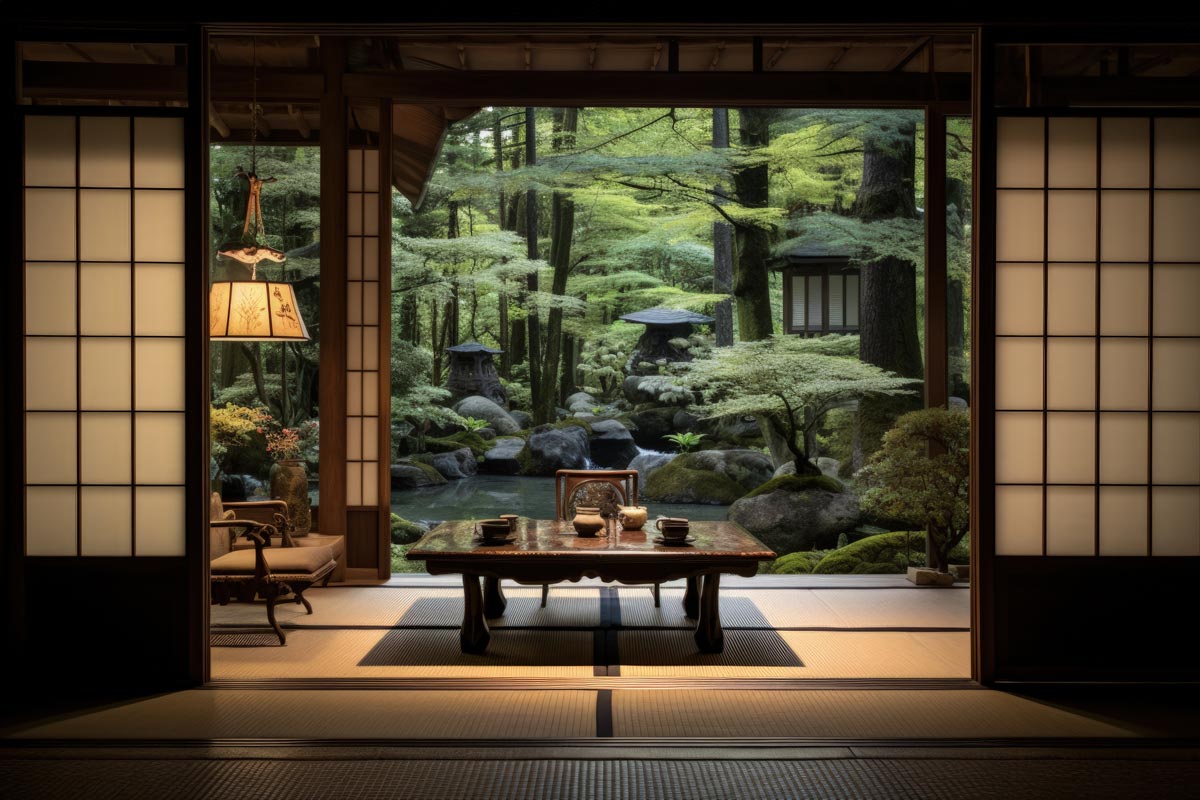
Japan values politeness, cleanliness, and harmony with others. These ideas often blend well with Islamic values. For example, removing shoes at the entrance of homes and some traditional accommodations is a sign of respect and cleanliness. Speaking quietly on public transport, queuing patiently, and handling money or items with both hands are all appreciated behaviors.
Public prayer outside of designated spaces is not common in Japan, so if you need to pray while out, look for a quiet corner in a park, a discreet space in a shopping mall, or ask if you can use a multipurpose room. Always be mindful of those around you and keep the space clean and tidy when you finish.
Enjoying Japan with Confidence
Japan is steadily becoming more welcoming to Muslim travelers. While you may not find halal options on every street, major cities and popular tourist areas now offer a growing selection of halal-certified and Muslim-friendly restaurants, prayer spaces, and services. With a bit of planning and a clear understanding of how halal certification works in Japan, you can enjoy local flavors, explore world-famous sights, and experience the country’s unique culture without stress.
Use this halal certification guide as a foundation for your trip planning, stay curious and flexible, and you will discover that Japan can be a rewarding and comfortable destination for Muslim visitors from around the world.