Japanese Whiskey
A First-Timer’s Guide to Japanese Whiskey in Japan
Japanese whiskey has gone from a local curiosity to a world‑class spirit winning global awards. For first‑time visitors to Japan, it offers a delicious way to experience modern Japanese craftsmanship, hospitality, and nightlife. Whether you are a casual drinker or a serious whiskey fan, exploring Japanese whiskey on its home turf can become a highlight of your trip.
What Makes Japanese Whiskey Unique?
Japanese whiskey was originally inspired by Scottish traditions, but over the past century it has developed its own personality. The style is typically known for balance, elegance, and a strong sense of place.
Scottish Roots, Japanese Precision
Modern Japanese whiskey began in the early 20th century when Japanese pioneers studied distilling in Scotland. They adopted techniques such as pot still distillation, malted barley, and aging in oak barrels. What they added was a distinctly Japanese approach: obsessive attention to detail, subtle flavor layering, and a relentless pursuit of refinement.
Many Japanese whiskeys are crafted with soft, clean water drawn from mountains or remote springs. Distillers carefully control fermentation times, still shapes, and barrel types to fine‑tune flavor, much like Japanese artisans perfecting sushi or tea ceremony utensils.
Flavors You Can Expect
While styles vary widely, first‑time tasters often notice:
- Light to medium body: Many Japanese whiskeys are smooth and approachable rather than heavy or smoky.
- Clean, precise flavors: Notes of honey, vanilla, crisp fruits, and gentle spice are common.
- Subtle smoke: Some expressions use peated malt, but the smoke is often more restrained than many Scottish Islay whiskies.
- Umami nuance: Certain whiskeys have a savory depth, pairing well with Japanese cuisine.
This balance and clarity make Japanese whiskey especially welcoming for newcomers who might find other styles too strong or intense.
Key Styles of Japanese Whiskey to Know
When you look at a bar menu in Japan, you will typically encounter a few main categories. Understanding them makes ordering much easier.
Single Malt
Single malt Japanese whiskey is made from 100% malted barley at a single distillery. These whiskeys often showcase the character of a particular region or production style, from coastal freshness to richer, sherry‑influenced flavors.
Single malts are ideal for sipping neat or with a splash of water. If you are already familiar with Scotch single malt, this category will feel very natural.
Blended Whiskey
Blended whiskey combines malt whiskey with grain whiskey, often from multiple styles and stills within the same company. In Japan, blends are highly respected; they are crafted to achieve harmony and consistency rather than simply mixing leftovers.
These whiskeys are usually smooth, versatile, and perfect for highballs. Many of the most widely available Japanese whiskeys abroad are blends, so tasting them in Japan can be a fun comparison.
Blended Malt (Pure Malt)
Blended malt, sometimes labeled “pure malt,” combines malt whiskeys from more than one distillery but does not include grain whiskey. This style often offers a richer flavor than standard blends while remaining approachable and balanced.
Age‑Stated vs Non‑Age‑Stated
You may notice some bottles carry an age statement (such as 12 or 18 years) and others do not. Due to Japanese whiskey’s global popularity, older stocks have become limited, and many distilleries now focus on younger or non‑age‑stated expressions that emphasize flavor rather than age.
Do not hesitate to order a whiskey without an age on the label. In Japan, these are often well‑crafted, offering bright, lively flavors at a more accessible price.
How to Drink Japanese Whiskey in Japan
Japanese bars and izakaya (casual pubs) offer several classic ways to enjoy whiskey. Each suits a different setting, meal, or mood.
Neat or With Water
Serious whiskey fans often start neat to fully experience aroma and flavor. In Japan, you can ask for:
- Neat: Straight pour, room temperature.
- With water (mizuwari): Whiskey mixed with still water, usually around a 1:2 or 1:3 ratio. Very easy to drink and common with meals.
- Water on the side: The bartender may serve a small glass of water so you can add drops to taste.
Adding a little water can open up subtle aromas, making it a good choice for first‑time tasters.
On the Rocks (Rokkudepan)
In many Japanese bars, you will see beautiful, crystal‑clear ice spheres or large cubes. These melt slowly, chilling the whiskey without diluting it too quickly. Ordering “on the rocks” is a visual pleasure as well as a way to soften the alcohol warmth.
Highball (Haibōru)
If there is one must‑try whiskey drink in Japan, it is the highball. A Japanese highball is a simple mix of whiskey and carbonated water, served in a tall glass with ice, often lightly garnished with lemon.
The highball became popular as a refreshing drink that pairs easily with Japanese food, from fried chicken to grilled fish. The key is balance: crisp, bubbly, and not overly strong. You will find highballs everywhere—from casual chains to refined bars—and you can safely order one even if you are new to whiskey.
Where to Experience Japanese Whiskey
From tiny local bars to scenic distilleries, there are many ways to explore Japanese whiskey culture during your trip.
Specialty Whiskey Bars
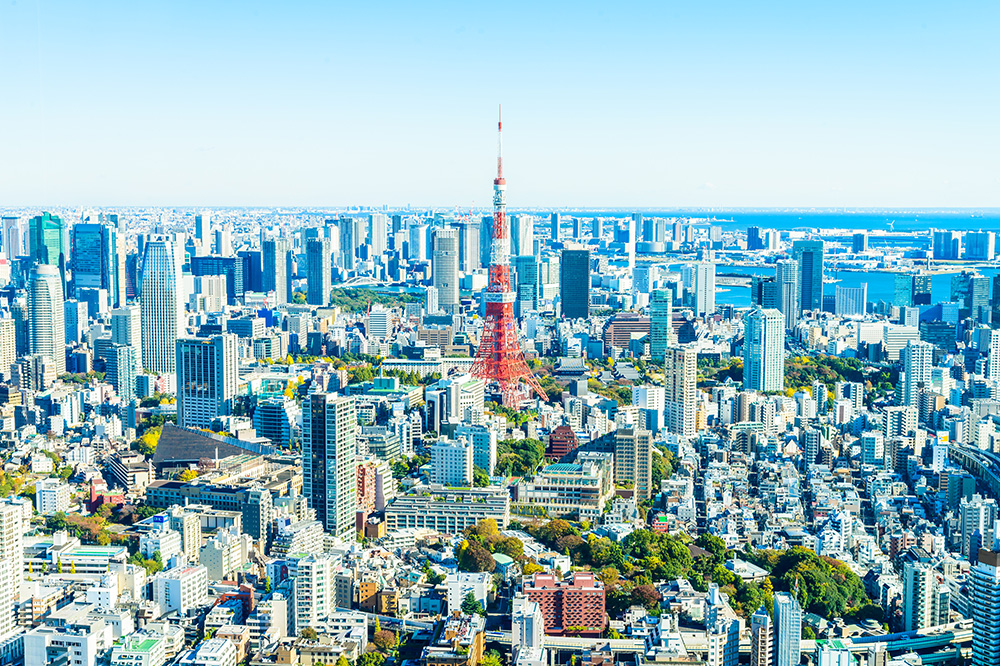
In major cities like Tokyo, Osaka, and Kyoto, dedicated whiskey bars offer extensive collections, sometimes with rare bottles dating back decades. These venues are ideal if you want to compare different distilleries or try limited Japanese releases alongside Scotch, Irish, or American whiskeys.
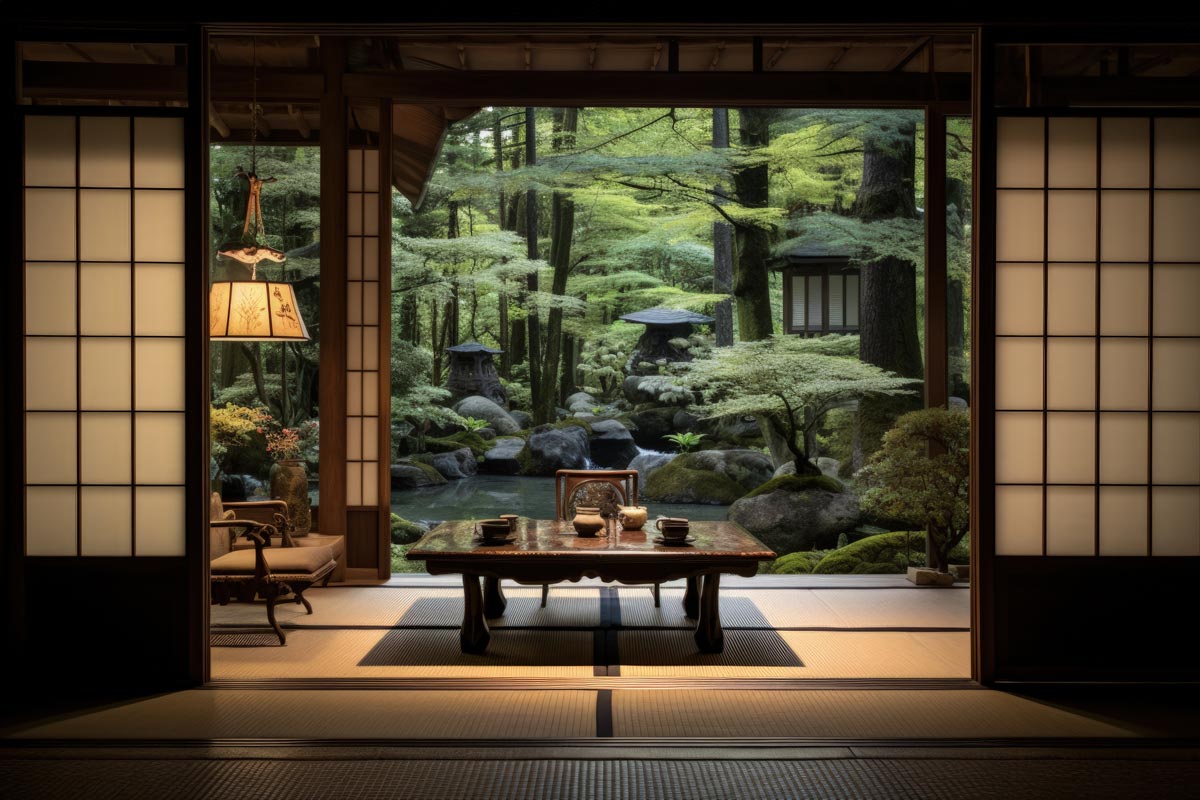
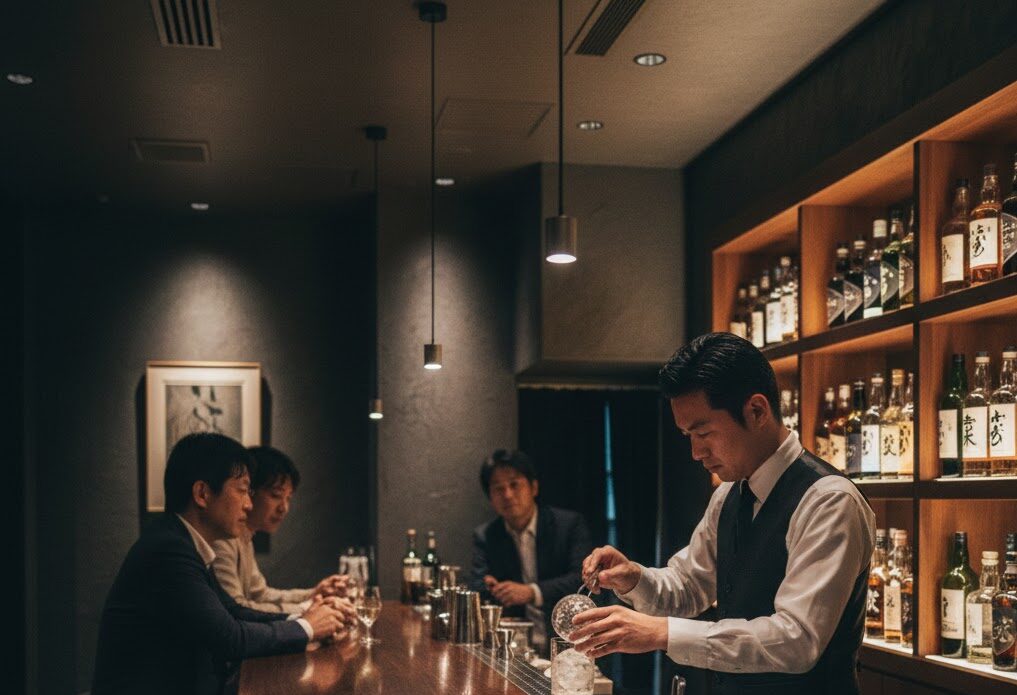
Expect a calm, adult atmosphere with counter seating, low lighting, and quiet music. Many bartenders are highly trained and happy to recommend something based on your preferences. If you are unsure what to order, describe what you normally like—sweet, smoky, fruity, or mild—and let them guide you.
Izakaya and Casual Bars
Izakaya are informal Japanese pubs where locals go after work to drink and share small dishes. Their whiskey selection is usually more modest than a specialty bar but still offers popular Japanese brands at friendly prices.
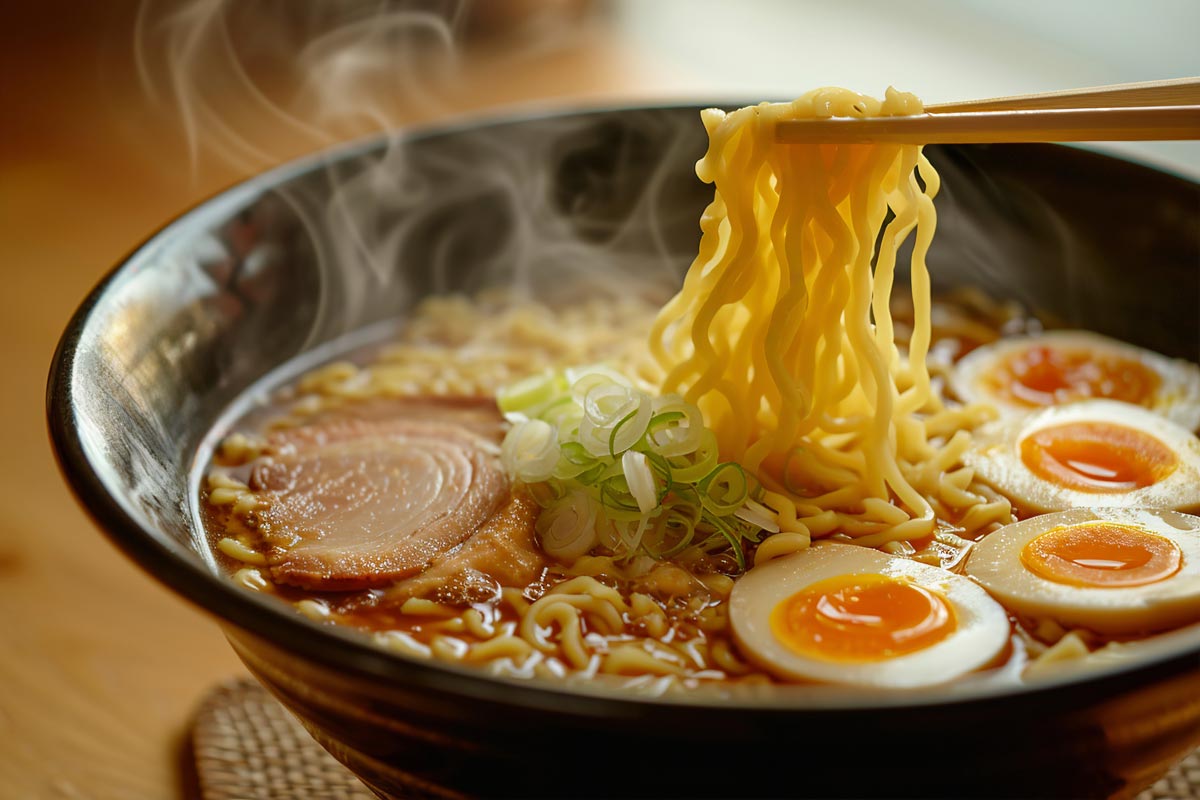
Because the atmosphere is relaxed and often lively, izakaya are perfect for enjoying whiskey with grilled skewers, tempura, or sashimi. The highball is especially popular here, and you will often see it recommended on menus.
Hotel and Rooftop Bars
Many international and luxury hotels in Japan feature elegant bars with panoramic city views. These bars typically stock well‑known Japanese whiskeys and offer English‑friendly menus. Prices tend to be higher, but the combination of skyline scenery, polite service, and carefully prepared drinks makes for a memorable evening, especially if you are celebrating a special occasion.
Visiting Japanese Whiskey Distilleries
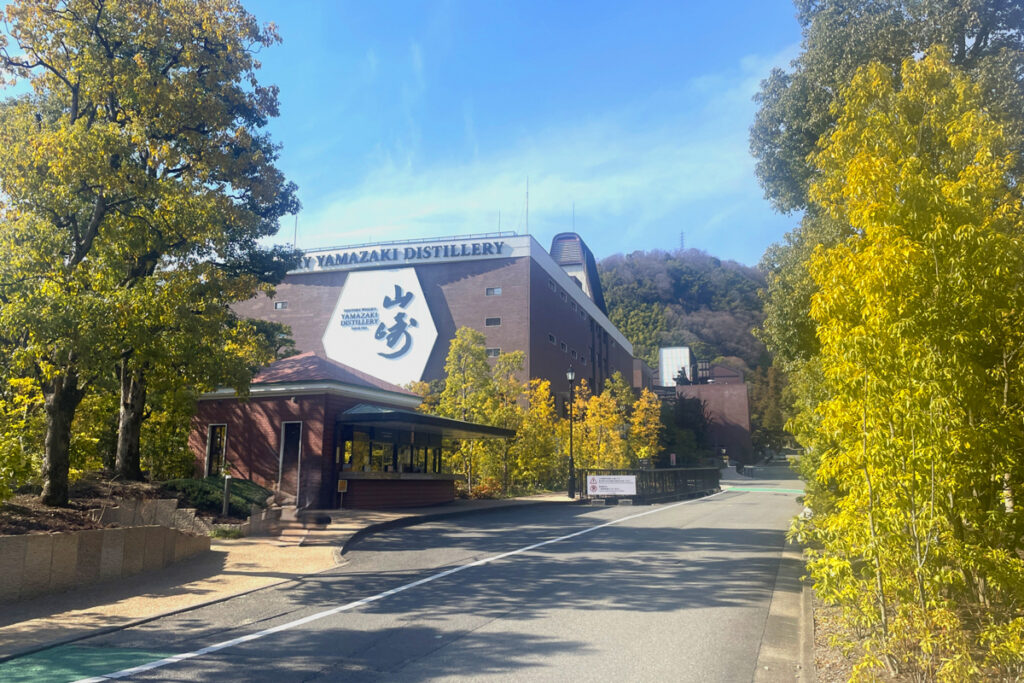
If you have a strong interest in whiskey—or simply want a unique day trip—consider visiting a distillery. Many open their doors to the public, offering tours, tasting rooms, and scenic settings in the countryside.
What to Expect on a Distillery Tour
A typical tour might include:
- A walk through the mash tuns, fermentation tanks, and copper stills.
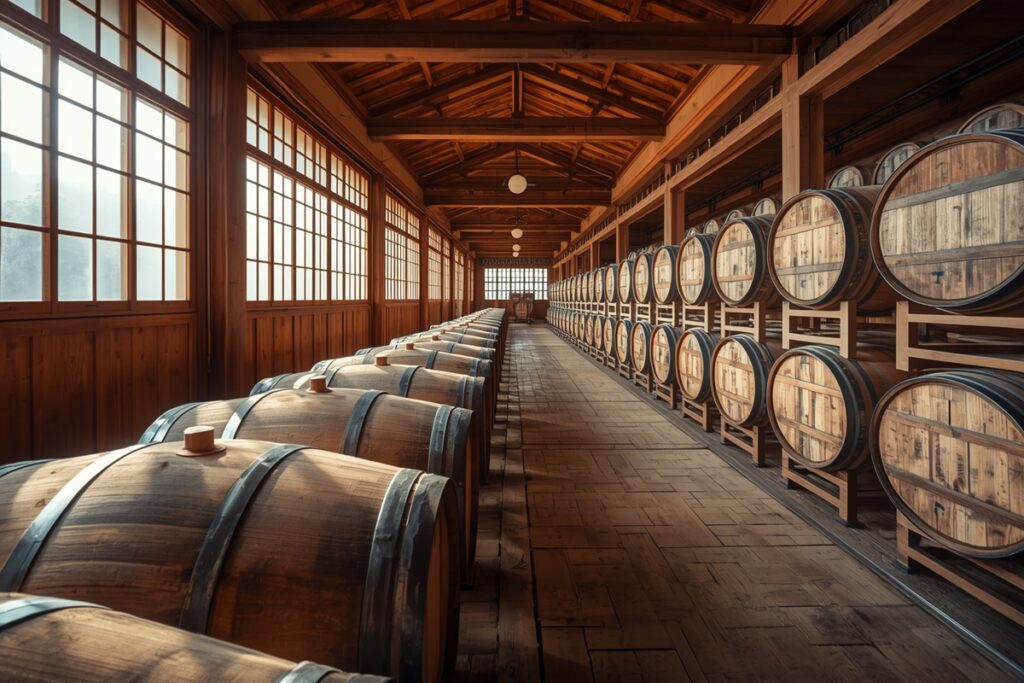
- A look at warehouses where whiskey quietly ages in oak barrels.
- Explanations of how climate, water, and wood influence flavor.
- A tasting of one or more house whiskeys, sometimes including distillery‑exclusive bottlings.
Most tours must be reserved in advance and may be conducted in Japanese, though some offer English audio guides or written materials. Check the distillery’s website well before your visit for schedules, booking procedures, and transportation details.
Planning Your Visit
Many distilleries are located outside major urban centers, often in areas known for clean water and natural beauty. Allow enough time for travel—often by train plus a short taxi or bus ride—and consider spending a half or full day in the surrounding area, enjoying hot springs, local food, or hiking trails.
If you plan to drink during a tasting, do not drive. Japan has strict drink‑driving laws. Use public transport or taxis, and if you are traveling in a group, designate a non‑drinking driver or rely fully on trains and buses.
Japanese Drinking Culture and Etiquette
Understanding a few cultural details can make your whiskey experience smoother and more enjoyable.
Ordering and Paying
In most bars, you will receive a seat at the counter or a small table. The bartender or staff will bring a menu; if there is no English version, you can ask, “Eigo no menyū wa arimasu ka?” (Do you have an English menu?). Many places in major cities now provide at least a basic English list.
When you are ready to pay, say “Okaikei onegai shimasu” (The bill, please). Tipping is not customary in Japan, and service charges may be automatically included in the bill, especially in higher‑end venues.
Politeness at the Bar
Japanese bars tend to be quiet, especially smaller, refined establishments. Speak softly, avoid using your phone on speaker, and be considerate of other guests. If you are seated at the counter, keep your belongings tidy and do not lean over the bar to grab bottles or tools.
Kanpai: The Toast
When drinking with others, it is common to wait until everyone has a drink before taking the first sip. Raise your glass slightly and say “Kanpai!” (cheers) with your companions. Touching glasses gently is fine, but not mandatory.
Pace Yourself
Japanese whiskey can be deceptively smooth, especially in highballs or mizuwari. Drink slowly, eat food along the way, and stay aware of your limits. Many whiskey bars serve small snacks or charge a modest “otoshi” fee (table charge that includes a dish), which is normal practice.
Buying Japanese Whiskey to Take Home
Japanese whiskey makes an excellent souvenir, but availability and prices can vary widely depending on where you shop and what you are looking for.
Where to Shop
You can find whiskey in:
- Large liquor shops: These often carry a broad range, from entry‑level bottles to special editions.
- Department store basements (depachika): High‑end food and drink sections, good for gifts.
- Airport duty‑free: Convenient if you want to avoid carrying bottles during your trip, though selection may be limited.
Some rare or age‑stated Japanese whiskeys are now hard to find or very expensive, even within Japan. Consider trying lesser‑known expressions or smaller bottle sizes, which can be easier to transport and kinder to your budget.
Check Customs Limits
Before buying multiple bottles, check your home country’s alcohol import limits and duty‑free allowances. Most countries allow a certain volume per adult, and exceeding it may require you to declare and pay tax. Pack bottles securely in your checked luggage or purchase them after security at the airport.
Tips for First‑Time Whiskey Drinkers
You do not need to be a whiskey expert to enjoy Japanese whiskey in Japan. A few simple guidelines can help you get the most from the experience:
- Start light: Begin with a highball or mizuwari if you are new to whiskey. These are gentle introductions.
- Use your nose: Before sipping, gently swirl the glass and inhale lightly. Look for notes of fruit, vanilla, or spice.
- Add a little water: If the whiskey tastes too strong, ask for water on the side and add a few drops at a time.
- Take small sips: Let the whiskey roll across your tongue, then note how the flavor changes as you swallow.
- Ask questions: Bartenders in Japan often take pride in their knowledge. If language is a barrier, simple words like “sweet,” “smoky,” or pointing to the bottle you like can still communicate your preferences.
Making Japanese Whiskey Part of Your Journey
Experiencing Japanese whiskey in Japan is about more than just tasting a drink. It offers a window into the country’s love of craftsmanship, its blend of tradition and innovation, and the social rituals of gathering after work or on special occasions.
Whether you sip a carefully aged single malt in a quiet bar, enjoy a refreshing highball with yakitori at a bustling izakaya, or walk through fragrant warehouses on a distillery tour, you will gain a deeper appreciation of how Japan creates beauty in everyday pleasures.
Plan a night—or even a day trip—around Japanese whiskey, and you may find it becomes one of your most memorable travel stories to share when you return home.

Useful Link