



Local Beer Breweries
Local Beer Breweries in Japan: A First-Timer’s Guide
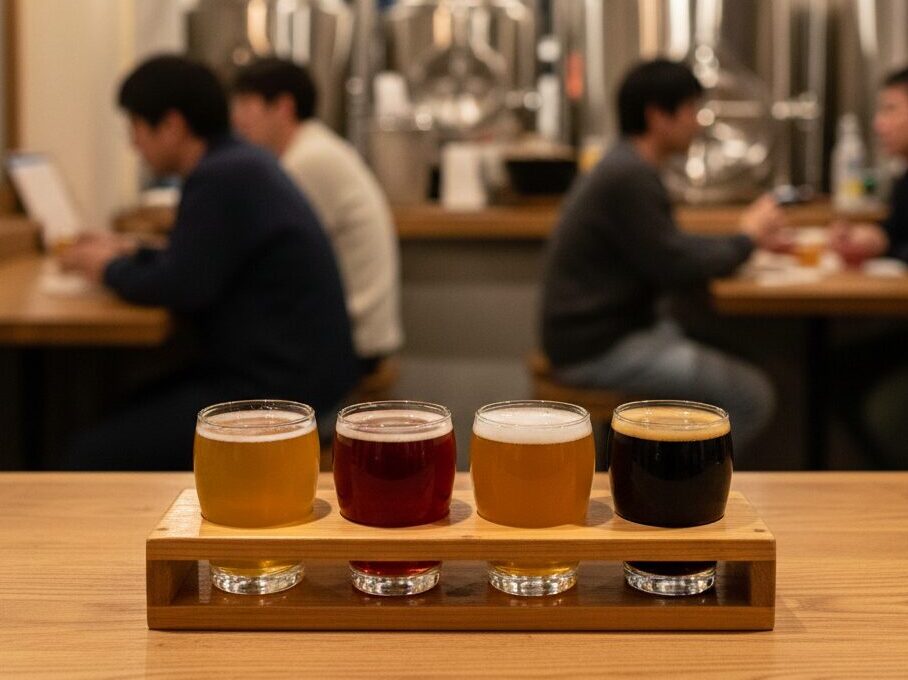
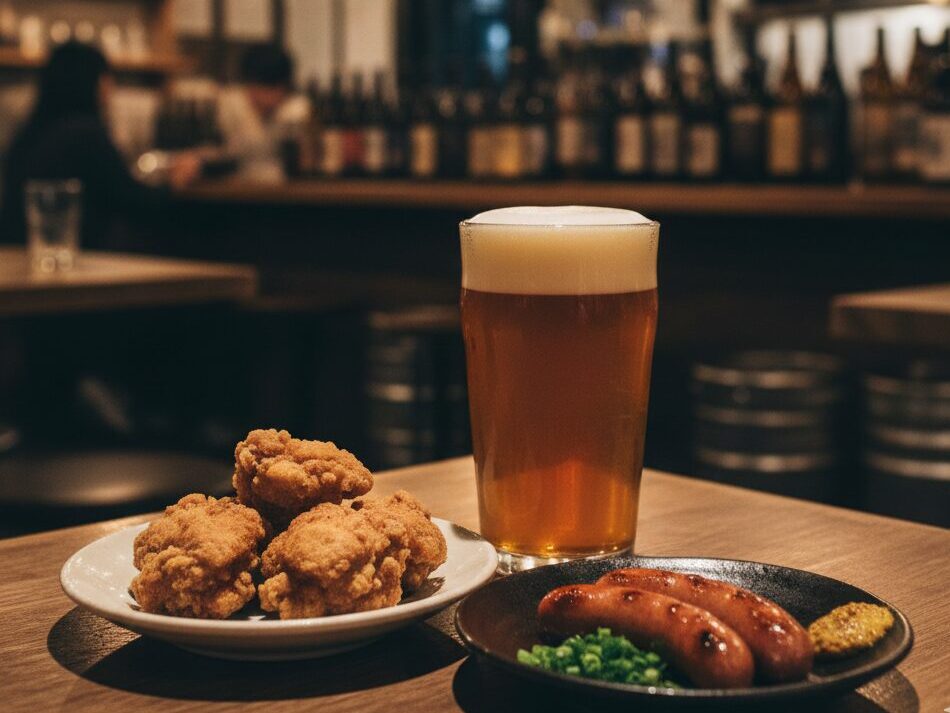
Japan is famous for sushi, temples, and bullet trains, but in recent years another star has quietly emerged: local beer. From tiny mountain towns to urban warehouse districts, Japanese craft breweries are redefining what beer can be. If you are visiting Japan for the first time, exploring local beer breweries is an enjoyable way to meet people, taste regional flavors, and see a side of the country that many tourists miss.
How Beer Fits into Japan’s Drinking Culture
Beer arrived in Japan in the 19th century, initially brewed to satisfy European traders and diplomats. By the late 20th century, large companies such as Asahi, Kirin, Sapporo, and Suntory dominated the market with crisp, easy-drinking lagers designed to match Japanese food. These big brands are still everywhere, from convenience stores to izakaya (casual pubs).
The craft beer boom began in the 1990s, after Japan relaxed strict laws that had made it difficult for small-scale beer production to survive. Since then, hundreds of local breweries have opened, often in unexpected locations: repurposed rice storehouses, old sake breweries, seaside towns, and suburban industrial zones. Each brewery tends to highlight something local—water from nearby mountains, hops grown in the region, or ingredients like yuzu citrus, matcha, or roasted barley inspired by traditional food culture.
Why Visit Local Beer Breweries in Japan?
Visiting a local brewery in Japan is not just about drinking beer; it is a cultural experience. Here is what makes it special:
1. Regional Flavors and Seasonal Ingredients
Japan’s four seasons strongly influence food and drink. Many breweries release seasonal beers tied to local harvests: a spring lager with sakura (cherry blossom) yeast, a summer wheat beer with citrus, an autumn ale featuring roasted sweet potatoes, or a winter stout brewed with locally grown coffee or cacao. Exploring these limited releases is a flavorful introduction to Japan’s obsession with seasonality.
2. Japanese Craftsmanship and Precision
Japanese brewers often come from backgrounds in sake production, engineering, or even tea blending. This shows in their approach to quality control and balance. Styles range from classic German pilsners to West Coast IPAs and rich Belgian-style ales, but they commonly share a clean, well-structured finish that pairs well with Japanese food.
3. Friendly, Intimate Tasting Rooms
Most local breweries operate small taprooms or brewpubs. Space is limited, seating is close together, and the atmosphere is relaxed rather than rowdy. It is common to see solo drinkers, couples, and small groups sharing tables. Staff often speak at least some English, and many are happy to recommend beers based on what you usually drink at home.
Where to Find Local Breweries in Japan
You will find breweries scattered across the country, but a few areas are especially convenient for first-time visitors following popular travel routes.
Tokyo: Urban Taprooms and Warehouse Breweries
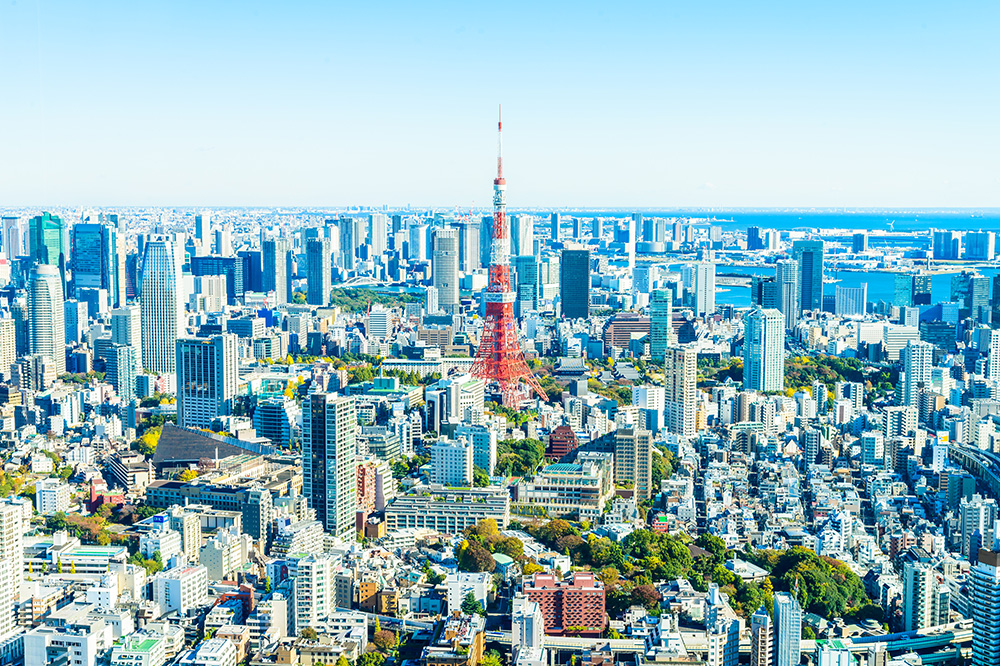
Tokyo is the easiest place to start exploring Japanese craft beer. Neighborhoods such as Shibuya, Kanda, and Ryogoku have dense clusters of beer bars and brewpubs. Look for small breweries tucked into side streets or in renovated warehouses near train lines. Many offer sampler sets (tasting flights) so you can try four or five styles in one sitting.
Tokyo breweries are often experimental, brewing hazy IPAs, sour ales, and beers with fruits such as mikan (mandarin oranges) or passionfruit. Because the city attracts visitors and locals from all over Japan, tap lists sometimes include guest beers from regional breweries you may not have time to visit in person.
Kyoto and Kansai: Tradition Meets Innovation
Kyoto, Osaka, and the wider Kansai region blend old and new. In Kyoto, breweries may occupy former machiya townhouses or sit close to historic sake districts. Beers here sometimes play with Japanese ingredients: roasted tea, local black beans, yuzu peel, or Kyoto groundwater that has been prized for centuries.
Osaka and Kobe, by contrast, tend to emphasize bold flavors and food pairings. Craft beer bars in these cities frequently serve regional specialties such as takoyaki (octopus balls), kushikatsu (deep-fried skewers), and Kobe beef sliders, alongside modern IPAs and porters.
Hokkaido and the North: Cool Climate and Clean Water
In Japan’s northern regions, Hokkaido and Tohoku, long winters and pristine mountain water create ideal conditions for brewing. Beers here often focus on lagers, pale ales, and wheat beers that showcase crisp, clean profiles. In ski towns and hot spring areas, you might find microbreweries attached to resorts or onsen complexes, allowing you to enjoy a pint after a soak or a day on the slopes.
Rural Japan: Farm-Based and Community Breweries
Outside the big cities, small breweries frequently work directly with local farmers. They might use hops grown in nearby fields, barley from local cooperatives, or surplus fruit that would otherwise go to waste. Visiting these breweries can take you into countryside rarely seen by short-term visitors, where you may drink beer overlooking rice paddies, rivers, or forested hills.
What to Expect When Visiting a Japanese Brewery
Reservations and Opening Hours
Many breweries in Japan have limited seating and irregular opening days—often weekends only or a few evenings per week. It is wise to:
- Check the brewery’s official website or social media for current hours.
- Reserve a table, especially on Fridays, Saturdays, and around national holidays.
- Confirm whether they serve food or if it is drinks only.
English-language information is increasingly common, but not guaranteed. If you are unsure, ask your hotel staff or guesthouse to help call ahead.
Typical Layout and Ordering Style
A typical small brewery taproom in Japan might include a bar counter, a few tables, and a visible brewing area with tanks and piping. Ordering is usually straightforward:
- Check the menu or chalkboard listing the beers on tap.
- Choose a glass size (often small, medium, or pint).
- Order and pay at the counter, then take a seat, or pay at the end, depending on the venue.
Staff can usually explain the difference between styles using simple English terms like “bitter,” “fruity,” “light,” or “strong.” Many places offer tasting flights, which are ideal if you are new to craft beer.
Food Pairing and Menus
Some breweries operate as full brewpubs with kitchens, while others serve only snacks. Common food options include:
- Small plates such as edamame, pickles, and sausages
- Local specialties like karaage (fried chicken), gyoza, or yakitori
- Western-style bar food like fries, burgers, and pizza
If no food is served, it may or may not be acceptable to bring your own. Check for signs or ask staff. Convenience stores nearby often sell prepared dishes (bento, salads, fried foods) that pair surprisingly well with beer.
Understanding Japanese Craft Beer Styles
Japanese craft breweries produce many international styles, but some patterns and trends are particularly common.
Lagers and Pilsners
Clear, golden lagers are still the backbone of Japan’s beer culture. Local versions, however, may emphasize aroma hops, deeper malt flavors, or extended lagering times for smoothness. These beers are perfect with tempura, sushi, or grilled fish.
IPAs and Pale Ales
IPAs have boomed in popularity, especially in cities. Japanese IPAs range from piney and bitter to juicy and tropical, often with a cleaner finish than heavily sweet versions abroad. Session IPAs (lower alcohol) are also common, catering to drinkers who want to enjoy several glasses over a long evening.
Wheat Beers
Both German-style hefeweizens and Belgian-style witbiers are widely brewed. They are refreshing on humid summer days and pair well with spicy dishes such as Japanese curry, mapo tofu, or Korean-influenced bar snacks.
Dark Beers and Porters
Japan’s love of coffee, chocolate, and roasted flavors shows up in its darker beers. Stouts and porters often feature smooth roast character with hints of cocoa or espresso. Some breweries create dessert-like beers using vanilla, lactose, or local fruits.
Beers with Japanese Ingredients
One of the joys of exploring local breweries is discovering how they integrate Japanese ingredients. You may encounter beers brewed with:
- Yuzu, kabosu, or other citrus fruits
- Green tea or roasted hojicha tea
- Sansho pepper for a tingling finish
- Local rice for a dry, crisp body
- Chestnuts, sweet potatoes, or regional honey
These beers reflect Japan’s culinary creativity and make excellent souvenirs or gifts.
Etiquette and Tips for First-Time Visitors
Legal Drinking Age and ID
The legal drinking age in Japan is 20. Some breweries and bars may ask for ID, especially in busy nightlife areas. Carry your passport or a copy with you.
Ordering and Tasting
Japanese culture values modesty and consideration for others. When tasting beer:
- Do not request free samples at busy times unless they are clearly offered.
- Pour gently when sharing bottles, and avoid spilling on the table.
- If you are with companions, wait for everyone’s drink to arrive before saying “Kanpai!” and taking the first sip.
Noise and Behavior
Even popular beer bars in Japan are usually calmer than their counterparts in some Western countries. Laughing and conversation are welcome, but shouting across the room or being visibly drunk is frowned upon. If you feel unwell, step outside or ask staff quietly for help.
Cash, Cards, and Payment
More breweries now accept credit cards and IC transit cards, but some still prefer cash, especially in smaller towns. Keep some yen on hand for drinks, cover charges (if any), and small snacks. Tipping is not customary in Japan; simply pay the bill at the end and say “Arigatou gozaimasu” (thank you very much).
Combining Brewery Visits with Sightseeing
Local breweries fit easily into classic Japan itineraries. A few ideas:
- Tokyo: Visit a brewery taproom after exploring nearby museums, shopping districts, or sumo stables.
- Kyoto: Stop at a brewery in the evening after temple visits to unwind with seasonal beer and small plates.
- Onsen towns: Combine a hot spring soak with a visit to a nearby microbrewery for a relaxing, local evening.
- Coastal areas: Enjoy seafood and a seaside lager at a brewery near the harbor or beach.
Many cities have craft beer maps or local guides that list breweries and bars within walking distance of major train stations, making it easy to design your own “beer stroll” that also takes in shrines, markets, and viewpoints.
How to Bring Japanese Beer Home
If you find a favorite beer, you may want to take a few bottles or cans home. Consider the following:
- Check your airline and home country regulations on carrying alcohol.
- Most breweries sell canned beer better suited to travel than draft-only releases.
- Buy just before your departure so the beer stays fresh.
- Wrap bottles carefully or ask the shop for protective packaging.
Some specialty shops in major cities also sell curated selections of local beers, which can be easier to pack than visiting multiple breweries on your own.
Enjoying Japan Through Its Local Beer
Exploring local beer breweries in Japan offers a relaxed, flavorful way to connect with the country’s regions and people. Whether you are sipping a yuzu-infused ale in Kyoto, a crisp lager in a Hokkaido ski town, or a bold IPA in a Tokyo warehouse district, each glass reveals something about local ingredients, seasons, and craftsmanship.
As you plan your first trip to Japan, consider adding a brewery or two to your itinerary. You will discover that Japan’s famous attention to detail extends well beyond sushi and tea—and into every carefully brewed pint.