


Shochu Experience
Shochu Experience: A Beginner’s Guide to Japan’s Native Spirit

For many first-time visitors to Japan, sake is the drink that comes to mind. Yet ask most Japanese bartenders what they drink at home, and you will often hear a different answer: shochu. Distinct from sake, whisky, and vodka, shochu is Japan’s quietly celebrated native spirit, rich in regional character and everyday culture. If you want to go beyond the usual tourist trail, planning a shochu experience is one of the most enjoyable ways to connect with local life in Japan.
What Is Shochu?
Shochu is a distilled spirit, usually between 20–30% alcohol, traditionally made from ingredients such as sweet potato, barley, rice, buckwheat, or brown sugar. While sake is brewed like beer, shochu is distilled like whisky or vodka, giving it a cleaner finish and often a stronger aroma.
Legally and culturally, shochu is considered separate from sake and has its own rich history. The drink is particularly associated with southern Japan, especially Kyushu and the islands of Kagoshima and Okinawa. There, it is not just a bar drink but an everyday companion to dinner, celebrations, and quiet evenings at home.
Key Shochu Styles You Should Know
For a rewarding shochu experience, it helps to know the major types. Each ingredient creates a very different flavor profile, and choosing the right style makes tasting less intimidating and more enjoyable.
Imo Shochu (Sweet Potato)
Imo shochu is perhaps the most iconic style from Kagoshima and Miyazaki in Kyushu. Made from sweet potatoes, it often has a bold, earthy aroma and a slightly sweet, sometimes smoky character.
This style can be surprising for first-timers because the aroma is strong and unique—some describe it as roasted sweet potatoes, earth, or even dried flowers. Enjoyed with hot water, it becomes mellow and fragrant, pairing beautifully with hearty local dishes like grilled pork, braised dishes, and strongly flavored izakaya fare.
Mugi Shochu (Barley)
Mugi shochu, made from barley, tends to be lighter and more approachable for beginners. Its flavor is often described as clean, toasty, and gently nutty.
This is a great starting point if you usually enjoy whisky, beer, or light spirits. When served with ice or mixed with water, mugi shochu feels refreshingly smooth and versatile, pairing well with tempura, yakitori, or even Western-style dishes you might find in modern izakaya.
Kome Shochu (Rice)
Kome shochu, made from rice, leans toward a softer and more delicate profile. It can remind some drinkers of sake but with the clarity and dryness of a distilled spirit.
This style is particularly enjoyable with light, refined dishes such as sashimi, grilled fish, or kaiseki-style cuisine. If you like dry white wine or clear, gentle spirits, rice shochu may feel familiar and elegant.
Other Regional Varieties
Beyond these three core styles, you will encounter other distinctive regional shochu types:
- Kokutou shochu (brown sugar shochu) from the Amami Islands, with a subtle sweetness and tropical nuance.
- Soba shochu (buckwheat shochu), often light and crisp, especially popular in mountainous regions.
- Unique local ingredients such as chestnuts or perilla leaves in some small-batch bottlings.
Sampling different ingredients in one sitting—perhaps via a tasting flight—is a great way to appreciate how region and raw materials shape the character of shochu.
How to Drink Shochu: Serving Styles Explained
One of the pleasures of a shochu experience is choosing how to drink it. In Japan, the serving style is almost as important as the spirit itself, and each approach reveals different aromas and textures.
On the Rocks (Rokku)
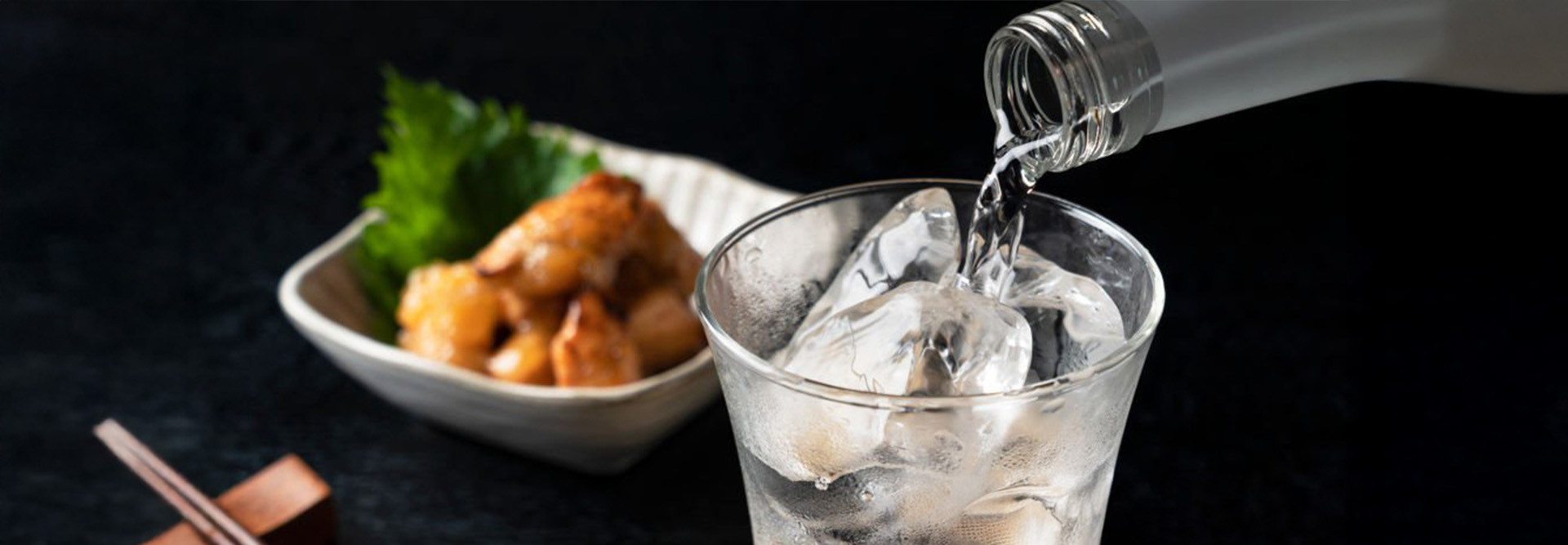
Ordering shochu “on the rocks” (rokku) is straightforward and familiar for many visitors. Ice chills and slightly dilutes the spirit as it melts, softening the alcohol and highlighting lighter flavors.
This style works especially well with barley and brown sugar shochu, and with richer, cask-aged varieties that may remind you of whisky. If you are unsure where to begin, “mugi shochu, rokku” is a safe and satisfying order.
With Cold Water (Mizu-wari)
Mizu-wari literally means “cut with water.” Shochu is mixed with still water, usually in a roughly 1:1 or 2:1 ratio, depending on personal preference and the base alcohol content.
This style is gentle, easy to drink, and perfect with food. It is popular for casual meals and is a good option if you want to enjoy shochu slowly over the course of dinner without feeling overwhelmed by alcohol.
With Hot Water (Oyu-wari)
Oyu-wari is hot water mixed with shochu—an especially beloved style in cooler months and in southern regions like Kagoshima. The standard technique is to pour hot water first, then shochu on top. The natural mixing draws out aromas without making the drink feel too hot.
Imo shochu served oyu-wari is a deeply comforting experience: the warmth releases sweet, earthy aromas reminiscent of roasted potatoes and autumn evenings. If you visit Japan in autumn or winter, this is an essential seasonal pleasure.
Straight and Highball Styles
You may occasionally see shochu served straight in small glasses, especially for premium or aged bottlings. This is best if you are already familiar with the spirit or treating it as you might a fine whisky.
In many casual bars and restaurants, shochu is also the base for simple, refreshing cocktails known as “chuhai” or “sours.” These mix shochu with soda water and fruit flavors such as lemon, grapefruit, or yuzu. They are light, fizzy, and very popular with younger drinkers—an easy gateway if neat spirits feel intimidating.
Where to Enjoy a Shochu Experience in Japan
You do not need to be an expert or speak fluent Japanese to enjoy shochu. With a little curiosity, you can easily build it into your trip, from big cities to local towns.
Izakaya: Japan’s Casual Dining Pubs
Izakaya are informal Japanese pubs that serve a wide variety of small dishes alongside drinks. They are one of the best places for first-timers to explore shochu because the menus are broad and staff are used to helping customers mix and match food and drinks.
Look for menus listing “焼酎” (shochu) with categories like 芋 (imo), 麦 (mugi), or 米 (kome). Many izakaya offer shochu both by the glass and by the bottle, often with simple descriptions. If you are unsure, you can politely say in English, “Shochu recommendation?” or in Japanese, “Osusume no shochu wa arimasu ka?” and let the staff guide you.
Specialty Shochu Bars
In larger cities like Tokyo, Osaka, and Fukuoka, you will find dedicated shochu bars with extensive selections. Shelves lined with distinctive ceramic and glass bottles create an atmosphere somewhere between a wine bar and a traditional tavern.
These bars usually categorize bottles by region and base ingredient and often offer tasting flights. Even if English is limited, staff are typically passionate about shochu and happy to recommend bottles that match your preferences—whether you ask for something “light and easy,” “fruity,” or “rich and smoky.”
Distillery Tours and Local Tastings
If your itinerary includes Kyushu or the southern islands, consider setting aside time for a distillery visit. Shochu production is often family-run and deeply rooted in local agriculture, and visiting a distillery provides insight into both the drink and regional life.
Tours typically include a walk through fermentation rooms, a look at pot stills, and a guided tasting. Even when explanations are mostly in Japanese, seeing the process and smelling the ingredients helps you understand why each style tastes the way it does. Some distilleries require reservations, so it is wise to check ahead via their official websites or through your accommodation.
Pairing Shochu with Japanese Food
One reason shochu is so beloved in Japan is its natural compatibility with local cuisine. Unlike many strong spirits, it is designed to be enjoyed with food, not just before or after a meal.
- Imo shochu: Pairs well with robust flavors—grilled pork, miso-based dishes, hot pot (nabe), and rich karaage fried chicken.
- Mugi shochu: Versatile and easy, good with yakitori, tempura, and izakaya favorites like gyoza and grilled fish.
- Kome shochu: Excellent with sashimi, lightly seasoned vegetables, and refined kaiseki or sushi courses.
- Kokutou shochu: Works with slightly sweet-salty dishes such as teriyaki or simmered fish, and can even accompany desserts.
When in doubt, follow a simple rule: try to match intensity. Lighter dishes usually go better with lighter, clean-tasting shochu served with cold water or on the rocks, while richer, oilier dishes stand up well to robust styles, especially with hot water.
Shochu Etiquette and Useful Phrases
You do not need to master complex etiquette to enjoy shochu in Japan, but a few small gestures can enrich your experience and help you connect with locals.
- Pouring for others: In groups, it is polite to refill other people’s glasses rather than your own, especially at more traditional gatherings. You are not expected to do this for strangers in a bar, but you might notice friends doing it for each other.
- Toasting: The standard toast is “Kanpai!” Raise your glass to eye level, make brief eye contact, and then drink.
- Moderation: Shochu can feel deceptively smooth, particularly when mixed with water or soda. Pace yourself and drink water alongside your shochu, especially in the warm months.
Some useful phrases when exploring shochu include:
- “Osusume no shochu wa arimasu ka?” – Do you have a recommended shochu?
- “Karui aji ga ii desu.” – I prefer a light flavor.
- “Tsuyome ga ii desu.” – I like something strong.
- “On the rocks de onegaishimasu.” – On the rocks, please.
- “Mizu-wari de onegaishimasu.” – With water, please.
- “Oyu-wari de onegaishimasu.” – With hot water, please.
Practical Tips for First-Time Shochu Drinkers
To make your shochu experience smooth and enjoyable, keep these simple tips in mind:
- Start light: Begin with barley or rice shochu in a mizu-wari or rokku style. Move to sweet potato shochu once you are comfortable with the flavor range.
- Drink with food: Shochu is meant to accompany a meal. Sipping it alongside several small dishes helps balance the alcohol and highlights subtle flavors.
- Ask for half sizes: Some bars and izakaya can pour slightly smaller servings if you want to taste several types. You can simply ask, “Small size OK?”—many staff will understand.
- Consider the season: In summer, chilled shochu and chuhai are refreshing; in cooler months, hot-water cuts are deeply satisfying.
- Check alcohol content: Labels and menus often note the percentage. Many shochu are around 25%, but some special bottlings can be stronger.
Bringing Shochu Home as a Souvenir
A bottle of shochu makes an excellent, often unexpected souvenir from Japan. Many liquor shops, particularly in areas known for production, offer attractive packaging and staff recommendations for gifts.
When choosing a bottle, think about the person’s usual preferences: a whisky drinker might enjoy cask-aged barley shochu, while someone who loves adventurous flavors could appreciate a bold sweet potato shochu. Do remember to check your airline’s rules on carrying alcohol and your home country’s customs limits before you buy.
Adding Shochu to Your Japan Journey
Incorporating a shochu experience into your trip is about more than tasting a local spirit. It is a window into everyday Japanese life: the relaxed atmosphere of an izakaya after work, the pride of regional producers, and the quiet rituals of pouring and sharing drinks with friends.
Whether you visit a specialty bar in Tokyo, enjoy a warm glass with hot pot in Kyushu, or bring home a carefully chosen bottle, exploring shochu offers a deeper, more local dimension to your time in Japan. Approach it with curiosity, start gently, and let the flavors guide you into another side of Japanese culture that many visitors never see.