
Traditional Japanese inn (Ryokan)
How to Enjoy a Traditional Japanese Inn (Ryokan) in Japan
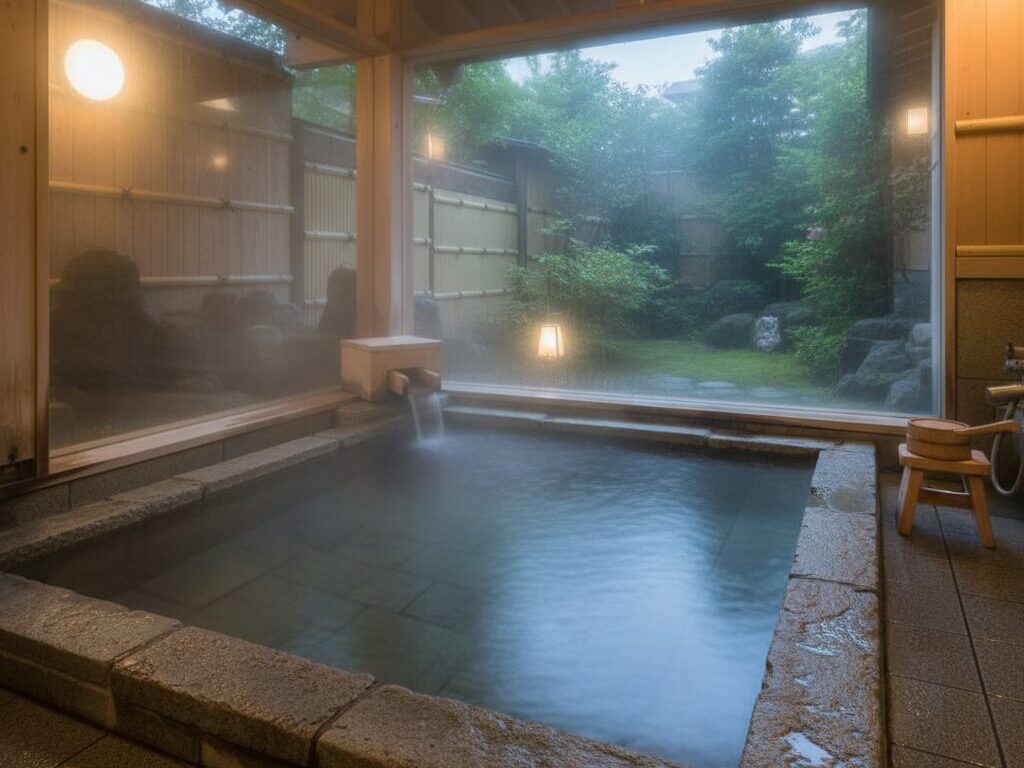
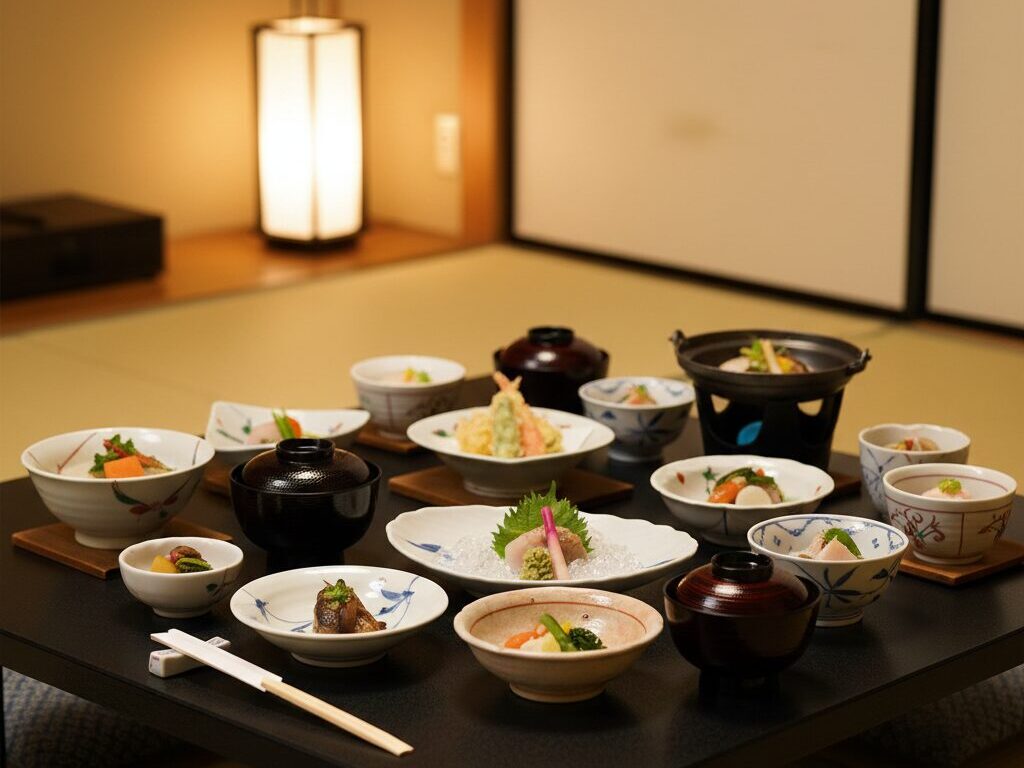
For many visitors, a night in a ryokan (traditional Japanese inn) becomes the most memorable part of their trip to Japan. More than just a place to sleep, a ryokan stay is an immersive cultural experience combining tatami rooms, hot spring baths, seasonal cuisine, and heartfelt hospitality.
This guide explains what to expect, how to choose and book a ryokan, and the essential etiquette so you can relax and enjoy this classic side of Japan with confidence.
What Is a Ryokan?
A ryokan is a traditional Japanese inn that typically features tatami-mat rooms, futon bedding, communal baths, and elaborate multi-course dinners. Some are small family-run inns with only a few rooms; others are larger, resort-style properties. What unites them is the focus on Japanese aesthetics, calm, and personal service.
Staying in a ryokan is less like booking a hotel and more like being welcomed into a very well-organized Japanese home. You will be greeted at the entrance, your shoes will be carefully stored, and staff will often address you by name during your stay. The rhythm of the visit is defined by bath time, dinner time, and breakfast, rather than by a busy schedule of sightseeing.
Where to Find Ryokan in Japan
Ryokan can be found all across Japan, from major cities to remote countryside villages. Popular areas include:
- Onsen towns (hot spring resorts) such as Hakone, Kusatsu, Beppu, Kinosaki, Noboribetsu, and Yufuin
- Historic cities like Kyoto and Kanazawa
- Scenic rural areas in the Japanese Alps or Tohoku region
- Coastal areas known for seafood, for example the Noto Peninsula or Ise-Shima
If your schedule allows, spending at least one night in an onsen town is an excellent way to experience a ryokan at its best, with natural hot springs, atmospheric streets, and a slower pace of life.
Types of Ryokan Experiences
Traditional Ryokan
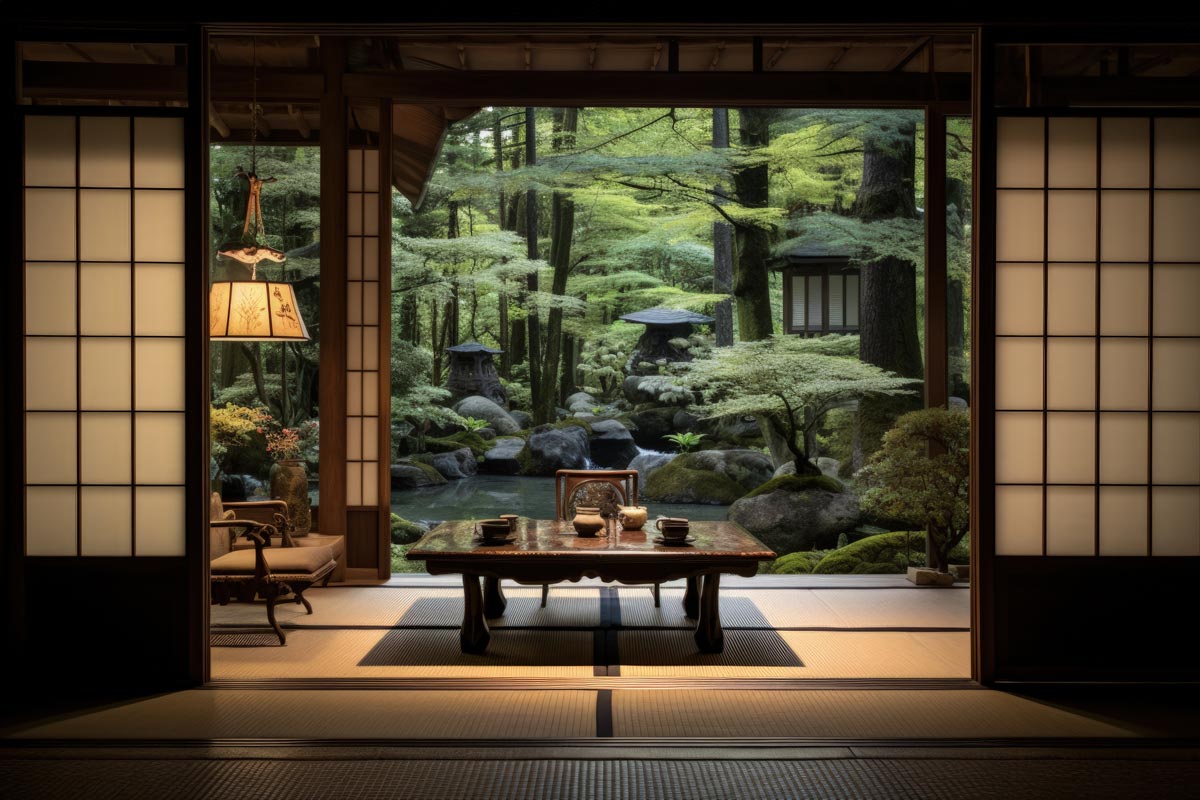
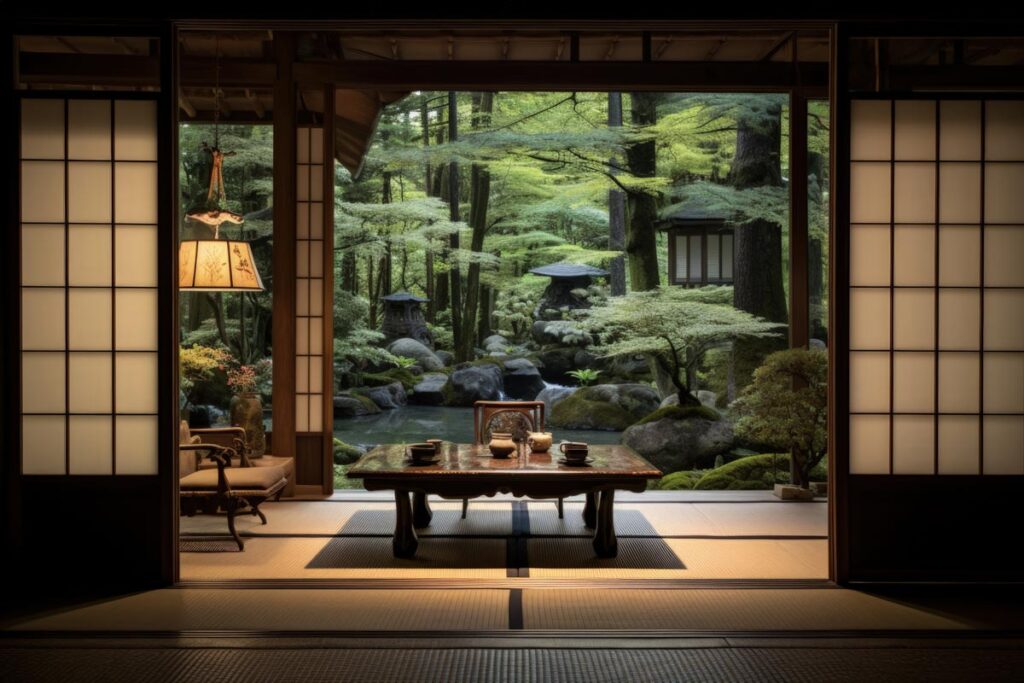
These inns emphasize classic architecture and service. Expect wooden buildings, sliding paper doors, tatami floors throughout, and a quiet, intimate atmosphere. Bathrooms may be shared, and rooms are often simple but elegant. This type appeals to travelers seeking a deeply traditional experience.
Modern or Design-Focused Ryokan
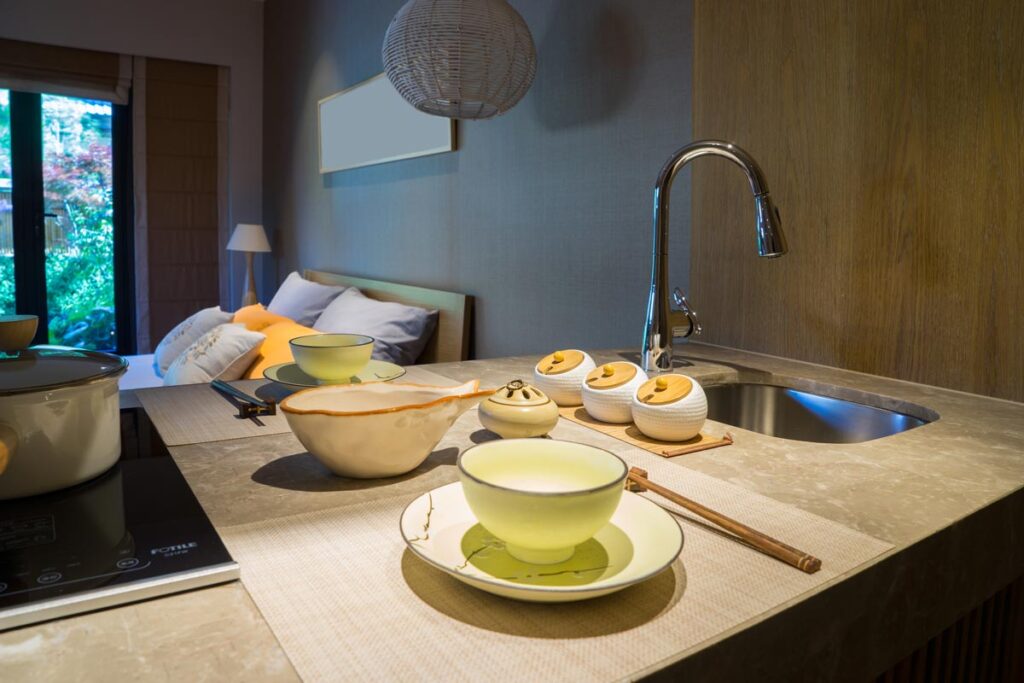
Some properties blend traditional elements with contemporary design. You may find Western-style beds on tatami platforms, stylish lounges, and private bathrooms in every room, while still enjoying kaiseki meals and hot spring baths. These are a good choice if you want comfort while still sampling Japanese style.
Onsen Ryokan
Many ryokan are located in hot spring areas and center their experience around onsen (natural hot spring baths). You might have access to multiple public baths, outdoor “rotenburo,” and even private open-air tubs attached to guest rooms. If hot springs are your priority, look for the term “onsen ryokan” when booking.
What’s Included in a Ryokan Stay?
Ryokan stays are usually sold as packages rather than simple room-only bookings. The most common plans are:
- Half board (dinner and breakfast): The standard and most recommended option, as meals are a highlight.
- Breakfast only: Available at some city ryokan, useful if you want to explore local restaurants for dinner.
- Room only: Less common, mostly in more modern properties.
While it depends on the price level, your stay may include:
- Accommodation in a private tatami room
- Seasonal kaiseki dinner served in your room or a dining hall
- Japanese-style breakfast
- Access to communal baths or onsen
- Yukata robe and slippers for use on the premises
- Tea set and seasonal sweets in your room
Inside a Ryokan Room
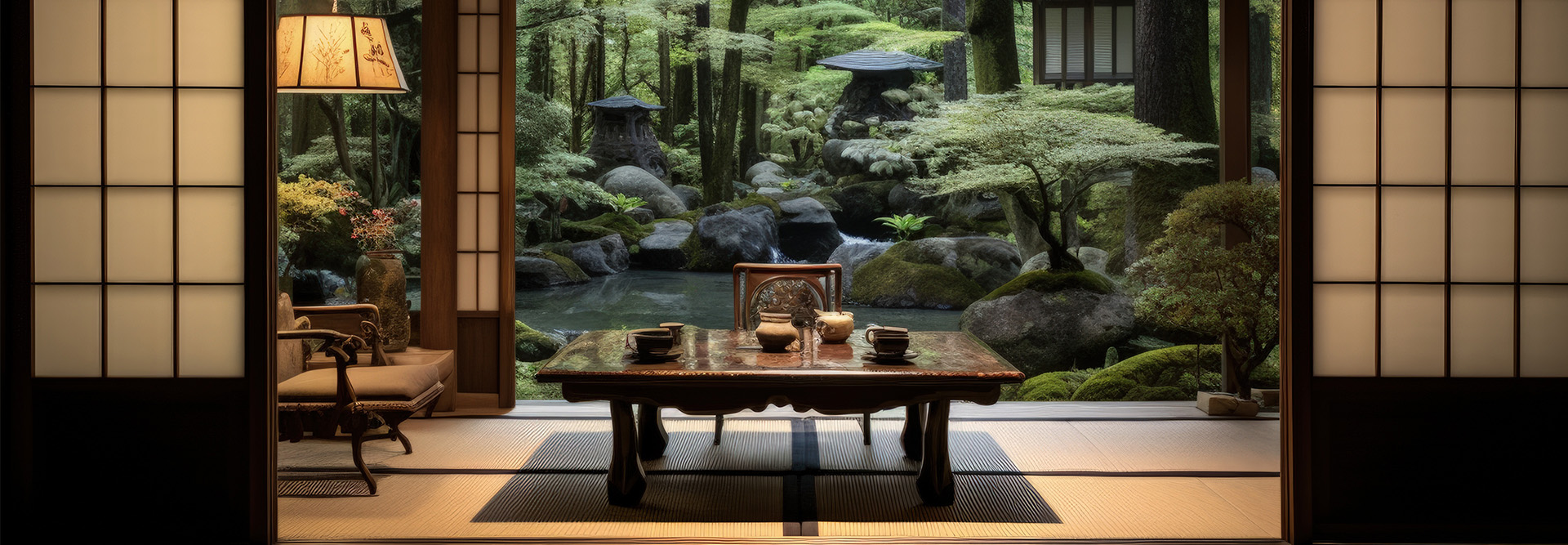
A typical ryokan room is minimalist but carefully arranged. Common features include:
- Tatami flooring: Woven straw mats; you never wear outdoor shoes on tatami.
- Low table and floor cushions: Used for tea, relaxing, or, in some ryokan, dinner.
- Tokonoma alcove: A recessed area displaying a hanging scroll and flower arrangement. This space is decorative and not for luggage.
- Sliding doors: Paper-covered shoji or opaque fusuma doors instead of hinged ones.
- Futon bedding: Folded away in a closet during the day and laid out on the floor at night by staff.
Many rooms now have their own toilet and sink, though the bathing area may still be communal. At higher-end ryokan, you will find private baths or even outdoor tubs attached to the room.
How Much Does a Ryokan Cost?
Prices vary widely, depending on location, season, and level of luxury. As a rough guide (per person, per night, including dinner and breakfast):
- Budget ryokan: Around 10,000–15,000 yen
- Mid-range: Around 20,000–35,000 yen
- Luxury: 40,000 yen and up, sometimes much more
Remember that the cost covers not just the room, but also multiple elaborate meals and access to baths. When comparing prices with hotels, consider that you may spend less on restaurants and evening entertainment when staying at a ryokan, as much of your time is spent enjoying the inn itself.
How to Choose and Book a Ryokan
Choosing the Right Ryokan for You
When browsing options, think about:
- Location: Do you want countryside relaxation, an onsen town, or a traditional neighborhood in a city?
- Onsen or not: If hot springs are important, confirm the ryokan has genuine onsen baths, not just regular heated water.
- Meal style: Check whether dinner is served in-room or in a dining hall, and whether they can accommodate dietary needs.
- Room facilities: Private bath, open-air tub, or shared bathing only? Western beds or futons?
- Atmosphere: Intimate and quiet, or larger and more resort-like with facilities such as lounges and bars?
Booking Tips for International Travelers
Most ryokan can now be booked through major online travel sites, which offer English descriptions and reviews. Some smaller inns still use email or phone only. A few tips:
- Book early, especially for weekends, national holidays, cherry blossom season, and autumn foliage season.
- Enter your correct group size, including children, as charges are typically per person.
- Inform them of dietary restrictions well in advance; Japanese set meals are planned carefully and may be difficult to change at the last minute.
- Check payment methods: some traditional inns still prefer cash or advance card payment.
Understanding Ryokan Etiquette
Ryokan have clear customs that help everything run smoothly. Knowing them will make your stay more comfortable and respectful.
Arrival and Check-In
Typical check-in time is from around 15:00, with dinner usually starting between 18:00 and 19:30. It is best to arrive by late afternoon so you can enjoy the baths and relax before dinner.
At the entrance, staff will greet you and ask you to remove your shoes. You will switch to indoor slippers provided by the ryokan. Your suitcase may be taken to your room while you check in. Keep important items and valuables in a small bag you can carry easily.
Using Yukata and Slippers
In your room, you will find a lightweight cotton robe called a yukata. Guests commonly wear yukata inside the ryokan for walking to the bath, dining, and relaxing.
- Wear undergarments beneath the yukata for comfort.
- Place the left side of the robe over the right side (right-over-left is reserved for dressing the deceased in Japan).
- Tie the sash around your waist (higher for women, slightly lower for men, though this is flexible for foreigners).
Use the provided slippers when walking on wooden or tiled floors. Remove slippers before stepping onto tatami in your room. Special toilet slippers are often provided in restrooms; change into them only while inside the toilet area.
Bathing in Onsen and Public Baths
For many visitors, the onsen is both the highlight and the most unfamiliar aspect of a ryokan stay. Japanese hot spring bathing follows a clear order and is almost always done without clothing, separated by gender.
Basic Onsen Etiquette
- Use the correct entrance: Men’s and women’s baths are marked; colors can help (blue for men, red or pink for women).
- Undress completely in the changing room and store your belongings in baskets or lockers. You may bring a small towel into the bathing area but not large towels.
- Shower and wash thoroughly before entering the bath. Sit on a stool and use the provided shower, soap, and shampoo.
- Rinse off all soap completely. The onsen bath itself is for soaking, not washing.
- Enter the bath slowly, allowing your body to adjust to the heat. Bring your small towel but do not dip it in the bath; rest it on your head or the side of the tub.
- Stay quiet and relaxed. Photography is not allowed in communal baths.
- Dry off lightly with your small towel before entering the changing room again so you do not drip water everywhere.
If you are shy, consider visiting during off-peak times (early morning or later in the evening), or look for ryokan offering private family baths or guest rooms with their own hot spring tubs.
Kaiseki Dinner: The Culinary Highlight
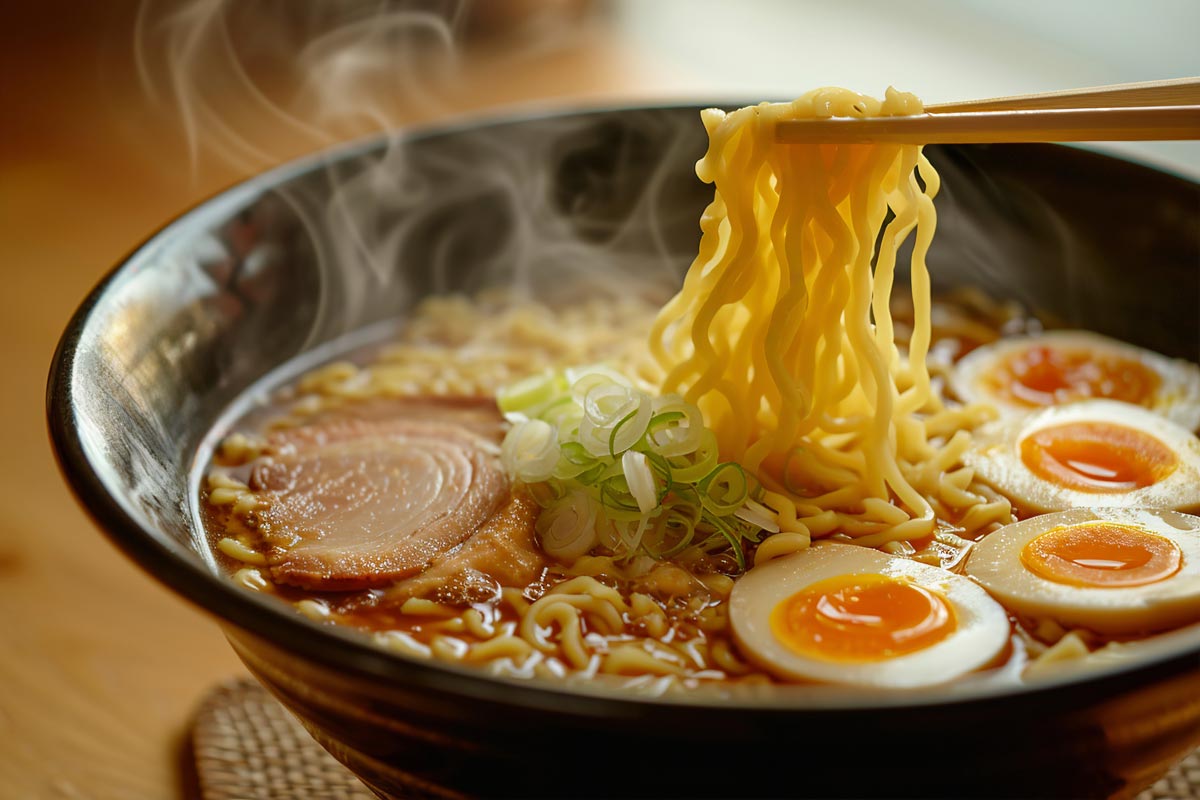
One of the greatest pleasures of a ryokan stay is the multi-course kaiseki dinner, a refined meal showcasing seasonal ingredients and local specialties. Kaiseki emphasizes harmony of taste, texture, and appearance, using techniques and presentation developed over centuries.
A typical meal might include:
- Appetizers featuring seasonal vegetables or tofu
- Fresh sashimi
- Grilled fish or meat
- Hot pot (nabe) or simmered dishes
- Tempura
- Pickled vegetables
- Rice and miso soup
- Dessert, often fruit or a light sweet
Dinner is usually served either in your room or in a dining hall at a set time, with dishes brought out gradually. Alcohol such as sake, beer, or wine can often be ordered separately.
If you have allergies or do not eat certain foods (for example, shellfish, beef, or gluten), it is essential to inform the ryokan in advance. Japanese cuisine relies heavily on ingredients like soy sauce and fish stock, so complete substitutions can be challenging, but many inns will do their best within their capabilities.
Sleeping on Futon
During dinner, while you are away from the room, staff typically prepare your bedding. When you return, the low table will often be moved aside and thick futon mattresses, sheets, and duvets will be set out directly on the tatami.
If you find futons hard, you can ask for an extra mattress layer, though availability varies. In the morning, staff may fold up the bedding to restore the room to its daytime layout, or you may do this yourself in more casual inns.
Common Questions from First-Time Visitors
Can I Stay Just One Night?
Yes, one night is common, especially for busy travel schedules. However, two nights allow more time to relax, enjoy multiple baths, and not feel rushed.
Is Tipping Expected?
Tipping is not customary in Japan. Service charges are usually included in the bill. In very traditional high-end ryokan, some Japanese guests may give a small gratuity in a decorative envelope to the staff member in charge of their room, but this is not expected of foreign visitors.
Can Guests with Tattoos Use the Onsen?
Policies vary. Some ryokan still restrict visible tattoos, while others are more relaxed, especially in areas popular with international tourists. If you have tattoos, check the policy in advance. You may be asked to cover small tattoos with skin-colored patches, or you may prefer booking a room with a private bath.
Is English Spoken?
Many ryokan in well-known tourist regions have at least some English-speaking staff. In more remote areas, communication may rely on simple English, gestures, and written information. Staff are usually patient and accustomed to helping international guests. Learning a few basic Japanese phrases for greetings and thanks will be appreciated.
Making the Most of Your Ryokan Stay
A ryokan stay is designed to slow you down. Rather than packing your schedule with sightseeing, consider arriving early, soaking in the bath, putting on your yukata, and letting the evening revolve around dinner and relaxation. Wake early for a quiet morning bath, enjoy a traditional breakfast, and take a walk in the surroundings if time allows.
By understanding the customs and rhythm of a ryokan, you will find it easier to relax and connect with a side of Japan that blends hospitality, nature, and tradition in a uniquely memorable way.

Explore Other Hotels
Deluxe Hotels
3-star Hotels
Traditional Japanese
inn (Ryokan)
Capsule Hotels