

Temple Stay
Temple Stay in Japan: A First-Timer’s Guide to Sleeping in a Shrine
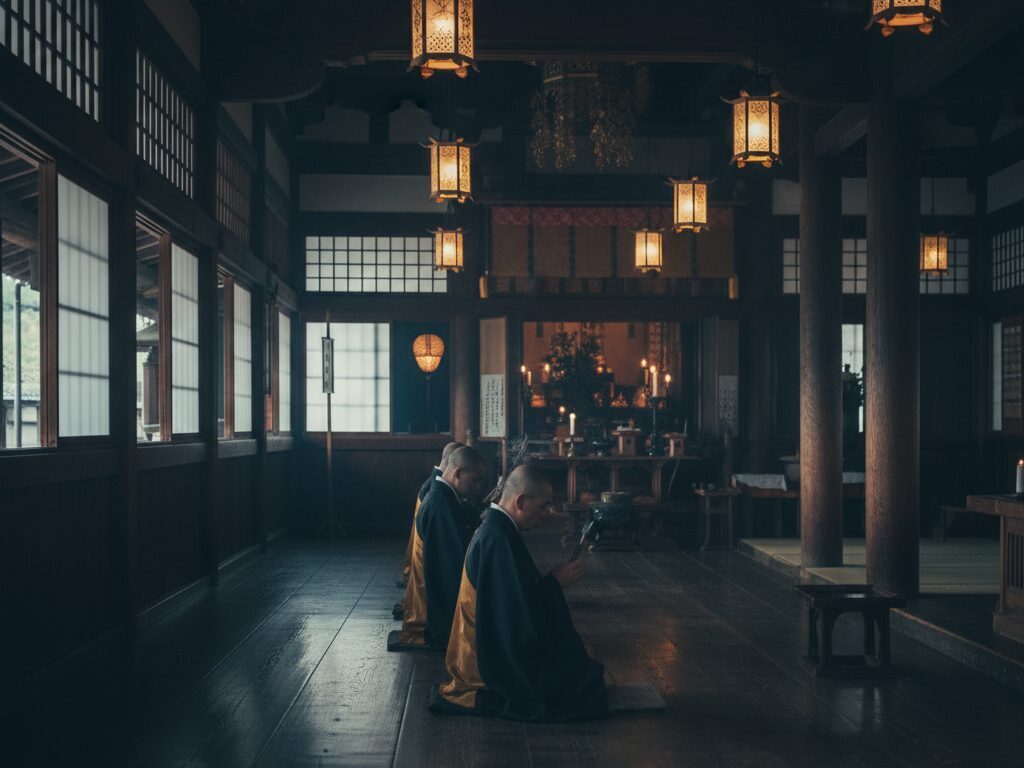
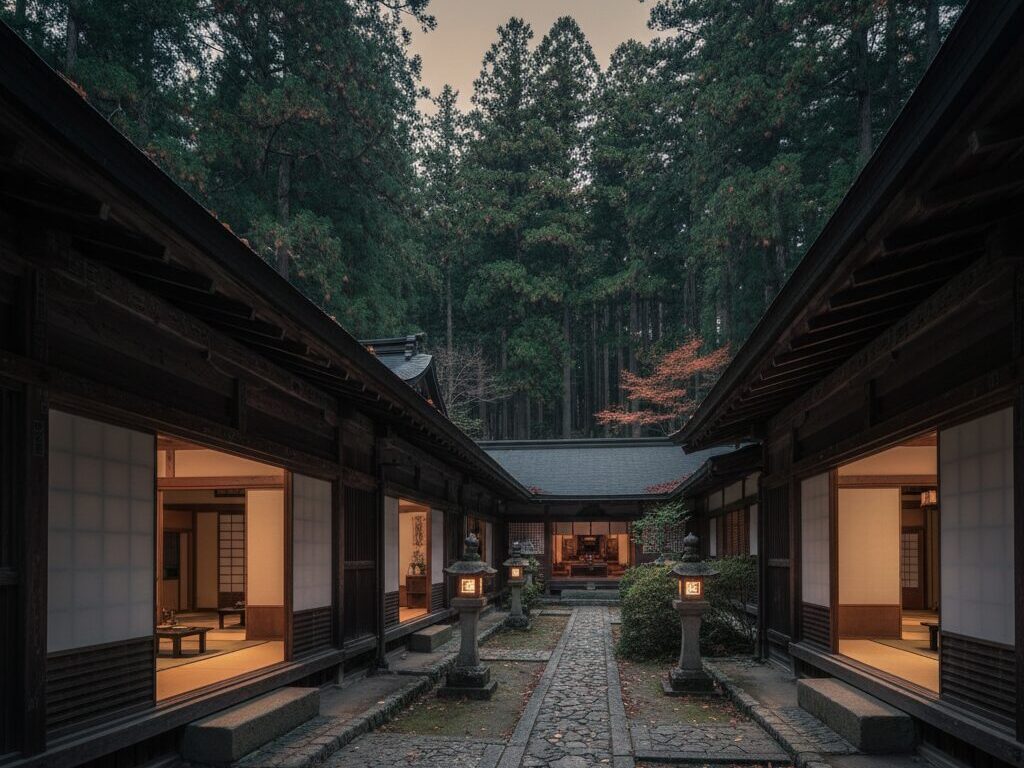
Staying overnight in a Japanese temple is one of the most memorable ways to experience the country beyond the usual sightseeing circuit. A temple stay, known as shukubō in Japanese, lets you sleep on tatami floors, wake to the sound of a bell instead of an alarm, and glimpse the rhythm of everyday Buddhist or Shinto life. For first-time visitors, it can be both a cultural highlight and a gentle introduction to traditional Japanese hospitality.
What Is a Temple Stay in Japan?
Temple stays have centuries-old roots. Historically, pilgrims traveling between sacred sites needed simple accommodation; temples and shrines opened their doors as lodgings, offering shelter and food in exchange for donations. Today, many of these temple lodgings have been adapted for modern travelers, blending spiritual practice with basic comforts.
Most temple stays are operated by Buddhist temples, though some Shinto shrines and mountain pilgrimage centers offer similar experiences. The atmosphere is generally calm and contemplative rather than strict or austere. You are not required to be Buddhist, religious, or even spiritual; the only expectations are curiosity, respect, and a willingness to follow simple house rules.
Why Try a Temple Stay on Your First Trip?
Temple stays fit naturally into a classic first-time Japan itinerary because they offer:
- Immersion in traditional Japan: Sleep in tatami rooms, wear yukata robes, and try vegetarian temple cuisine.
- Access to quiet places: Many temples are located in mountains or small towns, offering a break from the crowds of Tokyo and Osaka.
- Cultural insights: Watch or join morning prayers, meditation sessions, or fire rituals that are normally closed to casual visitors.
- Structured yet simple: Fixed meal times and schedules make it easy to relax and follow the flow of the day.
For many visitors, a single night in a temple becomes the emotional centerpiece of their trip, even if they spend the rest of their time in big cities.
Where to Experience a Temple Stay in Japan
Temple stays are available across the country, but some regions are particularly well known and easier for first-time travelers to access.
Mount Koya (Koyasan), Wakayama
Set high in the forested mountains south of Osaka, Mount Koya is one of Japan’s most famous temple stay destinations. Founded as the center of Shingon Buddhism over 1,200 years ago, it is home to more than 100 temples, dozens of which offer accommodation.
Koyasan’s atmospheric graveyard, Okunoin, and its lantern-lit halls feel especially magical in the evening, when day-trippers have gone. Many temple lodgings here offer morning ceremonies, meditation, and beautifully presented shōjin ryōri (Buddhist vegetarian cuisine). For first-timers based in Osaka or Kyoto, Koyasan is an ideal overnight side trip.
Pilgrimage Routes and Mountain Temples
Along historic pilgrimage routes such as the Kumano Kodo in Wakayama or around the Dewa Sanzan in Yamagata, some temples and shrine lodgings provide simple rooms for walkers. These stays are often more rustic but deeply connected to the surrounding nature and mythology.
If you are interested in hiking or visiting sacred mountains, consider spending a night at a local temple lodging to better understand the spiritual side of the landscape.
Temple Stays Near Major Cities
For travelers short on time, some temples within reach of cities like Kyoto, Nara, and Tokyo also accept overnight guests. These may offer fewer formal activities but provide an accessible introduction to temple life without a long journey.
What to Expect from a Typical Temple Stay
Temple stays vary widely in style and comfort, but most share the same basic elements. Knowing what to expect helps you relax into the experience.
Rooms and Facilities
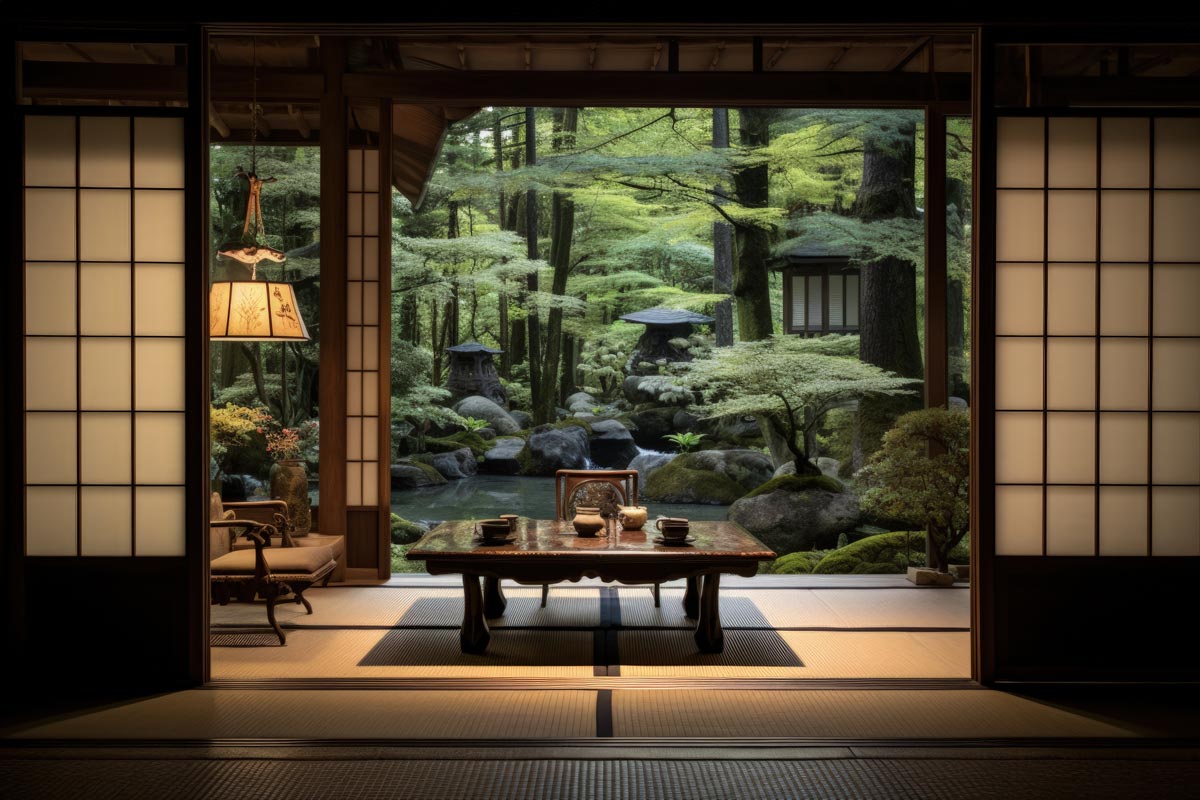
Guest rooms are usually traditional Japanese-style rooms with:
- Tatami mat floors
- Sliding paper doors (shōji)
- Futon bedding that is laid out at night
- A low table and floor cushions
Walls are often thin, and sound travels easily, which is why temples emphasize quiet and respect for other guests. Some lodgings have rooms with private toilets and sinks; bathrooms and bathing areas are more commonly shared.
Many temples offer a communal bath similar to a small hot-spring bathhouse, with separate areas for men and women. Bathing etiquette follows standard Japanese custom: wash thoroughly before soaking, keep towels out of the tub, and avoid loud conversation.
Shojin Ryori: Temple Vegetarian Cuisine
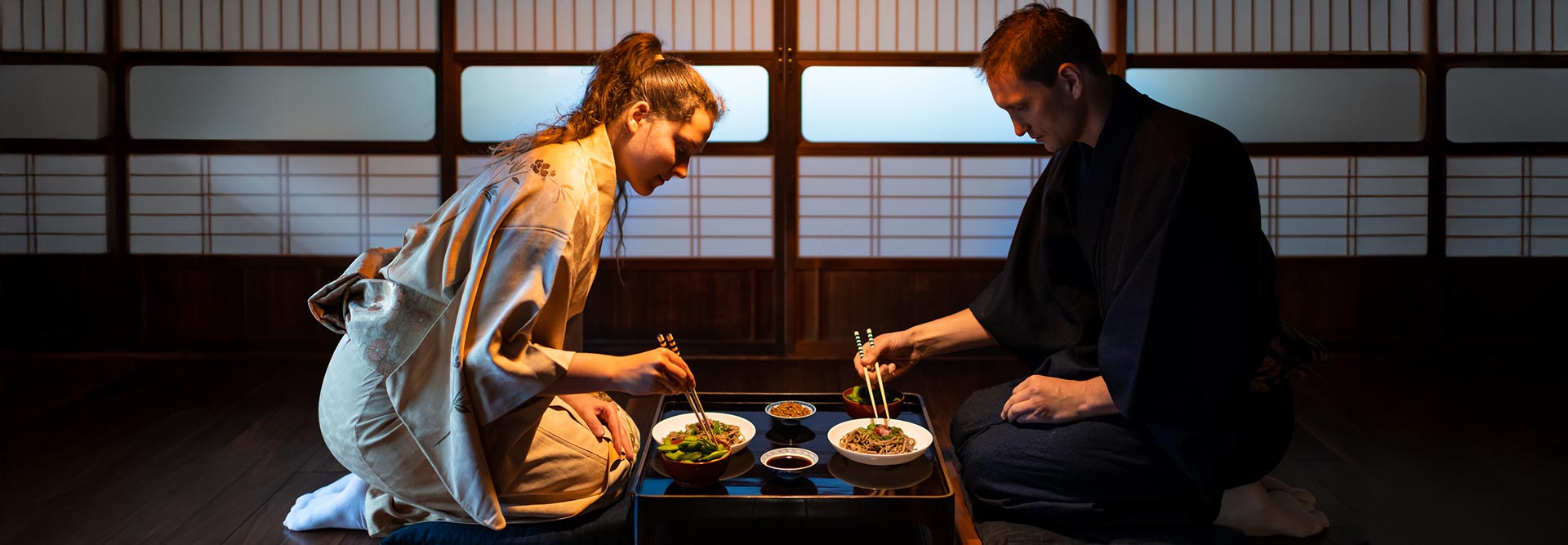
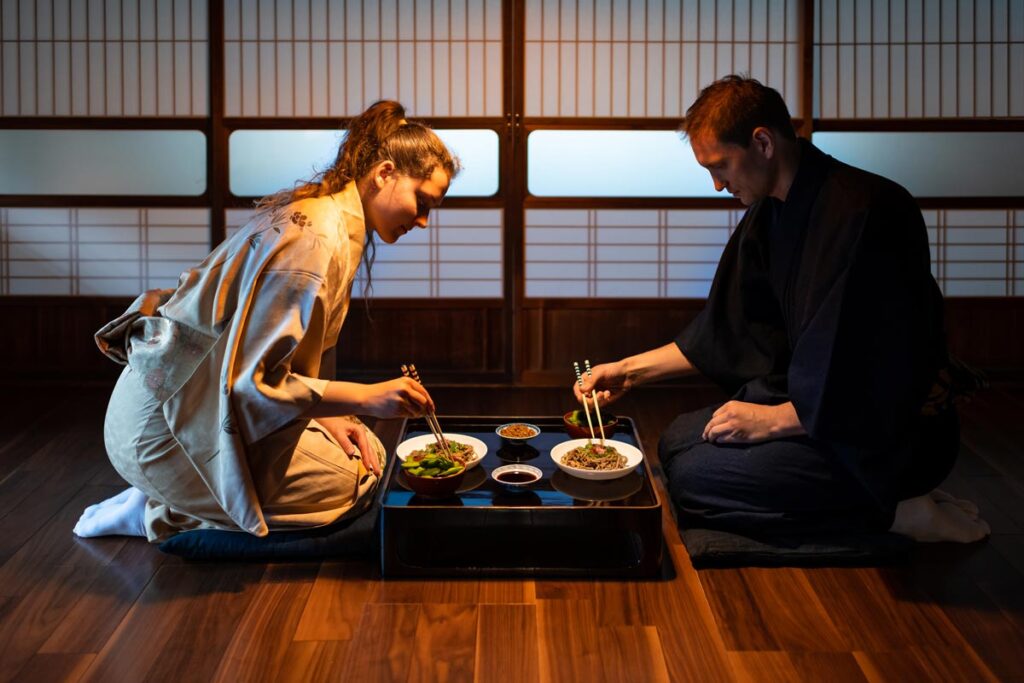
Meals are a highlight of many temple stays. Shōjin ryōri is a refined vegetarian cuisine rooted in Buddhist principles of non-violence and seasonality. Rather than relying on meat or fish, cooks create flavor and texture using tofu, seasonal vegetables, seaweed, and mountain plants.
Dinner might include delicate tofu prepared several ways, simmered root vegetables, sesame-dressed greens, pickles, and miso soup, all beautifully arranged in small dishes and lacquerware. Breakfast is usually simpler but still satisfying, often with rice, miso soup, and a few vegetable side dishes.
If you have allergies or dietary needs, mention them at the time of booking. Many temples can accommodate some restrictions, but last-minute requests may be difficult.
Schedule and Activities
Unlike hotels, temple stays run on a set schedule that reflects daily religious practice. While details differ, a typical timetable might look like this:
- Check-in: mid-afternoon, often between 3:00–5:00 pm
- Bath time: late afternoon to early evening
- Dinner: served early, commonly around 5:30–6:30 pm
- Lights out: quiet is expected by around 9:00–10:00 pm
- Morning prayer: usually between 6:00–7:00 am
- Breakfast: after the ceremony, around 7:00–8:00 am
Participation in morning prayers or meditation is typically encouraged but not always mandatory. Even if you are not religious, attending the ceremony offers insight into chanting, incense offerings, and the atmosphere of a working temple at dawn.
Some temples also offer:
- Meditation sessions (such as zazen, seated Zen meditation)
- Sutra copying (shakyō), a calming calligraphy practice using Buddhist texts
- Goma fire rituals, in which prayers are symbolically offered to flames
Ask at check-in which activities are available and whether you need to sign up in advance.
Temple Etiquette: How to Be a Respectful Guest
Temples are not just accommodations; they are active religious spaces where monks, priests, and local residents come to pray. A few simple points of etiquette will help you blend in respectfully.
Dress and Behavior
Dress modestly, especially during ceremonies. Shoulders and knees should be covered, and loud logos or revealing clothes are best avoided in the main halls. Many temples provide a simple cotton robe (yukata) for wearing around the lodging areas; these are comfortable and acceptable for meals and within the temple grounds.
Keep voices low in corridors and shared spaces. Use phones discreetly and switch them to silent mode. Smoking is usually prohibited within temple buildings and sometimes across the entire property.
Shoes and Indoor Spaces
Japanese temples follow traditional customs regarding footwear:
- Remove shoes at the entrance when you see a raised wooden floor or a lined-up row of slippers.
- Use the provided slippers in corridors, but never wear them on tatami.
- For toilets, switch to designated bathroom slippers and then back again afterward.
Handling shoes correctly is one of the clearest signs that you are paying attention to local customs.
Photography and Sacred Areas
Many visitors want to capture the beauty of temple interiors, but photography rules vary. Look for signs, and when in doubt, ask a staff member. Photos are often prohibited during prayer services, in front of altars, or in private gardens reserved for quiet contemplation.
If you are allowed to take pictures, avoid using flash and be careful not to disturb others’ worship.
How to Book a Temple Stay in Japan
Temple stays can be reserved much like regular accommodations, but a few extra considerations will make the process smoother for first-time travelers.
Online Reservations
Many larger or more popular temple lodgings are listed on international booking sites or have English-language websites. For English speakers, this is often the easiest way to reserve, especially around major holidays or peak seasons such as autumn foliage and spring cherry blossoms.
When booking, note whether your reservation includes dinner and breakfast. In rural temple towns, there may be few restaurants open at night, so staying on a meal-inclusive plan is usually the best choice.
Direct Contact and Language
Smaller temples may only accept reservations by email or phone and might have limited English. Writing a simple, polite message with your requested dates, the number of guests, and any dietary requirements is usually sufficient. Be patient with reply times, as office hours can be irregular.
Once confirmed, keep a printed or saved copy of your reservation details and directions—mobile reception in mountain areas can be patchy.
Costs and Payment
Prices vary widely by region, comfort level, and included meals, but a typical temple stay with dinner and breakfast often costs roughly similar to a mid-range ryokan. Some more basic lodgings are cheaper, while highly popular or historic temples can be more expensive.
Payment methods differ: some accept credit cards, while others may prefer cash on arrival or at check-out. It is wise to carry enough yen, especially in smaller towns without many ATMs.
Practical Tips for Your First Temple Stay
With a little preparation, you can feel comfortable even if this is your first time staying anywhere like a temple.
What to Pack
Most essentials are provided, but consider bringing:
- A light layer for cool mornings and evenings, especially in the mountains
- Warm socks, as floors can be cold and shoes are removed indoors
- An alarm clock or phone (on silent) so you do not miss morning ceremonies
- A small towel and personal toiletries, even if some are provided
- Earplugs, if you are a light sleeper in case of thin walls or early bells
Valuables should be kept discreet and secure; while temple stays are generally very safe, rooms may not have safes like standard hotels.
Adapting to the Rhythm
For many international guests, the most unusual aspects of a temple stay are the early schedule and the quiet evenings. Treat this as a chance to reset your body clock and slow down. Spend time after dinner strolling the grounds, listening to the wind in the trees, or sitting in front of a garden instead of seeking nightlife.
In the morning, even if you are not used to waking early, try to attend the prayer service at least once. The sound of chanting echoing through the hall and the smell of incense at dawn offer a perspective on Japan that daytime sightseeing never provides.
Is a Temple Stay Right for You?
A temple stay is ideal if you are curious about Japanese culture, open to simple comforts, and willing to adapt to a fixed schedule. It may not be the best fit if you expect hotel-like amenities, late-night entertainment, or complete privacy.
For many first-time travelers, however, this balance of structure and serenity becomes a treasured memory. Between the shared vegetarian meals, the soft light of lanterns along a corridor, and the quiet power of morning chants, temple stays offer something that cannot be replicated in ordinary accommodation.
Adding just one night in a temple to your itinerary—between city stays like Tokyo, Kyoto, or Osaka—can deepen your understanding of Japan’s spiritual traditions and provide a peaceful pause in an otherwise busy trip.
Approach your temple stay with respect, curiosity, and a willingness to slow down, and you will carry its calm with you long after you leave.

Explore Other Hotels
Temple Stay

Farmstay Experience