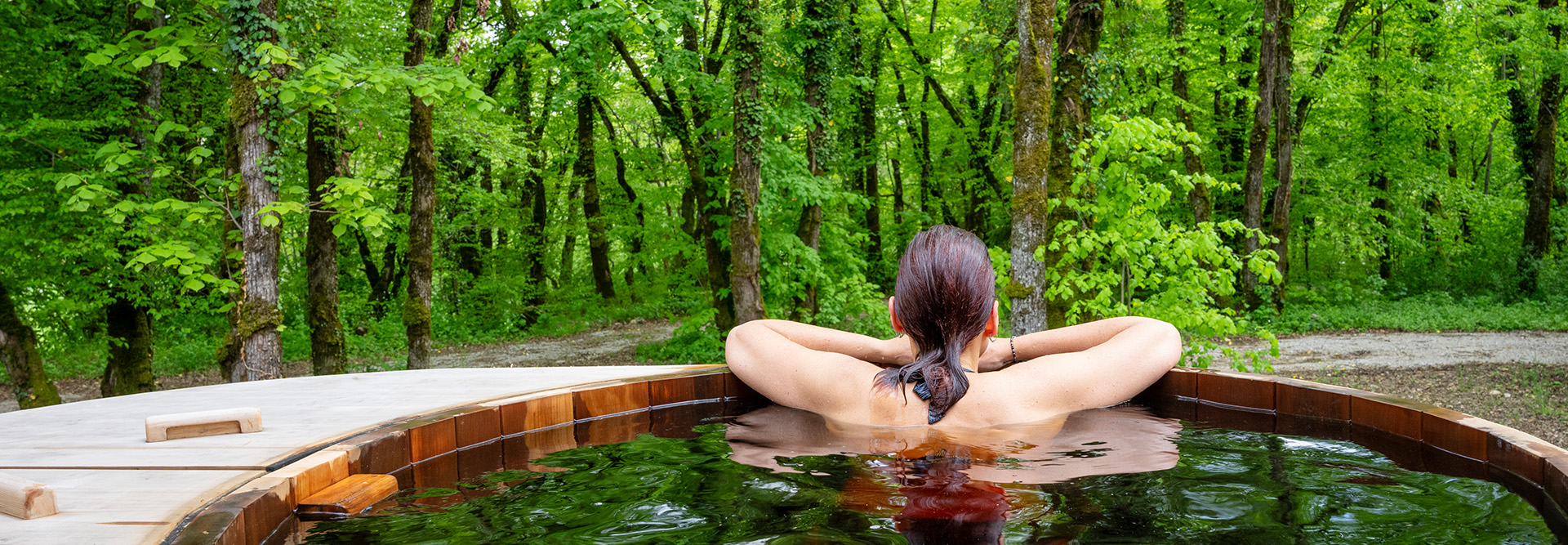
Onsen Resort Hotels
Onsen Resort Hotels in Japan: A First-Timer’s Guide
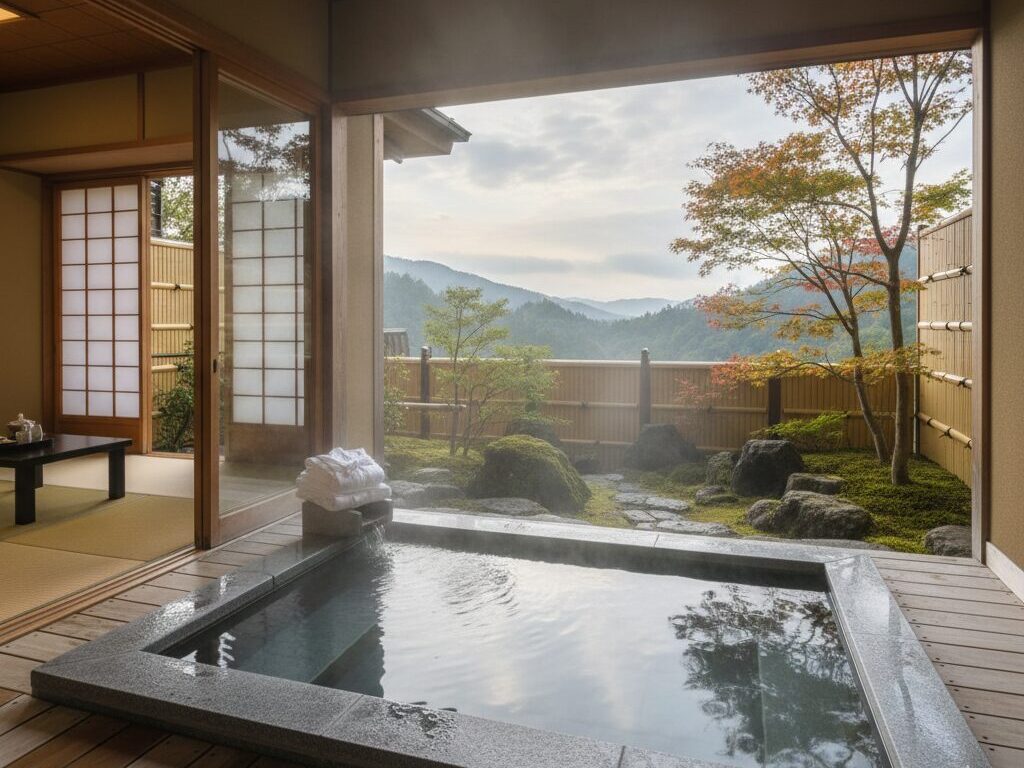
Soaking in a steaming hot spring bath while gazing at forested mountains or a snow-dusted garden is one of Japan’s most unforgettable travel experiences. Onsen resort hotels combine natural hot spring baths with traditional Japanese hospitality, seasonal cuisine, and peaceful surroundings. For first-time visitors, though, the rules and options can feel confusing: How do you bathe correctly? What if you have tattoos? What exactly is a ryokan, and how is it different from an onsen hotel?
This guide explains everything you need to know to confidently book and enjoy an onsen resort stay in Japan, from choosing the right property to mastering bathing etiquette.
What Is an Onsen Resort Hotel?
In Japan, an onsen is a hot spring whose water meets government standards for mineral content and temperature. An onsen resort hotel is an accommodation built around these hot springs, where the baths are the main attraction. They range from luxurious ryokan with just a handful of rooms to large modern hotels with extensive facilities.
Many properties use different terms, which can be confusing:
- Ryokan: A traditional Japanese inn, usually offering tatami rooms, futon bedding, and elaborate kaiseki meals. Many ryokan are also onsen resorts.
- Onsen hotel: Often a larger, more modern property with both Western-style (bed) and Japanese-style rooms, plus multiple baths, restaurants, and lounges.
- Resort hotel: A broader term that can include golf courses, ski slopes, or beach access in addition to hot springs.
What unites them is the focus on relaxation, bathing, and local hospitality. A stay is less about ticking off sightseeing spots and more about slowing down.
Choosing the Right Onsen Resort for Your Trip
Japan has thousands of hot spring areas, from oceanside villages to alpine valleys. When selecting an onsen resort hotel, keep these points in mind:
Location and Atmosphere
Your choice of region will shape the mood of your stay. Some ideas:
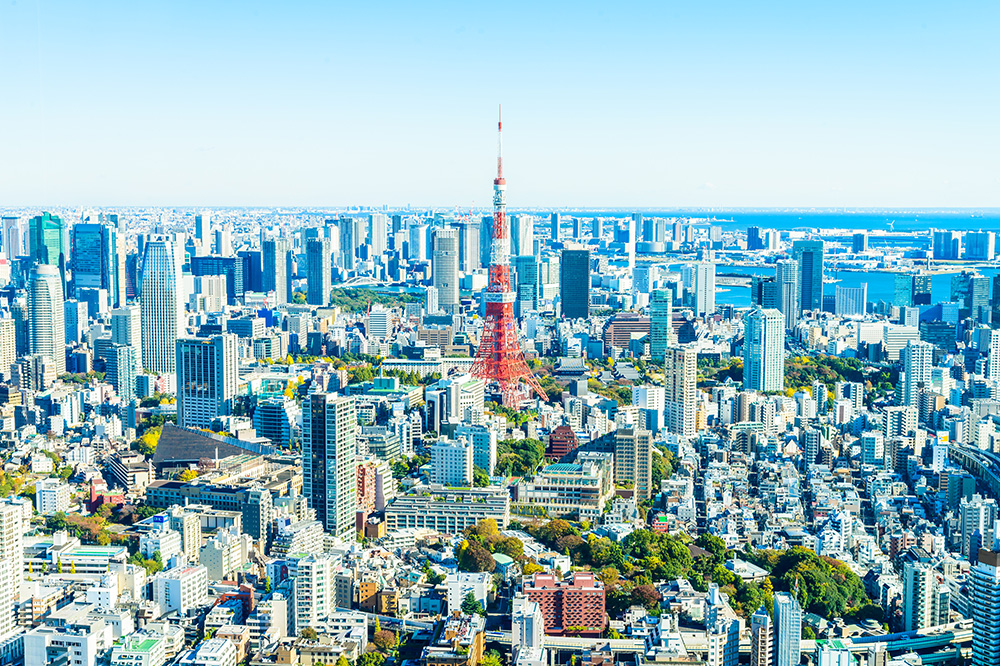
- Hakone (near Tokyo): A classic hot spring area with views of Mount Fuji on clear days, art museums, and easy access from the capital.
- Kusatsu (Gunma Prefecture): Famous for strong, sulfur-rich waters considered excellent for the skin; features a dramatic hot spring field in the town center.
- Yufuin & Beppu (Oita, Kyushu): Popular hot spring hubs with a huge variety of baths, from traditional inns to modern design hotels.
- Noboribetsu (Hokkaido): Surrounded by volcanic landscapes and forests; ideal for winter onsen escapes after skiing or snow activities.
- Izu Peninsula (Shizuoka): Coastal hot springs with ocean views, fresh seafood, and milder weather.
If you’re short on time, pick somewhere with easy rail access from the city you’re staying in. For a deeper retreat, head to more remote mountain or countryside areas.
Style of Accommodation
Think about how traditional you want your experience to be:
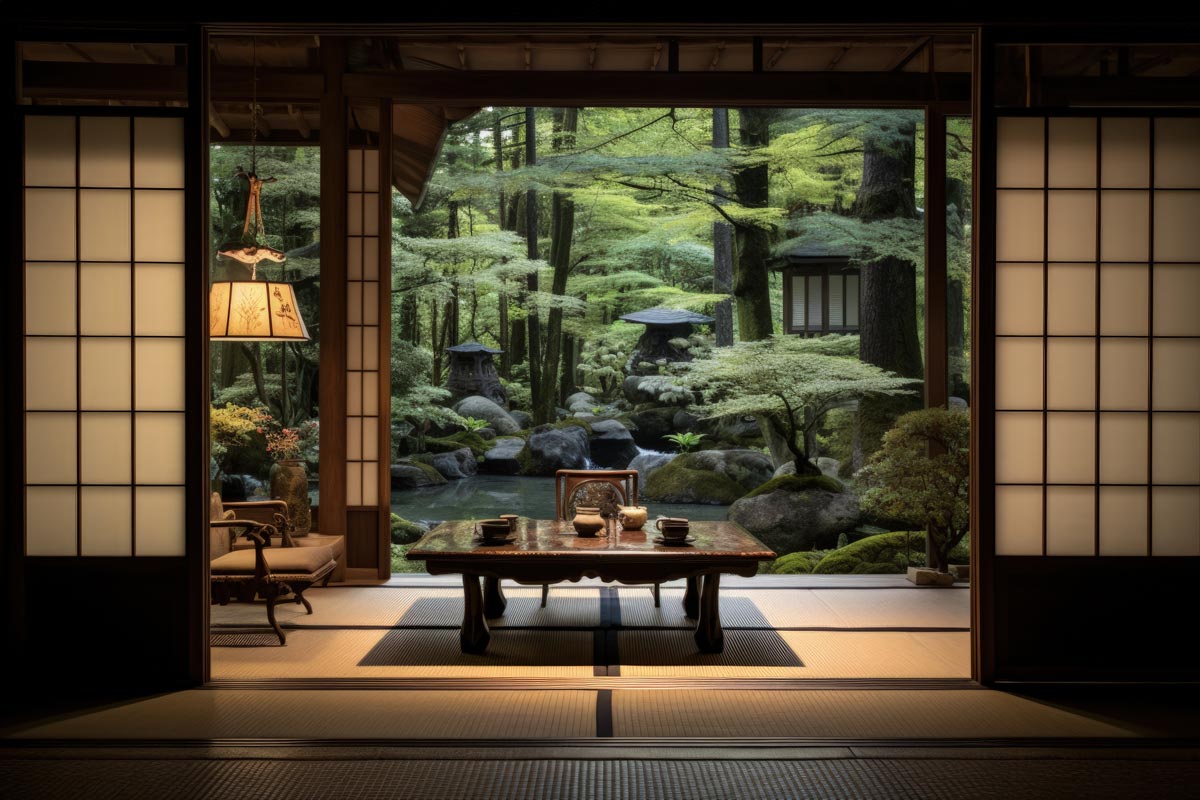
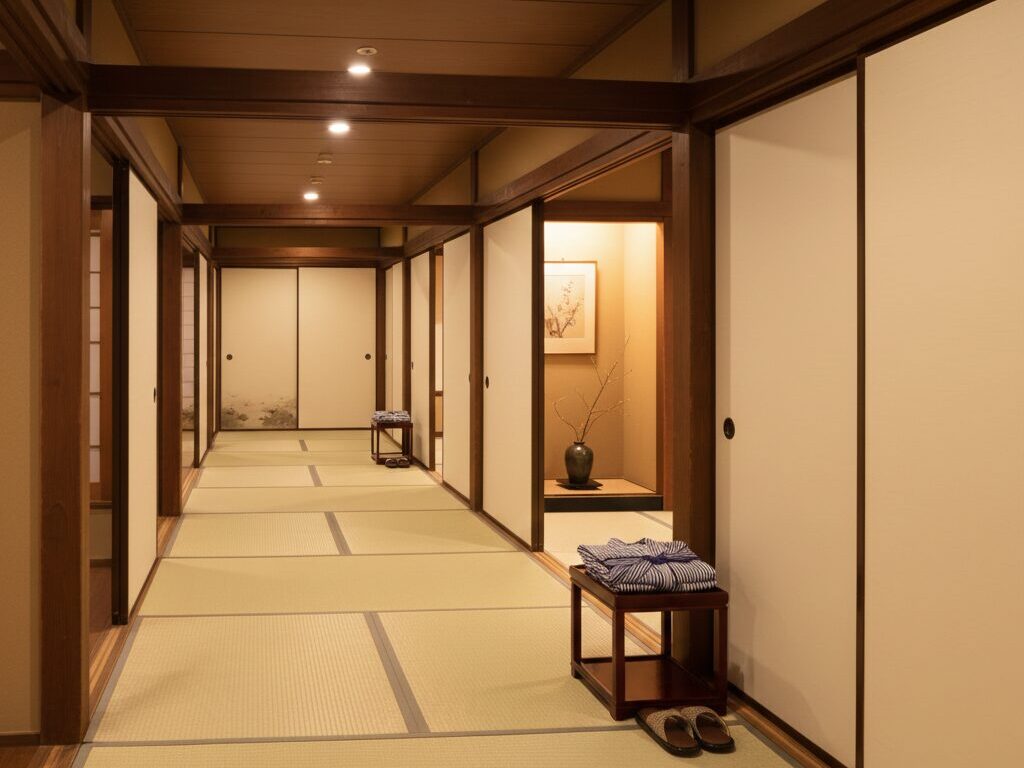
- Traditional ryokan-style onsen: Tatami mat floors, sliding paper doors, futon set out each night, and set menus for dinner and breakfast. Perfect if you want to immerse yourself in Japanese culture.
- Modern onsen resort hotels: More like international hotels, usually offering both Japanese and Western-style rooms and buffet or à la carte dining.
- Hybrid properties: Mix of tatami rooms and Western beds, with both kaiseki and buffet options. Good for groups or families with different preferences.
Room Types: Private Onsen or Public Only?
Most onsen resort hotels have large communal baths separated by gender. Increasingly, they also offer private options:
- Standard rooms: Usually have a regular bathroom and access to shared onsen baths.
- Rooms with private open-air baths: Called rotenburo-tsuki heya, these have an onsen-fed tub on your balcony or terrace. Ideal if you feel shy about public bathing, are traveling as a couple, or have tattoos and are unsure of the rules.
- Rental private baths (kazoku buro or kashikiri buro): Bookable by the hour for private use, usually at extra cost.
If communal bathing makes you nervous, a private bath room can transform your experience and is often the highlight of a trip.
What to Expect in an Onsen Resort Stay
For many international visitors, staying at an onsen resort feels wonderfully different from regular hotels. Here is what a typical visit looks like.
Check-in and Welcome
Check-in is usually from 3:00 pm. Staff may ask you to remove your shoes at the entrance and store them in lockers or place them on shelves. You’ll be given slippers to wear inside.
In your room, you’ll usually find a yukata (light cotton kimono) and sometimes a haori (jacket) plus socks or tabi. You can wear these freely around the hotel, to the baths, and even to dinner in many properties. It’s one of the joys of an onsen stay: you can leave your regular clothes behind and fully relax.
Room Setup: Tatami and Futons
In Japanese-style rooms, the floor is covered with tatami mats. Remove your slippers before stepping on tatami; only socks or bare feet are acceptable. During the day you’ll see a low table and cushions. While you’re at dinner, staff often enter to lay out futon bedding on the floor. If you prefer beds, look for “Western-style” or “twin room” when booking.
Onsen Bathing Facilities
Onsen resort hotels typically have several types of baths:
- Indoor public baths: Large, tiled spaces with multiple pools of different temperatures.
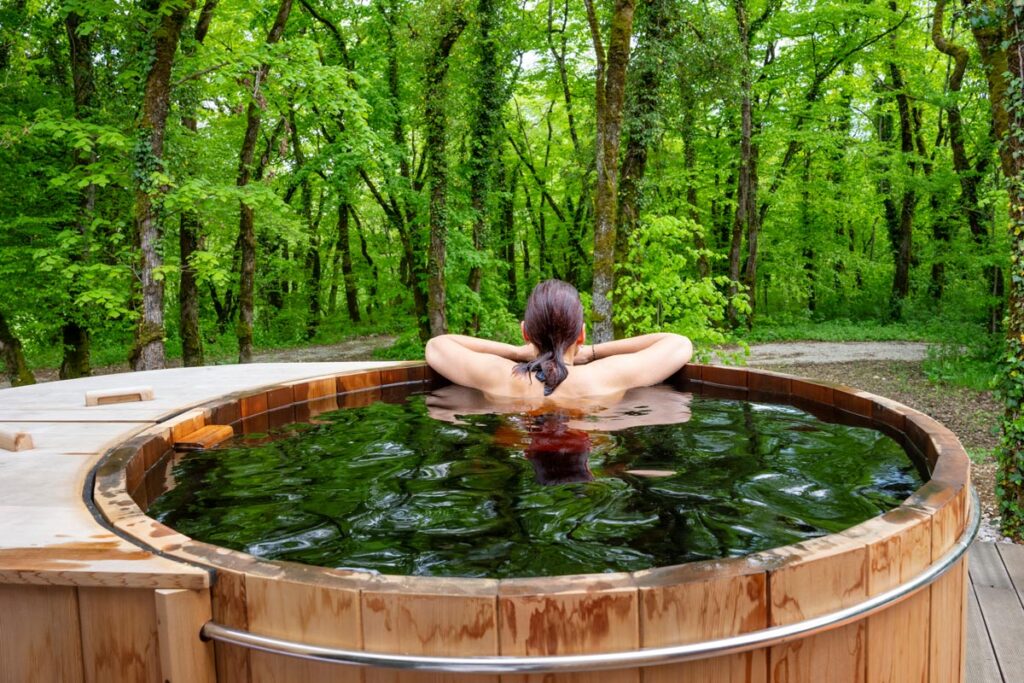
- Outdoor baths (rotenburo): Open-air pools often surrounded by rocks, gardens, or forest views.
- Specialty baths: Cold plunge pools, saunas, steam rooms, or baths featuring particular minerals or fragrances.
Men’s and women’s baths are usually separate and clearly marked. Sometimes the sides swap morning and evening, allowing both genders to experience all facilities; check signs before entering.
Onsen Etiquette: How to Bathe the Japanese Way
Onsen etiquette is strict but logical, designed to keep the shared water clean and pleasant. Once you understand the steps, it becomes a calming ritual.
Step-by-Step Bathing Guide
- Change and undress
In the changing room, place your clothes and large towel in a basket or locker. You enter the bathing area completely naked; swimwear is not allowed in most traditional onsen. - Use the small towel
Take your modesty towel (tenugui) with you. You can use it to cover yourself slightly while walking, but do not dip it in the bath water. People often place it on their head when soaking. - Shower and scrub thoroughly
Sit on a small stool at one of the shower stations and wash with soap and shampoo. Rinse completely. This is crucial: you must be perfectly clean before entering the communal bath. - Rinse off soap residue
Even after showering, use the handheld shower or a bucket to rinse your body again so no soap or shampoo enters the bath. - Enter the bath slowly
The water is typically 40–42°C (104–108°F). Step in gradually to avoid dizziness. Sit quietly rather than splashing or swimming. - Relax and rehydrate
Soak for a few minutes at a time. If you feel lightheaded, rest at the edge or step out to cool down. Drink water before and after bathing. - Dry off before returning
After bathing, lightly pat yourself dry with your small towel in the bathing area so you don’t drip through the changing room. Then use your large towel to finish drying.
Important Do’s and Don’ts
- Do keep long hair tied up to avoid it touching the water.
- Do speak quietly; baths are regarded as peaceful spaces.
- Don’t bring phones or cameras into bathing areas.
- Don’t wring your towel out into the bath.
- Don’t soak if you feel unwell, intoxicated, or extremely tired.
Tattoos, Mixed Baths, and Private Options
Tattoos in Onsen
Tattoos in Japan are historically associated with organized crime, and some onsen still prohibit them. Policies are changing, especially in tourist areas, but you should always check the rules of your chosen resort hotel.
If you have tattoos:
- Look for onsen that explicitly state they allow tattoos.
- Small tattoos can sometimes be covered with flesh-colored patches, but this is not always accepted.
- Booking a room with a private onsen or an hourly rental bath is the least stressful option.
Mixed-Gender Baths
Most onsen resort hotels separate men’s and women’s baths. However, a few traditional areas retain konyoku (mixed-gender) baths, often in outdoor or older facilities. In these, women may be given special bathing dresses or towels to wear.
Mixed bathing rules vary widely, and first-time visitors may prefer same-gender or private baths, which are far more common and straightforward.
Meals at Onsen Resort Hotels
Food is a major highlight of staying at an onsen resort. Many properties offer packages per person price that include dinner and breakfast.
Traditional Kaiseki Dinner
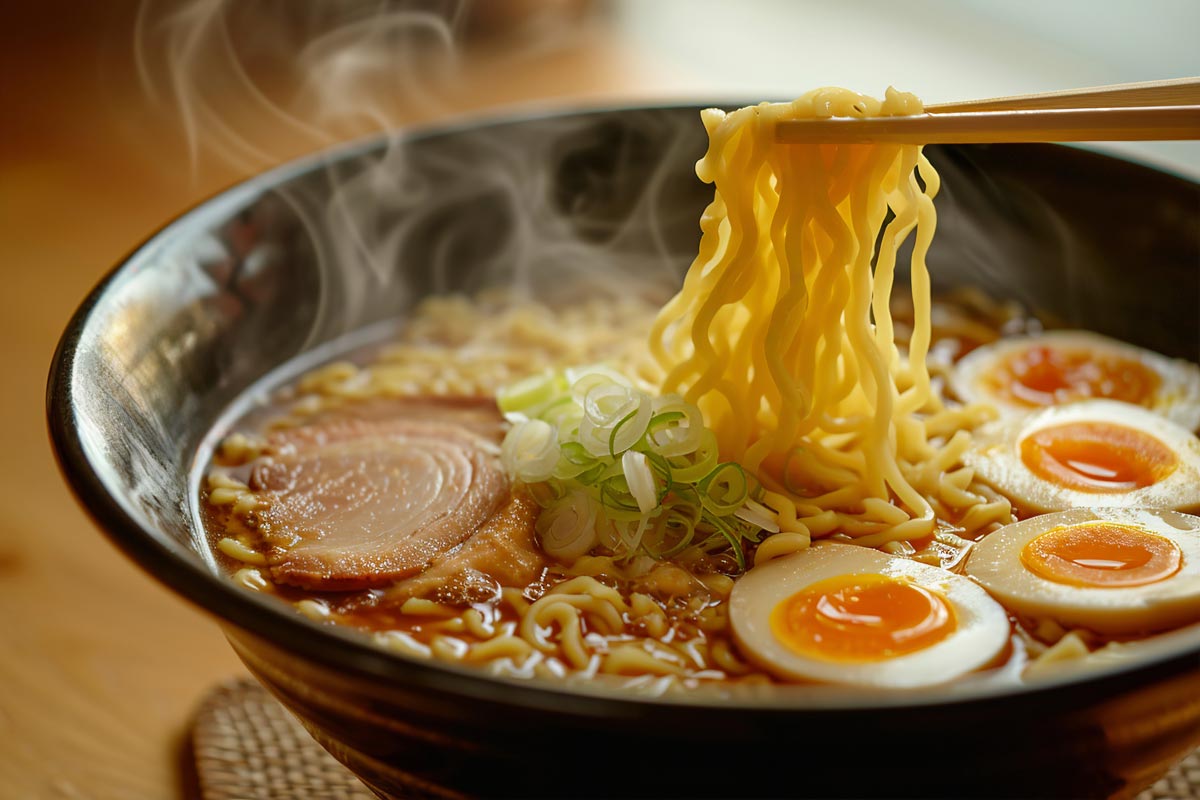
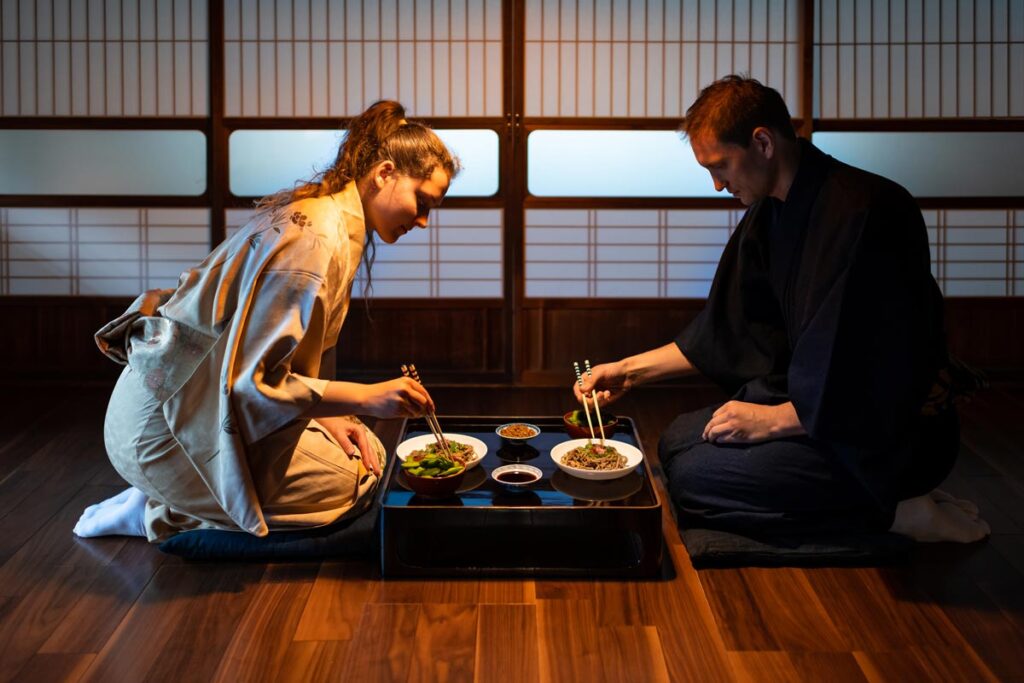
At ryokan-style resorts, dinner is often a multi-course kaiseki meal showcasing local, seasonal ingredients: mountain vegetables in spring, river fish in summer, mushrooms in autumn, crab or hotpot in winter. Courses are beautifully arranged, and presentation is as important as taste.
Common elements include:
- Beautifully sliced sashimi
- Grilled fish or meat
- Seasonal vegetables and pickles
- Hotpot dishes cooked at the table
- Rice, miso soup, and a light dessert
Notify the hotel in advance of any dietary restrictions. While vegetarian and halal options are increasingly available, smaller inns may struggle with strict requirements unless told early.
Buffets and Casual Dining
Larger onsen resorts may serve buffet-style meals with a mix of Japanese and Western dishes. This can be a convenient choice for families or picky eaters, and the relaxed format contrasts with the more formal rhythm of kaiseki dining.
Breakfast
Traditional Japanese breakfast typically includes grilled fish, rice, miso soup, pickles, egg dishes, and small side plates. Many hotels also provide bread, coffee, and Western options. Breakfast times are usually fixed within a window, such as 7:00–9:00 am.
When to Visit Onsen Resort Hotels
Onsen are enjoyable year-round, but the atmosphere changes dramatically with the seasons.
- Winter (Dec–Feb): Perhaps the most magical time, especially in snowy regions. Sitting in a steaming outdoor bath with snowflakes falling is unforgettable.
- Spring (Mar–May): Combine onsen stays with cherry blossom viewing or fresh green mountain scenery. Popular and often busy.
- Summer (Jun–Aug): Mountain resorts offer cooler air during hot, humid months. Evening soaks are particularly refreshing.
- Autumn (Sep–Nov): Vibrant red and gold foliage surrounds outdoor baths in many regions, creating stunning views.
Weekends, public holidays, and New Year’s are peak periods with higher prices and more crowds. For a quieter stay, consider weekday nights.
Booking Tips for First-Time Visitors
To ensure a smooth experience at your first onsen resort hotel, keep these practical points in mind:
- Check access carefully: Many onsen towns are reached by local trains or buses from major stations. Confirm last departure times so you don’t miss your connection.
- Arrive before dark: Aim to check in by late afternoon so you can enjoy multiple baths and a relaxed dinner.
- Confirm your plan: Booking pages often use terms like “with 2 meals” or “room only.” For the full experience, choose a plan that includes dinner and breakfast.
- Specify your room type: Make sure you understand whether you’re booking a Japanese-style room, Western bed, or private onsen.
- Communicate needs in advance: Allergies, mobility issues, or late arrivals should be mentioned when booking or via email.
Why an Onsen Stay Belongs in Your Japan Itinerary
For many travelers, an onsen resort hotel stay becomes the most memorable part of their Japan journey. It offers a unique blend of:
- Deep relaxation in mineral-rich hot spring waters
- A glimpse into traditional Japanese hospitality and design
- Seasonal, beautifully presented meals
- Quiet time away from busy city sightseeing
Whether you choose a sleek modern resort or a family-run ryokan, understanding the basics of onsen culture will help you feel at ease. Embrace the rituals—slipping into a yukata, padding through tatami corridors, washing carefully before bathing, and soaking under the sky. You’ll be participating in a cherished Japanese tradition that has soothed body and soul for centuries.
Build at least one night at an onsen resort hotel into your itinerary, and you’ll discover a slower, more reflective side of Japan that many visitors say they never forget.

Explore Other Hotels
Temple Stay
Farmstay Experience