



IC Cards
How to Use IC Cards in Japan: A Complete Guide for First-Time Visitors
If you are planning your first trip to Japan, learning how to use IC cards will make your journey smoother from the moment you land. These rechargeable smart cards are one of the most useful tools for getting around Japanese cities — and even for quick, cash-free shopping.
What Are IC Cards in Japan?
IC cards are contactless, rechargeable smart cards used for public transportation and small purchases. You simply tap the card on a reader instead of buying single tickets or paying with cash each time.
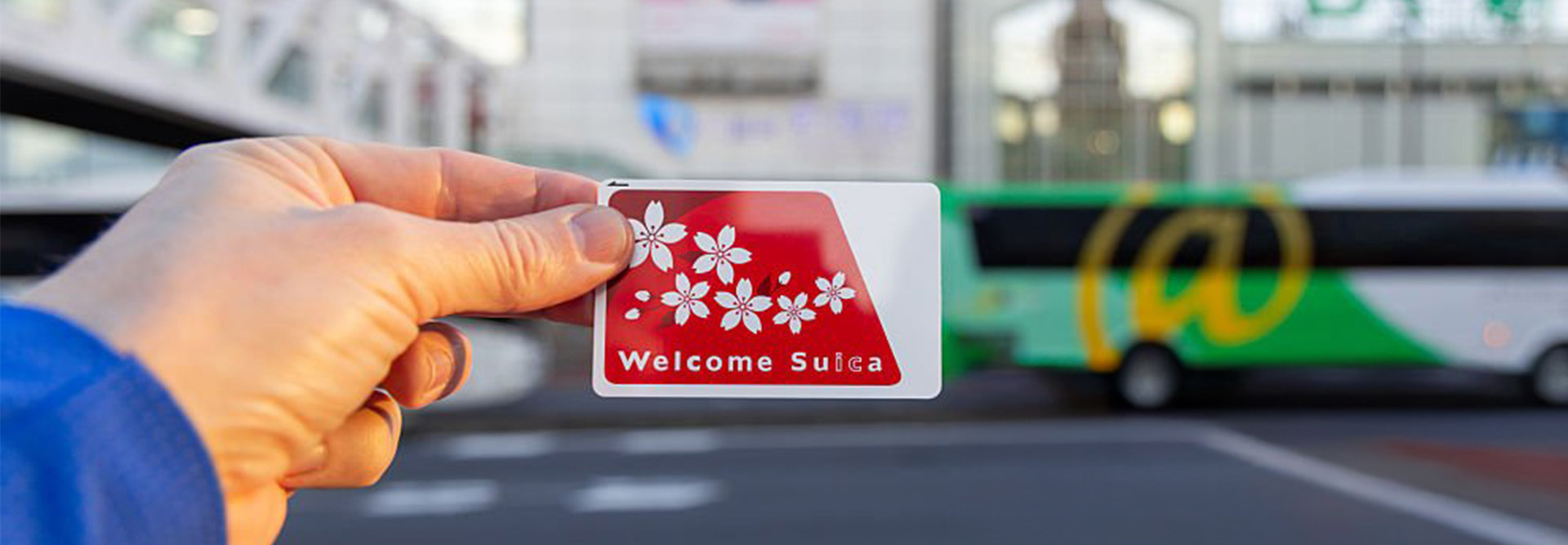
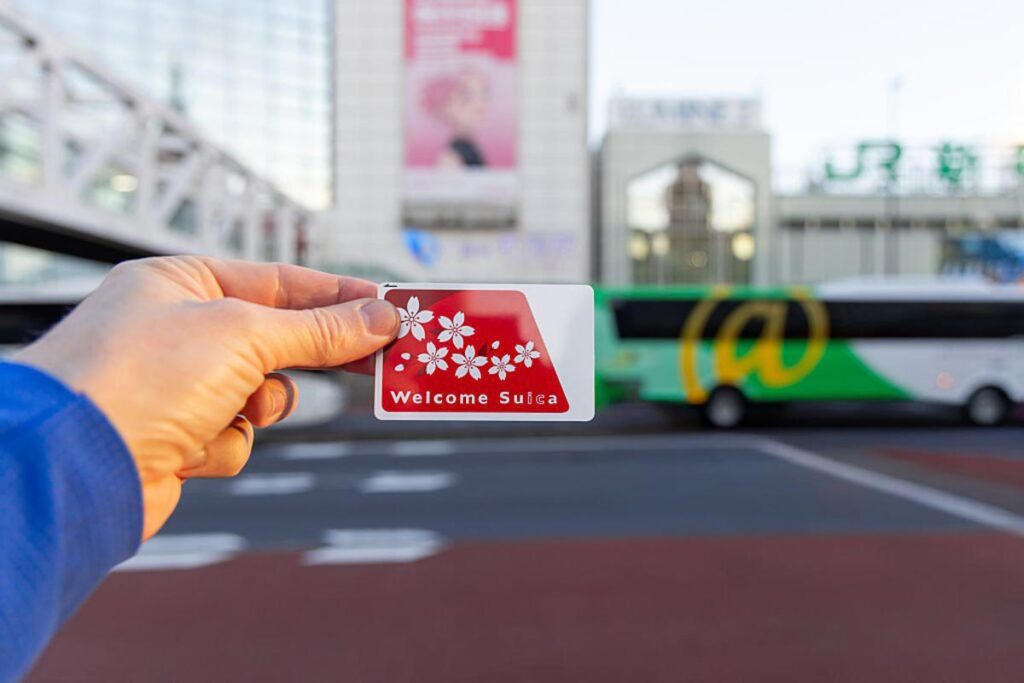
Each region in Japan has its own branded IC card, such as Suica and PASMO (Tokyo area), ICOCA (Kansai area), and others. While the logos differ, they are largely interchangeable in major cities, making them ideal for travelers exploring multiple regions.
Common Types of IC Cards
Some of the most commonly used IC cards include:
- Suica – Issued by JR East, mainly used in the Tokyo and Tohoku regions.
- PASMO – Issued by private railway and subway companies in the Tokyo area.
- ICOCA – Issued by JR West, mainly used around Osaka, Kyoto, Kobe, and Hiroshima.
- TOICA, manaca, Kitaca, SUGOCA, nimoca, Hayakaken – Regional cards around Nagoya, Hokkaido, Kyushu, and Fukuoka.
For most international visitors, Suica, PASMO, or ICOCA will be the easiest to obtain and use.
Why Travelers Should Get an IC Card
While it is possible to travel in Japan without an IC card, having one offers clear advantages, especially if you are new to the country.
1. Faster, Easier Train and Bus Travel
Instead of figuring out complex fare charts and ticket machines, you can simply tap in and tap out at station gates. The correct fare is automatically deducted from your card balance, reducing the chance of overpaying or making mistakes.
2. Widely Accepted Across Regions
Most major IC cards are interoperable. A Suica card from Tokyo can be used on trains and buses in Osaka, Kyoto, Nagoya, Fukuoka, and many other cities. This nationwide convenience makes IC cards particularly useful if your itinerary covers multiple regions.
3. Convenient Cashless Payments
Beyond transportation, IC cards are commonly accepted for small purchases:
- Convenience stores (such as 7-Eleven, FamilyMart, Lawson)
- Vending machines for drinks and snacks
- Coin lockers at stations
- Some fast-food chains and cafes
- Station kiosks and some tourist facilities
This is especially handy when you are short on coins or do not want to use a credit card for minor purchases.
4. Less Language Stress
Ticket machines often offer English, but they can still feel confusing when you are jet-lagged and in a hurry. With an IC card, you can usually bypass the ticket machines altogether and head straight to the ticket gates.
Where and How to Get an IC Card
IC cards can be purchased at major airports, railway stations, and subway stations. You will typically find ticket machines and customer service counters displaying the card logo.
Buying at the Airport
For first-time travelers, buying an IC card just after landing is the most convenient option. In large airports such as Narita, Haneda, or Kansai International, look for:
- JR ticket offices and machines (often labeled in English)
- Private railway counters (for PASMO and similar cards)
- Information counters that assist foreign visitors
Staff at airport stations are accustomed to helping international visitors and usually speak basic English.
Buying at Train and Subway Stations
If you do not purchase at the airport, you can easily get an IC card at major JR stations or subway stations in any big city. Look for automated machines showing the IC card logo and English language options. Some machines let you choose between a standard card and special designs featuring characters or seasonal artwork.
Cost and Deposit
When you first buy an IC card, you typically pay:
- A refundable deposit (often around 500 yen)
- An initial stored value amount (for example, 1,500 yen)
This means your first purchase may be 2,000 yen or more, but only part of that is the deposit; the rest is money you can spend on travel and shopping.
How to Use an IC Card on Trains and Buses
Using an IC card is very simple, but a few small details will help you avoid mistakes and potential extra charges.
Using IC Cards at Train Stations
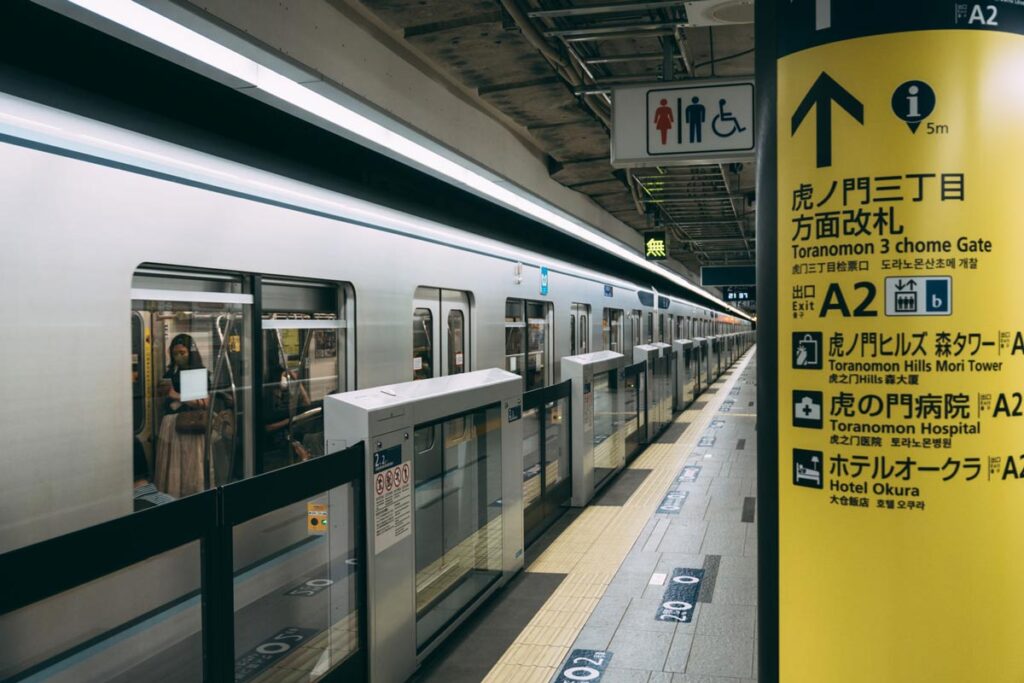
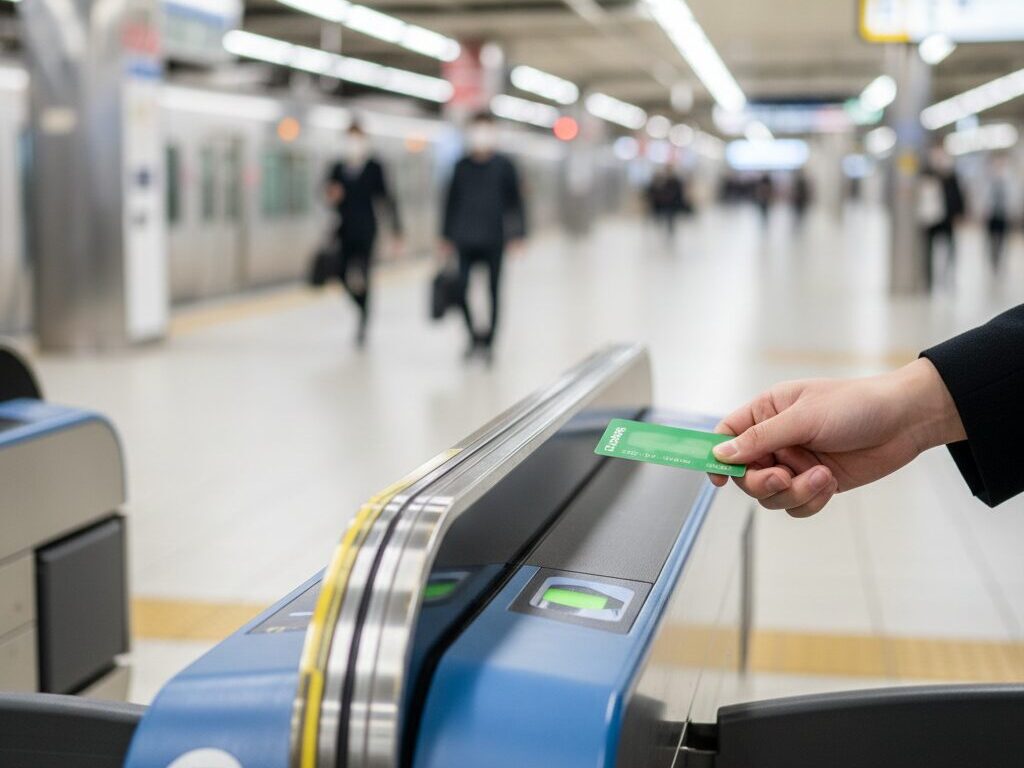
- Tap in at the gate: Hold your card flat against the designated reader (usually a glowing blue or green pad) as you pass through the ticket gate. You do not need to remove it from your wallet if the reader can detect it, but keep it separate from other IC cards to avoid confusion.
- Ride the train: You can change lines and transfer as needed within the paid area.
- Tap out at your destination: At your final station, tap again on the reader as you exit. The correct fare will be deducted from your card.
The gate will usually display your remaining balance for a moment after you tap out. If there is insufficient balance, the gate will not open; instead, you will be directed to a nearby fare adjustment machine where you can add more money.
Using IC Cards on Buses
Bus systems in Japan vary by city, but the general process is:
- Boarding: Tap your card on the reader near the door when you get on. In some cities you pay when boarding, in others you pay when getting off. Look for signs or observe local passengers.
- Exiting: Tap your card again on the reader near the exit door. The correct fare is deducted automatically.
Many bus drivers are patient with visitors and may indicate where to tap if you appear unsure.
Where You Can Use IC Cards for Shopping
Japan is still heavily cash-oriented, especially in rural areas, but IC cards offer a popular middle ground between coins and credit cards for small everyday purchases.
Typical Places That Accept IC Cards
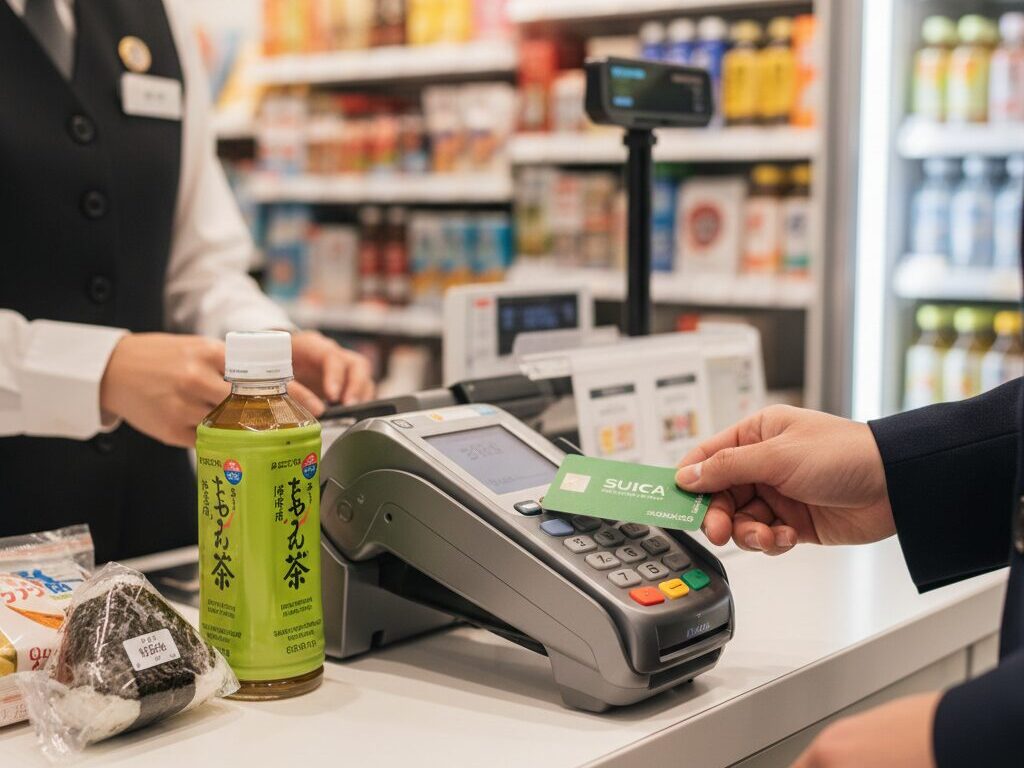
- Convenience stores: Nearly all major chains accept IC payments. Look for the card logos or ask at the counter.
- Vending machines: Many modern vending machines at train stations and tourist areas have IC readers.
- Coin lockers: Station lockers that accept IC cards are common and convenient for travelers with luggage.
- Station kiosks and small eateries: Many shops inside or near stations accept IC cards for quick orders.
- Some taxis: Increasingly, taxis in major cities accept IC card payments; check the stickers on the taxi door or ask the driver.
When paying, simply tell the staff you want to pay with your IC card, then tap it on the reader when prompted.
How to Recharge (Top Up) Your IC Card
Running low on balance is easy to fix. You can recharge your IC card at stations, convenience stores, and some standalone machines.
Recharging at Train Stations
- Find a ticket machine with the IC card logo and an English-language option.
- Insert or tap your IC card as instructed.
- Choose the top-up amount (fixed options like 1,000, 2,000, or 5,000 yen are common).
- Insert cash or pay by accepted card, depending on the machine.
Your card balance updates immediately, allowing you to go straight to the ticket gates.
Recharging at Convenience Stores
Many convenience stores offer a recharge service at the counter. You can say, “Charge, please,” and show your IC card. Indicate the amount you want to add and pay with cash. The staff will process the recharge and hand the card back to you.
IC Cards and Children, Groups, and Visitors
Children’s IC Cards
Discounted fares are available for children on many public transport systems. To benefit from these reduced fares, a special child IC card is required. You usually need to buy these at a staffed counter and may be asked to show a passport or proof of age.
Using IC Cards in Groups
Each person in your group needs their own IC card. Gates and bus readers expect one tap per passenger; sharing one card across several people is not practical.
Special IC Cards for Foreign Visitors
Some regions occasionally offer limited-edition IC cards tailored to short-term visitors, sometimes without a deposit or with added credit. Check official tourism websites for current campaigns before your trip, especially if you are traveling during peak seasons.
Combining IC Cards with Rail Passes
Many international visitors also buy nationwide or regional rail passes, such as the Japan Rail Pass or specific regional JR passes. These passes cover certain long-distance routes and designated lines, while IC cards are best for short city journeys and non-JR lines.
A typical strategy is:
- Use your rail pass for long intercity travel and covered JR lines.
- Use your IC card for local subways, private railways, buses, and everyday purchases.
Keeping both in your wallet allows you to adapt to different situations without constantly buying tickets.
Refunds, Returns, and Lost Cards
Getting Your Deposit Back
If you purchased a card that requires a deposit, you may be able to return the card and reclaim part of the deposit and remaining balance at the issuing company’s service counters. Note that:
- Refunds are usually only available in the card’s home region (for example, Suica refunds at JR East counters).
- A small handling fee may be deducted from your remaining balance.
If you are leaving Japan from a different region than where you bought the card, getting a refund can be less convenient. Some travelers choose to keep their card as a souvenir or for future visits.
If You Lose Your IC Card
Standard, anonymous IC cards cannot be reissued if lost, and the balance is effectively gone. However, if you register a personalized card with your name and details (available at some issuing offices), you may be able to have it reissued for a fee if it is lost or stolen. For short-term visitors, most opt for the simpler anonymous cards, so take care not to misplace them.
Etiquette and Tips When Using IC Cards
Using IC cards smoothly is also about following the unwritten rules of Japanese public transport culture.
- Prepare your card in advance: Have your wallet or card ready before you reach the gate, to avoid blocking the flow of people.
- Keep moving through the gates: Tap and walk at a natural pace. Do not stop immediately after the gate as others are right behind you.
- Tap only one card at a time: If you carry multiple IC cards, keep them separate so the reader does not detect the wrong one.
- Mind your balance: Check your remaining balance when exiting or at machines, especially before long journeys or bus rides.
- Use quiet voices on trains: While not directly about the card, good manners on public transport are an important part of the local experience.
Are IC Cards Worth It for First-Time Visitors?
For most international travelers, especially those visiting major cities such as Tokyo, Osaka, and Kyoto, an IC card is highly recommended. It simplifies local transport, speeds up everyday transactions, and reduces the stress of dealing with fares and small change in an unfamiliar currency.
Even if your trip is only a few days long, the convenience often outweighs the small initial cost. If you plan to return to Japan, you can keep the same card and use it again on your next trip, as many cards remain valid for years without use.
Final Thoughts
IC cards are a small piece of plastic that can make a big difference in how effortlessly you navigate Japan. With one in your pocket, hopping on a train, grabbing a bottle of green tea from a vending machine, or storing your luggage in a station locker becomes a quick tap-and-go experience.
Before your journey, decide whether you want a card like Suica, PASMO, or ICOCA, and pick one up as soon as you arrive. Combine it with a rail pass if you are traveling long distances, and you will be ready to explore Japan’s cities and regions with confidence and ease.
Explore Other Transportation
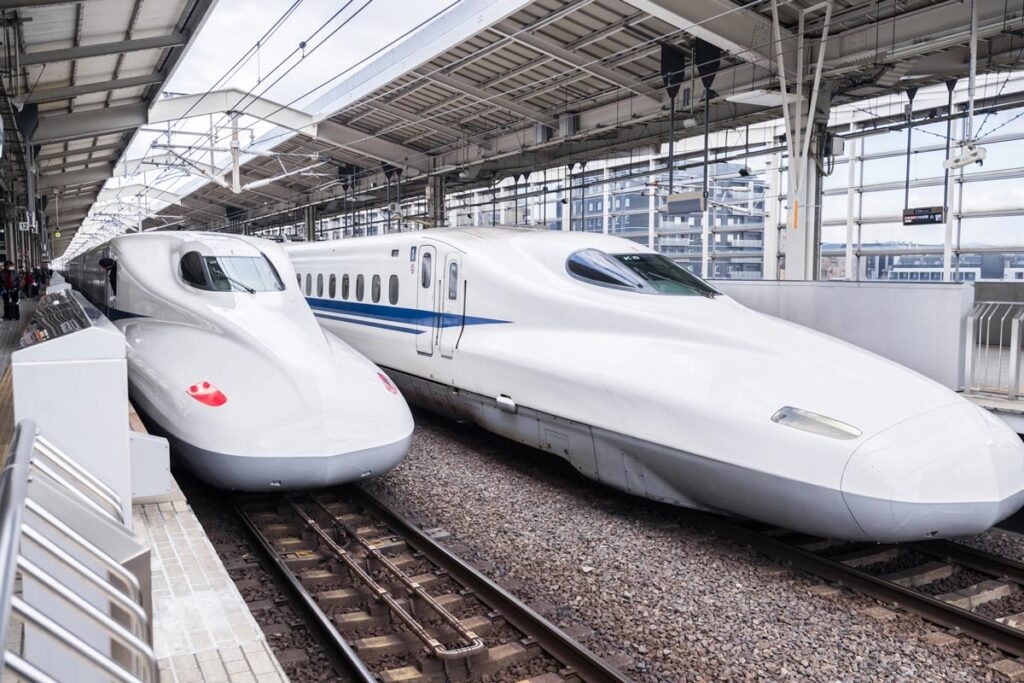
Japan Rail Pass
IC Cards