


Haneda Airport Access
Haneda Airport Access Guide for First-Time Visitors to Japan
For many first-time travelers to Japan, Haneda Airport (Tokyo International Airport) is the ideal gateway. Closer to central Tokyo than Narita and increasingly served by international flights, Haneda lets you start your Japan adventure quickly and comfortably. This guide explains how to get from Haneda to central Tokyo and beyond, how to choose the right option for your budget and schedule, and what to expect on arrival.
Understanding Haneda Airport
Haneda is located in Tokyo’s Ota Ward, on Tokyo Bay, about 15–20 km from major city hubs like Tokyo Station and Shinjuku. It has three main terminals:
- Terminal 1: Domestic flights
- Terminal 2: Domestic flights and some international services
- Terminal 3: International terminal
Free shuttle buses and the underground Tokyo Monorail and Keikyu lines connect the terminals. Signage in English, Japanese, Chinese, and Korean is abundant, and staff are used to assisting overseas visitors.
Key Transport Options from Haneda Airport
From Haneda, you can reach central Tokyo in around 15–30 minutes by train or monorail, or about 30–60 minutes by limousine bus or taxi, depending on traffic and destination. Your main options are:
- Tokyo Monorail + JR lines
- Keikyu Line (railway) + subway/JR lines
- Airport Limousine Bus and other highway buses
- Taxi or ride-hailing services
- Rental car (usually not recommended for first-timers in Tokyo)
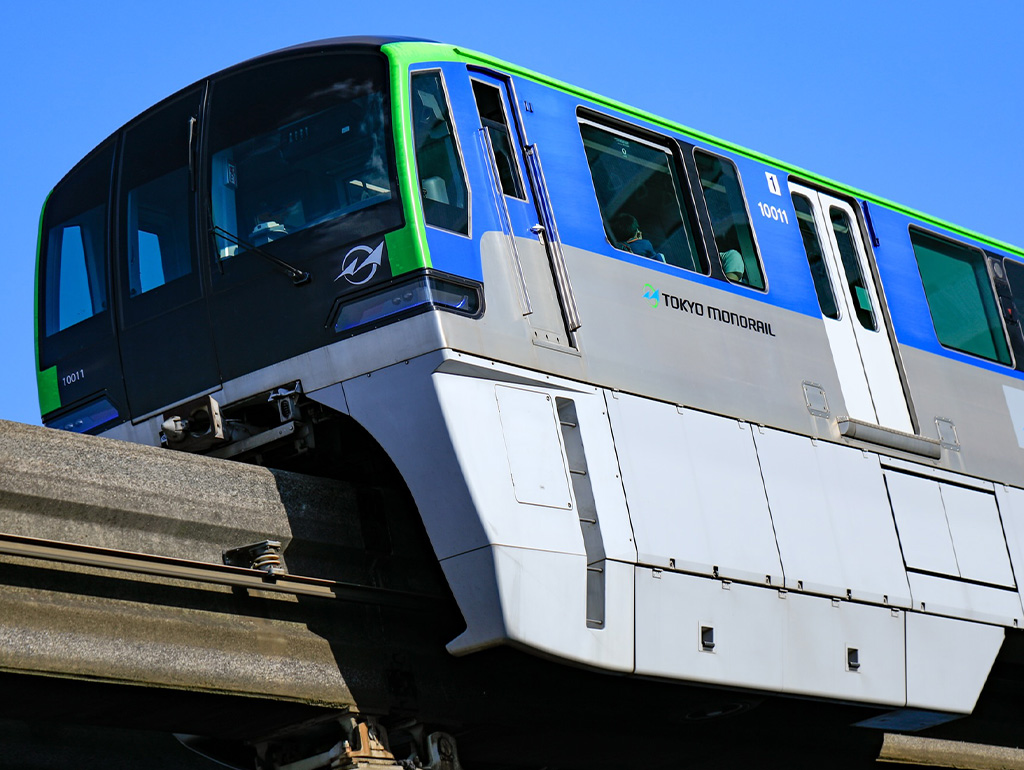
Tokyo Monorail: Fast Access to Central Tokyo
The Tokyo Monorail is one of the most convenient ways to travel between Haneda Airport and central Tokyo, especially if you are heading toward the JR Yamanote Line (Tokyo’s major loop line).
Route and Main Destinations
The monorail runs between Haneda Airport Terminal 3 Station (with stops at Terminals 1 and 2) and Hamamatsucho Station in central Tokyo. At Hamamatsucho, you can transfer easily to:
- JR Yamanote Line for Shinjuku, Shibuya, Ueno, Ikebukuro, and Tokyo Station
- JR Keihin-Tohoku Line for Shinagawa, Yokohama, and Ueno
Travel Time and Cost
From Haneda to Hamamatsucho, the journey takes about 13–20 minutes depending on the service type (Rapid or Local). Typical fares are around 500 yen for adults. From Hamamatsucho, add a short JR train ride (usually 150–220 yen) to reach other parts of Tokyo.
Tickets, IC Cards, and Passes
You can pay the fare by:
- Buying a paper ticket from the ticket machines
- Using an IC card such as Suica, PASMO, or Welcome Suica
- Using certain rail passes that include the monorail (for example, some JR East passes)
For first-time visitors, purchasing a Welcome Suica or similar IC card at the airport is often the most convenient option. You simply tap in and out at the ticket gates, and the correct fare is deducted automatically.
When to Choose the Tokyo Monorail
- You are staying near a JR Yamanote Line station such as Shibuya, Shinjuku, or Tokyo.
- You want fast, frequent service with minimal traffic risk.
- You prefer an easy transfer to JR lines and may use a JR rail pass.
Keikyu Line: Direct Access to Shinagawa, Yokohama, and Beyond
The Keikyu Line (Keihin Kyuko) offers another rail option from Haneda. It is especially useful if you are heading to Shinagawa, Yokohama, or connecting to the shinkansen (bullet trains).
Route and Main Destinations
Keikyu trains run from Haneda Airport Terminal 3 Station via Terminals 1 and 2 to Shinagawa Station in Tokyo, and onward to Yokohama and the Miura Peninsula. At Shinagawa, you can transfer to:
- JR Yamanote Line and Keihin-Tohoku Line
- Tokaido Shinkansen for Kyoto, Osaka, Hiroshima, and Nagoya
Travel Time and Cost
From Haneda to Shinagawa, the ride is typically about 15 minutes and costs roughly 300 yen. To Yokohama, it takes about 30 minutes.
Tickets and IC Cards
As with the monorail, you can use paper tickets or IC cards such as Suica and PASMO. The ticket machines offer an English interface, and staff at the station counters can help if you are unsure which fare to buy.
When to Choose the Keikyu Line
- You are staying near Shinagawa or Yokohama.
- You plan to take the shinkansen to western Japan soon after landing.
- You find a direct through-service train to your destination (some Keikyu trains run through onto subway lines).
Airport Limousine Buses and Highway Buses
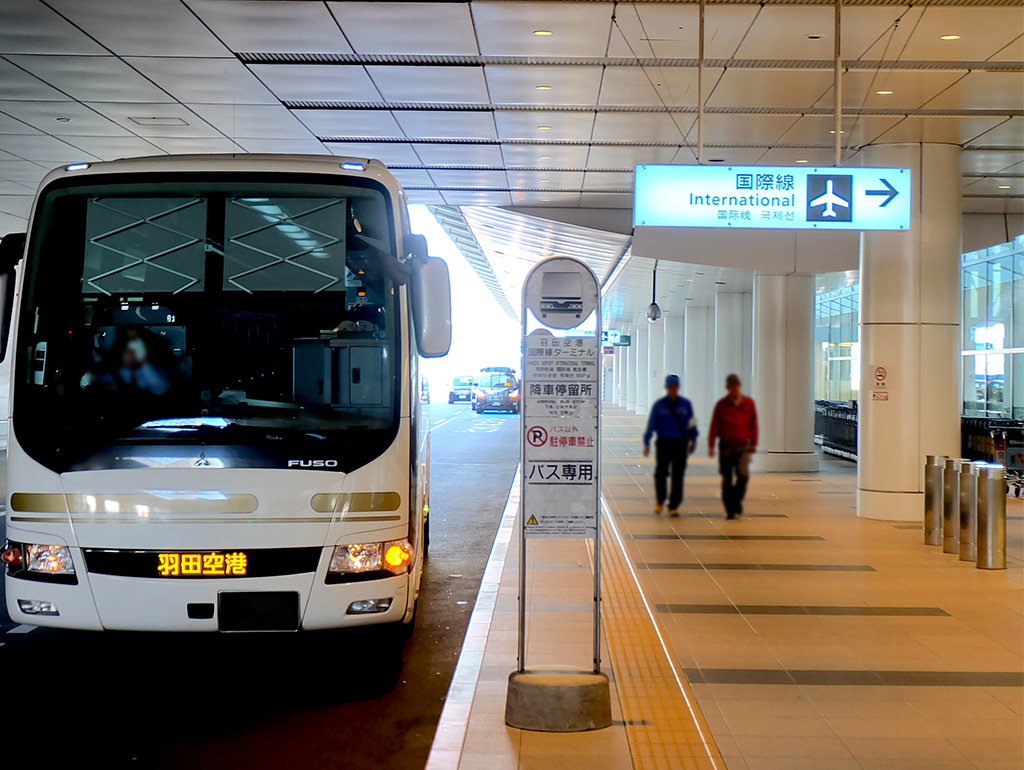
Another popular way to travel into the city is by Airport Limousine Bus or other highway buses. These comfortable coaches connect Haneda with major hotels, train stations, and districts throughout Tokyo and neighboring prefectures.
Direct Service to Hotels and Key Areas
Limousine buses serve areas such as Shinjuku, Shibuya, Tokyo Station, Ginza, Roppongi, Odaiba, and many hotel districts. They are especially convenient if:
- You have large luggage and want to avoid transfers.
- You arrive late at night or with children and prefer a simple, seated ride.
- Your hotel is listed as a bus stop on the schedule.
Travel Time and Cost
Travel times vary depending on traffic, but you can expect around 30–60 minutes to popular areas like Shinjuku or Tokyo Station. Fares are usually in the range of 1,000–1,500 yen for central Tokyo destinations.
How to Buy Tickets
At Haneda, go to the bus ticket counters in the arrival hall or use the automatic ticket machines. Staff can help you select the right bus and departure time. Some services can also be reserved online in advance, helpful during busy travel seasons.
Taking a Taxi from Haneda Airport
Taxis in Japan are clean, safe, and regulated, and taking one from Haneda is relatively straightforward. However, they are more expensive than trains or buses, particularly during late-night hours.
Taxi Stands and Fares
Official taxi stands are clearly marked outside each terminal. Simply follow the taxi signs from the arrivals area. Typical daytime fares from Haneda are approximately:
- To central Tokyo (Tokyo Station area): 6,000–9,000 yen
- To Shinjuku or Shibuya: 7,000–11,000 yen
Travel time is usually 30–60 minutes depending on traffic. There may be surcharges late at night or during early morning hours.
Flat-Rate and Ride-Hailing Options
Some taxi companies offer flat-rate airport transfers to specific areas of Tokyo, which can be economical if you are traveling as a group or with a lot of luggage. Ride-hailing apps, such as JapanTaxi or services integrated into global apps, may also allow you to book a taxi from the airport.
When to Choose a Taxi
- You arrive very late at night when trains and most buses have stopped.
- You have multiple suitcases or travel with young children or elderly relatives.
- You prefer a door-to-door experience and are comfortable with the cost.
Rental Cars: Not Usually Necessary in Tokyo
Car rental counters operate at Haneda, and driving is a viable option for exploring the countryside or regions with limited public transport. However, for central Tokyo stays, renting a car is usually unnecessary and can be challenging due to complex roads, traffic, and expensive parking.
If you do plan to rent a car, be sure to obtain an International Driving Permit (IDP) before arriving in Japan, as it is often required alongside your home-country license.
Using IC Cards and Rail Passes from Haneda
Public transport in and around Tokyo is easiest with a rechargeable IC card. At Haneda Airport, you can buy and charge cards like Suica, PASMO, or Welcome Suica at dedicated machines or service counters.
Benefits of IC Cards
- Tap-in, tap-out travel on most trains, subways, monorails, and buses in major cities.
- Use for small purchases at convenience stores and vending machines.
- Avoid dealing with individual tickets and fares each time.
JR Pass and Other Rail Passes
If you have a Japan Rail Pass or regional JR pass, note that it mainly covers JR-operated lines. The Tokyo Monorail is included in some JR passes, whereas the Keikyu Line is not. Many visitors activate their pass on the day they first travel long distance by shinkansen, rather than immediately upon arrival at Haneda. Plan your activation date based on your itinerary.
Choosing the Best Route for Your Destination
The ideal transport option from Haneda depends on your final destination in Tokyo and your travel style. Here are some general guidelines:
For Tokyo Station, Ginza, and Marunouchi
- Monorail to Hamamatsucho, then JR Yamanote or Keihin-Tohoku Line to Tokyo Station.
- Limousine bus directly to Tokyo Station or nearby hotels.
For Shibuya and Shinjuku
- Monorail to Hamamatsucho, then JR Yamanote Line to Shibuya or Shinjuku.
- Limousine bus to Shibuya or Shinjuku station areas, especially with luggage.
For Shinagawa and Shinkansen Connections
- Keikyu Line directly from Haneda to Shinagawa.
- From Shinagawa, transfer to the Tokaido Shinkansen for Osaka, Kyoto, Nagoya, and beyond.
For Yokohama
- Keikyu Line direct to Yokohama Station.
- Some bus services also connect Haneda with the Minato Mirai and Yokohama area.
Navigating Haneda Airport on Arrival
Japan is known for its efficiency and clear signage, and Haneda is no exception. After disembarking your flight:
- Immigration: Follow the signs for “Arrivals” and “Immigration.” Have your passport and completed arrival card ready.
- Baggage Claim and Customs: Collect your luggage, then pass through customs. Officers may ask about your stay and luggage contents.
- Arrival Hall: Once in the public area, you will find currency exchange counters, ATMs, SIM card and Wi-Fi rental counters, and information desks.
- Transport Signs: Look for displayed icons and signs: trains, monorail, buses, and taxis are all clearly indicated in English.
Cultural Tips for a Smooth First Journey
Your first train or bus ride from Haneda is also your first immersion into Japanese daily life. Keeping a few simple customs in mind will help you start your trip respectfully:
- Quiet on board: Keep voices low, set your phone to silent, and avoid taking calls on trains and buses.
- Luggage etiquette: Use racks above seats or designated luggage spaces. Avoid blocking doors or aisles with suitcases.
- Queueing: At platforms and bus stops, stand in line behind the marked boarding lines. Let passengers get off before boarding.
- Cash and cards: Although IC cards simplify travel, it is useful to carry some cash, as smaller buses and shops may not accept credit cards.
Late-Night and Early-Morning Arrivals
If your flight arrives very late at night or early in the morning, double-check the operating hours of trains and buses. Services are frequent during the day and evening, but some routes stop around midnight, with first departures around 5:00 a.m. In such cases:
- Consider booking a hotel near Haneda Airport for the first night.
- Budget for a taxi if your accommodation is in central Tokyo and public transport has stopped.
Starting Your Japan Journey from Haneda
Whether you are heading directly to the neon lights of Shinjuku, the historic streets of Asakusa, or boarding a shinkansen to Kyoto, Haneda Airport offers a smooth and efficient starting point. By understanding your transport options—monorail, railway, bus, taxi, and beyond—you can choose the route that fits your budget, schedule, and comfort level.
With clear signage, multilingual support, and well-organized connections, accessing Tokyo from Haneda is one of the easiest first steps you will take on your journey through Japan.
Explore Other Transportation
Narita Airport Access
Haneda Airport Access
Kansai Airport Access