


Pottery
Japanese Pottery: A First-Time Traveler’s Guide to Clay, Kilns, and Culture
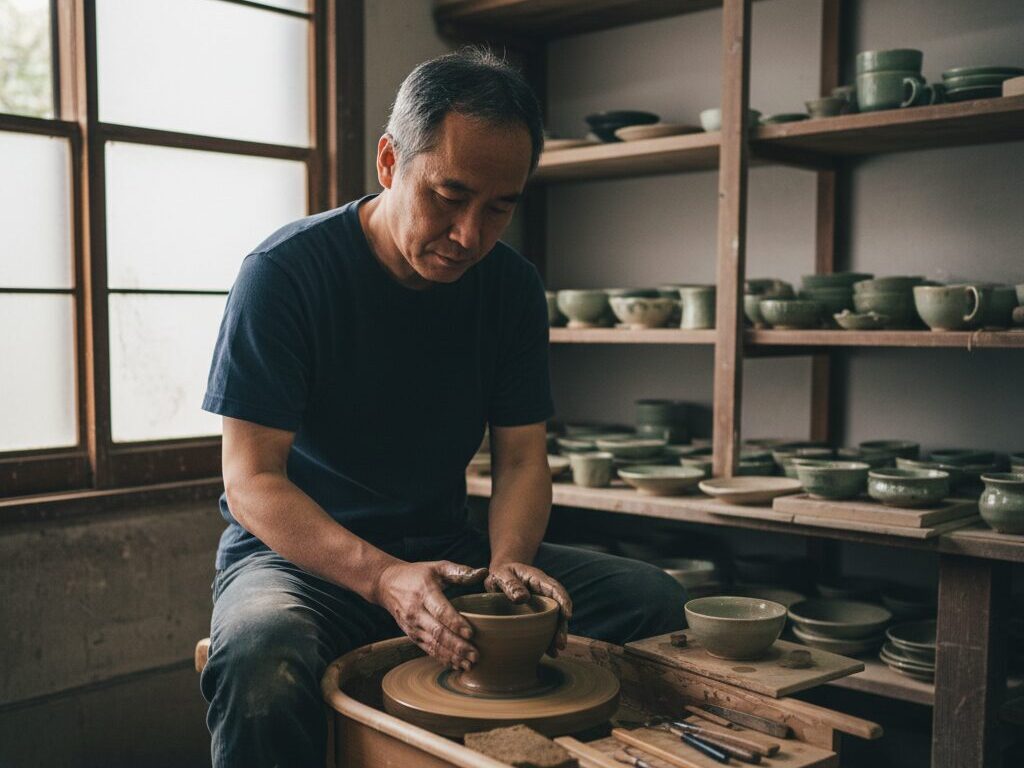
Japanese pottery is one of the country’s quietest yet most rewarding travel experiences. Beyond the neon of Tokyo and the temples of Kyoto, you’ll find centuries-old kilns, working potters, and studios where you can sit at a wheel and shape your own bowl. For first-time visitors, adding a pottery stop to your itinerary is an easy way to understand Japan’s craftsmanship, everyday culture, and sense of beauty.
Why Pottery Matters in Japan
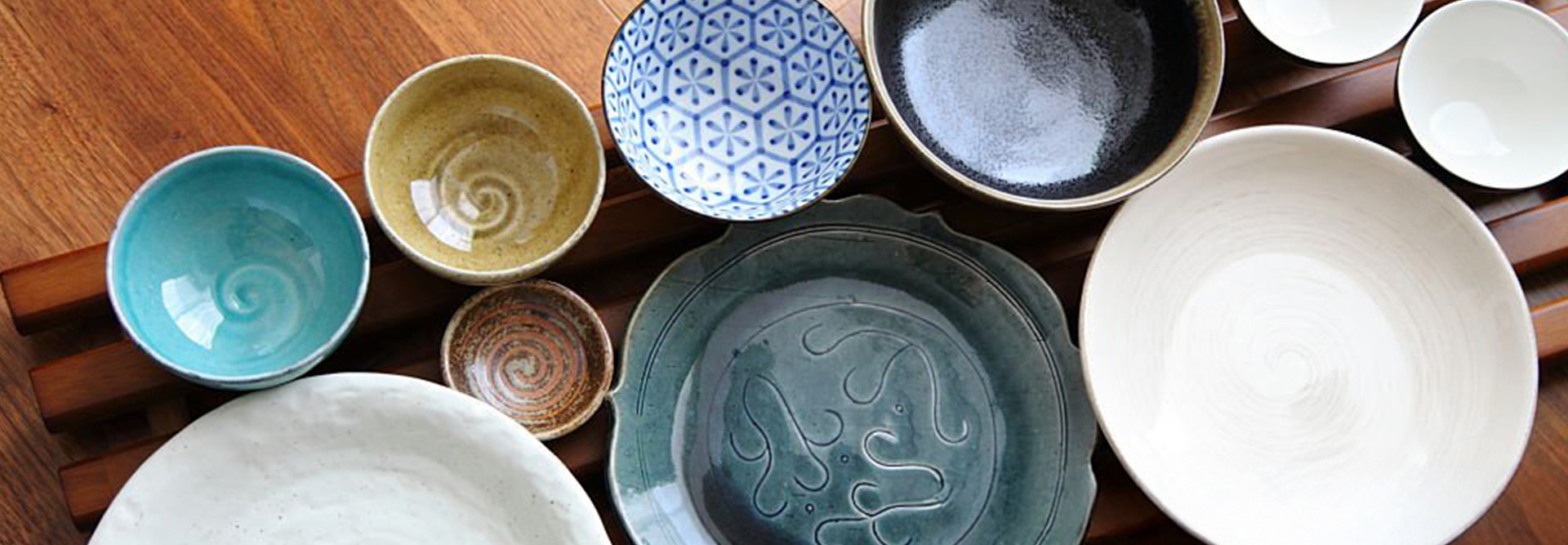
In Japan, pottery is not just art; it is part of daily life. Rice bowls, tea cups, sake bottles, and serving plates are chosen with care, often reflecting the seasons. Many Japanese people have a favorite mug or donburi (rice bowl) with a story behind it: a gift from a friend, a purchase from a famous kiln town, or a handmade souvenir from a trip.
Two important ideas shape Japanese pottery:
- Wabi-sabi: an appreciation of simplicity, imperfection, and the passage of time. You’ll see this in earthy glazes, rough textures, and asymmetrical forms.
- Shokunin: the spirit of the dedicated craftsperson. Many potters spend decades perfecting a single style or technique, often passed down through generations.
When you pick up a Japanese cup or plate, you’re holding a piece of this philosophy in your hands.
Types of Japanese Pottery and Porcelain
As you travel, you’ll notice two broad categories of ceramics:
Earthenware and Stoneware
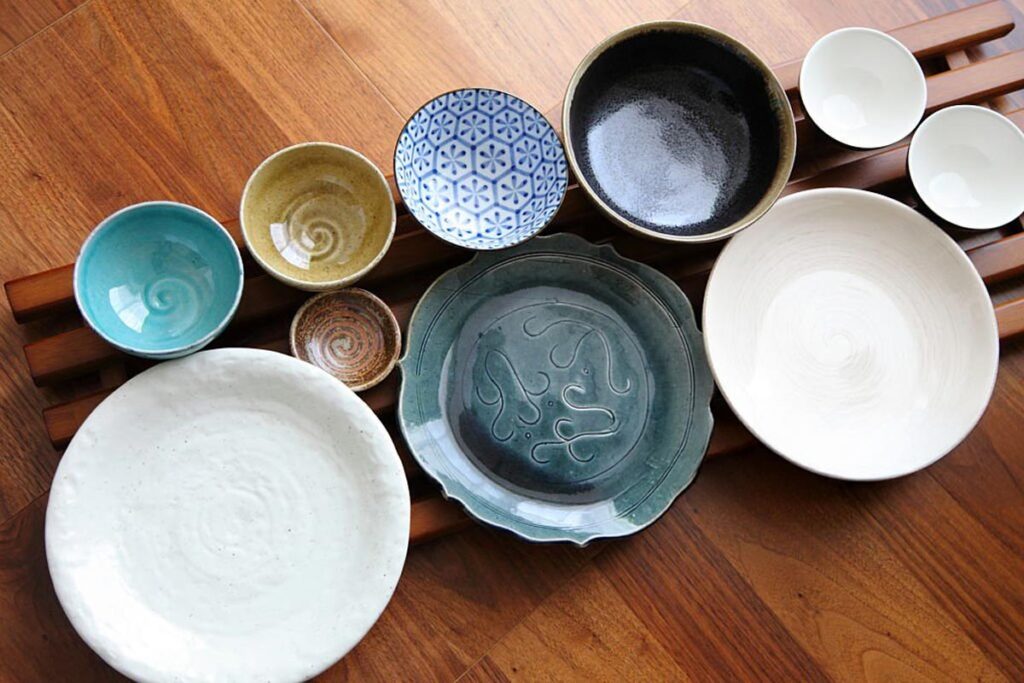
These are fired at lower temperatures and often have a rustic, warm feeling. They are ideal for everyday dishes and traditional tea utensils. Famous examples include Shigaraki, Bizen, and Mashiko ware.
Porcelain
Porcelain is fired at higher temperatures, resulting in a harder, whiter, more translucent body. Often decorated with detailed painting or delicate patterns, it’s associated with elegance and fine dining. Famous regions include Arita, Imari, and Kutani.
Most shops and museums will clearly label the style or origin, so you can learn as you browse.
Famous Pottery Towns and Regions to Visit
Japan has many historic pottery centers, each with a distinct character. Here are some of the most accessible and rewarding for first-time visitors.
1. Mashiko (Tochigi Prefecture)
Best for: First-timers, casual shoppers, hands-on experiences.
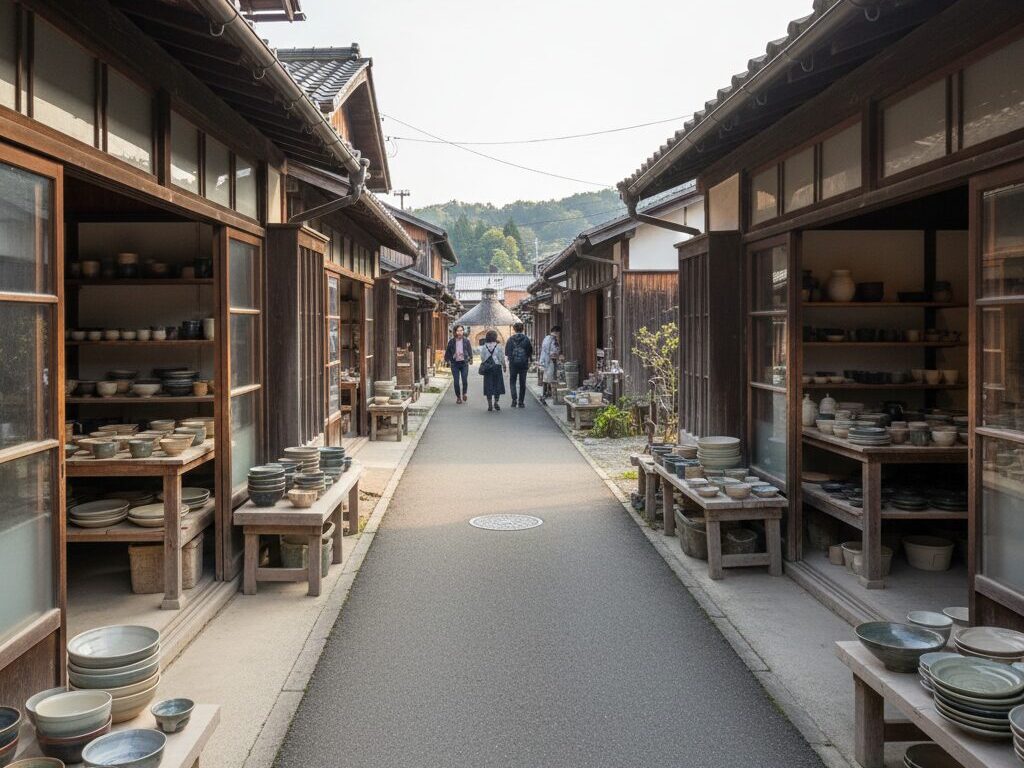
Located a few hours north of Tokyo, Mashiko is one of Japan’s friendliest pottery towns. It became famous in the 20th century through the Mingei (folk craft) movement, which celebrated functional, affordable, handmade objects for everyday use.
Expect to find sturdy, practical pieces: rice bowls, mugs, teapots, and plates with simple glazes and playful patterns. Many studios welcome visitors without reservations, and the town hosts large pottery fairs in spring and autumn, when streets fill with stalls and kilns open their doors.
2. Shigaraki (Shiga Prefecture)
Best for: Rustic aesthetics, traditional kilns, countryside atmosphere.
Shigaraki, near Lake Biwa and not far from Kyoto, is one of Japan’s “Six Ancient Kilns.” The clay here is rich in iron and feldspar, creating warm, orange-brown tones when fired. Wood-fired kilns give the surface natural variations, sometimes with ash deposits and subtle drips of glaze.
Shigaraki is also famous for its humorous tanuki (raccoon dog) statues, often seen in front of shops and restaurants. Beyond the tanuki souvenirs, you’ll find refined tea ware, garden ornaments, and large storage jars. Walking through the area, you’ll see old-style climbing kilns snaking up hillsides.
3. Bizen (Okayama Prefecture)
Best for: Serious pottery fans, tea ceremony lovers, collectors.
Bizen ware is one of Japan’s oldest pottery traditions, known for its unglazed, high-fired surfaces. Instead of painted decoration, beauty comes from the firing itself: flames and ash create natural markings, smoky gradients, and glassy spots. Each piece is unique and often feels surprisingly heavy and solid in the hand.
Bizen is highly valued in tea ceremony circles, where the rough surface and deep, earthy colors are prized for their quiet, meditative character. Even if you’re not a collector, visiting a Bizen kiln and running your fingers over the clay is an unforgettable tactile experience.
4. Arita and Imari (Saga Prefecture)
Best for: Porcelain lovers, history enthusiasts, scenic Kyushu trips.
In Kyushu, Arita and nearby Imari are the heartlands of Japanese porcelain. From the 17th century, porcelain from this region was exported to Europe and influenced Western tableware design. You’ll see brilliant cobalt blues, multi-colored overglaze enamels, and elegant shapes.
Arita’s town center features museums, historic kilns, and shops ranging from high-end galleries to affordable outlet stores. This region is ideal if you’re looking for gifts, formal tableware, or tea sets with a more refined, delicate character.
5. Kutani (Ishikawa Prefecture)
Best for: Colorful designs, art collectors, Kanazawa side trips.
Near Kanazawa, Kutani ware stands out with vivid overglaze painting in red, green, blue, yellow, and purple. Traditional motifs include landscapes, flowers, and birds rendered in a painterly style. Modern artists also experiment with abstract patterns and minimalist compositions.
If you’re already heading to Kanazawa for its gardens and samurai districts, adding a Kutani visit gives you a look at the region’s artistic side. Many galleries double as cafés or tea spaces, so you can enjoy coffee served in Kutani cups.
Hands-On Pottery Experiences for Travelers
Even if you know nothing about ceramics, Japan makes it easy to try pottery yourself. Many studios in major cities and pottery towns offer short classes with English support.
What a Typical Class Is Like
Most beginner-friendly experiences last between 60 and 120 minutes. You can usually choose between:
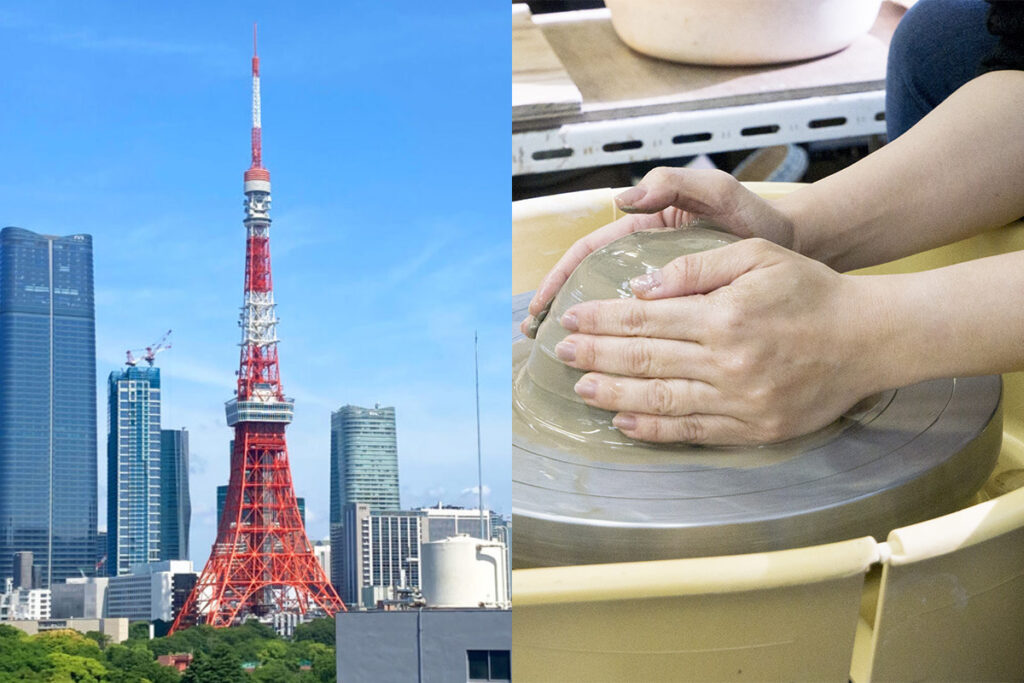
- Wheel-throwing: Sitting at a potter’s wheel to shape bowls or cups.
- Hand-building: Forming objects by hand, rolling coils or pressing clay into molds. This is less technical and great for children.
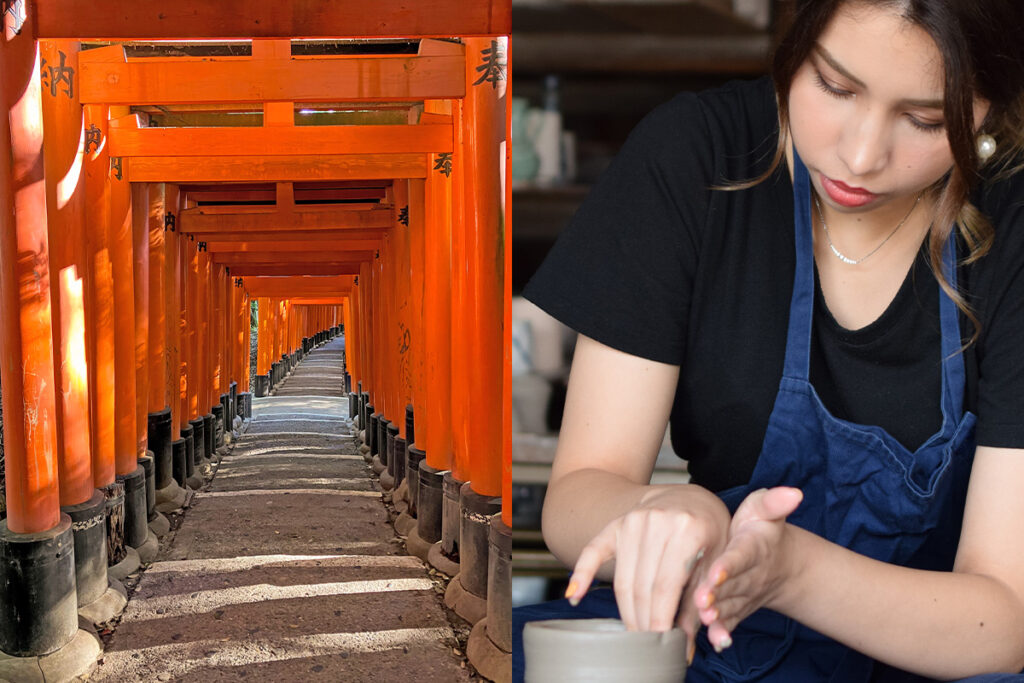
Staff will show you how much water to use, how to center the clay, and how to shape the walls of your piece. Expect to get your hands dirty, laugh a little when your first bowl collapses, and end the session with one or two pieces you’re proud of.
Glazing and Shipping
After the class, the studio will dry, glaze, and fire your work. This process takes time, often four to eight weeks. Almost all studios offer international shipping for an extra fee. It’s a good idea to:
- Write your name and address clearly (print letters, not cursive).
- Ask about shipping costs and expected delivery time before you begin.
- Check if they can group items for your travel companions into one parcel.
Your finished mug or bowl will arrive at home weeks after your trip, a practical souvenir you’ll use daily.
Where to Find Classes
You’ll find pottery experiences in:
- Tokyo: Neighborhood studios in Asakusa, Ueno, Shibuya, and Ikebukuro often offer tourist-friendly classes.
- Kyoto: Workshops near Kiyomizu-dera and in traditional districts, sometimes combined with tea or painting experiences.
- Pottery towns: Mashiko, Shigaraki, Arita, and others have multiple studios, often within walking distance of train stations or visitor centers.
How to Buy Pottery in Japan
Even if you don’t take a class, browsing pottery is one of the most enjoyable types of shopping in Japan. You’ll encounter ceramics in department stores, specialist shops, open-air markets, and roadside stalls in rural areas.
Where to Shop
- Department store basements (depachika): Alongside food halls, you’ll often find well-curated household sections with ceramics from across Japan.
- Specialty shops: In cities like Tokyo and Kyoto, entire streets are devoted to ceramics and kitchenware.
- Local galleries and kiln shops: In pottery towns, buy directly from the artist or kiln. Prices may range from inexpensive daily ware to museum-quality pieces.
- Fairs and markets: Seasonal pottery fairs and temple markets are perfect for bargains and discovering new artists.
Understanding Prices and Quality
Japanese pottery ranges from a few hundred yen for simple bowls to tens of thousands of yen for works by famous artists. Factors that affect price include:
- Reputation of the kiln or potter
- Technique and firing method (wood-fired and hand-painted pieces are often higher)
- Whether it is handmade or partially factory-produced
- Age and rarity for older pieces
If you’re unsure, simply ask staff for te-zukuri desu ka? (Is it handmade?). Most will happily explain, sometimes with photos of the potter at work.
Practical Tips for Foreign Visitors
- Check microwave and dishwasher safety: Not all pieces are suitable. Look for symbols, or ask staff.
- Take a photo of the shop and receipt: Useful for reference if something breaks in transit or you want to order more later.
- Ask about tax-free shopping: Many shops offer tax refunds for tourists spending over a certain amount.
Transporting and Shipping Your Ceramics
Pottery is fragile, but with a little care it travels well.
Packing for Your Flight
- Use your clothes as padding: Wrap each piece in paper or bubble wrap, then in T-shirts or sweaters.
- Pack in your carry-on: Especially for delicate or expensive items. Sudden drops in checked luggage are common.
- Fill empty spaces: Stuff bowls and cups with socks or soft items to prevent crushing.
Shipping from Japan
Many shops and studios will ship directly to your home. This is practical if you’re buying multiple pieces or something heavy like a teapot set. Ask about:
- Shipping methods (EMS, courier services)
- Insurance options for valuable items
- Estimated delivery times and tracking numbers
Pottery and Daily Life: How to Use Your Pieces at Home
One of the joys of Japanese ceramics is using them every day. There is no need to keep them locked in a cabinet.
Seasonal Table Settings
In Japan, many people change their dishes with the seasons: light blue plates for summer, earthy bowls for autumn, bright colors for spring. You can do the same at home, even with just a few pieces:
- Use a Shigaraki or Bizen bowl for autumn stews.
- Serve fresh fruit on white Arita porcelain in summer.
- Enjoy morning coffee in a Mashiko mug in winter.
Caring for Japanese Pottery
- Wash gently with a soft sponge; avoid harsh scrubbers on delicate glazes.
- For unglazed or partially glazed ware, dry thoroughly before storage.
- Do not subject pieces to sudden temperature changes, such as moving directly from fridge to oven.
Etiquette and Cultural Notes
Visiting a pottery studio or gallery offers a chance to connect directly with craftspeople. A few simple courtesies go a long way:
- Handle with both hands: When examining a piece, pick it up with two hands and hold it over the display table, not in mid-air.
- Ask before taking photos: Many artists are happy to allow photos, but some prefer to keep designs private.
- Express appreciation: Even if you don’t buy, a simple “Kirei desu ne” (It’s beautiful) or “Subarashii desu” (It’s wonderful) is welcomed.
Remember that for many studio owners, their shop is also their workshop and sometimes their home. Moving slowly, speaking softly, and showing interest in their craft can turn a simple visit into a meaningful exchange.
Planning a Pottery-Focused Day Trip
If you’d like to build pottery into your Japan itinerary, consider a simple plan:
- Choose a region near your main destination: Mashiko from Tokyo, Shigaraki from Kyoto/Osaka, Arita from Fukuoka.
- Start at a museum or visitor center to learn the basics and see representative pieces.
- Visit one or two studios to watch potters at work or take a short class.
- End with relaxed shopping and a café stop, using local cups or bowls.
Even half a day spent this way can balance out busy sightseeing and leave you with a deeper connection to the country.
Bringing Japan Home, One Bowl at a Time
For first-time travelers, Japanese pottery offers a calm, tactile side of the country that you might miss if you only visit big cities and famous temples. Whether you’re throwing your own cup in a small Kyoto studio, browsing rustic bowls in Shigaraki, or carefully packing an Arita tea set into your carry-on, you’re participating in a living tradition that stretches back centuries.
When you return home and pour tea into a cup you chose or made yourself in Japan, the memories of train rides, studio visits, and conversations with potters will come back with every use. Among all the souvenirs you can buy, a simple handmade bowl may become the one you treasure most.

Explore Other Cultures
Tea Ceremony

Kimono Wearing
Samurai Experience
Pottery
Calligraphy
Origami Workshops
Useful Links
Pottery Trial Class Experience in Tokyo