
Anime & Manga Culture
Anime & Manga Culture in Japan: A First-Time Visitor’s Guide
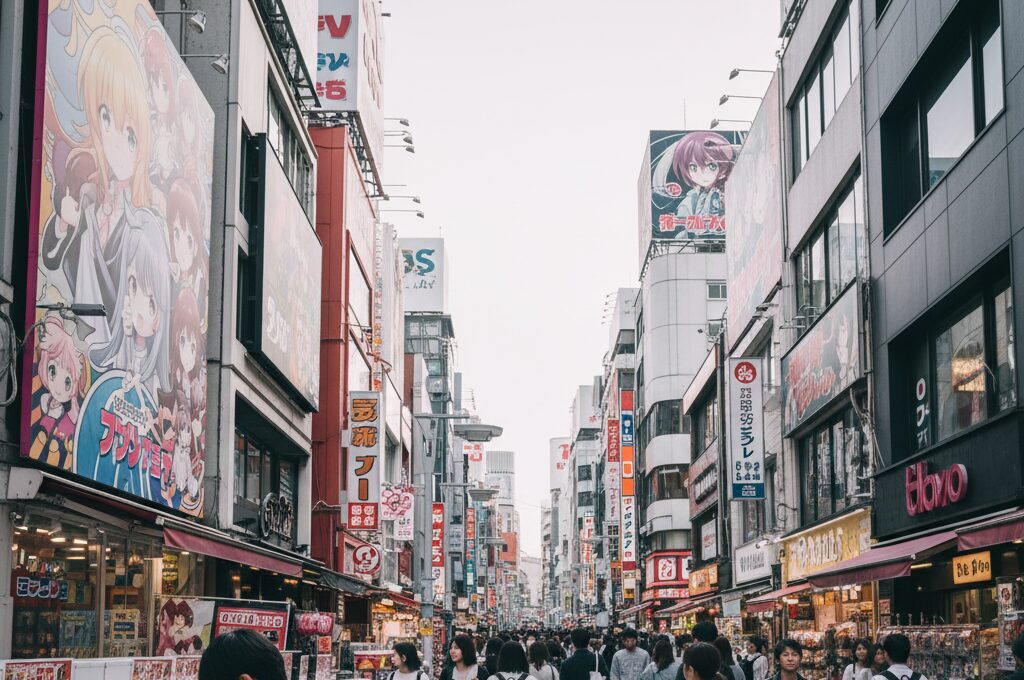
For many international visitors, anime and manga are the gateway to Japan. The moment you arrive, familiar characters smile at you from train posters, vending machines, convenience store snacks, and even government campaigns. Anime and manga are not just entertainment in Japan; they are part of everyday life, woven into advertising, fashion, tourism, and local identity.
This guide is designed for first-time travelers who love Japanese pop culture and want to experience it where it all began. From the best neighborhoods to explore, to how to behave in themed cafes and shops, you’ll find practical tips and cultural insights to help you plan a smooth and memorable anime-themed trip.
Understanding Anime & Manga in Japan
More than "cartoons" and "comics"
In Japan, anime simply means “animation” and manga means “comics,” but their scope is much broader than in many countries. They cover every genre: action, romance, slice of life, historical drama, sports, science fiction, and more. Adults read manga on trains, families watch anime together, and older classics are treated with the same respect as literature and film.
Popular series often move fluidly between media: a story might begin as a manga, become an anime, then turn into movies, games, stage plays, and endless character merchandise. As you travel, you’ll constantly encounter this media mix—anime and manga characters used as mascots for cities, trains, museums, and even local police stations.
Otaku culture and how it looks today
The word otaku originally described people extremely passionate about hobbies like anime, manga, and games. It once carried a slightly negative nuance, but that image has softened over time, especially with the global popularity of Japanese pop culture. In modern Japan, there are many kinds of otaku: some love idol groups, others are train nerds, history buffs, or figure collectors.
As a visitor, you don’t need to call yourself an otaku to enjoy these neighborhoods and shops. People of all ages and interests visit anime districts—some to shop seriously, others simply to enjoy the colorful atmosphere.
Top Places in Tokyo for Anime & Manga Fans
Akihabara: Electric Town and Otaku Mecca
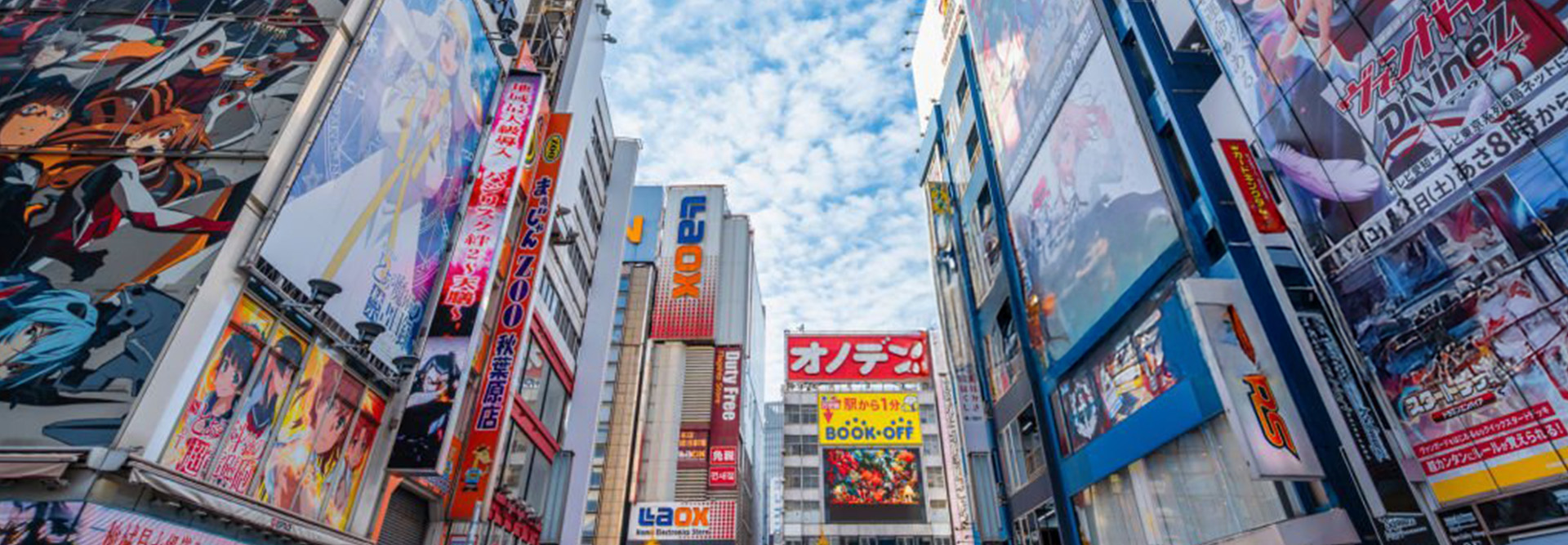
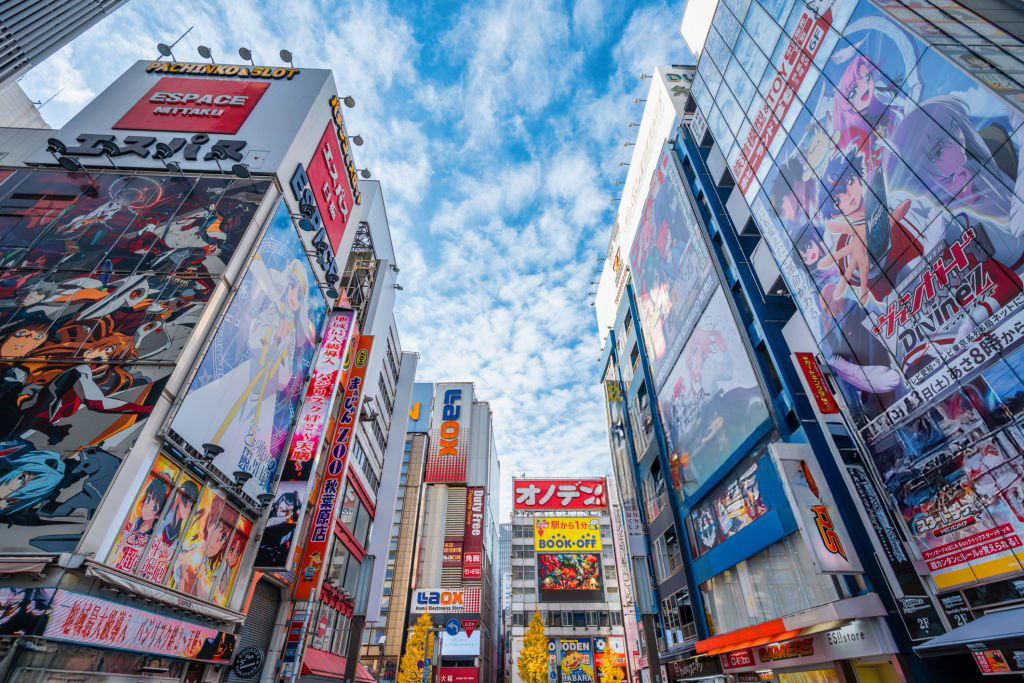
Akihabara, often shortened to “Akiba,” is Tokyo’s most famous anime and electronics district. Once known mainly for appliance shops, it evolved into a center for game arcades, anime stores, and specialist electronics, while retaining its neon glamour and busy energy.
Expect tall buildings packed with figure shops, manga floors, and specialty goods. Billboards feature the latest series, while J-pop and game music spill onto the streets. Even if you don’t buy anything, wandering around is a visual adventure.
What to do in Akihabara
- Character and figure shopping: Multi-level shops sell everything from major titles to niche series. Look for floors dedicated to figures, keychains, stationery, and cosplay items.
- Second-hand treasure hunting: Pre-owned shops are excellent for out-of-print items, older figures, and more affordable merch. “Used” in Japan is often in very good condition.
- Arcades and game centers: Try rhythm games, crane games (UFO catchers), or classic arcade titles. Use small coins first to get a feel for the controls—crane games can be addictive.
- Themed cafes: Akihabara is known for maid cafes and other concept cafes. These are performance spaces where staff interact in character. Photography rules vary, so always check.
Etiquette tip: Many stores and streets in Akihabara prohibit street photography of people in costume or staff in front of shops. Always ask before taking close-up photos and avoid blocking entrances while you take pictures of signs or buildings.
Ikebukuro: Anime Hub with a Different Vibe
Ikebukuro, on the northwestern side of central Tokyo, is another major pop culture hotspot. The area around Ikebukuro Station’s east exit, particularly “Otome Road,” is known for shops that cater to female fans, including titles focused on male characters and romantic storylines. The atmosphere is generally more relaxed than Akihabara, with many cafes, restaurants, and large department stores nearby.
Ikebukuro is also home to large anime-themed shopping complexes and collaborative cafes. Seasonal events and limited-time pop-up stores regularly appear, featuring the latest hit series.
Travel tip: Combine Ikebukuro with a visit to nearby attractions like Sunshine City or an observation deck for city views. This is a convenient area to stay in, with many hotels and easy train connections.
Odaiba and Surrounding Areas
Odaiba, a futuristic entertainment district on Tokyo Bay, often hosts large-scale anime exhibitions, pop-up attractions, and character-themed events. It’s also a good place to see large statues or displays based on popular robot or sci-fi series.
The district is family-friendly, with shopping malls, a seaside promenade, and night views of Rainbow Bridge. If you’re traveling with people who are less focused on anime, Odaiba offers enough variety that everyone can enjoy the outing.
Anime, Manga, and Everyday Japan
Spotting characters in public spaces
One of the joys of visiting Japan as an anime and manga fan is recognizing characters in unexpected places:
- Trains and buses: Some regions run fully wrapped trains with anime designs, especially when a series is set in that area.
- Tourist information: Local governments often use illustrated mascots on posters and maps, some drawn in an anime style.
- Convenience stores: Special snacks, drinks, and limited-edition campaigns regularly feature popular series.
Keep an eye out as you travel; these small encounters can be as memorable as the big attractions.
Visiting locations that inspired anime
Many anime and manga are set in real locations. Devoted fans, often called seichi junrei ("pilgrims to sacred sites"), visit the real-life settings to recreate scenes and take photos. Even if you’re not focused on a specific series, visiting these locations can give you a deeper sense of how manga artists and animators adapt real streets, shrines, and landscapes.
Tourist offices sometimes provide simple maps showing where famous scenes took place. When you visit, remember that these are everyday neighborhoods—keep your voice down, respect private property, and avoid photographing people’s homes.
Themed Cafes and Experiences
Character and collaboration cafes
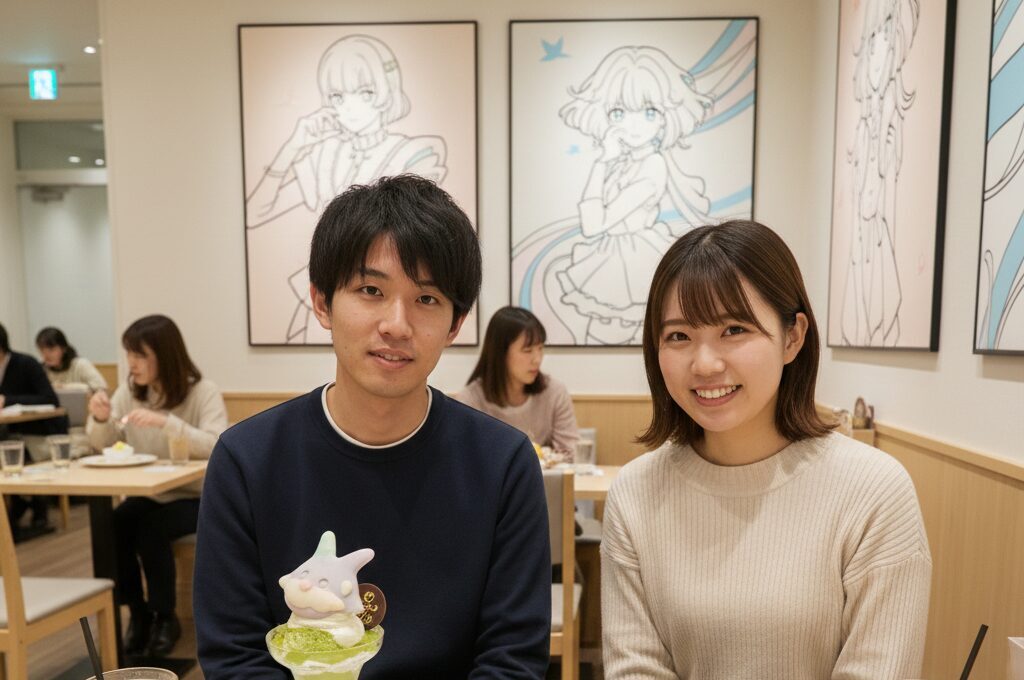
Character cafes spotlight a single series or rotate themes based on current trends. Menus are decorated with references to the story, from latte art to desserts modeled on characters. Guests often receive exclusive coasters, placemats, or postcards as part of their order.
These cafes are usually time-limited and require reservations, particularly in Tokyo and Osaka. Instructions are often available in simple English, but it helps to plan ahead and be ready to show a screenshot of your booking on your phone.
Maid, butler, and concept cafes
In maid cafes, servers dress in maid-style outfits and speak in a cute, exaggerated way; in butler cafes, staff often adopt a refined, formal persona. Other concept cafes might be themed around fantasy worlds, high school settings, or specific hobbies.
Etiquette tips:
- Photography of staff is often restricted or available only as a paid service. Always follow the rules explained at the entrance.
- These cafes charge slightly higher prices because of the performance aspect. Budget for drinks, food, and possibly a cover charge or time limit.
- Staff are there to create a safe and playful atmosphere, not to form personal relationships. Avoid asking for personal contact details or touching staff.
Shopping for Anime & Manga
New and used manga
Large bookstores have entire floors dedicated to manga, arranged by genre, then by magazine or publisher. If you read some Japanese, this is paradise. Even if you don’t, you can pick up tankobon (collected volumes) of your favorite series as souvenirs. Japanese editions are often more compact and affordable than overseas versions.
Second-hand chains, especially those specializing in books, sell used manga at low prices. Some series are so popular that entire shelves are devoted to them. Condition is usually clearly marked, and even “used” books are often clean and well-kept.
Figures, goods, and “gacha” capsules
Character goods range from high-end collectible figures to small keychains, phone stands, and stationery items. Major series receive an endless stream of new products, tied to seasons, events, and anniversaries.
You’ll also see long rows of capsule toy machines (“gacha gacha” or “gashapon”), often in stations or shopping centers. For a few hundred yen, you turn the handle and receive a random item from the set. Many visitors find these addictive, so it’s wise to set a budget beforehand.
Practical tip: Keep smaller coins handy for gacha machines and arcades. Machines usually accept 100 yen coins only, though nearby change machines are common.
Doujinshi and fan-made works
Japan has a huge fan-creation scene. Independent artists produce doujinshi (self-published comics), fan art, and small-run goods. Some specialty shops and events focus on these creations, which can range from light-hearted parodies to very serious reinterpretations of existing stories.
If you’re curious, browse with an open mind and check content labels carefully. Do note that many doujinshi are for adults in terms of complexity or themes, even if the art looks cute.
Events and Conventions
Large-scale fan events
Japan’s biggest anime and manga events attract fans from across the country and around the world. They typically feature exhibition booths, stage events with voice actors, exclusive merchandise, and large cosplay areas.
Some events are free to enter but crowded; others require advance tickets. Peak periods are school holidays, Golden Week (late April–early May), and summer and winter breaks, so plan accordingly and book accommodation well in advance.
Cosplay in Japan
Cosplay is a major part of anime culture in Japan, but it is generally limited to designated spaces. Unlike some other countries, it is considered unusual to wear full cosplay while simply walking around the city.
At events or dedicated studios, changing rooms and photo areas are provided, often for a small fee. Rules can include no realistic weapons, no revealing outfits outside certain zones, and limits on photography.
Respectful behavior: Always ask before taking photos of cosplayers, and follow any posted event rules. Many cosplayers are happy to pose, but they expect basic courtesy and privacy.
Cultural Etiquette for Anime & Manga Travelers
In shops and book sections
Manga shops can be overwhelming at first, but they are generally calm and orderly. A few points to keep in mind:
- Keep your voice low. Many people browse quietly, and staff appreciate a peaceful atmosphere.
- Avoid blocking narrow aisles while looking at shelves or taking pictures.
- Some stores do not allow photos inside at all. Look for “no photography” signs or ask staff with a simple “Photo OK?”
Handling books and merchandise
Japanese customers treat books and items with care. Avoid reading entire volumes without buying, bending covers, or opening sealed packages. If something is behind the counter or in a glass case, ask staff for help rather than trying to reach in yourself.
Language and communication
Even if you don’t speak Japanese, simple phrases like “sumimasen” (excuse me / sorry) and “arigatou” (thank you) go a long way. Many staff in popular areas are used to foreign visitors and may use basic English or gestures to assist you. Showing a picture of a character or item on your phone is often the fastest way to communicate what you’re looking for.
Planning Your Anime & Manga Trip
Choosing where to stay
For first-time visitors focused on anime and manga, staying in or near major hubs like Shinjuku, Shibuya, Ikebukuro, or Ueno makes it easy to reach Akihabara and other districts by train. Many hotels describe their distance to these areas, and station access is often more important than being in the exact neighborhood.
Budgeting your time and money
Collectors can spend hours—and a lot of yen—searching for the perfect item. To keep your trip balanced:
- Limit major shopping days to one or two neighborhoods.
- Alternate intense shopping with sightseeing, such as temples, gardens, or museums.
- Decide in advance which big purchases (such as large figures or art books) you’re comfortable carrying home.
Bringing your finds home
Large figures and model kits can be bulky. Many stores offer tax-free shopping for foreign visitors if you reach a minimum purchase amount and show your passport, so keep it with you when you expect to shop. Check your airline’s baggage allowances in advance, and consider using a suitcase with extra space for souvenirs.
Japan’s postal service and courier companies also offer shipping options, but English support may vary. For expensive items, choose tracked and insured services when possible.
Experiencing the Heart of the Culture
Anime and manga may first draw you to Japan as colorful entertainment, but seeing how deeply they connect to local streets, shops, and daily routines reveals a richer story. They are modern forms of storytelling that sit alongside ancient temples, seasonal festivals, and traditional arts.
As you browse manga in a quiet corner of a bookstore, watch commuters reading the latest chapter on their phones, or spot a mascot guiding visitors through a train station, you’re not just visiting filming locations—you’re stepping into a living culture of imagination. Travel with curiosity and respect, and Japan’s anime and manga world will reward you with far more than just souvenirs.
Explore Other Cultures
Anime & Manga Culture
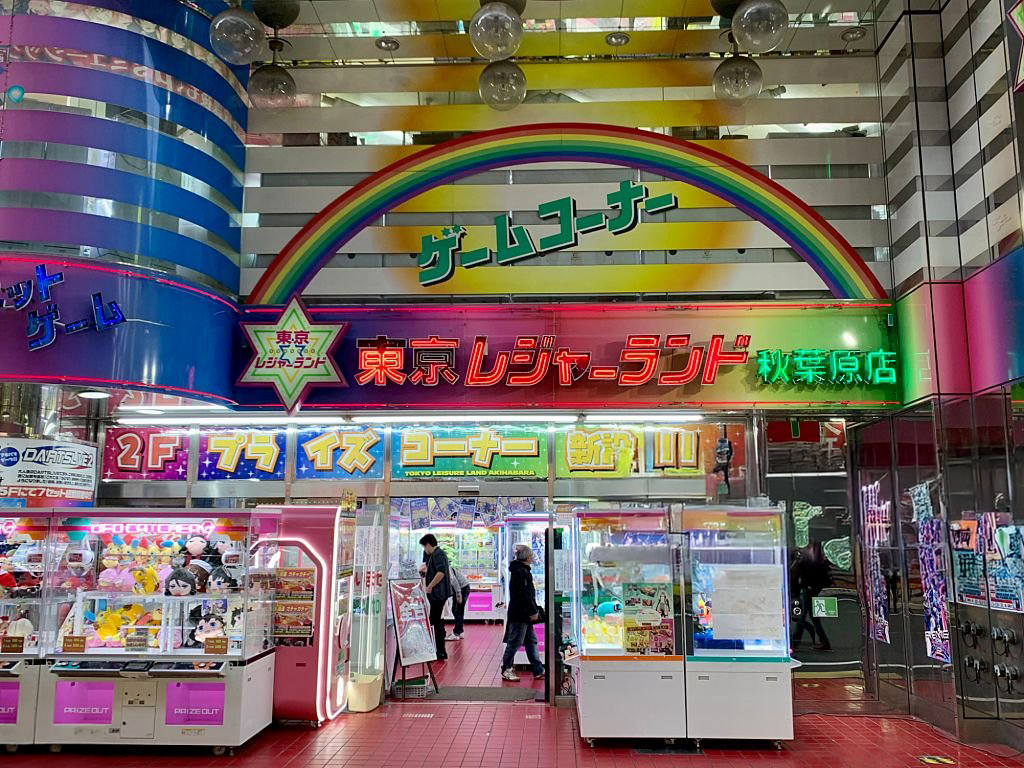
Amusement Arcade
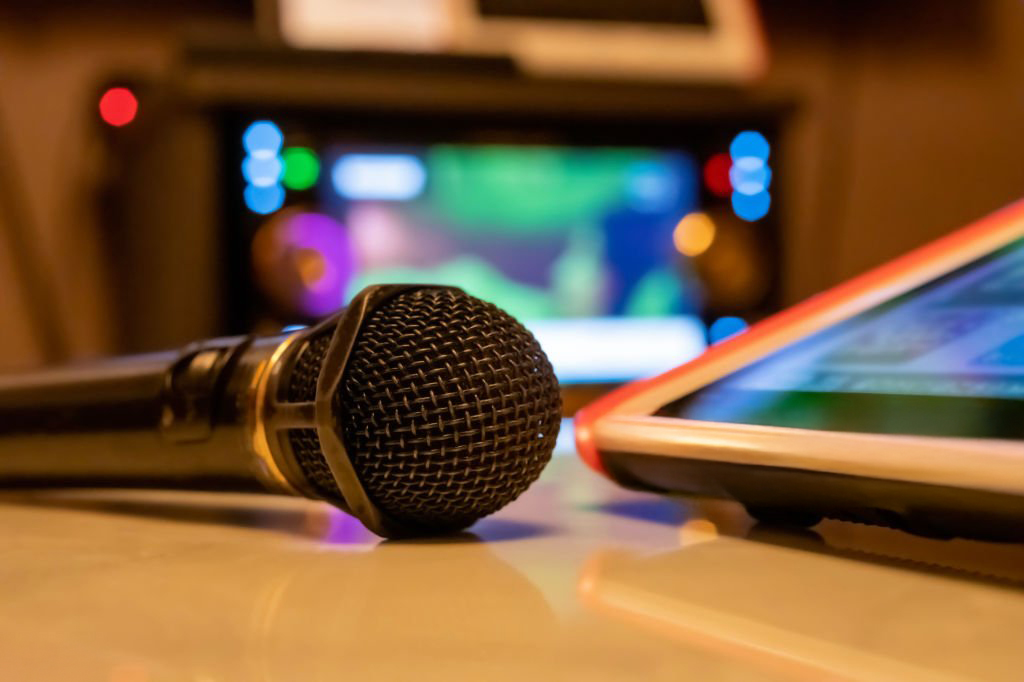
Karaoke
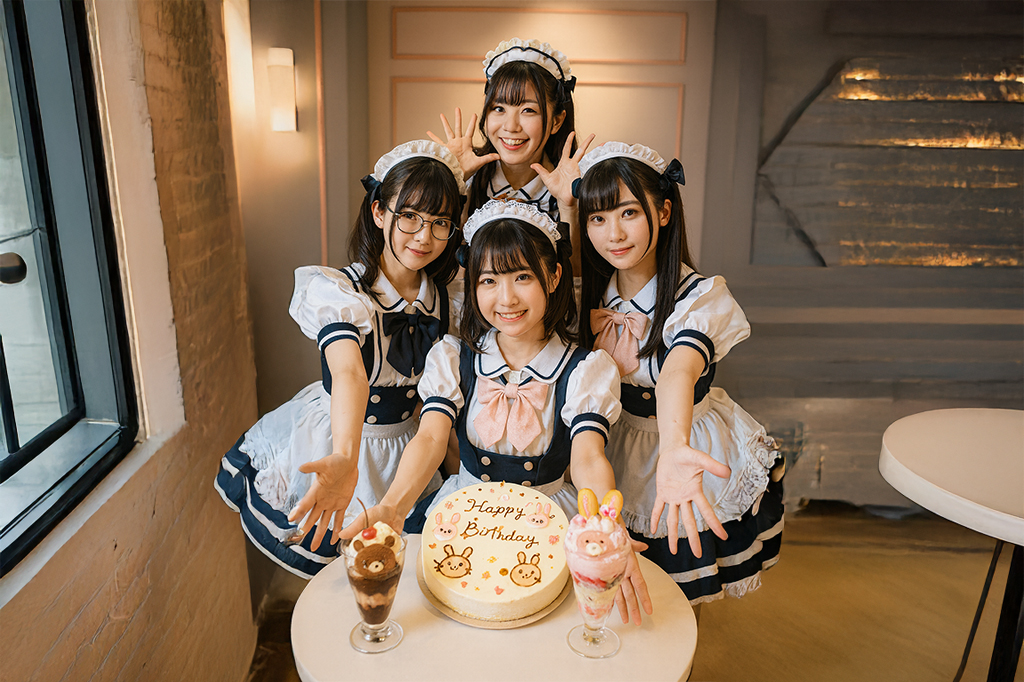
Maid Cafes
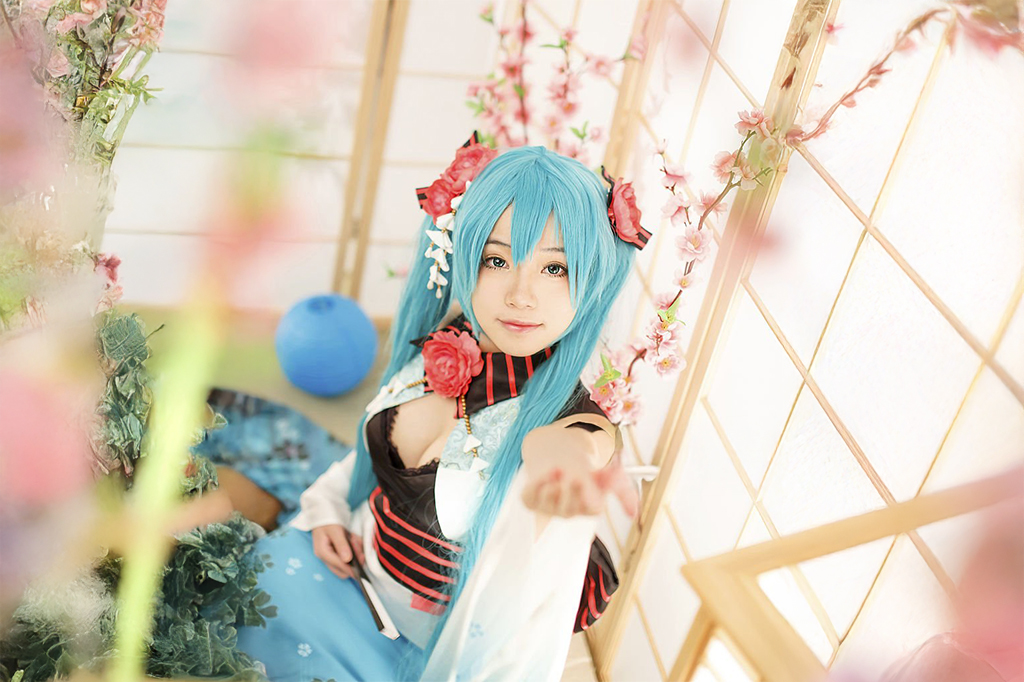
Cosplay Culture
Useful Link