

Cosplay Culture
Cosplay Culture in Japan: A First-Time Visitor’s Guide
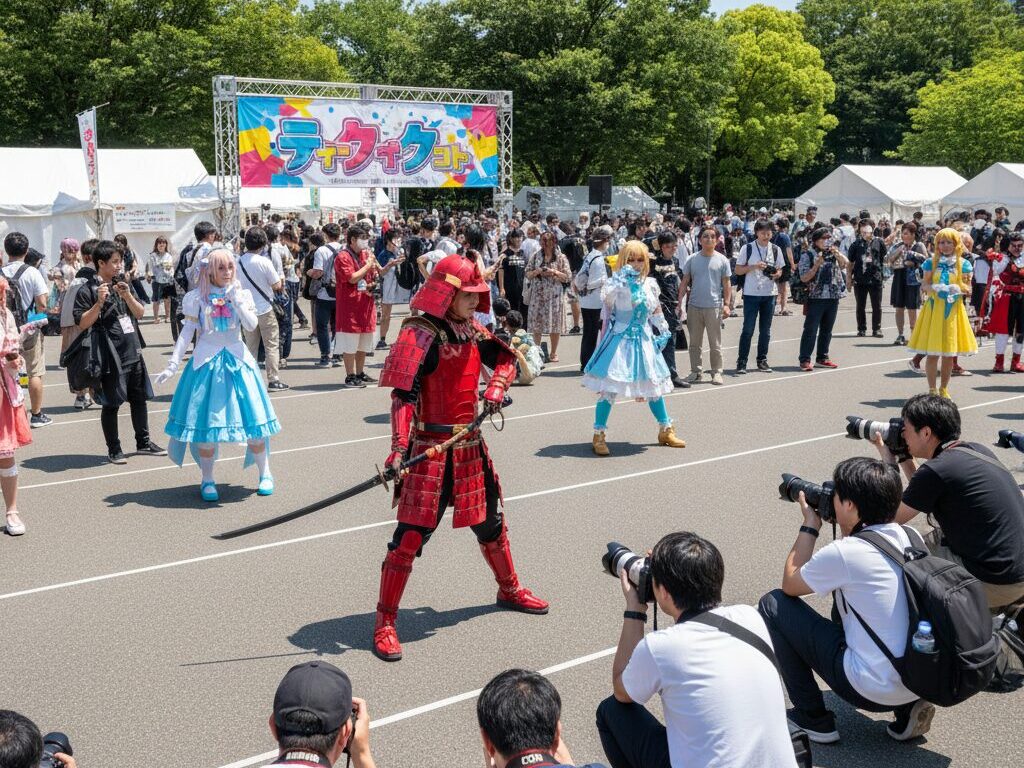
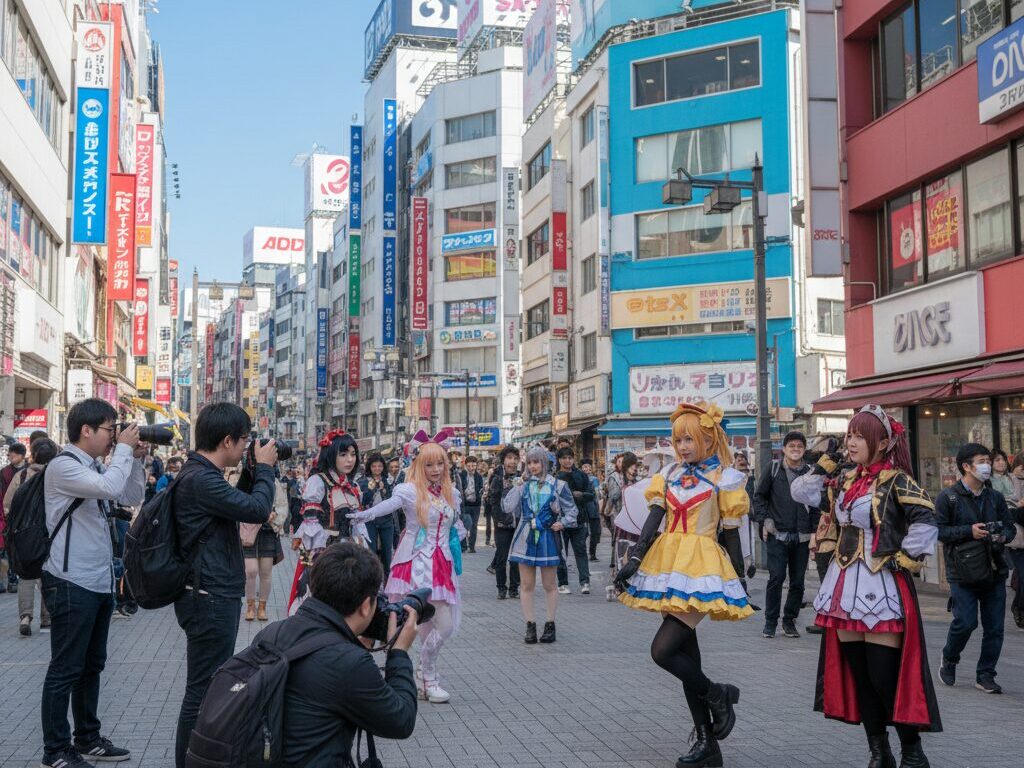
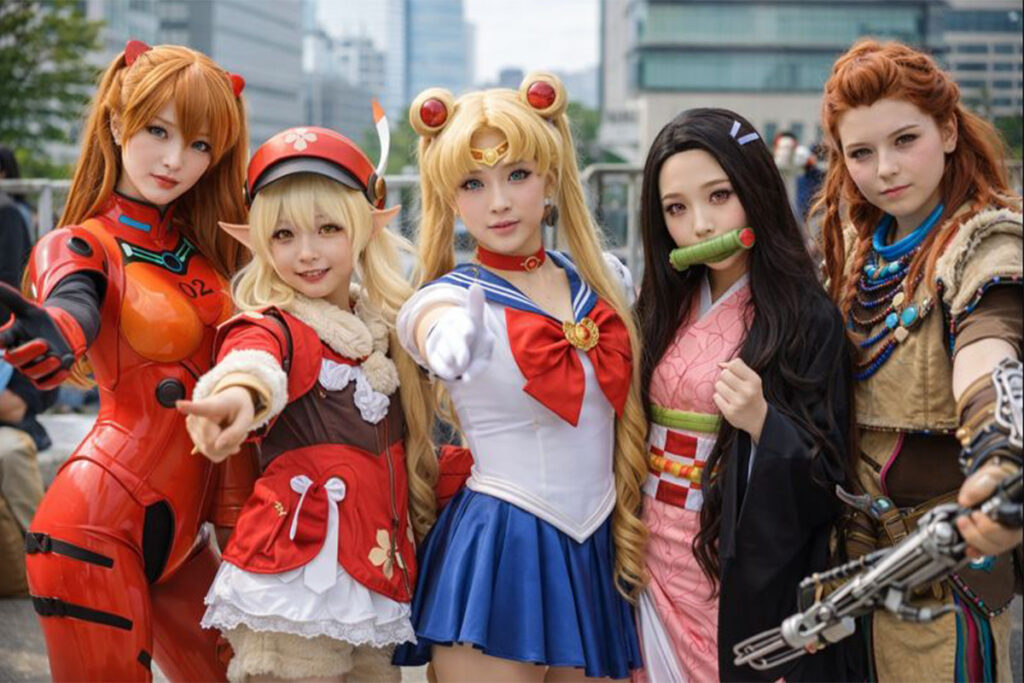
Cosplay in Japan is far more than dressing up as an anime character for a few photos. It is a vibrant subculture that blends fashion, craftsmanship, performance, and community. For international visitors, it offers a unique window into contemporary Japanese pop culture and the passion of its fans.
If you are planning your first trip to Japan and love anime, manga, or gaming, exploring cosplay culture can become a highlight of your journey. This guide explains what cosplay means in Japan, where to experience it, and how to join respectfully as a visitor.
What Cosplay Means in Japan
The word “cosplay” comes from “costume play,” and in Japan it typically refers to fans dressing up as characters from anime, manga, video games, and sometimes movies or idols. While cosplay is now global, Japan is where the term and much of the culture took shape.
Cosplay in Japan is about more than simply putting on a costume. Enthusiasts often:
- Spend weeks or months hand-making outfits and props
- Study the character’s personality, poses, and expressions
- Collaborate on themed group photos with friends
- Share their work on social media and at dedicated events
There is also a strong emphasis on courtesy and following rules, especially around photography and public spaces. Understanding these details will make your experience much smoother.
Where to Experience Cosplay in Japan
You can encounter cosplay culture across Japan, but some districts and events are especially welcoming for first-time visitors.
Akihabara: Electric Town for Otaku Culture
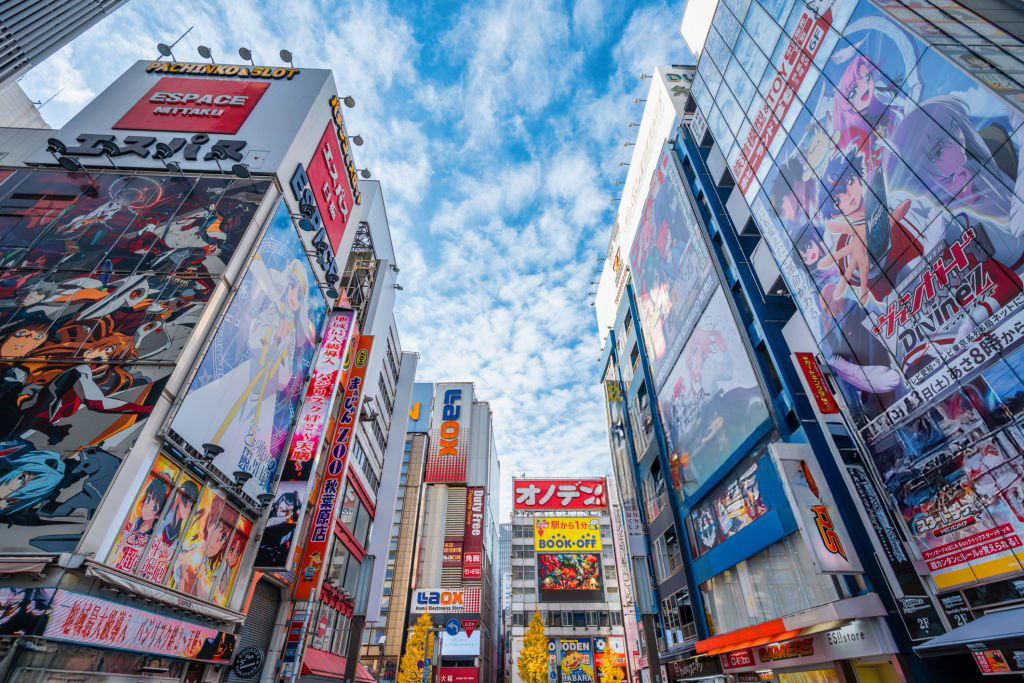
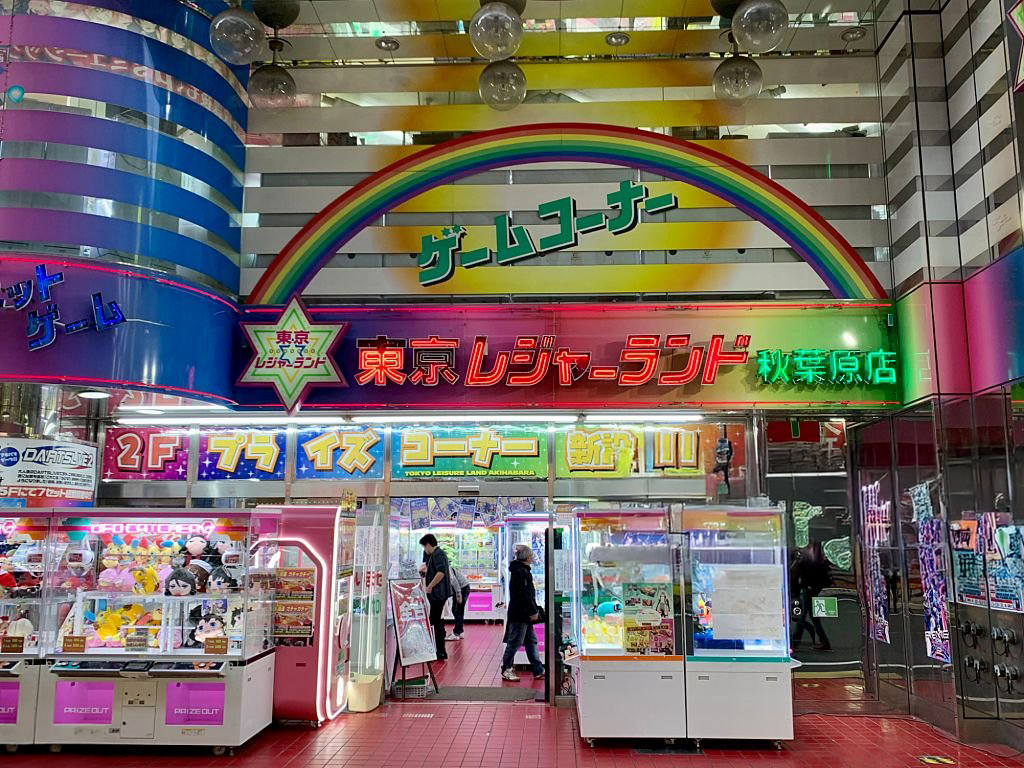
Akihabara in Tokyo, often called “Akiba,” is the heart of otaku (hardcore fan) culture. While you will not see people in full cosplay every day on the street, the neighborhood is filled with anime shops, game centers, and themed cafes that embrace the scene.
- Anime and character shops: Multi-floor stores sell costumes, wigs, accessories, and character goods.
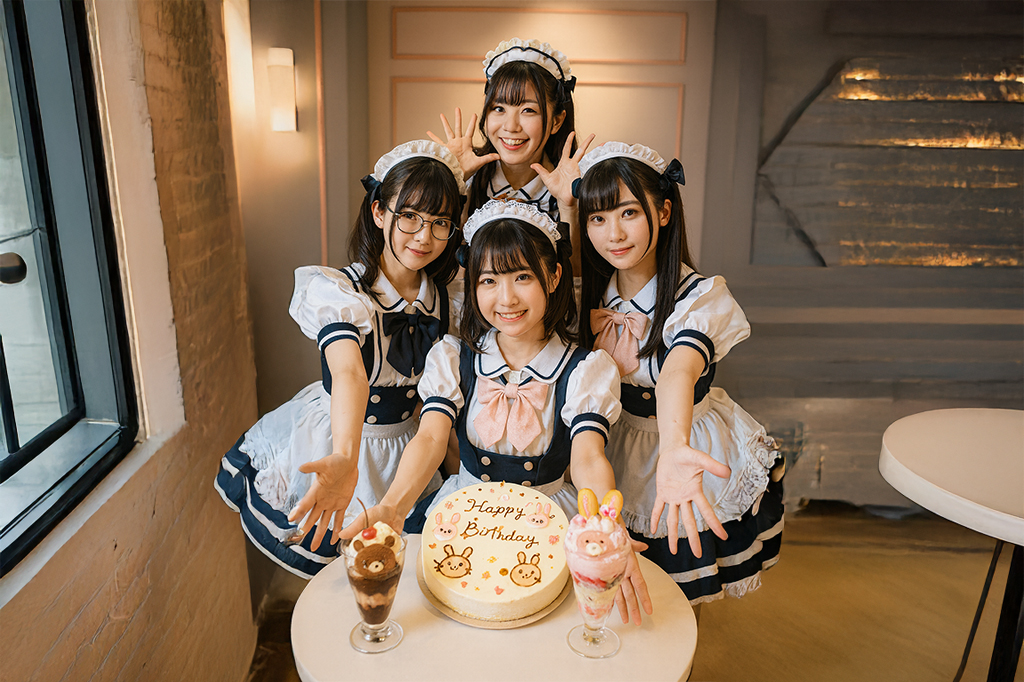
- Maid cafes and themed spots: Staff sometimes wear character-inspired outfits, giving a playful, cosplay-adjacent feel.
- Cosplay events: On weekends or during holidays, you may find small gatherings, especially around specialty stores or event spaces.
Akihabara is ideal if you want to browse costumes, pick up small accessories, or just soak in the atmosphere without the pressure of joining an official event.
Harajuku and Shibuya: Fashion, Street Style, and Subcultures
Harajuku and nearby Shibuya are known for youth culture and experimental fashion. While it is less about strict character cosplay, you will find:
- Alternative fashion styles inspired by anime aesthetics
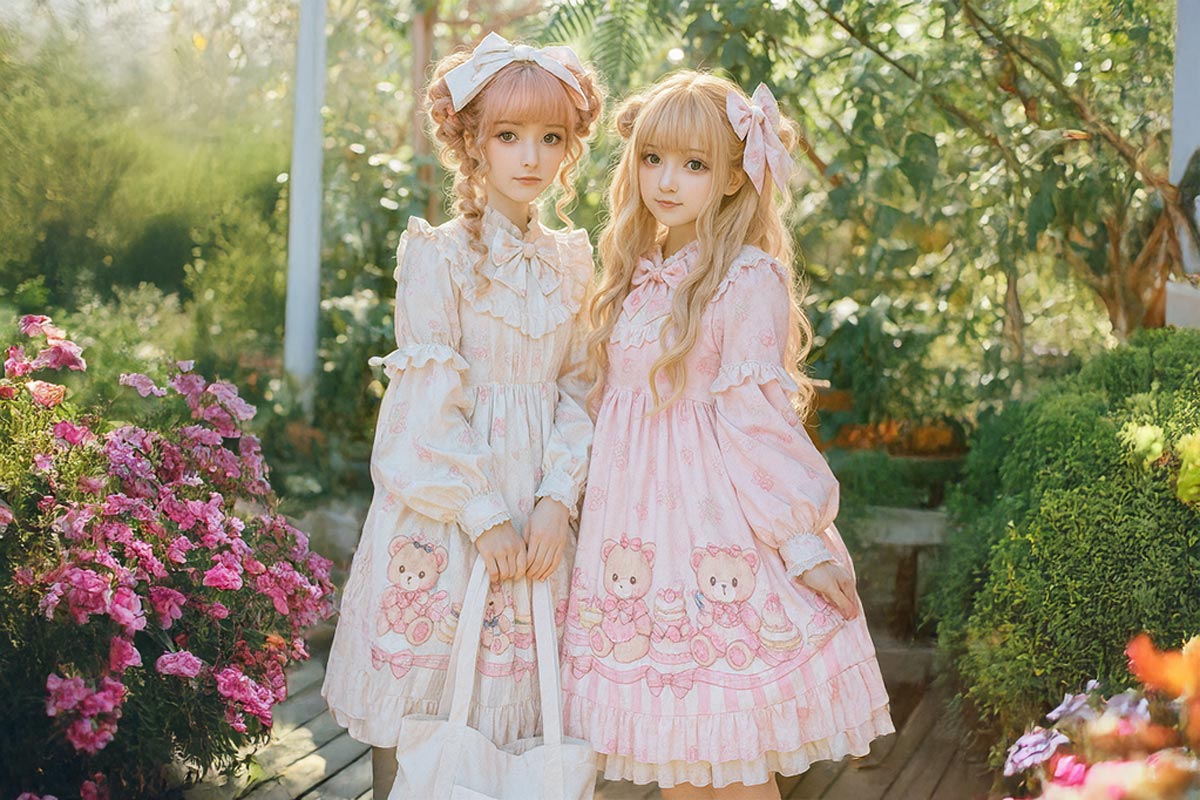
- Colorful wigs, contact lenses, and costume-like clothing for sale
- Occasional cosplay photo shoots in backstreets or studios
On weekends, the area around Harajuku Station and Takeshita Street can feel like a spontaneous fashion show. It is a great place to spot looks influenced by anime and games, even if they are not exact character recreations.
Ikebukuro: A Hub for Female Fans
Ikebukuro, especially the east side, is known as a center for female anime and manga fans. The area around Otome Road has stores focusing on series popular with women and many cosplay-friendly shops.
You will find:
- Cosplay costume and wig shops with helpful staff
- Doujinshi (fan-made comics) stores that often host small events
- Studios and rental spaces used by local cosplayers for photo sessions
If you prefer a slightly calmer environment than Akihabara and are interested in series aimed at women, Ikebukuro is an excellent choice.
Major Cosplay Events and Conventions
For a concentrated dose of cosplay culture, plan your trip around a major event. Some of the biggest gatherings draw tens of thousands of participants, including many international visitors.
- Comic Market (Comiket): Japan’s largest doujinshi fair, held twice a year in Tokyo. While its main focus is self-published comics, the outdoor areas are packed with cosplayers. Many visitors come just to see and photograph them.
- Anime and game expos: Various anime, game, and character conventions around the country often feature cosplay zones, stage shows, and competitions.
- Local cosplay festivals: Regional cities host smaller, friendly events where participants pose in parks, shopping arcades, or even historical districts.
Event organizers usually publish specific rules about costumes, photography, changing areas, and where you may walk in costume. Even if you are only visiting as a spectator, you are expected to follow these guidelines.
How to Join Cosplay as a Visitor
You do not need to be an expert or speak perfect Japanese to enjoy cosplay in Japan. With a bit ofPreparation and respect, you can join in at your own comfort level.
Buying or Renting Costumes
If you would like to try cosplay yourself, you have two main options: buy a costume to keep or rent one for a short time.
Buying costumes:
- Dedicated cosplay shops in Tokyo, Osaka, and other major cities sell ready-made outfits, wigs, and accessories.
- You will find school uniforms, maid costumes, popular anime hero outfits, and fantasy armor, depending on the shop.
- Sizes sometimes run small by Western standards, so trying items on (where allowed) is important.
Renting costumes and photo studios:
- Certain photo studios and theme parks allow you to rent costumes and take professional-style photos in decorated sets.
- Staff often help with wigs, accessories, and poses, making this accessible even for complete beginners.
- Rentals are often time-limited, so check in advance how long you can wear the costume.
For first-time visitors, renting a costume at a studio or attraction is often the easiest, most comfortable way to experience cosplay without worrying about luggage space or complex preparation.
Basic Cosplay Etiquette
Japan’s cosplay community values politeness and clear rules. Following basic etiquette will help you avoid misunderstandings and make local fans feel comfortable around you.
- Always ask before taking photos: Whether you see cosplayers at events or in public spaces, ask, “Photo OK?” or use simple Japanese like “Shashin totte mo ii desu ka?” (May I take a photo?).
- Do not touch costumes or props: Many items are handmade and fragile. Never adjust someone’s wig or pose them physically unless invited.
- No surprise photos from behind: Taking photos without permission, especially from close range, is considered rude.
- Follow event staff instructions: At large conventions, staff manage the flow of people, photography areas, and break times. Respecting their directions helps keep things safe and enjoyable.
- Be mindful of revealing outfits: Even at events, there are rules about exposure. In everyday public spaces, extremely revealing cosplay may draw unwanted attention or be against guidelines.
Most cosplayers are happy to pose if you ask politely and show genuine interest. A simple “Arigatou” after taking a photo goes a long way.
Changing and Makeup Rules
In Japan, it is generally considered bad manners to travel to an event already dressed in full cosplay, especially when it involves wigs or heavy makeup. Instead:
- Use designated changing rooms: Large events provide changing spaces and lockers for a small fee.
- Avoid changing in public restrooms: It is viewed as inconsiderate, especially if it blocks the facilities for regular users.
- Remove makeup before heading home: At some events, signs remind participants to remove heavy stage makeup before returning to everyday public areas.
For visitors, this might feel strict compared to other countries, but following these customs shows respect for local norms and for people who are not involved in the event.
How to Photograph Cosplay Respectfully
Photography is a huge part of cosplay culture. Many cosplayers put in months of work with the hope of capturing the perfect shot. As a visitor, you can enjoy taking photos too, but there are a few points to remember.
Asking Permission and Posing
Approach a cosplayer when they are standing in a designated photo area or clearly taking part in a photo session, not when they are eating, resting, or using their phone. Then:
- Make eye contact and ask if a photo is okay.
- If they agree, allow them a moment to prepare their pose.
- Take a reasonable number of photos quickly to avoid holding up others.
If you want a photo with the cosplayer, ask specifically, and stand at a respectful distance unless they clearly invite you to stand closer.
Sharing Photos Online
Many cosplayers share their images on social media and are proud of their work, but privacy is still important. As a guideline:
- If a cosplayer shares a business card or handle, tag them when posting.
- Avoid posting unflattering or candid shots, even if technically allowed.
- Some events ask attendees not to publish photos without explicit permission; check the event rules.
Being considerate about how you share images helps maintain trust between photographers, cosplayers, and visitors.
Shopping for Cosplay and Anime Goods
Even if you do not wear a costume yourself, browsing cosplay and character shops can be a highlight of your trip.
- Costume shops: Offer full outfits, accessories, and makeup. They are fun to browse for souvenirs like character badges, keychains, or small props.
- Wig boutiques: Showcase every hair color imaginable, from natural tones to neon. Staff may help you try on styles that suit your face shape.
- Second-hand stores: Some neighborhoods specialize in used cosplay items and fan-made goods, offering bargains and rare items.
When buying, consider luggage space and your home country’s customs rules, especially for replica weapons or metal props. Many shops also provide tax-free shopping for tourists who bring their passport, so keep it handy.
Seasonal and Themed Cosplay Experiences
Certain times of year are especially rich in cosplay-related activities, and planning your trip around them can add extra excitement.
- Halloween: In late October, popular nightlife districts in Tokyo and Osaka see crowds in costumes, from simple outfits to full cosplay. Some areas organize official celebrations with clearer rules and security.
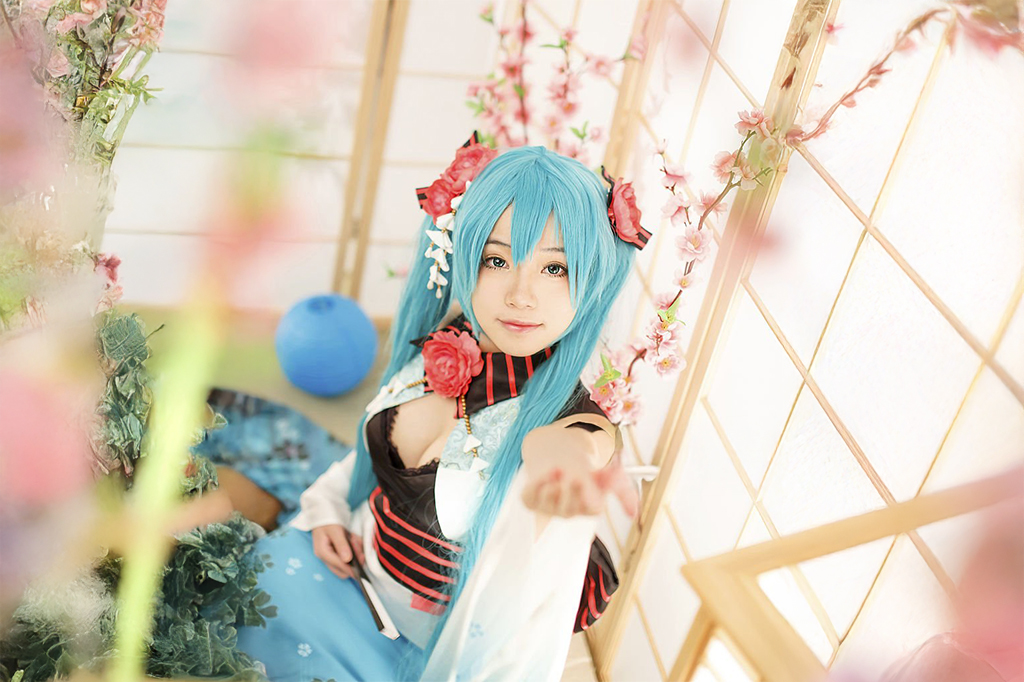
- Sakura (cherry blossom) season: Cosplayers sometimes organize photo shoots in parks during cherry blossom season, combining dramatic costumes with the soft pink scenery.
- Summer festivals: While not strictly cosplay, traditional yukata (light summer kimono) worn at fireworks festivals and shrine celebrations offer another chance to dress up and enjoy a seasonal look.
These periods are also high season for tourism, so book accommodation early if you plan to visit then.
Tips for First-Time Cosplay Travelers in Japan
To make the most of your cosplay-focused visit, keep these practical tips in mind:
- Check schedules early: Major conventions and local cosplay events often sell out or require pre-registration.
- Prepare simple Japanese phrases: Phrases like “Sumimasen” (excuse me), “Arigatou” (thank you), and “Onegaishimasu” (please) make interactions smoother.
- Carry cash: While Japan is increasingly card-friendly, some smaller shops, markets, and lockers at events may be cash only.
- Respect non-fans: Not everyone you encounter in Japan is part of anime culture. Avoid blocking sidewalks or public transport while taking photos or adjusting costumes.
- Stay hydrated and rest: Heavy costumes and wigs can be tiring, especially in summer. Take breaks and look after your health.
Enjoying Japan Through Cosplay
Cosplay culture in Japan offers a playful, creative lens through which to experience the country. Whether you walk through Akihabara’s neon streets, watch cosplayers pose at a convention, or step into costume yourself for a photoshoot, you are witnessing a living part of modern Japanese culture.
By combining curiosity with respect for local customs, you can enjoy unforgettable encounters, capture unique photos, and perhaps even discover a new hobby. For first-time visitors, exploring cosplay culture is a memorable way to connect with Japan’s passion for stories, characters, and imaginative worlds.

Explore Other Cultures
Anime & Manga Culture
Amusement Arcade

Karaoke
Maid Cafes
Cosplay Culture
Useful Links
Cosplayer/Gravure Idol Photoshoot Reservation & Interpreter Service (Tokyo)