
Instagram-worthy Spots
Instagram-worthy Spots in Japan for First-time Travelers
Japan is one of the most photogenic countries on earth. From neon-drenched city streets and futuristic architecture to tranquil temples and mountain villages, almost every corner seems designed for the camera. For first-time visitors, choosing where to point your lens can feel overwhelming. This guide highlights Japan’s most Instagram-worthy spots and explains how to capture them while also respecting local culture.
How to Photograph Japan Respectfully
Before racing to the best locations, it helps to understand a few basics about taking photos in Japan:
- Ask before photographing people: Many locals are shy about being photographed, especially in small towns and religious sites. Use gestures and a smile to ask for permission.
- No photos in some shrines and temples: Look for “No Photography” signs, especially inside main halls. When in doubt, ask staff.
- Don’t block pathways: Popular spots get crowded. Take your shot and move aside so others can enjoy the view.
- Stay off private property: Even if a narrow alley looks perfect for your feed, do not enter gated or clearly private areas.
- Be mindful of tripods: They are often banned at busy shrines, stations and observation decks. Check posted rules.
With that in mind, here are some of the most photogenic and accessible spots for your first trip to Japan.
Tokyo: Neon, Skylines and Urban Icons
Shibuya Crossing: The Classic City Shot
No first trip to Japan is complete without a picture of Shibuya Crossing, one of the busiest intersections in the world. When the lights turn red, crowds stream across in all directions, creating a moving tapestry of umbrellas, fashion and city life.
Photo tips:
- Head to a cafe or viewpoint in the buildings around the crossing for a bird’s-eye shot.
- Shoot just after sunset (the “blue hour”) when the sky glows and the neon signs are bright.
- Use a slightly slower shutter speed to blur the crowds while keeping buildings sharp.
Shinjuku: Tokyo’s Electric Heart
Shinjuku is Tokyo at its most cinematic: screens, billboards, alleys packed with lanterns and tiny bars. The area around the station is particularly photogenic at night.
Don’t miss:
- Kabukicho for neon-soaked streets (stay on the main roads at night).
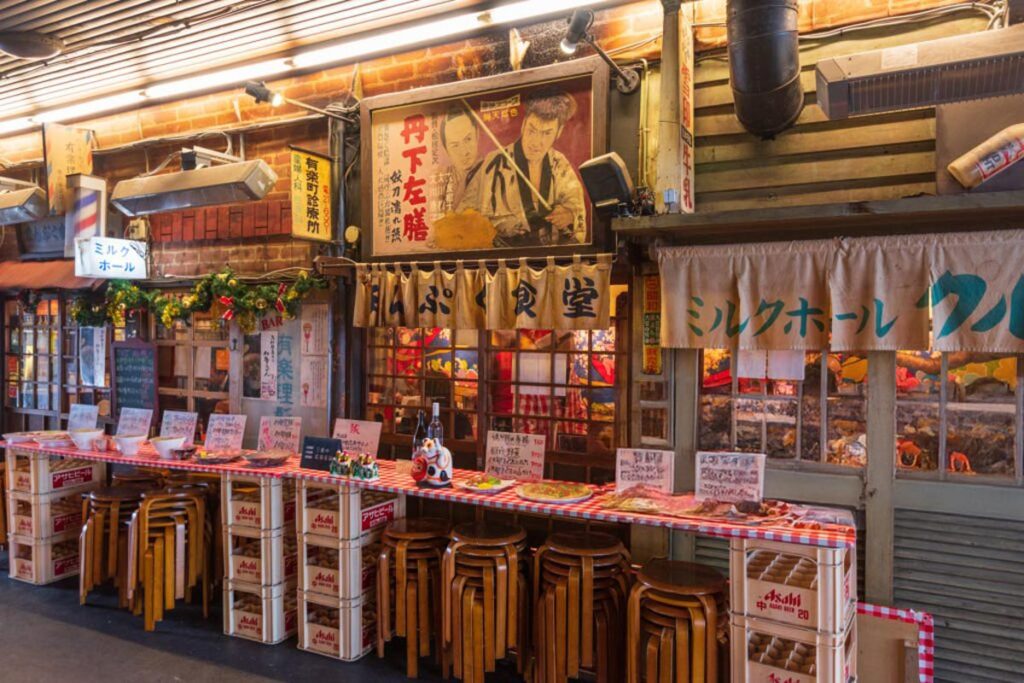
- Omoide Yokocho, a narrow alley of tiny yakitori bars with glowing lanterns and rising steam.
- Golden Gai, a warren of miniature bars stacked one above another, best photographed from the entrances of its alleys.
Photo etiquette: In small alleys, avoid using large flashes that disturb diners and bar owners. If people are clearly in your shot, it is polite to ask first.
Tokyo Skytree and Tokyo Tower: Iconic Skylines
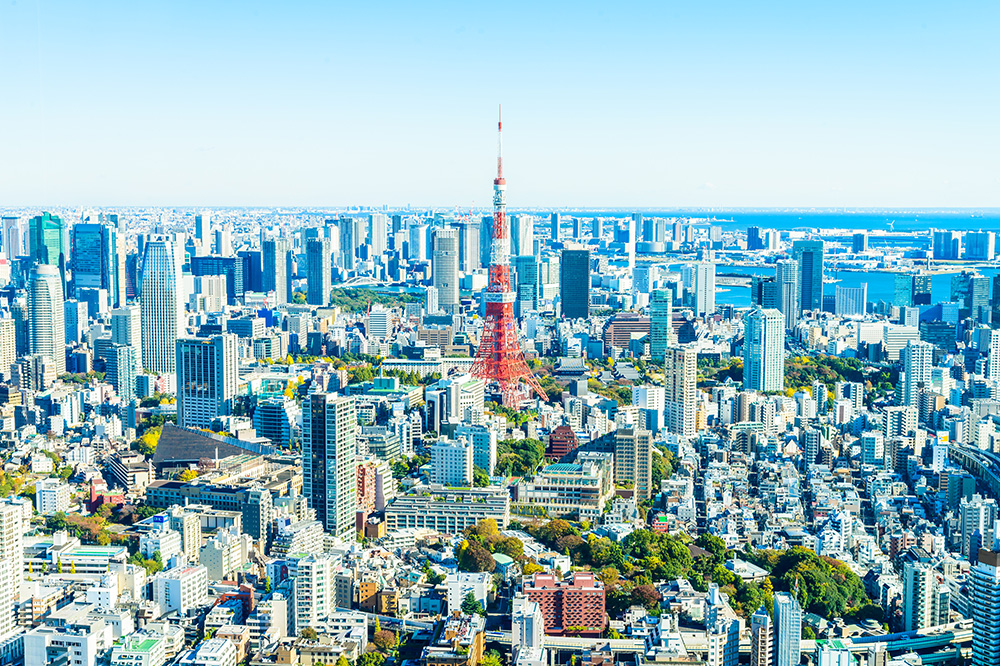
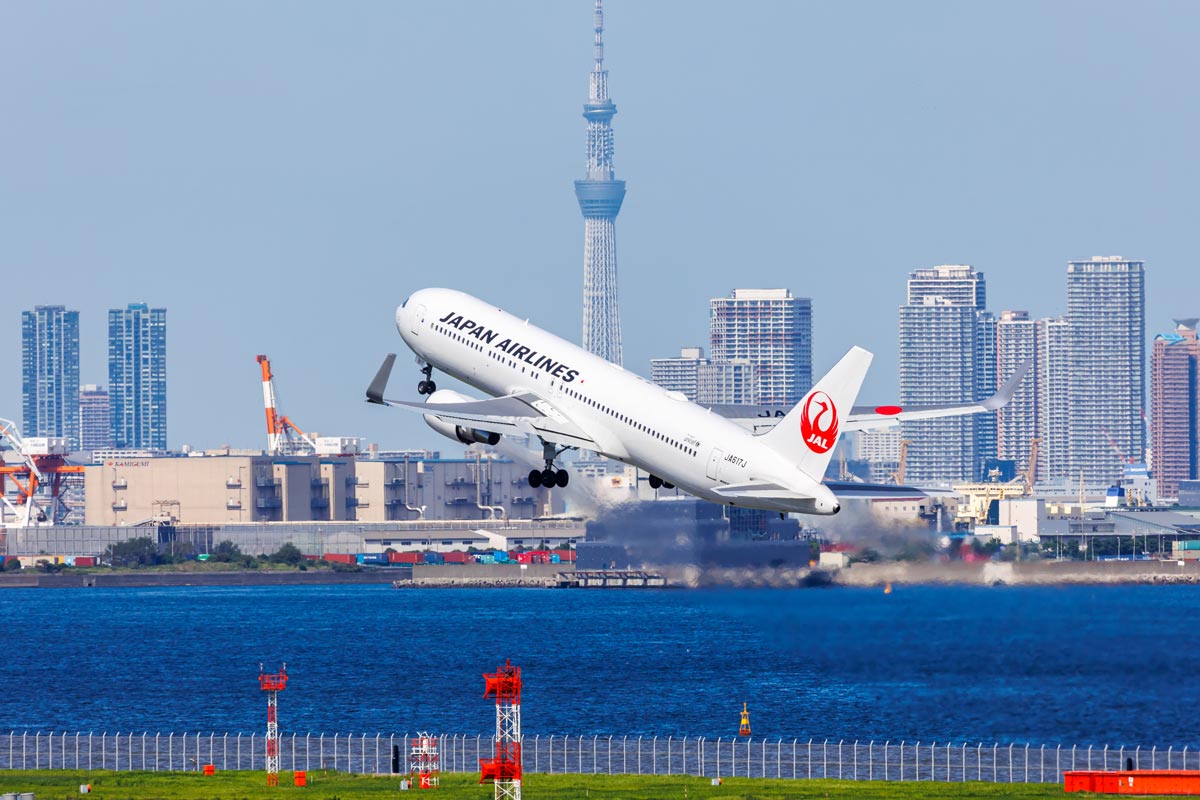
Tokyo’s skyline looks best when anchored by one of its two famous towers. Tokyo Skytree, the tallest structure in Japan, offers sweeping views of the city in every direction, including Mount Fuji on clear winter days. Tokyo Tower, with its red-and-white lattice structure, adds a nostalgic touch to your feed.
Photo tips:
- From Skytree’s observation deck, try to capture the Sumida River snaking through the cityscape.
- Photograph Tokyo Tower from nearby Roppongi Hills or Zojo-ji Temple for a frame that mixes tradition and modernity.
- Book evening time slots in advance during busy seasons.
Odaiba: Futuristic Waterfront Views
Odaiba, built on a man-made island in Tokyo Bay, feels like a sci-fi set. Modern architecture, a replica Statue of Liberty, and the Rainbow Bridge provide endless compositions.
Highlights:
- Rainbow Bridge at night, framed with the Tokyo skyline.
- The giant Gundam statue in front of DiverCity Tokyo Plaza.
- Reflections of neon on the bay’s surface on calm evenings.
Kyoto: Temples, Gates and Timeless Streets
Fushimi Inari Taisha: Endless Torii Gates
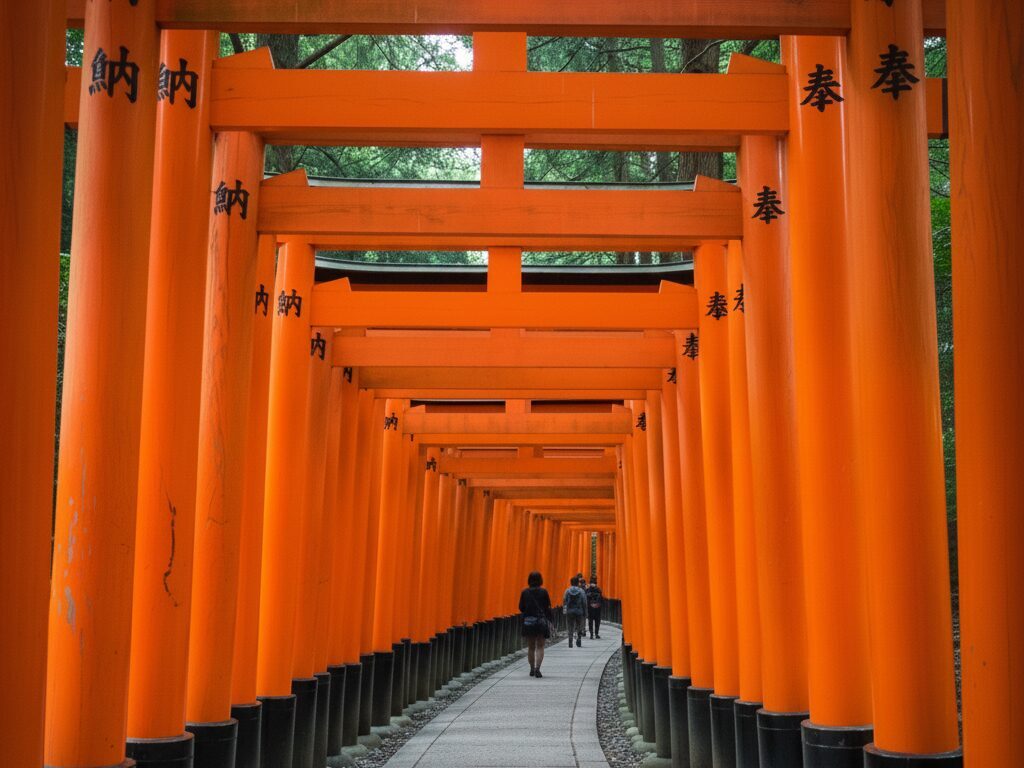
The vermilion torii gates of Fushimi Inari Shrine have become an Instagram symbol of Japan. Thousands of gates wind up the sacred mountain, creating glowing tunnels of red and orange.
Best times: Visit at sunrise or late at night to avoid crowds. Midday can be extremely busy, making it harder to get clean shots.
Photo ideas:
- Frame a single person walking through the gates for scale.
- Focus on the black calligraphy on the torii, with gates stretching into the distance.
- Explore higher up the mountain; the further you climb, the fewer people you’ll encounter.
Arashiyama Bamboo Grove: A Green Dream
The Arashiyama Bamboo Grove on Kyoto’s western edge offers an otherworldly atmosphere. Towering bamboo stalks filter the light into soft greens, perfect for serene vertical compositions.
Visiting tips:
- Arrive at dawn; the path fills quickly with tour groups.
- Walk beyond the central grove towards Otagi Nenbutsu-ji and nearby temples for quieter photo spots.
- Combine your visit with the nearby Togetsukyo Bridge and riverside for landscape shots, especially in autumn.
Gion and Higashiyama: Old Kyoto Streets
Eastern Kyoto’s preserved districts offer postcard-perfect views of traditional wooden houses, tiled roofs and stone lanes. Gion is known for geiko and maiko (Kyoto’s geisha and apprentice performers), while Higashiyama’s sloping streets lead to famous temples.
Most photogenic spots:
- Ninen-zaka and Sannen-zaka, two gently curving stone-paved slopes lined with wooden shops and tea houses.
- The view of Hokan-ji Pagoda (Yasaka Pagoda) rising above the lane.
- Early-morning shots before shops open, when the streets are quiet.
Important etiquette: In recent years, Gion residents have asked visitors not to chase or photograph geiko and maiko in narrow private alleys. Respect signs and stick to main streets. Never block someone’s path to get a portrait.
Osaka: Street Food and Urban Energy
Dotonbori: Neon and Canal Reflections
Dotonbori is Osaka’s entertainment heart: giant moving food signs, billboards, and a bright canal that reflects all the colors of the night. It is one of Japan’s liveliest photography playgrounds.
Iconic shots:
- The famous Glico Running Man sign across the canal.
- Animated crab, octopus and pufferfish shop fronts towering above the streets.
- Canal views from the bridges, with neon glowing on the water.
Enjoy a plate of takoyaki (octopus balls) or okonomiyaki and capture candid street food scenes, but avoid close-ups of diners without asking.
Mount Fuji and Classic Japan Landscapes
Lake Kawaguchiko: Framing Fuji
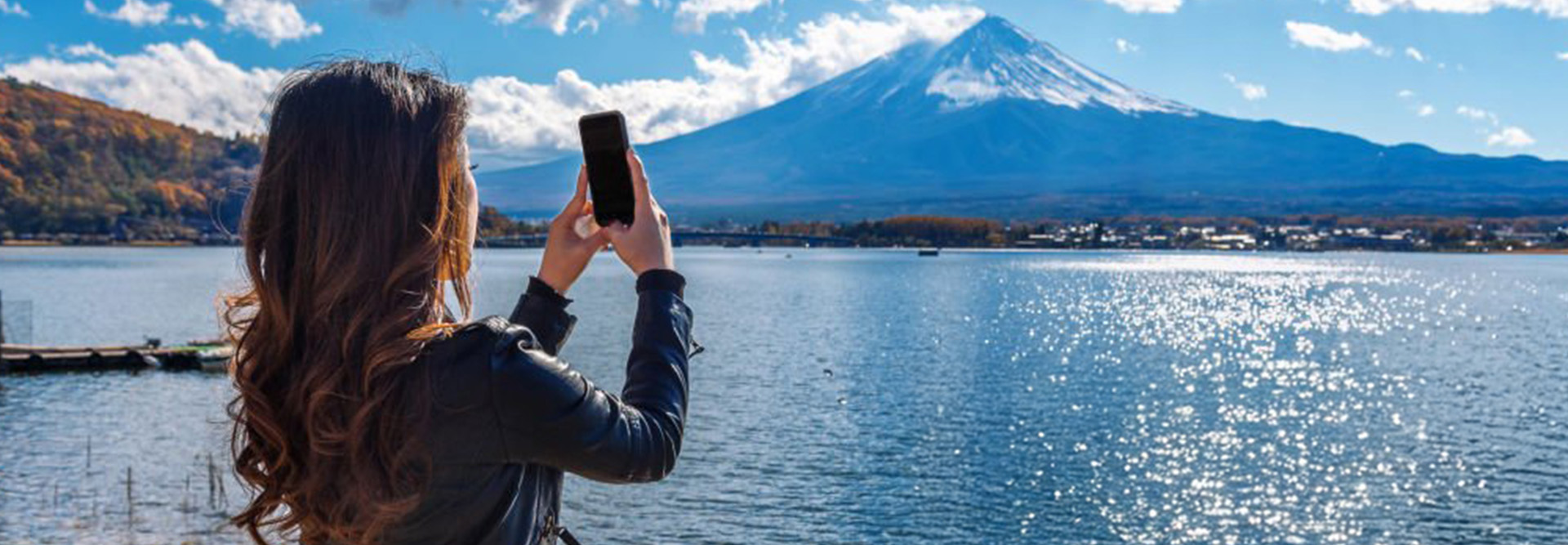
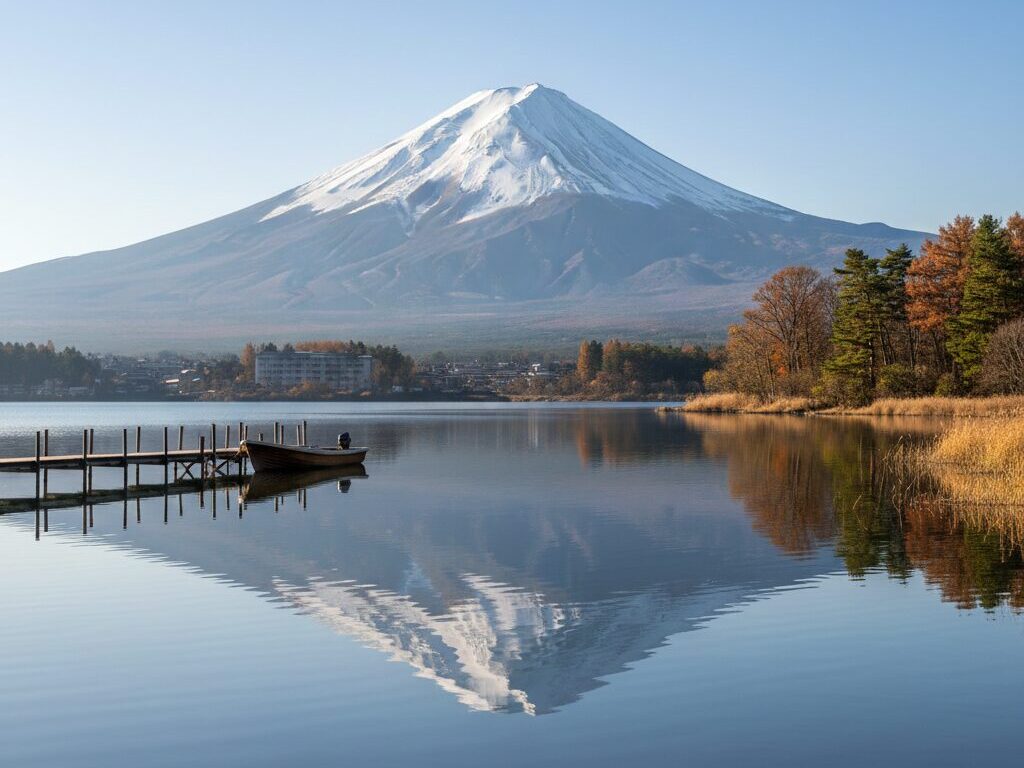
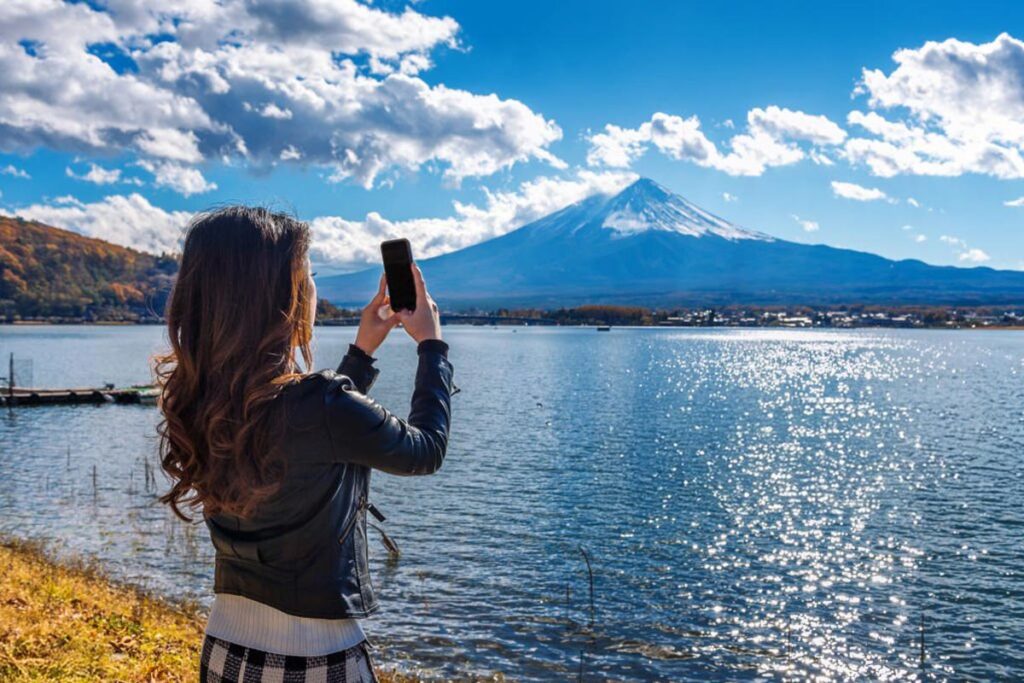
For first-time visitors hoping to photograph Mount Fuji, Lake Kawaguchiko is one of the most accessible and reliable bases. On clear days, Fuji rises above the lake with snow-capped perfection.
Best seasons:
- Winter for crystal-clear air and snow-covered peaks.
- Spring for cherry blossoms framing the mountain.
- Autumn for fiery maple leaves along the shoreline.
Photo ideas: Rent a bicycle and circle the lake to find your own angle. Look for small shrines, boat piers and reeds to use as foreground elements in your compositions.
Chureito Pagoda: The Iconic Postcard View
Chureito Pagoda, part of Arakura Sengen Shrine, offers one of Japan’s most famous Fuji views: a red pagoda in the foreground, Mount Fuji rising behind, and the city stretching between them.
Practical tips:
- Expect a climb: there are several hundred steps up to the viewpoint.
- Arrive early during cherry blossom and autumn foliage seasons; the viewing platform becomes crowded quickly.
- Bring a zoom lens to compress the scene and make Fuji appear larger behind the pagoda.
Seasonal Instagram Spots: Cherry Blossoms and Autumn Leaves
Japan’s scenery changes dramatically with the seasons, and timing your trip around cherry blossoms or autumn foliage can transform your photos.
Cherry Blossoms (Sakura)
Cherry blossoms usually bloom between late March and early April in central Japan (earlier in the south, later in the north). Popular hanami (flower-viewing) sites are busy but incredibly photogenic.
Recommended spots:
- Ueno Park (Tokyo): Long rows of trees arch over walking paths; visit early morning on weekdays.
- Meguro River (Tokyo): Blossoms frame the canal, with bridges offering perfect vantage points.
- Philosopher’s Path (Kyoto): A stone walkway along a canal lined with trees, especially beautiful in soft daylight.
Etiquette: Do not break branches or shake trees to make petals fall. Avoid stepping into flower beds or roped-off areas for a shot.
Autumn Foliage (Koyo)
From late October to early December, Japan’s parks and temple gardens turn red, orange and gold. The combination of maples, evergreens and traditional architecture makes for rich, layered compositions.
Recommended spots:
- Eikan-do and Tofuku-ji (Kyoto): Famous for fiery maple leaves surrounding temple buildings and bridges.
- Nikko: Mountain lakes, waterfalls and shrines framed by autumn trees.
- Korankei Gorge near Nagoya: A valley lit at night during peak season, with reflections in the river.
Hidden-feeling Gems for Unique Shots
Traditional Onsen Towns
Historic hot spring towns feel like stepping into a Ghibli film. Wooden ryokan inns, narrow lanes and guests strolling in yukata (light cotton robes) offer softer, nostalgic scenes.
Consider visiting:
- Kinosaki Onsen (Hyogo): Lantern-lit canals and bridges are enchanting at night.
- Ginzan Onsen (Yamagata): Taisho-era inns line a small river; in winter, snow transforms the town into a fairytale.
- Noboribetsu Onsen (Hokkaido): The volcanic “Hell Valley” nearby provides dramatic, steamy landscapes.
Note: Photography is generally not allowed inside communal baths. Focus on exteriors, streets and nature walks.
Scenic Railways and Rural Stations
Japan’s trains are icons in themselves. Rural lines and tiny stations can be surprisingly photogenic, especially in rice-terrace regions or along the sea.
Ideas for your itinerary:
- Take a local train along the coast of Shimane or Ehime for ocean views from the carriage.
- Seek out small countryside stations in spring or autumn, where platforms are framed by blossoms or foliage.
- Capture the contrast between a sleek shinkansen and surrounding rice fields at smaller bullet train stops.
Practical Tips for Getting the Best Shots
Time of Day and Weather
Many of Japan’s most famous spots are crowded during midday. For both better light and fewer people, aim for:
- Early morning: Soft light, mist on rivers, emptier streets.
- Late afternoon to blue hour: Warm tones and glowing city lights.
- Rainy days: Wet pavements reflecting neon in cities, umbrellas adding color and atmosphere.
What to Pack for Photography in Japan
You don’t need professional equipment to capture beautiful images in Japan, but a few items help:
- Reliable smartphone with night mode and wide-angle lens features.
- Portable power bank for long days of shooting and navigation.
- Compact umbrella or light rain jacket – weather can change quickly, and rain often improves photos.
- Camera strap and small bag to keep gear secure in crowds.
Staying Present Beyond the Screen
It’s tempting to experience Japan through a lens, but some of the country’s magic is best absorbed quietly. After you snap your must-have shot, put your camera away for a few minutes. Listen to the temple bells, notice the scent of incense, watch the rhythm of commuters at a station platform. These small details deepen your travel memories – and might inspire your next, more meaningful photograph.
With a bit of planning and a respectful approach, your first visit to Japan can fill your camera roll with images that capture both its iconic views and its quieter, everyday beauty. From neon reflections in Tokyo to bamboo forests in Kyoto and the silhouette of Mount Fuji at dusk, Japan offers endless Instagram-worthy moments – and many that are too special to post at all.

Explore Other Cultures
Kawaii Culture
Street Fashion
Instagram-worthy Spots

Seasonal Limited Items
Character Collaborations
Digital Art & TeamLab

Unique Vending Machines