
Themed Restaurants
Themed Restaurants in Japan: A Playful Guide for First-Time Visitors
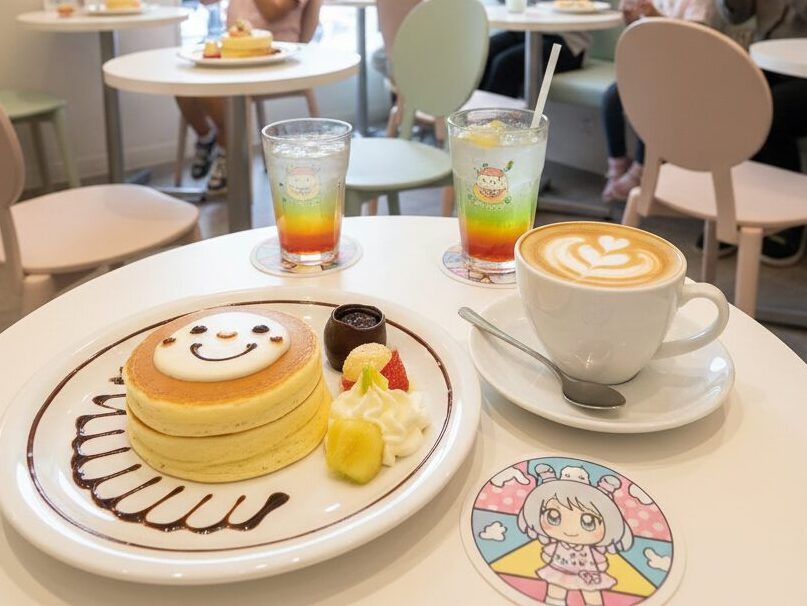
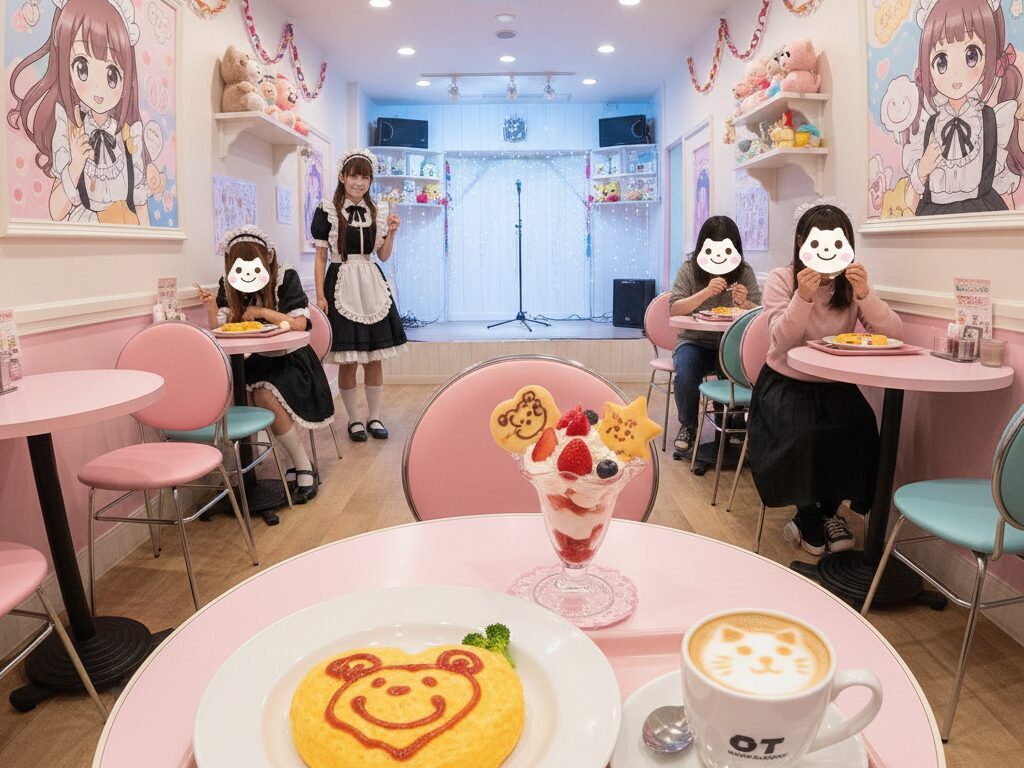
Japan’s themed restaurants are where dining turns into performance. From kawaii character cafés to ninja hideouts and retro game bars, these playful spots blend food, theater, and pop culture into one unforgettable night out. For first-time visitors, they’re a fun way to step into Japan’s imagination and experience the country’s love of detail and storytelling.
This guide introduces the most popular types of themed restaurants in Japan, what to expect, how to book, and a few cultural tips to help you enjoy them respectfully and confidently.
What Are Themed Restaurants in Japan?
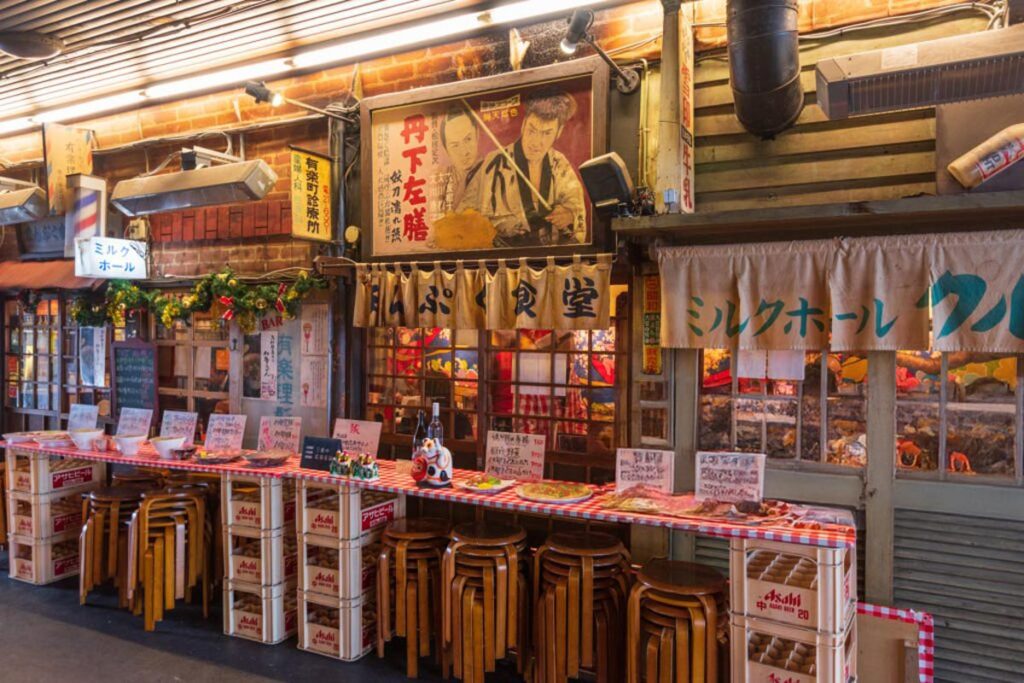
Themed restaurants (often called “concept cafés” or “concept restaurants”) build an entire dining experience around a single idea: a fantasy world, a famous character, a subculture, or even an era in history. Staff costumes, interior design, menus, background music, and sometimes scripted performances all reflect that theme.
Unlike normal restaurants, you’re not just paying for the food; you’re paying for immersion. The dishes may be simple, but the atmosphere is carefully staged—like walking into a live-action movie set or anime episode.
Most Popular Types of Themed Restaurants
Maid Cafés: Kawaii Pop Culture Icons
Maid cafés are one of Japan’s most famous—and most misunderstood—theme experiences. Originating in Akihabara, Tokyo’s “electric town” and otaku district, these cafés feature staff dressed in frilly maid outfits who greet guests with over-the-top cuteness.
Expect phrases like “Welcome home, Master” or “Welcome home, Princess” as you’re seated. Staff might decorate your omelet rice with ketchup drawings, perform short dances, or lead customers in cute chants before you eat. The goal is light-hearted, cartoonish fun, not anything romantic or adult.
Maid cafés are generally friendly to solo travelers, couples, and even curious families, but keep in mind:
- Photos of staff are usually not allowed unless you pay for a specific photo option.
- There may be a table charge and a time limit (for example, 60 minutes).
- Food is simple: pasta, curry, parfaits, colorful drinks with glowing ice cubes.
For first-timers, visiting a reputable, well-known maid café in Akihabara or Osaka’s Den Den Town is the easiest way to experience this unique subculture.
Ninja and Samurai Restaurants: Dining in the Shadows
Ninja and samurai themed restaurants bring Japan’s warrior legends to life with dim lighting, secret passages, and theatrical service. Staff might guide you through sliding doors and hidden corridors, perform mock ninja techniques, or present dishes like “smoke bombs” emerging from foggy dry ice.
Typical features include:
- Dark, cave-like interiors with lanterns and bridges.
- Elaborate set menus (course meals) featuring Japanese fusion, sashimi, or wagyu beef.
- Staff who stay in character, speaking in stylized “ninja” or “samurai” language.
These venues are great for groups, families, and special occasions. They tend to be more expensive than casual cafés, and many require reservations, especially on weekends.
Character Cafés: Step Into Anime and Game Worlds
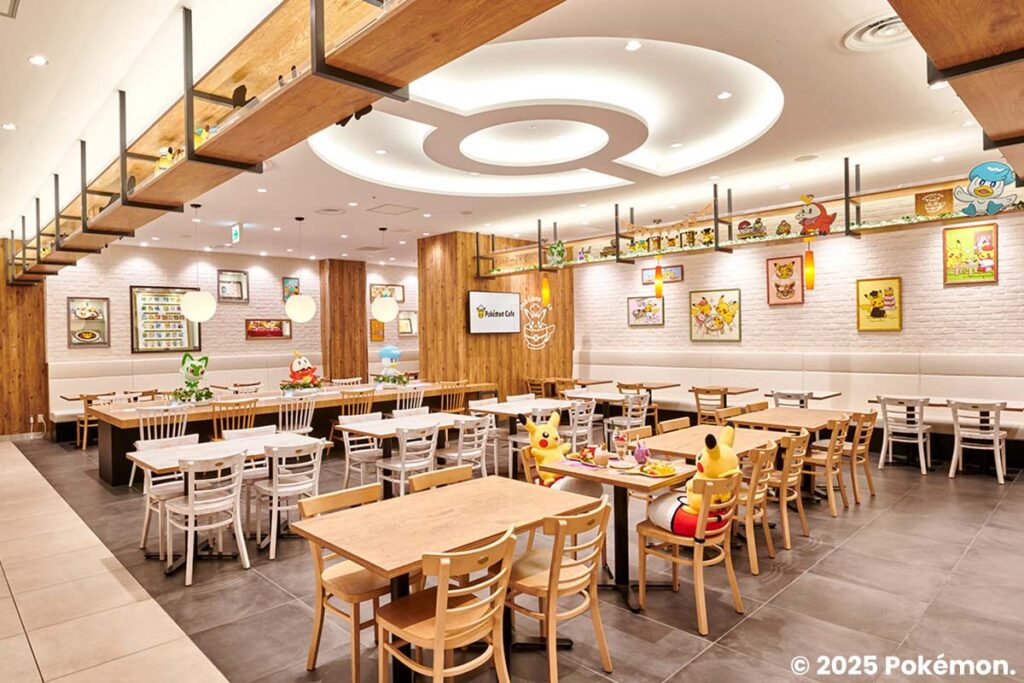
Japan regularly hosts limited-time cafés dedicated to popular anime, manga, games, and characters—from globally known brands like Pokémon, Hello Kitty, and Sailor Moon to the latest seasonal hit. In these cafés, everything from the latte art to the curry rice is shaped like a character or themed around iconic scenes.
Key points to know:
- Many character cafés are temporary “pop-ups” that run for a few weeks or months.
- Reservations are often required via an online booking system in Japanese; some offer English pages.
- There’s usually a time limit (about 60–90 minutes) and a minimum order.
- Exclusive merch is a major draw—fans line up for limited-edition goods.
Longer-term character cafés also exist, especially in major cities, and are often more accessible for visitors without advance planning.
Animal Cafés: Cute Companions with Coffee
Animal cafés began as cat cafés, giving city dwellers a place to relax with friendly felines. Now you’ll find cafés featuring owls, hedgehogs, rabbits, and more. Guests pay an entrance fee (often by the hour) and can order drinks or snacks while interacting with the animals under staff supervision.
Before visiting, consider:
- Choose venues that prioritize animal welfare: clean facilities, rest areas for animals, limited guest numbers.
- Expect strict rules: wash and sanitize hands, no flash photography, gentle handling only.
- Most animal cafés do not serve full meals—think drinks and light snacks.
Cat and rabbit cafés tend to be the most relaxed and family-friendly choices.
Retro Game Bars and Otaku Hangouts
For grown-up travelers, retro game bars and otaku pubs offer a nostalgic twist. Walls lined with classic game consoles, old-school arcade machines, and shelves of manga create an atmosphere somewhere between a living room and a museum of Japanese pop culture.
Many of these bars are small, cozy spaces. You might pay a cover charge that includes a “table charge” and a snack, then order drinks while playing games or chatting with regulars. Some spots host themed nights around specific series, cosplay events, or karaoke sessions featuring anime songs.
Most patrons are Japanese, but staff in popular neighborhoods like Shinjuku, Shibuya, and Akihabara are increasingly used to foreign visitors and may offer basic English support.
Quirky and Experimental Themes
Beyond the big-name categories, Japan is home to countless niche concepts: prison-inspired interiors with “cells” as private rooms, haunted-house dining with jump scares between courses, hospital-themed bars with syringes of colorful cocktails, or fairy-tale forests glowing with LED installations.
These places are highly visual and theatrical, ideal if you want unusual photos and a memorable story. Menus are often Western-Japanese fusion—think pasta, pizzas, and original cocktails—so even picky eaters can usually find something.
What to Expect: Food, Service, and Pricing
Food Quality and Menu Style
In most themed restaurants, the experience matters more than culinary perfection. That doesn’t mean the food is bad—just that it’s designed first to look entertaining and match the theme. You’ll find a lot of photo-worthy dishes: rainbow pancakes, character-shaped rice, glow-in-the-dark drinks, and creative dessert plates.
Common menu patterns include:
- Set menus or courses at ninja or samurai restaurants, with multiple small dishes.
- Minimum orders at cafés, such as one drink and one food item per person.
- Time-based fees at animal cafés, plus optional drinks or snacks.
If you’re a serious foodie, consider themed spots as entertainment rather than your main gourmet experience; you can enjoy refined Japanese cuisine elsewhere during your trip.
Average Costs
Prices vary widely by concept and location, but for a rough idea:
- Maid cafés: around ¥2,000–¥4,000 per person (including one meal, a drink, and sometimes a cover charge).
- Ninja/samurai restaurants: ¥4,000–¥8,000 per person for dinner courses, more if you add drinks.
- Character cafés: around ¥1,500–¥3,000 per person, depending on sets and special items.
- Animal cafés: ¥800–¥2,000 per hour, plus optional drinks and desserts.
Many places accept credit cards, but it’s wise to carry some cash, especially at smaller venues and bars.
Reservations and Time Limits
Popular themed restaurants in major cities can fill up quickly, particularly on weekends, holidays, and during school breaks. Some accept walk-ins; others operate entirely on reservations.
Common systems include:
- Online reservations via the official website or booking platforms.
- Time slots (e.g., 17:00–19:00, 19:30–21:30) with clearly stated limits.
- Prepaid or partial deposits for special events and limited-time character cafés.
If there’s a place you’re determined to visit, check its website a few weeks in advance. For more casual visits, aim for weekdays and earlier hours to avoid lines.
Cultural Tips and Etiquette for Themed Restaurants
Photography Rules
Every venue has its own photo policy, and staff take it seriously. You may be allowed to photograph:
- Your own food and drinks.
- The interior decor, as long as you don’t disturb others.
- Stage performances or shows, sometimes without flash.
However, many places—especially maid cafés and some character venues—have restrictions on photographing staff or other guests. When in doubt, ask “Shashin wa daijōbu desu ka?” (“Is taking photos okay?”) or simply check the signs on the menu or wall.
Respectful Interaction with Staff
Staff at themed restaurants are performers as well as servers. They often stay “in character” throughout your visit, but that doesn’t mean their boundaries disappear. Standard etiquette applies:
- No touching staff or invading their personal space.
- No asking personal questions or pressuring them to break character.
- No filming or live-streaming them without explicit permission.
Most venues are designed to be light-hearted and slightly “over the top,” but the performance should be enjoyable for everyone, including the people working there.
Payment, Tipping, and Language
In Japan, tipping is not expected and can even cause confusion. The price you see on the menu plus tax is what you pay. Some themed restaurants add a seating or service charge; this will usually be listed on the menu or website.
English ability varies. Larger or tourist-friendly venues often have English menus or picture menus, and staff may know key phrases. Pointing politely at the menu works just fine. Phrases that help include:
- “Kore onegaishimasu” – “This one, please.”
- “Eigo no menyū wa arimasu ka?” – “Do you have an English menu?”
- “Kaisatsu (last order) wa itsu desu ka?” – “When is the last order?”
Where to Find Themed Restaurants in Japan
Tokyo: The Heart of Concept Dining
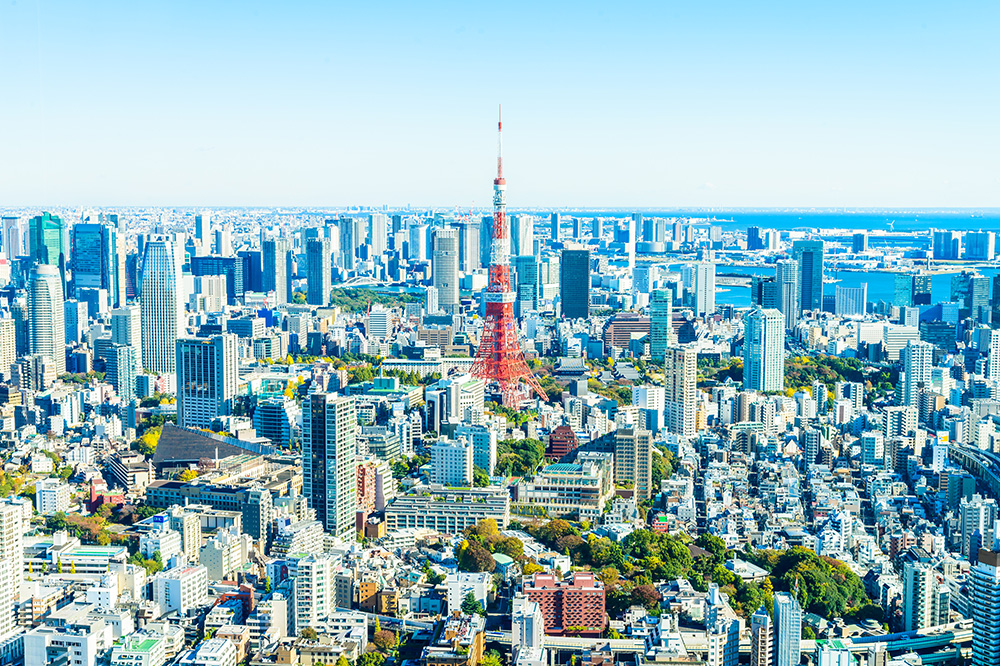
Tokyo is the best starting point for first-time visitors seeking themed restaurants. Key neighborhoods include:
- Akihabara: Maid cafés, retro game bars, anime and game character cafés.
- Shinjuku: Larger show-style restaurants, bars with theatrical interiors, and unique theme experiences tucked into side streets.
- Shibuya and Harajuku: Trendy character cafés, kawaii dessert cafés, and pop-up collaborations with fashion and anime brands.
Major train stations and shopping complexes often host limited-time character cafés, so keep an eye out for posters and banners during your trip.
Osaka, Kyoto, and Beyond
While Tokyo offers the greatest variety, other cities also embrace themed dining:
- Osaka: Known for its sense of humor and bold style, Osaka has maid cafés, character cafés, and quirky bars in areas like Namba and Umeda.
- Kyoto: Focuses more on traditional culture, but you may find samurai or ninja themed spots geared toward visitors.
- Regional cities: Popular tourist hubs like Nagoya, Fukuoka, and Sapporo often host seasonal character cafés in department stores.
If you’re staying outside Tokyo, ask at your hotel or tourist information center about current themed cafés and pop-ups—they change frequently.
How to Choose the Right Themed Restaurant for You
With so many options, it helps to narrow down your priorities. Ask yourself:
- Are you more interested in performance or décor? Ninja restaurants focus on shows and interaction; some character cafés emphasize visual design and photo spots.
- Are you traveling with children? Family-friendly choices include character cafés, animal cafés (with clear welfare standards), and milder fantasy themes.
- How important is food quality? If you care more about taste, look for well-reviewed ninja or samurai restaurants that combine themed interiors with thoughtful cuisine.
- What is your budget? Casual cafés and bars are relatively affordable; large-scale show restaurants can be closer to a full evening’s entertainment cost.
Reading recent online reviews—especially from other international visitors—can give you a realistic picture of what’s currently worth your time.
Making the Most of Your Visit
To fully enjoy a themed restaurant in Japan:
- Arrive on time for your reservation or time slot; late arrivals may shorten your stay.
- Be open to participating in small “rituals,” songs, or photo opportunities—it’s part of the fun.
- Respect the rules on photography and behavior so everyone can relax.
- Combine your visit with exploring the surrounding neighborhood, such as Akihabara’s electronics and anime shops or Shinjuku’s nightlife.
Themed restaurants are a playful expression of Japan’s creativity and attention to detail. Even a single visit offers insight into modern Japanese pop culture, hospitality, and the country’s talent for turning ordinary experiences into memorable stories. For first-time travelers, they’re not just a meal—they’re a window into the imaginative side of Japan.
Explore Other Cultures
Kawaii Culture
Street Fashion
Instagram-worthy Spots
Seasonal Limited Items
Character Collaborations
Digital Art & TeamLab
Unique Vending Machines