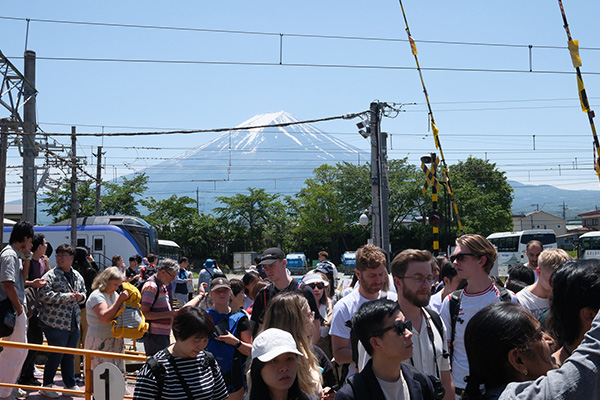
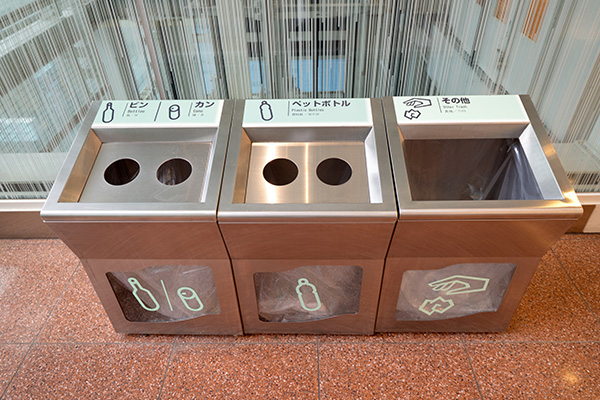
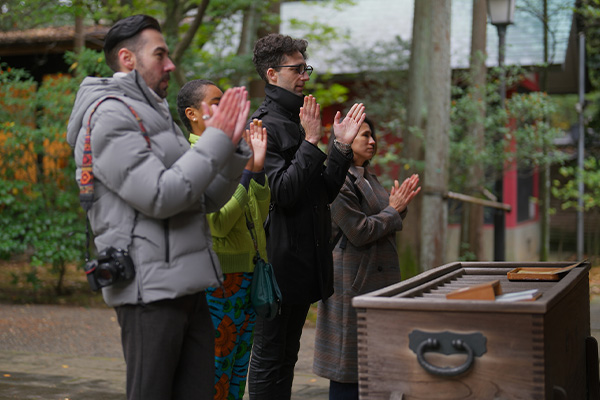
Japan’s trains run with legendary punctuality, buses glide through busy streets in near silence, and station platforms stay surprisingly orderly even at rush hour. This smooth experience isn’t magic—it’s the result of a strong shared etiquette that everyone follows. As a visitor, understanding these unwritten rules will help you travel comfortably, blend in, and show respect for local culture.
This guide explains the most important transportation manners in Japan, from trains and subways to buses, taxis, and station spaces. Follow these tips and you’ll navigate Japan like a local in no time.
General Rules for Getting Around Japan
Across all types of transportation in Japan, a few basic principles apply. They are simple but very important.
1. Keep Noise to a Minimum
Japanese public transport is often surprisingly quiet. People may chat softly, but shouting, loud laughter, and noisy phone calls are frowned upon.
Key points:
- Set your phone to silent mode (often called manner mode in Japan).
- Avoid phone calls in trains and buses. If you must answer, keep it extremely brief and whisper, or move to a designated area on long-distance trains.
- Lower the volume on music and videos; even with headphones, sound leakage is considered rude.
2. Respect Personal Space and Order
Even in crowded cities like Tokyo, people try not to disturb others.
- Do not spread your legs or bags wide; keep your body compact.
- Avoid strong perfume or food with strong smells.
- Form orderly lines at platforms and bus stops instead of crowding entrances.
3. Priority for Those Who Need It
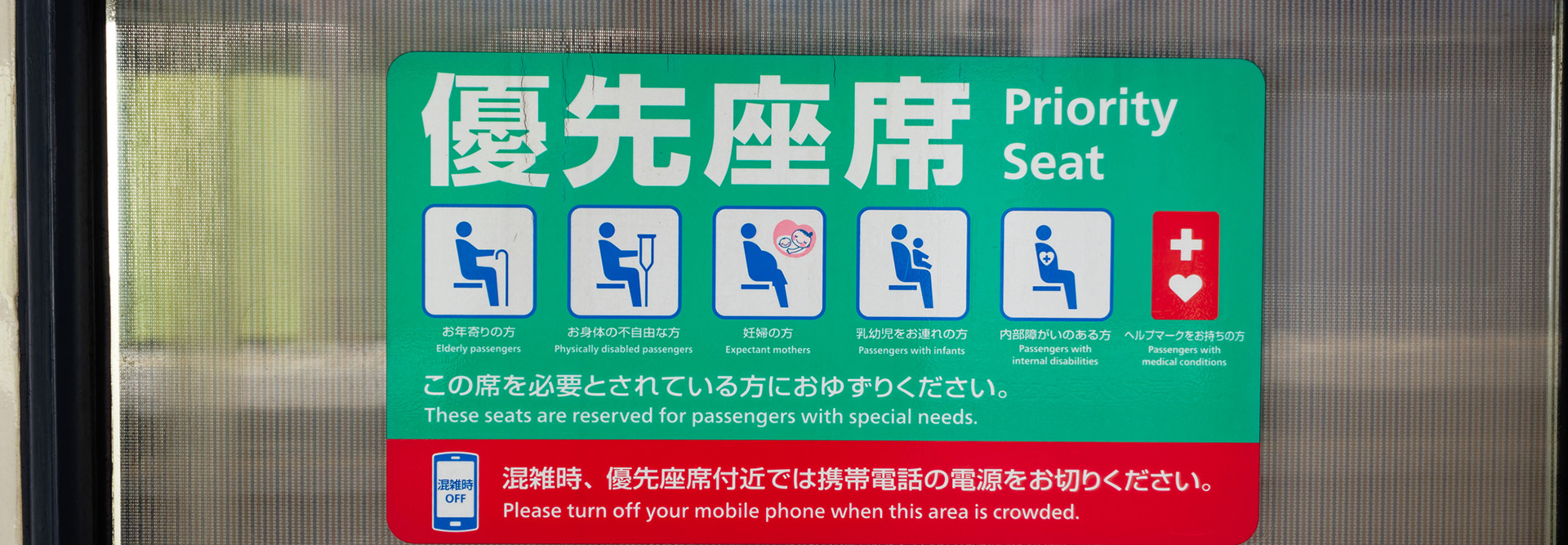
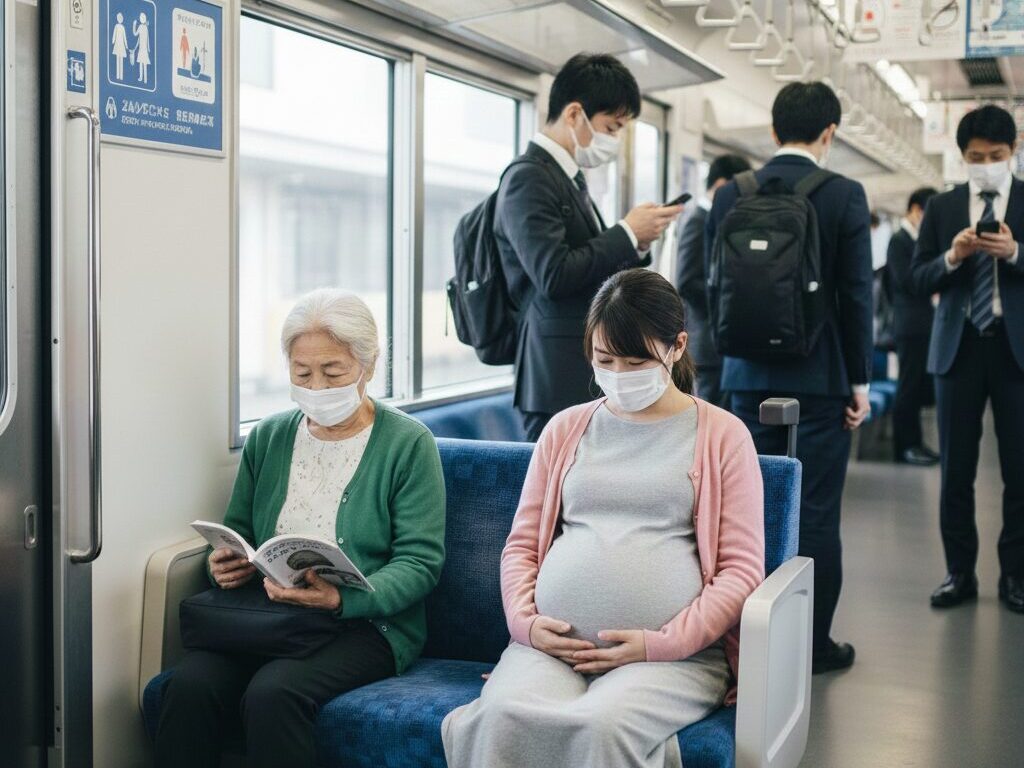
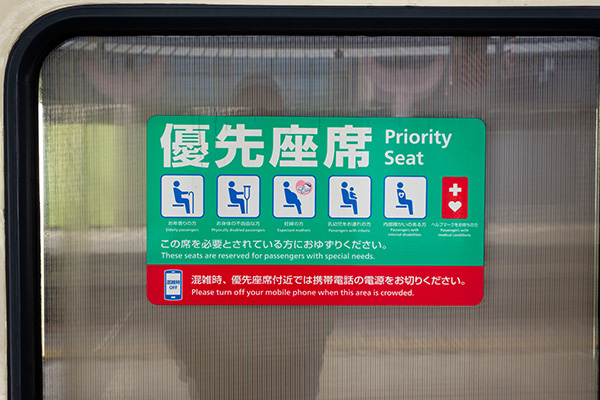
Trains, subways, and buses in Japan have priority seats, usually marked in bright colors with icons. These are for the elderly, pregnant people, passengers with disabilities, or those with small children.
- Do not sit in a priority seat if the vehicle is busy and someone in need is standing.
- Offer your seat to anyone who seems like they might need it, even outside the priority area.
- Many Japanese people carry small, discreet disability passes or maternity badges; be attentive and considerate.
Train and Subway Etiquette
Japan’s rail system is likely to be the core of your trip: from Tokyo subways to Osaka’s private railways and the shinkansen bullet train. Each type of train, however, follows similar etiquette rules.
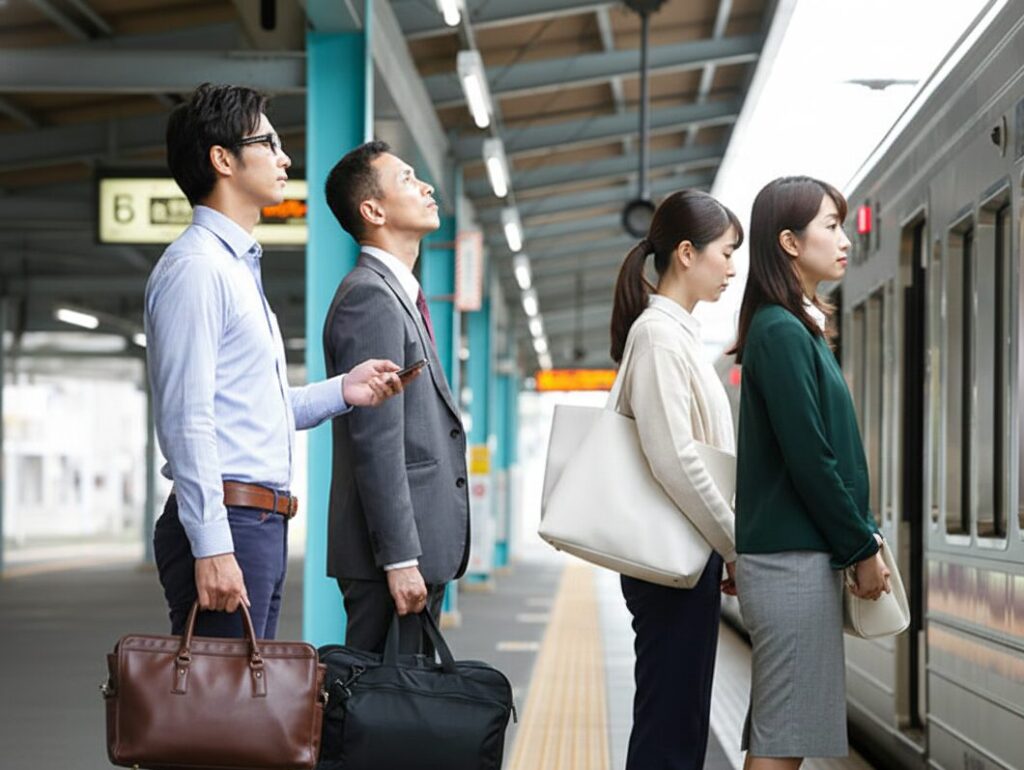
1. Lining Up on the Platform
On most platforms, you’ll see painted lines or symbols indicating where train doors will stop. Passengers usually form lines behind these markings.
- Stand in line rather than crowding the doors.
- Let passengers get off first before you board.
- Do not block the platform; keep to one side if you’re waiting with luggage.
During rush hour, platforms can be busy, but you’ll still see clear lines and little pushing. Joining this quiet system helps everyone board smoothly.
2. Boarding and Exiting Trains
When the train arrives, wait calmly to the side of the doors.
- Stand left and right of the door to create a path for exiting passengers.
- Once everyone has exited, enter quickly but without rushing or pushing.
- If you’re near the doors and the train is crowded, step off temporarily at each stop to let others out, then reboard.
Japanese commuters do this automatically; it keeps the flow moving even when the train is full.
3. Inside the Train: Where to Stand or Sit
Inside, you’ll see two main areas: seats along the walls and open standing space with hanging straps.
- If you’re carrying a backpack, take it off and hold it in front of you or place it at your feet.
- Do not block the doors; move into the interior when possible.
- In crowded trains, remove large hats or anything that may bump others.
Sitting etiquette is equally important:
- Sit in one seat only; do not spread bags or legs across multiple seats.
- Avoid eating or drinking on local trains and subways (a small bottled drink is usually acceptable if discreet).
- Do not lie down or rest your feet on seats, even if the car is empty.
4. Priority Seats and Mobile Phones
In addition to being ready to give up your seat, there is specific etiquette about phones near priority areas.
- Near priority seats, some trains request that phones be kept in “off” mode, not just silent. This is out of consideration for passengers with medical devices like pacemakers.
- Always follow the announcements or signage in the car.
5. Women-Only Cars
During weekday rush hours, some train lines operate women-only cars. These are clearly marked in Japanese and English on platforms and car doors.
- Men should avoid boarding these cars during the designated times.
- Women may choose these cars for a more comfortable commute in busy periods.
- Outside the specified times, these cars function as normal mixed cars.
6. Luggage on Trains
With more travelers using trains to reach airports and tourist areas, luggage etiquette matters more than ever.
- Avoid blocking aisles and doors with suitcases.
- On local trains, keep luggage in front of your legs or push it into corners.
- On long-distance and shinkansen trains, use overhead racks or designated luggage spaces at the car ends.
- For very large suitcases on the shinkansen, advance seat reservations in special luggage areas may be required on some lines.
Shinkansen and Limited Express Etiquette
Riding the shinkansen bullet train is a highlight of many trips. These high-speed trains are more relaxed than city subways, but etiquette still applies.
1. Using Reserved and Non-Reserved Seats
Most shinkansen cars are reserved seating, while a few are non-reserved.
- Only sit in the seat printed on your ticket in reserved cars.
- If you sit in a non-reserved car, be ready to stand if the car becomes crowded.
- Do not occupy the seat next to you with large bags; move them to the overhead rack when possible.
2. Eating and Drinking Onboard
Unlike city trains, eating on the shinkansen and most limited express trains is perfectly acceptable, and even part of the experience.
- Enjoy ekiben (station lunch boxes) or snacks, but dispose of all trash in the bins at the car ends or take it with you.
- Avoid especially strong-smelling foods that might bother neighbors.
- Keep drinks stable on the tray table to avoid spills.
3. Reclining Seats
Seats on long-distance trains recline, but there is a polite way to use this feature.
- Before reclining, quickly check behind you or say a simple “Sumimasen” (excuse me) and recline slowly.
- Raise your seatback before getting off so staff can clean easily.
4. Quiet Car Etiquette
Even on long-distance trains, silence is valued.
- Use headphones at a low volume.
- Phone calls should usually be made in the vestibule (the area between cars), not at your seat.
- Conversations are fine, but keep voices soft.
Bus Etiquette in Japan
City buses and regional buses are common in areas where trains don’t reach. Boarding systems may differ by city, but the manners are similar.
1. Boarding and Paying
In many Japanese cities, you board the bus from the rear and exit at the front. In some areas (like central Tokyo), it’s the other way around.
- Look for signs or follow what local passengers do.
- Tap your IC card (such as Suica or Pasmo) or prepare exact change; bus drivers do not handle large bills while driving.
- If you’re unsure how to pay, let others go ahead, then watch the process and copy it.
2. While Riding the Bus
- Hold onto straps or railings, especially when standing.
- Speak quietly and avoid phone calls.
- Do not bring large, dirty, or wet items that might soil seats.
On rural or sightseeing buses, you may store luggage in a compartment underneath; wait for the driver’s instructions rather than opening it yourself.
Taxi Etiquette in Japan
Taxis in Japan are clean, safe, and carefully regulated. They can be more expensive than trains but are very useful late at night or when you have heavy luggage.
1. Getting In and Out
Japanese taxis have automatic doors that the driver controls.
- Do not pull the rear door yourself; wait for it to open.
- Enter from the sidewalk side when possible for safety.
- When exiting, wait for the driver to open the door, and step out carefully.
2. Communicating with the Driver
Many taxi drivers speak limited English, especially outside major cities, so having your destination written down is useful.
- Show the driver your destination in Japanese (from a hotel card, map, or smartphone).
- If you use navigation, you can show the map but avoid leaning over the driver.
- Seat belts are mandatory, even in the back seat.
3. Payment and Tips
Most taxis accept cash, IC cards, or credit cards in larger cities.
- Payment is made at the end of the ride; check the meter for the total.
- Tipping is not customary and may confuse the driver. Simply pay the exact amount or allow them to hand you your change.
Station Etiquette: Escalators, Stairs, and Platforms
Major train and subway stations in Japan are like small cities. Moving carefully and politely helps everyone get where they’re going.
1. Escalators and Stairs
In many regions, there is an unspoken rule about which side you stand on.
- In Tokyo and much of eastern Japan, stand on the left, walk on the right.
- In Osaka and much of western Japan, the pattern is often reversed: stand on the right.
- Follow local behavior if you’re unsure.
On busy stairs, keep to one side, move steadily, and avoid stopping suddenly for photos.
2. Smoking and Eating in Stations
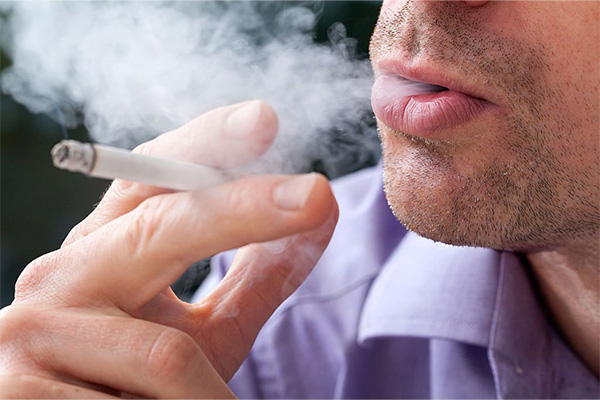
- Smoking is only allowed in designated smoking rooms or outdoor smoking areas.
- Walking while eating is generally discouraged in crowded areas; finish food in rest zones or near kiosks.
3. Taking Photos
Many visitors love capturing images of sleek bullet trains and busy platforms. Photography is generally allowed but with some key cautions.
- Do not block stairs, ticket gates, or platform edges while filming or taking photos.
- Avoid using flash at close range to train drivers or moving trains.
- Respect other passengers’ privacy; avoid pointing cameras directly at individuals without permission.
Accessibility and Courtesy
Japanese transit operators put effort into making transportation accessible, and etiquette supports this.
- Elevators and barrier-free routes are primarily for people with wheelchairs, strollers, or large luggage. If you are able-bodied, stand to the side and let them go first.
- Give extra time and space to passengers using canes or walking aids.
- Keep tactile paving (the yellow textured paths for visually impaired people) clear of bags and feet.
Why Transportation Etiquette Matters in Japan
Japanese transportation etiquette isn’t about strict rules for their own sake. It reflects a shared cultural value called meiwaku o kakenai—not causing trouble or inconvenience to others. On trains and buses, this value appears as quiet voices, orderly lines, and respectful behavior in tight spaces.
As a visitor, you are not expected to know every custom, but making an effort is deeply appreciated. By following the guidelines in this article, you’ll not only avoid awkward moments—you’ll also experience one of the most admired aspects of daily life in Japan: the calm, efficient, and considerate way people move together.
From your first subway ride in Tokyo to your final shinkansen journey to the airport, practicing good transportation etiquette will make your trip smoother, safer, and far more enjoyable.