Many first-time visitors to Japan arrive with wallets full of small bills, ready to tip hotel staff, waiters, and taxi drivers, just as they might at home. Within a day or two, they discover something surprising: in Japan, tipping is not only uncommon, it can actually create confusion or discomfort. Understanding Japanese tipping culture will help you avoid awkward moments and show respect for local customs.
Is Tipping Expected in Japan?
In most everyday situations, tipping in Japan is neither expected nor necessary. Wages are not structured around tips, and good service is considered a basic professional duty rather than a bonus-worthy exception. From restaurants and cafés to taxis and convenience stores, the default rule is very simple:
No tip is needed, and in many cases, it is better not to offer one.
If you do try to tip by leaving coins on the table or handing cash directly, staff will often run after you to return the money, assuming you forgot it. This is not because they are offended by your generosity, but because your intention conflicts with the local idea of what proper service looks like.
The Cultural Reasons Behind Japan’s No-Tip Norm
To understand why tipping feels strange in Japan, it helps to look at some cultural ideas that shape daily life and business etiquette.
Pride in Professional Service
Japan places great value on omotenashi, a type of wholehearted hospitality that anticipates the guest’s needs without expecting anything in return. Whether you are staying in a luxury hotel or buying a small snack at a convenience store, staff are trained to provide polite, efficient, and considerate service as a matter of professional pride.
In this context, receiving extra money can almost feel like being paid separately for something they consider part of their core responsibility. Many workers would find it uncomfortable to accept an individual reward for what is supposed to be standard, equally good service for all customers.
Fairness and Group Harmony
Japanese workplaces often emphasize group harmony over individual competition. Tips, which single out one person over others, can clash with this culture. If a guest gives cash to one member of staff, the recipient may feel uneasy about keeping it, especially if colleagues worked just as hard.
Salary structures in hospitality and service jobs are generally set with the expectation that workers receive a stable wage without relying on tips. Because of this, a customer’s attempt to “correct” the system with extra cash can be confusing rather than helpful.
Clean Transactions and Clear Prices
Japanese businesses usually prefer simple, transparent pricing. Tax and service charges (when they exist) are clearly indicated on the bill. The idea is that the customer pays the stated price, and the business is responsible for paying staff fairly. Bringing extra, unofficial payments into the transaction adds ambiguity to something that is meant to be straightforward.
Situations Where You Should Not Tip
During a typical trip, you will encounter many situations where tipping is common in other countries but not appropriate in Japan. Here are the most important ones to remember.
Restaurants and Cafés
In both casual and upscale restaurants in Japan, you do not tip the staff. Even if the service is excellent, you simply pay the amount shown on the bill. This includes:
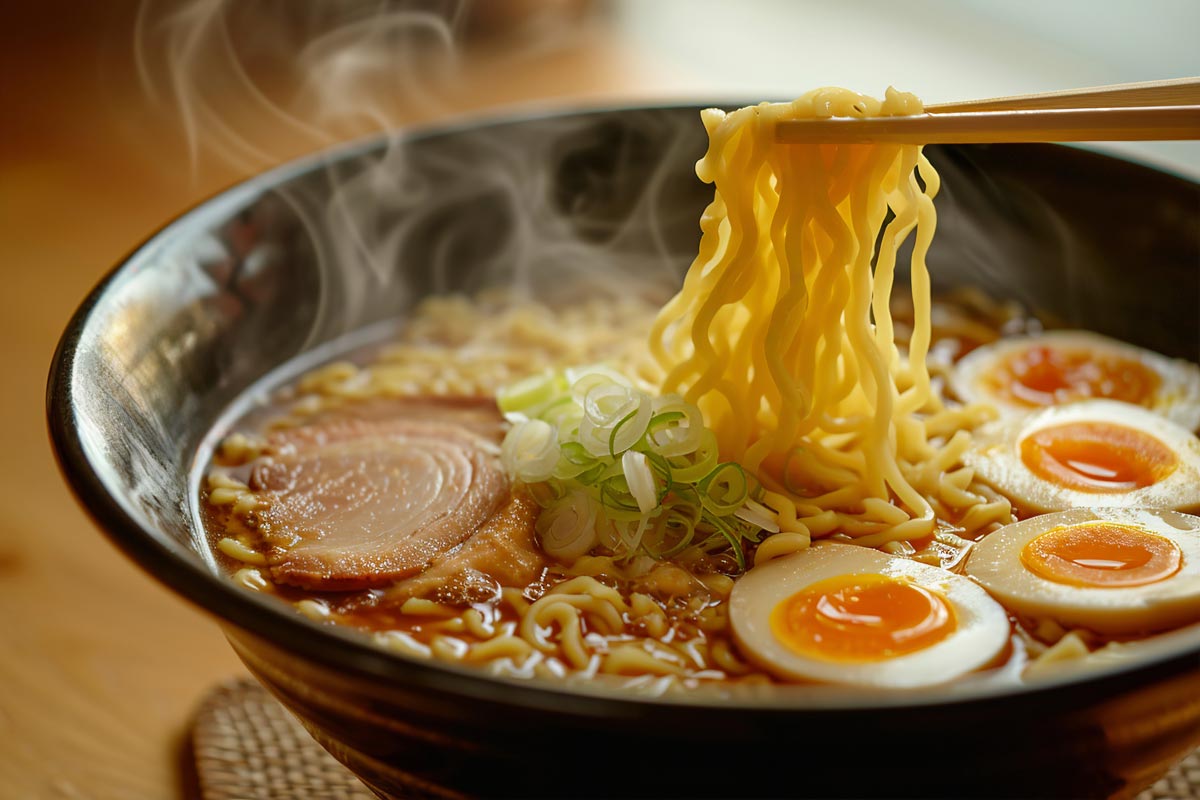
- Ramen shops and izakaya (Japanese-style pubs)
- Family restaurants and cafés
- Fine dining and kaiseki restaurants
- Coffee chains and dessert shops
Some restaurants, especially higher-end places or hotel venues, may add a service charge (usually around 10–15%) to the bill. This is built into the price and is not considered a tip from you to an individual staff member.
Taxis and Ride Services
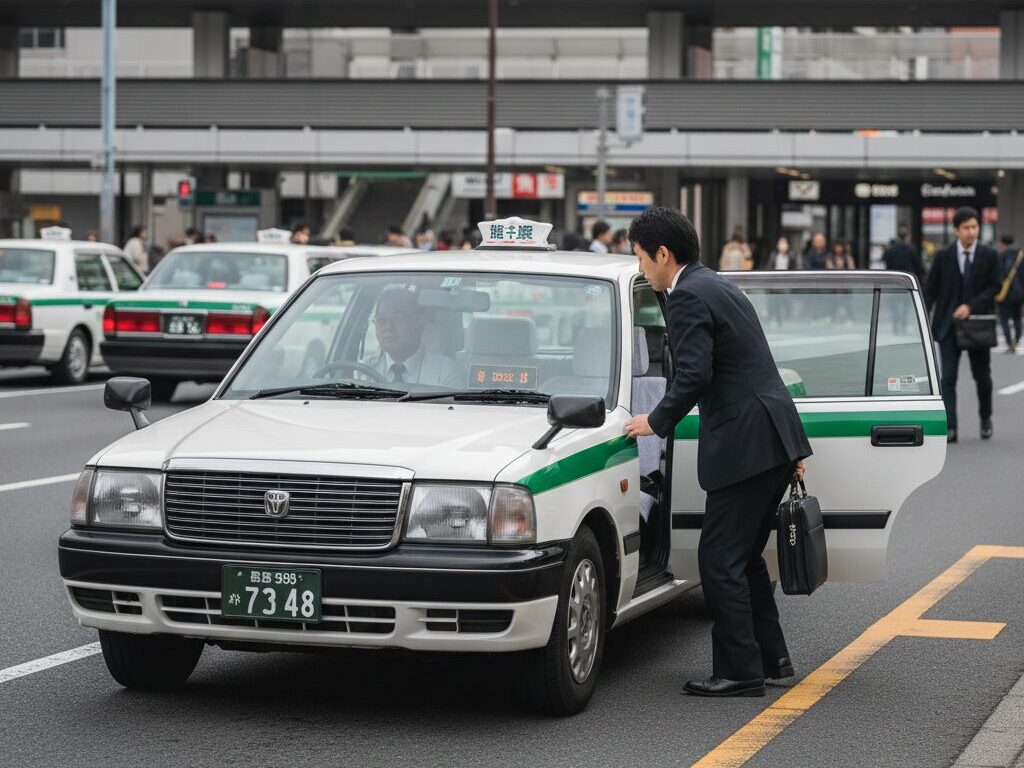
In Japan, taxi fares are metered and fixed. When you arrive at your destination, you pay the amount displayed on the meter, plus any highway tolls. There is no expectation to round up the fare or offer extra cash.
It is perfectly polite to pay the exact amount, thank the driver, and step out. Many taxis have automatic doors that the driver opens and closes, so you do not need to handle the door yourself as a way of signaling thanks.
Hotels and Business Hotels
Most city hotels and business hotels in Japan do not operate with a tipping culture. This includes:
- Front desk staff
- Housekeeping
- Concierges
- Porters (in standard hotels)
Staff will politely refuse or return any extra cash you try to give. If they accept it to avoid embarrassing you, they may still feel awkward, so it is better not to insist.
Bars, Pubs, and Nightlife
At regular bars, standing bars, and izakaya, you pay your tab at the end. There is no need to leave money on the counter or table. Even if there is a small “table charge” or an automatic appetizer fee (otoshi), this is part of the pricing system, not a gratuity.
Everyday Services and Shops
In convenience stores, supermarkets, department stores, salons, and other retail shops, tipping is never practiced. You simply pay the total and receive your change, which will usually be handed to you carefully or placed in a small tray.
Rare Exceptions: When Tips May Be Acceptable
Although tipping is generally avoided, there are a few special situations where a form of extra payment can be acceptable. Even in these cases, it is usually done discreetly and thoughtfully rather than casually handing over loose cash.
Ryokan and Traditional Inns
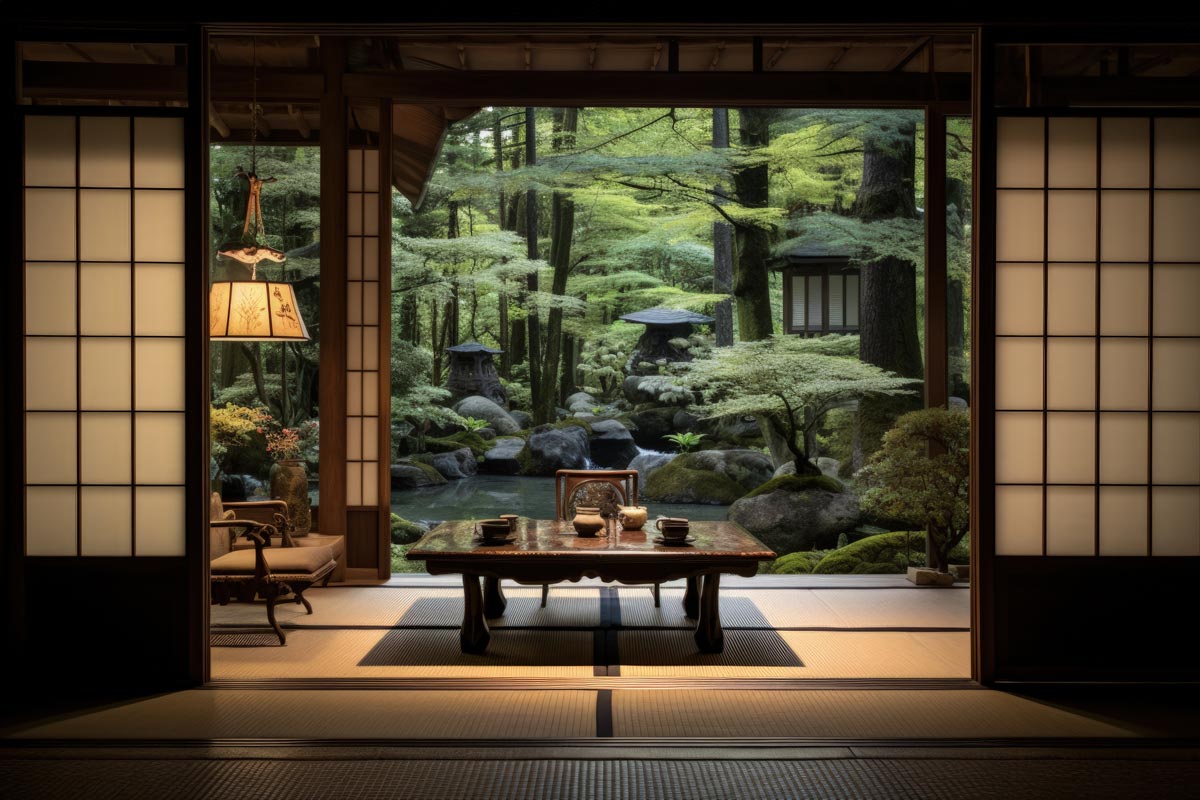
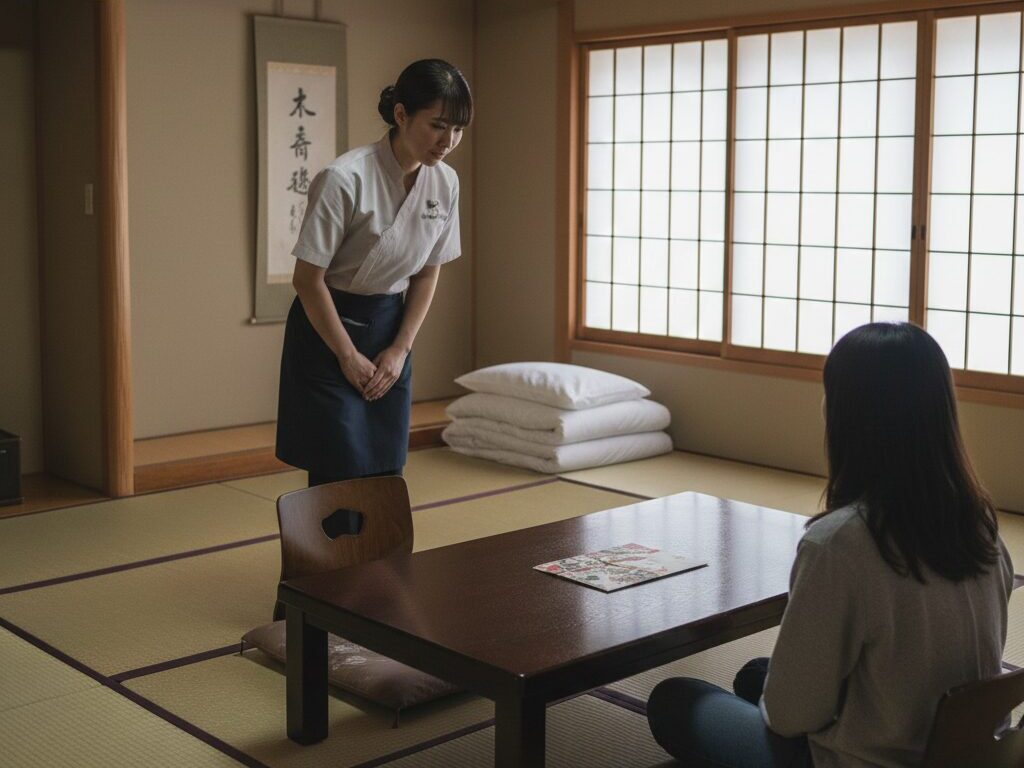
At traditional Japanese inns, known as ryokan, you may encounter something closer to a tip. Guests are often looked after by a dedicated attendant called a nakai-san, who serves your meals in your room, prepares your futon, and explains how to use the baths.
If you stay several nights or receive particularly attentive care, some Japanese guests show appreciation by giving a small amount of money in a decorative envelope called a pochibukuro. This is not strictly required, and many international visitors skip it entirely without any issue.
If you wish to do it:
- Prepare clean, newer bills (no coins) in a small envelope.
- Offer it politely with both hands when you check out or at the end of your stay.
- Use simple English or a phrase like “Arigatou gozaimashita” (thank you very much).
Again, this is optional. The staff will not expect it and will still do their best to take care of you even if you choose not to give anything extra.
Private Guides and Customized Tours
Professional English-speaking guides, especially those booked through private tour companies catering to overseas visitors, may be more familiar with foreign tipping customs. Some companies quietly build this into their pricing expectations, while others do not.
A few guidelines:
- Check your tour confirmation to see if gratuities are mentioned.
- If the guide consistently goes above and beyond, a modest tip is sometimes appreciated.
- Present any tip discreetly in an envelope at the end of the tour rather than in a public, showy way.
If you are unsure, you can ask in advance, for example by emailing the tour company: “Is tipping customary for guides in Japan?” Many will reply that it is not required, leaving the decision to you.
Cultural Experiences and Performances
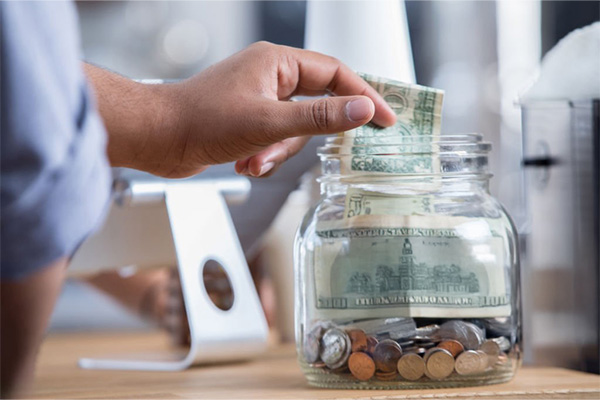
For experiences such as tea ceremonies, craft workshops, or small theater performances aimed at visitors, tipping is still not the norm. However, if there is a donation box or a clearly labeled place to support the venue or artists, you can contribute there instead of handing cash directly to individuals.
How to Show Appreciation Without Tipping
If you want to express gratitude in a way that fits Japanese culture, there are several options that feel more natural and comfortable for locals.
Use Polite Phrases
A sincere thank you goes a long way in Japan. Even simple phrases in Japanese are warmly received:
- Arigatou gozaimasu – Thank you (present tense, general use)
- Arigatou gozaimashita – Thank you (for what you just did)
- Oishikatta desu – It was delicious (to restaurant staff)
Combine your words with a slight bow and eye contact, and you will leave a strong, positive impression.
Give a Small Gift Instead of Cash
Japan has a rich gift-giving culture, and a small, thoughtful item can be more meaningful than money. If you are staying at a ryokan for several days or using the same guide repeatedly, a gift from your home country can be a nice gesture.
Consider items such as:
- Individually wrapped sweets or snacks from your region
- Tea, coffee, or chocolate in sealed packaging
- A local specialty with an interesting story
Avoid anything very expensive; the goal is a token of appreciation, not an extravagant present that might make the recipient feel indebted.
Leave Positive Reviews
For hotels, restaurants, tours, and attractions, leaving a positive online review can be more valuable than a tip. Many businesses in Japan pay close attention to guest feedback, especially from international visitors.
On platforms like Google Maps, booking sites, or travel review websites, mention the name of the staff member or guide who helped you, if you remember it. This not only recognizes their effort but can also support their career.
What to Do if Someone Refuses Your Tip
If you offer extra money and it is gently refused, do not push. Smile, withdraw your hand, and simply thank the person for their service. Insisting may create an awkward situation for both of you.
Remember that the refusal is not a rejection of your appreciation, but a reflection of the local cultural norm. The fact that you tried to say thank you is usually understood and appreciated, even if the money cannot be accepted.
Key Takeaways for Visitors
To travel comfortably and respectfully in Japan, keep these points in mind:
- Tipping is generally not practiced in restaurants, taxis, hotels, shops, and everyday services.
- Good service is included in the price you pay and is considered a professional standard, not an extra.
- Special cases like ryokan attendants or private guides may accept a discreet gratuity or small gift, but it is never mandatory.
- Polite words, a small bow, and a smile are the most natural ways to show your gratitude in Japan.
- Online reviews and recommendations are a modern, culturally comfortable way to give something back.
By understanding Japan’s tipping culture, you can relax, put away your tipping calculator, and focus on enjoying the country’s remarkable hospitality. The best way to say thank you is often the simplest: pay the listed price, treat staff with respect, and express your appreciation clearly and sincerely.