


Religious Site Etiquette
Religious Site Etiquette in Japan: A First‑Timer’s Guide
Japan’s shrines and temples are often the most memorable stops on a first trip. They are serene, photogenic, and deeply tied to everyday life. But they are also active religious spaces, not theme parks. Understanding basic etiquette will help you show respect, avoid awkward moments, and often enjoy a richer, more meaningful visit.
This guide explains how to behave at Shinto shrines and Buddhist temples in Japan, step by step. You do not need to be religious or perform every custom perfectly. What matters most is sincere respect and a willingness to follow local practice.
Understanding Shrines vs. Temples
Japan has two main types of religious sites that most visitors encounter: Shinto shrines (jinja) and Buddhist temples (tera or oji). Many people in Japan casually visit both, and it’s common to see elements of both traditions mixed in everyday life.
How to Tell the Difference
Shinto shrines are associated with Japan’s indigenous beliefs and local deities called kami. Typical features include:
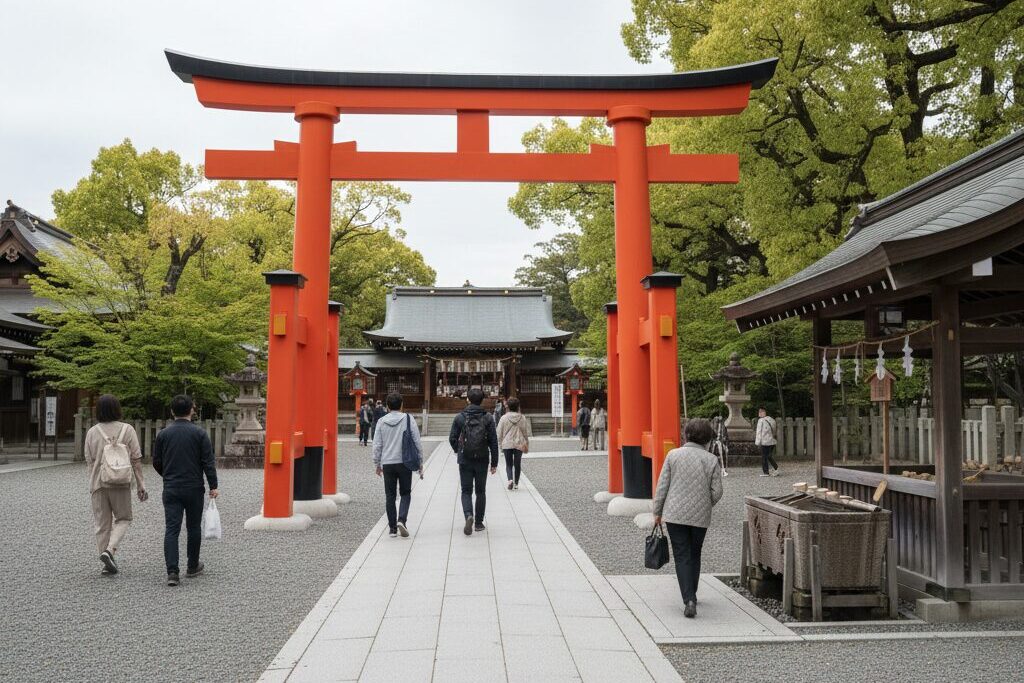
- A tall gate with two pillars and a crossbeam called a torii, marking the entrance to sacred space.
- Often, a purification basin near the entrance.
- Ropes, bells, and wooden prayer plaques (ema) where people write wishes.
Buddhist temples are places for Buddhist practice, memorial services, and statues of the Buddha or bodhisattvas. They often have:
- Large temple gates with guardian statues.
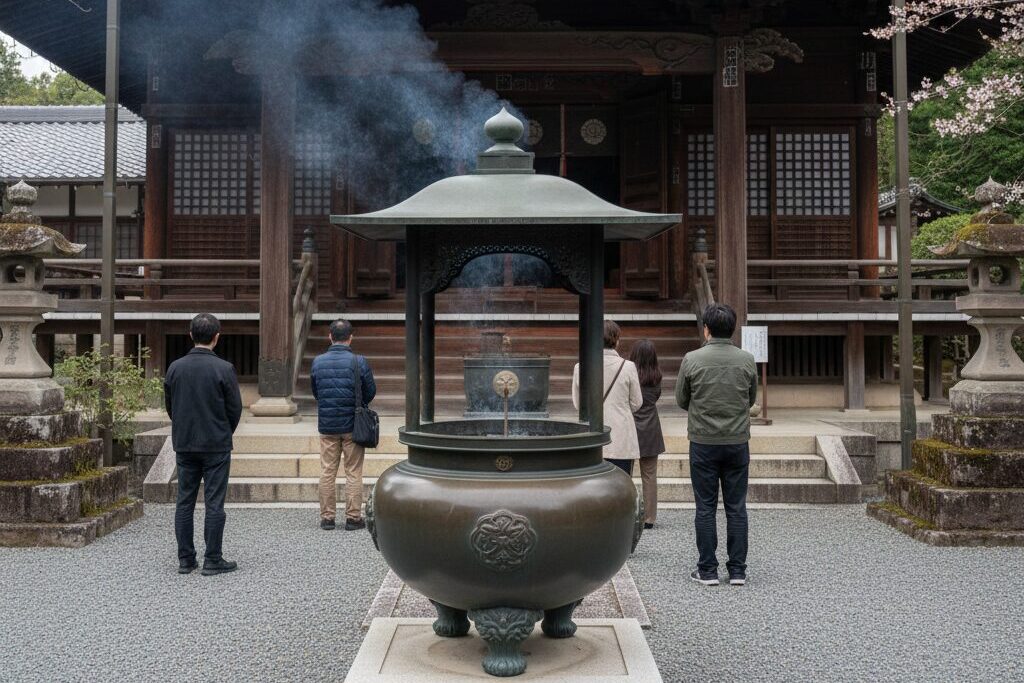
- A main hall with a Buddha statue and incense burners.
- Graveyards or memorial stones on the grounds.
Etiquette at both is similar in spirit: move calmly, speak quietly, and treat the site as a living place of worship rather than a backdrop for photos.
General Etiquette Before You Enter
Dress Respectfully
Most religious sites in Japan do not have strict dress codes, but thoughtful clothing shows respect. In general:
- Avoid very revealing outfits (extremely short shorts, cropped tops, or see‑through clothing).
- Bring a light scarf or shawl if your shoulders are bare, especially at older or more traditional temples.
- Wear shoes that are easy to slip on and off; some buildings require you to remove them.
Beachwear, loud costumes, or cosplay are best saved for other locations, unless you are clearly participating in an organized event that welcomes that style.
Move Calmly and Quietly
Even crowded sites are considered sacred spaces. Behave more like you would in a church or mosque than a street festival:
- Keep your voice low; avoid shouting, singing, or playing music from your phone.
- Do not run or push through crowds, especially near the main hall.
- Refrain from eating or drinking while walking around the main worship areas. A discreet sip of water is fine, but picnicking is not.
Avoid Blocking Rituals
Local worshippers often drop by on their way home or during lunch breaks. If you see people lining up to pray or perform a ritual, stand to the side and avoid blocking their path, even if it would make a better photo angle. Religious practice comes first; sightseeing is secondary.
How to Visit a Shinto Shrine Respectfully
Shinto shrines are some of the easiest places for first‑time visitors to experience Japanese spirituality. The traditional sequence is simple, and it’s fine if you do not follow every step perfectly.
1. Pass Through the Torii Gate
The torii marks the boundary between the everyday world and sacred space:
- Pause briefly as you enter; some locals give a small bow before passing through.
- Walk slightly to the left or right side of the path, not dead center. The middle is symbolically reserved for the deities.
2. Purify Your Hands and Mouth
Near the entrance you’ll usually find a stone basin with ladles, called a chōzuya or temizuya. This simple ritual is about clearing your mind rather than physical cleaning, but it is also a basic courtesy.
Follow this sequence:
- Take a ladle in your right hand and scoop water.
- Pour some over your left hand.
- Switch the ladle to your left hand and pour water over your right hand.
- Switch back to your right hand, pour a little water into your left palm, and bring it to your mouth. Rinse lightly and spit the water discreetly beside the basin, not back into it.
- Rinse your left hand again with a small pour.
- Hold the ladle vertically so the remaining water rinses the handle, then return it face down.
Do not drink directly from the ladle and do not wash your face or personal items there.
3. Offer a Prayer at the Main Hall
At most shrines, the basic pattern for worship is:
- Approach the offering box and stand straight. If there is a bell, you may ring it once by pulling the rope.
- Toss a coin (often a 5‑yen coin, considered lucky) gently into the offering box.
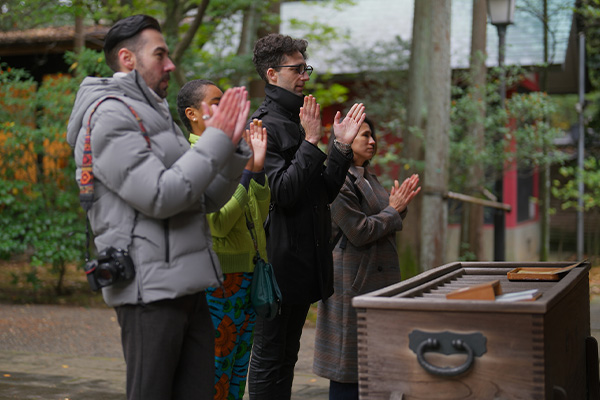
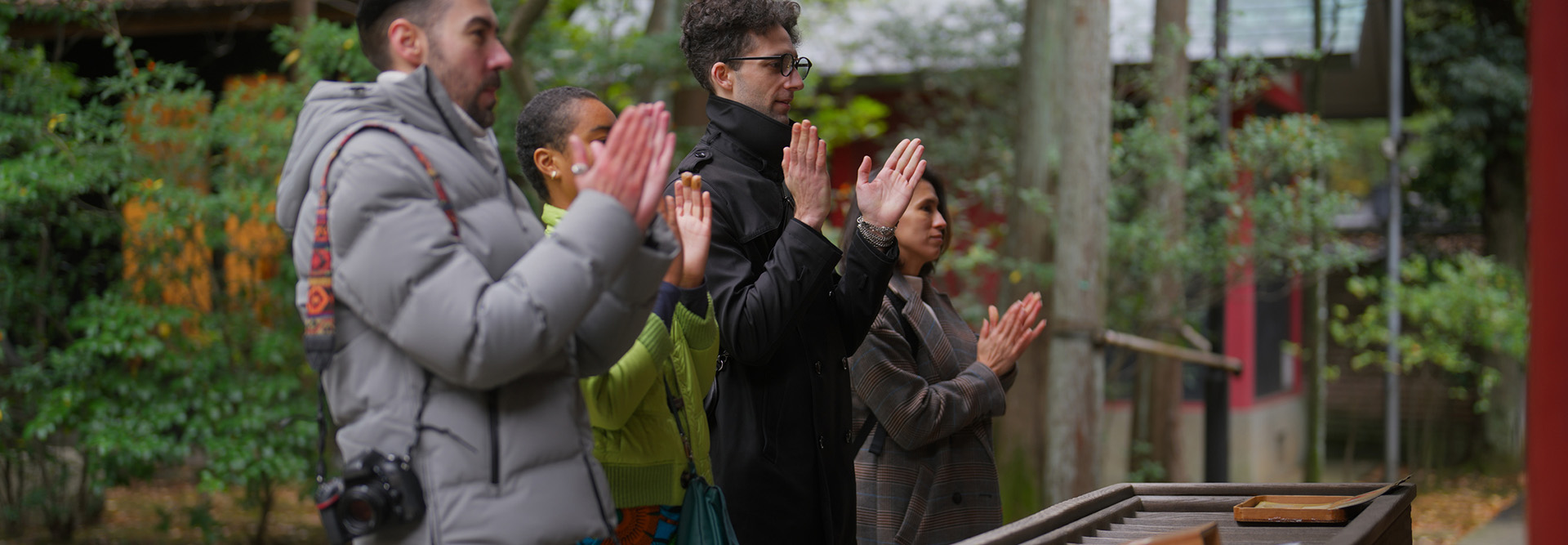
- Bow twice deeply from the waist.
- Clap your hands twice in front of your chest to draw the attention of the kami. Then place your hands together and close your eyes for a silent prayer or moment of gratitude.
- Bow once more deeply to finish.
You do not have to follow any specific script for your prayer. Visitors commonly offer thanks for safe travels, good health, or peace in the world.
4. Omikuji, Ema, and Amulets
Many shrines sell small items related to fortune and wishes:
- Omikuji: Paper fortunes you draw at random. If the message is bad luck, it is customary to fold and tie the paper to a rack or tree at the shrine to “leave the bad luck behind.” If it’s good luck, some people keep it; others tie it anyway.
- Ema: Small wooden plaques where people write wishes, then hang them on racks. You can write in your own language; simple, sincere messages are welcome.
- Omamori: Colorful fabric charms for traffic safety, health, exams, and more. These are meant to be carried with you, not opened.
Handle all of these respectfully. Do not pull off or take down other people’s plaques or fortunes for photos.
How to Visit a Buddhist Temple Respectfully
Buddhist temples in Japan often feel more solemn than shrines, especially in the inner halls. Your behavior should reflect this slightly more formal atmosphere.
1. Enter the Grounds Thoughtfully
Walk through the main gate calmly. If there are guardian statues, avoid touching or climbing on them. Much like at shrines, walk slightly to the side of the central axis.
2. Purification and Incense
Some temples have water basins similar to shrines; you may perform the same simple purification, though it is not always required.
Many temples feature a large incense burner in front of the main hall. Locals may:
- Buy a bundle of incense sticks, light them from the communal flame, and gently fan the flame out (do not blow it out with your breath).
- Place the incense in the burner and waft the smoke toward their body or head, symbolically bringing blessings or healing.
You may join in respectfully. Avoid sticking your face directly into the smoke or waving the smoke wildly at others.
3. Praying at the Main Hall
At temples, clapping is usually not part of the ritual. A quiet approach is more appropriate:
- Stand in front of the offering box.
- Toss a coin in gently.
- Place your hands together lightly in front of your chest, bow your head, and reflect silently for a moment.
- Finish with a small bow from the waist.
If you are unsure, discreetly observe how local visitors behave and follow their lead.
4. Shoes, Inner Halls, and Tatami
Many temples have inner buildings or halls you can enter:
- If you see a row of shoes at the entrance or a sign indicating shoe removal, take off your shoes and place them neatly where indicated.
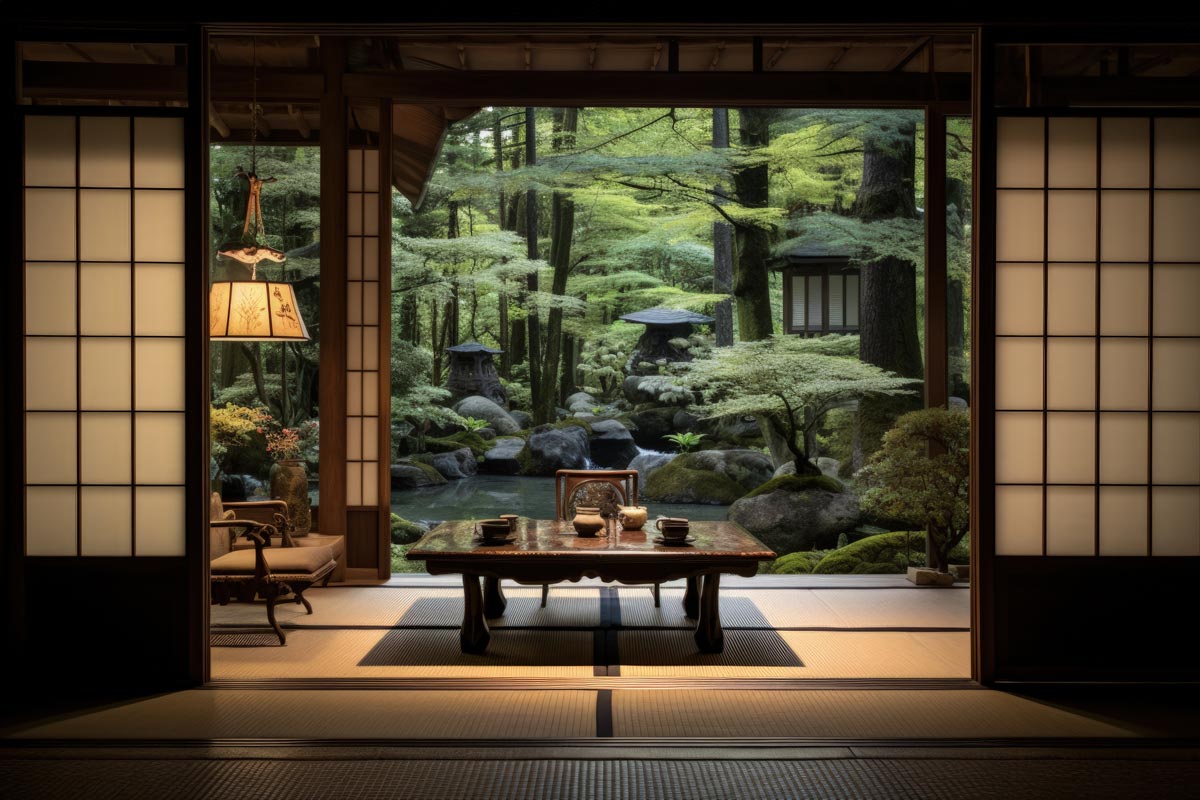
- Step directly onto the wooden or tatami floor in socks or bare feet. Avoid standing on the wooden threshold itself.
- Do not step on cushions used for meditation or services.
- When sitting on tatami, avoid pointing the soles of your feet toward the altar; sit cross‑legged or kneel if comfortable.
Temples may host ongoing rituals, chanting, or memorial services. If you stumble upon one, you may quietly watch from a respectful distance unless signs request privacy.
Photography Etiquette at Shrines and Temples
Many visitors come for the beautiful architecture and atmosphere, and photography is usually allowed outside buildings. However, there are important limits.
Always Check for Signs
Look for symbols or notices near entrances:
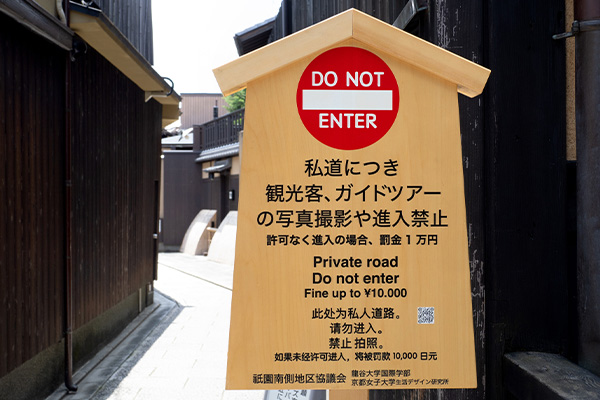
- A camera icon with a slash means no photos in that area.
- Sometimes flash is prohibited even if photos are allowed.
- Some historic Buddhas, statues, and inner altars may forbid any photography.
If you are unsure, politely ask a staff member, “Photo OK?” and gesture to your camera. If they hesitate, it is better to refrain.
Be Considerate of People
When taking photos:
- Do not photograph people who are praying from close range or directly in front of them.
- Be especially careful about photographing children and families at ceremonies such as shichi‑go‑san (children’s shrine visits) or weddings.
- Do not block the path, offering box, or ritual areas to get a better shot.
Drones are almost always banned on religious grounds without special permission.
What Not to Do at Religious Sites in Japan
Some behaviors are considered clearly disrespectful or inappropriate. Avoid these to keep your visit harmonious:
- No smoking except in clearly marked smoking areas outside the main grounds.
- No loud phone calls or playing videos/music without headphones.
- No climbing or sitting on statues, stone lanterns, altars, or sacred structures for photos.
- No vandalism such as carving names, writing graffiti, or leaving stickers.
- No eating in front of main halls or near altars. If the grounds include garden benches or tea houses, eat only where it is obviously allowed.
- No entering restricted areas: Ropes, fences, or “no entry” signs must be respected, even if it looks like “just a little further” would make a great picture.
Joining Festivals and Ceremonies
Japan’s religious calendar includes lively festivals (matsuri) with portable shrines, drums, food stalls, and sometimes boisterous crowds. These often center on a shrine but blend community fun with religious tradition.
As a visitor, you are usually welcome to watch and enjoy, but keep a few points in mind:
- Follow staff or volunteer instructions about where to stand, sit, or walk.
- Do not step directly into organized processions or block the movement of portable shrines.
- If invited to participate (carrying a shrine, joining a chant), feel free to accept, but follow the lead of organizers closely.
- Alcohol is often present at festivals; even so, avoid disruptive behavior.
At quieter ceremonies like weddings or memorials, assume you are an observer only. Keep a respectful distance and do not photograph the ritual unless it is clearly public and other onlookers are doing so.
Respecting Cemetery Areas
Many temples include graveyards or family memorial stones. These can be atmospheric and photogenic, especially with moss and stone lanterns, but they are also intimate family spaces.
When near graves:
- Walk carefully and stay on paths whenever possible.
- Do not touch or move offerings such as flowers, incense, or drinks left for the departed.
- Photography should be discreet, and close‑ups of specific graves are best avoided unless you have permission.
Accessibility and Inclusivity
Japan’s religious sites welcome visitors of all backgrounds. You are not expected to convert, chant, or know every ritual. If you have mobility issues or require special assistance:
- Many major temples and shrines now offer ramps or alternative routes; look for signs or ask staff.
- If you cannot perform the full purification ritual, a simple bow or silent moment at the basin is perfectly acceptable.
Ultimately, your intention is more important than precision. A calm presence, open curiosity, and willingness to follow local cues will be noticed and appreciated.
Leaving the Site
When you are ready to go, a small gesture of thanks is customary:
- As you pass back through the main gate or torii, turn slightly toward the main hall and give a light bow.
- Check that you have not left any trash or personal items behind.
This quiet farewell acknowledges that you have been allowed into a sacred space, even as a temporary visitor.
Final Tips for First‑Time Travelers
You do not need to worry about perfection when visiting Japan’s shrines and temples. Locals understand that international visitors may not know every detail. If you keep these principles in mind, you will be warmly received:
- Move slowly and speak softly.
- Dress and act with modesty.
- Observe what others do and follow their example.
- Ask politely if you are unsure, using simple English or gestures.
By approaching Japan’s religious sites with respect, you will not only avoid mistakes—you will also open the door to more authentic, memorable encounters with the country’s living traditions.

List of articles

Public Behavior & Etiquette
Basic manners in public spaces to avoid trouble.
2025年07月14日
Transportation Etiquette
Important rules for using trains and buses politely.
2025年07月14日

Onsen & Religious Site Etiquette
Key rules to follow when enjoying a Japanese onsen.
2025年07月14日

Dining & Food Etiquette
Understanding Japan’s unique noodle-eating custom.
2025年07月14日
Public Behavior & Etiquette
Places where photography is limited or not allowed.
2025年07月14日


Transportation Etiquette
Rules for smoking areas and city restrictions.
2025年07月14日
Public Behavior & Etiquette
Keeping noise low to respect quiet environments.
2025年07月14日
Public Behavior & Etiquette
Sorting trash and following local waste rules.
2025年07月14日