
Amusement Arcade
Amusement Arcades in Japan: A First-Timer’s Guide
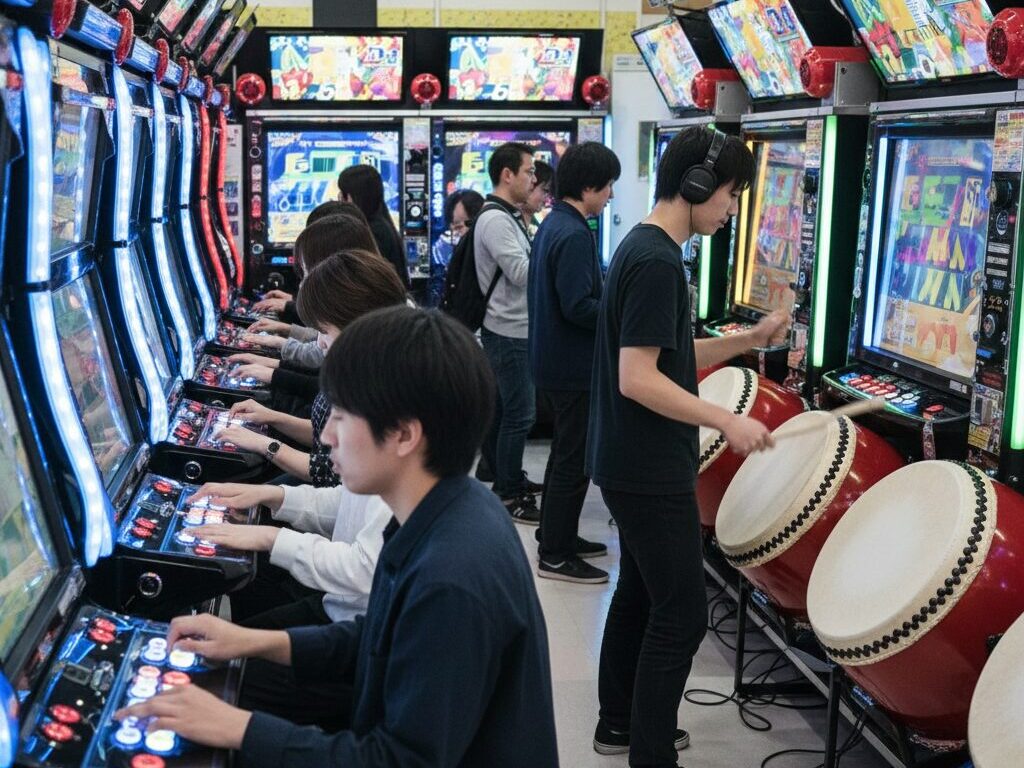
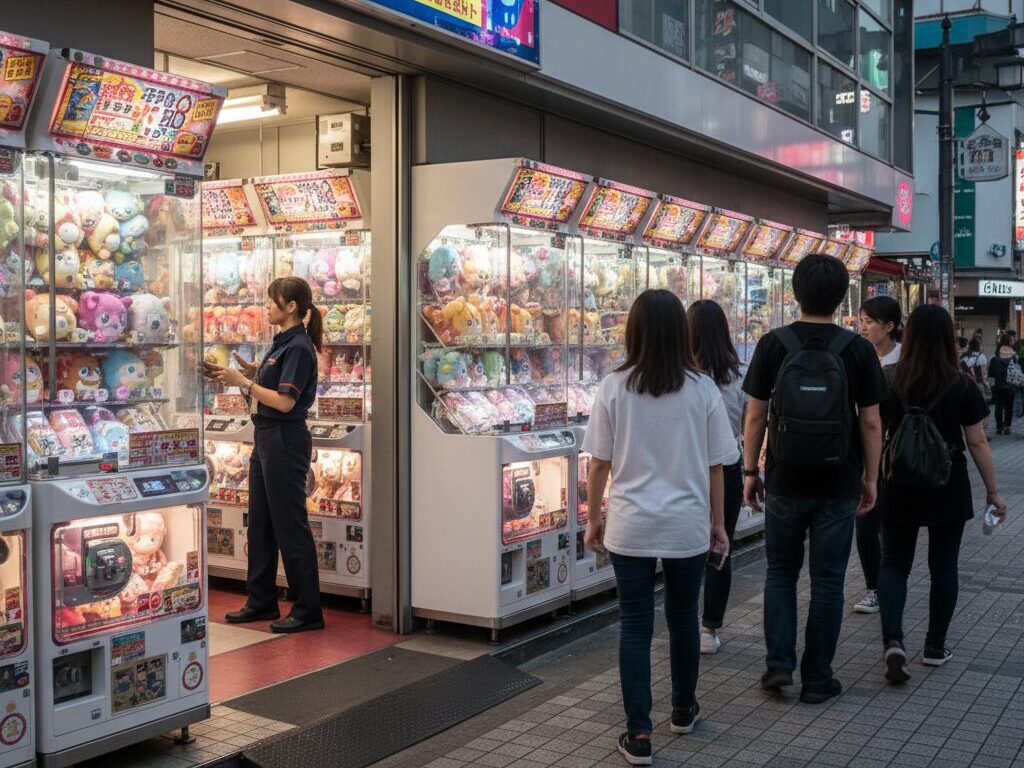
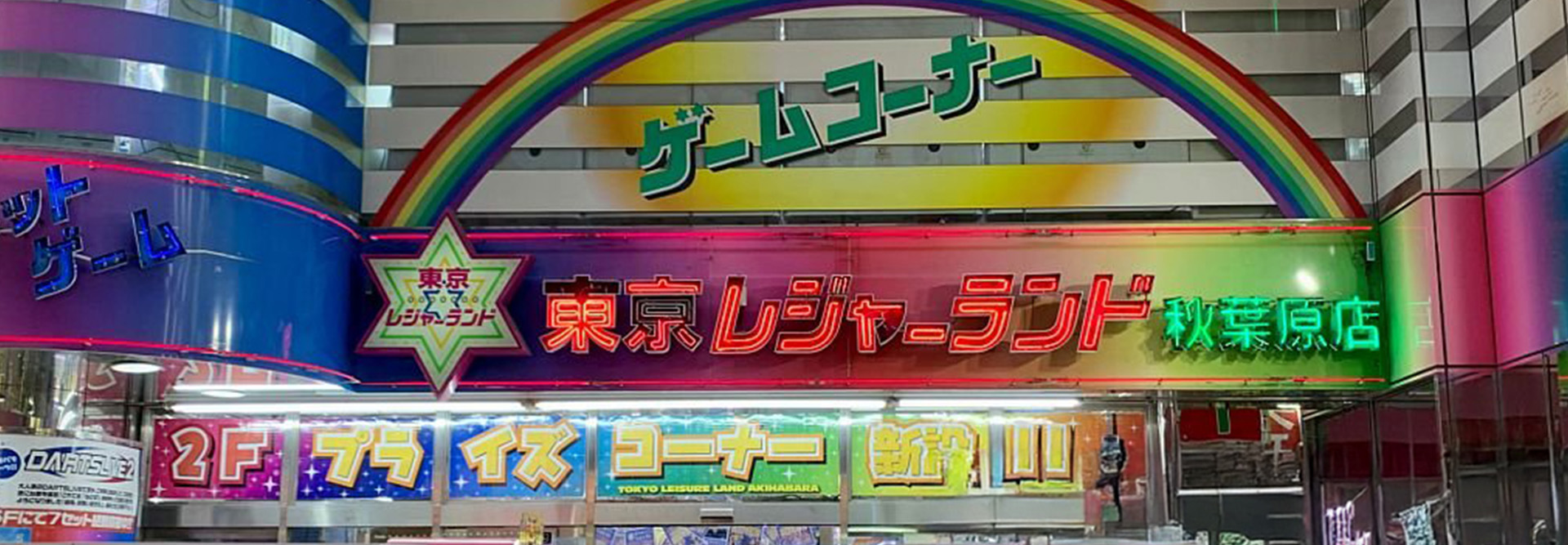
Step out of a Japanese train station at night and follow the neon: chances are you’ll soon find a multi-story amusement arcade buzzing with electronic music, flashing lights, and the click of buttons. For first-time visitors to Japan, arcades are one of the most accessible and authentic modern-cultural experiences you can have, and you don’t need to be a hardcore gamer to enjoy them.
From UFO catchers and rhythm games to retro classics and photo booths, Japanese amusement arcades are part playground, part time capsule, and part social hangout. This guide explains what you’ll find inside, how to play, and the etiquette that keeps everything running smoothly.
What Is a Japanese Amusement Arcade?
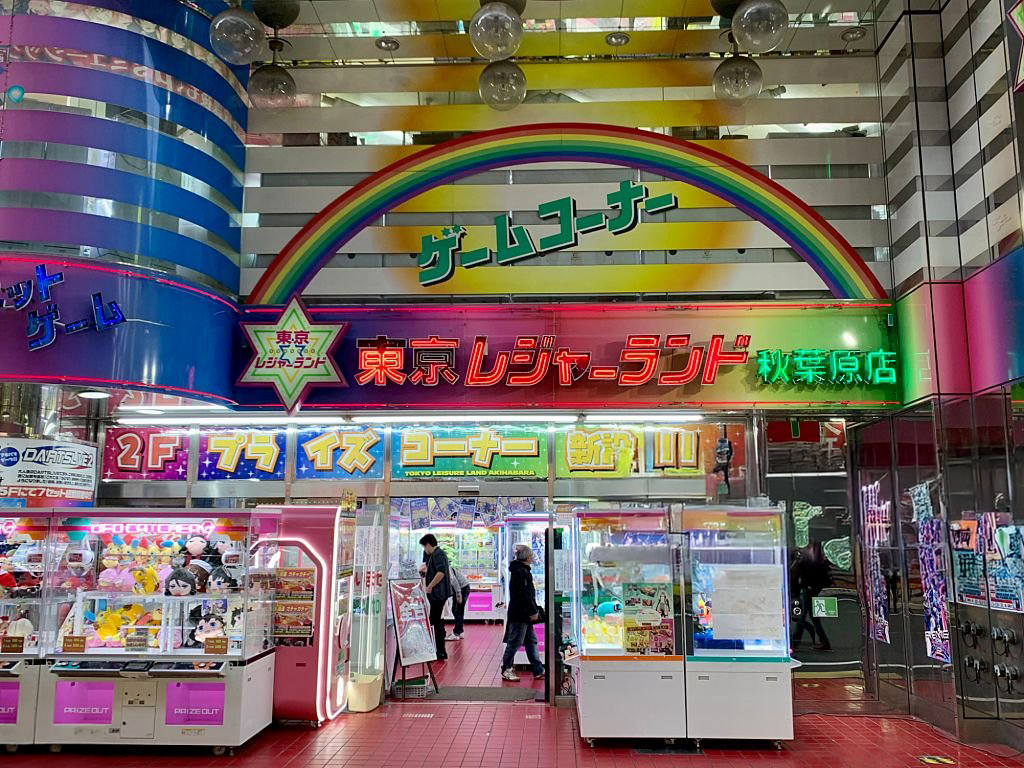
In Japan, large amusement arcades are often called “game centers” (ゲームセンター or simply ゲーセン). These are not small, dark rooms with a few old machines; they are multi-floor entertainment complexes operated by major companies and local chains. You’ll find them in busy districts like Akihabara and Shinjuku in Tokyo, Namba in Osaka, near train stations in regional cities, and even attached to shopping malls.
Most modern arcades open from late morning until late at night, and many are brightly lit and family-friendly on the lower floors, with more competitive or adult-oriented games (and sometimes smoking areas) higher up. Entry is free: you pay per game, so you can drop in for 15 minutes or stay for hours.
Layout: What You’ll Find on Each Floor
Every arcade is different, but many follow a similar structure. Look at the floor guides posted near the escalators or elevators; they’re often illustrated and easy to understand even without Japanese.
1. UFO Catchers and Prize Games
The ground floor of a Japanese arcade usually hits you with bright colors and excited shouts from staff: this is crane game territory. Known as UFO catchers, these machines tempt you with plush toys, anime figures, snacks, and character goods stacked in glass cases.
Each play typically costs 100–200 yen. Unlike Western claw machines, Japanese prize games often involve strategy: pushing something off a ledge, flipping a box, or nudging a figure between bars. Staff may adjust the position of a prize or demonstrate how to win if you look confused or keep trying the same machine.
Common tips for first-timers:
- Start small: Look for smaller items near the edge rather than big plush toys buried in the back.
- Observe others: Watch people who are winning on similar machines to understand the trick.
- Ask for help: Politely say “sumimasen” (excuse me) and gesture to the prize. Staff often reposition items to give you a fair shot.
You’ll also see medal games: machines where you buy metal tokens and feed them into slot-style games or elaborate mechanical setups. The objective is to earn more medals, not money; it’s about patience and spectacle rather than profit.
2. Rhythm Games and Music Corners
Climb a floor or two, and you’ll start to hear a wall of overlapping beats. Japan’s rhythm games are among the country’s biggest arcade exports, ranging from dance pads to touchscreen panels and drum kits.
Expect to see:
- Dance games: Step on arrows in time with the music, or use full-body motion sensors to follow choreographed routines.
- Drumming games: Hit taiko drums or drum kits along with J-pop, anime themes, and classic songs.
- Touch and key games: Tap or slide fingers across illuminated buttons or touchscreens in sync with falling notes.
Rhythm game floors attract devoted regulars who practice specific songs at incredible speed. As a visitor, you’re completely welcome to try too. Most games offer easier modes, and the interface is often intuitive even if the menus are in Japanese. If you feel shy, watch others play first, then pick a machine in a quieter corner.
3. Fighting Games, Racing, and Core Gaming
Higher floors often contain more traditional arcade experiences: fighting games, racing simulators, and shooting games. Here you’ll find rows of sit-down cabinets with joysticks and buttons, car cockpits with steering wheels, and light-gun shooters with plastic rifles.
Key points for these zones:
- Competitive play: Many fighting games match you against another player in the same arcade or online. If you sit at an empty cabinet, you might suddenly be playing a live opponent.
- Trying for fun: Don’t worry about your skill level. Locals are usually focused on their own game, not judging visitors. Just step away if you feel outmatched.
- Racing and simulators: These are great for beginners: drive a sports car through Tokyo-style streets or pilot a giant mech suit.
4. Retro Game Floors
Some larger arcades maintain retro sections dedicated to classic titles from the 1980s and 1990s. Here you might find pixel-art platformers, early fighting legends, or nostalgic shooting games set up in tidy rows. Plays can be cheaper, and the atmosphere is more relaxed, with the chirp of 8-bit soundtracks instead of booming bass systems.
For many travelers, this is a chance to relive childhood memories or discover the roots of modern gaming culture in the country that helped create it.
5. Purikura Photo Booths and Character Corners
One of the most uniquely Japanese features of modern arcades is the purikura area: digital photo booths where you take sticker photos and customize them with filters, stamps, and virtual makeup. These spaces are especially popular with teenagers and young adults, and some arcades designate them as women-only zones for comfort.
How purikura works:
- Enter a booth, follow the on-screen poses, and take a series of photos.
- Move to the editing screen outside the booth to decorate your shots.
- Print the results as sticker sheets or download via QR code if available.
Outside the booths, you might find capsule toy machines (gachapon), character merch corners, and themed displays with anime, idol, or game series tie-ins. These spaces are fun even if you never drop a coin: they’re a window into current Japanese pop culture trends.
How to Pay and Play in Japanese Arcades
Most arcades still rely on simple cash payments, but the exact system varies by machine and brand.
Coins, Change Machines, and Game Cards
You’ll see three main payment patterns:
- Direct coins: Insert 100-yen coins straight into the machine. Change machines are easy to find near entrances and stairwells.
- Prepaid game cards: Some chains issue their own rechargeable cards. You load them with cash at a kiosk and tap to play compatible machines.
- IC card or QR payments: Increasingly, new machines accept transport cards like Suica or mobile payments. Look for familiar logos near the slot.
For first-timers, carrying a few 1,000-yen bills and breaking them into coins inside the arcade is the simplest strategy. Games usually cost 100–300 yen per play; a casual 30–60 minute visit might cost 1,000–2,000 yen, depending on how much you get hooked.
Language Barriers and Menus
Many machines use Japanese text, but the core controls are clear: large buttons, start prompts, and arrows. If you get stuck:
- Look for icons: music notes, steering wheels, or cameras indicate functions clearly.
- Follow color cues: big flashing buttons are usually your main action.
- Don’t hesitate to ask staff with a simple “How to?” and a gesture; many younger employees understand basic English or will show you by example.
Arcade Etiquette: How to Blend In
Japanese arcades are busy but surprisingly orderly. A few small etiquette points help keep things enjoyable for everyone.
Waiting and Taking Turns
If a machine is popular, you may need to wait. Common unwritten rules include:
- Standing behind: Quietly wait behind the player rather than hovering beside them.
- Coin marker: In some competitive games, players place a coin on the machine’s edge to show they’re next in line.
- One or two games, then rotate: After a couple of plays on a busy machine, step aside if someone is waiting.
Noise, Food, and Filming
Arcades are loud, but personal behavior is still polite:
- Voice volume: Normal speaking is fine; shouting or rowdy behavior will stand out.
- Food and drinks: Many arcades discourage eating at machines. Bottled drinks are often tolerated if you keep them away from controls.
- Photos and videos: Policies differ. It’s usually okay to photograph your friends or your prizes, but avoid filming strangers’ faces or recording entire games without checking posted signs. When in doubt, ask staff.
Smoking rules vary by prefecture and arcade; if smoking is allowed, it’s generally restricted to designated rooms.
Who Visits Japanese Arcades?
One surprise for many first-time visitors is how varied arcade customers are. You’ll see school students still in uniforms, office workers blowing off steam, couples on casual dates, and serious gamers of all ages.
Families often come in the afternoon or on weekends, especially to prize games and medal corners. After work, you’ll see more solo players in rhythm and fighting game areas. Late at night, core gamers and night owls take over, particularly in downtown districts.
As an international traveler, you’re just another customer. Staff are used to visitors dropping in out of curiosity, and some arcades in major cities even display multilingual signs or tourist-friendly campaigns.
Where to Experience the Best Arcades
You can find amusement arcades across Japan, but certain districts and cities are especially known for them.
Tokyo
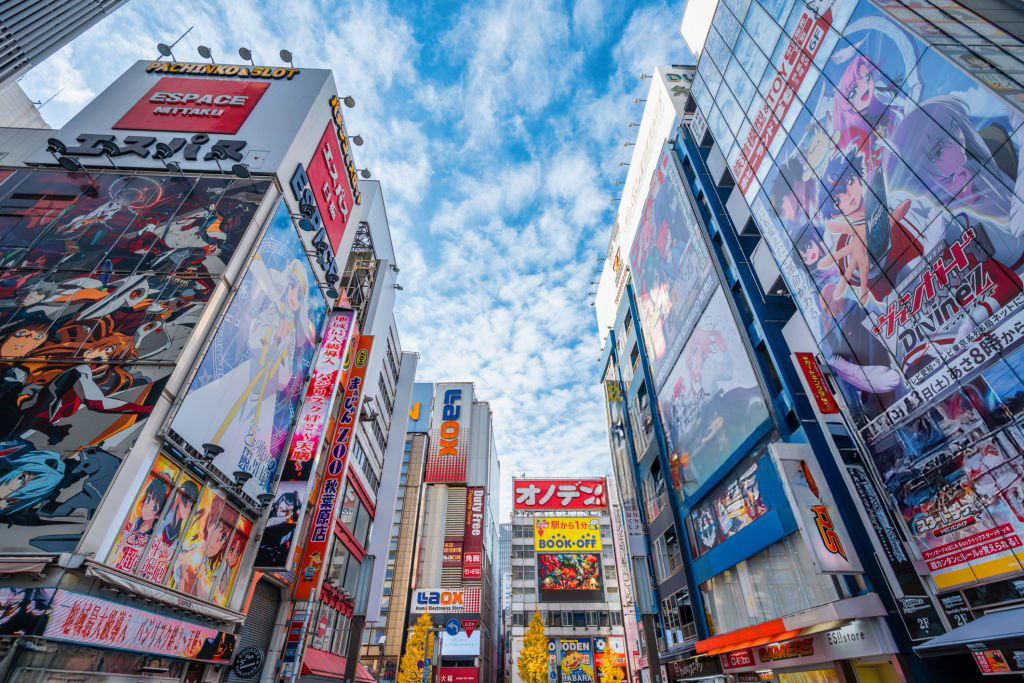
- Akihabara: Often called “Electric Town,” this neighborhood is packed with multi-story arcades featuring the latest rhythm games, retro floors, and anime tie-ins.
- Shinjuku and Shibuya: Near the busy station exits, you’ll find bright arcades with extensive UFO catcher floors and purikura corners, ideal for casual visitors.
- Ikebukuro: Popular with anime fans and otaku culture, with arcades that cater heavily to character goods and photo booths.
Osaka and Beyond
- Osaka (Namba, Umeda): The nightlife districts are lined with game centers that stay lively late, blending seamlessly with restaurants and bars.
- Regional cities: In places like Nagoya, Fukuoka, or Sapporo, arcades may be attached to shopping malls or near main train stations, with a more local feel.
Even small cities often have at least one mid-sized arcade. If you’re exploring beyond Tokyo and Osaka, check shopping complexes or entertainment districts near the station.
Safety and Comfort Tips for First-Time Visitors
Japanese amusement arcades are generally safe and well-managed, with staff circulating regularly. Still, a few simple habits help you relax and enjoy yourself.
- Watch your belongings: Use backpack front pockets for valuables; don’t leave phones or wallets on top of machines.
- Limit your budget: Prize games can be addictive. Decide in advance how much you’re willing to spend trying for that giant character plush.
- Take breaks: The constant sound and flashing lights can be tiring. Step outside for fresh air between floors or games.
- Consider sensitivities: If you’re sensitive to noise or light, shorter visits or quieter hours (weekday mornings and early afternoons) will feel more comfortable.
Why Japanese Arcades Are Worth Your Time
Visiting an amusement arcade in Japan is more than just a way to kill time on a rainy day. It’s a snapshot of everyday leisure in a country where gaming, technology, and social life blend seamlessly.
In one building, you can:
- Test your skills on world-famous rhythm games.
- Try to win adorable prizes you won’t see at home.
- Create playful photo souvenirs in purikura booths.
- Glance back at retro gaming history.
- Share an easy, language-light activity with friends or family.
Whether you spend a quick 20 minutes between sightseeing spots or dedicate a whole evening to hopping from one arcade to another, you’ll experience a vibrant, contemporary side of Japan that contrasts beautifully with temples, gardens, and traditional neighborhoods.
On your first trip to Japan, step through those automatic doors, exchange a bill for a handful of coins, and let the sounds and lights pull you into an amusement arcade. You might walk out with a prize or just a purikura sticker sheet, but you’ll definitely leave with a story.
Explore Other Cultures
Anime & Manga Culture
Amusement Arcade
Karaoke
Maid Cafes