



Aomori
First-Timer’s Guide to Aomori, Japan: Where Nature, Art and Snow Meet
Photos are for illustrative purposes only.
On the northern tip of Japan’s main island of Honshu, Aomori is a city shaped by snow, sea, forests and festivals. For first-time visitors to Japan, it offers a calmer, more authentic experience than Tokyo or Osaka, while still being easy to reach by bullet train and plane. Think lantern-lit summer nights, autumn forests of blazing red, winters buried in soft powder snow, and spring orchards heavy with apples.
This guide introduces what to see and do in and around Aomori City, how to experience local culture, and practical tips to make the most of your trip.
Why Visit Aomori?
Aomori is best known across Japan for three things: apples, snow and the spectacular Nebuta Festival. But the appeal for international visitors is broader:
- Four distinct seasons with dramatic scenery in each.
- Famous onsen (hot springs) in nearby mountains and coastal areas.
- World-class museums blending contemporary art and regional history.
- Fresh seafood including tuna, scallops and seasonal specialties.
- Manageable size: compact enough to explore slowly without stress.
For first-timers, Aomori is a place to taste rural Japan while still enjoying modern comforts, clear signage, and relatively uncrowded attractions.
Where Is Aomori and How to Get There
Location and Overview
Aomori City is the capital of Aomori Prefecture, overlooking Mutsu Bay at the northern end of Honshu. Its port connects to Hokkaido by ferry, and high mountains rise to the south and west. The weather is cool compared to Tokyo, with long snowy winters and mild summers. That climate shapes everyday life: locals are experts in snow removal, hearty cuisine and using the short summer to celebrate outdoors.
From Tokyo to Aomori
Reaching Aomori is straightforward, even for first-time visitors:
- Shinkansen (bullet train): Take the Tohoku Shinkansen from Tokyo Station to Shin-Aomori Station (about 3–3.5 hours). From Shin-Aomori, local trains or buses reach central Aomori in around 5–10 minutes.
- Domestic flight: From Tokyo’s Haneda or Narita airports to Aomori Airport (about 1 hour), then a 30–40 minute bus into the city.
If you plan to travel further around Japan by rail, consider a Japan Rail Pass or regional JR East pass; both can be cost-effective for multiple shinkansen journeys.
Top Sights in and Around Aomori City
Nebuta Museum WA-RASSE
Even if you can’t visit during the famous Aomori Nebuta Festival in early August, you can still experience its magic at the Nebuta Museum WA-RASSE near Aomori Station. Inside this striking red building are full-size lit floats from past festivals, towering over visitors with fierce warrior faces, mythical creatures and swirling clouds.
Exhibits explain how local craftspeople design and build Nebuta over months using traditional paper and wire techniques. Short videos and scheduled performances with taiko drums and haneto dancers (in colorful costumes and straw hats) help you feel the energy of festival nights. It’s a perfect introduction to Aomori’s strong festival culture, accessible even if you don’t speak Japanese.
Aomori Bay Area and A-FACTORY
Outside the museum, the waterfront area is ideal for a stroll. The curved Aomori Bay Bridge and the triangular ASPAM building shape the skyline, while ferries come and go from the port. In good weather, locals gather along the promenade to watch the sunset over the bay.
Right by the water is A-FACTORY, a stylish market hall where you can sample Aomori’s famous apples in every form: fresh, dried, juiced, and turned into cider and sweets. Glass windows let you see parts of the cider-making process, and the building houses shops selling regional products as well as casual eateries featuring seafood, apple-based desserts and light meals.
Aomori Museum of Art
A short bus or taxi ride from the city center, the Aomori Museum of Art is worth a visit even for those not usually drawn to galleries. Designed partly underground, with clean white walls and open courtyards, it feels both modern and contemplative.
The museum highlights a mix of local and international work. One of the most photographed pieces is the massive white dog sculpture “Aomori-ken” by Yoshitomo Nara, an Aomori-born artist whose whimsical, slightly melancholic style has global fans. Rotating exhibitions explore themes from northern landscapes to contemporary design, and simple English explanations help first-time visitors understand the context.
Sannai-Maruyama Site
Across from the art museum is the Sannai-Maruyama Site, one of Japan’s largest and best-preserved Jomon period archaeological sites, dating back more than 4,000 years. Walking through the reconstructed village of pit dwellings, raised storehouses and a towering wooden structure, it’s easy to imagine life in prehistoric Japan, long before samurai and castles.
Inside the visitor center, you’ll find artifacts such as clay figurines, pottery, and tools. Simple diagrams and models explain how people hunted, gathered, and built community here. For families, this site is a hands-on way to explore Japanese history beyond temples and shrines.
Day Trips and Nature Near Aomori
Hirosaki: Castle, Cherry Blossoms and Apples
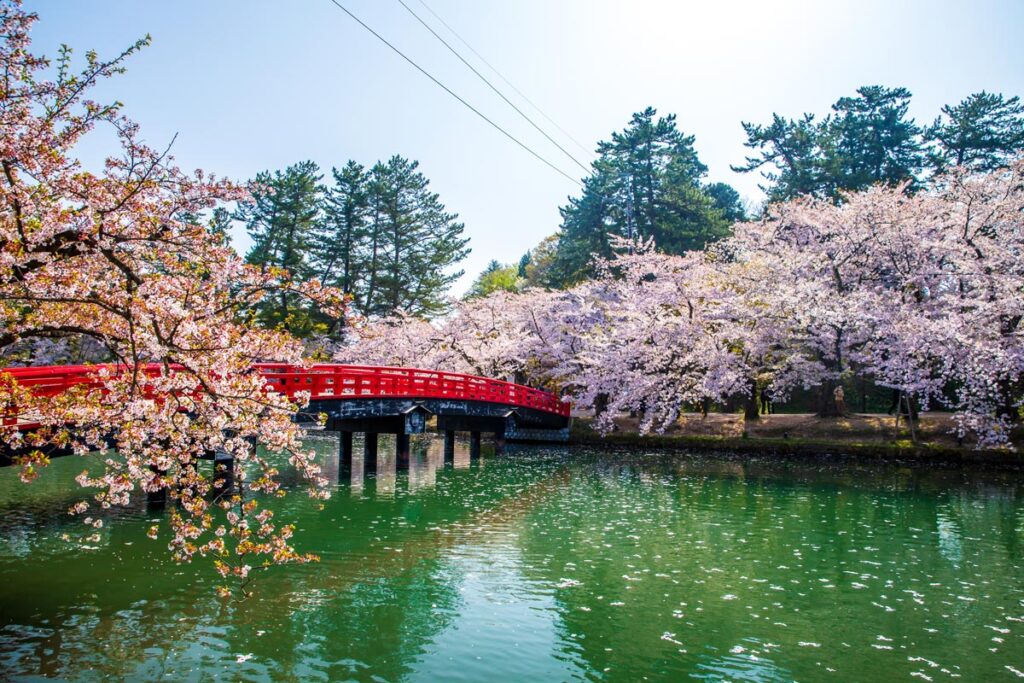
About 40–50 minutes by train from Aomori City, Hirosaki is an excellent day trip or overnight stay. The city is famous for Hirosaki Castle Park, where thousands of cherry trees surround a historic castle tower and moats.
- Spring: Late April to early May is cherry blossom season. Petals drift into the moats, creating “sakura carpets” on the water.
- Autumn: The park glows with red and gold foliage, and evening illuminations create a romantic atmosphere.
Hirosaki is also a center of Japan’s apple production. Visit during harvest season (roughly September to November) to try freshly picked apples, apple pies and juices. Local cafes pride themselves on their own recipes, and apple-themed souvenirs make easy gifts.
Oirase Gorge and Lake Towada
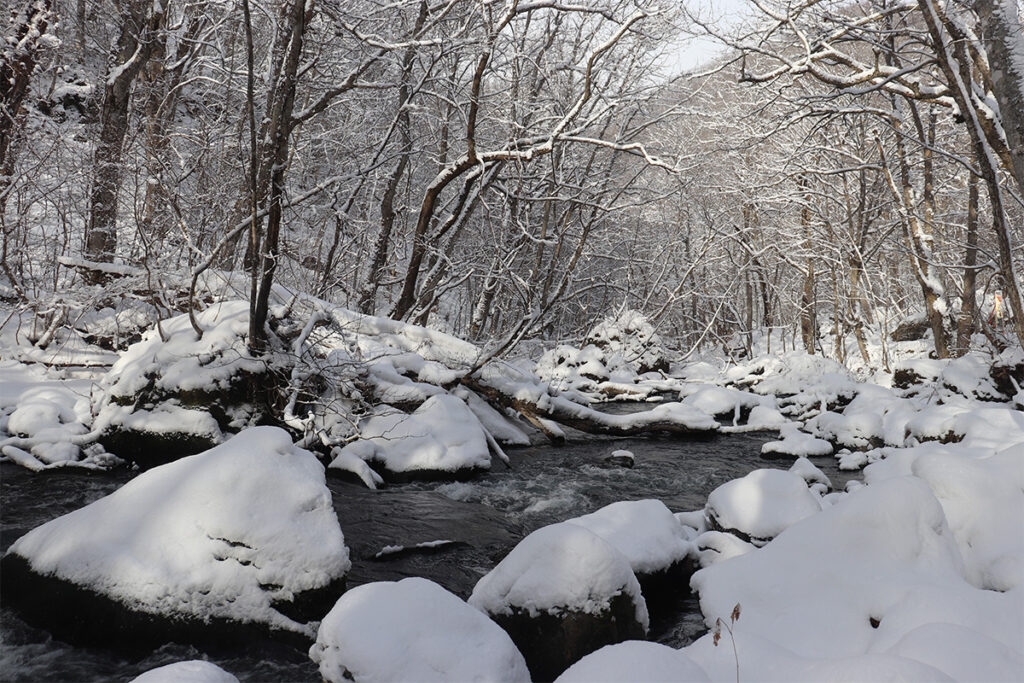
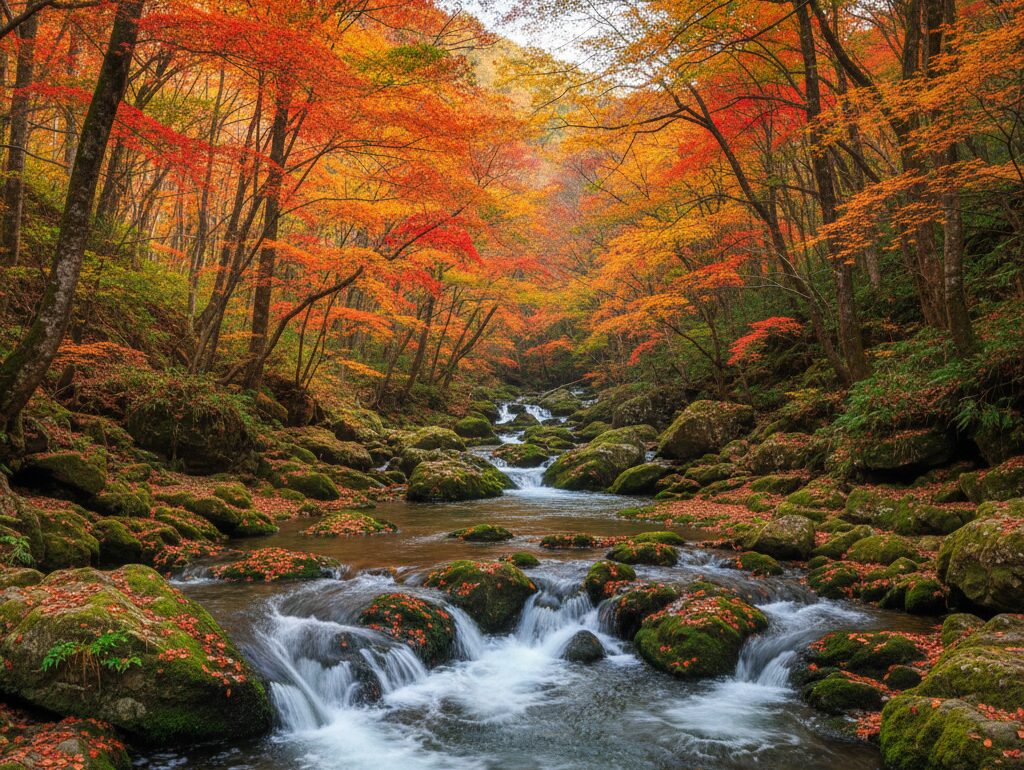
A few hours from Aomori City by bus or car, Oirase Gorge and Lake Towada form one of northern Japan’s most scenic nature areas. A clear mountain stream runs for about 14 kilometers through Oirase, passing dozens of waterfalls framed by moss-covered rocks and dense forest.
Well-marked walking paths allow you to hike selected sections, making it suitable for casual walkers as well as more serious trekkers. In summer, the gorge is lush green and cool, while autumn brings some of Japan’s most vivid fall colors, usually from mid-October to early November.
Lake Towada, a deep blue caldera lake, offers boat cruises, lakeside cafes, and viewpoints for panoramic photos. English information is limited in the countryside, but trail maps are easy to follow and local people are used to helping lost hikers with simple gestures and a few words of English.
Onsen Experiences: Asamushi and Beyond
Japan’s hot springs are a must-try, and Aomori has several within easy reach of the city. Asamushi Onsen, about 30 minutes from Aomori by train along the coast, combines sea views with traditional bathhouses and inns. Many facilities welcome day visitors, so you can visit even if you’re not staying overnight.
Soaking in a steaming outdoor bath while you look across Mutsu Bay or up at snow-covered hills is a distinctly northern Japanese experience. Remember basic onsen etiquette: wash thoroughly before entering the bath, wear no swimsuits, and keep towels out of the water.
Seasonal Highlights in Aomori
Summer: Nebuta Festival
The Aomori Nebuta Festival held in early August is one of Japan’s most dynamic summer events. Enormous illuminated floats, sometimes 9 meters wide, are paraded through the streets at night accompanied by drums, flutes, and shouting dancers who cry “Rassera! Rassera!” Locals and visitors alike can join as haneto dancers if they wear the proper costume, available to rent at shops around the city.
During festival days the city fills with people, and hotels book up many months in advance. If you plan to attend, reserve accommodation early and expect crowded trains and streets. The atmosphere, however, is unforgettable: a rare chance to participate not just observe.
Autumn: Color and Harvest
Autumn in Aomori brings clear skies, crisp air, and an explosion of color in the mountains. Oirase Gorge, Hakkoda Mountains, and Hirosaki Park are particularly famous for fall foliage, usually peaking from mid-October to early November depending on elevation.
This is also harvest season: apple orchards open to visitors, markets are full of mushrooms and fresh produce, and many restaurants feature seasonal menus. It’s one of the most comfortable times for hiking and sightseeing.
Winter: Deep Snow and Onsen
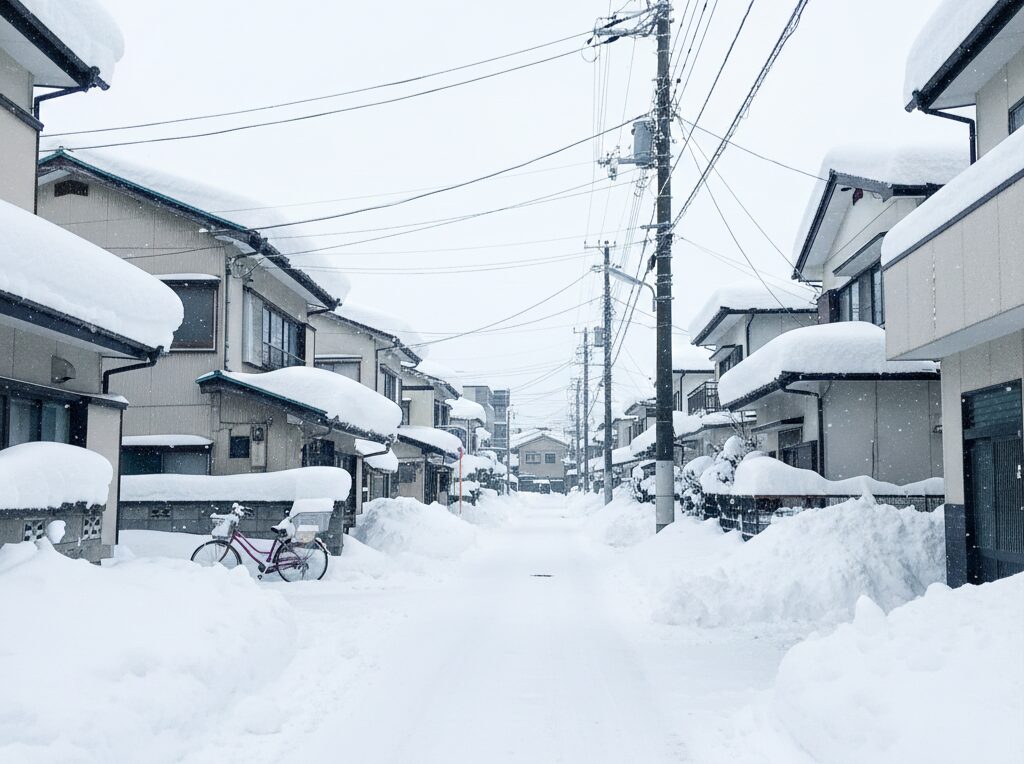
Aomori often ranks among the snowiest cities in the world. Snow typically begins in late November and lasts through March, with deep accumulations. For many travelers this is a novelty rather than a nuisance: snow-draped streets, steaming manhole covers from underground heating, and quiet mornings as locals shovel paths.
Nearby ski areas and snowshoe trails in the Hakkoda Mountains attract winter sports lovers. At the end of a cold day, an onsen soak is even more appealing. Pack warm, waterproof footwear and multiple layers if you visit in winter; sidewalks can be slippery, but city life continues as normal thanks to excellent snow management.
Spring: Snow Walls and Blossoms
Spring arrives later than in Tokyo, with cherry blossoms in Aomori and Hirosaki usually blooming from late April. A unique seasonal attraction is the high snow corridor along the Hakkoda-Towada Gold Line, where roads are cleared between walls of lingering snow several meters high. Buses and cars pass through, and designated stops allow visitors to photograph the dramatic scenery.
As temperatures rise, local markets shift from winter ingredients like cod and root vegetables to spring mountain greens, giving you the chance to taste another side of Japanese seasonal cuisine.
Food and Drink to Try in Aomori
Aomori’s northern climate and long coastline shape its cuisine. When exploring local restaurants and markets, look out for:
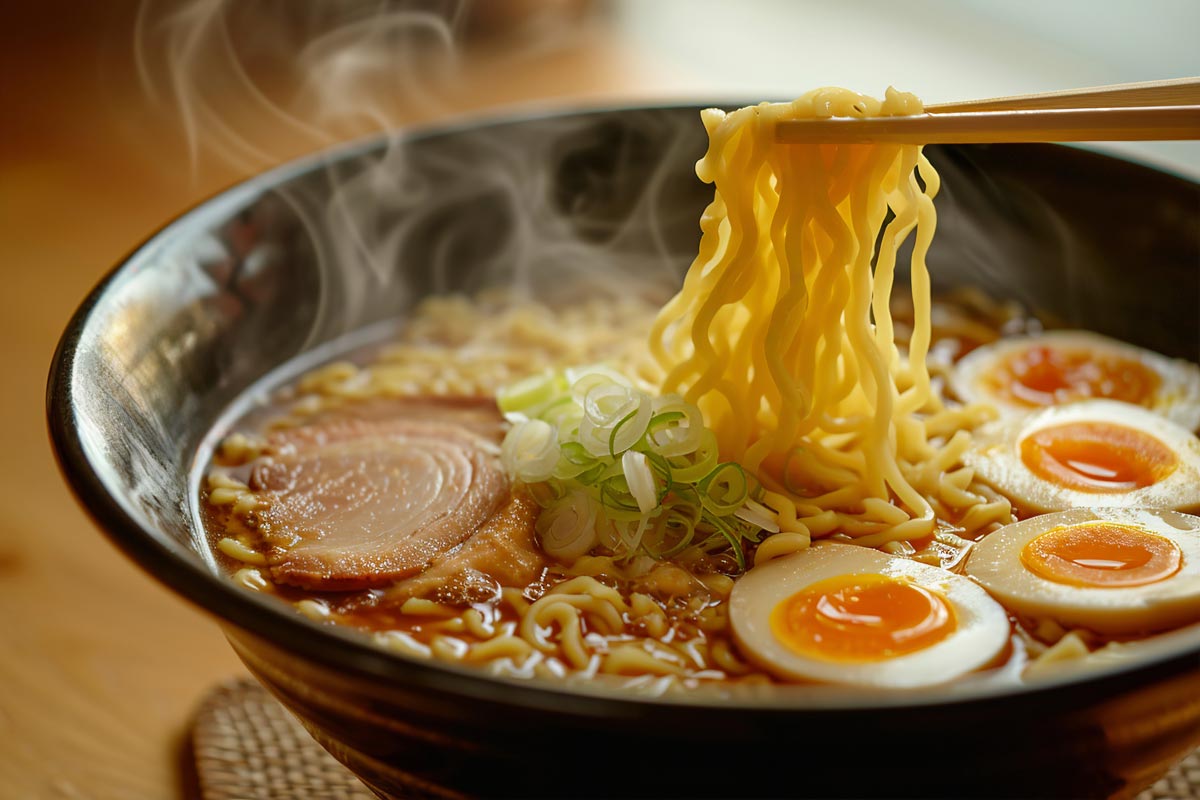
- Apples: Beyond eating them fresh, try apple pies, sorbets, cider, and even apple curry in some cafes.
- Maguro (tuna): The region is known for high-quality tuna, often served as sashimi, sushi or on rice bowls.
- Hotate (scallops): Snap-fresh scallops appear grilled, raw, or simmered in soups.
- Ichigoni: A local miso-based soup of sea urchin and abalone, traditionally eaten at celebrations.
- Jappa-jiru: A hearty cod soup popular in winter, making use of the whole fish.
- Local sake and cider: Sake breweries use local rice and water, while craft cider makers experiment with numerous apple varieties.
In Aomori City, the area around Aomori Station and the bay has plenty of izakaya pubs, seafood restaurants and casual eateries. Many have plastic food displays or photo menus, which make ordering less intimidating for first-time visitors who don’t read Japanese.
Practical Tips for First-Time Visitors
Getting Around
Aomori City itself is compact. You can walk between the station, bay area and central streets, while local buses connect major attractions such as the Nebuta Museum, A-FACTORY, museums, and suburban shopping areas. Taxis are readily available at stations and are safe and reliable, though more expensive than buses.
For day trips to Hirosaki, Asamushi or other towns, local JR trains and private rail lines are easy to use. Station signs typically include English, and staff are accustomed to helping foreign visitors buy the correct tickets.
Weather and What to Pack
Aomori’s weather is more extreme than Tokyo’s, so pack accordingly:
- Winter: Insulated boots, warm coat, hat, gloves, and layers. Consider traction attachments for shoes if you’re uncomfortable walking on ice.
- Summer: Cooler than central Japan but still warm and humid; light clothing plus a thin jacket for evenings.
- Rain: A compact umbrella or rain jacket is useful year-round.
Language and Etiquette
English is less widely spoken than in major Japanese cities, but people are generally patient and kind with visitors. Carrying a translation app and writing down key place names in Japanese can be helpful when taking buses or taxis.
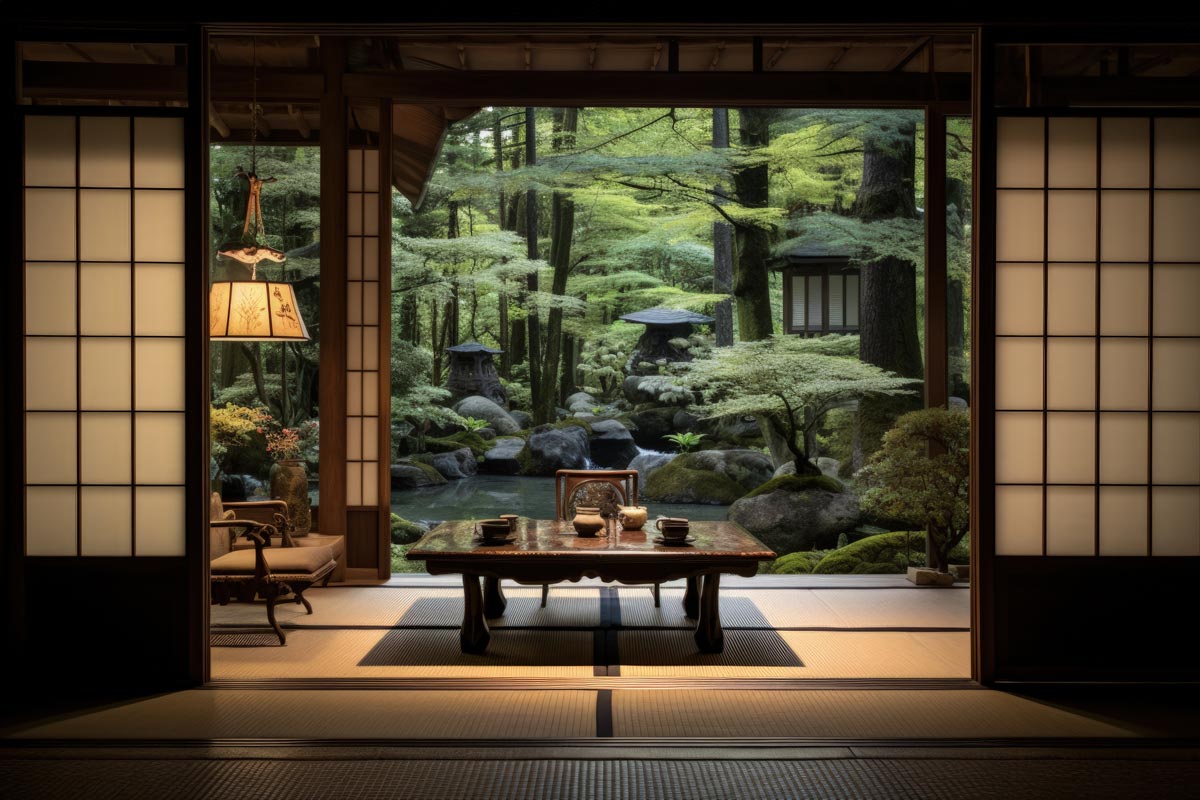
As elsewhere in Japan, it’s polite to speak softly on public transport, avoid eating while walking, and line up neatly at train platforms and bus stops. When entering homes, traditional inns and some smaller restaurants, remove your shoes at the door. In onsen, follow posted etiquette and watch locals if you’re unsure.
Making Aomori Part of Your Japan Itinerary
Aomori works well as a two- to three-day stop on a longer journey through northern Japan, or as a base for exploring Aomori Prefecture. Combine it with Hirosaki, Oirase Gorge and Lake Towada for a nature-focused itinerary, or continue by train or ferry to Hokkaido.
For first-time travelers looking beyond the usual Tokyo–Kyoto–Osaka route, Aomori offers a slower rhythm, striking landscapes and a deep sense of local identity. Whether you come for lantern-lit summer nights, hushed winter streets under fresh snow, or apple-scented autumn markets, this northern city reveals a distinctive side of Japan that many visitors never see.

Access Map
Recommended spots in Aomori

Nebuta Museum
Wa Rasse
Hirosaki Park
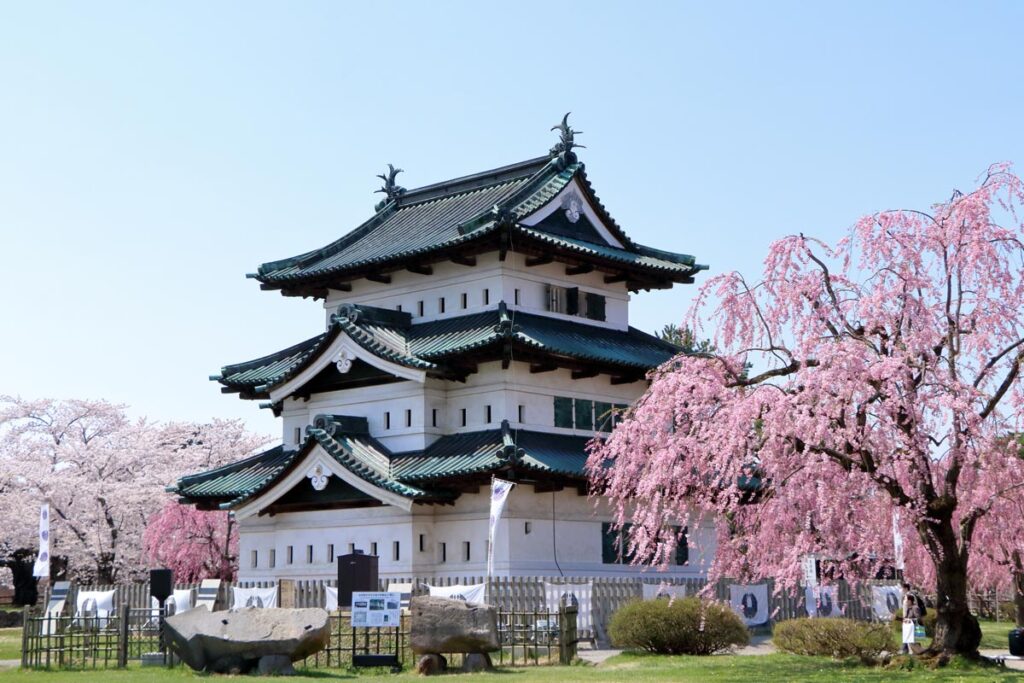
Hirosaki Castle
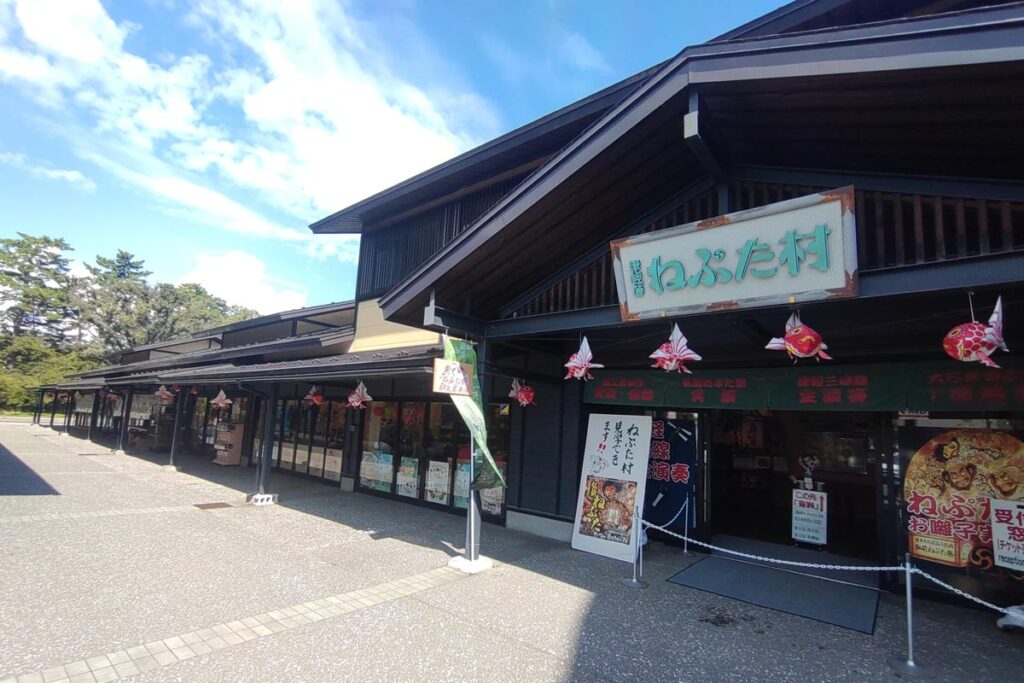
Tsugaru Neputa Village
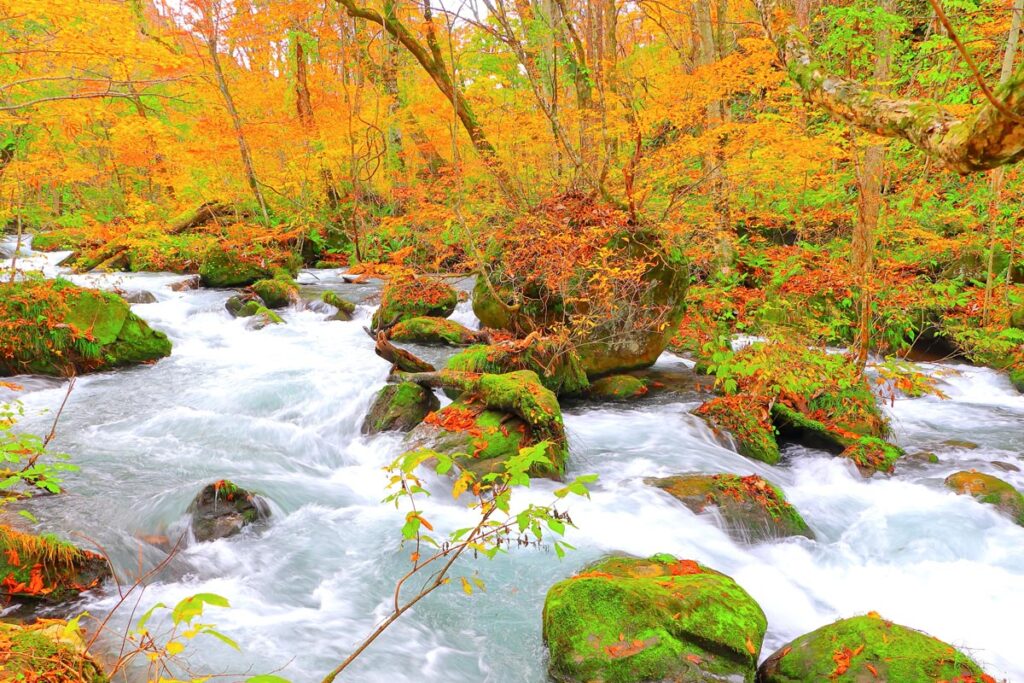
Oirase Stream
Top destinations in Hokkaido & Tohoku
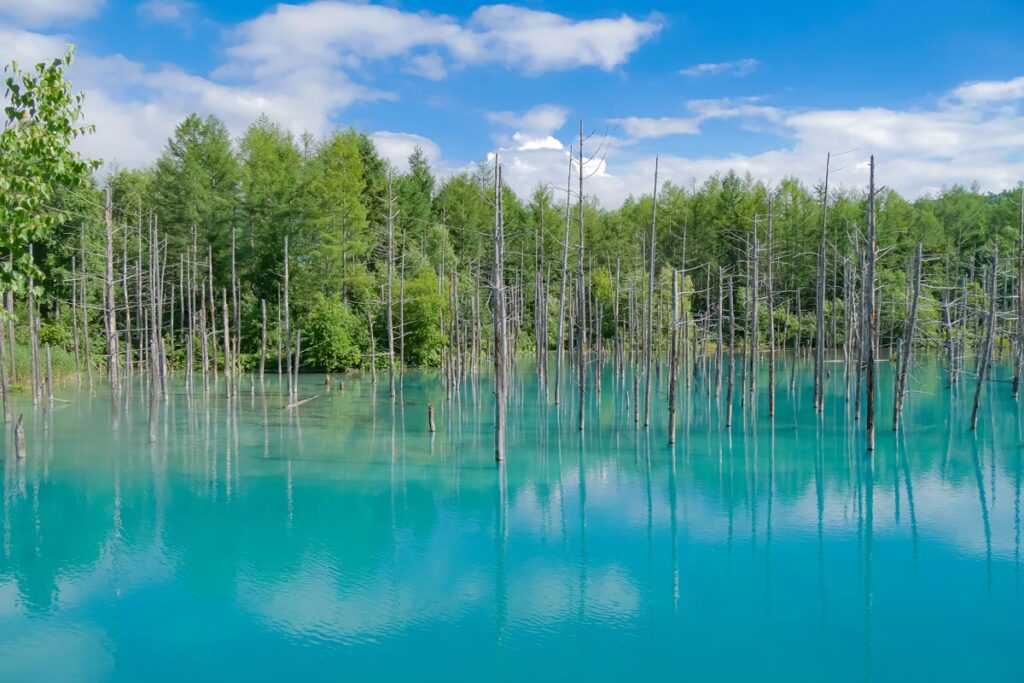
Hokkaido
Iwate
Fukushima

Miyagi
Aomori Useful Link