

Apartment and House
Apartment and House Stays in Japan: A First‑Timer’s Guide
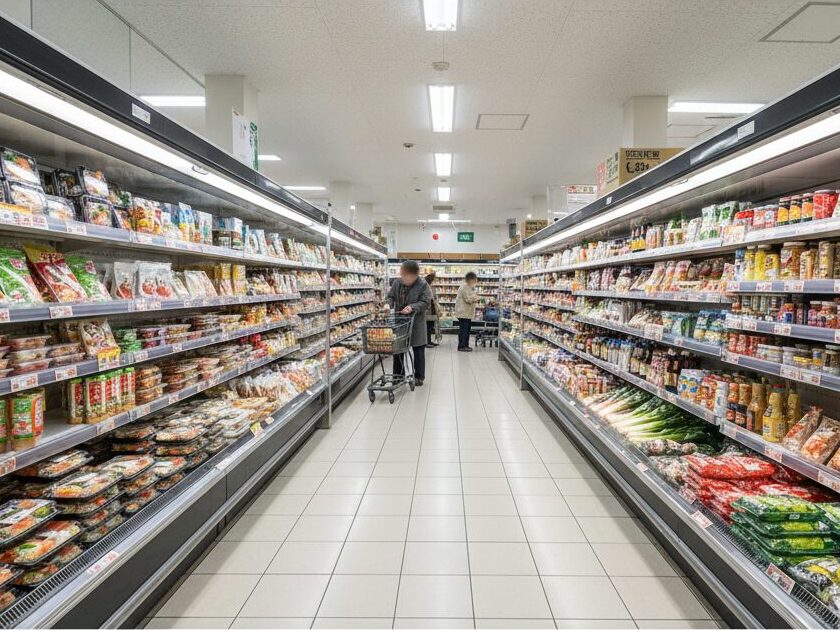
Hotels are familiar and convenient, but if you want to experience everyday life in Japan, staying in an apartment or house can be unforgettable. You might wake up in a quiet residential lane, hear schoolchildren walking past, and shop for your breakfast at the local supermarket instead of a hotel buffet. For many first-time visitors, this kind of stay turns a good trip into a truly memorable one.
This guide explains how apartment and house stays work in Japan, what to expect inside, cultural differences to prepare for, and practical tips to help you choose the right place and avoid common problems.
Why Choose an Apartment or House in Japan?
For international travelers, renting an apartment or house in Japan has several advantages over a standard hotel.
Live in a Real Neighborhood
Apartment buildings and houses are usually located in residential areas rather than on busy hotel streets. This lets you:
- Explore local shotengai (shopping streets) with small family-run shops.
- Use neighborhood supermarkets, bakeries, and convenience stores.
- Experience daily routines, from morning commuters to evening dog walks.
Staying in a residential area also makes it easier to notice the small details that define Japanese life: neatly parked bicycles, recycling days, tiny neighborhood shrines, and the quiet order of even dense city districts.
Enjoy More Space and Privacy
Japanese hotel rooms can be compact, especially in major cities like Tokyo and Osaka. An apartment or house often gives you:
- A separate sleeping area and living space.
- Room for open suitcases without blocking the walkway.
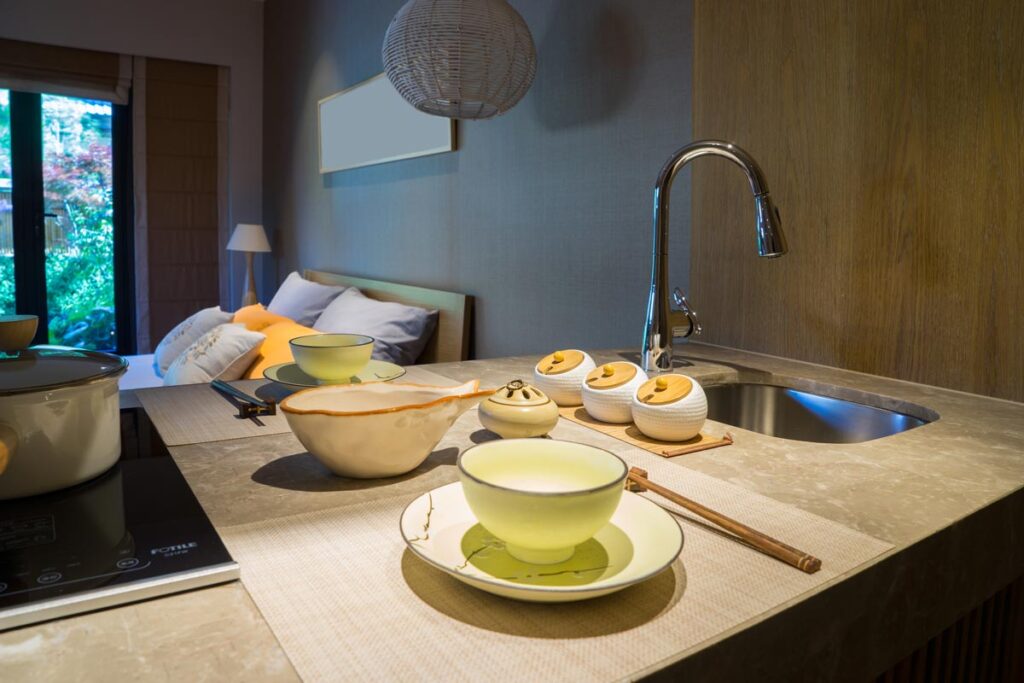
- A table or counter where you can comfortably work, eat, or plan the next day.
Traveling as a family or small group? Renting one larger space instead of multiple hotel rooms can make it easier to coordinate schedules and spend time together in the evenings.
Cook and Do Laundry Like a Local
Most apartments and houses in Japan are equipped with at least a small kitchen and a washing machine. This is especially helpful if you:
- Want to save money by preparing simple breakfasts or dinners.
- Have dietary restrictions and need better control over ingredients.
- Prefer to travel light and wash clothes during your trip.
Browsing the aisles of a local supermarket is a cultural experience in itself. You might discover seasonal fruits, bento boxes, regional snacks, and ready-to-eat dishes that never appear on restaurant menus.
Types of Apartments and Houses You’ll Find
Japanese residential properties come in many shapes and sizes. Understanding local terms will help you interpret listings more accurately.
Typical Urban Apartments
In big cities, the most common option is a small apartment in a multi-story building. These spaces are designed to be efficient rather than large. You might see layout descriptions like:
- 1K: One room plus a kitchen space.
- 1DK: One room plus a dining kitchen area.
- 1LDK: One separate bedroom plus a living, dining, and kitchen area.
The letters stand for Living, Dining, and Kitchen. Even if the listing uses Japanese abbreviations, most platforms show a floor plan so you can visualize the space.
Traditional-Style Houses and Townhouses
In quieter neighborhoods or smaller cities, you may find whole houses or traditional townhouses. Some key features might include:
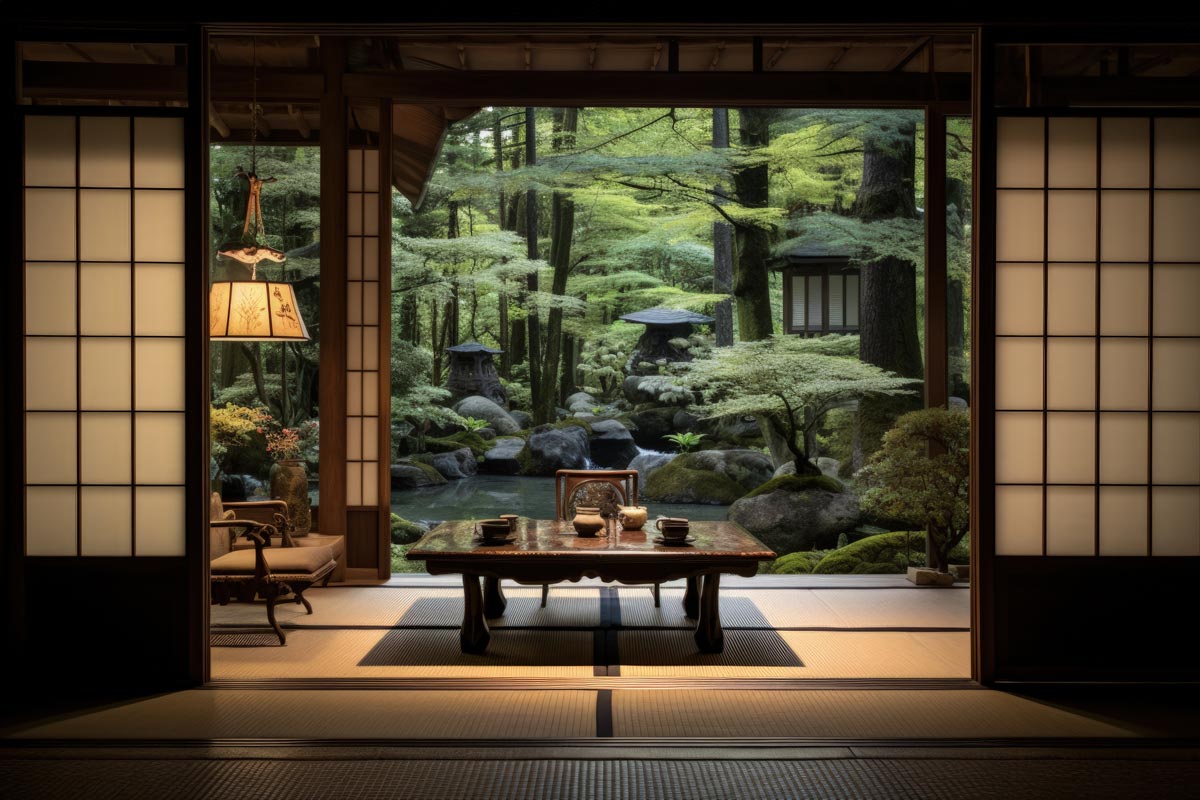
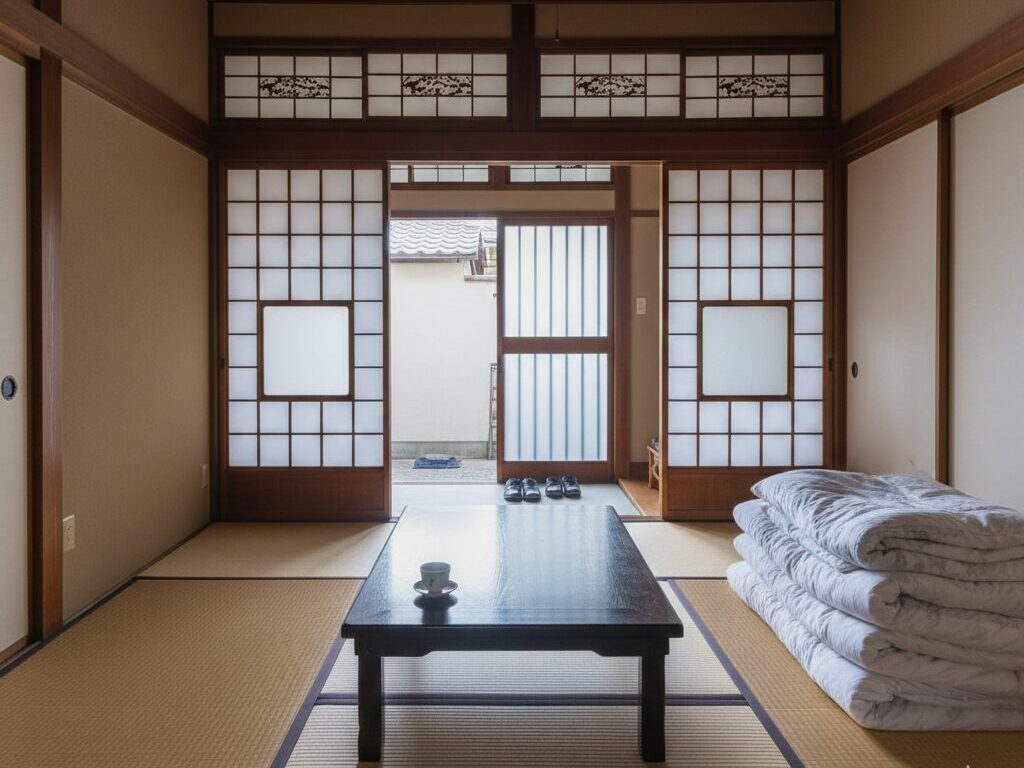
- Tatami rooms with woven straw mats and sliding paper doors.
- Futons that you lay out at night and store during the day.
- Genkan, the entryway where you remove shoes before stepping up into the house.
These stays give you a deeper sense of Japanese domestic culture. You might sleep on the floor, open shoji screens in the morning to let in the light, and listen to rain on a tiled roof instead of through a hotel window.
Compact City Studios
In central areas near major stations, you’ll often see compact studios designed for short stays. These can be ideal if you plan to spend most of your time out exploring and mainly need a safe, clean, and well-connected base.
Space is minimal, but they usually have:
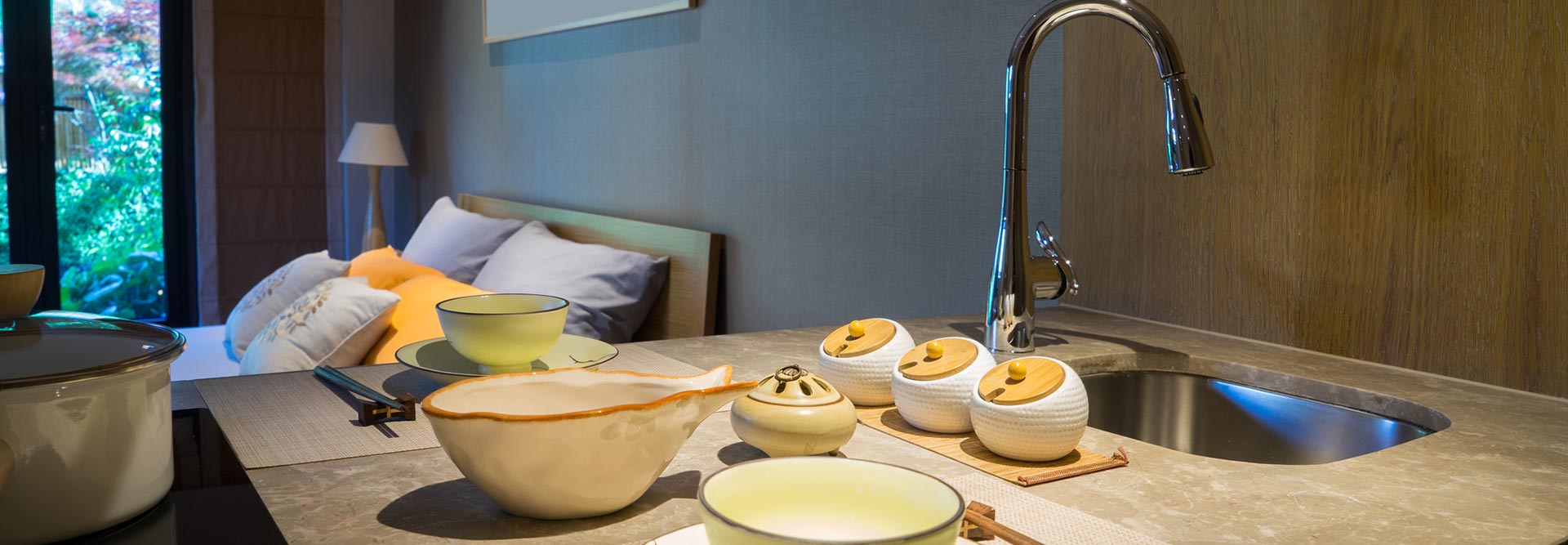
- A small kitchenette with a single burner and basic cookware.
- A unit bath (prefabricated bathroom with shower and tub combined).
- Efficient storage solutions like wall hooks and under-bed drawers.
What to Expect Inside a Japanese Home
Even if you’ve stayed in apartments abroad, some features of Japanese homes may surprise you. Knowing what to expect makes your stay smoother.
Compact but Clever Layouts
Space is at a premium in Japanese cities. Many first-time visitors are surprised by:
- Narrow entrances and slim hallways.
- Low ceilings in older properties.
- Multifunctional rooms that serve as living and sleeping areas.
On the other hand, storage tends to be smart and abundant, with built-in closets, loft beds, and folding furniture. Embrace the compactness as part of the experience of urban Japan.
Bathroom and Toilet Layout
It’s common in Japan to separate the toilet from the bathing area. You may encounter:
- Washlet toilets with bidet functions and heated seats.
- Unit baths where the entire room can get wet, with a deep soaking tub.
- Small sinks or washing areas mounted above the toilet tank in some compact apartments.
If there is a traditional bath setup, it is customary to shower and wash your body outside the tub, and then use the tub purely for soaking. Always follow any instructions left by the host.
Appliances and Controls
Japanese appliances are often labeled only in Japanese. Common items include:
- Air conditioner/Heater with remote control mounted on the wall.
- IH or gas stove with ignition and safety features.
- Washing machine without a dryer function (many homes use indoor drying racks).
- Water heater panel that controls bath and shower temperature.
Many hosts provide multilingual instruction sheets for key devices. If you arrive late at night, take a moment to figure out air conditioning and hot water before you’re tired from your travels.
Understanding Neighborhood Etiquette
When you stay in an apartment building or residential house, you become part of the local community for a short time. Following Japanese etiquette helps maintain good relations with neighbors and protects the future of short-term rentals.
Noise and Quiet Hours
Japanese neighborhoods are generally quiet, especially at night. Sound insulation can be thin, so voices, dragging chairs, or loud TV can easily travel through walls and floors. Keep in mind:
- Avoid loud music, shouting, and heavy footsteps after evening hours.
- Speak softly in corridors, stairwells, and elevators.
- Be extra cautious with noise if you are traveling with children or in a group.
Many hosts specify quiet hours in their house rules. Respecting them is essential.
Shoes and Indoor Cleanliness
Removing shoes at the entrance is a nearly universal rule in Japanese homes. You will usually see a clear boundary where the flooring changes and a small step upward into the living area. Remember:
- Take off shoes in the genkan and store them neatly.
- Use provided slippers indoors, but not in tatami rooms.
- Do not step into the bathroom or toilet with house slippers if separate slippers are provided.
This custom helps keep the interior clean and comfortable, especially in rainy or snowy seasons.
Trash and Recycling Rules
Japan has detailed systems for garbage and recycling, and your temporary stay is no exception. Depending on the area, you may need to separate:
- Burnable trash.
- Plastic packaging.
- Bottles, cans, and glass.
- Cardboard and paper.
Most hosts explain how to sort and where to dispose of waste, sometimes with illustrated guides. Following these rules is important; incorrect disposal can cause trouble for your host and their neighbors.
Location: How to Choose the Right Area
For first-time visitors to Japan, choosing the right location can make your apartment or house stay far more convenient.
Access to Stations and Transit
Japan’s public transportation is excellent, but walking long distances with luggage is tiring. When comparing options, check:
- Walking time to the nearest station or bus stop (under 10 minutes is ideal).
- Train or subway lines available from that station.
- Last train times if you plan on staying out late.
A property slightly outside a crowded tourist hotspot but near a major train line can offer quieter nights and competitive prices while staying practical for sightseeing.
Daily Convenience
Look at a map and note what is within a short walk. In Japan, having the following nearby can significantly improve your stay:
- Convenience stores (konbini) open 24 hours.
- Supermarkets and drugstores for longer stays.
- Cafes or bakeries for quick breakfasts.
- Restaurants that open late or offer takeout.
Residential neighborhoods often have small, independent shops where you can try local specialties and interact with shop owners, even if only with a few shared words and gestures.
Booking an Apartment or House in Japan
Short-term apartment and house rentals in Japan are regulated, so it is important to choose legal, well-managed properties.
Check for Legitimacy and Licensing
Legal rentals typically:
- Display a registration number or license in the listing.
- Provide clear house rules and emergency contact information.
- Ask for passport information in accordance with Japanese law.
A properly registered property helps ensure safety standards are met and reduces the risk of last-minute cancellations due to local regulations.
Read the House Rules Carefully
Before booking, read all rules and conditions. Pay attention to:
- Check-in and check-out times.
- Self check-in procedures (key boxes, smart locks, or lockboxes).
- Limits on the number of guests or visitors.
- Smoking policies (most properties are strictly non-smoking indoors).
If you are unsure about anything, ask the host before confirming your reservation. Clear communication avoids misunderstandings later.
Practical Tips for a Comfortable Stay
A few small preparations can make your apartment or house stay in Japan smoother and more enjoyable.
Plan for Luggage and Stairs
Many low-rise apartments in Japan (five stories or less) have narrow stairs and no elevators. When booking:
- Check which floor the unit is on and whether there is an elevator.
- Consider traveling with smaller suitcases that are easier to carry.
- Allow extra time to move in and out, especially during summer or rainy days.
Stay Connected and Informed
Most apartments and houses include Wi‑Fi, but connection quality can vary. Before arrival, download:
- Offline maps of the neighborhood.
- Translation apps for reading appliance labels and signs.
- Transportation apps to check train times and routes.
It is also wise to keep printed or saved screenshots of check-in instructions in case your phone battery dies or network access is temporarily unavailable.
Respect the Space as If It Were Your Own
Japanese hosts often take pride in cleanliness and order. In return, they appreciate guests who:
- Remove trash regularly and follow sorting rules.
- Wipe up spills and keep the kitchen tidy.
- Leave the property in a reasonable condition at check-out.
This respectful approach helps maintain a positive environment for future travelers and supports the continued availability of such stays.
When an Apartment or House Is Right for You
Apartment and house stays in Japan are ideal if you:
- Plan to stay in the same city for several nights or more.
- Travel with family or friends and want shared living space.
- Enjoy cooking simple meals or trying supermarket foods.
- Want a quieter, more local atmosphere than busy tourist districts.
If you have only one or two nights in a city and will spend most of your time sightseeing, a hotel directly attached to a major station might still be more convenient. For longer stays, however, the comfort and local flavor of an apartment or house can be hard to beat.
Experience Everyday Japan from the Inside
Staying in an apartment or house lets you do more than visit Japan; it lets you briefly participate in daily life. You’ll learn how to separate trash like your neighbors, master the mysterious buttons on a Japanese toilet, and fall asleep to the quieter rhythms of a residential street rather than the glow of a hotel lobby.
With a bit of preparation and an open mind, an apartment or house stay can become one of the highlights of your journey. Choose a legal, well-located property, respect local etiquette, and enjoy discovering Japan not only as a tourist, but as a temporary resident.

Explore Other Hotels
Deluxe Hotels
3-star Hotels
Traditional Japanese
inn (Ryokan)
Capsule Hotels