

Arakurayama Sengen Park
Arakurayama Sengen Park: Mt. Fuji Views, Pagoda & Seasonal Beauty
Photos are for illustrative purposes only.
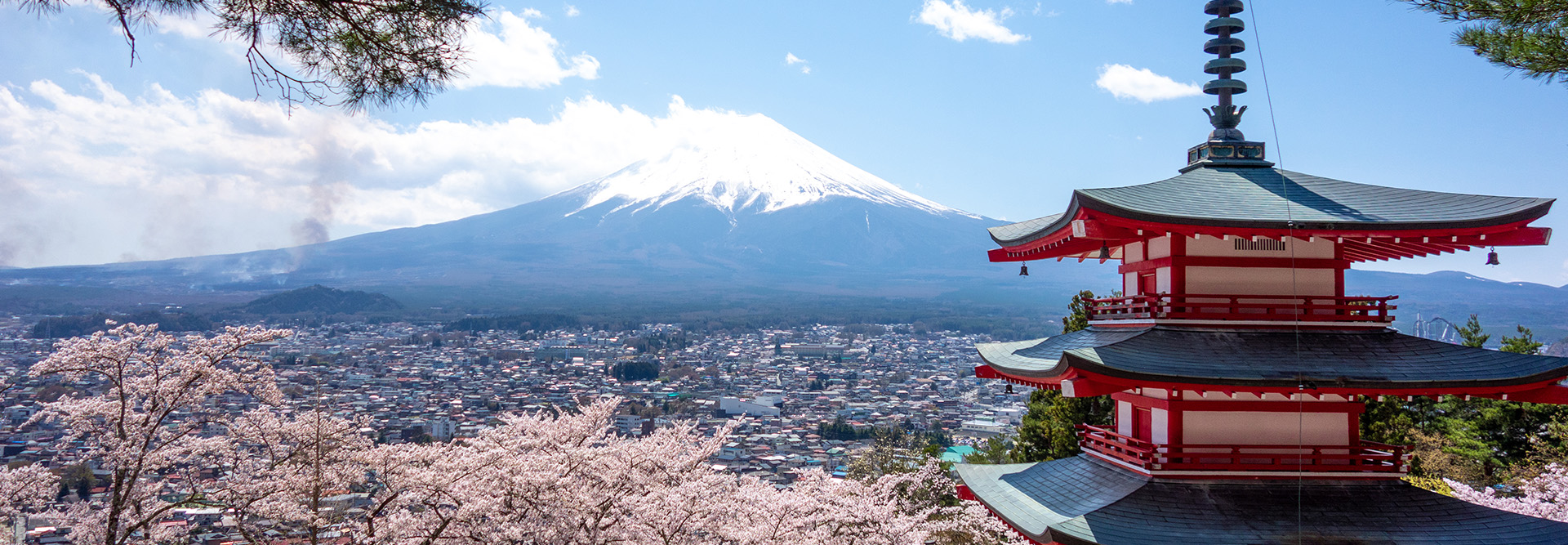
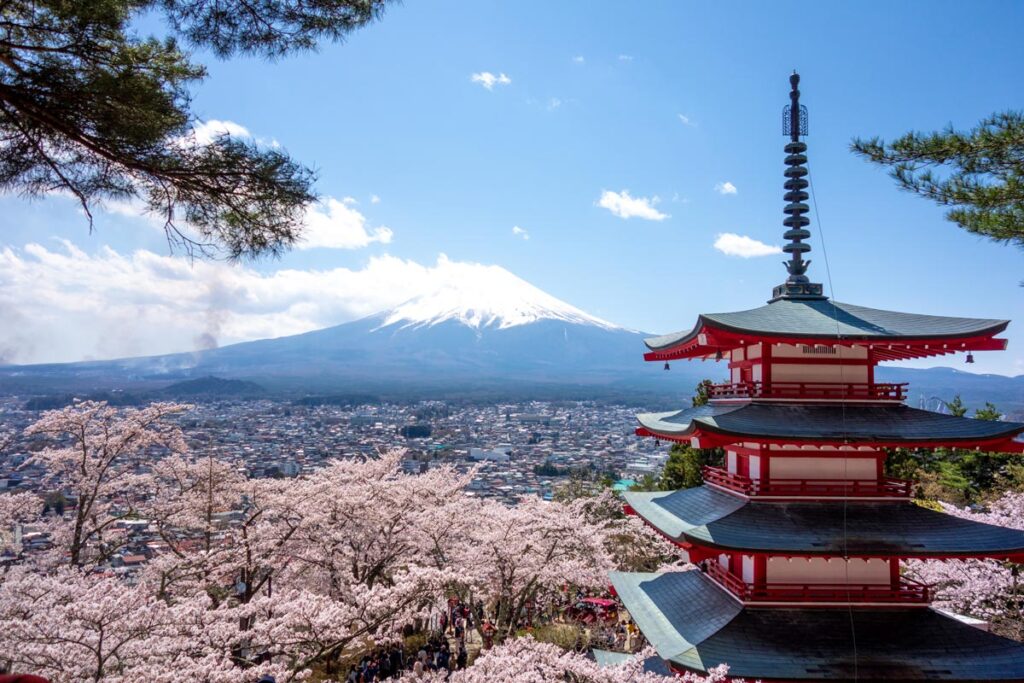
For many first-time visitors to Japan, there is one image that seems to appear everywhere: the perfect cone of Mt. Fuji rising behind a crimson five-story pagoda and a frame of pale-pink cherry blossoms. That dreamlike scene is real, and you will find it at Arakurayama Sengen Park in Fujiyoshida, Yamanashi Prefecture.
This hilltop park combines classic Japanese scenery with a surprisingly local, small-town atmosphere. It is easy to visit on a day trip from Tokyo, and it rewards travelers in every season with different views of Mt. Fuji and the surrounding city.
Why Visit Arakurayama Sengen Park?
Arakurayama Sengen Park is built on the slopes of Mount Arakura, overlooking the city of Fujiyoshida. It is part of a shrine complex dedicated to the Shinto deity of Mt. Fuji, blending a formal religious site with casual walking paths, viewing decks and quiet corners surrounded by trees.
The Classic Mt. Fuji and Pagoda View
The park’s main draw is the view from the observation deck near Chureito Pagoda. From here, you can see:
- Mt. Fuji rising majestically on the horizon
- The red and white five-story Chureito Pagoda in the foreground
- The low cityscape of Fujiyoshida spreading out below
- Seasonal elements such as cherry blossoms in spring or colorful foliage in autumn
It is one of the most photographed viewpoints in Japan because it weaves together several symbols: the sacred mountain, the pagoda associated with Buddhism, and the everyday life of a modern Japanese town.
A Blend of Nature, Spirituality and Everyday Life
Arakurayama Sengen Park is part of Arakura Fuji Sengen Shrine, one of many shrines that historically marked the start of pilgrim routes up Mt. Fuji. Even if you are not religious, it is worth pausing at the shrine buildings near the base of the park. You will often see local residents stopping by to bow, ring the bell and offer prayers for health, safety or exam success.
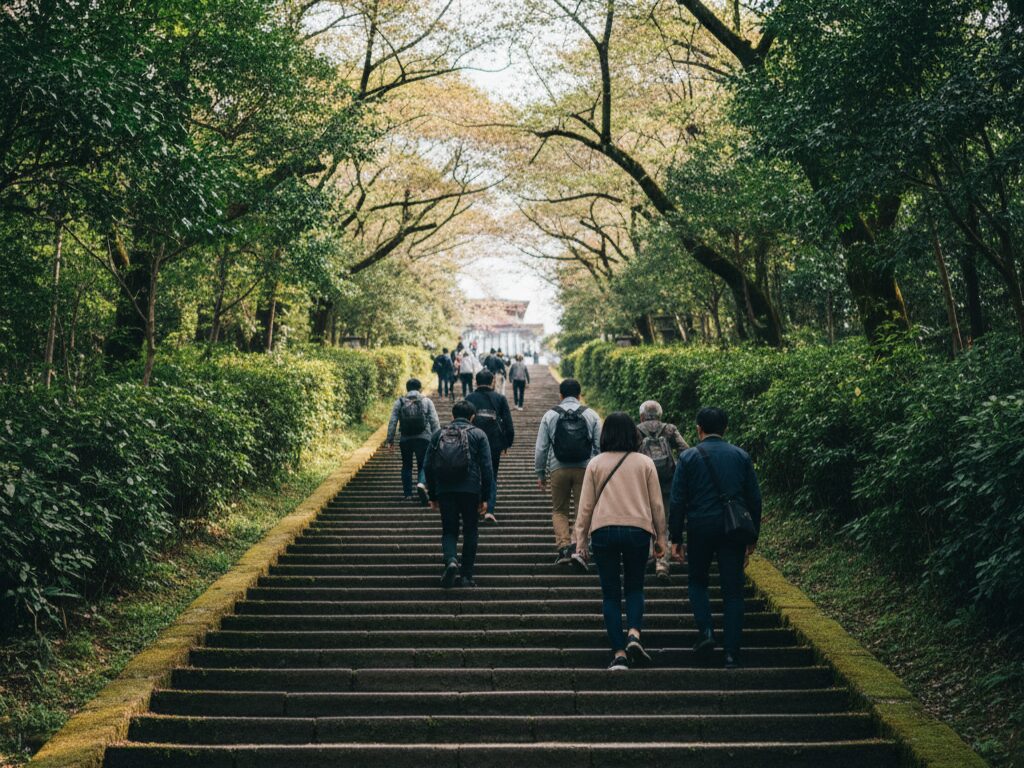
From there, stone steps and pathways lead up through a grove of cherry trees. The higher you climb, the more the city falls away and the more expansive the views become. The journey from street level to the pagoda can feel like a small pilgrimage in itself.
Best Time to Visit Arakurayama Sengen Park
There is no bad season for this park, but what you see will change dramatically throughout the year. If you are planning a first trip to Japan, you may want to coordinate your visit around the type of scenery that appeals to you most.
Spring: Cherry Blossom Spectacle
In early to mid-April, the slopes around Chureito Pagoda burst into full bloom. Hundreds of cherry trees create a tunnel of pale pink along the paths and stairways. From the viewing deck, your camera will capture the classic composition: blossoms in the foreground, the vermilion pagoda to one side, and often a snow-capped Mt. Fuji glowing in the background.
This is also the busiest time of year. Expect crowds, photography tripods and a festive mood. To make the most of it:
- Arrive as early as possible in the morning, especially on weekends.
- Be patient and courteous when waiting for a turn at prime photo spots.
- Check local blossom forecasts, as bloom dates can shift by a week or more depending on weather.
Summer: Lush Greenery and Hazy Fuji
From June through August, the hillsides turn deep green, and the air can be warm and humid. Mt. Fuji is often veiled in clouds, but on clear days you will see a darker, snow-free peak. The park is quieter than in spring and offers a relaxed atmosphere.
Summer is a good choice if you enjoy greenery and want to combine the park with other Fuji Five Lakes activities, such as boat rides or lakeside cafés.
Autumn: Fiery Foliage and Crisp Skies
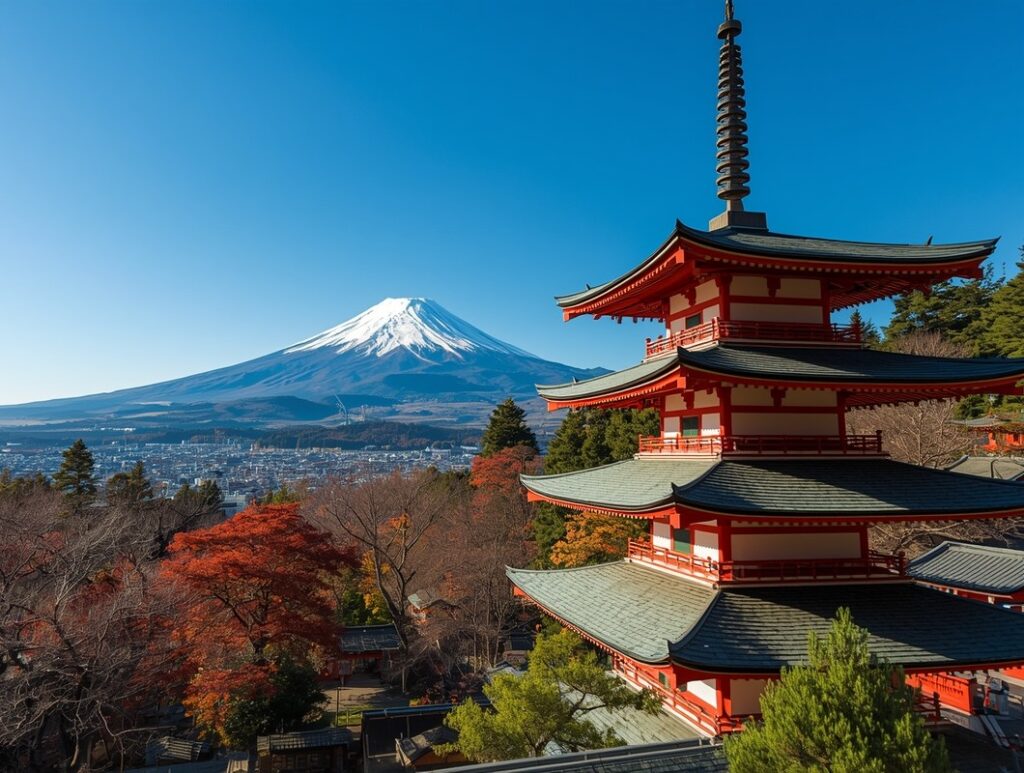
From late October to mid-November, the trees around the park transform into a palette of red, orange and gold. The air is crisper and cooler, and Mt. Fuji is often more visible, sometimes with the first dusting of snow on its summit.
Autumn visitors can expect fewer people than in peak cherry-blossom season, but the scenery is just as striking. If you are interested in photography, the combination of colorful foliage and clear skies can be especially rewarding.
Winter: Quiet Paths and Snow-Capped Fuji
In winter, the trees are bare, but Mt. Fuji is usually covered in snow and stands out sharply against the blue sky. Crowds thin out significantly, and the park adopts a peaceful, almost meditative atmosphere.
Bundle up well, as temperatures are low and winds on the viewing platform can be strong. Paths and steps may be slippery after snow, so choose footwear with good grip.
How to Get to Arakurayama Sengen Park
Arakurayama Sengen Park is easy to access from Tokyo as a day trip. The nearest station is Shimoyoshida Station on the Fujikyuko Line (sometimes called the Fujikyu Railway Line).
From Tokyo by Train
There are two main rail routes from central Tokyo:
Via JR Chuo Line and Fujikyuko Line
- Take a JR Chuo Line train from Shinjuku Station to Otsuki Station. You can choose between a limited express (faster, reserved seats) or a regular rapid service (cheaper, slower).
- At Otsuki, transfer to the Fujikyuko Line bound for Kawaguchiko.
- Get off at Shimoyoshida Station, a small local stop roughly 40 minutes from Otsuki.
From Shimoyoshida Station, it is about a 10–15 minute walk through a residential neighborhood to the base of the park. Signs in English point the way, and you will likely see other travelers heading in the same direction.
From Tokyo by Highway Bus
Highway buses run from Shinjuku and other parts of Tokyo to the wider Fuji Five Lakes area, usually terminating at Kawaguchiko Station. From Kawaguchiko, you can transfer to the Fujikyuko Line or use local buses or taxis to reach Shimoyoshida and the park.
Buses can be more comfortable during busy travel seasons, but they are subject to road traffic conditions. Advance reservations are recommended on weekends and holidays.
Climbing to the Viewpoint: Steps and Routes
The most important practical point for first-time visitors: to reach the famous viewpoint over Chureito Pagoda and Mt. Fuji, you must climb a series of steps. The climb is not extreme, but it can be challenging if you are not used to stairs or if you are visiting in hot, humid weather.
The Main Staircase
From the base of the park, near Arakura Fuji Sengen Shrine, a long stone staircase leads uphill. There are roughly 400 steps between the street level and the Chureito Pagoda area. Handrails and resting spots are available, and many visitors pause to catch their breath or take photos along the way.
Allow 10–20 minutes for the climb, depending on your pace and fitness level. During cherry blossom season, the stairway turns into a scenic tunnel of flowers, which makes the effort feel more like a special experience than a workout.
Alternative Path
In addition to the main staircase, there is a sloping path that winds up the hill, used by maintenance vehicles and some visitors who find stairs difficult. It is still an uphill walk, but it may be a gentler option for those with limited mobility.
Highlights Inside the Park
Arakura Fuji Sengen Shrine
Near the park entrance, this Shinto shrine is shaded by tall trees and marked by a bright red torii gate. It is dedicated to the protective deity of Mt. Fuji and has long been a place where locals pray for good fortune and safety.
If you wish, you can follow local custom by washing your hands and mouth at the purification basin, then offering a small coin, bowing twice, clapping twice and bowing once more at the main hall. Even if you simply observe, it adds cultural depth to your visit.
Chureito Pagoda
Built in 1963 as a peace monument, Chureito Pagoda is not an ancient structure but has quickly become one of the most recognizable landmarks in the Mt. Fuji region. Its bold red color contrasts beautifully with the natural surroundings in every season.
You can walk all the way around the pagoda, and there are several small side paths where you can find quieter angles for photos away from the main viewing deck.
The Viewing Platform
Just above the pagoda, a wooden viewing platform provides the iconic composition with the pagoda to the side and Mt. Fuji behind it. The space is limited, so during busy times visitors are asked to move along to keep the flow. Tripods are sometimes restricted in peak season to prevent congestion.
Photography Tips
Arakurayama Sengen Park is a dream location for photographers, from smartphone users to professionals. A few simple strategies will help you capture memorable images:
- Time of day: Early morning offers softer light and a better chance of clear views of Mt. Fuji, which is more likely to be cloud-covered in the afternoon.
- Weather check: Even on a sunny day in Tokyo, Mt. Fuji can be hidden by local clouds. If possible, monitor regional weather forecasts or live webcams.
- Lenses and framing: A standard or slightly wide-angle lens (around 24–35mm full-frame equivalent) works well to include both the pagoda and the mountain.
- Respect the atmosphere: Avoid blocking pathways and be mindful of other visitors who also want a chance at the viewpoint.
Practical Tips for First-Time Visitors
Facilities and Services
Arakurayama Sengen Park itself is fairly simple, with basic facilities:
- Public restrooms near the entrance and at some mid-level points
- Vending machines for drinks, especially useful in summer
- Occasional small stalls or food trucks during festivals or peak seasons
The surrounding neighborhood of Fujiyoshida has convenience stores, cafés and local restaurants where you can pick up snacks or enjoy a meal before or after your visit.
What to Wear and Bring
- Comfortable shoes: Essential for climbing stairs and walking on uneven paths.
- Layered clothing: Temperatures can change quickly, especially in shoulder seasons.
- Sun protection: Hat, sunglasses and sunscreen are helpful in spring and summer when the sun is strong.
- Water: Carry a bottle, especially if you plan to climb slowly or visit with children.
Etiquette and Consideration
Japan values harmony and respect in shared spaces, and this applies especially at scenic and religious sites like Arakurayama Sengen Park. Keep in mind:
- Keep voices low at the shrine and avoid blocking prayer spaces with cameras.
- Do not climb on fences, railings or the pagoda itself.
- Take all your litter with you or use designated bins.
- Stick to marked paths to protect plants and prevent erosion.
Combining Arakurayama Sengen Park with Nearby Attractions
Because the park is in the Fuji Five Lakes area, it is easy to turn your visit into a full day or overnight trip.
- Kawaguchiko: A nearby lakeside town where you can enjoy boat cruises, hot spring baths and more Mt. Fuji views.
- Local Onsen (hot springs): Many ryokan and day-use baths offer relaxing soaks with mountain scenery.
- Mount Fuji Panoramas: Other viewpoints around the region, including ropeways and lakeside promenades, offer different angles of the mountain.
Staying overnight in the area allows you to catch both sunrise and sunset moods at Arakurayama Sengen Park, and it can significantly reduce the feeling of rushing from one place to another.
Planning Your Visit
For first-time travelers to Japan, Arakurayama Sengen Park offers a powerful introduction to the country’s landscapes and spiritual heritage. You will encounter a mix of local worship, everyday life and international tourism, all united by the shared appreciation of Mt. Fuji’s beauty.
With a bit of planning around weather, transportation and crowds, your visit can be both visually unforgettable and surprisingly peaceful. Whether you come in a flurry of cherry blossoms, under blazing autumn leaves or through crisp winter air, the climb up to the pagoda and the moment when Mt. Fuji appears in full view will likely become one of the defining memories of your trip to Japan.

Access Map
Recommended spots in Mt. Fuji
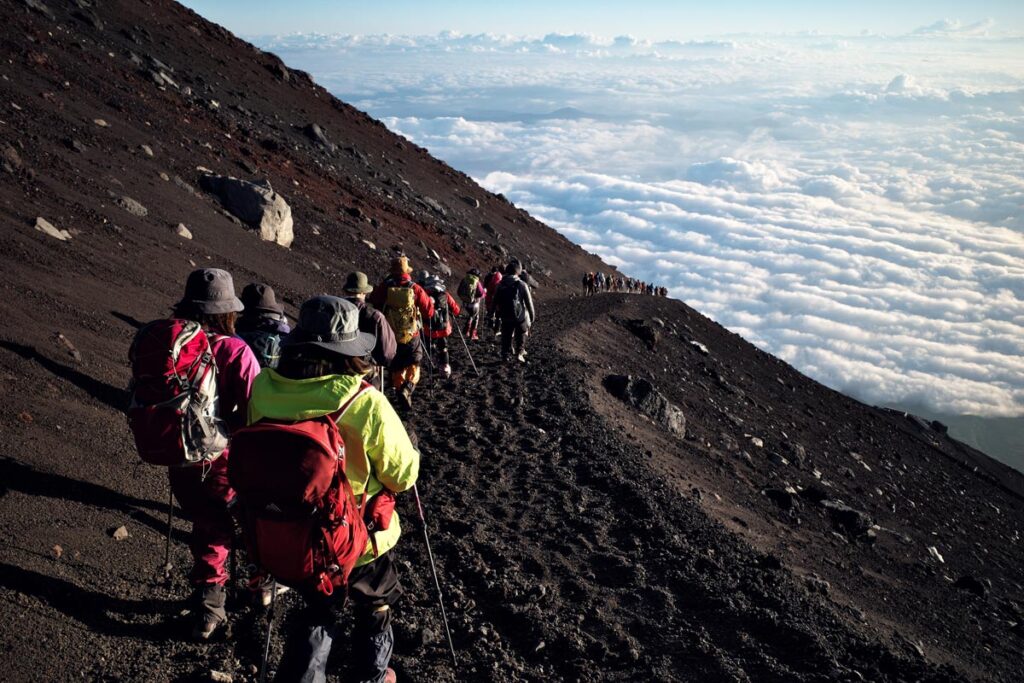
Mt. Fuji Climbing
Arakurayama Sengen Park
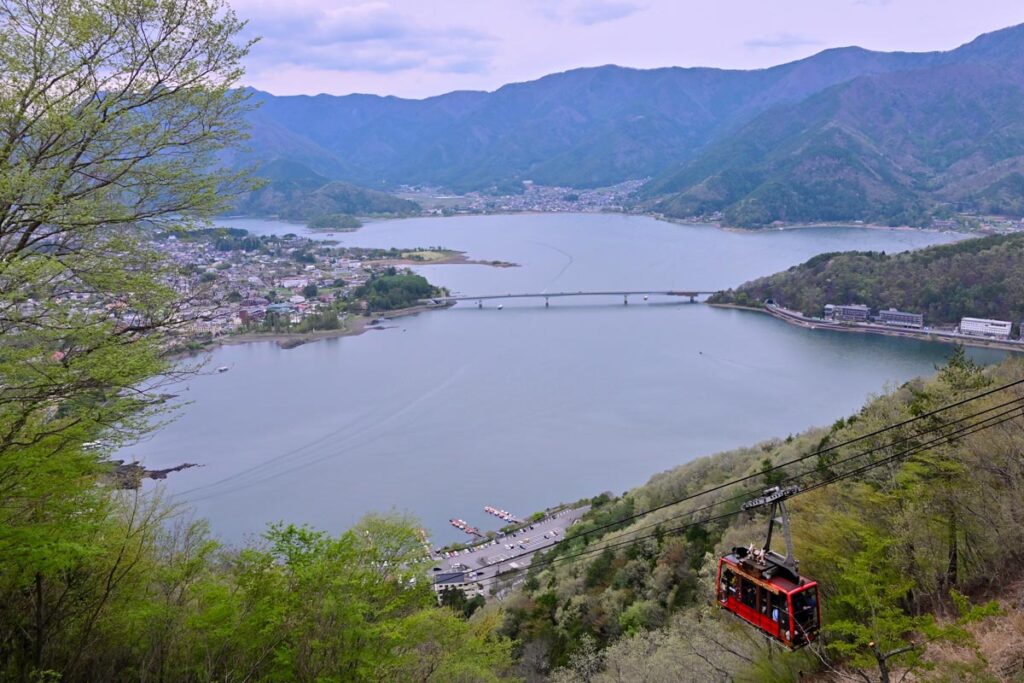
Mt. Fuji Panoramic Ropeway
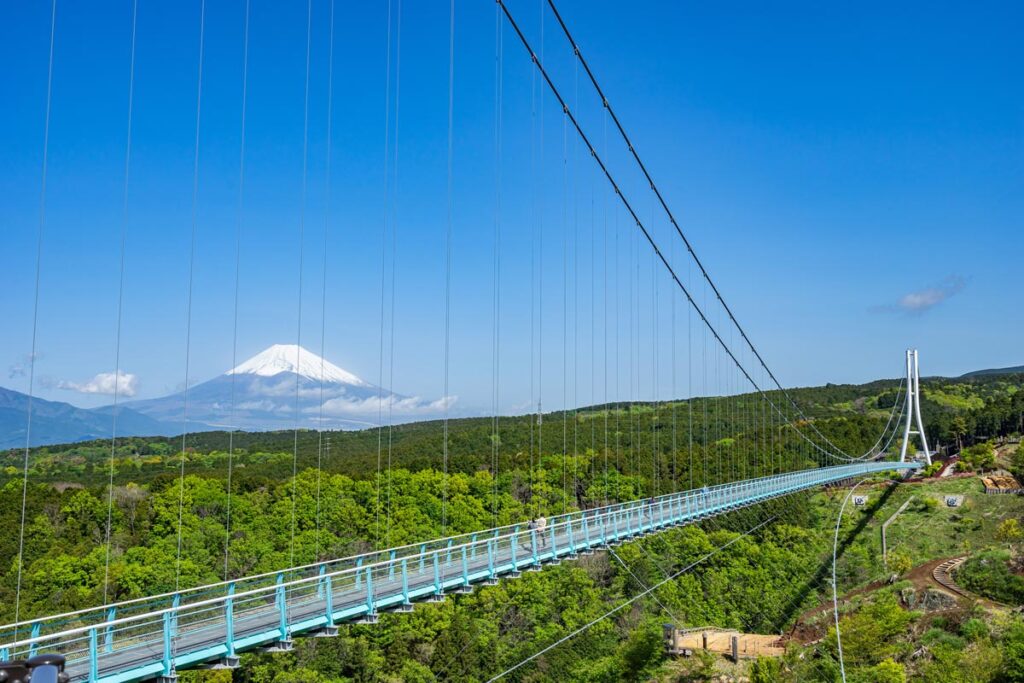
Mishima Skywalk