
Asakusa
Asakusa Travel Guide: How to Experience Old Tokyo
Asakusa is where many travelers fall in love with Tokyo for the first time. Once the entertainment center of the city and now its most atmospheric historic district, Asakusa blends centuries-old temples, lantern-lit streets, and classic snacks with the convenience of modern Tokyo. For first-time visitors to Japan, this is one of the best places to understand what “old meets new” really means.
Why Visit Asakusa on Your First Trip to Japan
Asakusa sits on the northeastern side of central Tokyo, on the banks of the Sumida River. Unlike the neon canyons of Shinjuku or Shibuya, Asakusa has low-rise streets, traditional wooden shopfronts, and a slower pace. It’s an area you can explore entirely on foot, ducking into back alleys, small shrines, and family-run eateries.
For first-time visitors, Asakusa offers:
- Tokyo’s oldest temple at Senso-ji, with a dramatic main gate and giant lantern.
- Classic street food and souvenirs along Nakamise-dori shopping street.
- Beautiful river views and easy access to Tokyo Skytree via the Sumida River.
- Traditional experiences such as kimono rental, rickshaw rides, and river cruises.
- More relaxed, walkable streets that are ideal for getting over jet lag and finding your bearings.
Getting to Asakusa
Asakusa is well-connected and easy to reach from most major Tokyo areas.
By Train and Subway
- Asakusa Station (Tokyo Metro Ginza Line) – Direct from Shibuya, Omotesando, Ginza, and Ueno.
- Asakusa Station (Toei Asakusa Line) – Handy if you’re coming from Haneda Airport or Shinagawa.
- Asakusa Station (Tobu Skytree Line) – For travel to Tokyo Skytree and onward to Nikko.
From Tokyo Station, the simplest route is often to take the JR Yamanote Line or Keihin-Tohoku Line to Ueno, then transfer to the Tokyo Metro Ginza Line for Asakusa. Total journey time is usually around 20–30 minutes.
Senso-ji Temple: The Spiritual Heart of Asakusa
If Asakusa is the historic heart of Tokyo, Senso-ji is the beating heart of Asakusa itself. Founded in the 7th century, it is considered the city’s oldest temple and remains one of its most important Buddhist sites.
Kaminarimon: The Thunder Gate
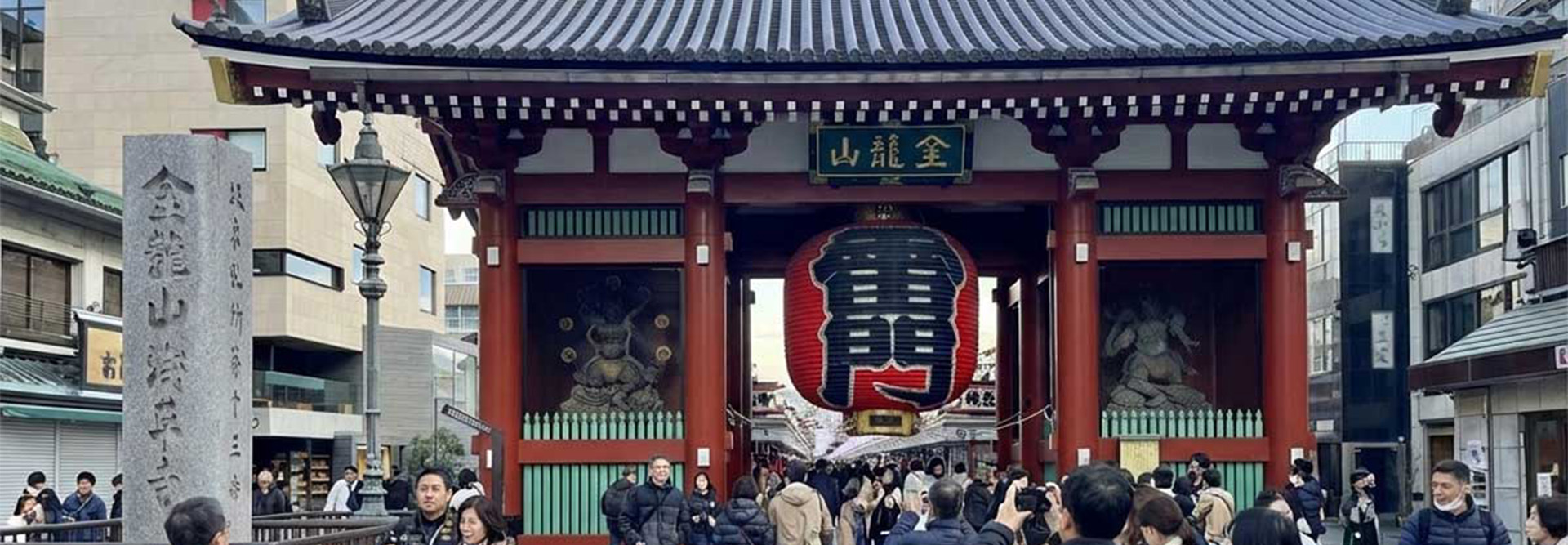
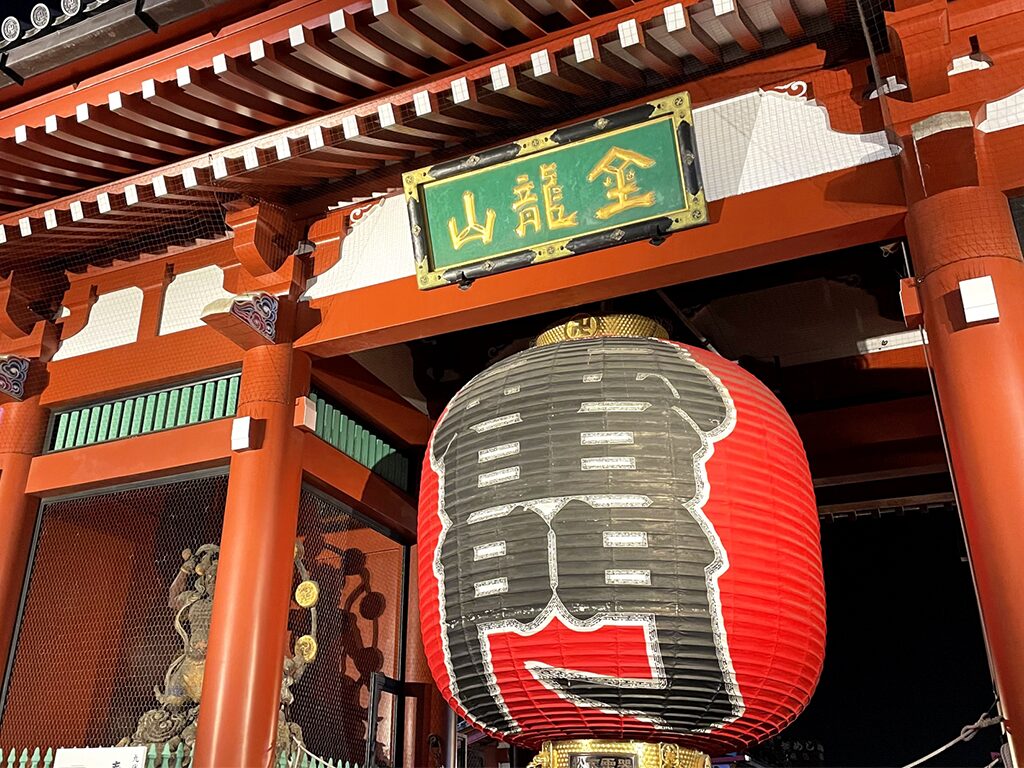
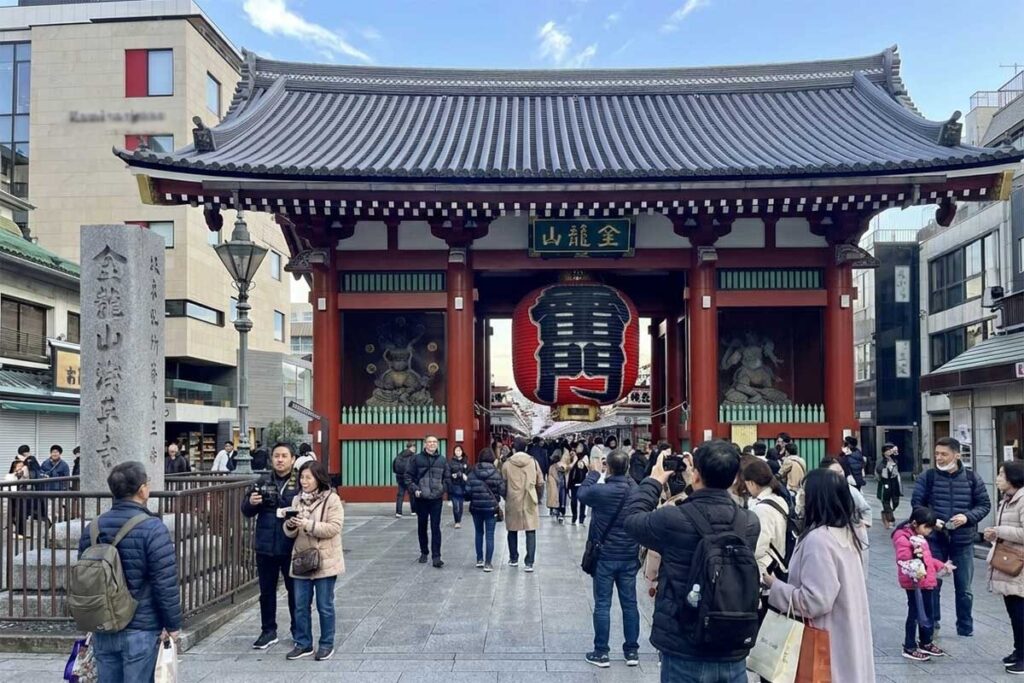
Your visit will likely begin at Kaminarimon, the “Thunder Gate,” a massive red gate topped with a huge paper lantern painted in bold black characters. On either side stand fierce statues of wind and thunder gods, meant to protect the temple grounds.
This is one of Tokyo’s most photographed spots. If possible, arrive early in the morning (before 9:00) or in the evening after most day-trippers have left to enjoy the gate with fewer crowds and softer light.
Nakamise-dori: The Approach to the Temple
Passing through Kaminarimon, you enter Nakamise-dori, a 250-meter shopping street leading to the temple’s main buildings. For over 300 years, merchants here have sold snacks and souvenirs to worshippers and travelers.
Look for:
- Senbei (rice crackers) – sweet or soy-sauce flavored, often grilled on the spot.
- Ningyo-yaki – small, cast-iron baked cakes filled with sweet bean paste, shaped like lanterns or pagodas.
- Traditional toys – spinning tops, masks, and paper balloons that make charming, lightweight gifts.
- Tenugui hand towels – thin cotton cloths with seasonal or classic Japanese patterns.
The atmosphere here is lively and colorful, but remember that this is a temple approach, not just a shopping arcade. Eating while walking is increasingly accepted in tourist zones, yet it is still more polite to stand to the side or eat near the shop where you purchased your snack.
Hozomon, the Main Hall, and the Pagoda
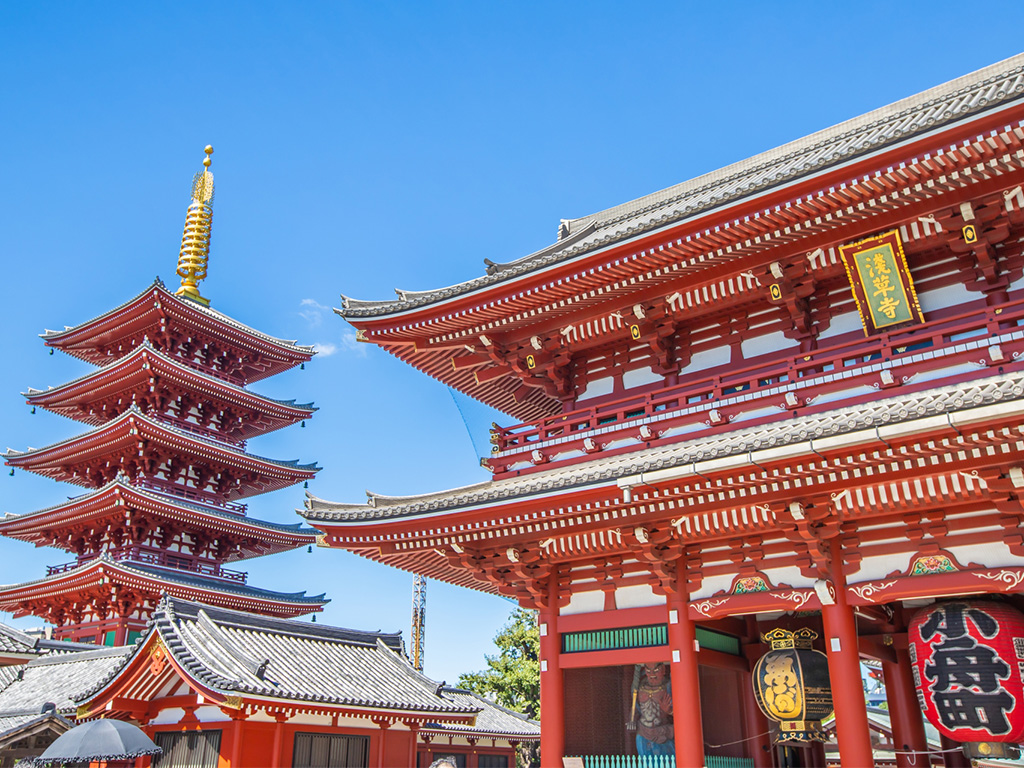
At the end of Nakamise-dori, you’ll pass through Hozomon, another imposing gate that opens onto the inner temple grounds. Ahead of you stands the Main Hall (Hondo), and to one side is a graceful five-story pagoda.
Before entering the Main Hall, you’ll encounter a huge, bronze incense burner. Visitors wave the smoke over their heads and bodies, believing it brings purification and good fortune. If you’d like to participate, simply waft the smoke gently towards yourself with your hands.
Next to the Main Hall is a fountain with dragon-headed spouts, used for temizu, the ritual cleansing of hands and mouth. Watch others first and follow these steps:
- Take the ladle in your right hand and pour water over your left hand.
- Switch hands and pour water over your right hand.
- Pour a little water into your left hand, rinse your mouth discreetly, and spit into the drain (not back into the basin).
- Rinse your left hand once more, then tip the ladle upward to clean the handle.
Inside the Main Hall, keep your voice low and avoid flash photography where signs request it. You can offer a coin (5-yen coins are considered lucky), bow lightly, and silently make a wish or prayer.
Omikuji and Charms
One of the fun traditions at Senso-ji is drawing omikuji, paper fortunes. Typically you:
- Place a small coin into the offering box.
- Shake a metal container until a stick comes out.
- Match the number on the stick to a drawer and take your fortune.
If you receive a good fortune, you can keep it as a souvenir. If your fortune is bad or uncertain, tie the paper to a rack or wire stand in the temple grounds, symbolically leaving the misfortune behind.
Nearby stalls sell omamori, small fabric charms for health, success in exams, safe travel, and more. They make meaningful, compact gifts and are a gentle way to connect with local spiritual customs.
Beyond the Main Temple: Exploring Asakusa’s Backstreets
Many visitors stop at the Main Hall and leave, but some of Asakusa’s most memorable moments are found just a few minutes’ walk away from the crowds.
Asakusa Shrine
To the right of Senso-ji’s Main Hall stands Asakusa Shrine, a Shinto shrine dedicated to the three men who founded Senso-ji. The building is quieter and often less crowded, offering a calmer contrast to the main temple. Here you can observe typical Shinto practices such as ringing the bell, bowing twice, clapping twice, and bowing once more.
Traditional Streets and Shopping Arcades
Wander northeast of the temple and you’ll find narrow streets lined with small shops and eateries. Look for:
- Shin-Nakamise Shopping Street – A covered arcade parallel to Nakamise with clothing, daily goods, and local restaurants.
- Orange Street (Orange-dori) – A more modern shopping street with cafés and boutiques.
- Back alleys with izakaya (Japanese pubs), tiny bars, and yakitori grills.
These side streets are excellent for a relaxed lunch or an evening drink. Many restaurants display plastic food models or picture menus, making it easier for non-Japanese speakers to order.
Rickshaw Rides and Kimono Rental
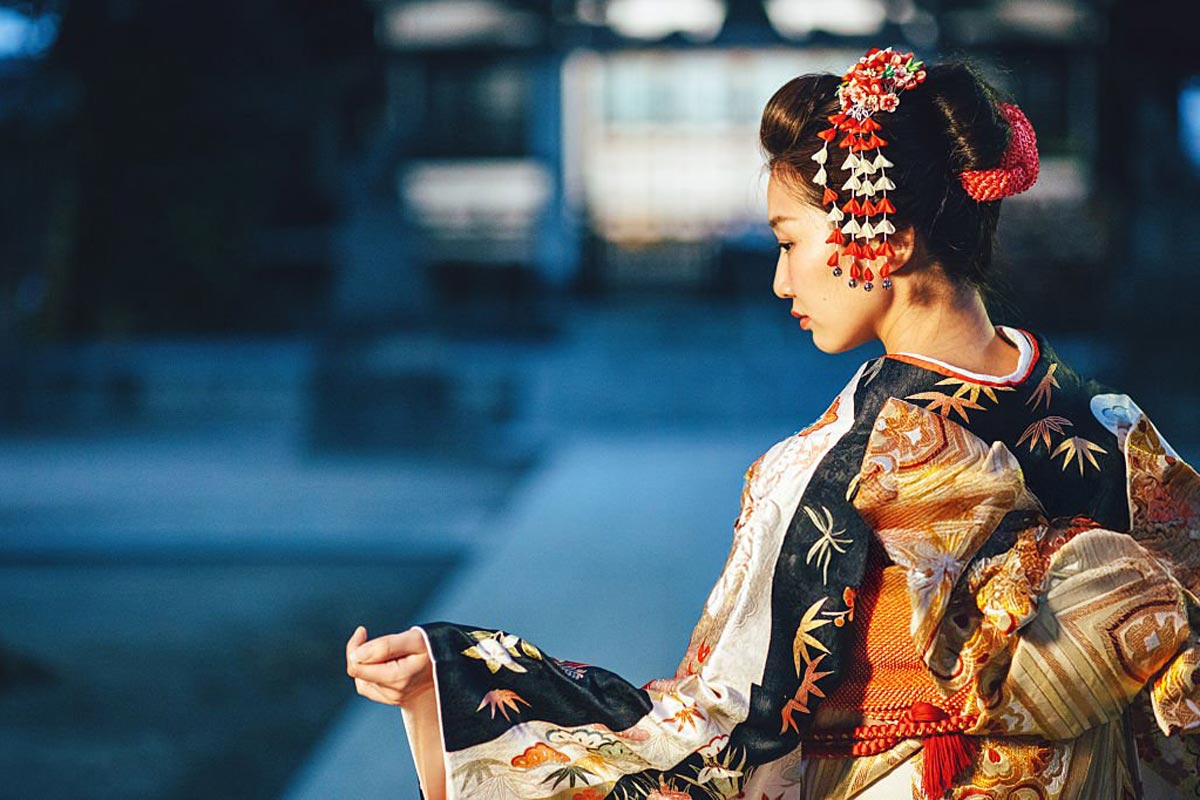
Near the main gates, you’ll see jinrikisha (pulled rickshaws) and kimono rental shops. While not a necessity, they can enhance your experience if you’d like to feel immersed in the historic atmosphere.
- Rickshaw rides typically last 20–60 minutes, with drivers who act as informal guides, pointing out photo spots and explaining local history.
- Kimono and yukata rental include dressing assistance and optional hairstyling. Reserve ahead during busy seasons such as cherry blossom or autumn leaves.
If you choose these experiences, respect the area by moving carefully in crowded spaces and avoiding eating messy street food in kimono.
Sumida River and Views of Tokyo Skytree
Asakusa sits right next to the Sumida River, a historic waterway that once carried cargo and people across Edo (old Tokyo). Today, it’s a scenic promenade and gateway to other parts of the city.
Riverfront Walks and Bridges
From Senso-ji, it’s a short stroll to the riverbank. Walk along the promenade for views of:
- Tokyo Skytree towering across the water, especially beautiful at dusk.
- The distinctive golden “flame” sculpture on the Asahi Beer Hall.
- Retro bridges spanning the river, including Azuma-bashi, a popular photo spot.
Evenings along the river are particularly atmospheric, with lit-up bridges and Skytree glowing in changing colors.
River Cruises from Asakusa
Asakusa is also one of the main departure points for Sumida River cruises. Boats run to destinations such as Hamarikyu Gardens and Odaiba, offering a relaxing alternative to the train.
For first-timers, a cruise is an easy way to see Tokyo from a new angle, passing under low bridges and alongside neighborhoods you wouldn’t otherwise visit. Check times in advance, especially on weekends and holidays.
Food and Drink: What to Eat in Asakusa
Asakusa is a treasure trove for food-lovers, from nostalgic sweets to hearty local dishes. Many shops are long-standing family businesses, and some have been operating for generations.
Classic Asakusa Snacks
- Ningyo-yaki – Light, bite-size cakes filled with sweet red bean paste, closely associated with Senso-ji.
- Imo-yokan – Smooth, semi-sweet bars made from sweet potato and sugar, a local specialty.
- Monaka – Crisp wafer shells filled with red bean paste or ice cream.
- Dango – Skewered rice dumplings glazed with sweet soy sauce or topped with bean paste.
Hearty Meals and Local Dishes
When you’re ready for a sit-down meal, look for:
- Tempura – Asakusa is known for old-school tempura restaurants serving crisp shrimp and vegetables over rice (tendon) or with dipping sauce.
- Soba and udon – Buckwheat or wheat noodles in hot broth or chilled with dipping sauce, ideal for a quick, affordable lunch.
- Izakaya – Casual Japanese pubs offering grilled skewers, small plates, and drinks. Many open from late afternoon.
Solo travelers are welcome in most places; counter seating is common, and many staff are used to hosting international guests. Having a map app or a screenshot of a restaurant name in Japanese can be helpful if you’re searching for a specific place.
Seasonal Highlights and Festivals
Asakusa is lively year-round, but certain seasons add extra color and tradition.
Spring: Cherry Blossoms
In late March to early April, cherry trees along the Sumida River and in nearby parks bloom with pale pink flowers. Temporary food stalls appear, and locals gather under the blossoms for hanami picnics. This is one of the most photogenic times to visit, but also one of the busiest, so expect crowds and plan extra time.
Summer: Sanja Matsuri and Festivals
In May, Asakusa hosts Sanja Matsuri, one of Tokyo’s largest and most energetic Shinto festivals. Portable shrines (mikoshi) are carried through the streets, accompanied by chanting, flutes, and drums. If your trip coincides, it’s a powerful immersion in local culture, but accommodations and the area itself become very crowded.
Throughout summer, you may also encounter smaller festivals, traditional music performances, and evening events along the river.
Autumn and Winter
Autumn brings comfortable temperatures and colorful leaves in parks and temple grounds. Winter evenings can be cold but clear, perfect for viewing illuminated temples and city lights. Around New Year, Senso-ji is particularly busy with locals making their first temple visit of the year, known as hatsumode.
Practical Tips for Visiting Asakusa
Recommended Time and Itineraries
Plan at least half a day in Asakusa; a full day allows a more relaxed pace. A simple first-timer itinerary might include:
- Morning visit to Senso-ji and Asakusa Shrine.
- Stroll and snack along Nakamise-dori and nearby side streets.
- Lunch at a tempura or soba restaurant.
- Afternoon walk to the Sumida River and optional river cruise or short trip to Tokyo Skytree.
- Return to Asakusa for an early evening drink or dinner in an izakaya.
Temple Etiquette
As Senso-ji is an active religious site, keep these points in mind:
- Speak quietly and move calmly around worshippers.
- Remove hats and sunglasses if entering the Main Hall.
- Follow photography rules posted on signs; some areas may prohibit photos.
- Do not touch statues or climb on temple structures.
Money, Language, and Facilities
- Cash and cards: Many shops now accept credit cards and IC cards (such as Suica), but some smaller stalls remain cash-only, so carry some yen.
- Language: Basic English is widely understood in tourist-facing shops and information centers. Polite phrases like “sumimasen” (excuse me) and “arigato gozaimasu” (thank you) go a long way.
- Wi-Fi: Free Wi-Fi is offered around the temple area and at many cafés, but having a pocket Wi-Fi or eSIM makes navigation easier.
- Restrooms and lockers: Public restrooms are available near the temple grounds and stations. Coin lockers at Asakusa Station are convenient if you’re stopping by en route to or from the airport.
Staying Overnight in Asakusa
Asakusa makes a comfortable base, especially for travelers who prefer quieter evenings and easy access to sightseeing areas. You’ll find a mix of:
- Traditional-style inns with tatami rooms and futon bedding.
- Business hotels that are compact but efficient and well-located.
- Hostels and guesthouses popular with solo travelers and backpackers.
Staying here means you can enjoy early morning walks around the temple, when the air is cool, and the grounds are relatively empty, offering a more contemplative side of Asakusa that many day visitors miss.
Making the Most of Your Visit to Asakusa
Asakusa is more than a single temple; it’s one of the few neighborhoods in Tokyo where you can still sense the rhythms of the city’s past in its streets, festivals, and food. Take your time, look beyond the main path, and allow yourself to wander.
For a first trip to Japan, a day in Asakusa provides an essential introduction to the country’s spiritual traditions, everyday customs, and enduring love of craftsmanship. Whether you come for the photographs, the flavors, or the history, Asakusa will likely become one of the places you remember most vividly long after your journey ends.
Access Map
Recommended spots in Tokyo
Shibuya Scramble Crossing
Hachiko Statue
Shinjuku Gyoen
Asakusa
Akihabara
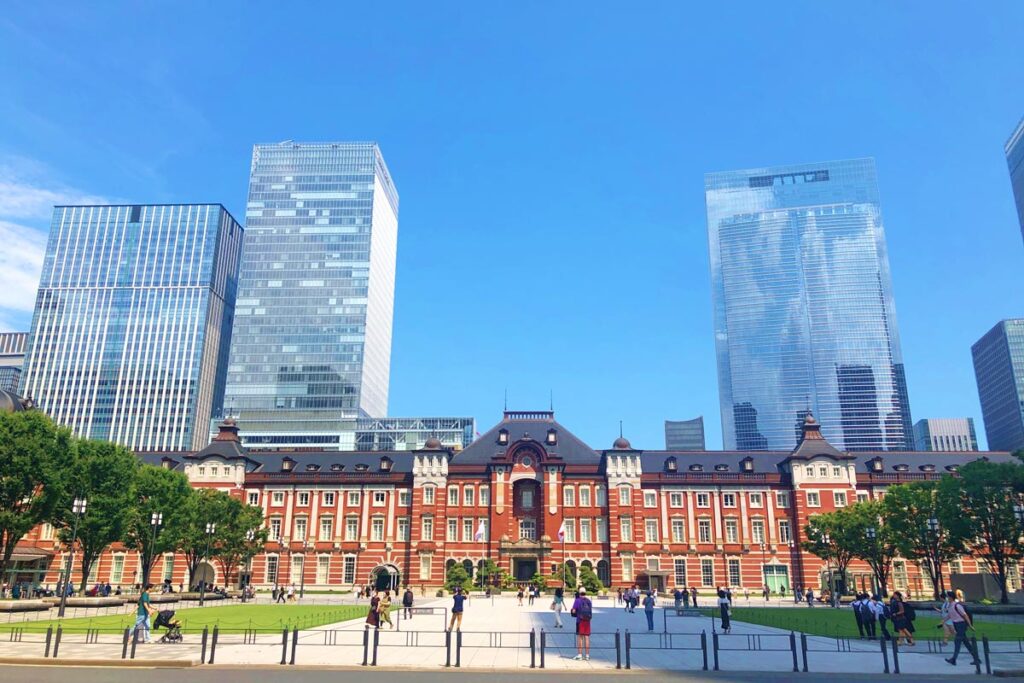
Tokyo Station
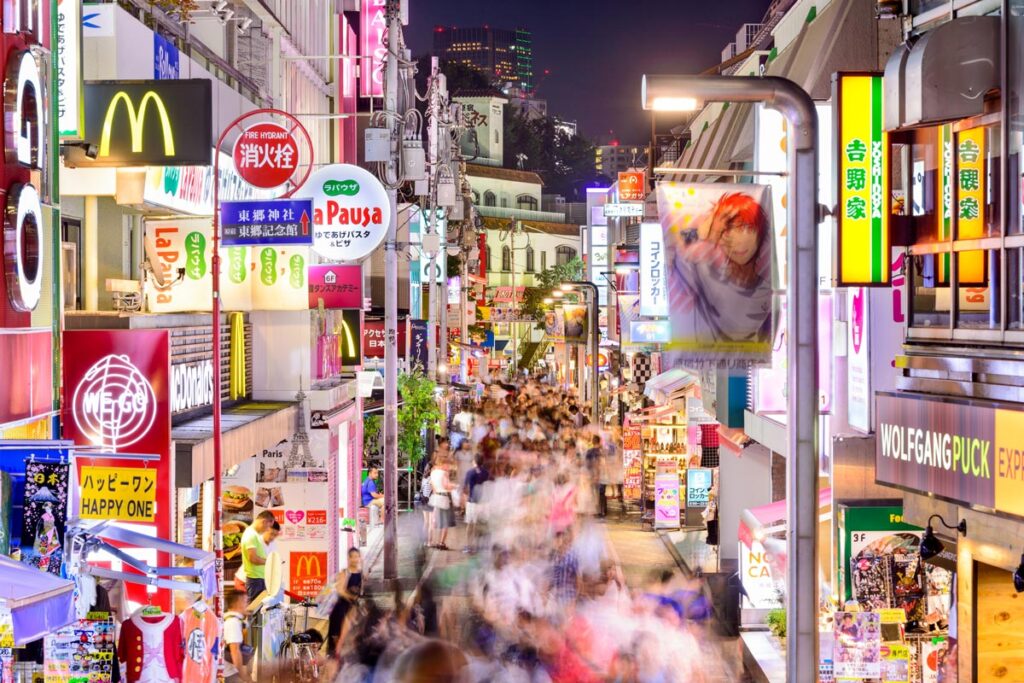
Takeshita Street (Harajuku)
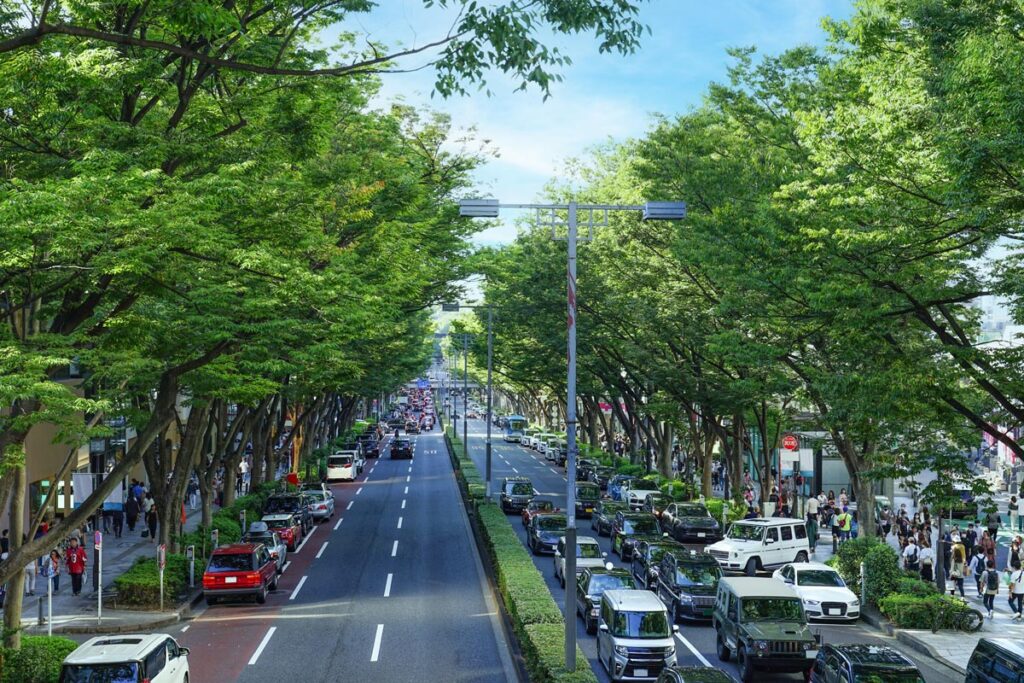
Omotesando
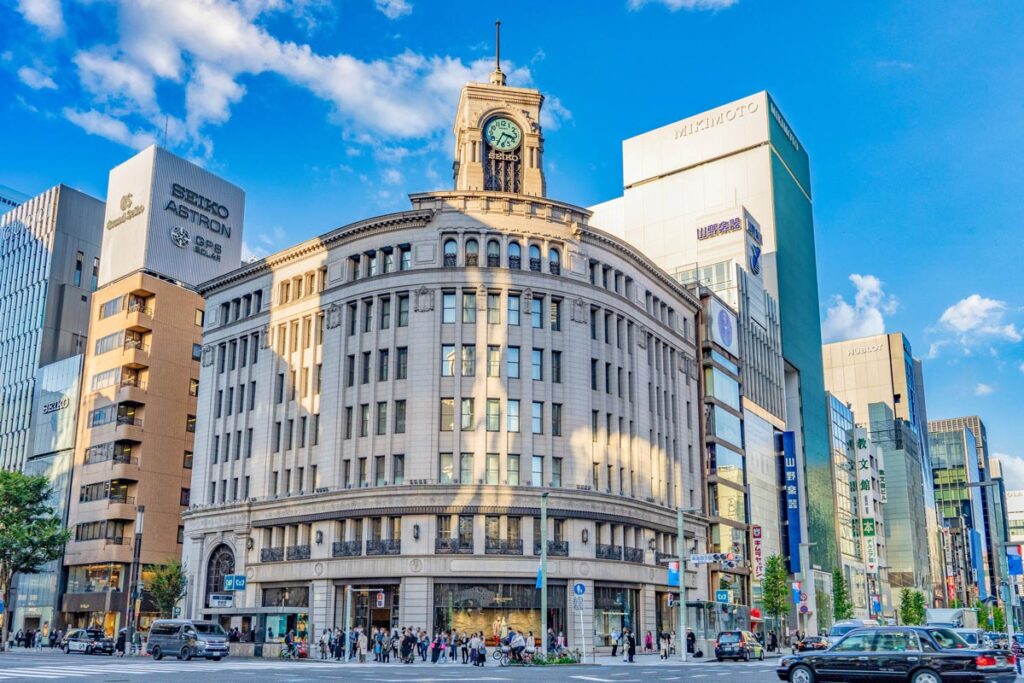
Ginza
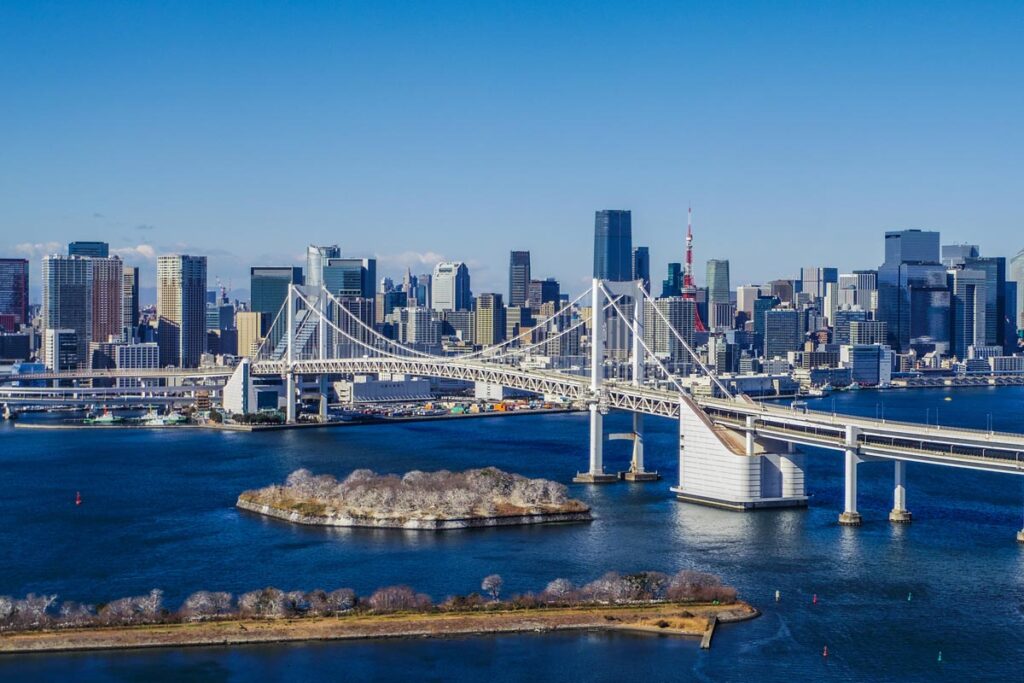
Odaiba
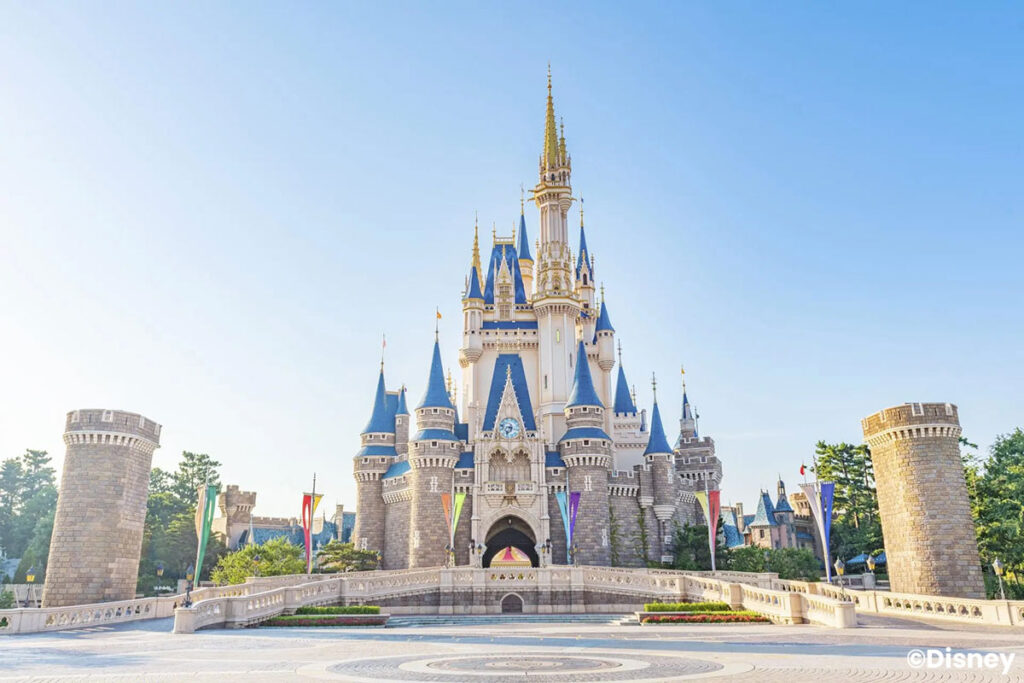
Tokyo Disneyland
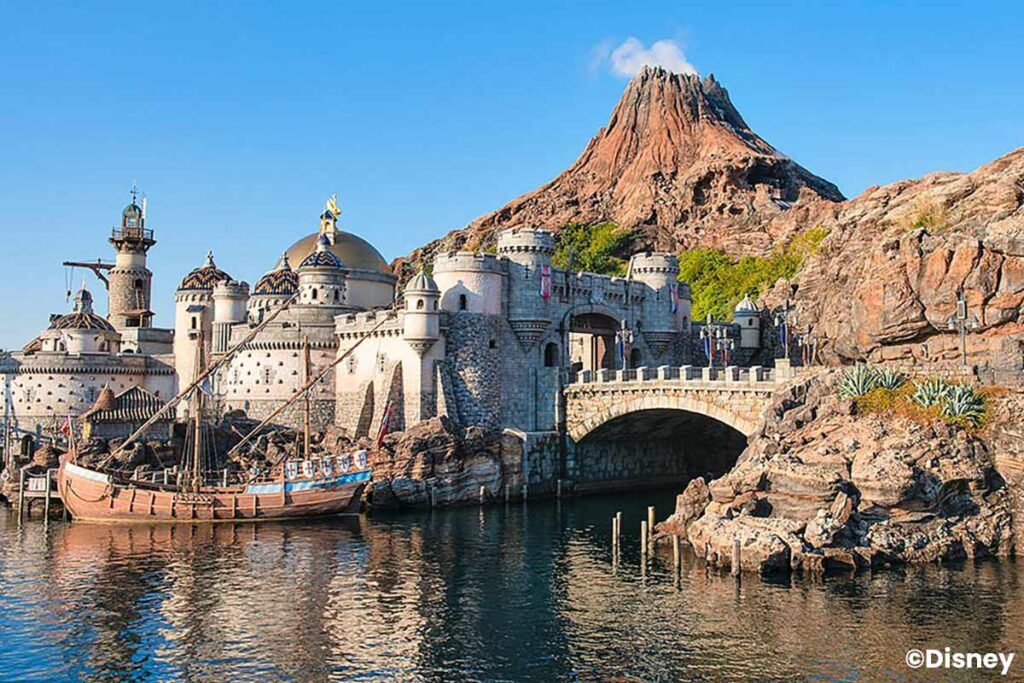
Tokyo DisneySea
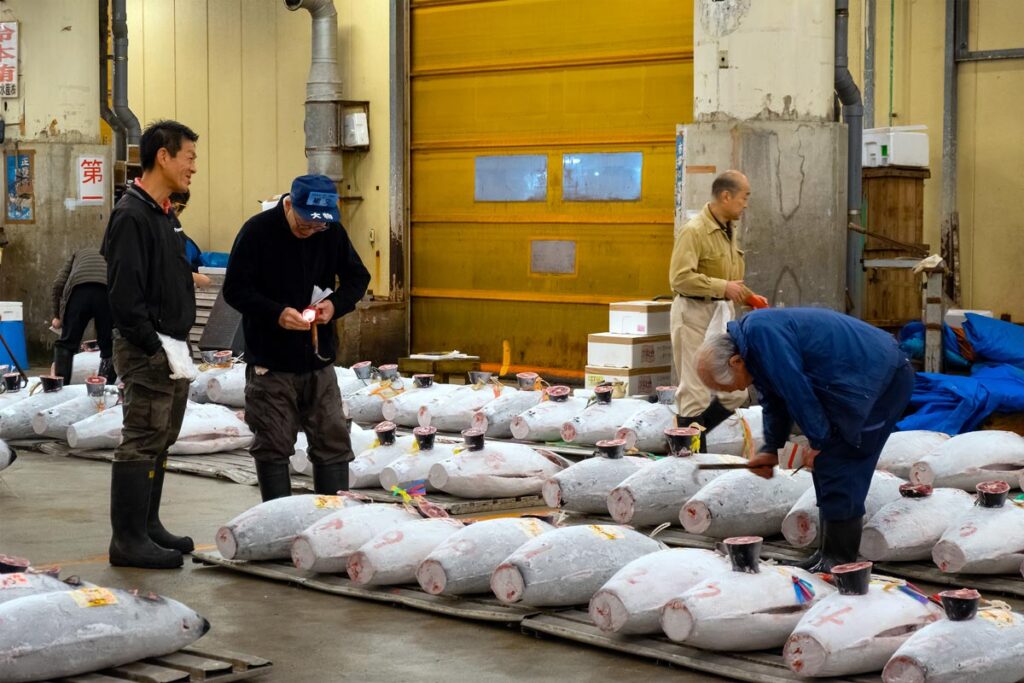
Toyosu Market
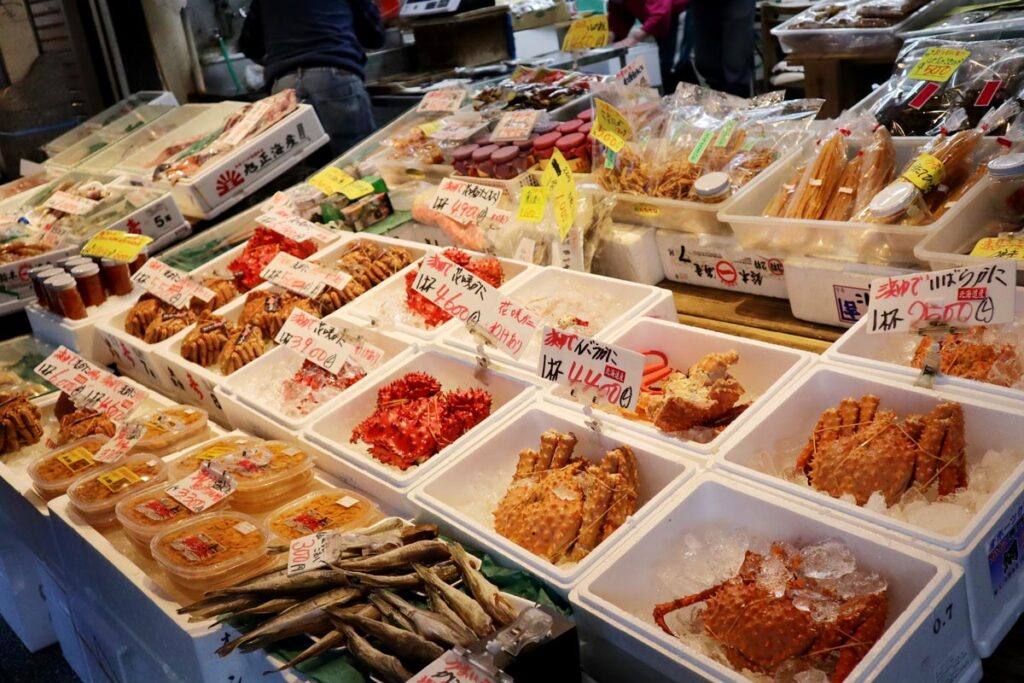
Tsukiji Outer Market
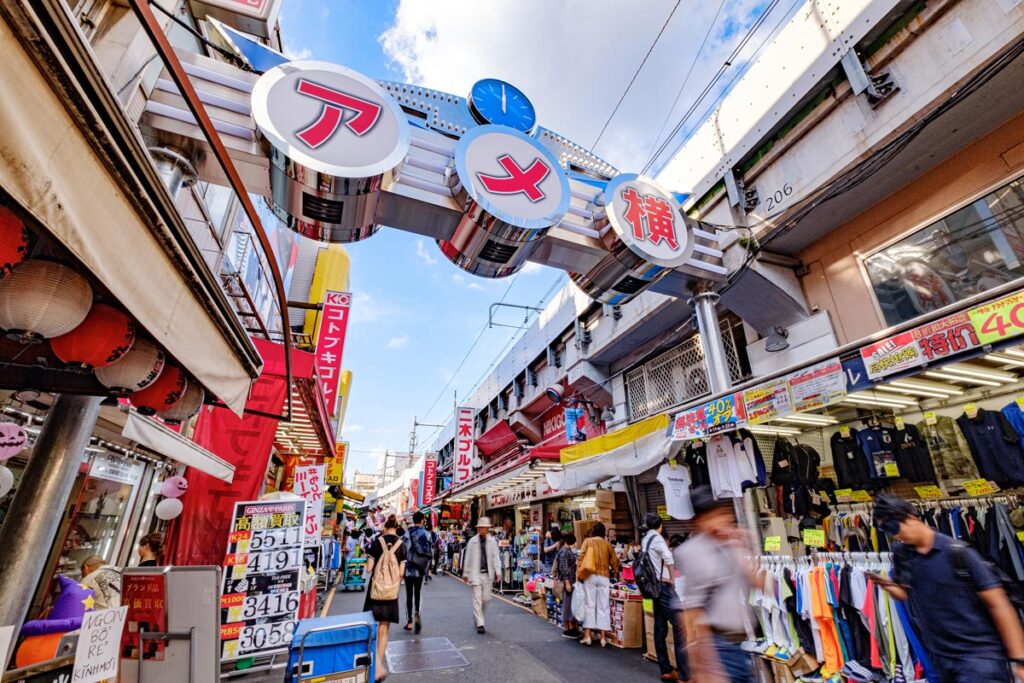
Ameyoko
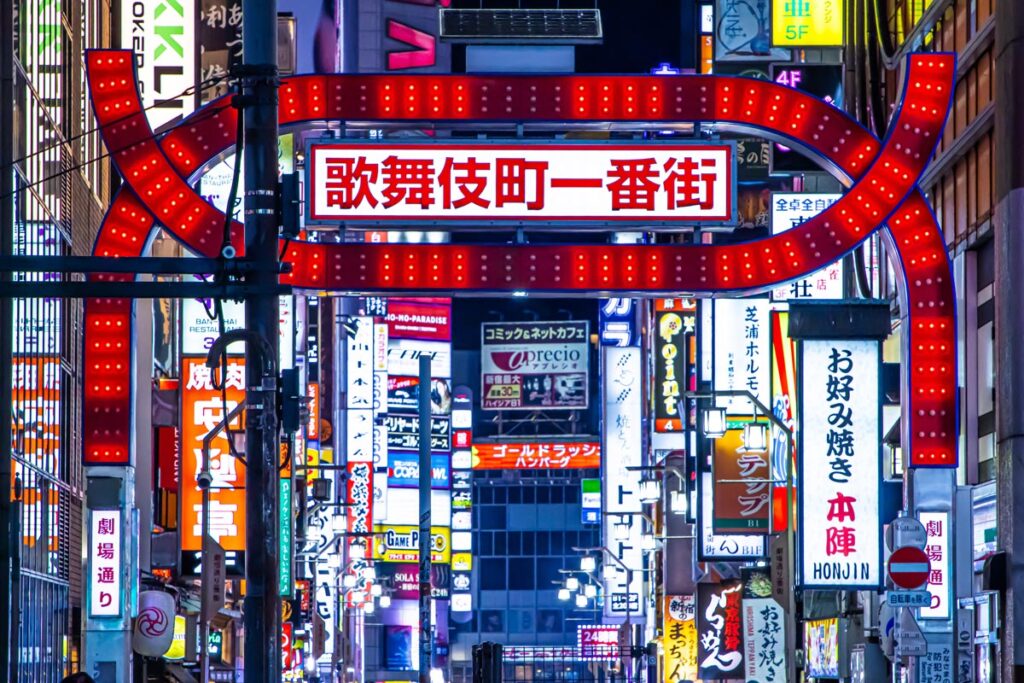
Kabukicho (Shinjuku)
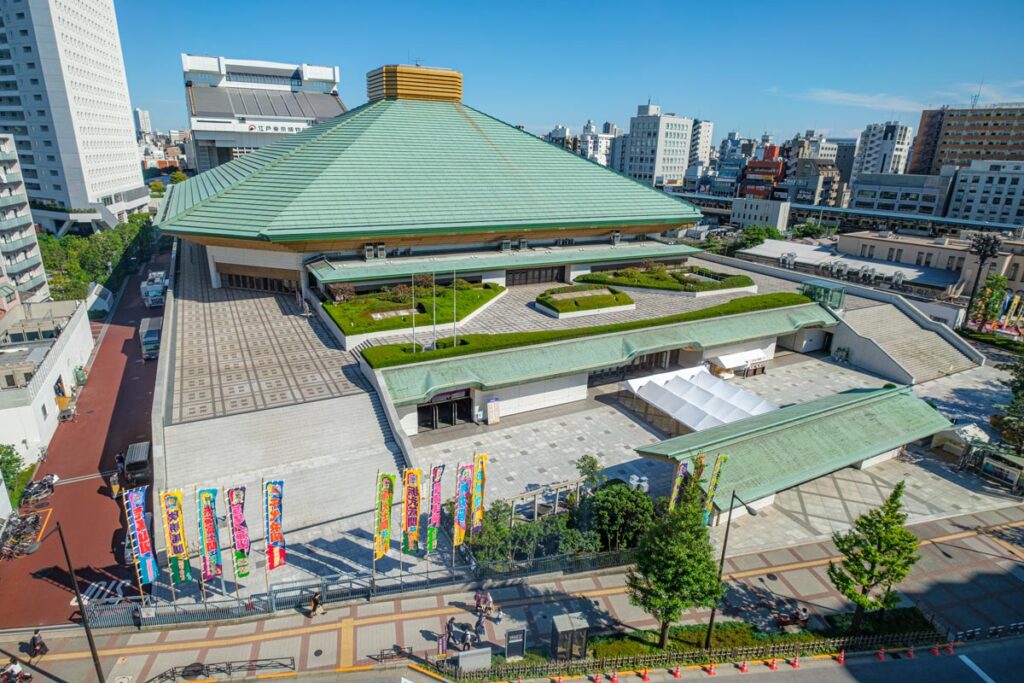
Ryogoku Kokugikan

teamLab Planets
Toyosu
Ueno Park
Other Top Cities
Mt. Fuji
Kyoto
Osaka