
Atomic Bomb Dome
Genbaku Dome: A Powerful Visit to Hiroshima’s Memory of Peace
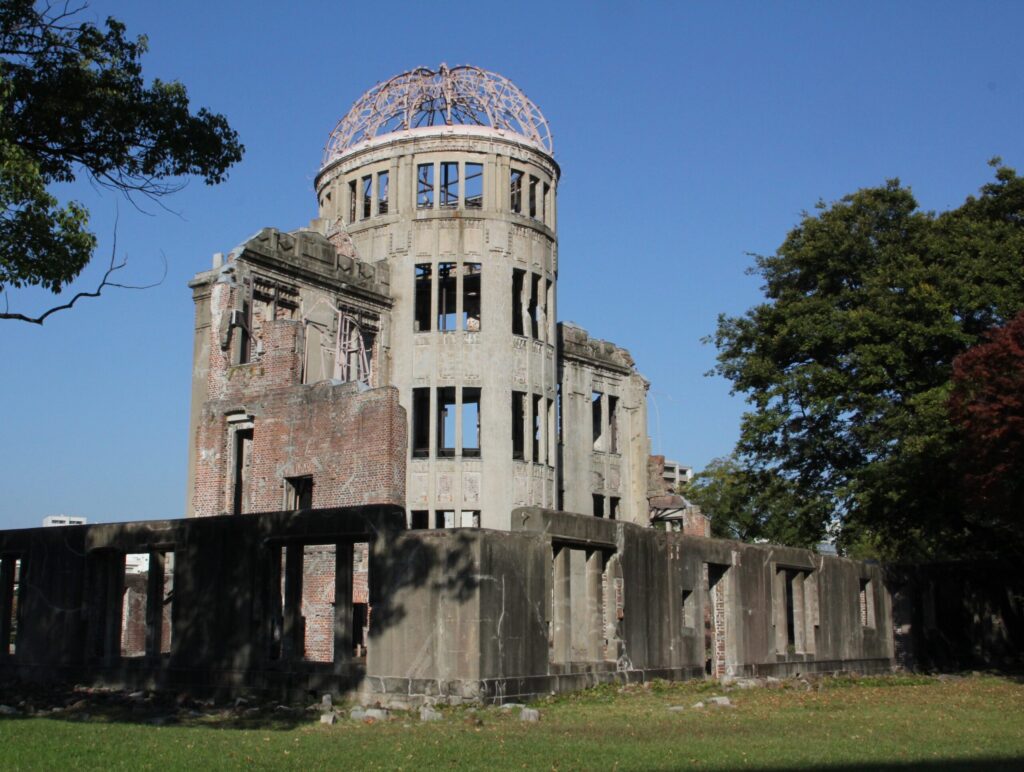
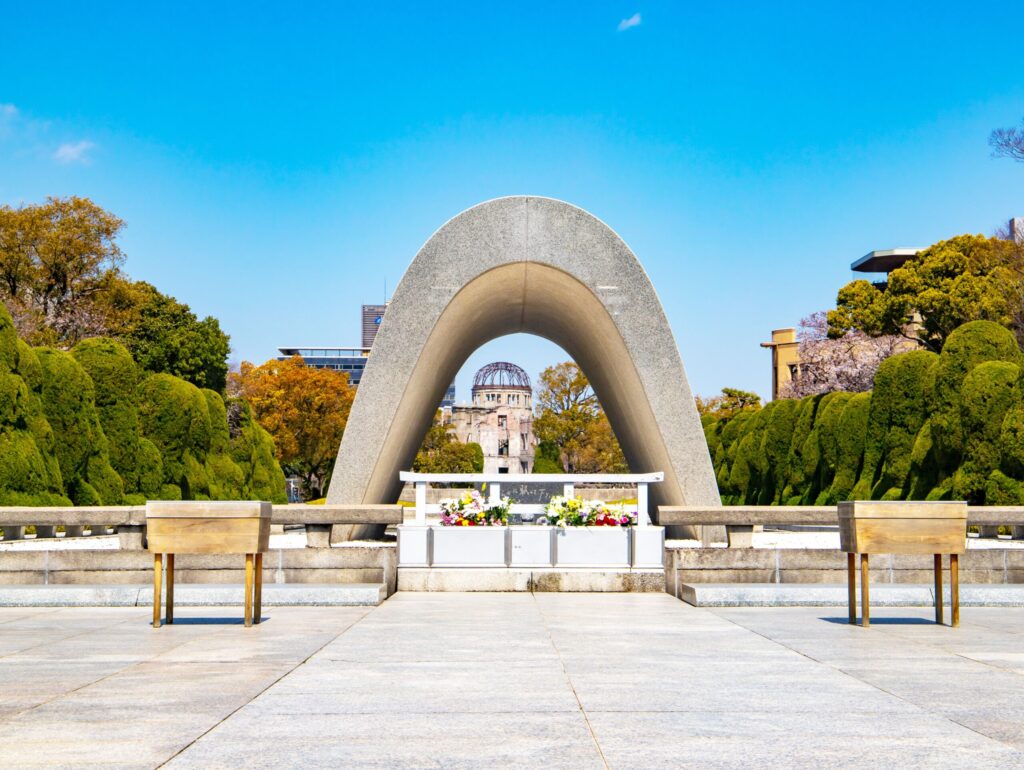
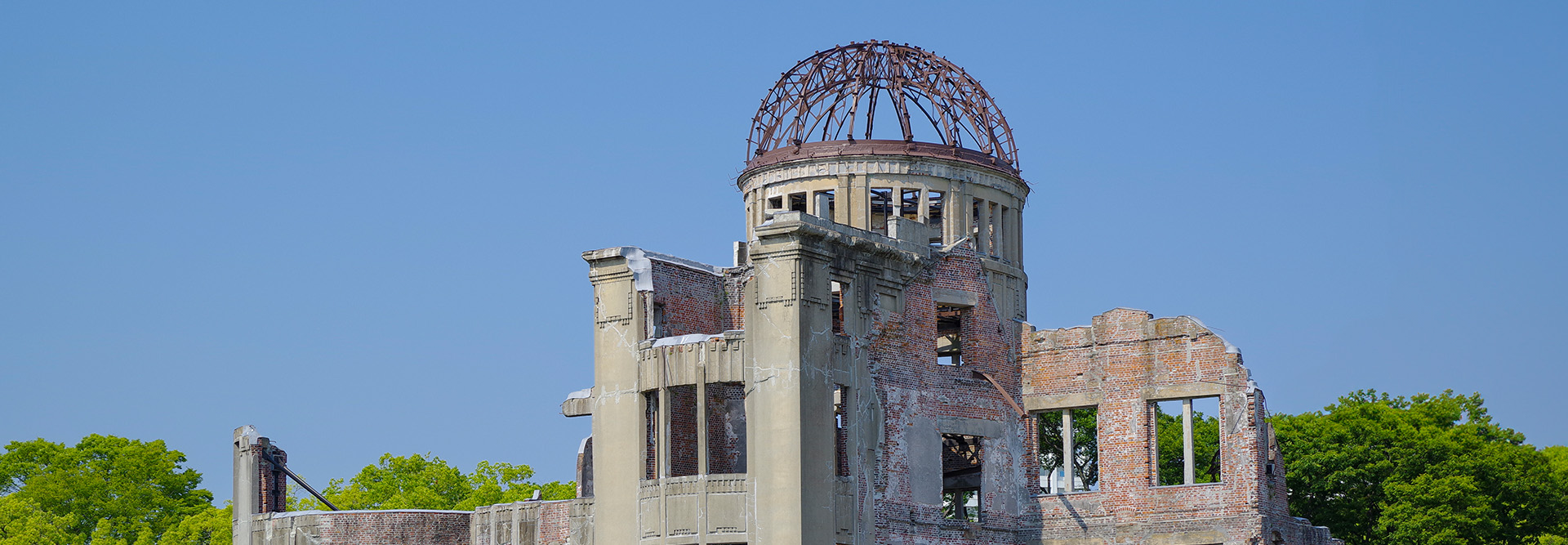
In the heart of Hiroshima stands one of Japan’s most haunting and important landmarks: the Genbaku Dome. Also known as the Atomic Bomb Dome or A-Bomb Dome, this skeletal building is a preserved ruin from the world’s first atomic bombing on August 6, 1945. Today it forms the symbolic core of Hiroshima Peace Memorial Park and is recognized as a UNESCO World Heritage Site.
For first-time visitors to Japan, a trip to Hiroshima and the Genbaku Dome can be one of the most moving experiences of your journey. This is not a typical sightseeing spot; it is a place of reflection, history, and hope. Understanding what you’ll see, and how to visit respectfully, will help you make the most of this powerful destination.
What Is the Genbaku Dome?
The Genbaku Dome was originally the Hiroshima Prefectural Industrial Promotion Hall, a Western-style brick and concrete building designed by Czech architect Jan Letzel in 1915. Before the war, it hosted exhibitions and trade fairs showcasing local products. Its elegant dome made it one of the city’s most recognizable buildings.
On the morning of August 6, 1945, an American B-29 bomber dropped an atomic bomb over Hiroshima. The bomb exploded almost directly above the building, at a height of around 600 meters. Everyone inside died instantly, but parts of the building’s central structure and steel dome frame survived the blast and resulting fires.
After the war, the shattered building became known as the Genbaku Dome—“genbaku” meaning “atomic bomb” in Japanese. While much of Hiroshima was rebuilt, the decision was made to preserve the Dome in its ruined state as a memorial to the victims and a plea for the abolition of nuclear weapons.
Why the Genbaku Dome Matters Today
The Genbaku Dome is more than a ruin; it is a physical reminder of the human cost of war and nuclear weapons. Designated a UNESCO World Heritage Site in 1996, it is recognized globally as a symbol of peace and resilience.
In Japanese, Hiroshima often refers to itself as a “city of peace.” Each year on August 6, a Peace Memorial Ceremony is held in the nearby park, and the Dome is illuminated at night. Survivors of the bombing, known as hibakusha, share their testimonies with schools, tour groups, and international visitors. Their stories, combined with the stark silhouette of the Dome, make an emotional impact that history books alone cannot provide.
For travelers, the site offers a chance to connect with Japan beyond its temples, neon lights, and pop culture. Visiting the Genbaku Dome invites deeper reflection on history and our shared responsibility for peace.
What to Expect When You Visit
The Atmosphere Around the Dome
Genbaku Dome stands on the banks of the Motoyasu River, at the northern edge of Hiroshima Peace Memorial Park. The building is fenced off for preservation reasons, so you view it from outside, walking around its perimeter. The contrast is striking: cherry trees, green lawns, and school groups in colorful uniforms frame a blackened, twisted shell of concrete and metal.
The atmosphere is quiet and contemplative. You will likely hear the soft murmur of guides explaining the history, the gentle sound of the river, and the occasional tolling of the nearby Peace Bell. It’s a place where people of many nationalities stand side by side, simply looking, thinking, and sometimes crying.
Nearby Monuments in Peace Memorial Park
The Dome is one part of a larger landscape of remembrance. Within a few minutes’ walk you’ll find:
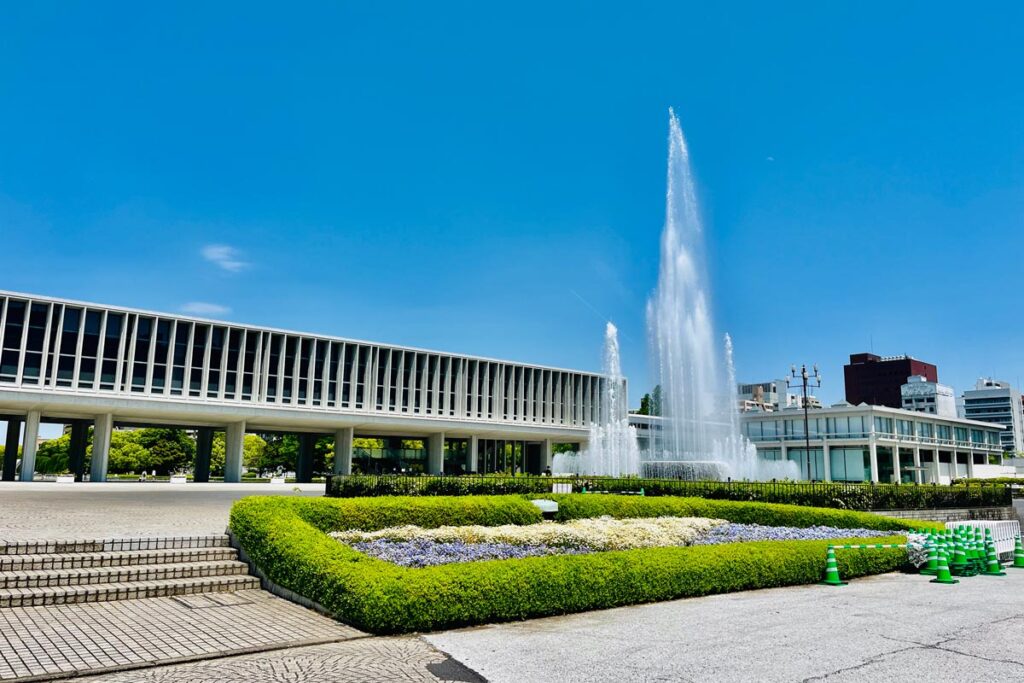
- Hiroshima Peace Memorial Museum – Offers comprehensive exhibits on the bombing, its background, and its aftermath, with personal belongings of victims, survivor testimonies, and detailed historical context.
- Children’s Peace Monument – Inspired by Sadako Sasaki, a girl who developed leukemia years after the bombing and folded paper cranes wishing for recovery and peace. Thousands of colorful origami cranes from around the world surround this monument.
- Cenotaph for the A-bomb Victims – A stone arch that holds a registry of victims’ names and faces the Dome across a reflecting pool, symbolically sheltering the souls of the dead.
- Peace Flame – A flame that has burned continuously since 1964 and will remain lit until all nuclear weapons on earth are abolished.
These monuments together create a powerful route of remembrance that you can explore on foot in an hour or two, though many visitors stay longer to absorb what they see.
How to Visit Genbaku Dome
Location and Access
Genbaku Dome is in central Hiroshima, within Hiroshima Peace Memorial Park. It is easily accessible by public transportation from Hiroshima Station:
- By tram: Take a Hiroden tram from Hiroshima Station toward Miyajima-guchi or Eba, and get off at Genbaku Dome-mae (Atomic Bomb Dome) stop. The ride takes about 15 minutes.
- On foot from central Hiroshima: From Hondori shopping street, it’s about a 10-minute walk across the river.
If you’re coming from other cities in Japan, the Shinkansen (bullet train) makes it very easy:
- From Osaka: Around 1.5 hours by Shinkansen.
- From Kyoto: Around 2 hours by Shinkansen.
- From Tokyo: Around 4 hours by Shinkansen.
Many international tourists base themselves in Hiroshima for a night or two to visit both the Peace Memorial Park and nearby Miyajima Island.
Opening Hours and Admission
The Genbaku Dome itself is an outdoor ruin and can be viewed at any time, day or night, with no admission fee. The wider Peace Memorial Park is also open at all hours.
The Hiroshima Peace Memorial Museum, which most visitors combine with the Dome, has set opening hours and a small admission fee. Plan at least 1.5–2 hours for the museum and additional time for walking around the park and viewing the Dome from different angles.
When to Visit: Seasons and Times of Day
Hiroshima can be visited year-round, but each season creates a different atmosphere at the Genbaku Dome:
- Spring (March–May): Cherry blossoms brighten the park, and the contrast with the ruined building is particularly poignant. This is one of the most popular times to visit Japan, so expect more crowds.
- Summer (June–August): The bombing anniversary falls in August, and memorial events and lantern ceremonies take place. Summer is hot and humid, so bring water and sun protection.
- Autumn (September–November): Mild temperatures and autumn foliage make for comfortable, reflective walks around the park.
- Winter (December–February): Fewer tourists and a stark, quiet atmosphere. Dress warmly, as it can be chilly by the river.
Early morning or late afternoon often provide a calmer experience, with softer light for photography and fewer large tour groups. At night, the Dome is illuminated, creating a solemn, almost ethereal view across the water.
How to Visit Respectfully
For many Japanese people, the Genbaku Dome is both a grave site and a place of prayer. As a visitor, a few simple gestures can show your respect:
- Keep your voice low – Treat the area as you would a memorial or cemetery.
- Avoid loud music, eating, or joking photos – Selfies are not forbidden, but be mindful of the tone and background.
- Dress modestly – Casual clothes are fine, but very revealing outfits can feel out of place in this context.
- Take time to read signs and explanations – The English information boards help you understand the history and meaning of what you are seeing.
- Consider listening to survivors’ stories – If you have the chance to hear a hibakusha talk, it is an invaluable and humbling experience.
Many visitors also fold or donate paper cranes as a symbol of peace, following the tradition associated with Sadako Sasaki. Donation boxes and crane display areas can be found near the Children’s Peace Monument.
Combining Genbaku Dome with Other Hiroshima Experiences
Hiroshima Peace Memorial Museum
To truly understand the Dome, plan to spend time in the Peace Memorial Museum. Exhibits are available in multiple languages and walk you through the city before the bombing, the moment of impact, and the long-term effects on survivors. Parts of the museum are emotionally intense, with photographs, melted objects, and personal stories, so allow yourself time afterwards to decompress in the park.
Miyajima Island
Many travelers balance the heavy emotions of Hiroshima with a side trip to nearby Miyajima Island, famous for its “floating” torii gate and Mount Misen hiking trails. The contrast between the peaceful shrine island and the somber history of the Dome offers a deeper, more nuanced picture of the Hiroshima region.
Hiroshima’s Food Culture
A visit to Hiroshima is also a chance to taste regional specialties. After your time in the park, you might try:
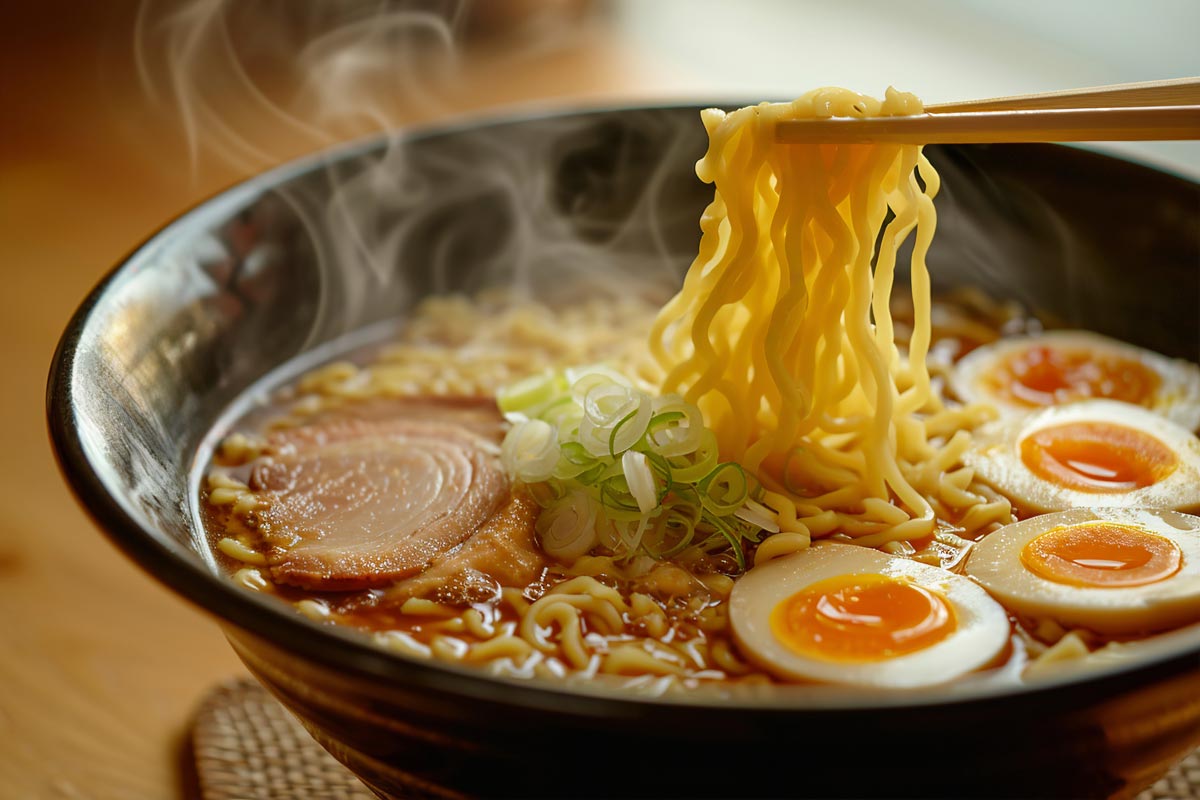
- Hiroshima-style okonomiyaki – A savory layered pancake with cabbage, noodles, and various toppings, cooked on a hot griddle.
- Oysters – Hiroshima is one of Japan’s main oyster-producing areas, and you’ll find them grilled, fried, or served in hotpots.
Sharing a meal can be a way to reconnect with the living culture of the city and appreciate how Hiroshima has rebuilt itself as a vibrant, modern community.
Tips for First-Time Visitors to Japan
Including Hiroshima and the Genbaku Dome in a first trip to Japan is very manageable, even if you have limited time. Consider these practical tips:
- Use a rail pass – If you plan to travel between Tokyo, Kyoto, Osaka, and Hiroshima, a nationwide rail pass or regional pass can be cost-effective and convenient.
- Plan your day logically – Visit the Dome and park first, then the museum. You can end the day exploring central Hiroshima or taking an evening stroll by the river.
- Prepare emotionally – The museum and park can be very moving. It may help to leave space in your schedule afterwards rather than rushing to your next attraction.
- Language – Many signs are in English, and staff at major facilities are used to international visitors. A translation app can help with menus and local transport.
Why You Should Include Genbaku Dome in Your Japan Itinerary
Japan offers endless attractions, from neon cityscapes and tranquil temples to snow-capped mountains and tropical beaches. Among all these highlights, the Genbaku Dome stands out as a place that can change how you think about history, war, and peace.
Standing by the Motoyasu River, looking at the twisted steel dome framed by modern buildings and green trees, you see not only what was lost on that August morning, but also how far Hiroshima has come since. The city has transformed itself into a global voice for peace without erasing its painful past.
For international travelers, a visit to Genbaku Dome adds depth and meaning to a Japanese journey. It offers a moment to pause, reflect, and connect with a story that belongs not just to Hiroshima or Japan, but to the world.
Whether you stay for a few quiet minutes or wander the park for hours, the memory of this place is likely to stay with you long after you leave. In a country known for its beauty and hospitality, the Genbaku Dome reminds us of the importance of peace—and the fragile value of every ordinary day.

Access Map
Recommended spots in Hiroshima
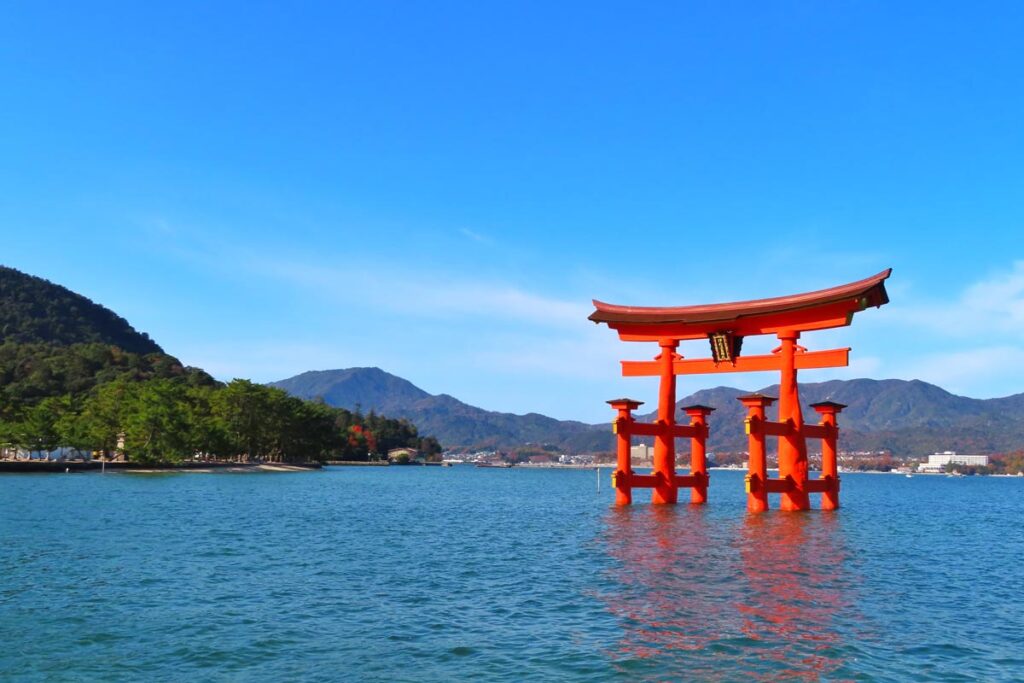
Miyajima (Itsukushima Shrine)
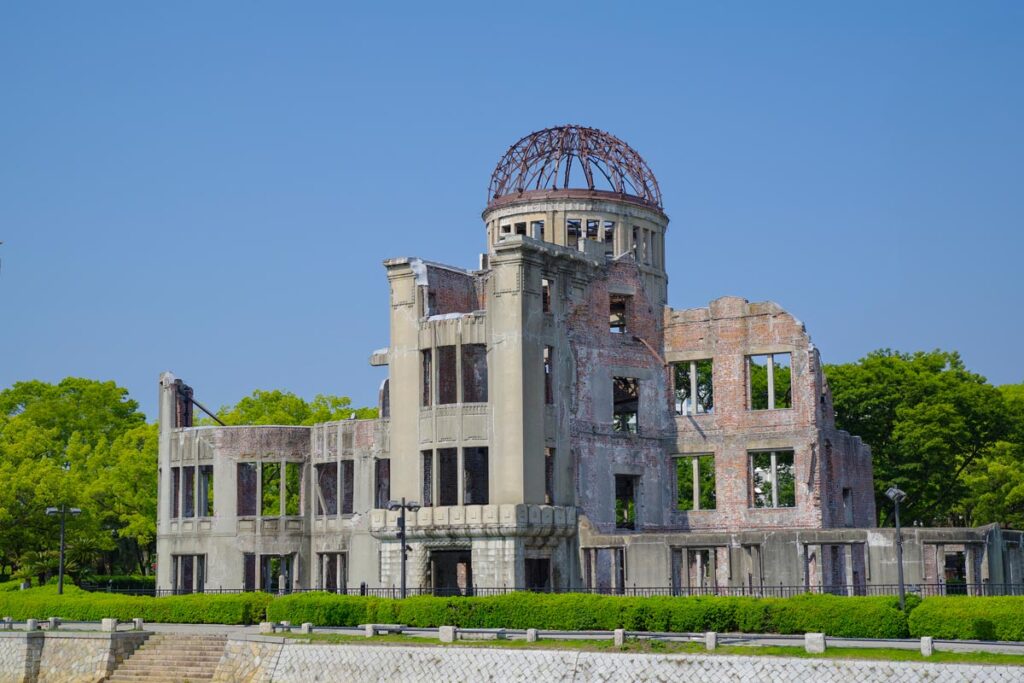
Atomic Bomb Dome
Hiroshima Peace Memorial Museum
Shukkeien Garden
Hiroshima Castle
Onomichi

Okonomi-mura
Kure

Okunoshima Island