



Awa Odori Kaikan
Awa Odori Kaikan: Your Lively Introduction to Japan’s Famous Dance Festival
Photos are for illustrative purposes only.
For many first-time visitors, Japan means Tokyo neon, Kyoto temples, and perhaps a glimpse of cherry blossoms. But if you want to experience a side of Japan that is joyful, noisy, and wonderfully unreserved, head to Tokushima on Shikoku Island and step inside the Awa Odori Kaikan. This museum and performance hall is devoted to Awa Odori, one of Japan’s oldest and most exuberant dance festivals, and it is designed specifically so visitors can watch, learn, and even join the dance any day of the year.
What Is Awa Odori?
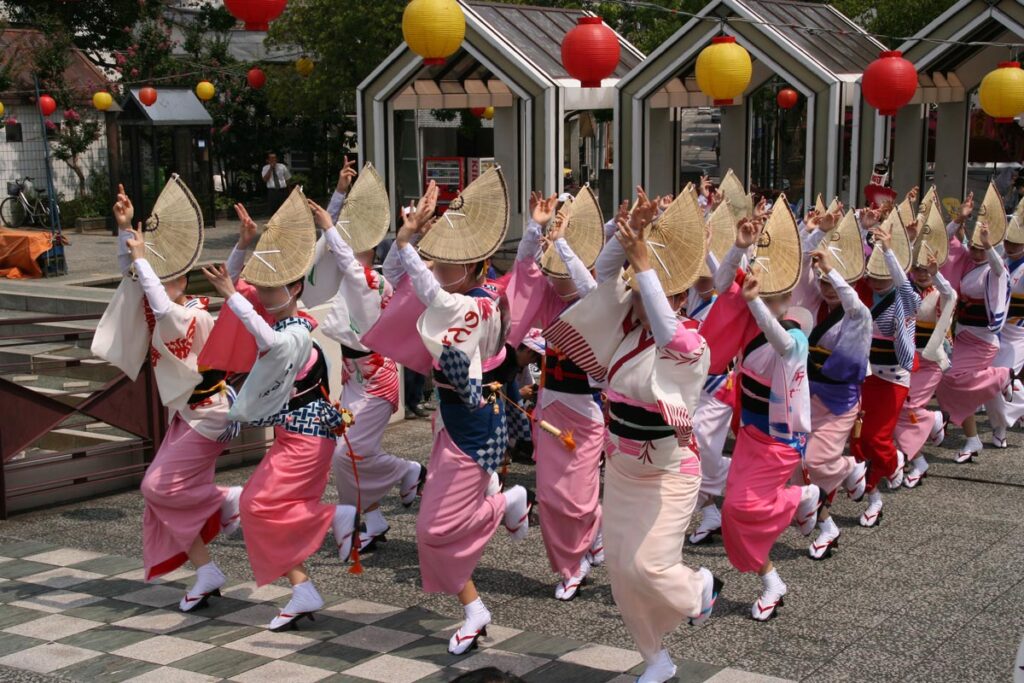
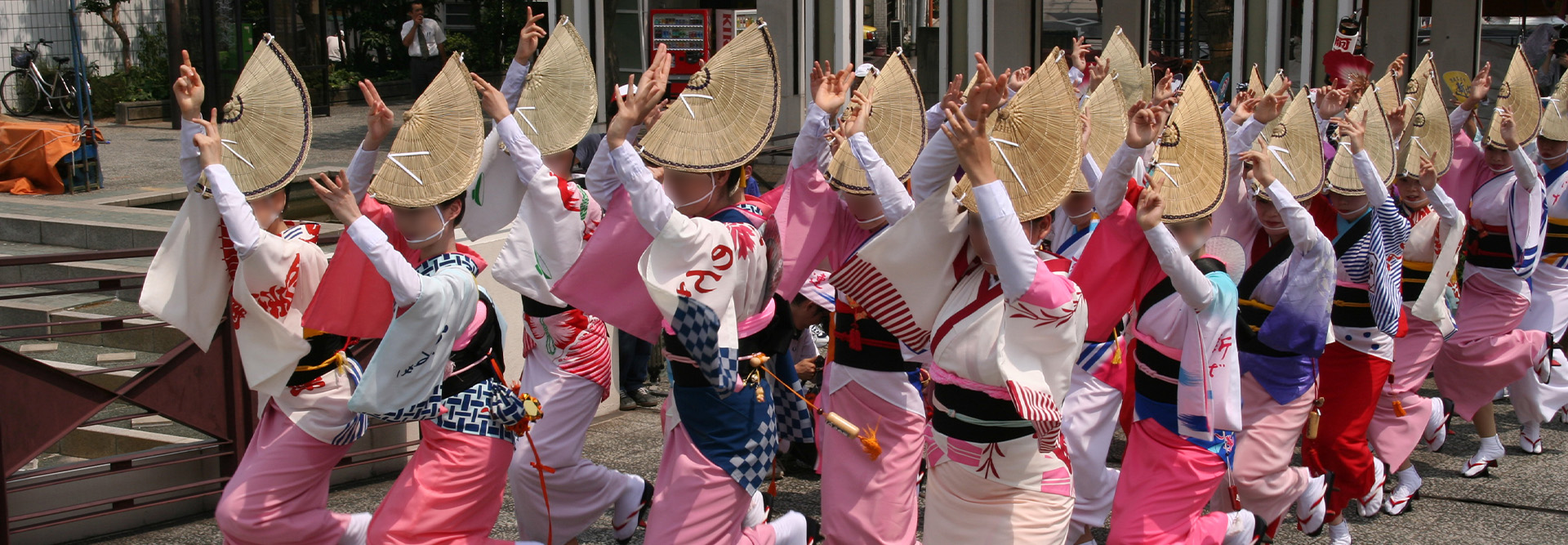
Awa Odori literally means “Awa Dance,” named after the old province of Awa, now Tokushima Prefecture. With roots in the 16th century, this is one of Japan’s most famous matsuri (traditional festivals), held every August during the Obon period. Over several nights, tens of thousands of dancers parade through the streets in choreographed lines called ren, moving to an infectious rhythm of drums, shamisen, flutes, and bells.
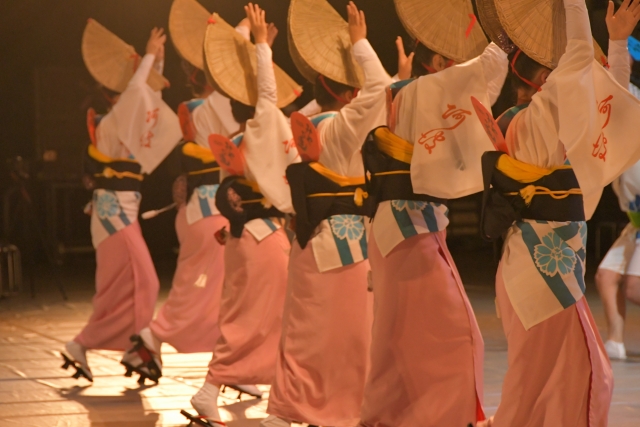
The dance style looks deceptively simple: bent knees, forward-leaning posture, and repeated, springy steps. Male and female dancers often move differently: men low and powerful, women elegant and upright in tall straw hats called amigasa. But what truly defines Awa Odori is its atmosphere. There is a famous local saying:
“Odoru aho ni, miru aho, onaji aho nara, odoranya son son!”
(“The dancers are fools, the watchers are fools, if both are fools, you might as well dance!”)
This spirit of cheerful foolishness is what the Awa Odori Kaikan brings to life year-round, so that even if you cannot visit Tokushima in August, you can still feel the energy of the festival.
Why Visit Awa Odori Kaikan?
Awa Odori Kaikan is more than a static museum. It is part theater, part cultural center, and part gateway to Tokushima’s best city views. For first-time visitors to Japan, it offers several valuable experiences in a single stop:
- Live Awa Odori dance shows with professional troupes.
- Guided audience participation where you are invited to dance.
- A compact but informative museum about the festival’s history and costumes.
- Access to the Mount Bizan ropeway directly from inside the building.
- Convenient location, close to Tokushima Station and easy to navigate in English.
Because the performances run several times a day, it is one of the most reliable ways to see traditional Japanese performing arts without worrying about complicated advance bookings.
Location and How to Get There
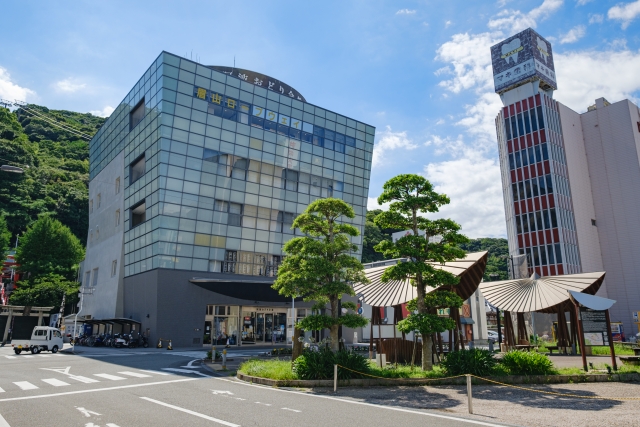
Awa Odori Kaikan is located in central Tokushima City, in eastern Shikoku. For most international travelers, the journey begins from major cities like Osaka or Kobe.
From Osaka and Kobe
There is no Shinkansen to Tokushima, but access is still straightforward:
- Highway bus: Direct buses run from Osaka (e.g., Osaka Station, Namba) and Kobe (Sannomiya) to Tokushima Station in about 2.5–3 hours. This is usually the simplest and most economical option for first-time visitors.
- Train and bus via Awaji Island: You can take JR trains toward Akashi or Sannomiya and transfer to buses crossing the Akashi Kaikyo Bridge. For short stays, the direct highway bus is usually easier.
- By air: Tokushima Awaodori Airport has flights from Tokyo; from the airport, buses connect to central Tokushima in about 30 minutes.
From JR Tokushima Station, Awa Odori Kaikan is approximately a 10–15 minute walk or a brief taxi ride. Signage in the area is clear, and maps in front of the station usually mark the building.
Inside the Awa Odori Kaikan: Floor by Floor
The building is modern, compact, and easy to navigate. Most visitors focus on the lower floors for performances and the upper floors for the museum and ropeway station.
Performance Hall and Entry
The main attraction is the performance hall, where daily shows are held. Tickets can usually be purchased on the day at the counter, and English information is often available. Timetables may vary by season, with extra evening performances during peak travel periods. If you are traveling in summer or during holidays, it is wise to arrive early for your preferred show to secure good seats.
Seats are numbered and comfortable, and the space is intimate enough that you can see the dancers’ expressions and costume details from almost anywhere.
Awa Odori Museum
In addition to the live shows, the building hosts a small museum dedicated to Awa Odori. Exhibits typically include:
- Traditional festival garments, including the characteristic straw hats and yukata (cotton robes).
- Instruments such as taiko drums, shamisen, and flutes.
- Historical photos and displays showing how the festival has evolved from local celebration to a national event that draws over a million visitors each year.
While not large, the museum gives helpful context to what you see on stage. You will learn how dance teams are organized, how costumes differ between regions and roles, and why the festival holds such importance for local identity. Exhibits are generally accompanied by basic English explanations, making it accessible for first-time travelers.
Mount Bizan Ropeway
One of the unique features of Awa Odori Kaikan is that it houses the lower station of the Mount Bizan ropeway. After enjoying the dance performance, you can ride the ropeway directly from inside the building to the summit of Mount Bizan, the low mountain that overlooks Tokushima.
The ropeway ride takes only a few minutes, gliding above city streets and greenery. At the top, you will find observation areas with panoramic views of Tokushima City, the Yoshino River, and on clear days, the distant mountains of Shikoku. Many locals recommend visiting around sunset or after dark, when the city lights create a romantic atmosphere—one reason Bizan is sometimes mentioned as a “lover’s sanctuary.”
Combining Awa Odori Kaikan and Mount Bizan makes an ideal half-day or evening itinerary: culture, activity, and scenic views all in one compact area.
The Live Dance Shows: What to Expect
The highlight of any visit to Awa Odori Kaikan is the live stage performance. Professional dance troupes, sometimes including members who perform in the main August festival, put on high-energy shows accompanied by live music.
A typical show lasts around 40–60 minutes and includes:
- Introduction: A host welcomes the audience and explains the basics of Awa Odori. Even if the main explanation is in Japanese, visual demonstrations and occasional English summaries help you follow along.
- Demonstration performance: The troupe dances in various formations, showcasing both men’s and women’s styles, and sometimes including playful sketches or staged processions like those in the summer festival.
- Audience participation: Midway through or near the end, visitors are invited onto the stage or floor to learn the basic steps.
Audience participation is the part that many visitors remember most vividly. Staff and dancers demonstrate a few simple movements—how to bend your knees, swing your arms, and step in rhythm—and then lead short practice sequences. You do not need any dance experience, and everyone, including families with children, is welcome to join.
This section embodies the festival’s philosophy: it is better to dance and laugh together than to stand on the sidelines. For travelers who may feel shy about Japanese etiquette, this is a safe and joyful space where you are actively encouraged to let go and have fun.
Cultural Tips for First-Time Visitors
Japan can feel formal and reserved in many contexts, so Awa Odori often comes as a surprise. Here are some tips to help you feel comfortable and respectful while still enjoying the freedom of the dance:
- Feel free to laugh at yourself: It is perfectly normal to get the steps wrong. In fact, the slight awkwardness is part of the shared enjoyment.
- Follow the staff’s lead: When to stand, when to clap, and when to join the stage are all clearly indicated. Simply mirror what others are doing.
- Photography: Photos and videos are usually allowed during the performance, but avoid using flash or blocking others’ view. If in doubt, check the signs or ask staff.
- Clothing: There is no dress code. Casual, comfortable clothes and shoes are ideal, especially if you plan to dance or ride the ropeway to Mount Bizan.
The warm, welcoming atmosphere makes Awa Odori Kaikan an excellent “first contact” with Japanese festival culture, especially if you are still adjusting to the country’s customs.
Practical Information: Tickets, Times, and Facilities
Exact schedules and fares can change, but the following points will help you plan:
- Opening hours: The building is typically open during the day into the evening. Performances are held several times daily, with additional night shows in peak season.
- Tickets: You can usually buy separate tickets for the dance show, the museum, and the ropeway, as well as combined tickets that save money. Same-day purchase is standard for most visitors.
- Language support: Signs and brochures commonly include English, and staff are used to welcoming overseas guests, especially during busy travel seasons.
- Accessibility: Elevators and ramps make the building accessible for most visitors with mobility needs. The ropeway has boarding platforms designed for easy entry.
- Facilities: There are restrooms, vending machines, and usually a small shop selling local souvenirs, Awa Odori-themed items, and Tokushima specialties.
Because the facility is popular with school groups and tour buses, mornings and late afternoons can be busy. If you prefer a quieter experience, consider visiting outside those times.
Combining Awa Odori Kaikan with Nearby Attractions
Tokushima is compact enough that you can explore several sights in a single day, especially if you are staying near the station.
- Mount Bizan: Take the ropeway from inside Awa Odori Kaikan for city views and short walks along the ridge. Evening visits are particularly atmospheric.
- Tokushima Central Park and Castle Ruins: A pleasant green space with fragments of the old castle and a small museum, ideal for a quiet stroll before or after the energy of the dance show.
- Shinmachi Riverside: Walk along the river near central Tokushima for casual cafes and a relaxed city atmosphere.
If you have more time in Shikoku, Tokushima is also a gateway to the Shikoku 88 Temple Pilgrimage, and to natural attractions such as the Naruto whirlpools to the north.
Suggested Itinerary for First-Time Travelers
If you are exploring western Japan and want to include Tokushima in your trip, consider the following one-day or overnight plan:
- Morning: Travel from Osaka or Kobe to Tokushima by highway bus; check into your accommodation near the station.
- Midday: Visit Tokushima Central Park and have lunch at a local restaurant (try Tokushima ramen, known for its rich, slightly sweet broth).
- Afternoon: Head to Awa Odori Kaikan; explore the museum and then watch a mid-afternoon performance, joining the dance.
- Late afternoon: Take the ropeway from inside the Kaikan to Mount Bizan for views and sunset.
- Evening: Return to the city center for dinner and a relaxed walk by the river before your onward journey or overnight stay.
This compact itinerary fits naturally into a broader Japan trip, especially if you are looking to balance big cities with regional culture.
Why Awa Odori Kaikan Belongs on Your Japan Itinerary
Many travelers arrive in Japan expecting quiet temples and meticulous gardens—and find them. But to understand the full range of Japanese culture, you also need to see how people celebrate together. Awa Odori Kaikan offers that chance without the crowds and complexity of traveling during the peak August festival.
Here, you are not just an observer. You are invited onto the stage, encouraged to laugh at your clumsy steps, and welcomed into a tradition that has bound Tokushima’s people together for centuries. With its easy access, clear signage, and combination of performances, museum exhibits, and scenic ropeway, Awa Odori Kaikan is especially well-suited to first-time visitors who want a vivid, memorable introduction to local Japan.
If you are planning your first journey to Japan and looking for an experience that goes beyond the usual tourist circuit, set aside a day for Tokushima and step into the lively world of Awa Odori Kaikan. You may arrive as a spectator, but you will almost certainly leave as a dancer.

Access Map
Recommended spots in Tokushima

Naruto Whirlpools

Otsuka Museum Art
Iya Valley