





Buddhist Temple Food
Buddhist Temple Food in Japan: A First-Time Traveler’s Guide
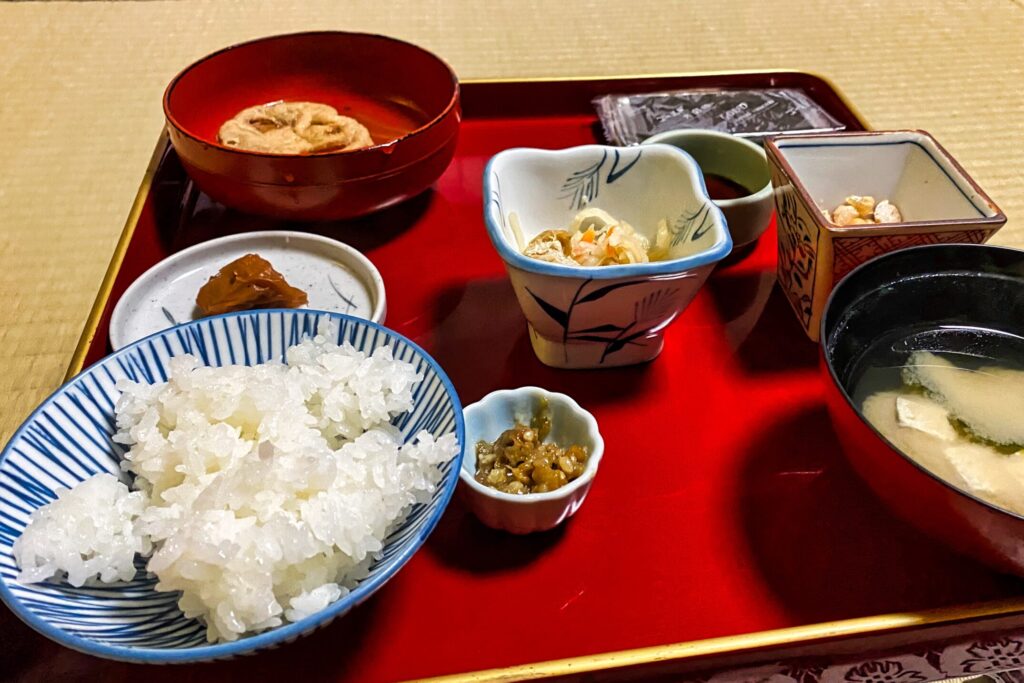
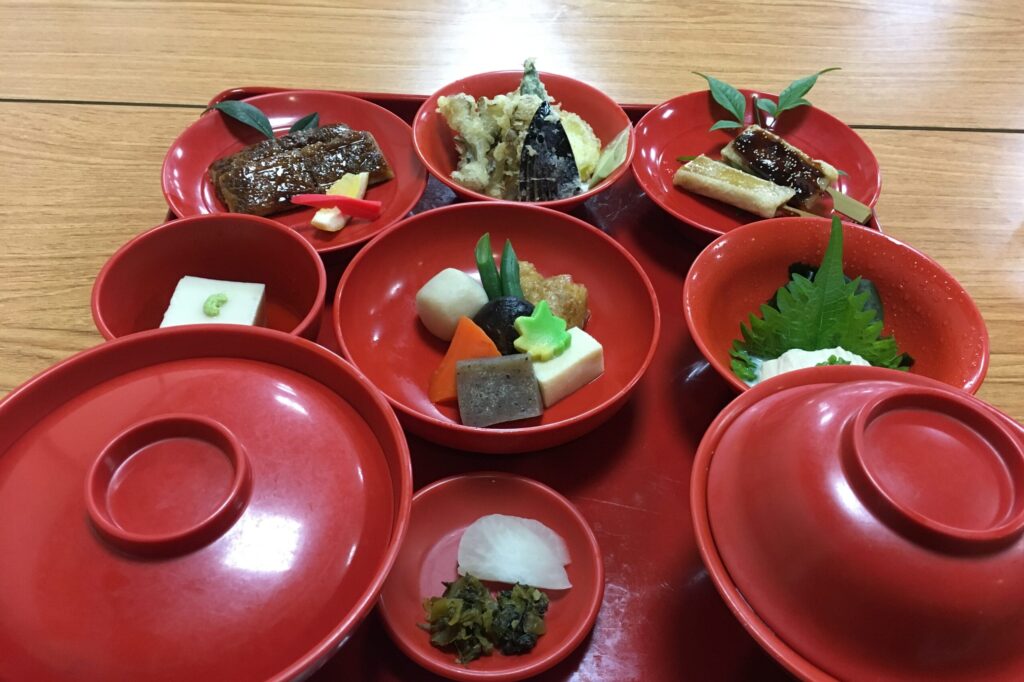
For many first-time visitors to Japan, Buddhist temple food is one of the most memorable surprises of the trip. Known as shōjin ryōri (精進料理), this traditional cuisine is deeply rooted in Buddhist practice, completely plant-based, beautifully presented, and far more creative than many expect. It is less a simple “vegetarian meal” and more a window into Japanese history, spirituality, and seasonal culture.
What Is Buddhist Temple Food (Shōjin Ryōri)?
Shōjin ryōri literally means “devotional cuisine.” It developed in Zen Buddhist monasteries as a way to support meditation and spiritual discipline. The core idea is that food should nourish body and mind without causing harm to living beings. As a result, shōjin ryōri excludes meat, fish, and even pungent ingredients like garlic and onions, which are thought to excite the senses and distract from calm awareness.
Today, you can enjoy temple food not only in remote monasteries, but at famous temples in Kyoto, Nara, Mount Kōya, and other regions. Many places serve it in a relaxed, welcoming setting, making it accessible even if you are completely new to Buddhism or Japanese cuisine.
Key Principles of Temple Cuisine
100% Plant-Based, But Not an Imitation of Meat
Shōjin ryōri is naturally vegan: no meat, fish, eggs, or dairy. Instead of “mock meat” dishes, temple chefs focus on bringing out the natural character of vegetables, tofu, beans, and grains. Rather than hiding plants under heavy sauces, they emphasize simple broths, light seasonings, and careful preparation.
Five Colors, Five Flavors, Five Methods
A famous principle of temple cooking is balance across five elements:
- Five colors: red, green, yellow, white, black
- Five flavors: sweet, sour, salty, bitter, umami
- Five methods: raw, simmered, grilled, steamed, fried
This idea comes from Buddhist and East Asian philosophy. When you sit down to a temple meal, notice how many colors appear on the tray, how textures contrast, and how flavors complement one another. The goal is harmony within the body and with the surrounding world.
Respect for Ingredients and Seasonality
In temple kitchens, nothing is wasted if it can be used. Vegetable peels might become stocks, stems and leaves might be pickled, and tofu by-products are turned into side dishes. This frugality expresses gratitude for food and the work that brings it to the table.
Seasonality is equally important. Spring menus feature mountain vegetables and tender greens; summer emphasizes cooling dishes and light flavors; autumn brings mushrooms and root vegetables; winter highlights warming stews and hearty tofu preparations. Eating temple food in Japan gives you a very direct sense of what the land is offering in that particular month.
What a Typical Temple Meal Looks Like
Many visitors are surprised by how substantial and varied a temple meal can be. A typical shōjin ryōri set might include:
Rice and Soup as the Foundation
Almost every meal includes a bowl of steamed white rice and a simple miso soup, often made with kombu (kelp) and dried shiitake mushrooms instead of fish-based stock. In some regions, you might get mixed-grain rice or rice cooked with seasonal ingredients like chestnuts or sweet potatoes.
Tofu and Soy-Based Dishes
Soy is central to temple food. You are likely to encounter:
- Yudōfu: gently simmered tofu in a light kombu broth, served with dipping sauces.
- Gomadōfu: a silky “tofu” made from sesame paste and starch, highly prized in Zen temples.
- Agedashi tofu: lightly fried tofu in a delicate soy-based sauce (in some temple-style restaurants).
These dishes highlight tofu’s versatility, from soft and custard-like to chewy and grilled.
Seasonal Vegetable Side Dishes
You will usually receive several small bowls of vegetables prepared in different ways, such as:
- Nimono: vegetables simmered in a gently seasoned broth.
- Aemono: vegetables dressed with sesame, miso, or tofu-based sauces.
- Sunomono: vinegared salads that refresh the palate.
- Tsukemono: Japanese pickles, which add saltiness and crunch.
Common ingredients include daikon radish, lotus root, burdock root, taro, pumpkin, green beans, spinach, and mountain vegetables such as fiddlehead ferns or bracken shoots in spring.
Tempura and Grilled Items
Depending on the temple or restaurant, you may also find:
- Vegetable tempura: lightly battered and fried seasonal vegetables, served with salt or dipping sauce.
- Grilled skewers of tofu, konnyaku (konjac jelly), or mushrooms glazed with miso.
These give contrast to the softer simmered dishes, making the meal feel more complete and satisfying.
Sweets and Tea
Some temple meals conclude with a simple dessert: perhaps a piece of seasonal fruit, a small wagashi (traditional sweet), or a jelly made from agar and beans. Green tea is often served, though in some Zen temples you may be offered roasted tea (hōjicha) or barley tea (mugicha), which are caffeine-light and easy to drink in the evening.
Where to Experience Temple Food in Japan
Kyoto: Classic Shōjin Ryōri in Temple Districts
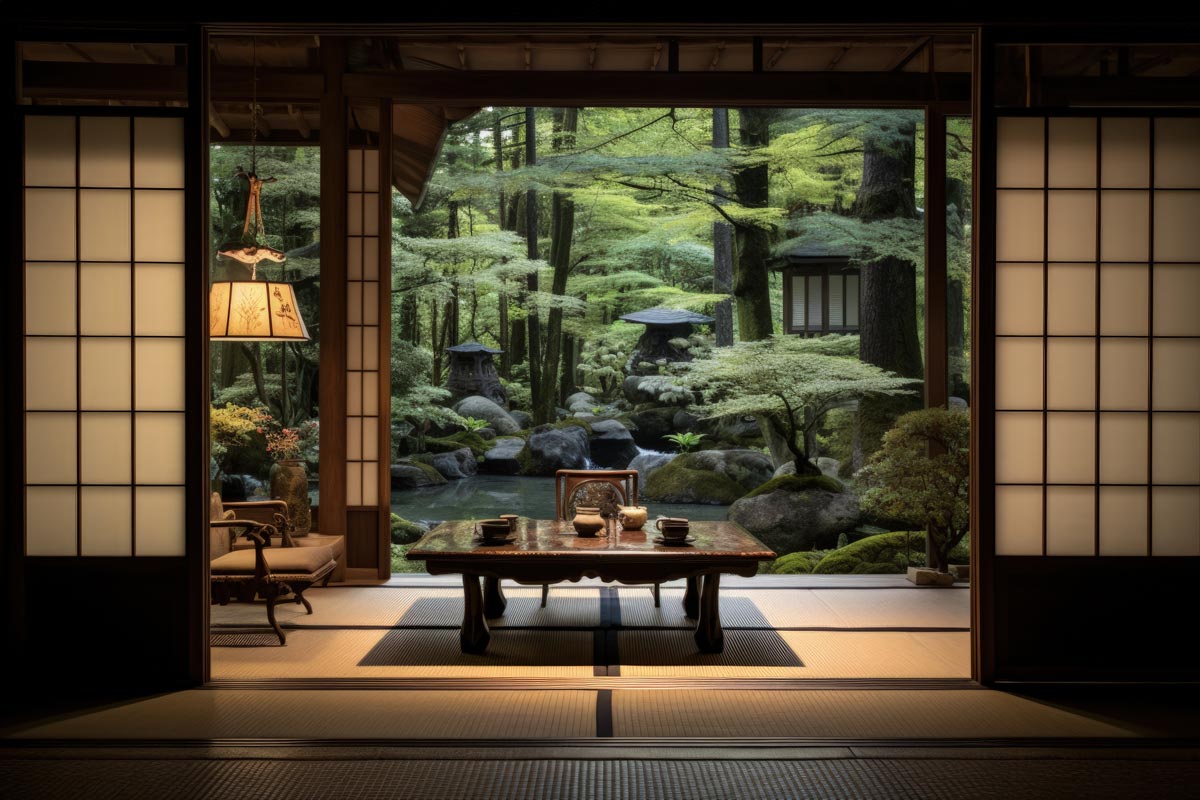
Kyoto is the easiest place for first-time visitors to experience temple cuisine. Many temples and temple-affiliated restaurants around districts like Arashiyama, Nanzen-ji, and the city’s northern hills serve shōjin ryōri set meals, often in traditional tatami rooms with garden views.
In some places, you can reserve a full course lunch, while others offer more casual set menus. Because Kyoto is used to international tourism, staff are often comfortable explaining dishes in simple English, and picture menus are common.
Mount Kōya: Staying Overnight in a Temple
Mount Kōya (Kōyasan) in Wakayama Prefecture is a spiritual center of Shingon Buddhism and a popular overnight destination. Here, many temple lodgings (shukubō) include an evening and breakfast shōjin ryōri meal in the room rate. This is one of the most immersive ways to experience temple food, as you dine in a working monastery, often after evening prayers or a walk among atmospheric graveyards and cedar forests.
Nara and Other Historic Regions
Nara, Japan’s first permanent capital, is another excellent place to try temple food, especially near major temples. Rural areas with famous Zen monasteries or pilgrimage routes may also offer simple shōjin ryōri lunches to visitors. Even if you are based in Tokyo or Osaka, it is worth checking whether nearby temples have affiliated restaurants; some do, especially around tourist-friendly districts.
How to Book and What It Costs
Temple food can range from a modest lunch to an elaborate kaiseki-style course.
- Casual lunches: often available from around ¥1,500–¥3,000.
- Full course dinners: at well-known temple restaurants, ¥4,000–¥10,000 or more, depending on season and location.
- Temple lodging with meals: overnight stays including dinner and breakfast usually start around ¥10,000–¥15,000 per person.
Reservations are highly recommended, especially for dinner and temple lodgings. Many places accept online bookings or reservations by email. Popular temples in Kyoto and Mount Kōya can fill up weeks in advance during cherry blossom and autumn foliage seasons.
Etiquette Tips for Enjoying Temple Cuisine
You do not need to be Buddhist or understand Japanese to enjoy temple food, but a few simple etiquette points will help you feel comfortable.
Before and After the Meal
Before eating, Japanese diners usually say “Itadakimasu”, a phrase expressing gratitude for the food, people who prepared it, and life that sustains you. After finishing, they say “Gochisōsama deshita”, thanking the cook and host. You are not required to say these phrases, but attempting them is appreciated.
Handling Chopsticks
Chopsticks will almost always be provided. A few important points:
- Do not stick chopsticks upright into rice; this resembles a funeral offering.
- Avoid passing food directly from one pair of chopsticks to another.
- Use the opposite end of your chopsticks to take food from a shared plate if offered family-style.
If you are not confident with chopsticks, practice a little before your trip or ask politely if a fork is available. Many temple restaurants are used to foreign guests and will try to accommodate.
Eating Mindfully
In Zen tradition, meals are also a form of meditation. While you are not expected to remain silent, try slowing down and paying attention to aroma, texture, and flavor. Notice the care in the plating, the seasonal motifs on dishes, and how the garden or surrounding architecture shapes the atmosphere.
Is Temple Food Suitable for Vegetarians and Vegans?
Shōjin ryōri is inherently plant-based and usually safe for vegetarians and vegans. However, there are a few caveats for strict diners:
- Dashi (stock): Authentic temple cuisine uses kombu and shiitake mushroom dashi without fish flakes, but some modern restaurants influenced by everyday Japanese cooking may add bonito flakes. If this is a concern, ask in advance.
- Seasonings: Check whether any sauces or dressings contain fish-based ingredients. Staff at temple-affiliated places are usually familiar with vegetarian needs.
- Language: Carry a simple note in Japanese explaining your dietary needs (for example, “I cannot eat any meat, fish, or animal products”). This helps avoid misunderstandings.
If you are gluten-free or have other allergies, communicate clearly when booking. Some dishes rely on soy sauce (which often contains wheat), so flexibility may be limited, but more places are becoming aware of dietary restrictions due to international visitors.
Cultural Meaning Beyond the Meal
Temple food is not just about health or trendiness; it reflects a worldview. The simplicity of ingredients, the attention to waste, and the harmony of colors and flavors all express Buddhist values of compassion, mindfulness, and interconnectedness.
By choosing a temple meal, you are also supporting communities that preserve traditional agriculture, local foodways, and historic buildings. Many temples grow some of their own vegetables or work with small regional farmers. In an age of fast food and globalization, shōjin ryōri offers a slower, more thoughtful way of eating.
Practical Tips for First-Time Visitors
- Timing: Lunch is typically served from around 11:30 to 14:00, dinner from about 17:30 to 19:30. Temple lodgings often have fixed meal times.
- Clothing: Dress modestly and comfortably. For temple lodgings, you may be given a light cotton yukata to wear inside.
- Cash vs. card: Some temple restaurants accept credit cards, but smaller or more traditional places may be cash-only. Carry enough yen just in case.
- Shoes: Be prepared to remove shoes at temple lodgings and some dining areas. Easy-to-remove footwear is helpful.
- Photos: Ask before photographing food or the interior, especially in quieter, more monastic settings.
Making Temple Food Part of Your Japan Itinerary
For a first-time trip to Japan, consider including temple food in one or more of these ways:
- A Kyoto day trip with a temple lunch between sightseeing at gardens and historical sites.
- An overnight stay at Mount Kōya, combining shōjin ryōri with morning meditation or Buddhist services.
- A culture-focused day in Nara, visiting temples and finishing with a leisurely temple-style dinner.
You do not need to be vegetarian to appreciate Buddhist temple cuisine. Many meat-eaters find it one of the most satisfying and eye-opening meals of their journey. By the end of your first shōjin ryōri experience, you may discover that what seemed “simple” at first glance is actually one of the most complex and soulful foods in Japan.
Whether you come for the flavors, the aesthetics, or the spiritual curiosity, Buddhist temple food offers an unforgettable taste of Japanese culture that lingers long after you leave the tatami room.