Capsule Hotels
Capsule Hotels in Japan: A First-Timer’s Complete Guide
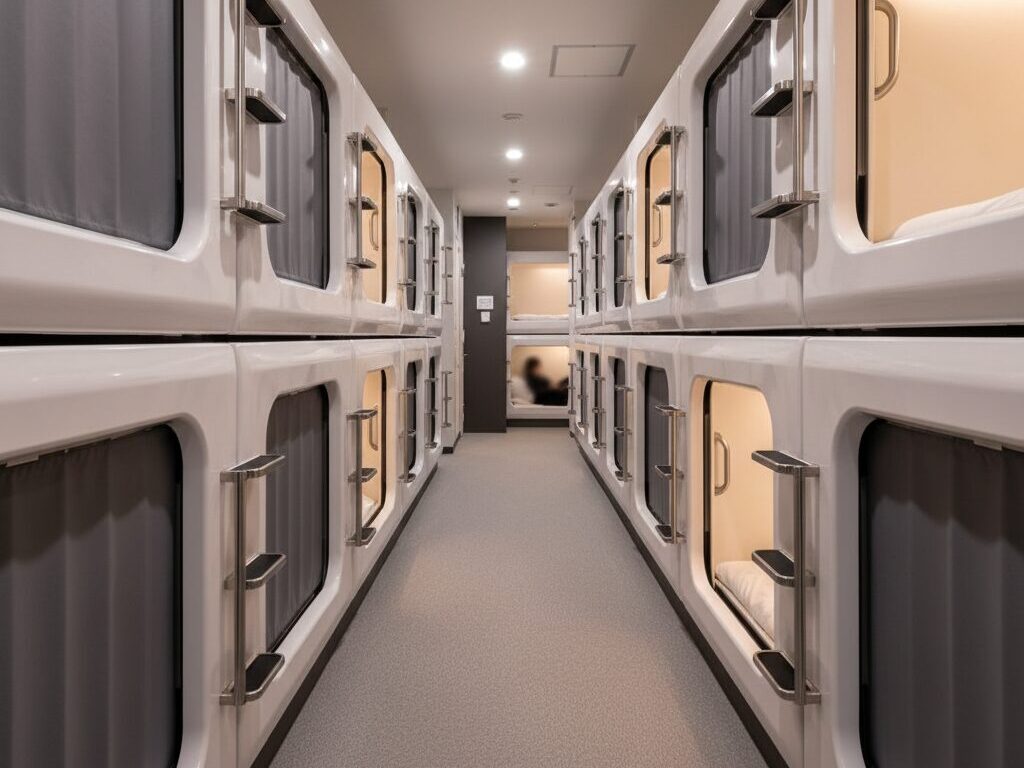
Capsule hotels are one of Japan’s most iconic and intriguing types of accommodation. For many international visitors, spending at least one night in a capsule is as essential as eating sushi or riding the shinkansen. Compact, efficient and surprisingly comfortable, these futuristic “sleep pods” offer a very different stay from a typical hotel.
This guide explains how capsule hotels work, what to expect inside, key etiquette, and practical tips so first-time travelers can enjoy the experience with confidence.
What Is a Capsule Hotel?
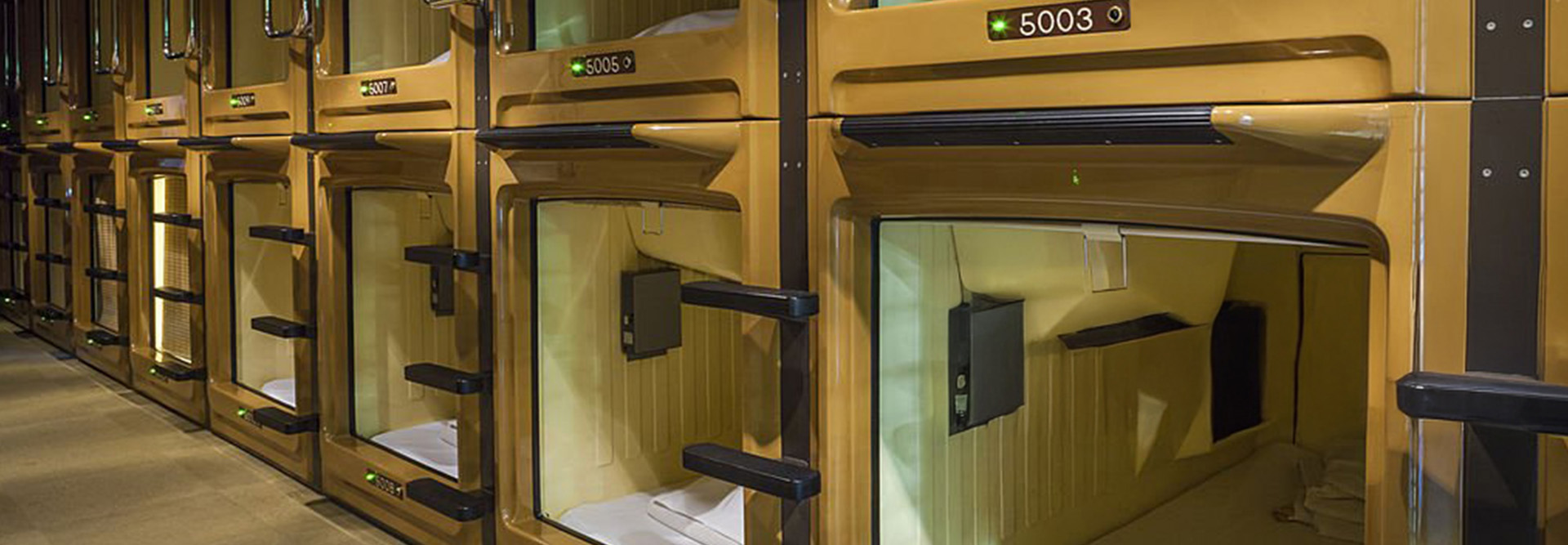
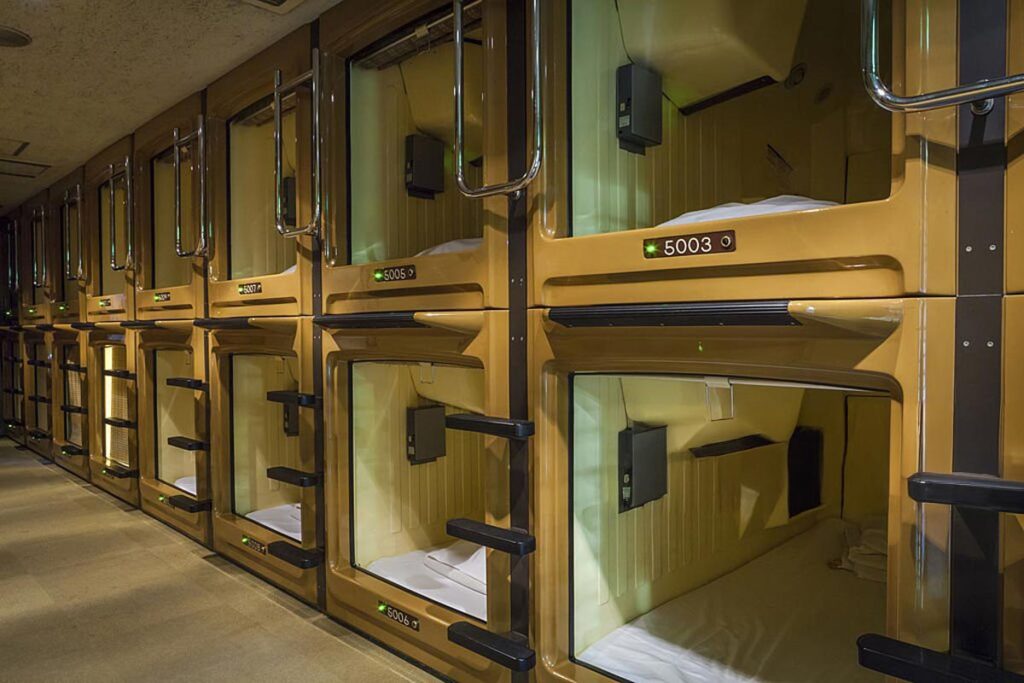
A capsule hotel is a type of budget accommodation where guests sleep in individual pods, usually stacked in rows. Each capsule is large enough for one person to sleep comfortably, but not tall enough to stand up in. You get a bed, light, power outlets, and basic amenities, while shared facilities like bathrooms and lounges are outside the capsule.
Capsule hotels first appeared in Osaka in the late 1970s, originally designed for salarymen who missed the last train home. Today they attract a mix of Japanese business travelers, students, and curious visitors from around the world. Many modern capsules are stylish, clean, and surprisingly high-tech, turning a small space into an efficient mini–hotel room.
Who Should Stay in a Capsule Hotel?
Capsule hotels are best for travelers who:
- Don’t mind small spaces and shared facilities
- Want to save money on city-center accommodation
- Have a short stay or late-night arrival
- Are curious about unique Japanese experiences
They are not ideal if you:
- Are very claustrophobic or sensitive to noise
- Need a lot of privacy
- Are traveling with large families and many suitcases
- Expect hotel-style personal service and in-room bathrooms
For solo travelers and couples who are flexible and open-minded, capsule hotels can be fun, convenient, and memorable.
Types of Capsule Hotels You’ll Find in Japan
Not all capsule hotels are the same. Over the years, the market has expanded from bare-bones business capsules to stylish, design-focused properties.
Classic Business Capsule Hotels
These are the original style, often located near major train stations and business districts. Expect simple capsules, functional common areas, and a strong focus on convenience rather than design.
- Typically male-only or with separate floors for men and women
- Often include a public bath or small sento-style bath area
- Popular with Japanese office workers and budget travelers
Modern & Design-Focused Capsules
These newer capsule hotels target international visitors and younger Japanese travelers. They are often sleek, minimalist, and Instagram-friendly, with thoughtful interior design.
- May offer mixed-gender floors, women-only floors, or entire women-only properties
- Better soundproofing, more spacious capsules, and hotel-like amenities
- Common areas such as co-working spaces, cafés, or lounges
Hybrid Capsule & Hostel Concepts
Some properties mix capsule pods with dorm beds or private rooms. This gives groups and couples more flexibility while still keeping the capsule concept.
- Good for friends traveling together on different budgets
- Often have shared kitchens and social spaces
- Can feel more like a stylish hostel than a traditional capsule hotel
What to Expect When You Check In
While every property is different, the basic process at most capsule hotels is similar. Understanding this routine will make your arrival feel smoother and less intimidating.
Reception and Payment
You usually check in at a front desk just like a regular hotel. Staff may speak some English, especially in major cities such as Tokyo, Osaka, and Kyoto. Many capsule hotels require payment in full at check-in, often by credit card or cash.
At check-in you will typically receive:
- A key card or key for the locker area
- Information on your capsule number and floor
- Basic rules and instructions, sometimes printed in English
Lockers and Luggage Storage
Most capsule hotels do not allow large suitcases inside the capsule area. Instead, you’ll place your belongings in a locker or luggage storage zone.
- Lockers are often tall enough for a backpack or carry-on suitcase
- Very large suitcases may be stored separately at reception or in a luggage room
- Valuables should be kept in your locker rather than the capsule
Traveling light makes a capsule stay much more comfortable. If you have a lot of luggage, consider using Japan’s luggage delivery services, which can send your bags between airports and hotels.
Changing Into Provided Loungewear
To keep the capsule floors clean and quiet, many hotels provide simple loungewear or pajamas, as well as slippers. You’ll usually change in a locker room or dressing area before going to the capsule or bath.
It can feel a bit like being in a spa or onsen rather than a hotel. Embrace the routine – it’s part of the Japanese focus on cleanliness and shared space etiquette.
Inside Your Capsule: Layout and Amenities
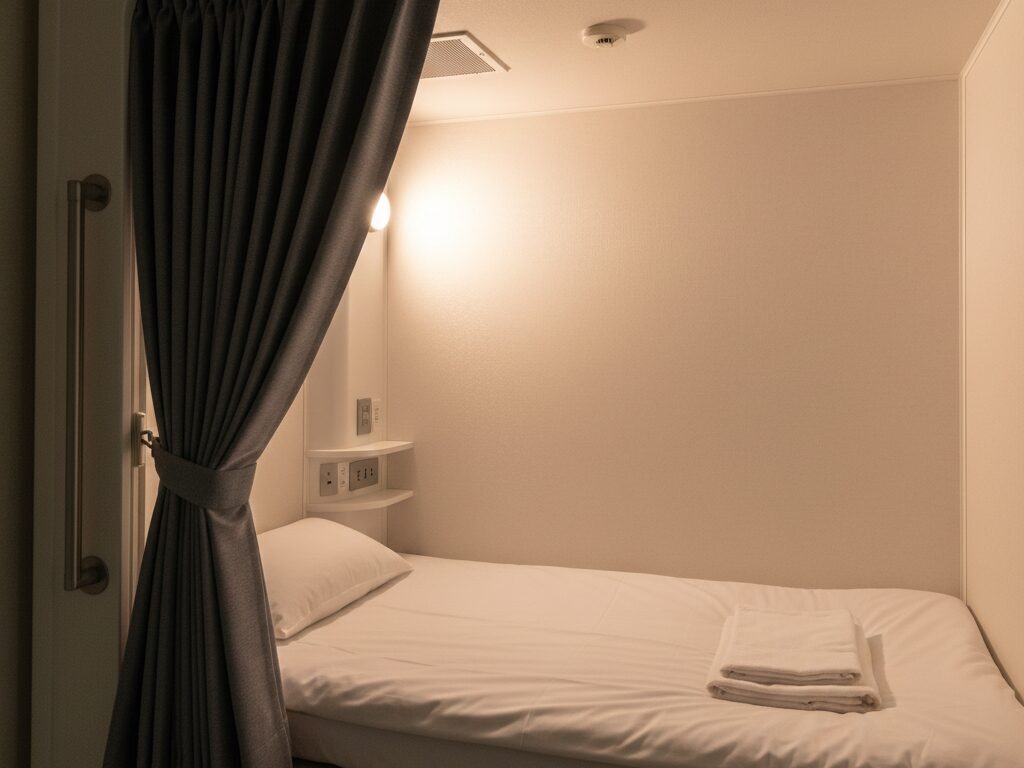
The interior of a capsule is compact but surprisingly functional. While designs vary, most capsules include:
- Mattress and bedding: Firm but comfortable mattress, pillow, and duvet
- Lighting: Overhead light and/or reading light with easy controls
- Power outlets: For charging phones and small devices (Japan uses Type A/B plugs)
- Ventilation: Small fan or vent to keep air fresh
- Privacy screen: Curtain, blind, or sometimes a sliding door
- Entertainment: Some capsules offer small TVs or built-in speakers (with headphones)
Capsules are generally designed for one person only. In most places, it is not permitted for two people to sleep in the same pod, even for couples. If you are traveling as a pair, you’ll book two separate capsules, often on the same floor.
Shared Facilities: Bathrooms, Baths and Lounges
Bathrooms and Showers
Bathrooms and showers are shared but usually very clean and well-maintained. You can expect:
- Separate facilities for men and women
- Individual shower booths or a row of showers
- Toiletries such as shampoo, body wash, and sometimes conditioner
- Hair dryers and large mirrors in the sink area
Japanese hotels take cleanliness seriously, and even budget capsule hotels tend to maintain a high standard. However, peak evening hours can be busy, so consider showering early or later at night.
Public Baths and Saunas
Many capsule hotels, especially traditional ones, have a large public bath and sometimes a sauna. These follow the same etiquette as Japanese sento or onsen:
- Bathe naked (no swimsuits; men and women are separated)
- Wash thoroughly at the shower area before entering the shared bath
- Bring only a small towel to the bath area (leave big towels in the locker room)
For first-time visitors, this can be a highlight of the stay. Soaking in a hot bath after a day of sightseeing is deeply relaxing and gives you a glimpse into everyday Japanese bathing culture.
Common Spaces and Work Areas
Modern capsule hotels often provide lounges, reading corners, or co-working spaces. These are comfortable places to relax with a drink, use Wi-Fi, and plan your next day’s itinerary. Some properties even have cafés or small bars where travelers can mingle.
Capsule Hotel Etiquette and Cultural Tips
Capsule hotels emphasize harmony and consideration for others. Following local etiquette will make your stay smoother and more pleasant for everyone.
Keep Noise to a Minimum
The capsule floors are quiet zones. Conversations, phone calls, and video watching should be done in common areas, not inside or right outside your capsule.
- Use headphones if watching videos or listening to music
- Speak softly in hallways and locker rooms
- Be gentle when closing lockers or capsules late at night
Respect Shared Spaces
Japanese culture places a strong emphasis on cleanliness and respect for common areas.
- Take off outdoor shoes where indicated and use the provided slippers
- Keep your belongings neat and avoid spreading luggage in hallways
- Dry yourself before leaving the shower area to avoid dripping water everywhere
Follow Gender and Floor Rules
Many capsule hotels have separate floors or sections for men and women. Entering the wrong floor is not allowed, even if you are traveling with a partner. Always check floor signage and follow staff instructions.
Safety, Security and Privacy
Japan is one of the safest countries in the world, and capsule hotels reflect this atmosphere. Still, it’s wise to understand how security works.
- Lockers: Use your locker for valuables like passports, wallets, and electronics
- Capsules: Often cannot be locked due to fire regulations, but curtains or doors provide visual privacy
- CCTV and staff: Common areas are usually monitored, and staff are present at reception 24/7
If you’re a solo female traveler, consider women-only capsule hotels or those with dedicated women’s floors. These properties generally have additional security measures, such as keycard access to the women’s area.
How Much Does a Capsule Hotel Cost?
Prices vary depending on location, season, and style, but capsule hotels are generally affordable compared to regular hotels.
- In major cities like Tokyo and Osaka: roughly ¥3,000–¥6,000 per night
- In smaller cities: often cheaper, especially on weekdays
- Holiday periods and weekends: prices can rise, and reservations become essential
Some properties offer hourly or day-use plans, popular with travelers who want a nap, shower, or workspace near a station without staying the whole night.
How to Book a Capsule Hotel
Most capsule hotels can be booked through major hotel booking sites or directly on their own websites. When searching:
- Filter by “capsule hotel” or “pod hotel” in the accommodation type
- Check whether the property accepts foreign guests (almost all in big cities will)
- Look at photos of the bathrooms, capsules, and common areas
- Read reviews mentioning noise, cleanliness, and staff communication
In peak seasons such as cherry blossom (March–April), Golden Week (late April–early May), and autumn foliage (November), it’s wise to book well in advance. Outside those times, you may find last-minute availability near major train stations.
Best Locations to Try a Capsule Hotel
Capsule hotels are most common in big cities and transport hubs, making them convenient for sightseeing and travel days.
Tokyo
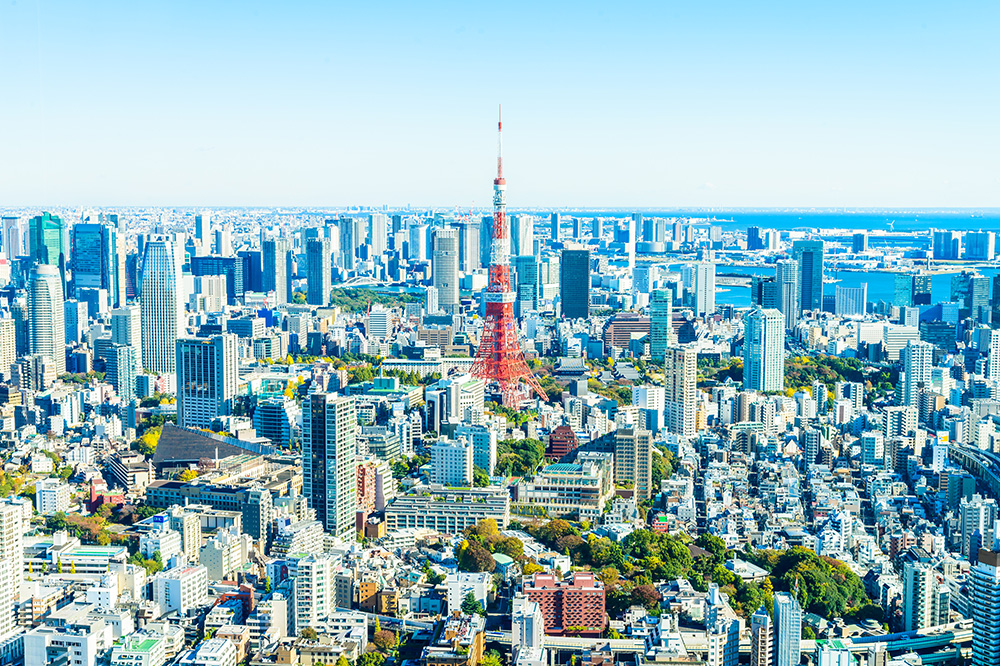
In Tokyo, capsule hotels cluster around major stations and nightlife districts. Areas like Shinjuku, Shibuya, Ueno, and Asakusa offer capsules within walking distance of train and subway lines. This makes them handy bases for exploring the city or catching early trains to other regions.
Osaka
Osaka, birthplace of the first capsule hotel, has a strong capsule culture. Neighborhoods such as Namba and Umeda have options ranging from classic salaryman capsules to stylish, design-driven properties. They’re perfect if you’re sampling Osaka’s famous street food and nightlife.
Other Cities
Kyoto, Nagoya, Fukuoka, Hiroshima, Sapporo, and other regional cities also have capsule hotels, often near the main station. These can be excellent for short stays, stopovers, or nights before early-morning trains or flights.
Practical Tips for a Comfortable Capsule Stay
- Pack an overnight pouch: Keep essentials like toothbrush, face wash, change of clothes, and chargers in a small bag to avoid digging through your suitcase.
- Bring earplugs and a sleep mask: Capsule hotels are generally quiet, but snoring or hallway noises can happen.
- Arrive before midnight: Some capsule hotels have late-night curfews for check-in; always check in advance.
- Confirm check-out time: It’s often earlier than full-service hotels, around 10:00 a.m.
- Check tattoo policy: If you plan to use the public bath and have tattoos, confirm whether they are allowed or if you need to cover them.
Is a Capsule Hotel Right for You?
Staying in a capsule hotel is more than a budget choice; it’s a window into Japanese urban life and design. The blend of privacy and shared space, the quiet efficiency of the layout, and the emphasis on cleanliness and order all reflect deeper aspects of Japanese culture.
If you’re a first-time visitor to Japan and feel comfortable with compact spaces and shared facilities, booking at least one night in a capsule hotel can be a highlight of your trip. Combine it with stays at a traditional ryokan and a regular hotel, and you’ll experience three very different sides of Japanese hospitality in a single journey.
With the right expectations and a bit of cultural awareness, your night in a capsule can be surprisingly relaxing, remarkably convenient, and absolutely unforgettable.
Explore Other Hotels
Deluxe Hotels
3-star Hotels
Traditional Japanese
inn (Ryokan)
Capsule Hotels