
Casual/Family Restaurants
Casual & Family Restaurants in Japan: A First‑Timer’s Guide
Japan is often praised for its elegant kaiseki meals and refined sushi bars, but most travelers spend far more time in its casual and family restaurants. These are the bustling ramen shops, cheerful “family restaurants,” and cozy neighborhood diners where real daily life unfolds. For first-time visitors, they are some of the easiest, most affordable, and most rewarding places to eat.
This guide introduces the main types of casual and family restaurants you will encounter in Japan, how to order, what to expect with prices and etiquette, and which dishes are especially good for international visitors and families with children.
What “Casual & Family Restaurants” Means in Japan
In Japan, casual and family dining covers several overlapping categories, from home-style diners to big chains along the highway. They have a few things in common: reasonably priced menus, no dress code, and a relaxed atmosphere where children, solo diners, and groups all feel comfortable.
Family Restaurants (Famiresu)
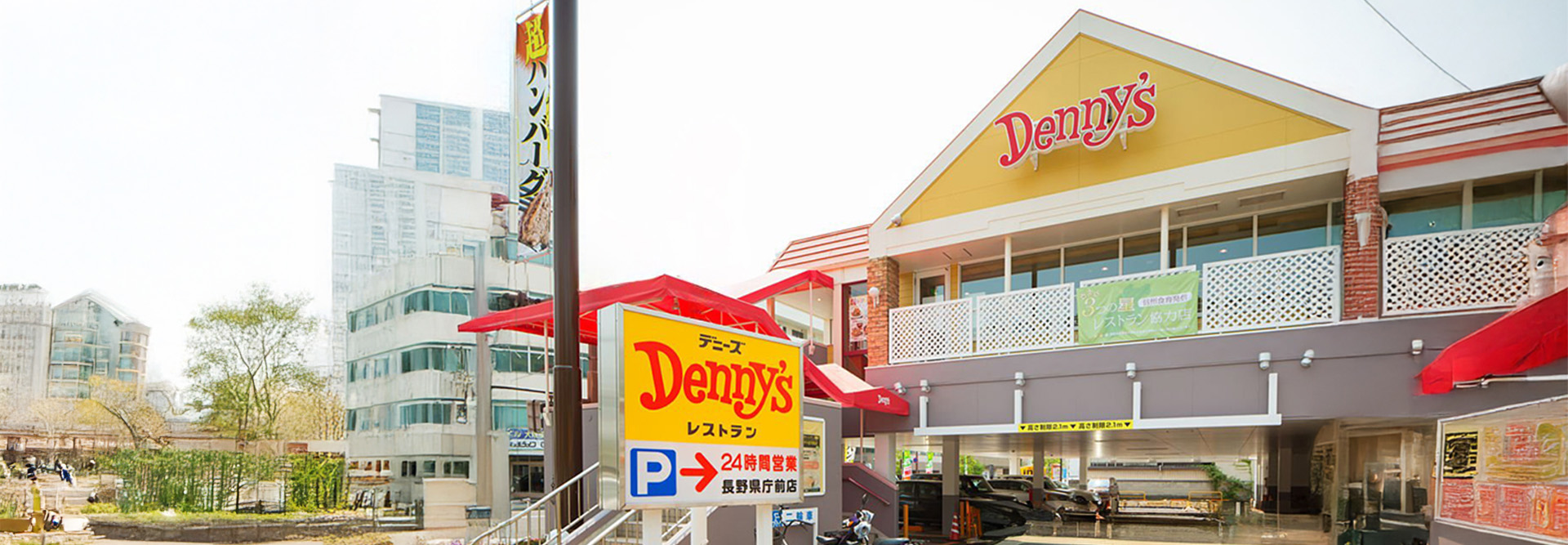
The Japanese term “famiresu” (short for “family restaurant”) usually refers to large, brightly lit chain restaurants. Names like Gusto, Saizeriya, Jonathan’s, and Denny’s Japan are common across the country. These restaurants serve a broad mix of Japanese and Western-style dishes, with photo-rich menus, kids’ meals, and long opening hours. They are ideal when you are tired, hungry, and just want something familiar and easy.
If you are traveling with small children, we recommend a chain family restaurant. As they are used to serving customers with children and you can dine in peace without the hassle of large groups of customers drinking and making noise.
Casual Local Eateries
Beyond chains, you will find countless mom-and-pop eateries that locals visit daily. These might specialize in noodles, curry rice, grilled meat, or simple set meals. Often they are small—sometimes just a counter and a couple of tables—but they are usually very welcoming, especially in residential areas or near train stations.
Whether you choose a chain or a small independent spot, casual restaurants are an excellent way to experience Japanese flavors without worrying about complex etiquette or high prices.
Common Types of Casual Restaurants
1. Ramen Shops
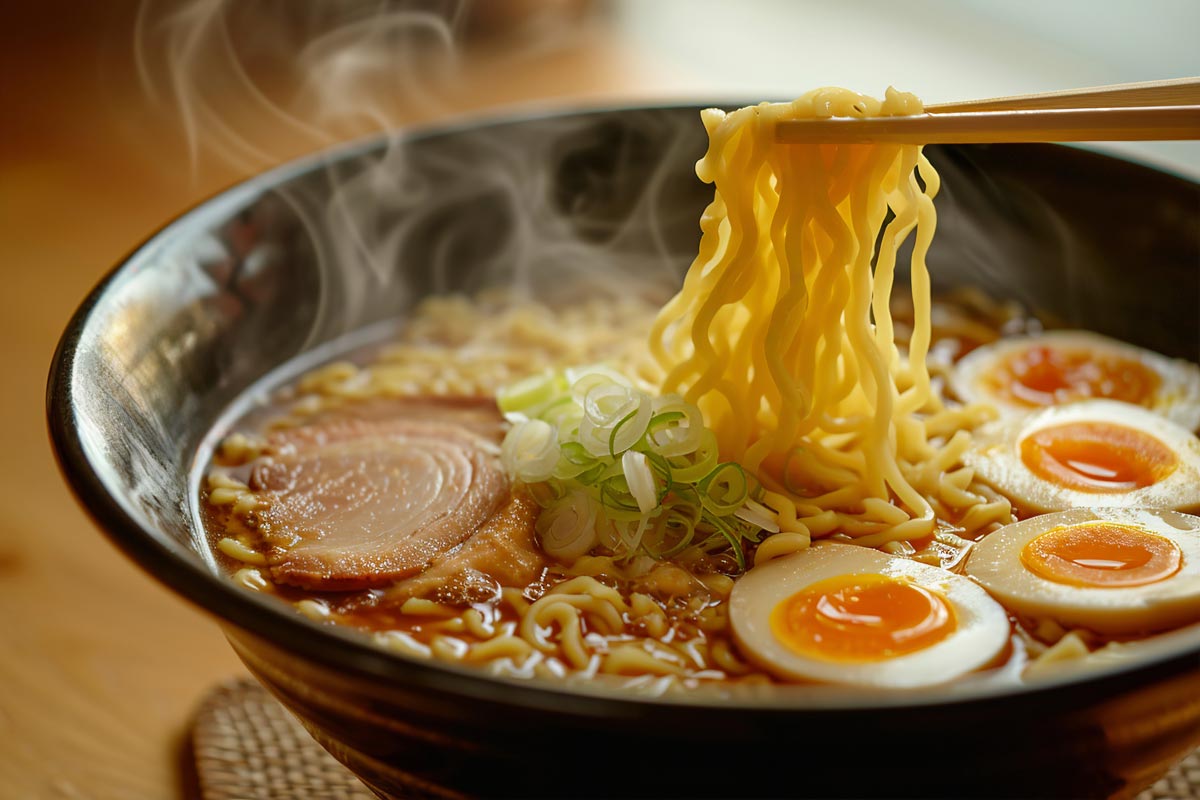
Ramen shops are among the most popular casual dining choices for visitors. They specialize in hefty bowls of noodles in rich broth, with toppings like sliced pork, green onions, bamboo shoots, and soft-boiled eggs. Many shops are compact and focused on quick service, making them ideal for a speedy but satisfying meal.
First-time friendly tips:
- Ticket machines: Many ramen shops have vending machines at the entrance. You choose your bowl using buttons with photos or simple labels, insert cash or a transit card, receive a ticket, and hand it to the staff. This system makes ordering easy even if you do not speak Japanese.
- Slurping is fine: In Japan, slurping noodles is perfectly acceptable and even considered a sign you are enjoying the meal, so do not feel self-conscious.
- Customization: Some shops let you choose broth strength, noodle firmness, or oil level. If it feels complicated, you can say “osusume de” (chef’s recommendation) and let them decide.
2. Udon and Soba Restaurants
Udon (thick wheat noodles) and soba (thin buckwheat noodles) are classic Japanese comfort foods. Many casual noodle restaurants work cafeteria-style: you grab a tray, order your basic bowl (hot or cold), then add tempura or side dishes as you move along the counter.
Why they are family-friendly:
- The noodles are soft, not spicy, and easy for children to eat.
- Portions and toppings can be adjusted easily—plain noodles for picky eaters, extra tempura or vegetables for hungry adults.
- Most chains display plastic food models in the window, making it simple to point at what you want.
3. Curry Rice Shops
Japanese curry is rich, mild, and closer to a hearty stew poured over rice than to spicy Indian or Thai curries. Dedicated curry chains like Coco Ichibanya allow you to customize everything: portion size, spiciness, toppings, and sometimes even the type of rice.
Curry rice is one of the most accessible Japanese dishes for international visitors and children. Typical toppings include breaded pork cutlet (katsu curry), fried chicken, cheese, or vegetables. Spice levels usually start at very mild; unless you ask for high heat, even sensitive diners are comfortable.
4. Teishoku-ya (Set Meal Restaurants)
Teishoku means “set meal,” and these restaurants offer balanced plates featuring a main dish—such as grilled fish, ginger pork, or karaage fried chicken—served with rice, miso soup, pickles, and sometimes a small salad or side dish.
Teishoku-ya are ideal if you want a meal that feels home-cooked, with variety and vegetables. They are common around office areas and train stations, and many display menus with photos. If there is a recommended or daily special, it is often good value and arrives quickly.
5. Izakaya-Style Chains (Casual Pub Dining)
While izakaya are technically pubs, many large chain izakaya cater to families and groups, especially in the early evening. Menus are extensive and include yakitori (grilled skewers), salads, fries, noodles, rice dishes, and desserts. You order several small plates to share.
Do note that these venues can become smoky or loud later at night, and there is often a small table charge that includes a snack. For families, early dinners (around 5–7 pm) are usually more relaxed.
6. Western-Style Family Chains and Cafés
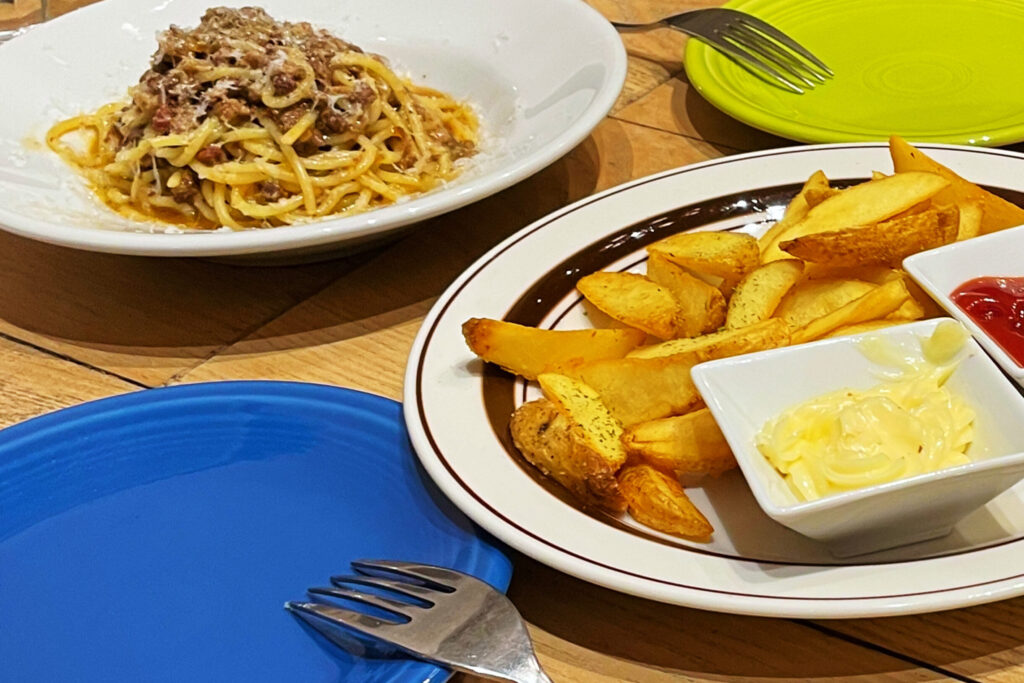
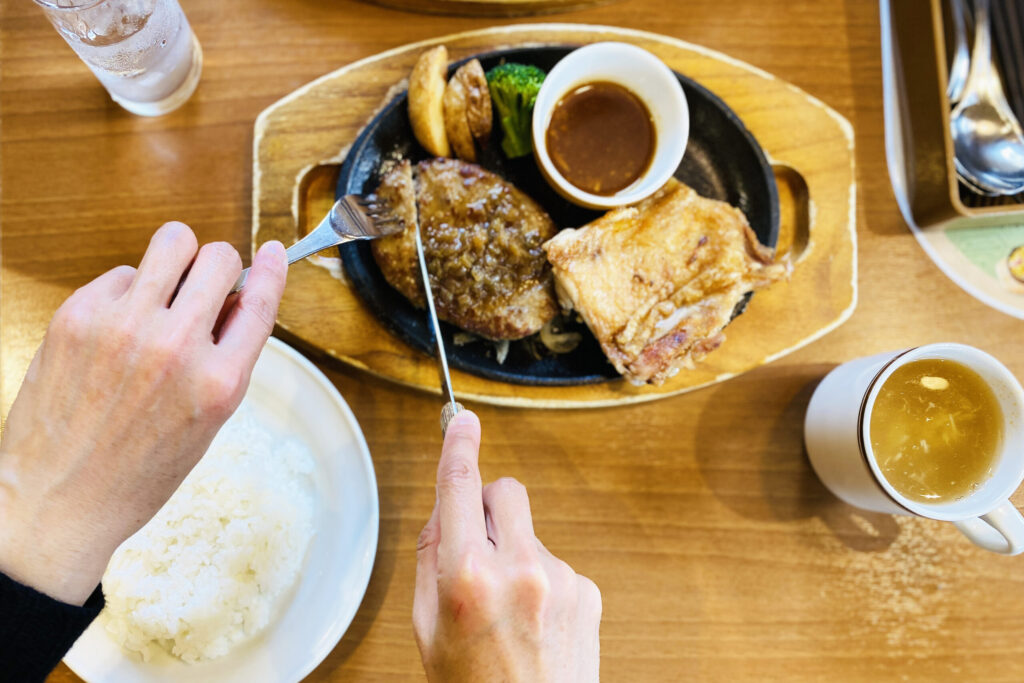
You will also find Japanese takes on Western diners and cafés. Alongside hamburgers, pasta, and pancakes, many of these places serve hybrid “Yōshoku” dishes such as hamburger steak with demi-glace sauce, omurice (omelet over ketchup rice), and gratin. These dishes are comfort food for Japanese kids and can be very reassuring for travelers who want a break from unfamiliar flavors.
How to Order in Casual & Family Restaurants
Understanding Menus
Most casual and family restaurants offer menus with photos, and many chains provide English or multilingual versions, especially in major cities. Even if the text is in Japanese, the combination of pictures and plastic food samples in the window makes ordering straightforward.
Useful phrases:
- Sumimasen – “Excuse me” (to call staff to your table)
- Kore onegaishimasu – “This one, please” (while pointing at a picture or menu item)
- Menu- (or eigo menu-) arimasu ka? – “Do you have a menu (or English menu)?”
Ticket Machines and Prepayment
Some casual eateries, especially ramen, udon, or beef bowl shops, use ticket machines. The process is simple:
- Look at the machine’s buttons and accompanying photos or images above.
- Insert cash or a transit card, press the button for your chosen dish and any extras.
- Take the printed ticket(s) and hand them to the staff.
- Find a seat; your food will be brought to you.
This system keeps service fast and reduces language barriers, making it ideal for first-time visitors.
Water, Tea, and Self-Service Corners
In casual restaurants, cold water or tea is usually free. At family chains, staff bring it to your table; in some noodle and curry shops, you help yourself from a drink station. Look for pitchers, glasses, and sometimes hot tea dispensers along one wall. Refills are self-serve unless a staff member offers to top you up.
Prices, Payment, and Timing
Typical Price Range
One of the biggest advantages of casual and family restaurants in Japan is cost. As of recent years, you can roughly expect:
- Ramen, udon, soba bowls: Around ¥700–¥1,200 for a standard bowl.
- Curry rice: Around ¥600–¥1,200, depending on toppings and size.
- Teishoku set meals: Around ¥900–¥1,500 for a full plate with sides.
- Family restaurant mains: Around ¥800–¥1,500, with kids’ meals usually under ¥700.
Tax is typically included in the displayed price in casual restaurants, and there is almost never a service charge, except sometimes in izakaya-style pubs.
Payment Methods
Many chains accept credit cards and transit cards such as Suica or Pasmo, especially in big cities. Smaller independent shops may be cash-only. If in doubt, look for logos at the entrance or near the register. Keep some cash handy for ramen counters and local noodle stands.
Meal Times and Crowds
Lunch peaks between 12:00 and 13:30, when office workers crowd popular spots. Dinner is generally busy from 18:30 to 20:00. Family restaurants along roads and in shopping centers are also popular with families on weekends.
To avoid lines, aim for early or late meals—11:30 for lunch, or before 18:00 for dinner. Many chains are open late, and some in urban centers even operate 24 hours, providing a safe option after a long travel day.
Family-Friendly Features and Kids’ Options
Children’s Menus and Sets
Japanese family restaurants are known for their kids’ meals, often called okosama set or marked with a cute character. Typical items include small hamburg steaks, sausages, fried shrimp, omurice, mini curry, or noodles, served with juice or dessert. The portions are modest and designed to please picky eaters.
Seating, High Chairs, and Facilities
Large family chains usually offer:
- Booth seating with space for strollers
- High chairs or booster seats
- Non-smoking environments or clearly separated smoking areas
- Accessible restrooms, often shared with the shopping center or service area
In smaller neighborhood places, facilities may be more basic, but staff are generally kind to families. If you need a high chair, say “kodomo ishi arimasu ka?” (Do you have a child’s chair?).
Allergies and Dietary Needs
Japan is slowly becoming more aware of food allergies, but labeling and staff knowledge can vary. If you have severe allergies, it is wise to carry a translated allergy card explaining what you must avoid (e.g., shellfish, peanuts, gluten). Large chains are more likely to have allergy information on their websites or printed in store, though it may be in Japanese only.
Vegetarians and vegans can find options in casual restaurants, but it requires more care. Many soups and sauces use fish stock (dashi). Curry chains may offer vegetable curry; family restaurants sometimes have salads, tomato pasta, or cheese pizzas. When in doubt, ask whether a dish contains meat or fish stock, but be prepared that some staff may not be fully familiar with strict dietary restrictions.
Basic Etiquette in Casual & Family Restaurants
Entering and Seating
In family restaurants, a host or server will usually greet you; say the number of people in your party and they will lead you to a table. In smaller casual places, you may seat yourself. If you are unsure, pause and wait for staff to guide you.
In some Japanese-style diners with tatami seating, you remove your shoes before stepping onto the raised floor. If you see a row of shoes near the entrance or a step up into the dining area, it is a cue to take off your shoes.
Ordering and Refills
To order, catch a staff member’s attention with a clear but polite “Sumimasen.” This is normal and not considered rude. In some chains, you will find a call button at the table—press it, and a server will come.
Water and sometimes tea refills are free. Soft drinks often come in the form of a drink bar—an unlimited self-serve station for a fixed price per person. If you select the drink bar, you can return for coffee, tea, sodas, and juices as often as you like.
Finishing and Paying
When you are done, say “Okaikei onegaishimasu” (Check, please). In many family restaurants, you bring your bill to the counter near the exit to pay. In small noodle or curry shops, you may pay as you leave or at the ticket machine in advance.
Tipping is not customary in Japan. Service charges are built into prices, so you simply pay the amount shown on your bill. Leaving cash on the table may cause confusion, so hand payment directly at the register.
Must-Try Dishes in Casual & Family Restaurants
While menus are extensive, a few dishes make especially good introductions to Japanese casual dining:
- Shoyu or shio ramen: Soy sauce or salt-based ramen, lighter and easier for first-timers than very rich tonkotsu.
- Katsu curry: Breaded pork or chicken cutlet over rice with mild curry sauce—a beloved comfort food.
- Tempura udon or soba: Noodles with crisp shrimp and vegetable tempura in a gentle dashi broth.
- Hamburg steak teishoku: Japanese-style hamburger patty with sauce, rice, soup, and salad.
- Omurice: Fluffy omelet over ketchup-flavored rice, often decorated with ketchup drawings for children.
- Karaage (fried chicken): Juicy marinated chicken pieces, perfect with rice or as a shared plate.
Making the Most of Japan’s Casual Dining Culture
Casual and family restaurants are more than just a convenient way to refuel between sightseeing stops—they are one of the best windows into everyday life in Japan. Office workers grabbing a quick bowl of noodles, students lingering over desserts at a family chain, parents treating children to a special kids’ plate: all of these scenes are part of the country’s daily rhythm.
For first-time visitors, these restaurants provide a gentle, welcoming introduction to Japanese food and culture. With photo menus, simple ordering systems, reasonable prices, and flexible options for children and cautious eaters, you can explore with confidence. Step into a busy ramen counter, a highway family chain, or a quiet neighborhood teishoku-ya, and you will find not only a good meal, but a memorable slice of Japanese life.