



Origami Workshops
Home Origami Workshops Origami Workshops in Japan: A Beginner’s Guide for Travelers Watching a flat sheet of paper transform into a crane, samurai helmet, or delicate flower is one of the quiet joys of traveling in Japan. For first-time visitors, joining an origami workshop is an easy, hands-on way to connect with local culture without needing Japanese language skills or artistic experience. All you need is curiosity and a willingness to fold. What Is Origami and Why It Matters in Japan Origami (from ori, “to fold,” and kami, “paper”) is the traditional Japanese art of paper folding. Although paper-folding exists in other cultures, Japan elevated it into a refined art form connected to ceremony, design, and daily life. Historically, origami was used in Shinto rituals and for decorating gifts and offerings. Over time it became a pastime for children and adults, a way to teach patience, precision, and three-dimensional thinking. Today, you’ll find origami everywhere in Japan: paper cran
Calligraphy
Home Calligraphy Discover Japanese Calligraphy: A First-Time Traveler’s Guide For many visitors, Japanese calligraphy is one of the most elegant and mysterious aspects of the culture. Graceful black ink on white paper, a single bold stroke, and a quiet room where time seems to slow down—this is the world of shodō, the “way of writing.” If you are visiting Japan for the first time, experiencing calligraphy is a memorable way to connect with the country’s history, aesthetics, and spirit of mindfulness. What Is Japanese Calligraphy (Shodō)? Japanese calligraphy, known as shodō (書道), literally means “the way of writing.” It is both an art form and a spiritual practice. Instead of focusing only on beautiful handwriting, shodō emphasizes balance, rhythm, and the state of mind of the calligrapher. Each character is written in a single, continuous flow, and once the brush moves, there is no erasing or correction. Calligraphy in Japan uses Chinese characters (kanji) as well as the Japanese syl
Pottery
Home Pottery Japanese Pottery: A First-Time Traveler’s Guide to Clay, Kilns, and Culture Japanese pottery is one of the country’s quietest yet most rewarding travel experiences. Beyond the neon of Tokyo and the temples of Kyoto, you’ll find centuries-old kilns, working potters, and studios where you can sit at a wheel and shape your own bowl. For first-time visitors, adding a pottery stop to your itinerary is an easy way to understand Japan’s craftsmanship, everyday culture, and sense of beauty. Why Pottery Matters in Japan In Japan, pottery is not just art; it is part of daily life. Rice bowls, tea cups, sake bottles, and serving plates are chosen with care, often reflecting the seasons. Many Japanese people have a favorite mug or donburi (rice bowl) with a story behind it: a gift from a friend, a purchase from a famous kiln town, or a handmade souvenir from a trip. Two important ideas shape Japanese pottery: Wabi-sabi: an appreciation of simplicity, imperfection, and the passage of
Samurai Experience
Home Samurai Experience Samurai Experience in Japan: A First-Timer’s Complete Guide For many first-time visitors to Japan, the word “samurai” is one of the first images that comes to mind: a proud warrior in elegant armor, hand resting on a gleaming sword. Today, you can step into that world yourself with a modern Samurai Experience – a cultural activity that combines history, sword basics, and costume in an accessible way for international travelers. This guide explains what a Samurai Experience actually is, what to expect, how to choose a good studio, and how to make the most of it on your first trip to Japan. What Is a Samurai Experience? A Samurai Experience is a hands-on cultural activity where visitors learn about the history and etiquette of Japan’s warrior class, handle replica swords, and often dress in traditional clothing such as kimono or armor. It is not just a photo opportunity; a well-run program introduces you to the bushidō spirit – the ethical code of loyalty, discip
Kimono Wearing
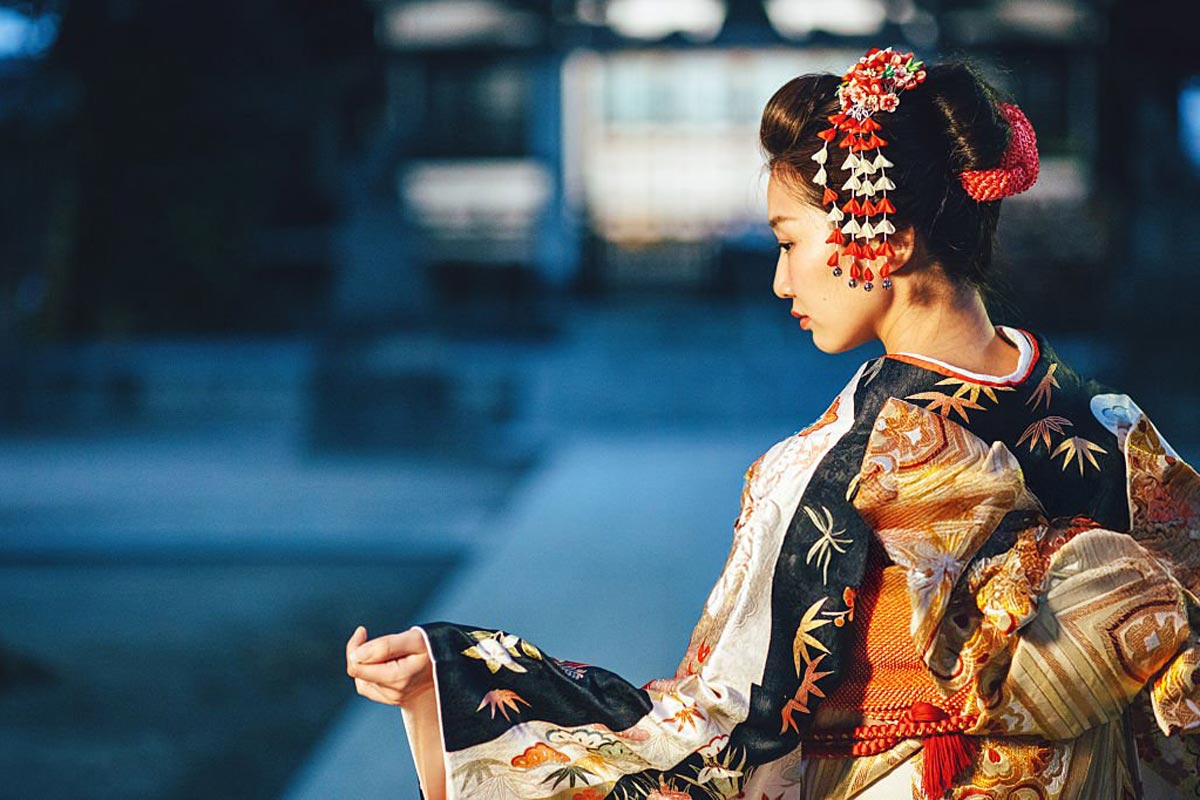
Home Kimono Wearing Kimono Wearing in Japan: A Complete First-Time Visitor’s Guide Few travel experiences feel as instantly and delightfully “Japan” as slipping into a beautifully patterned kimono and strolling through historic streets. For first-time visitors, kimono wearing is more than a photo opportunity: it is a gentle introduction to Japanese aesthetics, seasonal culture, and everyday etiquette. This guide explains what kimono are, how the rental process works, what to wear underneath, practical tips for comfort and manners, and the best places in Japan to enjoy the experience. What Is a Kimono, Really? The word kimono literally means “thing to wear,” but in modern Japan it refers to the traditional full-length robe wrapped around the body and secured with a wide belt called an obi. For centuries, kimono were everyday clothing; today they are worn mostly for special occasions such as weddings, coming-of-age ceremonies, tea ceremonies, and festivals. There are many types of kimon
Tea Ceremony
Home Tea Ceremony Tea Ceremony in Japan: A Complete Guide for First-Time Visitors The Japanese tea ceremony is one of the most memorable cultural experiences you can have in Japan. More than simply drinking a cup of tea, it is a carefully choreographed ritual that brings together art, architecture, hospitality, spirituality, and nature in a single quiet moment. For first-time visitors, joining a tea ceremony is a gentle way to step into traditional Japan and feel its slower, more reflective rhythm. What Is the Japanese Tea Ceremony? The Japanese tea ceremony, known as chanoyu, sado or chado (the “way of tea”), is the ceremonial preparation and serving of powdered green tea called matcha. Originating from Zen Buddhist practice, the ceremony developed over centuries into a distinct cultural art, with its own schools, tools, gestures, and aesthetics. At its heart is the concept of ichigo ichie, often translated as “one time, one meeting.” The idea is that every encounter is unique and wi