
Religious Site Etiquette
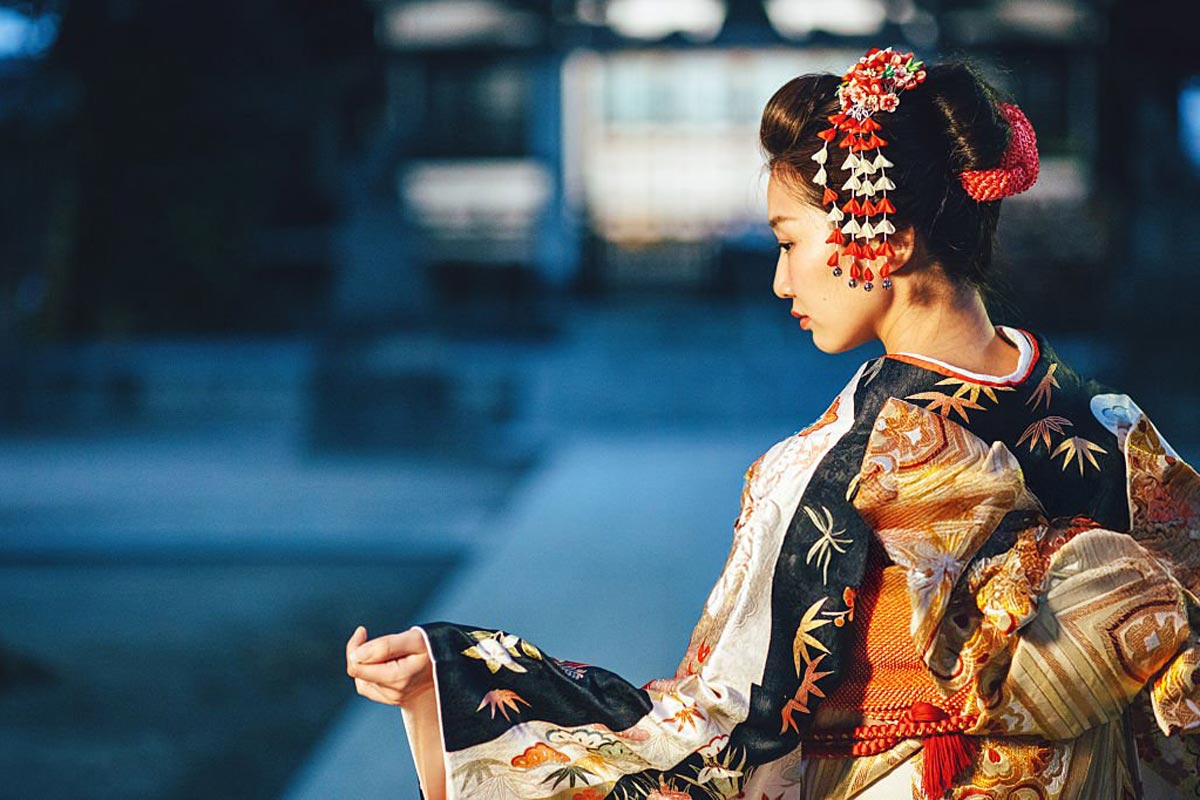
Home Religious Site Etiquette Religious Site Etiquette in Japan: A First‑Timer’s Guide Japan’s shrines and temples are often the most memorable stops on a first trip. They are serene, photogenic, and deeply tied to everyday life. But they are also active religious spaces, not theme parks. Understanding basic etiquette will help you show respect, avoid awkward moments, and often enjoy a richer, more meaningful visit. This guide explains how to behave at Shinto shrines and Buddhist temples in Japan, step by step. You do not need to be religious or perform every custom perfectly. What matters most is sincere respect and a willingness to follow local practice. Understanding Shrines vs. Temples Japan has two main types of religious sites that most visitors encounter: Shinto shrines (jinja) and Buddhist temples (tera or oji). Many people in Japan casually visit both, and it’s common to see elements of both traditions mixed in everyday life. How to Tell the Difference Shinto shrines are asso
Waste Disposal Rules
Home Waste Disposal Rules Waste Disposal Rules in Japan: A Practical Guide for First-Time Visitors Japan is famous for its spotless streets, even in the busiest city centers. Yet visitors are often surprised to discover that public trash cans are rare and that garbage must be sorted with surprising care. Understanding Japan’s waste disposal rules is not just about following the law; it’s also one of the easiest ways to show respect for local culture. This guide explains how Japan’s waste system works, how you can manage your trash while traveling, and what to do in common situations such as staying in hotels, using convenience stores, or eating on the go. Why Japan Takes Waste Disposal So Seriously Japan is a densely populated country with limited space for landfills, so reducing and recycling waste is a long-standing national priority. Over decades, strict rules and strong community habits have created a culture where everyone is expected to sort, reduce, and properly dispose of garb
Noise Restrictions
Home Noise Restrictions Noise Restrictions in Japan: A Practical Guide for First-Time Visitors Walk down a side street in Tokyo at night and you may be surprised by how quiet it is. Even in one of the most densely populated countries in the world, Japanese cities often feel hushed compared with many global capitals. This is not an accident. Noise restrictions and an ingrained cultural preference for calm play a major role in daily life across Japan. If you are visiting Japan for the first time, understanding how noise is regulated and what is considered polite volume can save you from awkward situations, complaints from neighbors, or even a knock on the door from hotel staff. This guide explains the basics of noise restrictions in Japan, how they affect tourists, and how to enjoy your trip while respecting local expectations. Why Japan Is So Quiet: Culture Meets Regulation Japanese noise rules are partly legal and partly cultural. While the government sets standards for environmental
Smoking Regulations
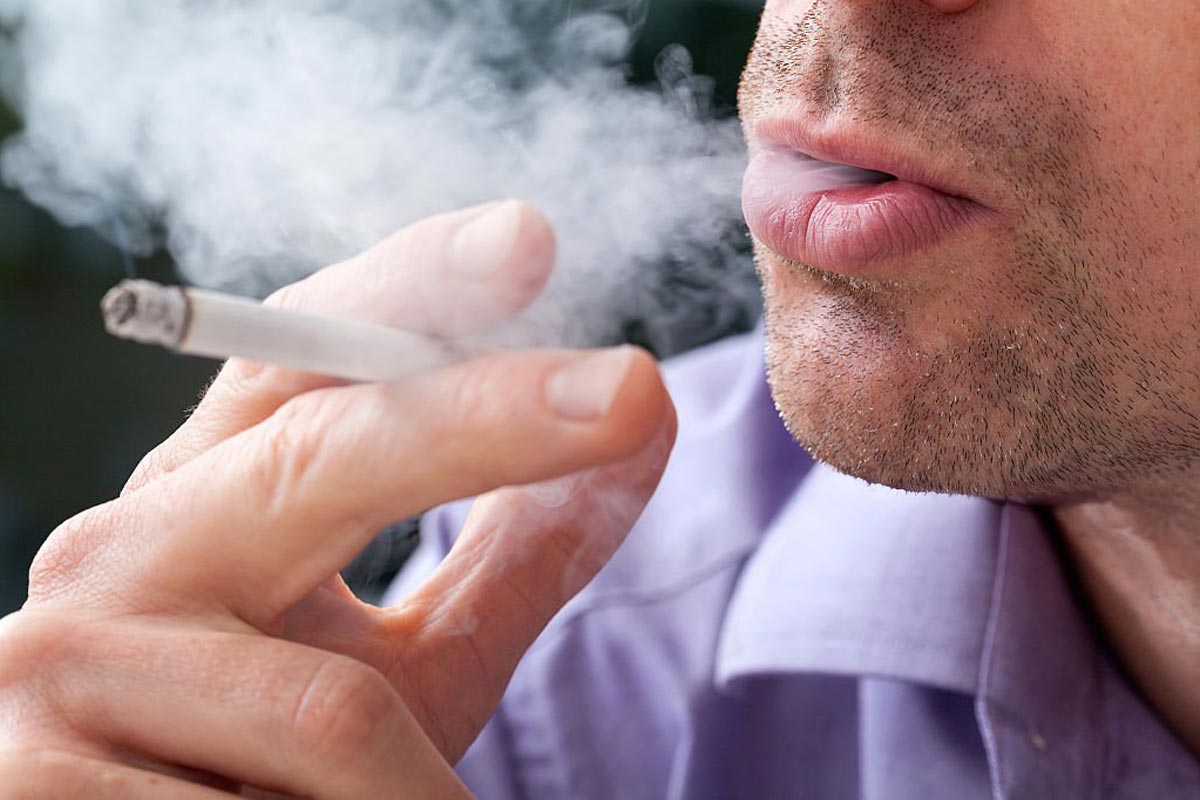
Home Smoking Regulations Smoking Regulations in Japan: A Practical Guide for First-Time Visitors Japan is famous for its orderliness, clean streets, and strict respect for public space. That culture of consideration extends strongly to smoking. For international visitors, especially those coming from countries with very relaxed or very strict laws, Japan’s smoking regulations can feel confusing at first. Rules differ between indoor and outdoor spaces, vary by city, and have changed significantly in the last few years. This guide walks you through how smoking works in Japan today: where you can and cannot smoke, what to expect in restaurants and bars, how to avoid fines, and tips that help both smokers and non-smokers enjoy their trip comfortably. How Smoking Culture in Japan Is Changing For decades, Japan had a strong smoking culture. Cigarettes were cheap, vending machines were everywhere, and many restaurants and bars allowed indoor smoking. However, attitudes have been shifting qui
Tipping Culture
Home Tipping Culture Tipping Culture in Japan: A Complete Guide for First-Time Visitors Many first-time visitors to Japan arrive with wallets full of small bills, ready to tip hotel staff, waiters, and taxi drivers, just as they might at home. Within a day or two, they discover something surprising: in Japan, tipping is not only uncommon, it can actually create confusion or discomfort. Understanding Japanese tipping culture will help you avoid awkward moments and show respect for local customs. Is Tipping Expected in Japan? In most everyday situations, tipping in Japan is neither expected nor necessary. Wages are not structured around tips, and good service is considered a basic professional duty rather than a bonus-worthy exception. From restaurants and cafés to taxis and convenience stores, the default rule is very simple: No tip is needed, and in many cases, it is better not to offer one. If you do try to tip by leaving coins on the table or handing cash directly, staff will often
Photography Restrictions
Home Photography Restrictions Photography Restrictions in Japan: A First-Time Visitor’s Guide Japan is a dream destination for photographers: neon-lit streets, tranquil temples, dramatic mountains and some of the most photogenic food in the world. But the country also has clear expectations and sometimes strict rules about where and how you take photos. Understanding these photography restrictions will help you capture beautiful images while respecting local culture, privacy and the law. Why Photography Restrictions Matter in Japan In Japan, the idea of not inconveniencing others is deeply rooted in daily life. This is expressed in the concept of meiwaku (causing trouble or annoyance). Photography is welcome in many places, but it can quickly become meiwaku if it invades privacy, disrupts rituals, or blocks busy pathways. Japan also has strong social norms about personal space and safety, especially in crowded cities and on trains. Some shrines and temples consider photography of cert
Slurping Noodles
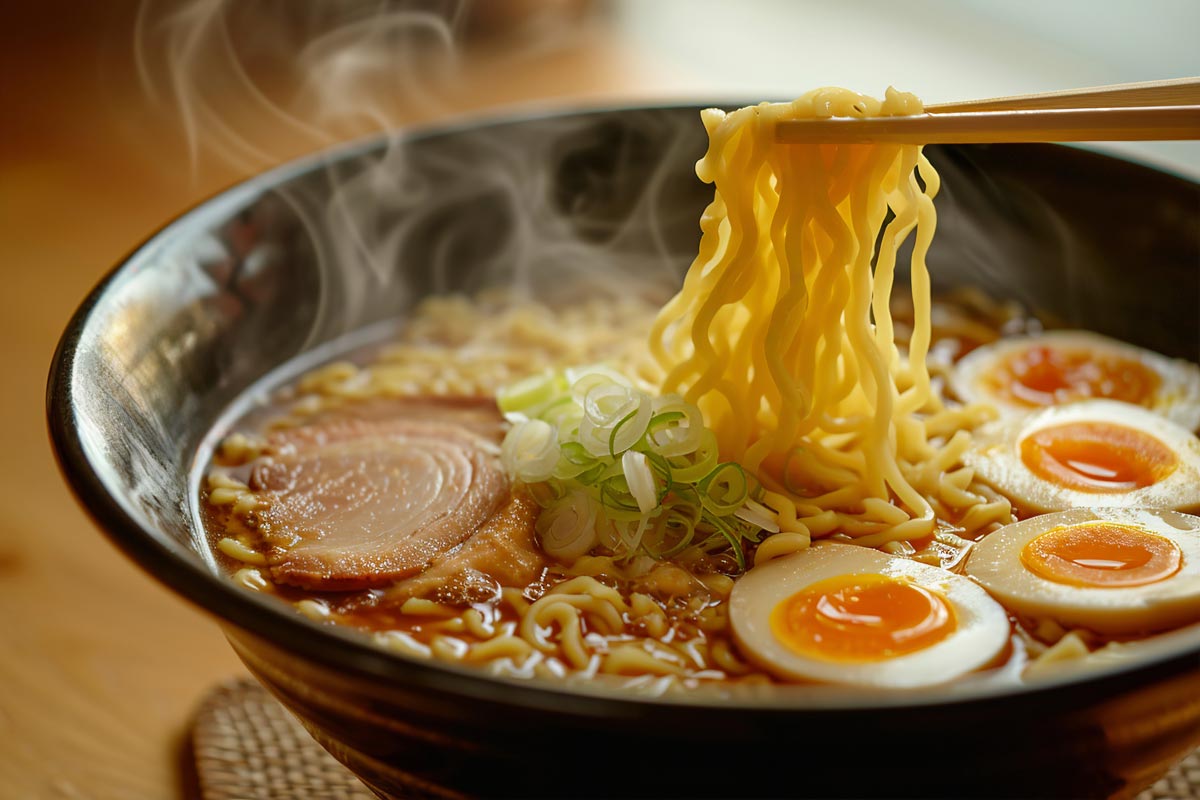
Home Slurping Noodles Slurping Noodles in Japan: A First-Time Visitor’s Guide For many first-time visitors to Japan, the loud, joyful sound of people slurping noodles is one of the most surprising cultural experiences. In many Western countries, eating quietly is considered polite. In Japan, however, savoring a hot bowl of ramen or soba often comes with an enthusiastic slurp. Far from being rude, it can be a sign that you are enjoying your meal. Understanding why slurping is accepted, and even encouraged, will help you relax, eat with confidence, and enjoy one of Japan’s great culinary pleasures: a steaming bowl of noodles prepared with care and craft. Why Slurping Noodles Is Polite in Japan In Japanese food culture, the focus is less on strict table silence and more on appreciation of flavor and temperature. Slurping noodles serves two main purposes: it cools the hot noodles as they reach your mouth, and it draws in air that helps release the aroma of the soup or dipping sauce. It is
Onsen Etiquette
Home Onsen Etiquette Onsen Etiquette in Japan: A First-Time Visitor’s Guide Soaking in a steaming hot spring is one of the most memorable experiences you can have in Japan. Onsens are more than just baths; they are a deeply rooted part of Japanese culture, associated with health, purification, and quiet moments of reflection. For many international visitors, though, the rules can feel confusing at first. The good news: once you understand the basics of onsen etiquette, the experience becomes relaxing, not stressful. What Is an Onsen, and Why Does Etiquette Matter? An onsen is a bath that uses natural hot spring water, usually rich in minerals believed to have healing properties. You’ll find them everywhere from traditional inns (ryokan) in the mountains to modern day spas in big cities. Because bathing is done nude and shared with strangers, clear rules and etiquette help everyone feel comfortable and keep the water clean. For Japanese people, these rules are mostly unspoken common se
Transportation Etiquette
Home Transportation Etiquette Transportation Etiquette in Japan: A First-Time Visitor’s Guide Japan’s trains run with legendary punctuality, buses glide through busy streets in near silence, and station platforms stay surprisingly orderly even at rush hour. This smooth experience isn’t magic—it’s the result of a strong shared etiquette that everyone follows. As a visitor, understanding these unwritten rules will help you travel comfortably, blend in, and show respect for local culture. This guide explains the most important transportation manners in Japan, from trains and subways to buses, taxis, and station spaces. Follow these tips and you’ll navigate Japan like a local in no time. General Rules for Getting Around Japan Across all types of transportation in Japan, a few basic principles apply. They are simple but very important. 1. Keep Noise to a Minimum Japanese public transport is often surprisingly quiet. People may chat softly, but shouting, loud laughter, and noisy phone calls
Public Behavior Rules
Home Public Behavior Rules Public Behavior Rules in Japan: Essential Etiquette for First-Time Visitors Japan is famous for being clean, quiet, and remarkably orderly. For first-time visitors, this calm efficiency can feel almost magical – until you realize it relies on millions of people quietly following the same unwritten rules. Understanding basic public behavior in Japan will not only help you avoid faux pas, but also deepen your appreciation of daily life here. This guide explains the key etiquette rules international travelers should know, with practical examples and cultural context so you can move around Japan confidently and respectfully. Why Public Manners Matter So Much in Japan In Japanese culture, the concept of meiwaku – causing trouble or inconvenience to others – is taken very seriously. Good manners are less about strict morality and more about keeping public spaces comfortable for everyone. People are taught from childhood to be considerate of those around them, espe