

Japan Travel Web

Iwate

Iwate Travel Guide: Japan’s Wild Northeast for First-Time Visitors

Photos are for illustrative purposes only.

For many first-time visitors to Japan, Tokyo, Kyoto and Osaka take center stage. Yet some of the country’s most rewarding experiences lie further north, in the quieter landscapes of Tohoku. Among these northern prefectures, Iwate stands out for its dramatic coastline, historic temples and castles, soothing hot springs and authentic rural culture that still feels untouched by mass tourism.

Located on the Pacific side of Japan’s main island, Honshu, Iwate is Japan’s second-largest prefecture by area but one of its least densely populated. It is a place of open skies and wide valleys, jagged cliffs and deep forests, where traditional festivals are loud, food portions are generous and locals are disarmingly friendly to those who venture this far.

This guide introduces Iwate for first-time travelers to Japan: how to get there, what to see, and how to weave the region into a wider Japan itinerary without sacrificing ease or comfort.

Why Visit Iwate on Your First Trip to Japan?

Iwate offers a very different atmosphere from Japan’s crowded urban centers. You still have modern transport, convenience stores and comfortable hotels, but the pace is slower and the scale of nature is much larger.

Escape the Crowds, Experience Real Japan

In Iwate, you can visit UNESCO-listed temples, walk through preserved samurai districts and soak in outdoor hot springs without waiting in long lines or jostling for photos. English is less common than in Tokyo, but basic signs at stations and major attractions are increasingly multilingual, and staff are used to helping visitors with gestures, simple English and a lot of patience.

Big Landscapes, Four Seasons

Iwate’s climate brings crisp snowy winters, cherry blossom and new greenery in spring, lush cool summers in the highlands and fiery autumn leaves in the mountains. Because the prefecture spans the Pacific coast and inland highlands, you can enjoy coastal walks and mountain onsens on the same trip.

Highlights include the dramatic Sanriku Coast, the fertile Kitakami River valley and the mountains of the interior, dotted with ski slopes in winter and hiking trails from late spring to autumn.

Deep History and Spiritual Sites

Iwate was once an important political and cultural center in the Tohoku region. You can trace that legacy in Hiraizumi’s Buddhist temples and gardens, in Morioka’s castle town layout and in the layered folklore that still colors local festivals and performing arts.

How to Get to Iwate

For international visitors, the simplest access is via Tokyo.

From Tokyo by Shinkansen

The Tohoku Shinkansen connects Tokyo with Iwate at high speed and with minimal stress.

  • Tokyo to Morioka: Around 2–2.5 hours on the Hayabusa or Yamabiko services.
  • Tokyo to Ichinoseki (for Hiraizumi): About 2 hours.
  • Tokyo to Shin-Hanamaki (for Kenji Miyazawa sites): About 2.5 hours.

If you plan to explore several regions of Japan by rail, consider a Japan Rail Pass or a JR East Tohoku Area Pass, which can provide good value for round trips between Tokyo and Iwate plus local excursions.

By Domestic Flight

Iwate Hanamaki Airport offers limited domestic flights from cities like Sapporo and Osaka. For most first-time visitors arriving from overseas, the shinkansen remains easier and more flexible, but if you are touring northern Japan extensively, a domestic flight into or out of Hanamaki can save time.

Where to Base Yourself in Iwate

Morioka: Convenient Gateway City

Morioka, the prefectural capital, is an ideal base for first-time travelers. The shinkansen stops here, and you’ll find a compact downtown, reliable public transport, and a growing selection of hotels, from business-style chains to boutique stays in renovated historic buildings.

The city is walkable, with riverside paths, remnants of Morioka Castle, craft shops and some of the best noodle restaurants in Tohoku. Day trips to Hiraizumi, Tono and nearby onsen areas are all possible from here.

Coastal Towns: For Ocean Views and Quiet Nights

If you want to immerse yourself in the scenery of the Sanriku Coast, consider a night or two in coastal towns such as Miyako or Kamaishi. Accommodation ranges from family-run ryokan and minshuku (guesthouses) to modern hotels. Many offer seafood dinners featuring local catches like sea urchin, abalone and seasonal fish.

Onsen Areas: Relax in Mountain Hot Springs

Throughout inland Iwate, traditional hot spring areas (onsen) cluster around mountain valleys. Staying at an onsen ryokan is one of the most quintessential Japanese experiences: you change into a cotton yukata robe, soak in mineral-rich baths and enjoy a multi-course kaiseki-style dinner made with regional ingredients.

When booking, check whether baths are gender-separated, if there are private family baths available, and whether staff can provide basic English support or pictogram guides for first-time bathers.

Top Places to Visit in Iwate

Hiraizumi: Buddhist Heritage and Garden Landscapes

Hiraizumi is Iwate’s most famous cultural site and a manageable half- or full-day trip for first-time travelers. A short local train ride from Ichinoseki Station, this rural town was once a powerful political and cultural center in the 11th–12th centuries, rivaling Kyoto in sophistication.

Today its temples and gardens are recognized as a UNESCO World Heritage Site. The most celebrated is Chuson-ji, a temple complex set on a wooded hillside. As you walk up the cedar-lined path, small halls and stone monuments appear among the trees, conveying centuries of devotion.

The jewel of Chuson-ji is the Konjikido, a small hall completely gilded inside, built in 1124. It houses the remains of the ruling Fujiwara lords and preserves the refined craftsmanship of the era. Nearby, Motsu-ji invites visitors to stroll around a large, mirror-like pond framed by classic Japanese garden arrangements, designed to evoke the Buddhist Pure Land.

For first-time visitors, Hiraizumi offers a chance to step into a quieter, more reflective side of Japanese culture than the busy temples of major cities, with fewer crowds and more space to absorb the atmosphere.

Morioka: Castle Ruins, Rivers and Local Food

Morioka’s historic center fans out around the ruins of Morioka Castle, now a pleasant city park. Stone walls and terraces remain, and in spring the park becomes a popular cherry blossom spot. You can easily explore on foot, weaving between riverside paths, small shrines and cafes.

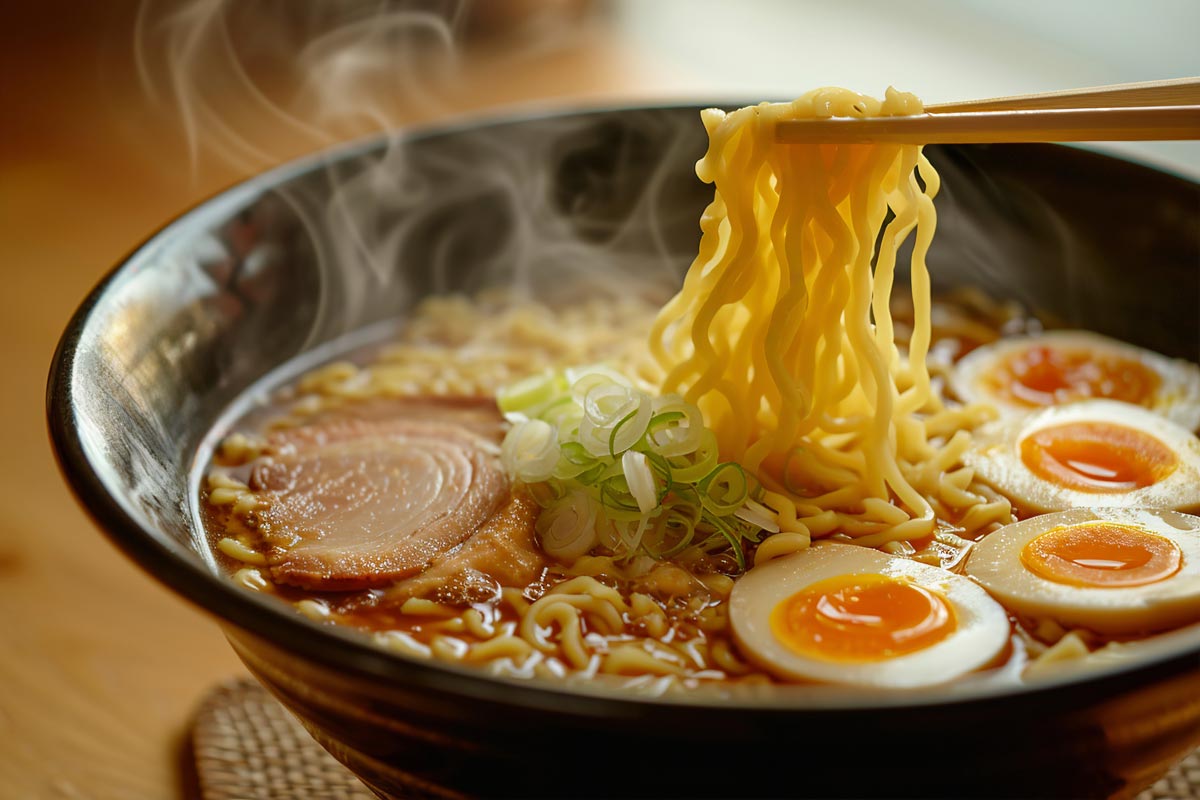
Morioka is famous across Japan for its trio of noodle dishes:

  • Wanko soba: Servers continually refill your bowl with bite-sized portions of soba noodles until you signal that you’ve had enough. It’s a playful, competitive meal and a memorable cultural experience for first-time visitors.
  • Reimen: Chilled Korean-style noodles adapted to local tastes, ideal in summer.
  • Jajamen: Thick noodles topped with a savory meat-miso sauce, meant to be mixed thoroughly before eating.

A stroll through traditional shopping streets and modern department stores reveals local crafts such as Nambu ironware, polished black-and-silver kettles and tableware that have been produced in the region for centuries.

Sanriku Coast: Cliffs, Coves and Resilience

Iwate’s Pacific shoreline forms part of the Sanriku Coast, a deeply indented coastline of rugged cliffs, small fishing harbors and pine-topped islands. The area was heavily affected by the 2011 Great East Japan Earthquake and tsunami, and visiting today is both a scenic experience and a chance to understand the region’s resilience and recovery.

Popular spots include:

  • Jodogahama Beach (Miyako): A dramatic mix of white rock formations, sheltered coves and clear water. Small sightseeing boats offer trips around the bay in warmer months.
  • Kitayamazaki Cliffs: Towering cliffs with viewpoints accessible by walkway and stairs. On clear days the horizon seems endless.
  • Geibi Gorge (technically inland but often visited with the coast): Flat-bottomed boats glide between tall rock walls, with boatmen singing traditional songs as they steer.

Coastal communities are proud to welcome visitors again, and many guesthouses and small restaurants serve seafood caught just offshore. When you eat here, you contribute directly to local livelihoods.

Tono: Folklore and Rural Landscapes

The inland town of Tono is known across Japan as a cradle of folk legends. The early 20th-century collection “Tono Monogatari” preserved stories of spirits, kappa water imps and mountain deities that were once shared around hearths in this farming region.

Today, visitors can cycle or drive between traditional farmhouses, waterwheels and rural shrines, with museums and storytelling spots along the way. The atmosphere is particularly appealing in late summer and early autumn, when fields turn golden and evening mist settles in the valleys.

Hot Springs and Mountain Escapes

Iwate’s interior is studded with hot spring resorts, from modern spa hotels to simple wooden inns surrounded by forest. Many have rotenburo (outdoor baths) that let you soak while listening to the river or watching snow fall.

For first-time visitors, choosing an onsen with clear guidance on bathing etiquette is helpful. Typically, you wash thoroughly at a shower station before entering the shared baths, do not wear swimsuits and keep towels out of the water. Most facilities display pictogram instructions, and staff are used to explaining the basics to overseas guests.

Local Food and Drink in Iwate

Tohoku has a reputation within Japan for hearty cuisine, and Iwate is no exception. Ingredients are seasonal and often local, with a balance of seafood from the Pacific and vegetables, rice and meat from inland farms.

Regional Specialties to Try

  • Seafood: Along the Sanriku Coast, look for sea urchin, scallops, abalone and seasonal fish, often served as sashimi or grilled simply with salt.
  • Noodles: Beyond Morioka’s famous noodle trio, you’ll find regional variations of soba and udon, often served in simple, satisfying broths.
  • Jingisukan: Grilled lamb dishes, popular in parts of northern Japan, appear on some menus in Iwate’s highland areas.
  • Local sweets: Traditional Japanese sweets (wagashi) made with red beans, rice flour and seasonal fruits are widely available at souvenir shops and cafes.

Sake and Local Breweries

Iwate’s cold winters and clean water make it a strong region for sake brewing. Small breweries across the prefecture produce a range of styles, from crisp and dry to aromatic and fruity. Many allow tastings, and some historic breweries in Morioka and surrounding areas offer tours in simple English or with explanatory leaflets.

When enjoying sake, remember that Japanese drinking culture often emphasizes sharing. Order a carafe or bottle to pour for each other, and pace yourself: in rural izakaya pubs, dishes and drinks keep arriving slowly over the course of the evening.

Practical Tips for Traveling in Iwate

Language and Signage

English signage is common in shinkansen stations and at major attractions like Hiraizumi, but less consistent in small rural stations and bus stops. Download an offline map, keep the Japanese names of your destinations written down, and consider using a translation app. Most locals are happy to help and may even go out of their way to guide you, especially in smaller towns.

Getting Around

Within Iwate, trains run along the main north–south corridor and along parts of the coast, while buses connect many smaller communities. For first-time visitors, basing yourself near a major station like Morioka or Ichinoseki and using local trains and buses for day trips is usually sufficient.

Car rental is an option for confident drivers used to driving on the left. It gives more freedom in rural areas and along the coast, but winter roads can be snowy and icy, and parking in city centers may be limited.

Best Time to Visit

  • Spring (April–May): Cherry blossoms in Morioka and Hiraizumi, fresh greenery in the mountains and comfortable temperatures.
  • Summer (June–August): Cooler than major cities, especially in highland areas. Coastal breezes provide relief, though June can be rainy.
  • Autumn (September–November): Brilliant foliage in the mountains and clear air along the coast. An excellent time for onsen stays.
  • Winter (December–March): Snowy landscapes, ski resorts in the interior and especially atmospheric outdoor hot springs. Be prepared for cold temperatures and potential transport delays in heavy snow.

Accommodation Types

In Iwate you can choose from business hotels near stations, traditional ryokan with tatami rooms and futons, simple guesthouses and, in some areas, Western-style resort hotels. When booking, check whether dinner and breakfast are included. At onsen ryokan, half-board plans with elaborate meals are common and can be good value.

Etiquette and Local Customs

Basic Japanese etiquette goes a long way: remove shoes when entering homes, ryokan rooms and some traditional restaurants; speak quietly on trains; and avoid eating while walking in crowded areas. In more rural communities, greeting shopkeepers and inn staff with a simple “konnichiwa” or “arigato” is appreciated and helps break the ice.

Sample 3-Day Iwate Itinerary from Tokyo

For first-time visitors looking to add Iwate to a broader Japan trip, this simple itinerary balances culture, nature and relaxation.

Day 1: Tokyo to Morioka

  • Morning: Take the Tohoku Shinkansen from Tokyo to Morioka.
  • Afternoon: Walk around Morioka Castle Park and riverside areas; browse local craft shops.
  • Evening: Try one of Morioka’s noodle dishes at a local restaurant and explore izakaya bars near the station.

Day 2: Hiraizumi and Onsen Stay

  • Morning: Shinkansen or local train to Ichinoseki, then local train to Hiraizumi.
  • Daytime: Visit Chuson-ji and Konjikido, then stroll around Motsu-ji’s garden.
  • Late afternoon: Travel to a nearby onsen area; check into a ryokan.
  • Evening: Enjoy hot spring baths and a traditional multi-course dinner.

Day 3: Coastal Scenery or Tono, then Return to Tokyo

  • Option A – Coast: Head towards Miyako for Jodogahama Beach and short coastal walks, then return to Morioka in the evening for the shinkansen back to Tokyo.
  • Option B – Tono: Travel to Tono to visit folklore-related sites and rural landscapes before returning via Morioka to Tokyo.

This itinerary can be extended with extra nights on the coast, in the mountains or in Morioka if you prefer a slower pace.

Experiencing a Different Side of Japan

Adding Iwate to your first trip to Japan gives you a deeper, more varied impression of the country. Instead of seeing only megacities and famous temples, you encounter quiet farm roads, coastal cliffs, hot springs under the stars and local festivals that still belong primarily to the residents who celebrate them.

With fast rail connections from Tokyo and a growing range of visitor-friendly services, Iwate is no longer a destination only for seasoned Japan travelers. It is an inviting, manageable region where first-time visitors can slow down, meet local people and discover a Japan that feels both timeless and very much alive.

Klook.com

Access Map

Recommended spots in Iwate

The Golden Hall
of Chuson-ji Temple

Top destinations in Hokkaido & Tohoku

Hokkaido

Aomori

Fukushima

miyagi