

Japan Travel Web

Hyogo

Hyogo Japan Travel Guide for First-Time Visitors

Photos are for illustrative purposes only.

Hyogo Prefecture is one of Japan’s most varied and rewarding regions, yet many first-time visitors only pass through on the way from Osaka to Hiroshima. Stretching from the Seto Inland Sea to the Sea of Japan, Hyogo blends dynamic port cities, UNESCO-listed castles, historic hot springs and quiet coastal towns into one easy-to-explore destination.

If you want a Japan itinerary that combines famous sights with more local experiences, Hyogo is an ideal base. This guide introduces the prefecture’s must-see areas, cultural background, what to eat, how to get around and the best seasons to visit.

Why Visit Hyogo?

Hyogo sits right in the heart of Japan’s Kansai region, bordering Kyoto, Osaka and Okayama. It’s well connected by shinkansen (bullet train) and highway network, but offers a more relaxed pace once you step off the train.

For first-time visitors, Hyogo has three major advantages:

  • Iconic and accessible sights: Himeji Castle is considered Japan’s most beautiful surviving feudal castle and is an easy day trip from Osaka or Kyoto.
  • Compact coastal city life: Kobe delivers harbor views, cosmopolitan neighborhoods and gourmet dining without the crowds of Tokyo.
  • Authentic hot springs and countryside: Onsen towns like Kinosaki offer a traditional ryokan (Japanese inn) experience that many travelers dream of.

Hyogo is also symbolically important inside Japan. The prefecture’s central landmark, Mount Rokkō, is considered the “roof” of the Kansai area, while the international port of Kobe has long been a gateway between Japan and the world. This mix of tradition and outward-looking culture gives Hyogo a unique character.

Top Destinations in Hyogo

Kobe: Port City with a Global Flavor

Kobe, the prefectural capital, faces the Seto Inland Sea with green mountains at its back. This narrow strip of land has shaped the city’s personality: compact, walkable and full of scenic viewpoints.

After Japan opened to international trade in the 19th century, Kobe became one of the first treaty ports. Western merchants, Chinese traders and Japanese residents created distinct districts that still define the city today.

Key areas to explore include:

  • Harborland & Meriken Park: A modern waterfront district with shopping malls, a giant Ferris wheel and open promenades. The red Kobe Port Tower and white Kobe Maritime Museum form an instantly recognizable skyline. At night, the illuminated port is one of the most romantic city views in Kansai.
  • Kitano Ijinkan District: On the slopes above Sannomiya Station, this former foreign residential area is lined with preserved Western-style mansions. Many are open as small museums or cafes, offering an atmospheric glimpse into Kobe’s international past.
  • Nankinmachi (Kobe Chinatown): One of Japan’s three main Chinatowns, compact but packed with food stalls, restaurants and lantern-lined streets. It’s ideal for sampling steamed buns, dim sum and sweets as you stroll.

For panoramic views, take the Rokkō Cable Car or Shin-Kobe Ropeway up the mountains behind the city. On clear evenings, the city lights spread out below in a view locals call a “ten million dollar nightscape.”

Himeji: Home of Japan’s Most Beautiful Castle

Himeji is synonymous with its stunning white castle, often called the “White Heron” because it appears ready to take flight. Unlike many Japanese castles rebuilt in concrete after wartime destruction, Himeji Castle is mostly original, surviving earthquakes and conflict for over 400 years.

The castle complex is a UNESCO World Heritage site and offers a vivid glimpse into Japan’s feudal era. Visitors pass through a series of fortified gates and winding paths designed to confuse invaders before reaching the main keep. Inside, steep wooden staircases lead to the top floor, where you can enjoy city and garden views.

Adjacent to the castle, Kōko-en Garden is a beautifully designed landscape with ponds, tea houses and seasonal flowers, built in the style of Edo-period samurai gardens. Visiting both on the same day creates a satisfying contrast: the strategic power of the castle and the refined aesthetics of the garden.

Himeji makes an exceptionally easy day trip: it’s about 30 minutes from Shin-Osaka and under an hour from Kyoto by shinkansen.

Arima Onsen: Historic Hot Spring Retreat

In the mountains north of Kobe lies Arima Onsen, one of Japan’s oldest and most famous hot spring towns. Records and legends reference Arima’s healing waters for over a thousand years, and emperors and monks are said to have bathed here.

The town’s narrow lanes are lined with traditional inns, bathhouses and small shops selling hot spring-themed sweets and crafts. Arima is known for two main types of springs:

  • Kin no Yu (Gold water): Iron-rich, rusty-brown water believed to help with muscle tension and circulation.
  • Gin no Yu (Silver water): Clear, carbonated radio-active springs that locals say are good for joint pain and fatigue.

For first-time visitors to Japan, an overnight stay in an onsen ryokan here is a gentle way to experience hot spring etiquette: changing into a cotton yukata robe, soaking before dinner, and enjoying a traditional multi-course kaiseki meal in your room.

Kinosaki Onsen: A Classic Onsen Town Experience

On Hyogo’s northern coast facing the Sea of Japan, Kinosaki Onsen is one of the country’s best-preserved and most atmospheric hot spring towns. Rather than staying in a large resort, visitors wander from ryokan to public bathhouse along willow-lined canals and stone bridges.

When you stay at a local inn, you receive a pass to enter multiple public baths around town. In the evening, both locals and visitors stroll the streets in yukata and wooden geta sandals, choosing different baths and stopping for snacks along the way. This shared onsen-hopping ritual is a highlight of many people’s Japan trip.

Nearby, the coastline offers seasonal attractions such as fresh snow crab in winter, beach visits in summer and scenic coastal views year-round. Trains connect Kinosaki directly with Kyoto and Osaka, making it a popular overnight escape from the cities.

Other Notable Areas in Hyogo

  • Awaji Island: Linked to the mainland by the impressive Akashi Kaikyō Bridge, Awaji offers sea views, flower parks and connections to ancient Japanese creation myths. It’s particularly pleasant to explore by car.
  • Akashi: Known for fresh seafood, especially akashiyaki, a softer, eggier cousin of Osaka’s takoyaki (octopus dumplings). Locals dip them in broth instead of sauce.
  • Takarazuka: Home to the all-female Takarazuka Revue, a uniquely Japanese musical theater troupe with a devoted fanbase.

Cultural Background and Local Character

Hyogo’s position as a crossroads – between sea and mountains, between Kansai and western Japan, between domestic and international trade – has shaped its culture.

Kobe in particular embodies a blend of influences. Foreign trading houses, European-style churches and Chinese temples sit alongside Shinto shrines and Japanese shopping arcades. Yet the city’s identity remains distinctly Japanese, expressed through seasonal festivals, neighborhood shrines and an emphasis on subtlety and hospitality.

The people of Hyogo are often seen by other Japanese as friendly and open-minded, influenced by both Kansai’s outgoing personality and Kobe’s international ties. At the same time, mountain villages and fishing towns hold tightly to local festivals and traditions, such as autumn matsuri where ornate floats are carried through the streets.

Hyogo also carries memories of the 1995 Great Hanshin-Awaji Earthquake, which devastated Kobe and surrounding areas. Rebuilt neighborhoods, memorial parks and museums reflect both the loss and resilience of local communities. For visitors, these sites offer a chance to understand a pivotal event in recent Japanese history.

What to Eat in Hyogo

The region’s cuisine draws from both mountains and sea, with a few specialties known throughout Japan.

  • Kobe Beef: Perhaps the most famous name in Japanese beef, Kobe beef comes from carefully raised Tajima-gyu cattle. Authentic Kobe beef is tender, heavily marbled and often grilled as steak or cooked on a teppan iron plate in front of you. Look for restaurants that clearly indicate certified Kobe beef, and consider smaller portions if you’re watching your budget.
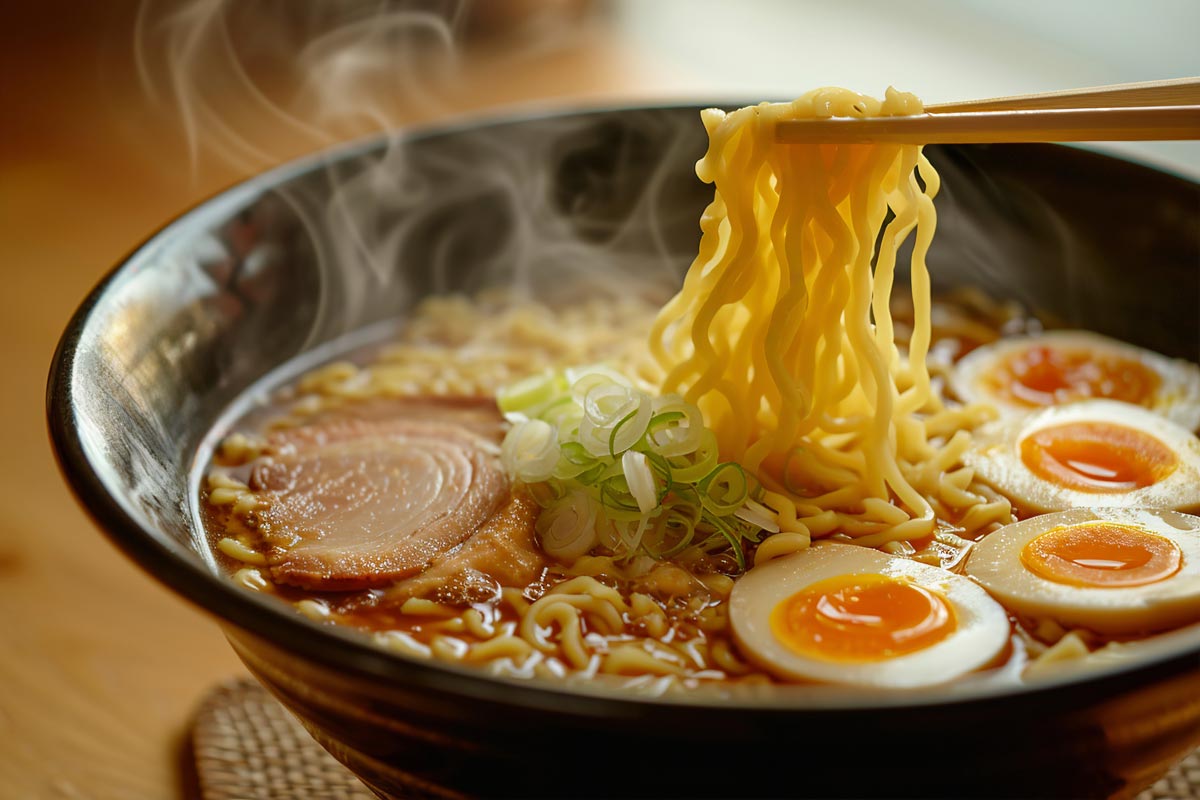
  • Akashiyaki: Small, round dumplings filled with octopus, lighter and fluffier than Osaka’s takoyaki. They are typically served with a light dashi broth for dipping. Try them in Akashi or Kobe.
  • Seafood from the Sea of Japan Coast: Northern Hyogo’s fishing ports, especially near Kinosaki, are famous for snow crab in winter, as well as squid, mackerel and seasonal fish.
  • Sake (Nihonshu): The Nada district of Kobe is one of Japan’s leading sake brewing areas, thanks to pure water and favorable climate. Many breweries offer tastings and small museum exhibits.
  • Local sweets: Onsen towns like Arima and Kinosaki sell traditional sweets such as senbei rice crackers and castella-style cakes, often with hot spring or regional motifs.

Practical Travel Tips for Hyogo

Getting There

Hyogo is straightforward to reach from major Japanese cities:

  • By air: Kobe Airport handles domestic flights and is connected to Sannomiya Station by port liner train. Kansai International Airport (serving Osaka) is the main international gateway; from there, you can reach Kobe in about 70–90 minutes by train or airport limousine bus.
  • By shinkansen: The Sanyō Shinkansen line stops at Shin-Kobe and Himeji. From Tokyo, it’s roughly 2.5–3 hours to Shin-Kobe. From Kyoto or Osaka, under an hour.

Getting Around Hyogo

Public transport is generally efficient:

  • Within Kobe: Use JR lines, private railways and the subway. Many sights are walkable from Sannomiya or Motomachi Stations.
  • To Himeji: Shinkansen from Shin-Kobe or Shin-Osaka, or local JR trains from Kobe and Osaka.
  • To Arima Onsen: From Kobe, combine subway and the Kobe Electric Railway, or take direct highway buses.
  • To Kinosaki Onsen: Limited express trains run from Osaka and Kyoto directly to Kinosaki. Seat reservations are recommended, especially on weekends and holidays.

Japan Rail Pass holders can use most JR trains in Hyogo, including the shinkansen between Shin-Osaka and Himeji (excluding the fastest Nozomi and some Mizuho services). For extensive local travel around Kobe, Himeji and neighboring cities, regional rail passes can offer good value.

Suggested Stays and Itineraries

For first-time visitors, consider these simple patterns:

  • Day trip from Osaka or Kyoto: Spend a full day at Himeji Castle and Kōko-en, or explore Kobe’s harbor and Kitano district.
  • One-night Kobe & Arima: Base in Kobe, then take a half-day or overnight trip to Arima Onsen for a hot spring stay.
  • Two-night Hyogo highlight: Night 1 in Kobe or Himeji, night 2 in Kinosaki Onsen, combining city sights with a classic onsen town.

Onsen Etiquette Basics

Visiting a Japanese hot spring is often new for international travelers. Common customs include:

  • Bathing areas are usually separated by gender.
  • Swimwear is not worn; you soak without clothing.
  • Shower and wash thoroughly before entering the shared bath.
  • Keep towels out of the water; many people fold a small towel and place it on their head.
  • If you have visible tattoos, check in advance; some facilities may require cover stickers or may have restrictions, though many ryokan are becoming more flexible.

Best Time to Visit Hyogo

Hyogo is a year-round destination, but the experience varies by season:

  • Spring (March–May): Mild weather and cherry blossoms around Himeji Castle, Kobe parks and riverbanks. Early spring can still be chilly in mountain and coastal areas.
  • Summer (June–August): Warm and humid, with fireworks festivals and lively evening events. Coastal areas and Awaji Island are popular for beaches and sea breezes. June and early July is the rainy season.
  • Autumn (September–November): Comfortable temperatures and colorful foliage around Mount Rokkō, Arima Onsen and temple gardens. A particularly recommended time for hiking and hot springs.
  • Winter (December–February): Cool in Kobe, often snowy in the north. Ideal for onsen stays and winter crab dishes along the Sea of Japan coast. Pack warm layers if visiting Kinosaki or rural areas.

Language and Accessibility

In major areas like Kobe, Himeji and Kinosaki, you will find English signage at stations and main attractions. Staff at larger hotels, tourist information centers and some restaurants can usually manage basic English. However, in smaller towns and local eateries, English may be limited.

To smooth your trip:

  • Carry your accommodation name and address in Japanese for taxi drivers.
  • Use translation apps for menus or simple conversations.
  • Learn a few basic phrases such as “arigatō” (thank you) and “sumimasen” (excuse me / I’m sorry); they go a long way in Japan.

Making Hyogo Part of Your Japan Journey

For first-time travelers, Hyogo offers a concentrated version of what makes Japan so compelling: a flawless castle, atmospheric hot springs, refined gardens, international cityscapes and excellent food, all within easy reach of major hubs like Osaka and Kyoto.

Whether you’re planning a quick day trip to Himeji, a gourmet evening in Kobe or a restorative onsen stay in Kinosaki, including Hyogo in your itinerary helps you see more of Japan’s regional diversity without complicated logistics. With thoughtful planning, you can experience both the famous highlights and quieter local charms that many visitors overlook.

From the lights of Kobe Port to the steam rising over mountain hot springs, Hyogo invites you to slow down, look around and discover a different side of Japan’s heartland.

Klook.com

Access Map

Recommended spots in Hyogo

Himeji Castle

Kitano Ijinkan District

Kobe Port Tower

Top destinations in Kansai Region