



Fukuoka
First-Timer’s Guide to Fukuoka, Japan: Ramen, Beaches and Easy City Vibes
Photos are for illustrative purposes only.
Set on the northern shore of Kyushu, Fukuoka is one of Japan’s most relaxed and welcoming cities. It combines an ancient history as a trading port with a very modern, livable vibe: wide streets, green parks, a compact center and a food scene that punches far above its weight. For first-time visitors to Japan, Fukuoka offers a soft landing and a less intimidating, more human-scale alternative to Tokyo or Osaka.
This guide walks you through what to do, what to eat and how to make the most of a few days in Fukuoka, with practical tips tailored to international travelers.
Why Visit Fukuoka?
Fukuoka is often called the gateway to Kyushu. Historically it connected Japan with mainland Asia via Korea and China, and that international influence still shows up in its food and culture. Today, it is:
- Compact and easy to navigate – The airport, main train station and city center are all within about 10–15 minutes of each other.
- Famous for food – From rich Hakata ramen to street-side yatai food stalls, Fukuoka is loved across Japan for casual, satisfying dishes.
- Relaxed and coastal – Urban convenience meets beaches, bayside parks and seaside shrines.
- Less crowded – You get an authentic Japanese city experience without Tokyo-level crowds or prices.
Getting Your Bearings: Fukuoka’s Main Areas
Most visitors will focus on a few key districts. Knowing their character will help you choose where to stay and explore.
Hakata: Traditional Heart and Transport Hub
Hakata, on the eastern side of central Fukuoka, is the city’s historical core and its main gateway. You’ll likely arrive at Hakata Station, a major stop on the shinkansen (bullet train) and the hub for local trains and buses.
Hakata is known for its traditional crafts and festivals, especially the Hakata Gion Yamakasa in July, when teams of men race enormous floats through the streets. Even outside festival season you can see elaborately decorated floats displayed in shopping arcades and museums.
Staying near Hakata Station is convenient if you’re planning train trips around Kyushu, and the area has plenty of business hotels, large malls and food options.
Tenjin: Shopping, Cafés and Nightlife
On the western side of central Fukuoka, Tenjin is the city’s commercial heart. Underground shopping malls, department stores and fashion boutiques draw locals from all over Kyushu. Above ground, you’ll find stylish cafés, izakaya pubs and craft beer bars.
Tenjin is ideal if you like to be in the middle of the action. Its grid of streets is easy to walk, and it connects quickly to the subway and buses that run toward the airport, harbor and beaches.
Nakasu: Island of Neon and Yatai Stalls
Between Hakata and Tenjin lies Nakasu, a narrow island district sandwiched between rivers. When the sun goes down, the riverbanks light up with illuminated signs, and the city’s famous yatai street food stalls open their flaps.
Nakasu has a nightlife reputation, but it is not only for club-goers. It’s a memorable place to stroll at night, take photos along the bridges and try your first bowl of Fukuoka ramen out in the open air.
Top Things to Do in Fukuoka
1. Eat Your Way Through Fukuoka’s Food Scene
Food is one of the strongest reasons to come to Fukuoka. The city has a down-to-earth culinary culture that is incredibly welcoming to visitors.
Hakata Ramen
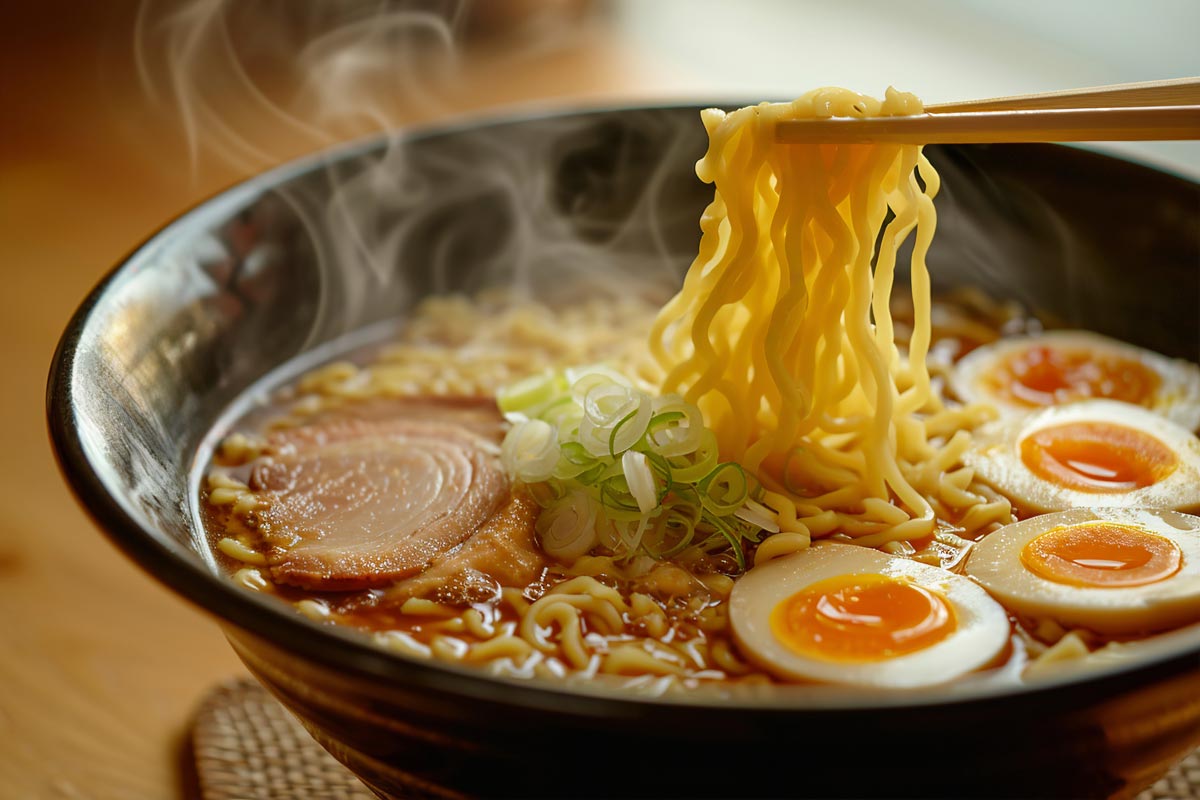
Fukuoka is the birthplace of Hakata ramen, a style of ramen famous for its rich tonkotsu (pork bone) broth and firm, thin noodles. Bowls are typically topped with sliced pork, green onions and pickled ginger.
A unique local custom is kaedama – after you finish your noodles, you can order an extra portion to add to your remaining broth. If you’re still hungry, simply say “kaedama onegaishimasu.”
Yatai Street Food Stalls
Yatai are small, mobile food stalls that set up at night along the riverbanks and central streets, especially around Nakasu and Tenjin. Each stall seats about 8–10 people, bringing locals, solo travelers and small groups elbow-to-elbow.
Typical yatai menus include:
- Ramen and oden (simmered vegetables and fish cakes)
- Yakitori (grilled chicken skewers)
- Gyoza (often smaller and crispier than in other regions)
- Beer, shochu and simple cocktails
Many yatai offer English menus or at least simple picture menus. It’s acceptable to order just one or two dishes and a drink, then move on to another stall. Cash is still common, so bring small bills and coins.
Local Specialties to Try
Beyond ramen, keep an eye out for:
- Motsunabe: Hotpot with beef or pork offal, cabbage and garlic chives. Rich and hearty, especially popular in cooler seasons.
- Mentaiko: Spicy cod roe, a Fukuoka favorite, often served with rice, in onigiri rice balls or as a pasta sauce.
- Umegae mochi: Sweet grilled rice cakes filled with red bean paste, commonly found near Dazaifu.
2. Visit Dazaifu Tenmangu Shrine
About 30 minutes from central Fukuoka by train, Dazaifu Tenmangu is one of Japan’s most important Shinto shrines. It’s dedicated to Sugawara no Michizane, a Heian-era scholar and politician who became revered as the god of learning.
For Japanese students, Dazaifu is a pilgrimage site before entrance exams. You’ll see countless wooden ema plaques hanging around the grounds with handwritten prayers for academic success. International visitors are very welcome to join this custom: buy a plaque, write your wish and hang it at the designated spot.
The shrine approach is lined with souvenir shops and cafés, many selling plum-themed sweets. The grounds themselves are atmospheric, with vermilion bridges, ponds and seasonal flowers. In late winter, plum blossoms fill the air with a soft fragrance, a gentle prelude to Japan’s more famous cherry blossom season.
3. Explore Hakata’s Temples and Traditional Streets
Despite its modern facade, Hakata hides quiet pockets of history. Around the Gion and Reisen districts you’ll find old temples, shrines and traditional streets.
- Tochoji Temple: Home to one of Japan’s largest wooden seated Buddhas. Step inside the dim hall to feel the scale of the statue and observe locals offering incense.
- Kushida Shrine: The spiritual home of the Hakata Gion Yamakasa festival. Large float displays help you imagine the summer races through the city.
- Shopping arcades: Roofed, pedestrian-friendly streets where you can browse local snacks, traditional crafts and everyday shops while sheltered from sun and rain.
4. Relax by the Sea at Momochi and Fukuoka Tower
To see Fukuoka’s more modern side, head to the waterfront district around Fukuoka Tower. At 234 meters, it’s one of Japan’s tallest seaside towers, with an observation deck overlooking Hakata Bay, the city skyline and, on clear days, the distant islands scattered along the coast.
Below, the Momochi Seaside Park area offers a man-made beach, promenades and seaside cafés. In warmer months, locals come to play volleyball, stroll at sunset or simply sit and watch the water. It’s a reminder that Fukuoka is very much a coastal city, with a salt-tinged breeze and slower pace than inland metropolises.
5. Discover Nature and Views at Nanzoin and Beyond
If you’d like a quick escape from the city, consider a half-day trip to Nanzoin Temple, about 20 minutes by train to Kidonanzoin-mae Station. The temple is home to a huge reclining Buddha statue, one of the largest bronze statues in the world. Nestled on a forested hillside, the complex offers a quiet, contemplative atmosphere and gentle walking paths.
Kyushu’s broader natural beauty is also within reach. While based in Fukuoka, travelers often plan day trips to hot spring towns like Beppu or Yufuin, though those are longer journeys. Fukuoka’s excellent rail and highway bus connections make it a practical base for exploring northern Kyushu.
Practical Tips for Visiting Fukuoka
When to Visit
Fukuoka has a relatively mild climate, but humidity can be high in summer. Consider:
- Spring (March–May): Pleasant temperatures and cherry blossoms in late March to early April. Popular but not as crowded as major Honshu cities.
- Summer (June–August): Warm and humid, with a rainy season in June. July hosts the Hakata Gion Yamakasa festival, a thrilling time if you don’t mind the heat and crowds.
- Autumn (September–November): Comfortable weather, less rain and colorful foliage in nearby parks and temple grounds.
- Winter (December–February): Generally mild with occasional cold snaps. Illuminations, seasonal hotpots and fewer tourists.
Getting to Fukuoka
Fukuoka Airport is one of Japan’s most conveniently located airports. The domestic and international terminals connect by shuttle bus, and the city center is just a few subway stops away.
- From the airport to Hakata: Take the Kuko (Airport) Subway Line, about 5 minutes.
- From the airport to Tenjin: Same subway line, approximately 11 minutes.
- By shinkansen: Hakata Station is the gateway of the line for shinkansen services from Osaka, Kyoto, Hiroshima and Tokyo.
If you’re using a Japan Rail Pass, Hakata is a major stop on routes crossing between Kyushu and the rest of Japan.
Getting Around the City
Fukuoka’s compact size is one of its charms. Many central sights are within walking distance of Hakata, Tenjin and Nakasu, but you can also rely on:
- Subway: Three lines connect the airport, Hakata, Tenjin and the waterfront.
- Buses: Cover areas the subway does not reach, including some waterfront and suburban sites.
- IC cards: Regional transport cards like Hayakaken, Suica or Pasmo are accepted on most trains and buses.
Where to Stay
For first-time visitors, three areas make the most sense:
- Hakata Station area: Best for early or late trains, airport access and day trips around Kyushu. Expect business hotels, chain restaurants and large malls.
- Tenjin: Ideal if you prioritize shopping, dining and nightlife. More boutique hotels and stylish cafés, still easy to reach from the airport.
- Nakasu and riverside: Atmospheric, close to yatai stalls and nightlife. Choose carefully if you prefer a quieter environment.
Most hotels have at least basic English support. Business hotels may have compact rooms but are clean, efficient and often include simple breakfast buffets.
Money, Language and Etiquette
Fukuoka is used to visitors from all over Asia and increasingly from Western countries, but a few basics will make your trip smoother:
- Cash and cards: Credit cards are widely accepted at hotels, department stores and chain restaurants. Small shops, some yatai stalls and older establishments may be cash only. ATMs that accept foreign cards are found at convenience stores and major banks.
- Language: English is not spoken everywhere, but staff at major hotels, tourist information centers and some restaurants can communicate in basic English. Simple phrases like “sumimasen” (excuse me) and “arigatou gozaimasu” (thank you very much) go a long way.
- Etiquette: Line up neatly at train platforms, avoid loud conversations on public transport and be mindful of no-smoking rules. At shrines and temples, follow posted instructions: bow lightly at torii gates, purify your hands at the water basin and avoid loud behavior in worship areas.
Suggested Short Itinerary
Two Days in Fukuoka
Day 1
- Arrive and check in near Hakata or Tenjin.
- Explore Hakata’s temple district: Tochoji, Kushida Shrine and nearby shopping arcades.
- Sample your first bowl of Hakata ramen at a well-known local shop.
- Evening stroll around Nakasu and dinner at yatai stalls along the river.
Day 2
- Morning trip to Dazaifu Tenmangu Shrine, wandering the approach street and trying local sweets.
- Return to Fukuoka city for shopping and café-hopping in Tenjin.
- Late afternoon at Fukuoka Tower and Momochi Seaside Park for sunset views.
- Dinner of motsunabe or another local specialty.
If you have an extra day, consider adding Nanzoin Temple or a short excursion to another Kyushu city using Fukuoka as your base.
Fukuoka: A Gentle Introduction to Japan
For first-time visitors, Fukuoka offers an ideal blend of manageable size, rich food culture and easy transport connections. It shows a side of Japan that is everyday and livable rather than overwhelming, yet still packed with distinctive flavors, festivals and seaside scenery.
Whether you come for a weekend of ramen and yatai-hopping or use the city as a starting point for a wider Kyushu adventure, Fukuoka has a way of making visitors feel at home quickly—and wanting to return.


