


Kagoshima
Kagoshima Travel Guide: Volcano City at Japan’s Southern Edge
Photos are for illustrative purposes only.
Framed by an active volcano and a glittering bay, Kagoshima is one of Japan’s most dramatic and underrated cities. Perched at the southern tip of Kyushu, it blends tropical vibes with deep samurai history, soothing hot springs, and a food scene that rivals larger cities. For first-time visitors to Japan who want something beyond Tokyo and Kyoto, Kagoshima offers a slower, warmer, and more personal side of the country.
Why Visit Kagoshima?
Kagoshima is often called the “Naples of the East” thanks to its coastal setting and ever-present volcano, Sakurajima, puffing gently (and sometimes not so gently) across the bay. But that nickname barely scratches the surface. The city was a powerhouse in Japan’s modernization, home to influential samurai and pioneering industrial sites that shaped the country’s future.
Today, Kagoshima rewards travelers with:
- Breathtaking views of Sakurajima across Kinko Bay
- Onsen (hot springs) culture ranging from seaside baths to sand bathing
- Samurai districts and gardens telling the story of Japan’s Meiji Restoration
- Island-day-trip potential to places like Yakushima and Ibusuki
- Distinct local cuisine, from kuro-buta (black pork) to shochu spirits
Getting to Kagoshima
From Tokyo, Osaka, and Fukuoka
Kagoshima is far south, but it’s easier to reach than a glance at the map might suggest.
- By Shinkansen (bullet train): From Fukuoka (Hakata), the Kyushu Shinkansen takes about 1 hour 20 minutes to Kagoshima-Chuo Station. From Osaka or Hiroshima, you can transfer at Hakata. Japan Rail Pass holders can use most trains on this route.
- By air: From Tokyo Haneda or Narita, flights to Kagoshima Airport take about 1.5–2 hours. This is often the fastest option if you’re short on time. Airport buses connect to Kagoshima-Chuo Station and the city center in about 40–50 minutes.
- By ferry: Long-distance ferries link Kagoshima with Okinawa and some of the remote islands, but they’re more of a scenic adventure than a standard transport option for first-time visitors.
Getting Around the City
Once you arrive, Kagoshima’s compact layout and easy transport make it comfortable for international visitors:
- Trams: Two tram lines run through central Kagoshima, connecting Kagoshima-Chuo Station, the downtown Tenmonkan area, and the ferry terminals. They’re simple, affordable, and great for first-timers.
- Buses: Local buses and tourist loop buses reach major sights like Sengan-en garden and viewpoints around the city.
- IC cards: Major Japanese IC cards (like Suica or ICOCA) are increasingly accepted, but keep some coins handy for trams and regional buses where needed.
Experience Sakurajima: Kagoshima’s Living Volcano
No trip to Kagoshima is complete without meeting Sakurajima, the active volcano that dominates the skyline. It’s not just a distant landmark; it’s an everyday presence in local life, sometimes dusting the city with fine ash.
Crossing the Bay by Ferry
A short 15-minute ferry ride from Kagoshima Port takes you directly to Sakurajima. Ferries operate frequently, even early in the morning and late at night, and you pay on arrival on the Sakurajima side. The ride itself is a mini-cruise, with superb views of the city and the volcano.
On Sakurajima: Viewpoints and Hot Springs
Once on the island, buses and rental cars help you reach viewpoints and trails. Popular stops include:
- Yunohira Observatory: One of the highest accessible points, with sweeping views over the crater area and the bay.
- Karasujima and Akamizu Viewpoints: Scenic spots where you can appreciate how the volcano reshaped the coastline.
- Footbaths and onsen: Public footbaths filled with hot spring water let you soak your feet while watching the volcano. Several ryokan and public baths offer full onsen experiences.
Because Sakurajima is still active, some areas are restricted and safety rules change depending on volcanic activity. Information boards and tourist offices provide up-to-date guidance in multiple languages; follow local instructions, and avoid hiking into closed zones.
History and Culture: From Samurai to Modern Japan
Kagoshima played a crucial role in Japan’s transformation from a closed feudal society to a modern nation-state in the 19th century. Understanding that background adds depth to every temple, villa, and stone wall you encounter.
Sengan-en Garden and Iso Area
One of Kagoshima’s highlights is Sengan-en, a spacious traditional garden and villa overlooking Kinko Bay and Sakurajima. Built by the influential Shimazu clan, it blends Japanese landscaping with surprising Western touches that reflect the region’s early openness to foreign technology and ideas.
Inside the garden complex, you’ll find:
- Carefully framed views of Sakurajima across the water, a classic example of “borrowed scenery” in Japanese garden design.
- Historic residences, tearooms, and stone lanterns, each with stories linked to the Shimazu lords.
- A museum highlighting Kagoshima’s role in the Meiji Restoration and early industrialization.
The surrounding Iso district also preserves industrial heritage sites, including former factories and shipbuilding facilities that helped launch Japan into the modern era. Together, these areas are part of a wider network of Meiji industrial sites recognized for their historical significance.
Samurai Legacy and Local Identity
Kagoshima was once the core of the powerful Satsuma Domain, famed for its disciplined samurai and strong regional pride. Many key figures in Japan’s 19th-century reforms came from here, and their influence is still felt in local culture, education, and even the cuisine.
As you walk through the city, look for statues of historical leaders, old stone walls, and shrines dedicated to warriors and scholars. These quiet details reveal a city that sees itself as both fiercely independent and deeply involved in Japan’s national story.
Soak and Unwind: Onsen and Sand Baths
Kagoshima sits in a geologically active region, making it a paradise for hot spring fans.
City Onsen and Footbaths
Within the city, you’ll find numerous public baths and hotel onsen, some with rooftop or seaside views of the bay. For first-timers to Japanese bathing culture, look for facilities with simple instructions in English or pictograms. Basic etiquette includes washing thoroughly before entering the baths, keeping towels out of the water, and respecting the quiet atmosphere.
Ibusuki’s Famous Sand Baths
A popular day trip from Kagoshima City is Ibusuki, south along the Satsuma Peninsula. Here, geothermal heat warms the black beach sand, creating a unique wellness experience: you’re gently buried in hot sand while wearing a light yukata robe, then left to bask in the warmth as it eases muscle tension.
Afterwards, you rinse off and soak in a regular hot spring bath. It’s an unusual but relaxing ritual, and staff are used to helping first-time international visitors, so don’t worry if you’re unfamiliar with the process.
Local Food and Drink You Shouldn’t Miss
Kagoshima’s cuisine reflects its southern climate, local agriculture, and strong drinking culture. Portions are hearty, flavors are bold, and many dishes pair perfectly with regional shochu, a distilled spirit.
Signature Dishes
- Kuro-buta (Black Pork): Kagoshima’s most famous product. This premium pork appears in hot pots, cutlets, and shabu-shabu, prized for its tenderness and rich flavor.
- Kibinago (Silver-stripe round herring): A small local fish often served as sashimi, arranged like a flower on your plate.
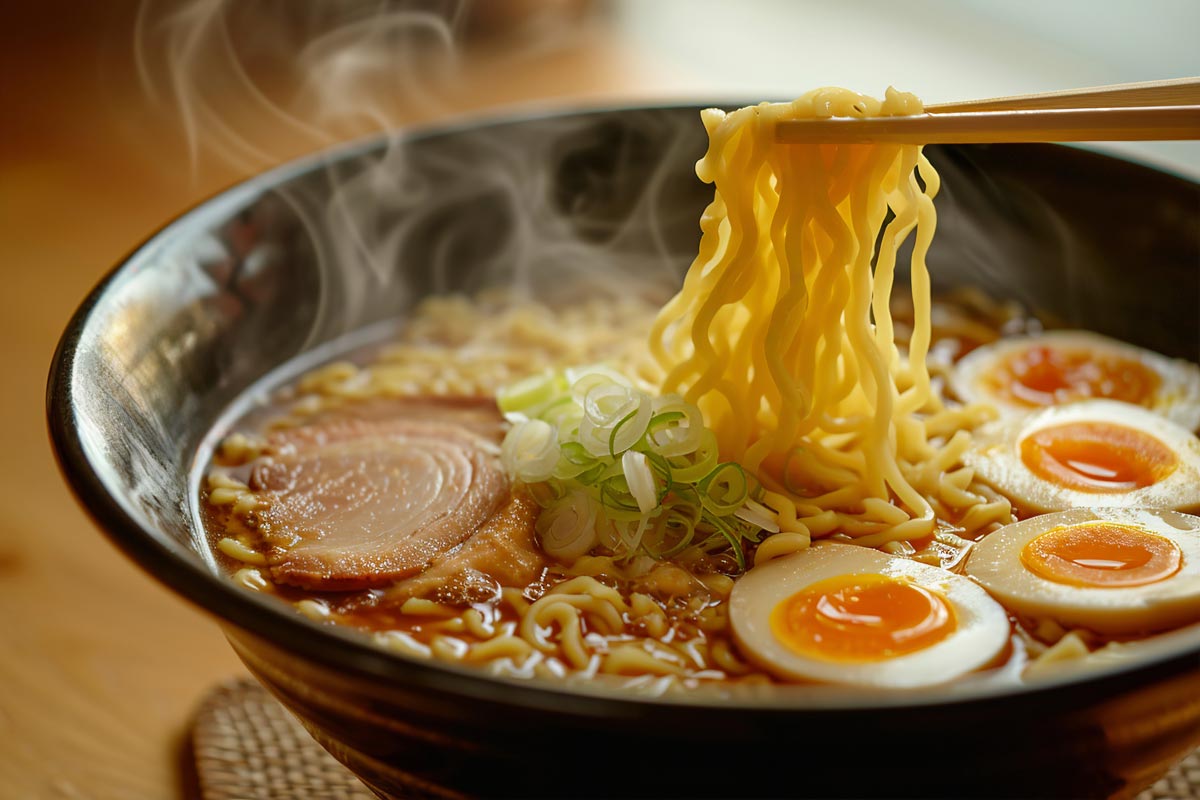
- Tonkotsu dishes and ramen: Pork-based flavors are strong here, and local ramen often features rich broths that rival those in Fukuoka.
- Satsuma-age: Fried fish cakes from the old Satsuma domain, eaten as a snack or side dish, tasty both hot and cold.
Shochu Culture
Kagoshima is one of Japan’s heartlands of imo-shochu, a variety made from sweet potatoes. It has a deeper, more aromatic character than lighter grain-based shochu. You’ll find long rows of bottles in izakaya bars, with staff happy to suggest something based on your taste.
Shochu is typically enjoyed:
- Neat or on the rocks
- Mixed with hot or cold water (a traditional style)
- In simple cocktails for those new to the drink
If you prefer not to drink alcohol, you can still experience Kagoshima’s sweet potato culture through desserts and snacks sold in shops and markets.
Best Areas to Stay in Kagoshima
For first-time visitors, the most convenient bases are:
- Kagoshima-Chuo Station area: Ideal for easy transport connections. You’ll find business hotels and mid-range options, plus direct access to trams and shopping.
- Tenmonkan district: Kagoshima’s downtown core, filled with restaurants, bars, arcades, and shops. Stay here if you want to enjoy the city’s nightlife and food scene on foot.
- Onsen ryokan areas (including nearby Ibusuki): For a more traditional experience, spend at least one night in a ryokan with hot springs, where dinner and breakfast are often included.
When booking, check whether rooms offer views of Sakurajima; waking up to the volcano at sunrise adds something special to your stay.
When to Visit Kagoshima
Kagoshima’s southern latitude gives it mild winters and hot, humid summers. Each season has its own character:
- Spring (March–May): Pleasant temperatures and cherry blossoms, especially in city parks and around historic sites. A comfortable time for walking and day trips.
- Summer (June–August): Lush greenery and lively festivals, but also high humidity and potential rain during the June–July rainy season. Pack breathable clothing and a light rain jacket.
- Autumn (September–November): Arguably the best time, with clearer skies, mild temperatures, and colorful foliage in gardens and mountains.
- Winter (December–February): Generally mild compared to northern Japan. Onsen feel especially inviting, and you avoid peak crowds.
Volcanic activity at Sakurajima is monitored year-round, and minor ash emissions are common. This rarely affects travel plans, but carrying a mask or scarf on days with visible ash can be helpful, especially if you have respiratory sensitivities.
Practical Tips for First-Time Visitors
- Language: English is less widely spoken than in Tokyo, but staff at major hotels, tourist offices, and transport hubs usually provide basic assistance. Carry your accommodation address in Japanese and use translation apps when needed.
- Cash and cards: Credit cards are widely accepted at chains and larger restaurants, but small eateries and local buses may be cash-only. ATMs that accept foreign cards are found in convenience stores and major banks.
- Weather and ash: Keep an eye on local forecasts for both rain and volcanic ash. Light-colored clothing may show ash dust more easily, so consider darker colors for day trips to Sakurajima.
- Respecting baths and shrines: Take a moment to read posted etiquette signs at onsen and religious sites. Simple actions—washing before bathing, bowing lightly at torii gates, keeping voices low—go a long way toward showing respect.
- Tourist information centers: Kagoshima-Chuo Station and central areas host information counters with maps, discount tickets, and multilingual brochures, making trip planning on the ground much easier.
Beyond the City: Islands and Nature
Kagoshima is also a gateway to some of Japan’s most striking natural landscapes. If you have extra time, consider:
- Yakushima: A subtropical island famed for its ancient cedar forests, inspiring the landscapes of classic anime films. Hiking ranges from gentle walks to serious treks.
- Amami Oshima and the Ryukyu arc: Islands with coral reefs, mangroves, and a blend of mainland and Okinawan cultural influences.
- Satsuma Peninsula drives: Scenic coastal routes, small fishing towns, and viewpoints that show off the bay and surrounding mountains.
These destinations require extra planning for ferries or flights, but reward those looking for quieter, nature-focused experiences.
Planning Your Kagoshima Itinerary
For first-time travelers to Japan, a stay of two to three days in Kagoshima works well. A sample outline might look like this:
- Day 1: Arrive in Kagoshima, explore Tenmonkan, try local kuro-buta dishes, and enjoy a city onsen in the evening.
- Day 2: Morning at Sengan-en and the Iso area, afternoon ferry to Sakurajima for viewpoints and footbaths, return to the city for shochu tasting.
- Day 3: Day trip to Ibusuki for sand baths, or extra time in the city’s museums and shopping areas before heading to your next destination.
Whether you treat Kagoshima as a memorable stop on a wider Kyushu journey or as a base for exploring islands and hot springs, it offers a vivid, authentic slice of Japan—framed by the unforgettable silhouette of Sakurajima on the horizon.


