




Kumamoto
Kumamoto Travel Guide for First-Time Visitors to Japan
Photos are for illustrative purposes only.
Nestled in the heart of Kyushu, Kumamoto is a city where a black-walled samurai castle rises above leafy gardens, volcanic peaks smolder on the horizon, and hot spring villages steam quietly at dusk. For international visitors planning a first trip to Japan, Kumamoto offers a gentler pace than Tokyo or Osaka, but with just as much character, history and flavor.
This guide introduces Kumamoto’s essential sights, how to get there, where to stay, what to eat, and practical tips to help you make the most of a short visit.
Why Visit Kumamoto on Your First Japan Trip?
Kumamoto is often overshadowed by Japan’s big-name destinations, yet it condenses many of the country’s highlights into one approachable region:
- Samurai history at one of Japan’s most famous castles
- Dramatic nature in the vast caldera of Mount Aso
- Onsen hot springs in traditional wooden towns
- Regional cuisine from rich tonkotsu ramen to local wagyu
- Relaxed atmosphere with fewer crowds and friendly locals
As a mid-sized city with excellent transport links, Kumamoto works well as a two- or three-night stop on a Kyushu itinerary, or a side-trip from Fukuoka.
Getting to Kumamoto
By Shinkansen (Bullet Train)
Kumamoto Station sits on the Kyushu Shinkansen line, making access easy from major cities:
- From Fukuoka (Hakata Station): about 40 minutes
- From Osaka: around 3.5–4 hours (via Hakata)
- From Tokyo: roughly 5.5–6 hours with transfers
The Japan Rail Pass and JR Kyushu Rail Pass cover shinkansen segments on designated routes, making Kumamoto an economical addition if you are rail-hopping through Japan.
By Air
Kumamoto Airport (KMJ), also known as Aso Kumamoto Airport, has domestic flights from Tokyo, Osaka and other Japanese cities. From the airport, buses connect to central Kumamoto in roughly 40–50 minutes.
Getting Around the City
Kumamoto’s compact center is served by two main tram lines (streetcars) and local buses. Most visitors use:
- Trams for access between Kumamoto Station, the city center, and Kumamoto Castle
- Buses for longer routes and connections to Mount Aso and nearby towns
- On foot for exploring the castle area, shopping arcades and riverfront
IC cards from other Japanese regions (such as Suica, PASMO, or ICOCA) are increasingly accepted, but always confirm locally or carry small coins for ticket machines.
Top Things to Do in Kumamoto
Explore Kumamoto Castle
Kumamoto Castle is the city’s defining landmark and one of Japan’s most celebrated fortresses. Originally built in the early 17th century by warlord Kato Kiyomasa, it is famed for its imposing black walls, massive stone ramparts and ingenious defensive design.
The castle suffered significant damage during the 2016 earthquakes, and reconstruction is ongoing, but key sections have reopened to visitors. You can walk through modern exhibition spaces inside the rebuilt main keep, learn about samurai life, and admire coats of armor, swords and historical artifacts. Elevated walkways and viewing platforms offer close-up views of restoration work and panoramic vistas over the city.
Allow at least 2–3 hours to stroll the grounds, climb to viewpoints and explore the nearby attractions around the castle park.
Stroll Suizenji Jojuen Garden
Suizenji Jojuen is Kumamoto’s most famous landscape garden and a calming counterpoint to the castle’s rugged walls. Designed in the 17th century as a tea retreat for the Hosokawa clan, the garden features a circular walking path around a spring-fed pond, manicured pines and miniature landscapes.
One of its charms is a small, stylized “Mount Fuji” hill rising above the water, a nod to the old Tokaido highway route that once connected Kyoto and Edo (Tokyo). Seasonal flowers, carefully raked gravel and traditional teahouses make this an ideal place to slow down. Visitors can experience a simple tea ceremony with matcha and sweets while overlooking the garden’s central pond.
Discover Mount Aso and the Aso Caldera
Just east of Kumamoto City lies one of Japan’s most dramatic natural wonders: the Aso Caldera, one of the largest volcanic calderas in the world. Inside this vast basin of grasslands, villages and farmland sits Mount Aso’s active central crater.
Day trips from Kumamoto usually include:
- Panoramic viewpoints such as Daikanbo, offering sweeping views across the caldera
- Kusasenri-ga-hama, a green plateau with grazing horses and a small volcano museum
- Access to the crater area when volcanic activity and weather conditions permit
Because activity levels change, crater access, ropeways and roads may close at short notice. Check current conditions with the tourist office or online before setting out. Even without approaching the crater, the caldera’s open landscapes are striking and very different from Japan’s dense urban centers.
Relax in Kurokawa Onsen
For many travelers, soaking in hot springs is a highlight of visiting Japan, and Kurokawa Onsen is one of Kyushu’s most atmospheric bath towns. Located in the hills north of Mount Aso, this compact village is lined with wooden ryokan (traditional inns) and riverside rotenburo (outdoor baths).
Visitors can buy a wooden onsen pass that allows entry to several different baths, each with its own character, from rock-lined pools shaded by bamboo to secluded forest tubs. Staying overnight in a ryokan typically includes multi-course kaiseki dinners featuring local ingredients, then a quiet evening soaking under the stars.
As with all Japanese hot springs, observe standard onsen etiquette: wash thoroughly before entering the bath, bathe nude (no swimsuits), tie up long hair, keep towels out of the water and respect the quiet atmosphere.
Walk the City Center and Shopping Arcades
Kumamoto’s downtown area, stretching between Kumamoto Castle and the Shirakawa River, is easy to explore on foot. Covered shopping arcades such as Shimotori and Kamitori combine fashion boutiques, local restaurants, cafés and casual izakaya pubs.
In the evening, paper lanterns glow above narrow side streets, and small bars and yakitori stands fill with office workers. It is an inviting area to sample local food, try regional shochu (a distilled spirit popular in Kyushu) or simply people-watch over a bowl of ramen.
Kumamoto Food: What to Eat
Kumamoto has its own distinct food culture, shaped by fertile farmland, access to the sea and Kyushu’s taste for hearty, flavorful dishes.
Kumamoto Ramen
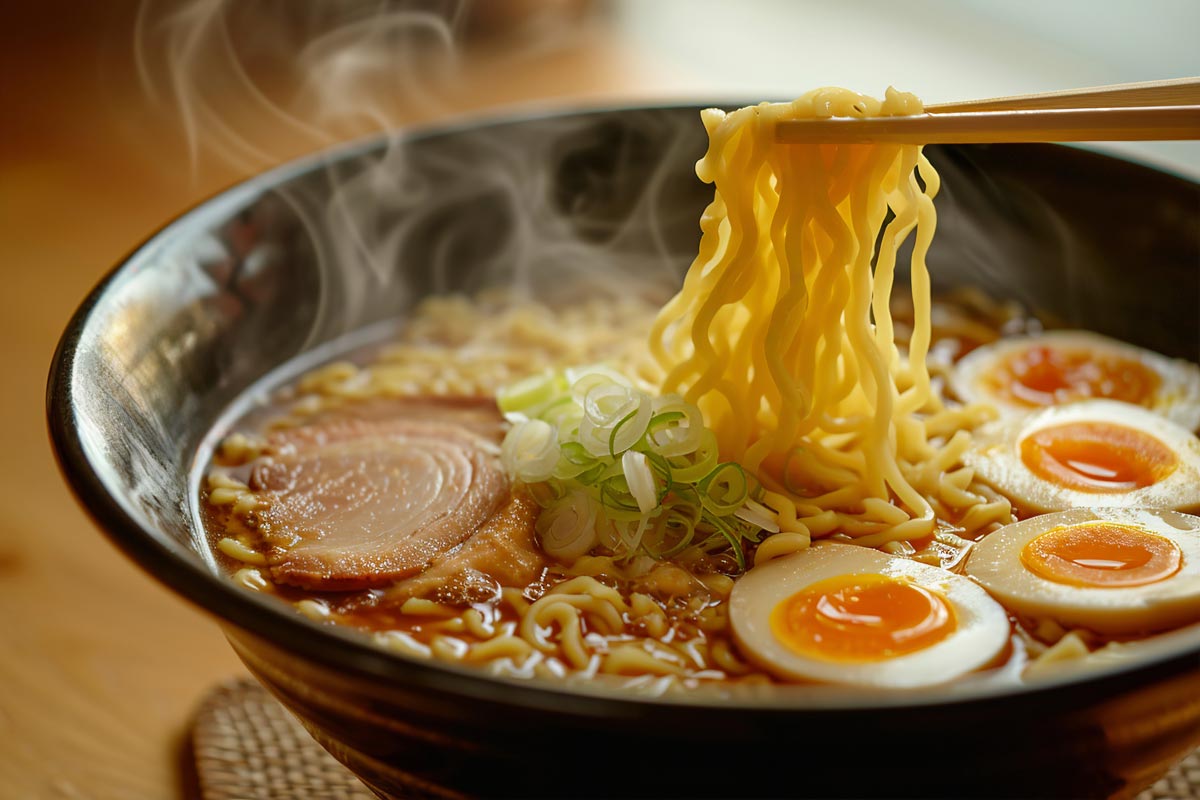
Like many Japanese cities, Kumamoto has its own take on ramen. The broth is based on rich pork bones (tonkotsu), similar to Hakata-style ramen, but slightly milder and often topped with browned garlic oil or fried garlic chips. The result is a fragrant bowl that balances depth and aroma without being overpoweringly heavy.
Small ramen shops cluster near the city center and around Kumamoto Station, with many staying open late for post-drink slurping.
Basashi (Horse Sashimi)
One of Kumamoto’s most famous and distinctive dishes is basashi, thinly sliced raw horse meat served similar to sashimi. It is usually eaten with soy sauce, ginger and finely chopped onions. While it may be unfamiliar to many visitors, it is considered a local delicacy and appears on menus at traditional restaurants and izakaya.
If you are curious, basashi is often served as part of a sampling platter alongside more familiar dishes, making it easy to try just a small amount.
Other Local Specialties
- Kumamoto beef: High-quality wagyu from the surrounding region, enjoyed as steak, shabu-shabu hot pot or sukiyaki.
- Karashi renkon: Lotus root stuffed with spicy mustard miso, coated in batter and fried, offering a satisfying crunch and gentle heat.
- Taipien: A noodle soup dish originally inspired by Chinese cuisine, typically featuring clear broth, glass noodles and vegetables.
- Fruits and sweets: Kyushu’s mild climate produces excellent citrus and melons, which often appear in seasonal desserts.
Where to Stay in Kumamoto
Accommodation in Kumamoto ranges from business hotels to traditional inns and onsen retreats. Your best choice depends on how you plan to explore the region.
Near Kumamoto Station
Staying around Kumamoto Station is convenient if you are arriving by shinkansen and making day trips, for example to Mount Aso. The area offers functional business hotels, good rail and bus connections, and easy access to the airport bus.
Downtown and Castle Area
The city center, especially between the castle and the shopping arcades, suits visitors who want to walk to restaurants, nightlife and key sights. Hotels here range from mid-range chains to more design-focused options. You can reach the castle on foot or by a short tram ride.
Onsen Ryokan Around Aso and Kurokawa
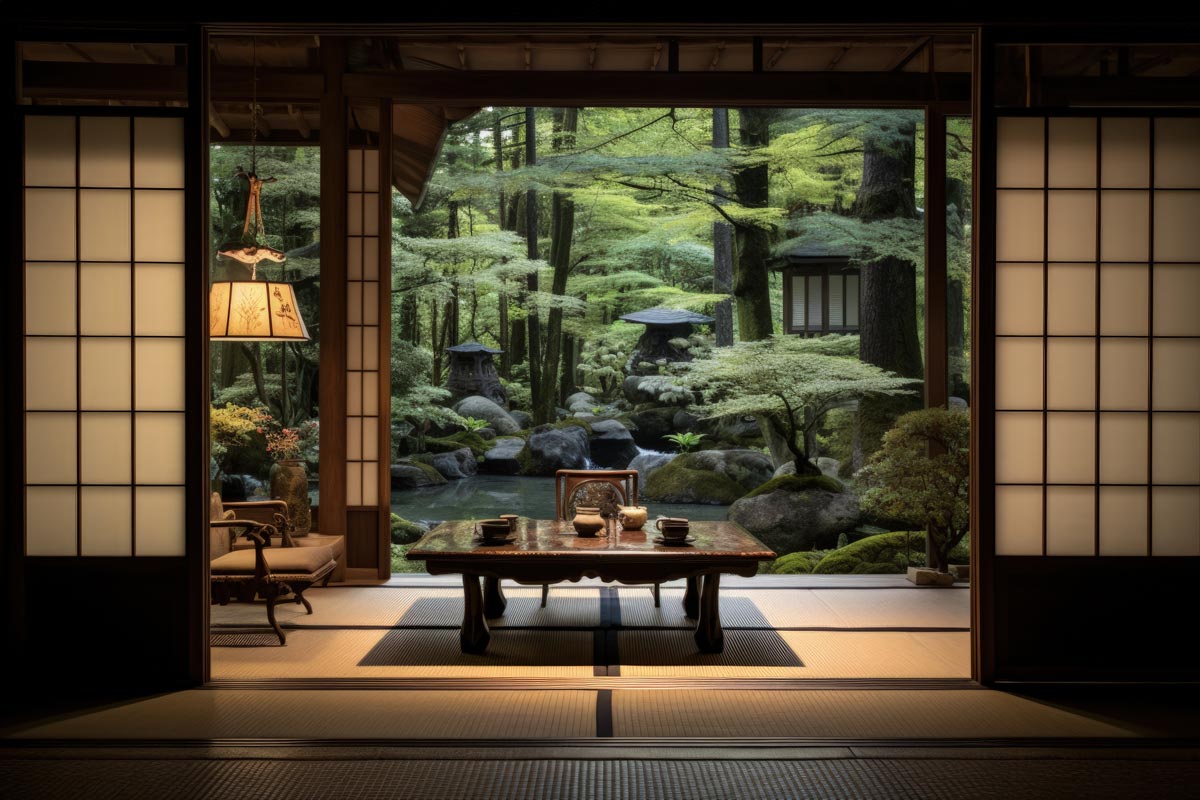
If hot springs and nature are priorities, consider spending at least one night in a ryokan in the Aso region or Kurokawa Onsen. These stays usually include dinner and breakfast, access to indoor and outdoor baths, and tatami-mat rooms with futon bedding. It is a rewarding way to experience traditional Japanese hospitality away from the city.
Suggested 2-Day Kumamoto Itinerary
For first-time visitors combining Kumamoto with other Japanese cities, this simple outline works well:
Day 1: City Highlights
- Arrive at Kumamoto Station and drop luggage at your hotel.
- Take the tram to Kumamoto Castle and explore the keep, grounds and viewpoints.
- Walk to Josaien, the castle town-style complex near the base, for lunch and local snacks.
- In the afternoon, visit Suizenji Jojuen Garden and enjoy matcha in a teahouse.
- Return to the city center for dinner: try Kumamoto ramen, basashi or local izakaya dishes.
Day 2: Mount Aso or Onsen
- Take a morning bus or tour towards Mount Aso, stopping at viewpoints and the caldera grasslands.
- If staying overnight, continue to Kurokawa Onsen for an afternoon of hot spring hopping and a ryokan dinner.
- Otherwise, return to Kumamoto in the late afternoon, explore the shopping arcades, and enjoy a relaxed final evening.
With additional time, you can add another night in a hot spring town, or explore other Kyushu destinations such as Fukuoka, Nagasaki or Beppu.
Best Time to Visit Kumamoto
Kumamoto’s climate is milder than much of northern Japan, but it still experiences distinct seasons.
- Spring (March–May): Cherry blossoms usually bloom around late March to early April, especially around Kumamoto Castle and riverside parks. Temperatures are comfortable, making this the most popular season.
- Summer (June–August): Warm and humid, with a rainy season typically in June to early July. Lush green landscapes around Aso are beautiful, but bring light rain gear.
- Autumn (September–November): Clear skies and cooler temperatures. Late October to November brings autumn foliage to the mountains and gardens.
- Winter (December–February): Generally mild in the city, but Aso can be chilly with occasional snow. Fewer crowds and ideal conditions for hot springs.
Practical Tips for International Visitors
Language and Signage
English is not as widely spoken as in Tokyo, but staff at major hotels, information centers and tourist attractions usually have basic English ability. Many train and tram signs include Roman letters. Downloading an offline translation app helps with restaurant menus and bus information.
Payments and ATMs
Large hotels, chain stores and many restaurants accept credit cards, but smaller eateries and rural shops may be cash-only. Use ATMs at convenience stores or post offices to withdraw yen with international cards. IC cards and some mobile payments are increasingly accepted on transport and in city shops.
Respecting Local Culture
As in the rest of Japan, politeness and small courtesies go a long way:
- Speak quietly on public transport and avoid phone calls on trains and trams.
- Remove shoes where indicated, especially in ryokan and traditional restaurants.
- At shrines and temples, watch how locals wash their hands at the purification basin and bow at entrances.
- Dispose of trash properly; public bins are limited, so you may need to carry rubbish until you find one.
Earthquake Awareness
Kumamoto experienced major earthquakes in 2016, and you may notice ongoing construction or reinforced structures. Seismic safety standards in Japan are high, but it is wise to know basic procedures: follow staff instructions, be aware of emergency exits, and move away from shelves and glass if you feel tremors.
Adding Kumamoto to Your Japan Itinerary
For first-time visitors, Kumamoto works especially well as part of a broader Kyushu journey. A typical route might run from Fukuoka to Kumamoto and Mount Aso, then onward to hot spring hubs such as Beppu or Yufuin, or south towards Kagoshima and the volcanic island of Sakurajima.
Whether you come for the castle’s stoic silhouette, the scent of garlic drifting from ramen shops, or the quiet of a mountain hot spring under winter stars, Kumamoto offers a grounded, welcoming introduction to Japan beyond its largest cities. With a little planning and an open schedule, it can easily become a highlight of your first trip.


