





Ritsurin Garden
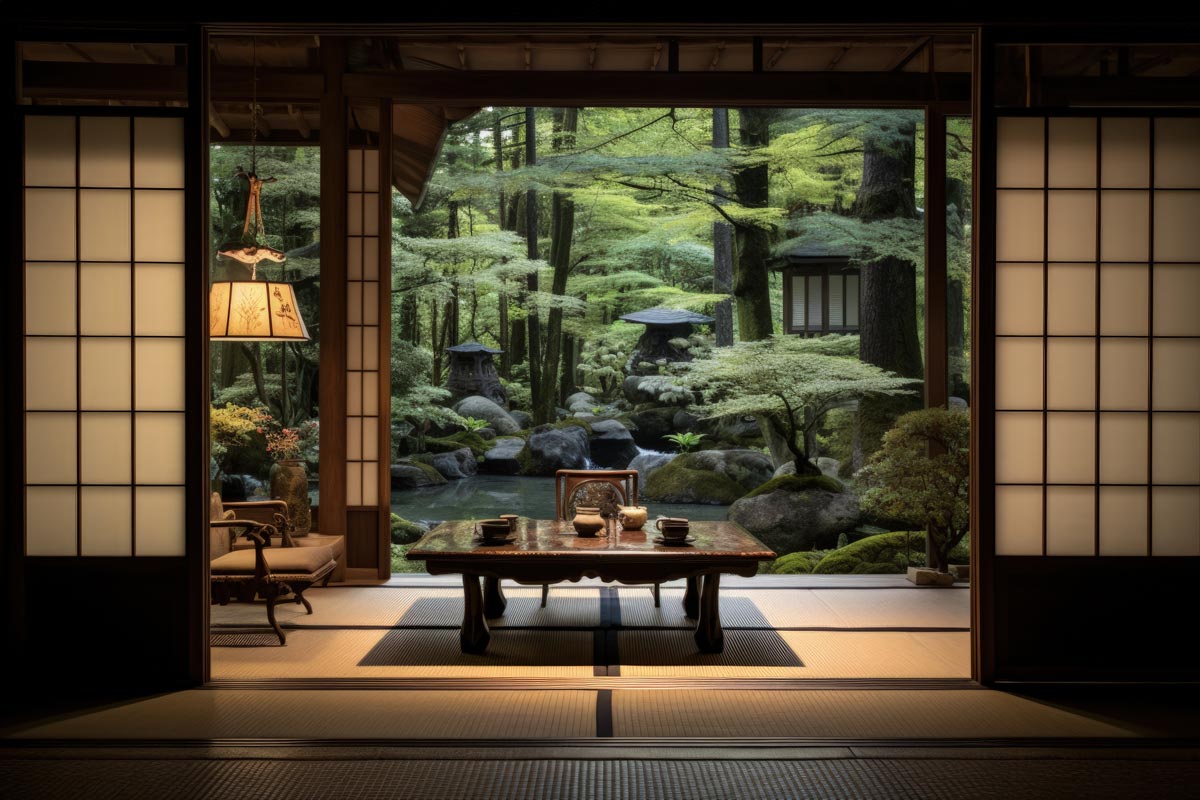
Home Ritsurin Garden Ritsurin Garden: A Perfect Day Trip to Old Japan in Takamatsu Hidden on the island of Shikoku, far from Tokyo’s neon glow, Ritsurin Garden in Takamatsu is one of Japan’s most enchanting traditional gardens. Designed over centuries for feudal lords, it is a place where every stone, tree, and reflection in the water has been carefully composed. For first-time visitors to Japan who want to step into a calmer, older world, Ritsurin is an unforgettable day out. Why Ritsurin Garden Belongs on Your Japan Itinerary Japan officially recognizes three “great gardens” (Kenrokuen in Kanazawa, Korakuen in Okayama, and Kairakuen in Mito), but many garden lovers quietly add a fourth name to that list: Ritsurin. Spread over more than 75 hectares with six ponds and thirteen man-made hills, this is one of the largest and most refined daimyo (feudal lord) gardens in the country. Ritsurin Garden offers: A classic Japanese landscape of ponds, pines, and miniature “borrowed scenery” of
Kagawa
Home Kagawa Kagawa Travel Guide: Udon, Art Islands and Coastal Charm Japan’s smallest prefecture by area, Kagawa, often slips under the radar of first-time visitors focused on Tokyo, Kyoto and Osaka. Yet this compact region on Shikoku Island offers some of the country’s most rewarding experiences: world-class contemporary art on island landscapes, a historic feudal garden, views across the Seto Inland Sea and, of course, Japan’s most famous udon noodles. If you are planning your first trip to Japan and want to add somewhere authentic and slightly off the main tourist trail, Kagawa is an excellent choice. It combines easy access from major cities with a slower, coastal pace that feels distinctly different from Japan’s urban centers. Where Is Kagawa and Why Visit? Kagawa sits on the northeastern tip of Shikoku, facing the island-dotted Seto Inland Sea. The prefectural capital, Takamatsu, is about an hour by train from Okayama on Japan’s main Honshu island, connected by the dramatic Seto
Kibitsu Shrine
Home Kibitsu Shrine Kibitsu Shrine Japan Travel Guide for First-Time Visitors Set on a gentle hillside just outside Okayama City, Kibitsu Shrine (Kibitsu Jinja) is one of western Japan’s most atmospheric Shinto shrines. Famous for its long wooden corridor, rare architectural style, and legends that inspired the Momotaro (Peach Boy) folktale, it offers a quieter, more contemplative experience than many of Japan’s headline shrines. For first-time travelers to Japan looking beyond the classic Tokyo–Kyoto route, Kibitsu Shrine is an ideal half-day trip: easy to reach, deeply traditional, and rarely crowded with international tourists. Why Visit Kibitsu Shrine? While Kyoto and Nara are overflowing with temples and shrines, Kibitsu Shrine stands out for several reasons: Unique architecture: The main hall features the only surviving example of the hiyoku irimoya-zukuri style in Japan. Famous corridor: A 398-meter-long covered corridor gently climbs the hillside, creating a beautiful perspect
Okayama Castle
Home Okayama Castle Okayama Castle Japan Travel Guide for First-Time Visitors Rising above the Asahi River with gleaming black walls and golden ornaments, Okayama Castle is one of western Japan’s most atmospheric castles. Often called the “Crow Castle” for its dark exterior, it pairs beautifully with nearby Korakuen Garden, making Okayama an excellent, relaxed stop between Osaka, Hiroshima, and Shikoku. This guide walks you through the history, highlights, and practical tips you need to enjoy Okayama Castle on your first trip to Japan. Why Visit Okayama Castle? Okayama Castle may not be as famous as Himeji or Osaka, but that’s part of its charm. The atmosphere is calmer, the crowds thinner, and the surrounding streets feel distinctly local. For many travelers, it becomes a favorite precisely because it’s easy to explore at a slower pace. Here are a few reasons to add Okayama Castle to your Japan itinerary: Striking black exterior: The contrast between the glossy black walls and the go
Korakuen Garden
Home Korakuen Garden Korakuen Garden Japan Travel Guide for First-Time Visitors Korakuen Garden in Okayama is one of Japan’s most celebrated landscape gardens and an ideal introduction to traditional Japanese aesthetics for first-time visitors. With spacious lawns, meandering ponds, teahouses, and a stunning backdrop of Okayama Castle, it offers a calm, walkable escape that feels worlds away from Tokyo’s neon or Osaka’s bustle. Why Korakuen Belongs on Your Japan Itinerary Korakuen is officially ranked as one of Japan’s “Three Great Gardens,” alongside Kenrokuen in Kanazawa and Kairakuen in Mito. Unlike many gardens tucked into temple grounds or built on hillsides, Korakuen is remarkably open and expansive. Broad lawns, wide paths, and clear views across ponds create a sense of space that’s rare in Japan, making it very approachable for international visitors unfamiliar with Japanese garden design. Historically, this was the private retreat of the local feudal lord, a daimyo. Today, it
Ohara Museum of Art
Home Ohara Museum of Art Ohara Museum of Art: A First-Time Visitor’s Guide to Japan’s Pioneering Western Art Museum For many first-time visitors, Japan conjures images of temples, neon skylines, and cherry blossoms. Yet one of the country’s most fascinating cultural treasures sits quietly in a preserved merchant quarter in Okayama Prefecture: the Ohara Museum of Art. This pioneering institution, founded in 1930, was Japan’s first museum dedicated to Western art, and it remains one of the most rewarding day-trip destinations for travelers who want to go beyond Tokyo and Kyoto. Why Visit the Ohara Museum of Art? The Ohara Museum of Art is located in the historic Kurashiki Bikan Historical Quarter, a beautifully preserved canal district lined with white-walled warehouses, stone bridges, and willow trees. Stepping into the museum grounds feels like shifting between worlds: traditional Japanese townscape on the outside, European-style art museum within. For first-time visitors to Japan, th
Kurashiki Bikan Historical Quarter
Home Kurashiki Bikan Historical Quarter Kurashiki Bikan Historical Quarter: A Classic Canal Town in Japan Kurashiki Bikan Historical Quarter is one of Japan’s most atmospheric old towns: willow-lined canals, white-walled warehouses, wooden townhouses, and quiet backstreets. For first-time visitors to Japan, it offers a gentler, less crowded alternative to Kyoto, while still delivering plenty of history, culture, food, and photogenic scenery. Located in Okayama Prefecture in western Japan, Kurashiki makes an ideal day trip from Osaka, Hiroshima, or Okayama City, and is easy to combine with a visit to Naoshima art island or the Seto Inland Sea. This guide will help you understand the area, plan your visit, and make the most of your time in the Bikan Historical Quarter. What Is the Kurashiki Bikan Historical Quarter? The Bikan Historical Quarter is the preserved old merchant district of Kurashiki, centered around a calm canal shaded by willow trees. During the Edo period (1603–1868
Okayama
Home Okayama Okayama Travel Guide for First-Time Visitors to Japan Okayama is often called the “Sunny Country” of Japan, and for good reason. With mild weather, spacious streets, and a relaxed atmosphere, this mid-sized city in western Honshu makes an ideal stop between Osaka, Hiroshima, and Shikoku. For first-time visitors to Japan, Okayama offers a softer, less crowded introduction to Japanese culture while still delivering the classic highlights: a black castle, one of Japan’s top gardens, historic districts, and memorable local food. Why Visit Okayama on Your Japan Trip? Many international travelers race from Tokyo to Kyoto and Hiroshima, missing the quieter cities in between. Okayama rewards those who slow down. The city is a major stop on the Sanyo Shinkansen line, meaning it is easy to access, yet its sights are rarely overwhelmed by tour groups. Okayama is particularly appealing for first-time travelers because: Simple transport: Most major sights cluster around Okayama Statio
Mizuki Shigeru Road
Home Mizuki Shigeru Road Mizuki Shigeru Road: A Yokai Street Adventure in Japan In the quiet port city of Sakaiminato on Japan’s Sea of Japan coast, an ordinary street has been transformed into a living manga world. Mizuki Shigeru Road is a whimsical, slightly spooky, and endlessly photogenic homage to Japan’s most famous yokai (supernatural creatures), created by manga artist Mizuki Shigeru, author of the beloved series GeGeGe no Kitaro. For first-time visitors to Japan, this is a fun detour from the classic Tokyo–Kyoto route: part open-air art museum, part theme street, and part crash course in Japanese folklore. Families, manga fans, and curious travelers all find something to love here. Who Was Mizuki Shigeru? Mizuki Shigeru (1922–2015) was a pioneering Japanese manga artist known for popularizing yokai culture through his hit series GeGeGe no Kitaro. Born in Sakaiminato, he grew up listening to local ghost stories and folk tales. These stories became the foundation of his life’s
Tottori Sand Dunes / Sand Museum
Home Tottori Sand Dunes / Sand Museum Guide to Tottori Sand Dunes and the Sand Museum in Japan On Japan’s rugged Sea of Japan coast, far from the neon of Tokyo and Osaka, you’ll find one of the country’s most surprising landscapes: the Tottori Sand Dunes and the nearby Sand Museum. For first-time visitors to Japan, this is a chance to see a completely different side of the country, where wind-sculpted sand, sweeping sea views, and intricate sand art combine into a uniquely memorable day trip. What Are the Tottori Sand Dunes? The Tottori Sand Dunes (Tottori Sakyu) are Japan’s largest coastal dune system, stretching roughly 16 km along the shoreline and reaching up to 2 km inland. Some of the dunes rise more than 40 meters high, creating a desert-like scene that feels almost unreal in a country better known for rice fields, forests, and mountains. While they may look like a desert, the dunes are shaped by the wind and waves of the Sea of Japan. Over thousands of years, sand carried from