


Autumn Leaves
Autumn Leaves in Japan: A First-Time Visitor’s Guide
Photos are for illustrative purposes only.
Japan’s autumn leaves, known as kōyō or momiji, are every bit as spectacular as its famous cherry blossoms – and for many travelers, even more enjoyable. Cooler weather, vivid red maples, golden ginkgo trees and clear blue skies combine to create one of the most photogenic seasons of the year. If you are planning your first trip to Japan and wondering when, where, and how to see the best autumn colors, this guide will walk you through everything you need to know.
Understanding Japan’s Autumn Leaf Season
When Do the Autumn Leaves Change?
Unlike cherry blossoms, which burst into bloom all at once, Japan’s autumn leaves change gradually from north to south and from high mountains down to the cities. The exact timing shifts a little each year depending on the weather, but this rough guide will help you plan:
- Late September – Mid October: Northern Japan (Hokkaido) and high mountain areas such as the Japanese Alps.
- Mid October – Mid November: Tokyo, Kyoto, Osaka, and many central regions.
- Late November – Early December: Western Honshu and parts of Kyushu; ginkgo-lined avenues in major cities often peak around this time.
If your travel dates are flexible, late October to the end of November is generally the safest window for first-time visitors who want reliable autumn colors in popular destinations like Tokyo and Kyoto.
Kōyō vs. Momiji: Key Words to Know
Two words appear everywhere during fall:
- Kōyō (紅葉): A general term for autumn foliage, often including all trees that change color.
- Momiji (もみじ / 紅葉): Specifically Japanese maples, famous for their delicate, hand-shaped leaves that turn brilliant shades of crimson.
You will see these words in travel brochures, on posters and even on seasonal snacks and drinks, so recognizing them will help you spot autumn-related activities and promotions.
Why Autumn Is a Special Time in Japan
The Culture of Leaf Viewing
Japan has a long tradition of appreciating seasonal change. Just as spring is for blossom viewing (hanami), autumn is the time for momijigari, literally “hunting” autumn leaves. This does not mean picking them – instead, people “hunt” for the most beautiful views.
Families stroll through parks, couples visit temples in the early evening for special light-up events, and hikers escape to the mountains in search of blazing ridgelines and valleys. Many Japanese people will travel specifically for autumn leaves, and trains and hotels in famous areas can be surprisingly busy, especially on weekends and public holidays.
Seasonal Food and Atmosphere
Autumn is also known as shokuyoku no aki – the “autumn of appetite” – because fresh harvest foods appear on menus across the country. Sweet potatoes roasted in roadside stalls, chestnuts, mushrooms, and grilled river fish are typical seasonal treats. Confectioneries sell maple-leaf-shaped sweets, and cafes offer limited-edition drinks flavored with roasted tea, sweet potato or chestnut.
The weather is one of the biggest advantages of traveling in autumn. Summer’s humidity has faded, typhoon season is ending, and winter’s cold has not yet arrived. Days are often crisp and sunny, perfect for walking, temple hopping and longer outdoor excursions.
Best Regions and Spots for Autumn Leaves
Kyoto: Classic Temples and Garden Views
Kyoto is the most famous city in Japan for autumn foliage. Historic temples, traditional wooden streets and carefully designed gardens provide a timeless backdrop to scarlet and gold leaves.
Popular spots include:
- Arashiyama: On Kyoto’s western edge, hillsides turn red and orange, reflecting in the Hozu River. Walk across Togetsu-kyo Bridge, then explore nearby temples such as Tenryu-ji and quiet sub-temples in the Sagano area.
- Kiyomizu-dera: This iconic temple on a hillside east of the city offers panoramic views of Kyoto framed by autumn colors. In the evening, special illuminations create a magical atmosphere.
- Eikan-dō and Nanzen-ji: East Kyoto’s temple district is known for some of the city’s most intense maple colors, especially around Eikan-dō’s pond and stone paths.
Kyoto’s peak season is usually mid to late November. It is extremely popular, so start your day early, consider visiting lesser-known temples, and use public transport or taxis rather than private cars.
Tokyo: Urban Parks and Ginkgo Avenues
Even in one of the world’s largest cities, it is easy to find autumn scenery. Tokyo’s many parks, gardens and tree-lined streets turn into pockets of color from mid November to early December.
Highlights include:
- Shinjuku Gyoen: A spacious central park with Japanese, English and French-style gardens. Maples, ginkgo and plane trees offer a long, varied display.
- Rikugien Garden: A landscaped strolling garden in northern Tokyo known for fiery maples and evening light-ups that reflect in the central pond.
- Meiji Jingu Gaien: A grand avenue of ginkgo trees leading away from the Meiji Shrine outer gardens. When the leaves turn golden and carpet the street, it becomes one of Tokyo’s most photogenic spots.
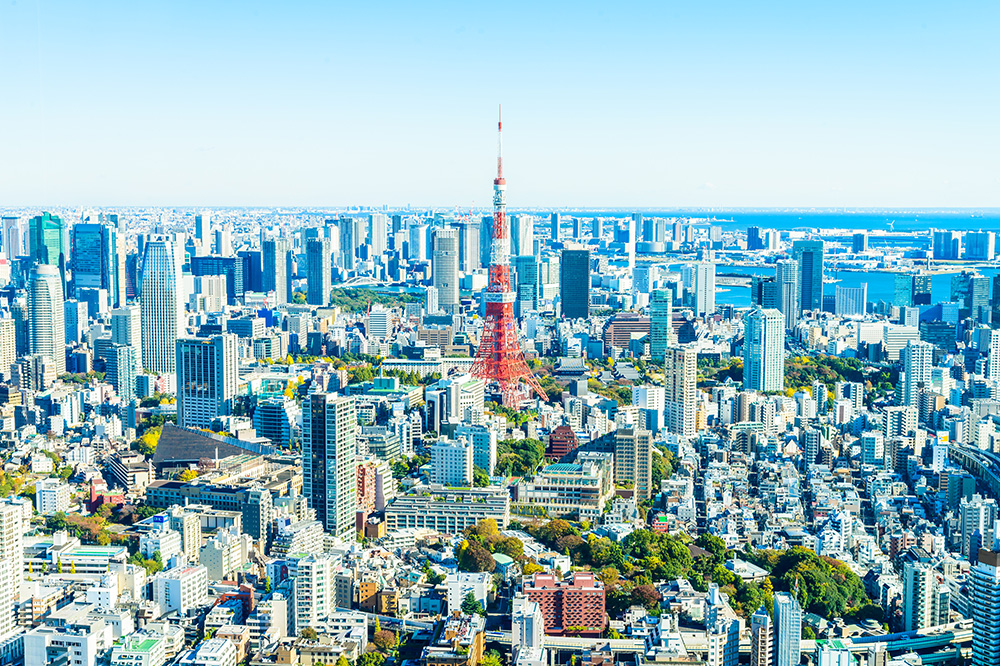
The contrast between modern skyscrapers and seasonal color is part of Tokyo’s charm. Many locations are easy to reach using the JR Yamanote Line or the subway, making them ideal for first-time visitors.
Japanese Alps: Mountain Landscapes and Hot Springs
For dramatic scenery, the central mountain range known as the Japanese Alps is hard to beat. Here, autumn colors start earlier – often late September in high valleys – and sweep down the slopes through October.
Consider these destinations:
- Kamikōchi (Nagano): A highland valley with clear rivers, wooden bridges and towering peaks. Birch and larch trees turn gold against the mountains. Hiking trails range from easy riverside walks to more challenging day hikes.
- Tateyama Kurobe Alpine Route: A scenic route that strings together cable cars, buses and ropeways across the Northern Alps. In early autumn, you can see color gradients from the mountain tops down to the valleys below.
- Takayama and Okuhida Onsen: The historic town of Takayama combines traditional streets with autumn foliage along its rivers, while nearby hot spring villages sit beneath colored hillsides.
The crisp air and the chance to soak in an outdoor hot spring (rotenburo) while surrounded by red and yellow leaves make this region particularly appealing in autumn.
Nikko and Hakone: Easy Autumn Day Trips
If you are staying in Tokyo and want a taste of mountain foliage without traveling too far, Nikko and Hakone are classic choices.
- Nikko (Tochigi Prefecture): About two hours north of Tokyo by train, Nikko is home to ornate shrines set in tall cedar forests. Nearby Lake Chuzenji and Irohazaka Winding Road are famous for sweeping views of colored mountainsides.
- Hakone (Kanagawa Prefecture): Accessible from Tokyo in around 90 minutes, Hakone offers lakeside views of Mount Fuji, steaming hot springs and hills covered in autumn leaves. Ropeways, pirate-style sightseeing boats and scenic trains make it easy to enjoy the scenery without a car.
Both areas are popular during peak weekends, so consider visiting on weekdays when possible and start your day early to avoid the heaviest crowds.
Hokkaido: Early Autumn Adventures
If you are traveling to Japan in late September or early October, head north to Hokkaido, the country’s northernmost main island. Autumn arrives here first, painting national parks and lakesides in vibrant shades before the rest of Japan.
Top Hokkaido foliage areas include Daisetsuzan National Park – one of the first places in the country to see color – as well as the resort regions around Lake Tōya and Noboribetsu. The combination of wide open spaces, fewer crowds and a rougher, wilder landscape offers a different feel from the temples and gardens of Kyoto.
How to Plan Your Autumn Leaves Trip
Checking the Foliage Forecast
Each year, Japanese weather companies release detailed autumn foliage forecasts. While you do not need to track these day by day, a quick check a few weeks before you travel can help you fine-tune your plans. Look for rough peak dates for the regions you will visit, and remember that highland areas color earlier than nearby cities.
Building an Easy First-Time Itinerary
For a first visit focused on autumn leaves, a simple route works best. Many travelers choose:
- Several days in Tokyo for urban parks, ginkgo avenues and day trips to Nikko or Hakone.
- Several days in Kyoto for temples and traditional streets framed by maples and ginkgo.
- Optionally, time in the Japanese Alps (Nagano, Gifu, or Toyama) for mountain landscapes and hot springs.
The high-speed Shinkansen bullet trains connect these regions efficiently. Reserving seats in advance, especially at weekends and around public holidays, will make travel more comfortable during this busy season.
Practical Tips for Enjoying Autumn Leaves in Japan
What to Pack and Wear
Weather in autumn can change quickly. In Tokyo and Kyoto, you might have warm afternoons and cool evenings, while mountain areas can feel almost wintery by late October. Recommended items include:
- Layers: a light sweater or fleece, plus a windproof jacket.
- Comfortable walking shoes with good grip for park paths and temple steps.
- A compact umbrella or light rain jacket; autumn showers are common.
- A scarf or hat if you plan early morning or evening outings in higher elevations.
Dress modestly when visiting temples and shrines, and consider shoes that are easy to remove, as you may be asked to take them off in certain buildings.
Navigating Crowds Respectfully
Autumn is a peak domestic travel season, and famous viewpoints can become crowded. A few habits will help you and others enjoy the scenery:
- Arrive early at top spots; the light is softer for photos and tour buses usually arrive later in the morning.
- Avoid blocking pathways or bridges while taking pictures. Step to the side and keep moving.
- Follow staff instructions during night illuminations, where flows of visitors are carefully managed.
- Never pick leaves or break branches, even if they have already fallen. Taking photos is encouraged; taking souvenirs from the trees is not.
In rural areas and national parks, stick to marked trails to protect fragile vegetation and avoid getting lost.
Photography Considerations
Japan’s autumn scenery is extremely photogenic, but conditions can be challenging. High contrast between bright leaves and shaded temples, or crowded viewpoints, can affect your results. To improve your photos:
- Visit early or late in the day when the light is softer.
- Look for reflections in ponds, rivers and temple pools.
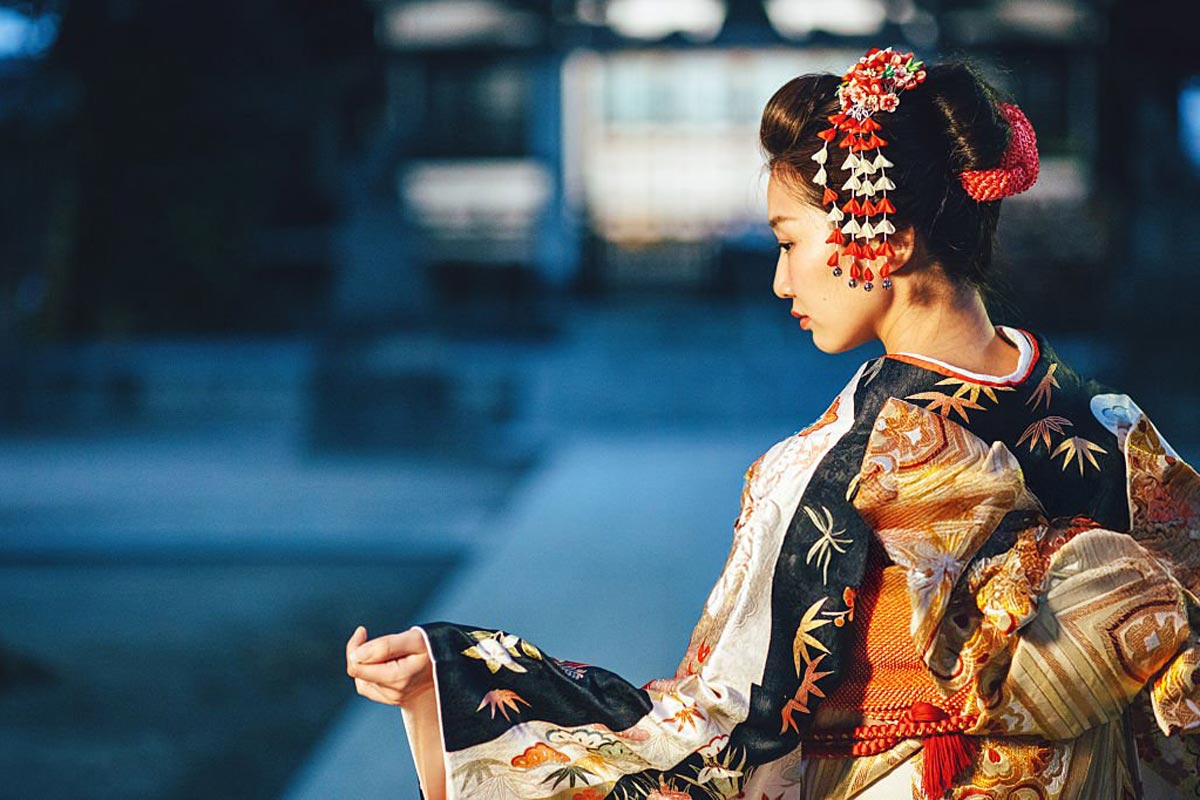
- Capture context: include bridges, shrine gates (torii), or people in kimono to tell a story, not just close-ups of leaves.
- Respect any photography restrictions inside temples or shrines; if in doubt, look for signs or ask staff.
Combining Autumn Leaves with Onsen
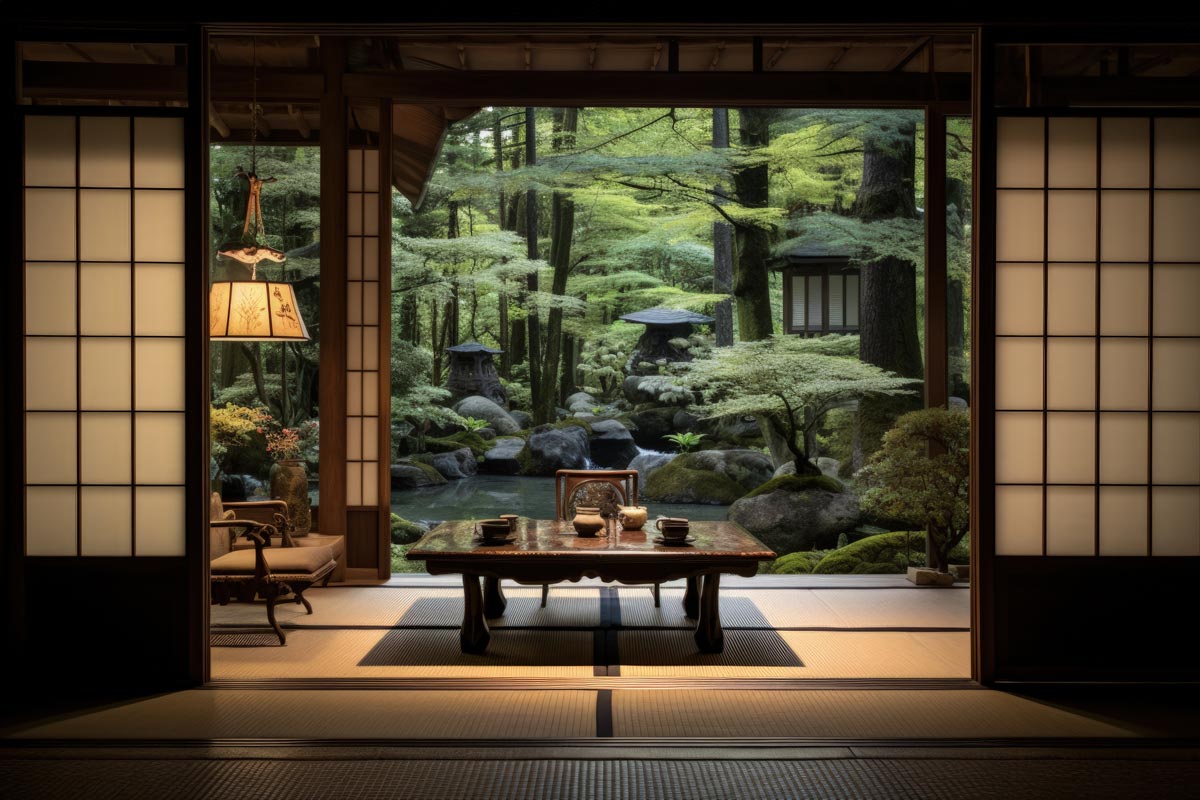
One of the most relaxing ways to experience autumn in Japan is from a hot spring bath. Many traditional inns (ryokan) and onsen resorts feature outdoor pools overlooking maples and mountains. Sitting in steaming mineral water while cool air brushes your face and colored leaves rustle overhead is a uniquely Japanese pleasure.
Popular onsen regions for autumn include Hakone near Tokyo, the mountain villages of Gero and Okuhida in the Japanese Alps, and hot spring towns scattered throughout Tohoku and Hokkaido. Reservations are essential in peak season; if you are shy about shared baths, look for inns with private family baths or in-room open-air tubs.
Making the Most of Your Autumn Journey
Japan’s autumn leaves offer more than beautiful photos. They embody the Japanese appreciation of impermanence – the idea that fleeting moments are worth celebrating precisely because they do not last. Whether you are crossing a maple-lined temple bridge in Kyoto, walking beneath golden ginkgo in Tokyo, or gazing at mountainsides brushed with color, take time to slow down and simply look.
For first-time visitors, planning around the autumn season is a rewarding way to structure a trip. With a little timing, some flexible routing, and an openness to both famous and lesser-known spots, you will discover why many travelers return to Japan in fall again and again.
From city parks to alpine valleys, onsen villages to shrine forests, Japan’s autumn leaves reveal a side of the country that is both deeply traditional and vividly alive. Build them into your itinerary, and your first visit to Japan will be framed in unforgettable color.


