

Japan Travel Web

Summer Festivals

Summer Festivals in Japan: A First-Time Visitor’s Guide

Photos are for illustrative purposes only.

From the crackle of fireworks over a humid night sky to the hypnotic rhythm of drums echoing through lantern-lit streets, Japan’s summer festivals offer one of the most unforgettable ways to experience the country. If you are planning your first trip to Japan between June and September, timing your visit around a summer festival can transform a regular vacation into a vivid cultural memory.

What Makes Japanese Summer Festivals Special?

In Japanese, festivals are called matsuri. Many have centuries-old roots in Shinto shrines or Buddhist temples, celebrating the gods, the harvest, or local history. Today, they blend tradition and fun: portable shrines carried through the streets, lines of dancers in colorful yukata, and rows of food stalls sizzling with classic festival snacks.

Summer festivals in Japan are not limited to one place or one weekend. From Hokkaido in the north to Okinawa in the south, nearly every region has its own signature events. Some are small community gatherings; others, like the big festivals in Tohoku and Kansai, attract millions of visitors each year.

When Is Summer Festival Season in Japan?

Japan’s “summer” festival season generally runs from late June through late August, with some events stretching into early September. The most intense period is from mid-July to mid-August, when school holidays begin and the heat and humidity peak.

Key moments include:

  • Late July: Many cities hold hanabi taikai (fireworks festivals).
  • Early August: Major regional festivals in northern Japan.
  • Mid-August: Obon season, when families honor ancestors and join traditional dances.

If your dates are flexible, aim for the last two weeks of July or the first half of August for the greatest chance to experience a large festival.

Types of Summer Festivals You Can Experience

Fireworks Festivals (Hanabi Taikai)

Japan’s summer fireworks are among the most elaborate in the world. Hanabi taikai often last an hour or more, with complex choreographed displays launched from rivers, bays, or open fields. Families, couples, and groups of friends arrive early with picnic sheets to claim a viewing spot.

Expect:

  • Huge crowds, especially at famous shows in Tokyo, Osaka, and along major rivers.
  • Special trains, temporary traffic restrictions, and designated viewing areas.
  • People wearing summer yukata, eating festival snacks, and taking photos until late at night.

To enjoy a fireworks festival comfortably, arrive at least one to two hours early, bring something to sit on, and carry water and a small towel—the nights stay hot and sticky even after dark.

Bon Odori and Obon Festivals

Obon is a Buddhist-inspired period in mid-August when many Japanese people return to their hometowns to honor ancestral spirits. A common feature of this season is bon odori, community dances held in parks, temple grounds, and town squares.

Participants dance in a circle around a raised platform called a yagura, usually to repeated folk melodies accompanied by drums and flutes. The steps are simple, and visitors are encouraged to join. You may see:

  • Local residents dancing in yukata with folding fans or hand towels.
  • Lanterns hung overhead, giving the entire scene a nostalgic, almost timeless atmosphere.
  • Temporary food and game stalls for children, making it feel like a neighborhood block party.

Bon odori is one of the easiest ways for first-time visitors to connect with local communities. If you are unsure of the steps, just watch the people in front of you and gently copy them.

Traditional Regional Festivals (Mikoshi and Processions)

Some of Japan’s most famous summer events focus on parades, traditional performances, and the carrying of mikoshi—portable shrines that house the local deity for the day. Groups of locals, often in matching festival coats, hoist the mikoshi onto their shoulders and march or even bounce it through the streets, shouting encouragement to each other.

During these festivals, you may see:

  • Floats decorated with lanterns, carved wooden figures, or scenes from myths.
  • Traditional music with taiko drums, flutes, and chanting.
  • Dancers performing carefully preserved local styles, some passed down for generations.

These events are deeply tied to local identity, and joining the crowds along the route lets you feel the pride and energy of the community.

What to Wear: Staying Cool and Respectful

August in Japan is hot and humid, especially in cities like Tokyo, Kyoto, and Osaka. Choose light, breathable clothing—cotton T-shirts, linen shirts, or dresses—and comfortable footwear. You will stand and walk a lot, often on pavement, so sandals with support or sneakers are better than flip-flops.

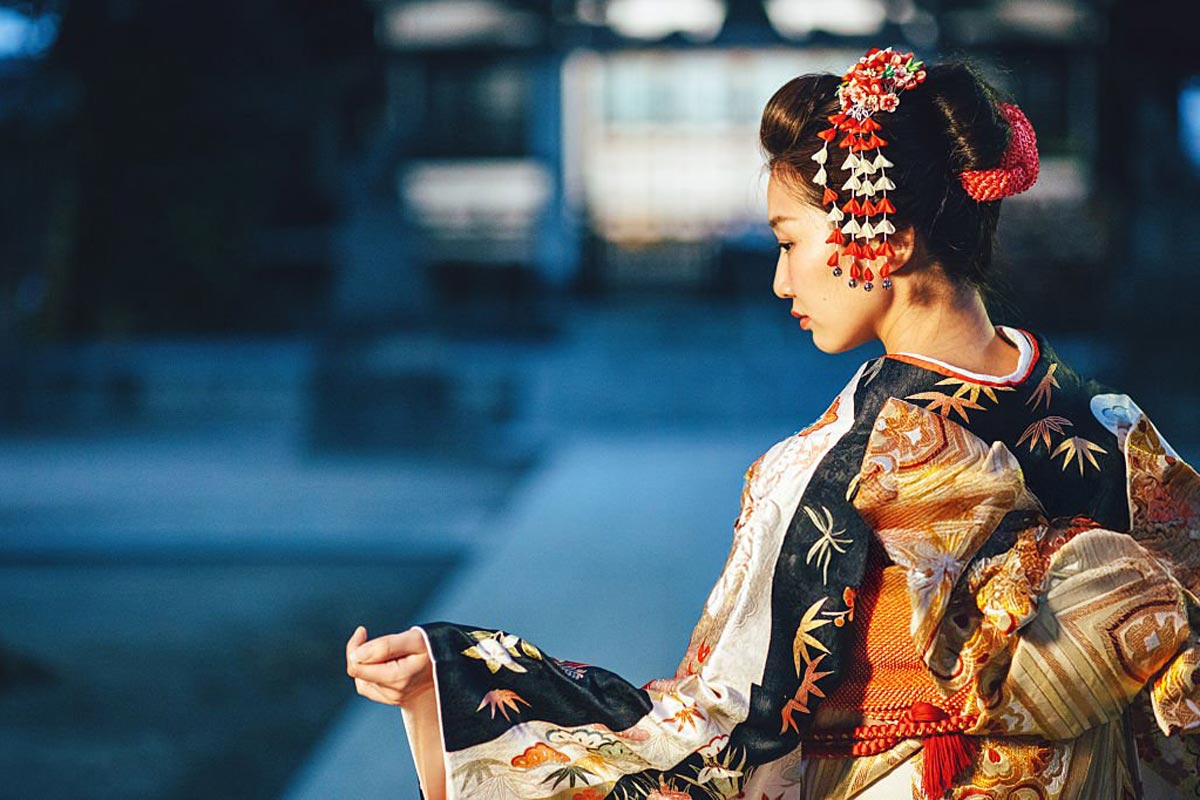
You will notice many people wearing yukata, a casual cotton kimono associated with summer and festivals. Yukata are:

  • Widely available for rent in tourist areas and near major festivals.
  • Cooler and simpler to wear than formal kimono.
  • Often sold in sets with an obi belt and wooden sandals (geta).

It is perfectly acceptable for international visitors to wear yukata at festivals. Rental shops can dress you properly, which helps avoid common mistakes like tying the front panels in the wrong direction. If you prefer regular clothes, that is also fine—festivals are relaxed and open to all.

Festival Food and Drinks to Try

One of the highlights of any Japanese summer festival is the food. Temporary stalls called yatai line the streets, filling the air with the smell of grilling, frying, and sweet sauces. While exact offerings vary by region, some common festival favorites include:

  • Takoyaki: Round balls of batter filled with pieces of octopus, topped with savory sauce, mayonnaise, and dried bonito flakes.
  • Okonomiyaki: A cabbage-filled savory pancake, cooked on a hot plate and customized with different toppings.
  • Yakitori: Skewered, grilled chicken seasoned with salt or sweet soy glaze.
  • Yakisoba: Stir-fried noodles with pork and vegetables, usually seasoned with a Worcestershire-style sauce.
  • Kakigori: Shaved ice flavored with colorful syrups, sometimes with condensed milk or fruit.
  • Chocolate-covered bananas, candied apples, and cotton candy: Festival sweets especially popular with children.

Soft drinks, tea, and beer are typically available. In many places, it is allowed to walk around the festival area with a drink in hand, but be mindful of local rules and dispose of trash in designated bins, which may be grouped for recycling.

How to Find Summer Festivals During Your Trip

Even if your itinerary is already set, chances are good there will be some kind of festival within reach. To locate events:

  • Check official city tourism websites for the month you are visiting.
  • Visit local tourist information centers at major train stations—they usually have event calendars and flyers.
  • Ask hotel or guesthouse staff; many small neighborhood festivals are not widely advertised in English.

Large festivals sometimes require planning far in advance, especially if you want reserved seating for fireworks or parades. For local bon odori or small shrine festivals, you can often join spontaneously just by following the sound of drums and the glow of lanterns.

Etiquette and Cultural Tips for Enjoying Festivals

Japanese summer festivals are lively but also remarkably orderly. Following a few simple guidelines will help you blend in and show respect.

At Shrines and Temples

Many festivals begin or end at a Shinto shrine or Buddhist temple. Even if the mood is festive, religious sites are still places of worship. Remember to:

  • Avoid blocking shrine or temple entrances while taking photos.
  • Use the purification fountain near the entrance if you want to follow local custom: rinse your left hand, then right, mouth (without touching the dipper), and finally the handle.
  • Offer coins at the main hall, bow lightly, and follow the pattern used by locals if you decide to pray.

In Crowds and Parade Areas

During parades and fireworks, crowd control is taken seriously for safety:

  • Follow instructions from staff and volunteers, often wearing brightly colored vests.
  • Do not step into the path of a moving mikoshi or float; carriers need space and may move unpredictably.
  • Stand or sit only in designated viewing areas and avoid blocking narrow alleys or doorways.

When photographing, be careful not to push in front of others. Asking permission before taking close-up photos of individuals, especially children and performers outside official processions, is appreciated.

Noise, Litter, and Local Neighbors

Even though festivals are noisy, many are held in residential areas. After the event ends, avoid shouting on the way back to the station or your accommodation. Carry a small bag for your trash if bins are scarce; in many cases, food stalls will accept used containers back at their booths.

Staying Safe and Comfortable in the Summer Heat

Japan’s summer heat can surprise visitors, particularly those coming from cooler climates. Nighttime festivals can still feel like a sauna, so consider:

  • Hydration: Always carry water or tea. Convenience stores sell bottled drinks and electrolyte beverages, often near stations and festival sites.
  • Sun and heat: During daytime events, use sunscreen, sunglasses, and a hat. A folding fan or small battery-powered fan can be a lifesaver.
  • Rest: Take breaks in shaded areas or air-conditioned shops, especially if you start to feel light-headed.

Public restrooms at stations and parks can become busy during major festivals. Use facilities when you see them rather than waiting until the last minute, and carry a small pack of tissues as some smaller bathrooms may not provide toilet paper.

Suggested Places to Base Yourself

If you are building your trip around summer festivals, certain cities make ideal bases thanks to their transport connections and variety of events:

  • Tokyo: Numerous fireworks festivals along rivers, neighborhood bon odori, and easy day-trip access to nearby cities hosting additional events.
  • Osaka and Kyoto: Combined, these cities offer famous historical summer celebrations, lively street festivals, and easy rail links throughout Kansai.
  • Sendai and northern Honshu: A good base if you want to experience the big Tohoku regional festivals, many of which occur in early August.
  • Fukuoka and Kyushu: Warmer southern nights and unique local traditions, often with fewer foreign tourists than major metropolitan hubs.

Japan’s rail network makes it relatively easy to attend festivals in nearby towns even if you are staying in a big city, but late-night events may finish after the last train. Check schedules in advance if you plan to attend until the very end.

Making the Most of Your Summer Festival Experience

For many first-time visitors, a Japanese summer festival becomes the defining memory of their trip: the weight of the humid air, the sound of drums and laughter, the flash of fireworks reflected in a river, and the warmth of locals happy to share their traditions.

To get the most from your experience:

  • Arrive early to soak up the atmosphere, not just for the main event.
  • Try at least one local food specialty you have never heard of before.
  • Join the dancing if invited—participation is more important than perfection.
  • Balance taking photos with simply watching and listening; some of the best moments are unrecorded.

With a bit of planning and an open mind, Japan’s summer festivals offer far more than entertainment. They are a living window into the country’s seasonal rhythms, community spirit, and deep connection between past and present. If your travels bring you to Japan in summer, make space in your itinerary—and your evening—for at least one unforgettable night under the lanterns.

Klook.com

Recommended spots for Summer Festivals

Tokyo
- Sumida River Fireworks

Osaka
- Tenjin Matsuri

Aomori
- Nebuta Festival

Sendai
- Tanabata Festival

Kyoto
- Gion Matsuri

Other Seasonal Spot

Cherry Blossoms

Autumn Leaves

Winter Snow