

Winter Snow
Winter Snow in Japan: A First-Time Traveler’s Guide to a Magical Season
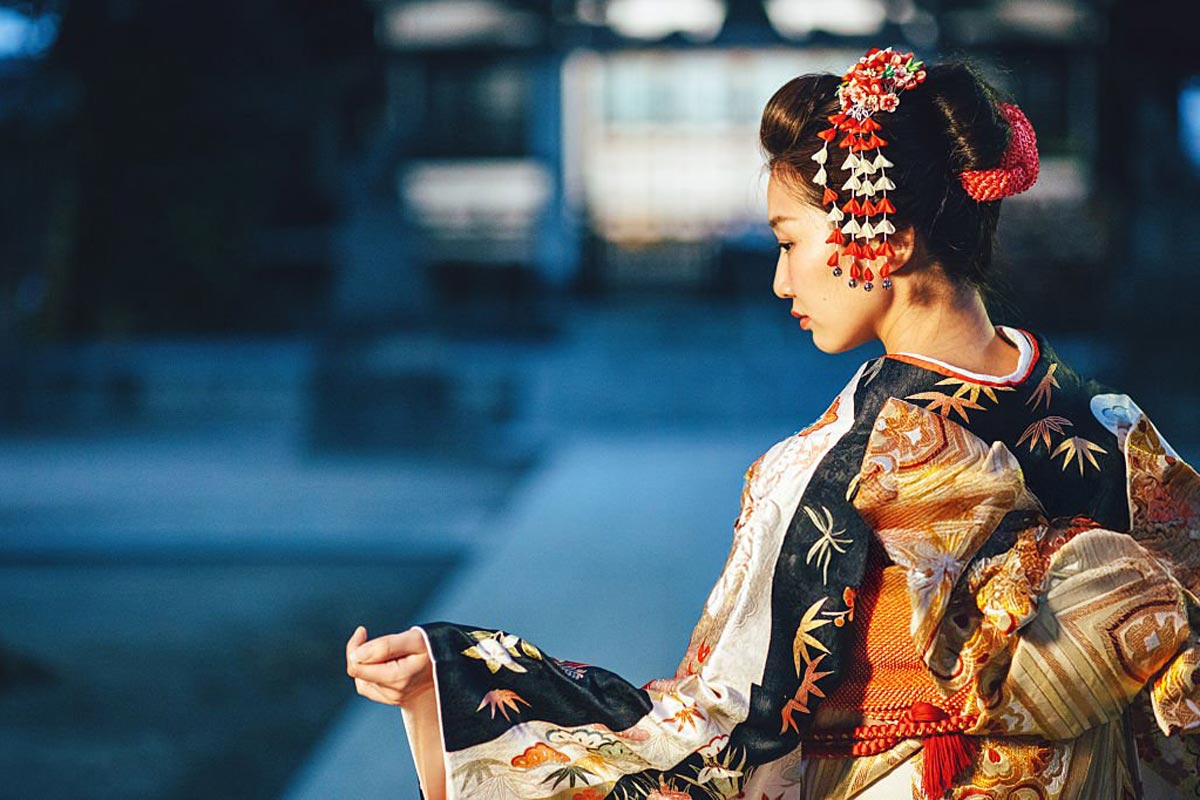
Photos are for illustrative purposes only.
Japan in winter feels like stepping into a quiet, glittering dream. Powdery snow falls silently over temples, hot springs steam in frosty mountain air, and lantern-lit streets glow against the early evening sky. For first-time visitors, winter snow in Japan is more than a pretty backdrop – it’s a season full of cultural traditions, outdoor adventure, and surprisingly comfortable travel.
Why Experience Japan in the Snowy Season?
Many travelers picture cherry blossoms or summer festivals when they think of Japan, but winter (December to early March) offers a very different kind of charm:
- Beautiful contrast: Red shrine gates and dark temple roofs stand out dramatically against clean white snow.
- Fewer crowds: Outside of major ski resorts and New Year’s holidays, popular sights are quieter than in spring or autumn.
- Relaxing hot springs: Bathing in an outdoor onsen while snowflakes fall is a classic Japanese winter experience.
- World-class snow: Northern Japan is famous for light, dry powder ideal for skiing and snowboarding.
Even if you are not a winter sports fan, Japan’s snowy landscapes and cozy seasonal food make this a rewarding time for a first visit.
Where to Find Japan’s Best Winter Snow
Hokkaido: Powder Paradise and Winter Festivals
Japan’s northernmost island, Hokkaido, is the country’s snow kingdom. From late December through February, deep, reliable snowfall transforms the region into a playground for winter lovers.
Niseko and other ski resorts: Niseko, Furano, and Rusutsu are known worldwide for their light, dry “Japow” (Japanese powder). English is widely spoken, rental gear is easy to find, and many hotels offer ski-in/ski-out convenience. Niseko’s town area has international restaurants, but you can also enjoy authentic izakaya pubs and local ramen after a day on the slopes.
Sapporo Snow Festival: Each February, Sapporo hosts huge snow and ice sculptures, some as big as buildings, illuminated at night. Stalls sell hot snacks like grilled seafood, corn butter ramen, and hot amazake (sweet rice drink). Dress warmly – the air can be well below freezing – and plan accommodation early as hotels book out months in advance.
Tohoku: Deep Snow and Traditional Villages
Tohoku, the northern part of Japan’s main island Honshu, is less crowded than Hokkaido but just as snowy. It combines dramatic winter landscapes with a more rural, traditional atmosphere.
Ginzan Onsen: This nostalgic hot spring town in Yamagata Prefecture looks like a scene from an old Japanese film. Wooden ryokan (traditional inns) line a narrow river, and in winter, snow piles softly on their rooftops. Gas lamps light the streets at dusk, and the whole town feels like a living postcard. Staying overnight allows you to soak in steaming baths while watching snow fall outside.
Snow monsters at Zao Onsen: Also in Yamagata, Zao Onsen is famous for its “snow monsters” – trees completely covered in wind-blown ice and snow, forming otherworldly shapes. A ropeway lifts visitors to viewpoints where, after dark, colored lights make the snow monsters glow in eerie, beautiful patterns. Zao is also a ski resort, so you can combine sightseeing with skiing and hot springs in one trip.
Nagano and Niigata: Alpine Landscapes Near Tokyo
If you are based in Tokyo and want to experience winter snow without flying, Nagano and Niigata are convenient choices. High-speed trains connect the capital with the Japan Alps in just a few hours.
Hakuba and Nozawa Onsen: Hakuba Valley in Nagano hosted events during the 1998 Winter Olympics and offers varied ski terrain suitable for beginners to experts. Nozawa Onsen combines ski slopes with a charming hot spring village, where free public bathhouses fed by natural springs are scattered through narrow lanes. Snow frequently covers the rooftops, and steam curls up from bathhouse chimneys.
Snowy mountain shrines and temples: In these regions, simple walks through quiet villages can be just as memorable as active sports. A small shrine surrounded by cedar trees and fresh snow captures the peaceful side of the Japanese winter.
Onsen: Enjoying Hot Springs in the Snow
Few experiences are as uniquely Japanese – or as satisfying – as slipping into an outdoor hot spring with snow gently falling around you. Onsen culture is deeply rooted in everyday Japanese life, and winter is when it feels most luxurious.
How onsen work: Onsen baths are filled with naturally heated mineral water, believed to have health benefits. Many ryokan and hotels in snowy regions have rotenburo, outdoor baths where you can breathe icy air while your body stays comfortably warm. In some places, snow piles high on rock walls or pine branches around the bath, amplifying the sense of escape.
Basic etiquette for first-timers:
- Wash thoroughly at the shower area before entering the bath.
- Swimsuits are usually not allowed; guests bathe nude, but men’s and women’s baths are separated.
- Bring only your small towel to the bath area and keep it out of the water.
- Move slowly when it is cold outside; surfaces can be slippery.
In winter, locals often visit onsen to ease stiff muscles, warm up deeply, and simply enjoy the quiet. For travelers, it is both a cultural lesson and pure relaxation.
Winter Snow Festivals and Illuminations
Japan embraces the long, dark nights of winter with creative light displays and seasonal events. These are particularly atmospheric when framed by snow.
Snow festivals in northern Japan: Besides Sapporo, many towns in snowy regions host smaller snow events. Temporary snow slides, snowmen contests, and lantern-lit snow corridors create a playful, family-friendly atmosphere. Hot local foods – from skewered mochi to grilled river fish – keep visitors warm.
Illuminations in cities: Even if you stay in Tokyo, Osaka, or Kyoto, you can still enjoy a touch of winter magic. From November to February, popular districts decorate trees and streets with millions of LED lights. On rare snowy days in cities, these illuminations take on a fairytale quality as snowflakes reflect the lights.
Weather, Packing, and Staying Comfortable
Japan’s winter weather varies by region, but with the right clothing, it is easy to stay warm and enjoy the snow.
Typical winter conditions:
- Hokkaido and Tohoku: Very cold, frequent snowfall, often below freezing all day.
- Nagano and Niigata mountains: Cold, with heavy snow at higher elevations.
- Tokyo, Osaka, Kyoto: Mostly dry and crisp, with occasional light snow that rarely settles for long.
What to pack:
- Warm, waterproof jacket and a compact down layer for flexibility.
- Hat, scarf, gloves, and thermal base layers.
- Water-resistant boots or shoes with good grip – very useful on icy streets.
- Heat packs (kairo), easily found in convenience stores, to slip into pockets or shoes.
Many buildings and trains are well heated, so layering is important. You may find yourself taking off outer layers on the subway and putting them back on when you step out into the snow.
Getting Around Japan in Winter
Japan’s transport system is robust and efficient, even in heavy snow. Trains and buses usually run on time, although delays can occur in blizzards.
Trains: The shinkansen (bullet train) connects major cities with many winter destinations. For example, Tokyo to Nagano or Niigata takes around 1.5–2 hours. From there, local trains or buses connect to ski resorts and onsen towns. Seats can be reserved, which is useful around New Year and weekends.
Buses and resort shuttles: Snow resorts often provide direct bus services from major train stations or even from Tokyo. These are comfortable, heated, and equipped for winter roads. Check timetables well in advance, especially if you are coordinating with flight or train schedules.
Driving: Renting a car can offer flexibility in rural snowy areas, but winter driving in Japan requires confidence on icy roads and, in some regions, snow tires or chains are mandatory. For most first-time visitors, public transport is the safer and more relaxing option.
Seasonal Food and Drinks for Cold Days
Winter snow in Japan is also a culinary season. As the weather cools, menus change to feature warming, hearty dishes that are perfect after a day outdoors.
Comfort foods to try:
- Nabe (hot pot): Shared at the table, this dish features vegetables, tofu, and meat simmered in a flavorful broth. It is especially cozy in snowy mountain towns.
- Oden: A simple yet satisfying mix of fish cakes, daikon radish, eggs, and other ingredients simmered in a light soy broth. Sold in izakaya and even convenience stores.
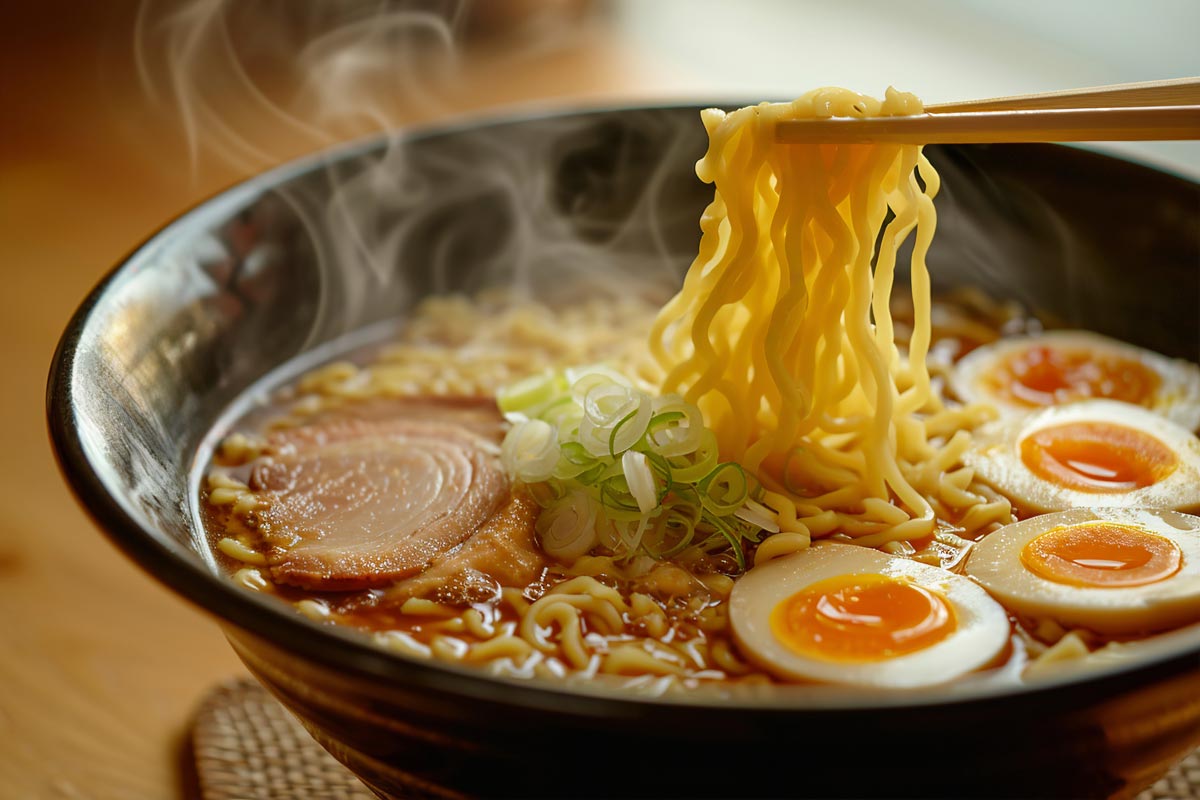
- Ramen: Regional styles, like miso ramen in Sapporo, feel especially rich in winter. The combination of hot soup and cold air is deeply satisfying.
- Grilled seafood: Coastal regions like Hokkaido serve fresh crab, scallops, and other seafood, often eaten with hot sake.
Warm drinks: Try hot matcha, roasted green tea (hojicha), or seasonal drinks from vending machines – everything from hot coffee to sweet corn soup comes in warming cans.
Cultural Touches: Winter Traditions and Quiet Moments
While snow and skiing might be the visual highlights, winter in Japan also carries subtle cultural moments worth noticing.
New Year atmosphere: If you visit around late December and early January, you will see decorations of pine and bamboo, special New Year foods in supermarkets, and people visiting shrines for their first prayer of the year. It is the country’s most important holiday, and many businesses close for a few days, but the atmosphere feels calm and reflective.
Snow-covered shrines and temples: In Kyoto or smaller historic towns, a light snowfall transforms familiar sights into something ethereal. Arriving early in the morning, when footsteps have not yet disturbed the snow, can give you a rare, tranquil view of famous landmarks.
The sound of winter: In rural areas, you may hear only the crunch of snow underfoot, the distant whistle of a train, or a temple bell echoing through cold air. These small sensory details are part of what makes a winter journey through Japan so memorable.
Planning Your First Winter Snow Trip to Japan
To make the most of your snow-filled adventure, consider balancing active days with slower, cultural experiences.
- Combine a major city like Tokyo or Osaka with a few nights in a snowy region such as Nagano, Niigata, Tohoku, or Hokkaido.
- Book popular ski resorts and famous onsen towns well in advance, especially if traveling in late December, New Year, or February.
- Check local event calendars for snow festivals and illuminations during your travel dates.
- Leave a little flexibility in your schedule in case of heavy snow that might delay some transport.
Above all, allow yourself time to slow down and simply enjoy the atmosphere: steam rising from a hot spring, snowflakes drifting past lanterns, and the quiet beauty of a landscape transformed by winter snow. For many travelers, this season reveals a gentler, more introspective side of Japan – one that often becomes the most cherished memory of their first trip.


