
Cherry Blossoms
Cherry Blossoms in Japan: A First-Time Traveler’s Guide
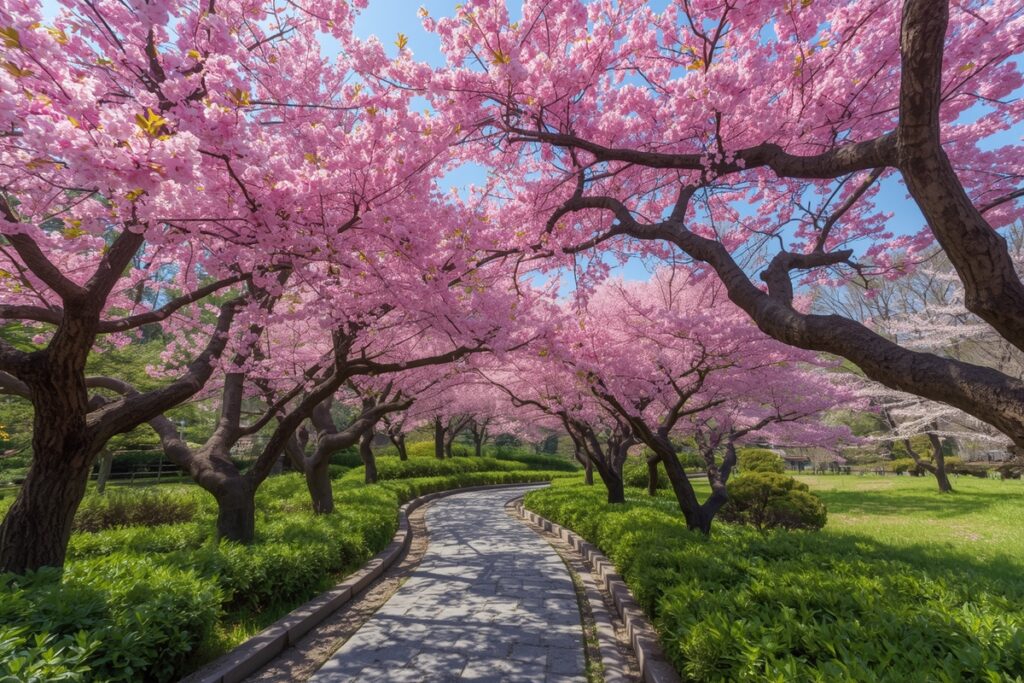
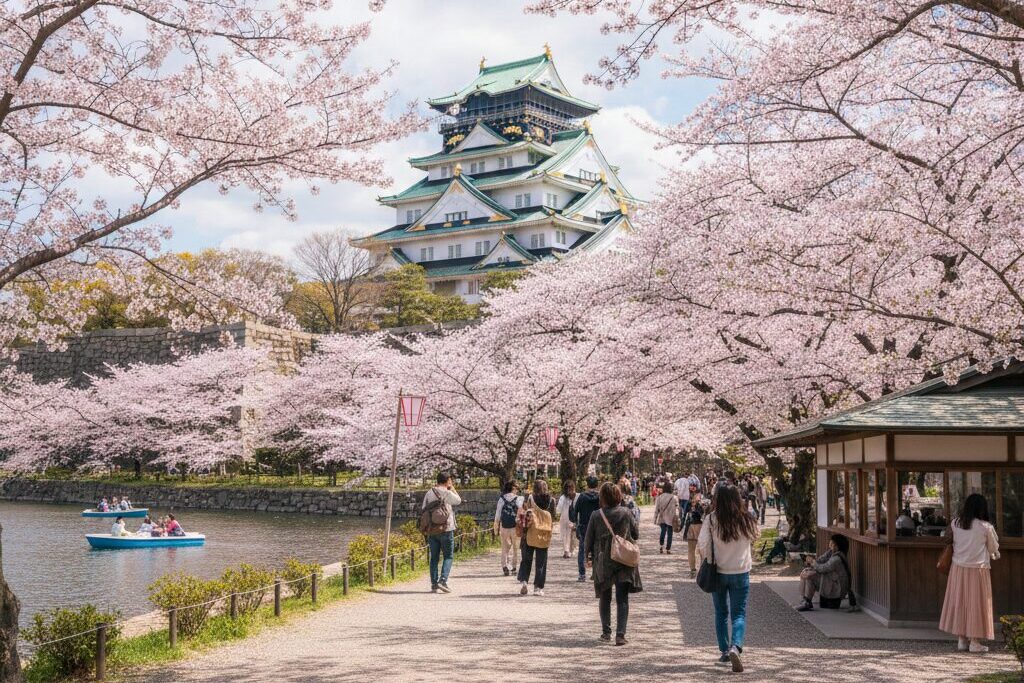
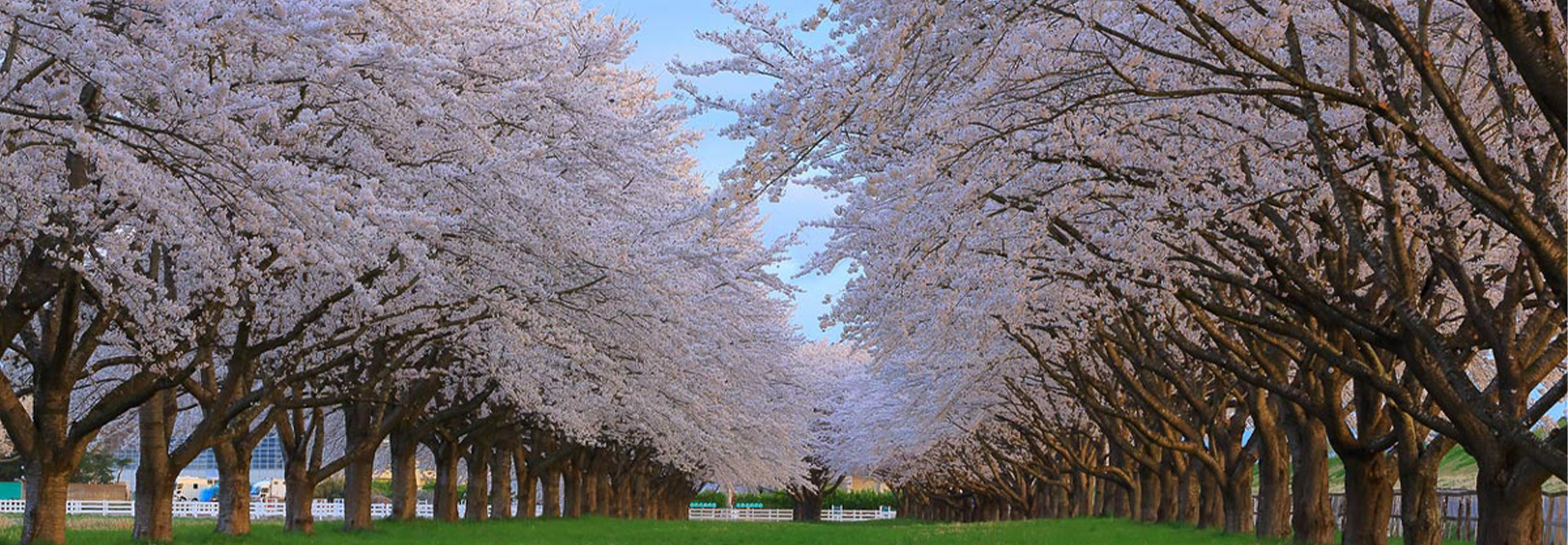
Photos are for illustrative purposes only.
For many travelers, seeing cherry blossoms in Japan is a once-in-a-lifetime dream. For just a few fleeting weeks each spring, the country is transformed as delicate pink and white petals drift through the air, parks fill with picnics, and entire cities celebrate the coming of warmer days. If you are planning your first trip to Japan, timing it with cherry blossom season can make your visit truly unforgettable—provided you understand how the season works and how to enjoy it like a local.
Understanding Sakura: More Than Just a Pretty Flower
In Japanese, cherry blossoms are called sakura, and they hold a deep cultural meaning. For centuries, poets, painters, and everyday people have seen sakura as a symbol of fleeting beauty and the impermanence of life. The blossoms appear suddenly, reach their full glory for only a few days, and then fall away in gentle flurries of petals—reminding people that beautiful moments never last forever.
This idea is tied to a broader Japanese aesthetic known as mono no aware, often translated as an awareness of the transience of things. When people gather under the cherry trees, they are not just taking photos; they are also quietly celebrating the arrival of spring, reflecting on time passing, and appreciating the present moment.
When Is Cherry Blossom Season in Japan?
One of the biggest challenges for first-time visitors is that there is no single fixed “cherry blossom week” in Japan. The time of blooming varies every year and differs across regions from south to north.
Typical Sakura Timing by Region
As a general guideline, cherry blossoms bloom earlier in the warmer south and later in the cooler north:
- Kyushu (Fukuoka, Nagasaki, Kagoshima): Late March to early April
- Western & Central Japan (Hiroshima, Osaka, Kyoto, Nara, Nagoya): Late March to early April
- Tokyo & Yokohama Area: Late March to early April
- Tohoku Region (Sendai, Akita, Aomori): Mid-April to late April
- Hokkaido (Sapporo, Hakodate): Late April to early May
Within each city, the period when trees are at their best—called mankai, or full bloom—usually lasts only about three to seven days. This is the time when every branch looks heavy with blossoms and parks are at their most photogenic.
How to Track the Cherry Blossom Forecast
Because weather can shift the season forward or backward by a week or more, many Japanese travelers rely on the annual cherry blossom forecast, updated from January through April. Look for English-language forecasts from Japanese weather services and tourism organizations, which provide expected “opening” (kaika) and “full bloom” (mankai) dates for major cities.
For the best chance of catching the blossoms, plan a trip of at least 7–10 days and include multiple regions on your itinerary—such as a combination of Tokyo, Kyoto, and a more northerly destination like Sendai or Aomori. This way, if you miss full bloom in one place, you might catch it in another.
What Is Hanami? How Locals Celebrate
Cherry blossom viewing in Japan is not just about looking at trees; it is a social event called hanami, literally “flower viewing.” Families, friends, students, and colleagues all gather under the blossoms to eat, drink, chat, and relax.
In popular spots, especially in big cities, groups often “reserve” a place early by spreading out a plastic picnic sheet in the morning or even the night before. By evening, those blue sheets are covered with food, drinks, and people laughing together under the lantern-lit branches.
What to Bring for a Hanami Picnic
As a visitor, you are welcome to take part in this tradition. For a comfortable hanami experience, consider bringing:
- A picnic sheet or blanket (many convenience stores sell cheap plastic sheets in spring)
- Ready-made foods from convenience stores or department store food halls—think sushi rolls, bento boxes, fried chicken, and seasonal snacks
- Drinks, including soft drinks, tea, or alcohol (where permitted—check local rules)
- Warm layers, as evenings in March and April can be cold even if the sun is out during the day
- A bag for your trash, as bins may be limited and taking your garbage home is considered polite
Part of the joy of hanami is sampling seasonal treats. Look for sakura-flavored mochi, pink sweets, or limited-edition drinks and snacks inspired by the blossoms.
Cherry Blossom Etiquette: Do’s and Don’ts
To enjoy the flowers respectfully and avoid disturbing others, it is helpful to keep a few simple rules in mind:
- Do not touch or break the branches. Climbing trees, pulling branches for a photo, or picking blossoms are all discouraged.
- Keep your voice down at night. Hanami can be lively, but loud shouting or singing late at night may bother local residents.
- Follow park rules on alcohol, fires, and tents. Some parks ban alcohol or restrict picnics in certain areas. Check signs and announcements.
- Take your trash with you. Garbage bins may be overflowing during peak season; having your own trash bag is essential.
- Stay on paths and designated lawns. Avoid stepping into roped-off areas where the ground is being protected.
- Be considerate when taking photos. Popular trees and viewpoints attract many visitors—wait your turn and avoid blocking others for long periods.
Top Cherry Blossom Destinations for First-Time Visitors
Almost every city and town in Japan has cherry trees, but some locations are especially beautiful or convenient for first-time travelers. Below are some classic spots often included in spring itineraries.
Tokyo: Urban Sakura and Riverside Walks
Tokyo offers a wide variety of cherry blossom experiences, from tranquil shrines to dramatic rivers lined with blossoms.
- Ueno Park: One of the oldest and busiest hanami locations in Japan. A central walkway is lined with hundreds of trees that form a pink tunnel at full bloom. Expect large crowds and a lively atmosphere.
- Chidorigafuchi: Near the Imperial Palace, this moat is famous for its trees arching over the water. You can rent a rowboat for romantic views of petals drifting on the surface.
- Meguro River: In the Nakameguro area, cherry trees line both banks of a narrow river, with branches reaching over the water. Lanterns and food stands appear in the evenings, making it a favorite for photographers.
- Shinjuku Gyoen National Garden: A large, more relaxed park with an admission fee that helps keep it a little less crowded. It has a variety of cherry species that bloom at slightly different times.
Kyoto: Temples, Shrines, and Historical Atmosphere
Kyoto combines cherry blossoms with traditional architecture, making it one of the most atmospheric places to enjoy sakura.
- Philosopher’s Path: A canal-side walkway in northern Kyoto decorated with cherry trees. The peaceful path connects several temples and is especially beautiful in the morning.
- Maruyama Park: Adjacent to Yasaka Shrine, this park features a famous weeping cherry tree illuminated at night. Food stalls and crowds give it a festival feel.
- Heian Shrine Garden: Behind the shrine’s bright orange gates lies a spacious garden with late-blooming cherry trees, making it a good choice if you arrive slightly after peak bloom.
- Kiyomizu-dera and Higashiyama: The slopes below this hilltop temple are dotted with cherry trees. From the wooden stage of Kiyomizu-dera, you can look out over a sea of blossoms and tiled roofs.
Osaka and Nearby Highlights
Osaka offers both urban blossoms and easy access to nearby historic sites.
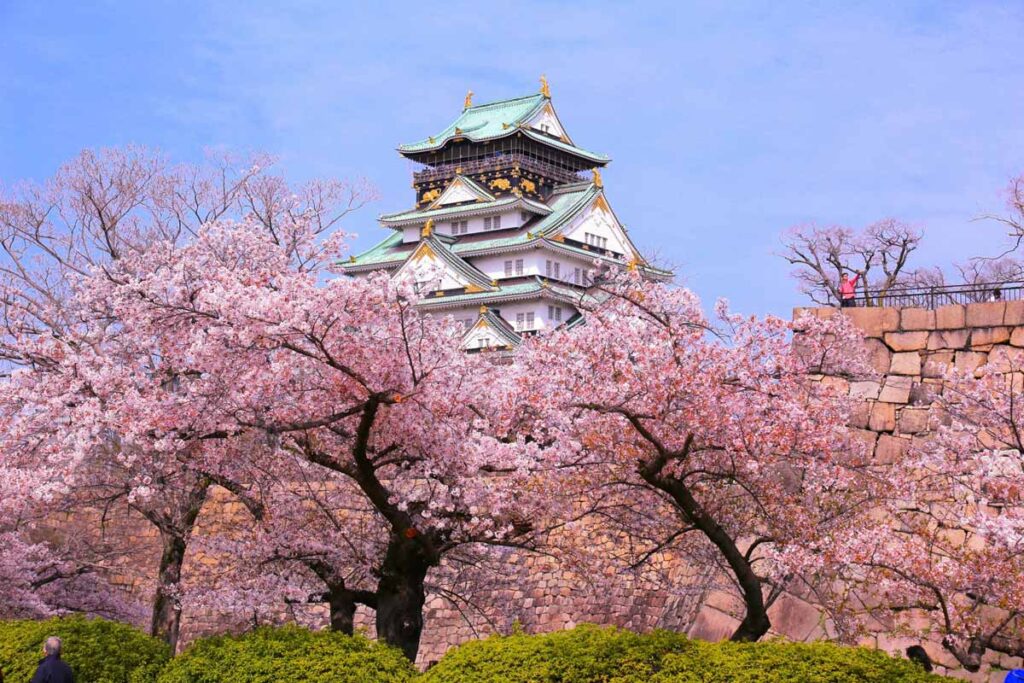
- Osaka Castle Park: Hundreds of sakura trees surround the castle, creating superb views from the moat and grounds. In the evening, the combination of illuminated blossoms and castle walls is especially striking.
- Kema Sakuranomiya Park: Along the riverside, a long stretch of trees makes for lovely walks and riverside picnics.
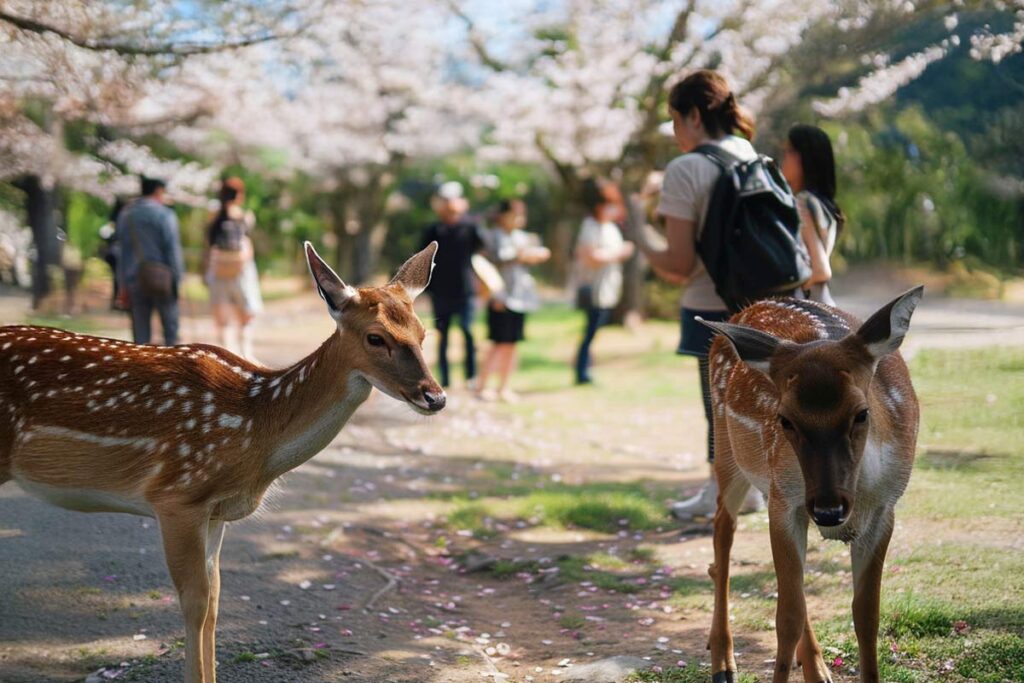
- Nara Park (day trip): About an hour away, Nara Park combines friendly deer, temples, and cherry trees around traditional buildings and ponds.
Tohoku and Hokkaido: Later Blossoms and Fewer Crowds
If your trip falls in mid-to-late April or early May, or if you want to avoid the busiest areas, consider heading north.
- Hirosaki Castle (Aomori): One of Japan’s most famous cherry blossom spots, with moats filled with petals and beautiful views of snowy mountains in the distance.
- Kitakami Tenshochi Park (Iwate): A riverside park boasting long tunnels of cherry trees and scenic boat rides.
- Matsumae Park (Hokkaido): Surrounding Matsumae Castle, this park has many different varieties of cherries that bloom at slightly different times, extending the season.
- Maruyama Park & Hokkaido Shrine (Sapporo): Locals gather here under large cherry trees, often combining hanami with visits to the shrine.
Planning Your Cherry Blossom Trip
Because sakura season is one of the busiest times of the year in Japan, extra planning is important.
Book Early and Expect Higher Demand
Hotels, popular trains, and domestic flights often sell out weeks or months in advance for late March and early April in major cities. If you want to stay near famous parks or in traditional ryokan in Kyoto, book as soon as your travel dates are set.
Prices for accommodation and flights can be higher than other times of year, so building flexibility into your budget is wise. Consider staying slightly away from the busiest neighborhoods and using Japan’s efficient train networks to reach cherry blossom sites.
Use the Rail Network to Follow the Blossoms
Japan’s shinkansen (bullet trains) and limited express services make it easy to move between regions as the season progresses. For example, you could:
- Start in Tokyo for early blossoms
- Travel to Kyoto or Osaka as trees reach full bloom there
- Continue north to Sendai, Morioka, or Aomori as the blossoms open later in April
For multi-city itineraries, rail passes such as the Japan Rail Pass or regional passes can offer good value, especially if you plan long-distance trips within a short period.
What If You Miss Peak Bloom?
Many visitors worry about arriving “too early” or “too late,” but cherry season is more than a single perfect day. Different varieties of trees bloom at different times, and some locations have both early and late-blooming species.
- Early in the season: You may see buds and the first opening flowers, which can be dramatic in their own way, especially when set against winter landscapes or still-chilly city streets.
- Late in the season: You might miss the peak of color, but enjoy hanafubuki—"flower blizzards" of petals swirling through the air and covering paths like pink snow.
And if the weather truly does not cooperate, Japan in spring still offers plum blossoms, fresh greenery, seasonal foods, and many cultural experiences that are not tied to the exact timing of the sakura.
Practical Tips for Enjoying Sakura Comfortably
- Dress in layers: Days can be mild while mornings and evenings are cold. A light jacket, scarf, and warm socks can make long hanami sessions more pleasant.
- Visit popular spots early: If you prefer quieter experiences, head to famous parks just after opening time on weekdays.
- Explore neighborhood parks: Almost every residential area has small parks and riverside paths with cherry trees—these can feel more relaxed and local than “top 10” destinations.
- Try night viewing: Many parks and rivers are illuminated with lanterns or spotlights after sunset, creating a very different, almost magical atmosphere.
- Check local event calendars: Seasonal festivals, light-ups, and temporary food stalls often appear only during the blossom period. Tourist information centers and hotel staff can point you toward nearby events.
Making the Most of Your Sakura Journey
Cherry blossoms in Japan are as much about mood and shared experience as they are about color and scenery. Whether you are picnicking with new friends in a crowded city park, strolling along a quiet canal in the early morning, or standing under a single tree watching petals fall, try to slow down and be present in the moment.
For a first-time visitor, planning around sakura means more than checking a forecast. It is an invitation to experience how Japan welcomes spring: with appreciation, community, and an eye for fragile beauty. With some basic knowledge of timing, etiquette, and key locations, your cherry blossom trip can become the highlight of your journey to Japan—and a memory that will stay with you long after the last petals have fallen.

Recommended spots for Cherry Blossoms
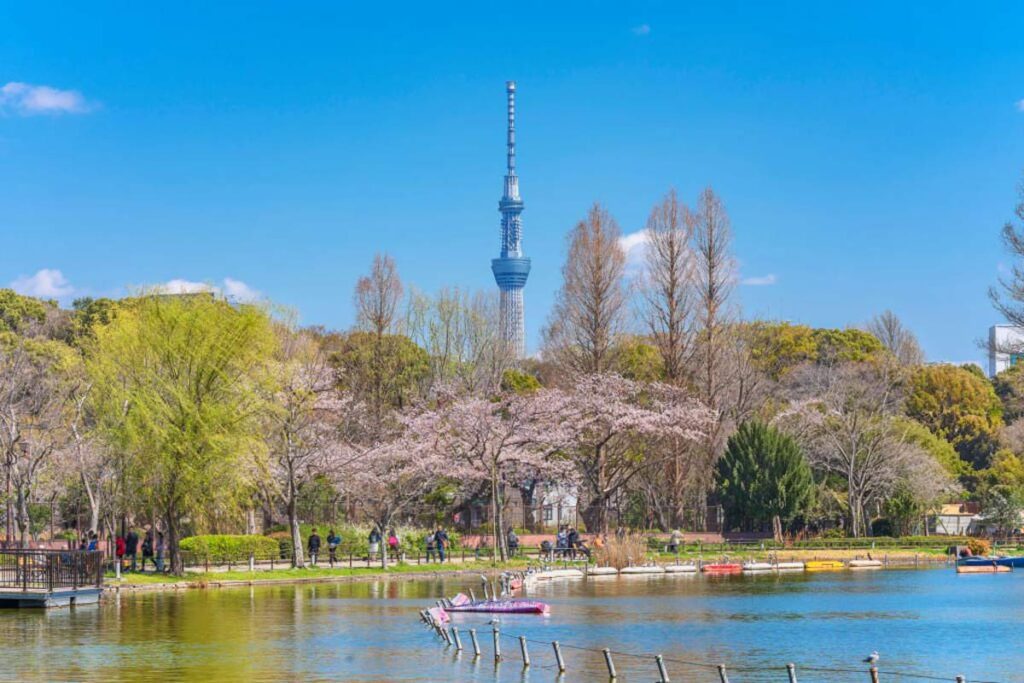
Tokyo
- Ueno Park
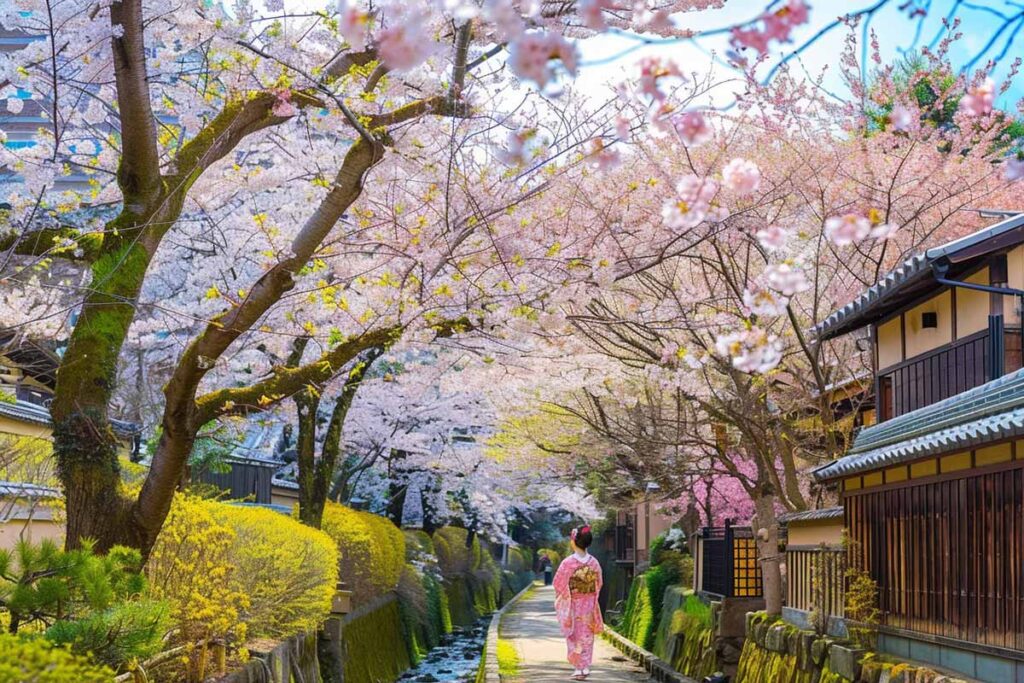
Kyoto
- Philosopher's Path
Osaka
- Osaka Castle Park
Nara
- Nara Park
Kanagawa
- Kamakura
Other Seasonal Spot
Summer Festivals
Autumn Leaves