


Chiba
Chiba Travel Guide: Coastal Escapes Just Beyond Tokyo
Photos are for illustrative purposes only.
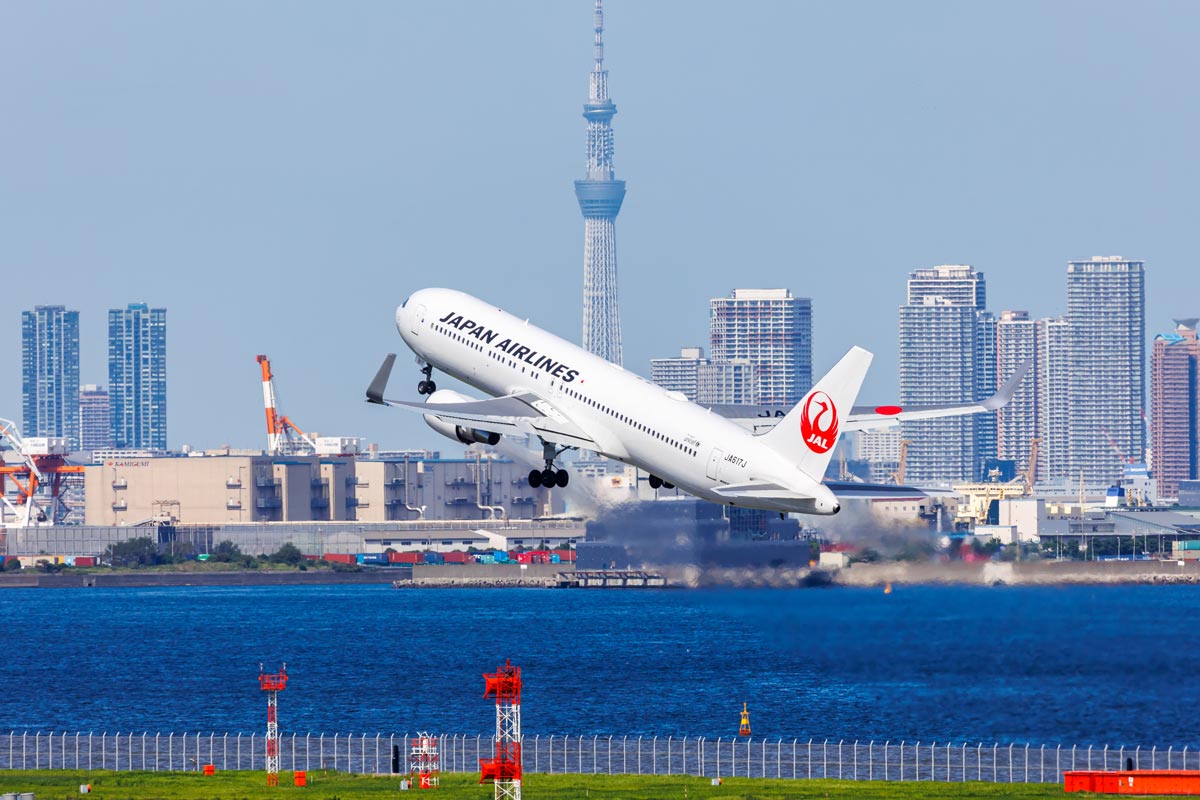
For many first-time visitors to Japan, Chiba is simply the place where their flight lands. But this coastal prefecture east of Tokyo is far more than Narita Airport. From dramatic cliffs and Pacific beaches to ancient temples and rural hot springs, Chiba is one of the easiest places to escape Tokyo’s crowds while still enjoying excellent transport and visitor-friendly facilities.
This guide introduces the best things to do in Chiba for international travelers, with practical tips on transport, timing, and local culture so you can confidently add it to your Japan itinerary.
Why Visit Chiba?
Chiba Prefecture curves around the eastern edge of Tokyo Bay and stretches out into the Pacific Ocean. It offers a mix of coastal scenery, small port towns, farmland, and forested hills, all within about one to two hours of central Tokyo.
Reasons to include Chiba in your Japan trip:
- Easy access from Tokyo and Narita Airport – ideal for short stays or layovers
- Milder, seaside climate – especially pleasant in spring and autumn
- Natural landscapes – cliffs, rice terraces, rugged coastline, and hiking trails
- Temples and shrines – quieter than Kyoto, but rich in history and atmosphere
- Onsen (hot springs) – coastal resort towns with ocean-view baths
Getting Oriented: Main Areas of Chiba
Chiba is large, but most visitors focus on a few main areas:
Narita Area
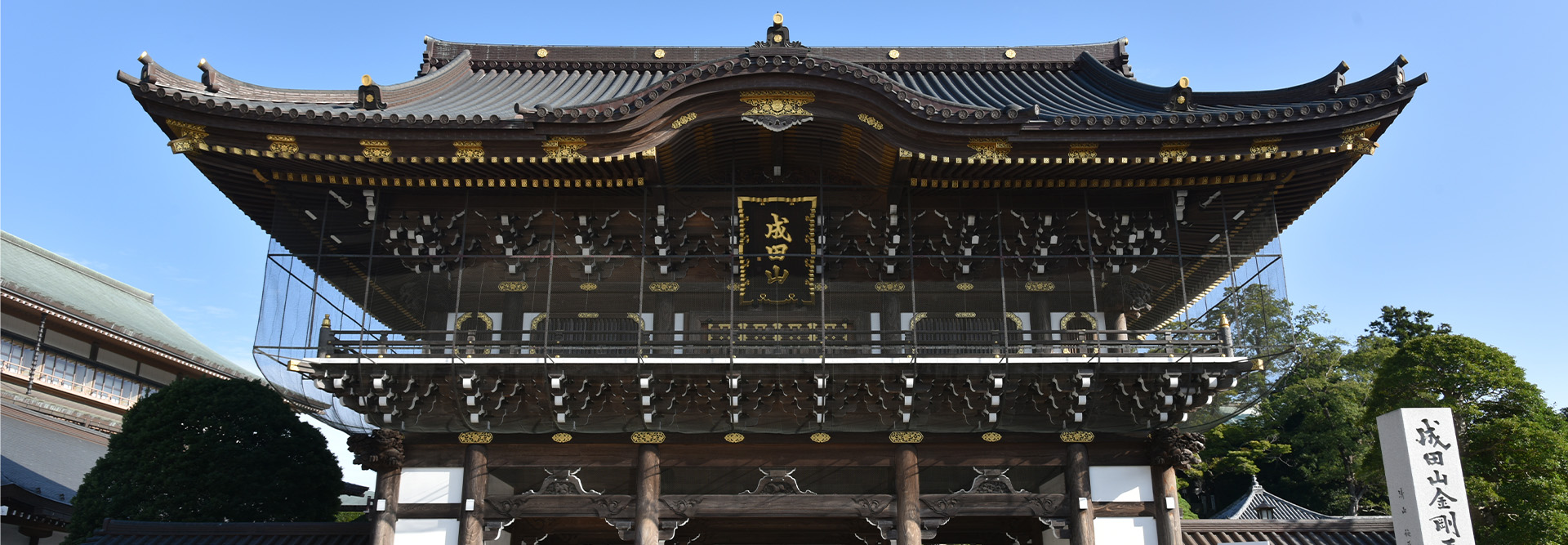
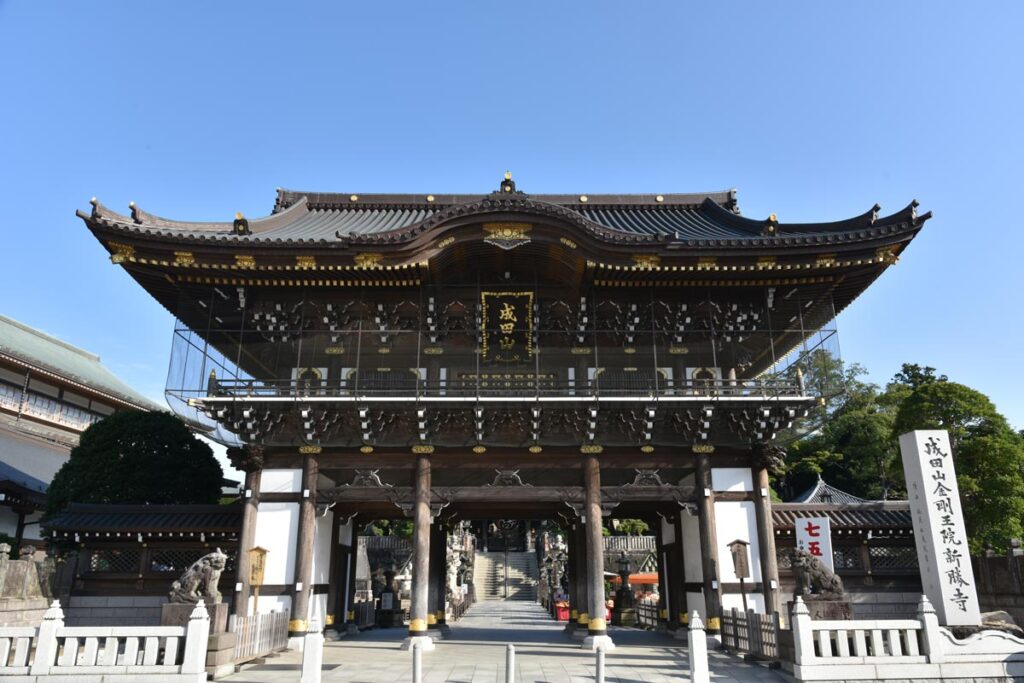
Narita is much more than an airport. The traditional town around Naritasan Shinshoji Temple is one of the best places near Tokyo to experience old-fashioned streets, temple architecture, and seasonal festivals. It works well as a half-day or overnight stop at the beginning or end of your trip.
Tokyo Bay Side (Chiba City and Maihama)
The west side of the prefecture faces Tokyo Bay. Chiba City is the prefectural capital with shopping and museums, and Maihama is home to Tokyo Disney Resort, a major draw for families and Disney fans from around the world.
Boso Peninsula
Projecting into the Pacific Ocean, the Boso Peninsula is where you find cliffs, beaches, surf spots, fishing harbors, temples on mountainsides, and hot spring towns. Cities like Tateyama and Kamogawa are good bases for exploring this region.
Top Things to Do in Chiba
1. Wander the Temple Town of Narita
If you are landing at Narita Airport, Narita City is one of the easiest cultural excursions you can make in Japan.
The highlight is Naritasan Shinshoji Temple, a large Buddhist temple complex founded over 1,000 years ago. It is dedicated to Fudō Myōō, a fierce protective deity, and is a popular place for New Year’s visits and daily prayers.
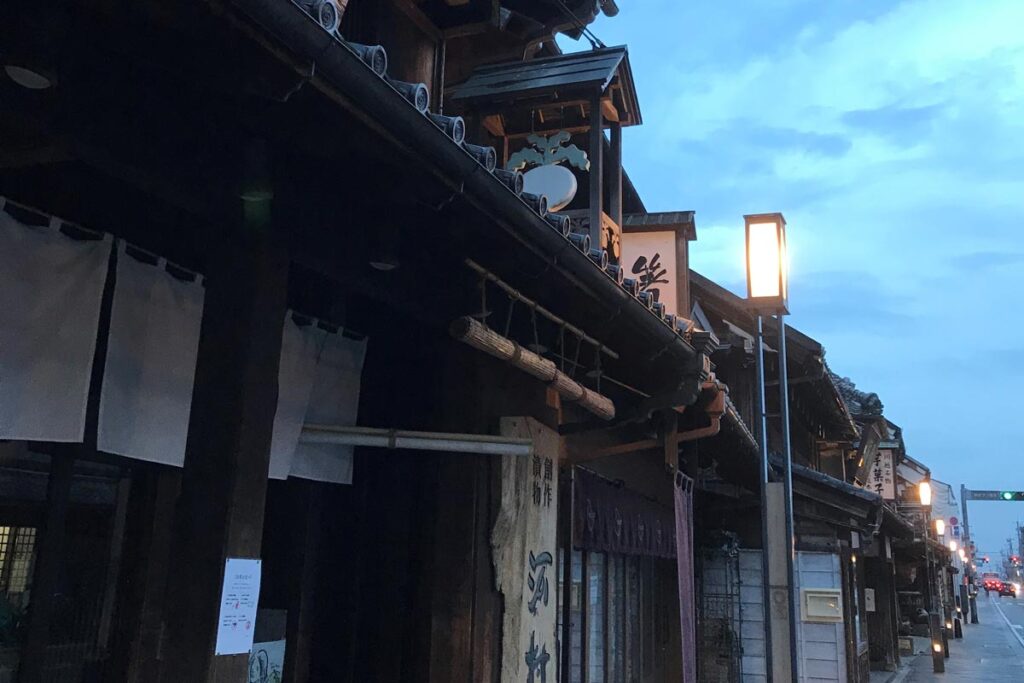
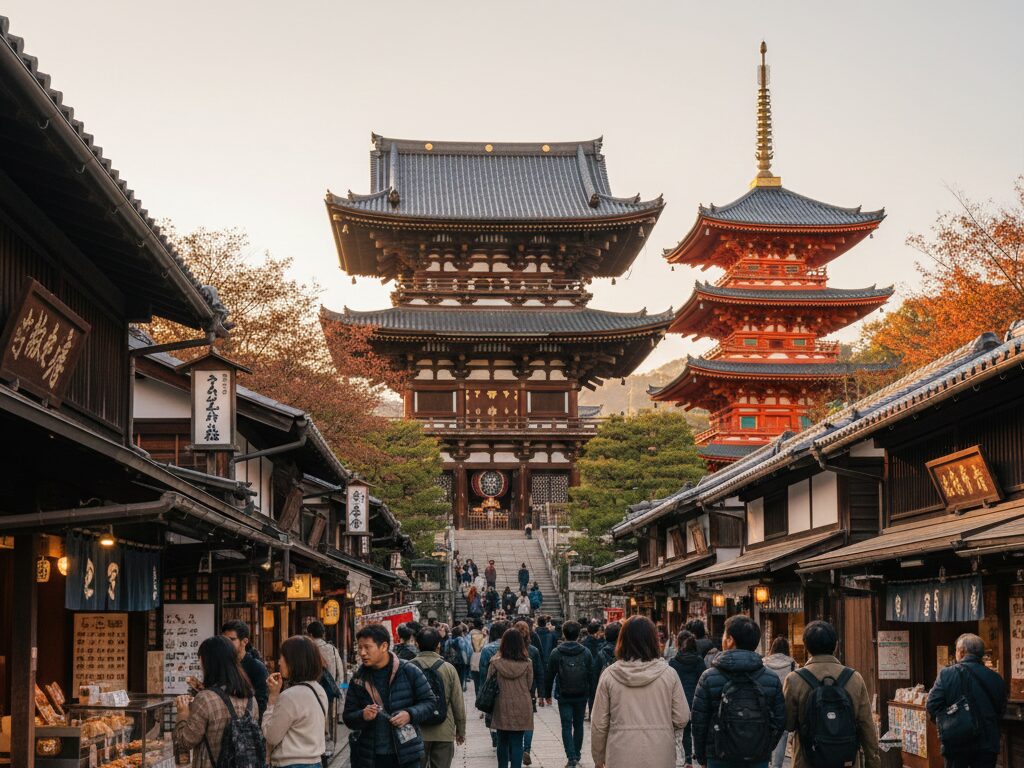
Walk down Omotesandō Street, the sloping main road leading from Narita Station to the temple. Traditional wooden shops sell rice crackers, lucky charms, and local sweets. Many restaurants grill unagi (freshwater eel) in front of the shop: the rich aroma is part of the Narita experience. Even if you do not eat eel, it is an excellent place to try seasonal Japanese meals or a simple bowl of soba noodles.
Inside the temple grounds, explore:
- The main hall, where prayers and fire rituals are held
- A five-story pagoda with vivid carvings
- Naritasan Park, a landscaped garden with ponds, plum and cherry trees, and walking paths
Plan at least two to three hours in Narita; an overnight stay allows you to see the temple in the evening, when the crowds fade and stone lanterns create a peaceful atmosphere.
2. Enjoy Coastal Views and Onsen on the Boso Peninsula
The Boso Peninsula is Chiba’s playground for nature lovers. It has a more relaxed pace than Tokyo, with small towns, fishing ports, and sea views around many corners.
The southern tip around Tateyama enjoys a relatively mild climate, with palm trees along some roads and early-blooming flowers in late winter. From Tateyama, you can visit viewpoints overlooking Tokyo Bay and, on clear days, see Mount Fuji on the horizon.
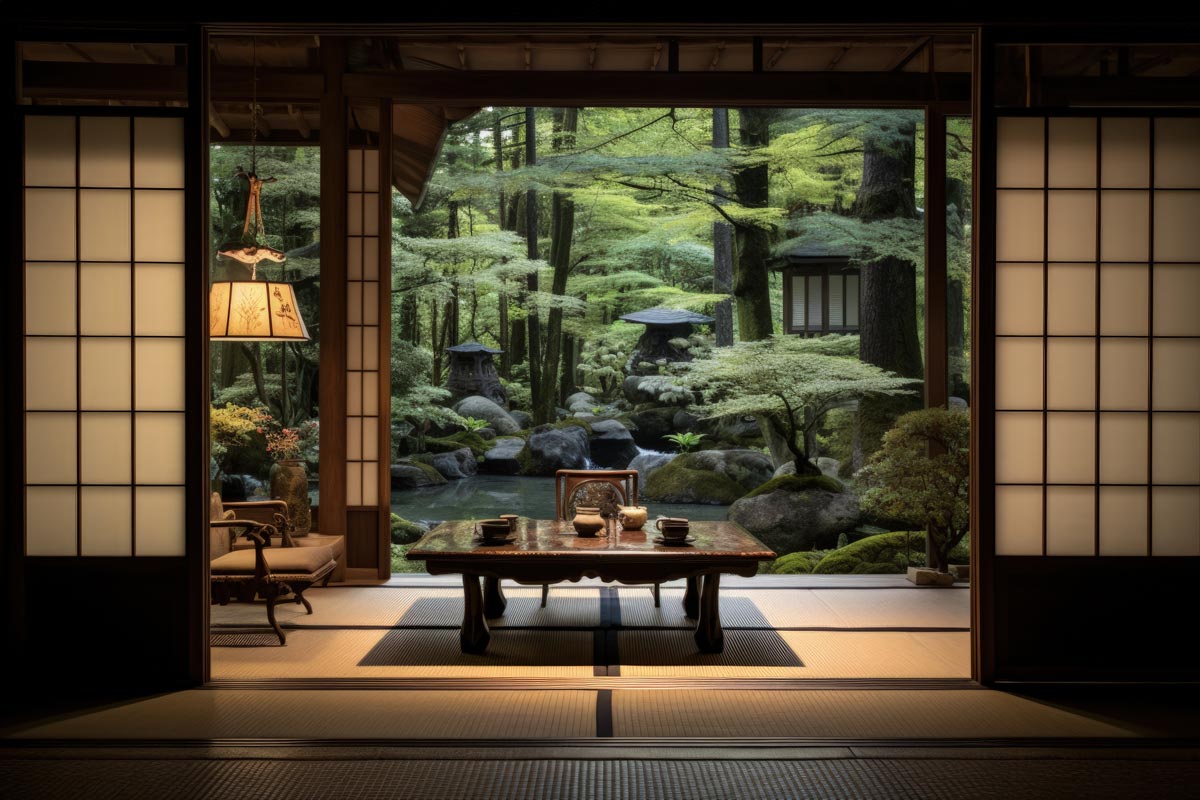
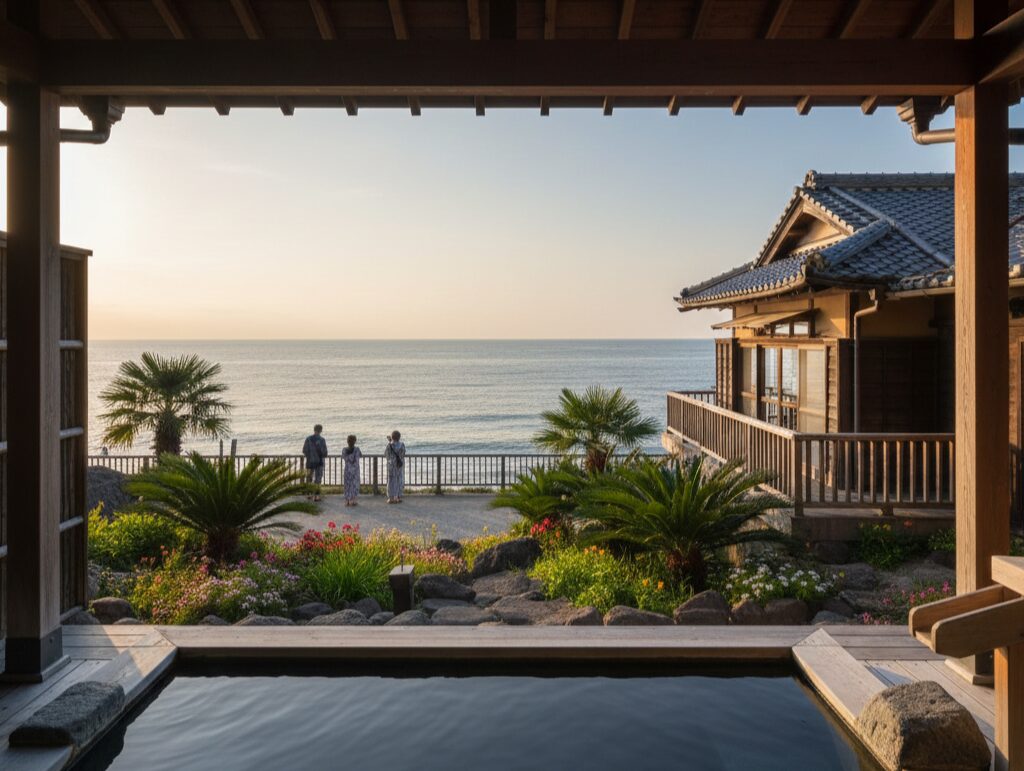
Hot spring resorts dot the coast. Staying in a ryokan (traditional inn) with an outdoor bath looking over the sea is one of the most rewarding ways to experience Chiba. Typical stays include a multi-course dinner featuring local seafood and seasonal vegetables, followed by a soak in the onsen and a breakfast of grilled fish and rice.
3. Discover Dramatic Cliffs and Panoramic Vistas
Several scenic viewpoints along the Boso Peninsula’s Pacific side make excellent day-trip goals:
Nokogiriyama (Mount Nokogiri) is a saw-toothed mountain known for its stone quarries and Buddhist carvings. A ropeway (cable car) or hiking trails bring you to the summit area. The most famous spot is a cliff-edge platform nicknamed “Jigoku Nozoki” (View of Hell), where you can step out onto a rock ledge for a thrilling look down the sheer drop. The surrounding temple complex features enormous stone Buddha statues carved into the rock.
Further south, rugged capes and lighthouse viewpoints offer sweeping views of waves crashing against the rocks. These landscapes feel very different from urban Tokyo and give insight into Japan’s long connection with the sea.
4. Hit the Beaches and Surf Spots
Chiba’s Pacific coastline is one of the country’s surfing heartlands. Towns like Kujūkuri and the Ichinomiya area host surf competitions and attract both local and international surfers.
In summer, beaches around the Boso Peninsula become popular for swimming and barbecues. Beach facilities and water safety rules are usually clearly marked; designated swimming zones are guarded during the main season. Even outside summer, a walk along a wide sandy shoreline or a sunset view over the sea can be a calming break from sightseeing in crowded cities.
5. Visit Family-Friendly Attractions
Chiba is also known for its family-oriented attractions. While specific parks and aquariums may change their offerings over time, you will find large, well-maintained facilities along both the Tokyo Bay and Pacific sides. Many combine animal exhibits or marine life displays with play areas and seasonal flower gardens, making them popular with local families on weekends.
These sites are designed to be easily accessible by public transport or car, with clear signage and restaurant options. If you are traveling with children and want a more relaxed day away from the intensity of city sightseeing, including one of these destinations is a good idea.
Cultural Tips for Visiting Chiba
Although Chiba is close to Tokyo, many of its smaller towns and temple districts retain a more local, everyday atmosphere. Keeping a few basic cultural points in mind will help you feel more comfortable and respectful.
Temple and Shrine Etiquette
At Naritasan and other sacred sites, you will likely see a temizuya (purification basin) near the entrance. Use the ladle to gently rinse your hands and mouth before approaching the main hall. This simple ritual represents cleansing before worship; you do not need to follow it perfectly, but move slowly and watch how locals do it.
If you wish, you can make a small offering at the main hall: toss a coin, bow twice, clap twice, then bow once more, taking a moment of quiet reflection. Photography is usually allowed outdoors, but avoid taking photos inside buildings when signs request it, and do not point your camera directly into the face of people praying.
Onsen Manners
Chiba’s coastal hot springs are a highlight, but Japanese bath culture has its own rules:
- Wash and rinse thoroughly at the shower area before entering the shared bath.
- Enter the water naked; swimsuits are usually not permitted.
- Keep your small towel out of the bathwater; place it on your head or on the side.
- Speak quietly to maintain a calm atmosphere.
Many ryokan and hotels provide English instructions, and staff are used to international guests, so do not hesitate to ask if you are unsure.
Food and Local Specialties
Chiba’s location between Tokyo Bay and the Pacific gives it excellent seafood. Dishes featuring grilled fish, sashimi, and tempura are common. In Narita, eel is a signature dish, and on the Boso Peninsula you will find rice bowls topped with fresh fish from nearby ports.
The prefecture is also an agricultural region. Depending on the season, you may see roadside stands selling peanuts (a local specialty), seasonal fruits, and vegetables. Many cafés and roadside stations offer simple, hearty meals using local produce, often at lower prices than in central Tokyo.
Practical Travel Information
How to Get to Chiba
From Tokyo: Chiba City is around 40–50 minutes from central Tokyo by JR or private rail lines. Express trains link Tokyo Station with Chiba, and further services continue down the Boso Peninsula to coastal towns.
From Narita Airport: Local and rapid trains connect the airport to Narita City in around 10 minutes, and to Chiba City in about 40 minutes. Buses and trains also run from Narita Airport toward Tokyo Bay and other parts of the prefecture. If you are arriving on a long-haul flight, spending your first night in Narita or Chiba can reduce travel stress.
Getting Around Chiba
Chiba’s main cities and coastal routes are accessible by train, but some scenic spots on the Boso Peninsula require buses or a car. Public transport timetables are generally reliable, though less frequent than in central Tokyo, so it is wise to check times in advance, especially in rural areas or in the evening.
If you are comfortable driving, renting a car opens up more remote beaches, viewpoints, and countryside roads. Be aware that Japan drives on the left, and many smaller roads are narrow.
When to Visit
Spring (March–May): One of the best times. Weather is mild, flowers bloom, and coastal walks are pleasant. Cherry blossoms appear a little earlier than in northern Japan.
Summer (June–August): Warm and humid, with a rainy period in early summer. Ideal for beach trips and surfing, but be prepared for high temperatures and strong sun.
Autumn (September–November): Clear skies and comfortable temperatures, with autumn colors in the hills and less humidity than summer.
Winter (December–February): Generally dry and cool rather than extremely cold along the coast. This can be a peaceful time to visit onsen and enjoy clear ocean views, though some seaside facilities may have limited hours.
Where to Stay
Accommodation options include:
- Business hotels near major stations in Chiba City and Narita: simple, convenient, and budget-friendly.
- Ryokan and onsen hotels along the Boso Peninsula: ideal if you want a traditional Japanese room, kaiseki-style meals, and hot baths.
- Guesthouses and small inns in coastal towns: good for meeting local residents and other travelers.
For first-time visitors, combining one night in Narita or Chiba City with one or two nights on the Boso Peninsula provides a good introduction to both urban and coastal sides of the prefecture.
Planning Your Chiba Itinerary
Here are a few simple ways to include Chiba in your Japan trip:
- Half-Day Layover: If you have six hours or more between flights at Narita, store your luggage and visit Narita City and Naritasan Shinshoji Temple.
- One-Night Stop: Spend a night in Narita after landing. Adjust to the time zone, explore the temple streets, and continue to Tokyo or Kyoto the next day.
- Weekend Break from Tokyo: Take a train to the Boso Peninsula on Saturday morning, stay in a ryokan with onsen, and return to Tokyo on Sunday evening.
- Extended Coastal Stay: If you enjoy slower travel, base yourself for several days in a coastal town, exploring beaches, viewpoints, and neighboring villages.
Chiba rewards travelers who slow down. Whether you are slipping off your shoes in a temple hall, soaking in a seaside hot spring, or tasting freshly grilled seafood in a harbor town, you will discover a gentler side of Japan just beyond the capital.
With convenient access, varied landscapes, and a welcoming atmosphere, Chiba is an excellent addition to any first-time Japan itinerary.

Access Map
Recommended spots in Chiba
Naritasan Shinshoji Temple

Kamogawa Sea World
Makuhari Messe
Top destinations in Kanto Region
Tochigi
Kanagawa