


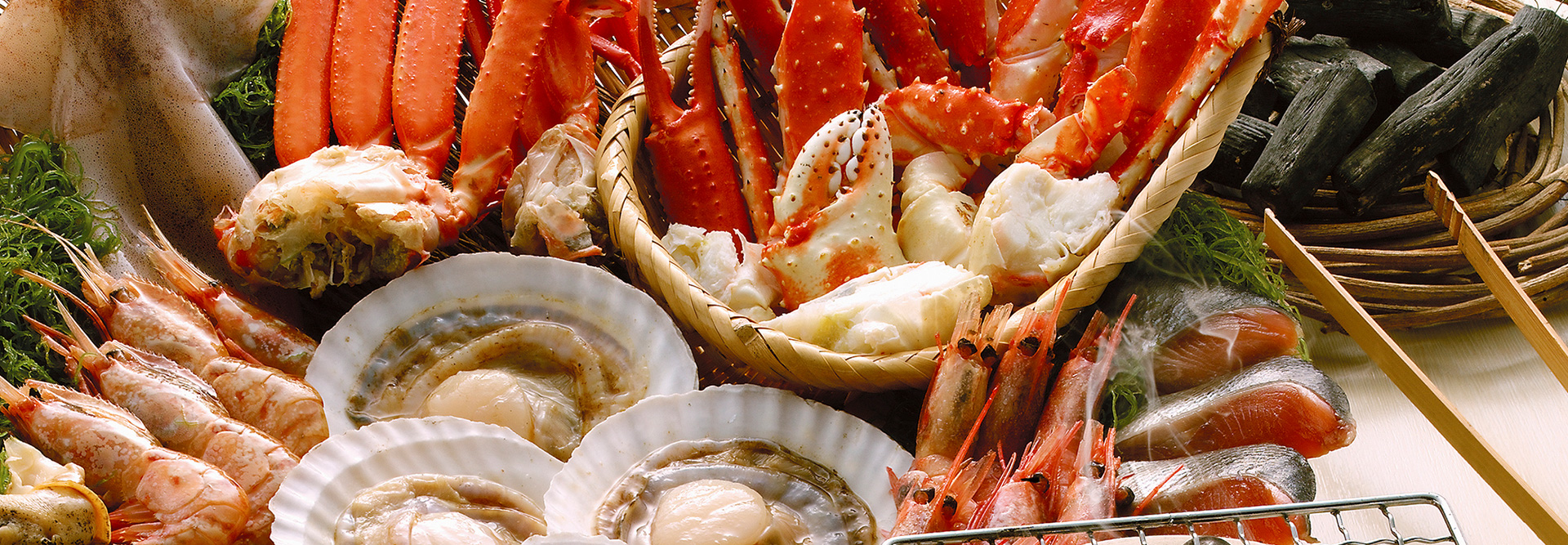
Crab/Scallops (Hokkaido)
Crab and Scallops in Hokkaido: A First‑Timer’s Guide to Japan’s Northern Seafood
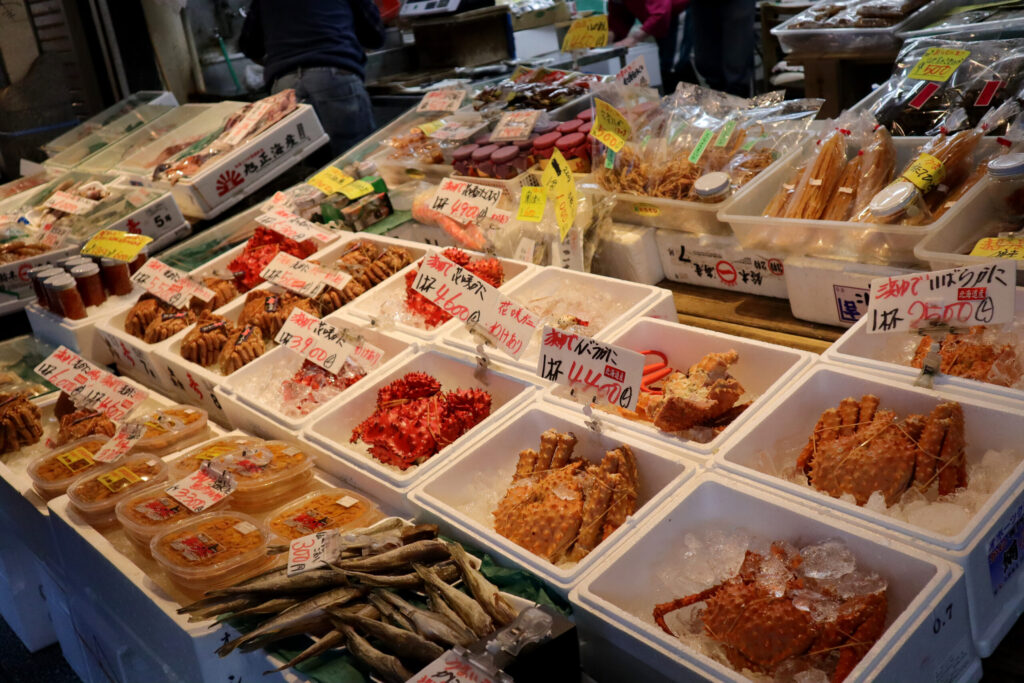
For many travelers, Hokkaido is the dream destination for snow, hot springs, and some of the freshest seafood in Japan. At the heart of that reputation are two stars of the northern seas: crab and scallops. If you are planning your first trip to Japan and wondering how to experience Hokkaido’s seafood culture like a local, this guide will walk you through what to eat, when to go, where to find it, and how to order with confidence.
Why Hokkaido Is Japan’s Crab and Scallop Capital
Hokkaido, Japan’s northernmost main island, is surrounded by cold, nutrient-rich currents from the Sea of Okhotsk and the Pacific Ocean. These waters create an ideal environment for shellfish to grow slowly and develop intense sweetness and rich flavor. Crab and scallops are not just ingredients here – they are part of the local identity, celebrated in markets, winter festivals, and large family meals.
For visitors, this means two things: extremely fresh seafood and a wide variety of ways to enjoy it. From casual seafood rice bowls at markets to luxurious kaiseki dinners at ryokan, you can experience these local specialties at every budget level.
Hokkaido’s Famous Crabs: Varieties and Best Seasons
When people talk about “crab in Hokkaido,” they are usually referring to several distinct species, each with its own flavor and ideal cooking style. Knowing the differences makes ordering much more enjoyable.
Red King Crab (Tarabagani)
The red king crab is the most famous and often the most expensive. It has thick, meaty legs and a firm texture that feels almost like lobster. The flavor is rich and slightly sweet, particularly good when simply boiled or grilled to highlight the natural taste.
Typical season: November to March, when winter seas are cold and the meat is at its best. Many travelers plan winter visits to Sapporo and Otaru specifically to enjoy king crab meals.
Snow Crab (Zuwaigani)
Snow crab has a more delicate, refined sweetness compared with king crab. The legs are thinner but packed with soft, flaky meat. Snow crab is often served in crab hot pot (kani nabe) or as neatly arranged sections in crab-focused restaurants.
Typical season: November to March, overlapping with ski season, making it easy to pair snow sports with hot crab dinners.
Hairy Crab (Kegani)
Hairy crab is smaller and covered with short spines, but among locals it is highly prized. The real treasure is not just the leg meat but the rich, creamy crab “miso” (kani miso) inside the shell. This is not actually miso paste, but a savory crab innard paste with deep umami that pairs perfectly with sake.
Typical season: Spring and early summer in many coastal areas of Hokkaido. You will often see it prominently displayed at seafood markets.
How Crab Is Commonly Served in Hokkaido
Restaurants and markets across Hokkaido showcase crab in many forms:
- Boiled whole crab – Served on a big platter to share, with tools for cracking shells. Simple and traditional.
- Charcoal-grilled crab legs – The heat concentrates the sweetness and adds a gentle smoky aroma.
- Kani nabe (crab hot pot) – Crab simmered with vegetables, tofu, and mushrooms. After eating the ingredients, rice is added to the remaining broth to make a comforting porridge.
- Crab sashimi – Especially with snow crab, some restaurants serve raw leg meat; it is crisp and sweet with a gentle sea flavor.
- Crab sushi and kaisendon – Crab topped on sushi rice or served in seafood rice bowls alongside salmon roe, sea urchin, and other local specialties.
When ordering, you will often see the word kani (crab) on menus. If you are unsure of the species, staff can usually explain or show you the crab before cooking, especially at market restaurants.
Hokkaido Scallops: Sweetness from Cold Northern Seas
Hokkaido scallops (hotate) are just as iconic as its crabs. Grown slowly in cold waters, they develop a firm texture and pronounced sweetness. Many professional chefs around the world source their scallops from Hokkaido, but you can taste them at their freshest right where they are harvested.
Where Hokkaido Scallops Come From
Major scallop-producing areas include towns along the coasts of the Sea of Okhotsk and the Pacific side, where you will see floating rafts used for scallop cultivation. Local fishing communities have long traditions of sustainable scallop farming, which is a major part of the regional economy.
For travelers, this means that scallops are not only common in restaurants but also in local festivals and roadside markets, especially in small fishing towns.
Popular Ways to Enjoy Scallops
Hokkaido scallops are versatile and appear in both simple home-style dishes and refined restaurant menus. Common preparations include:
- Scallop sashimi – Raw scallop slices, often prepared just minutes after opening the shell. The texture is silky and the flavor naturally sweet.
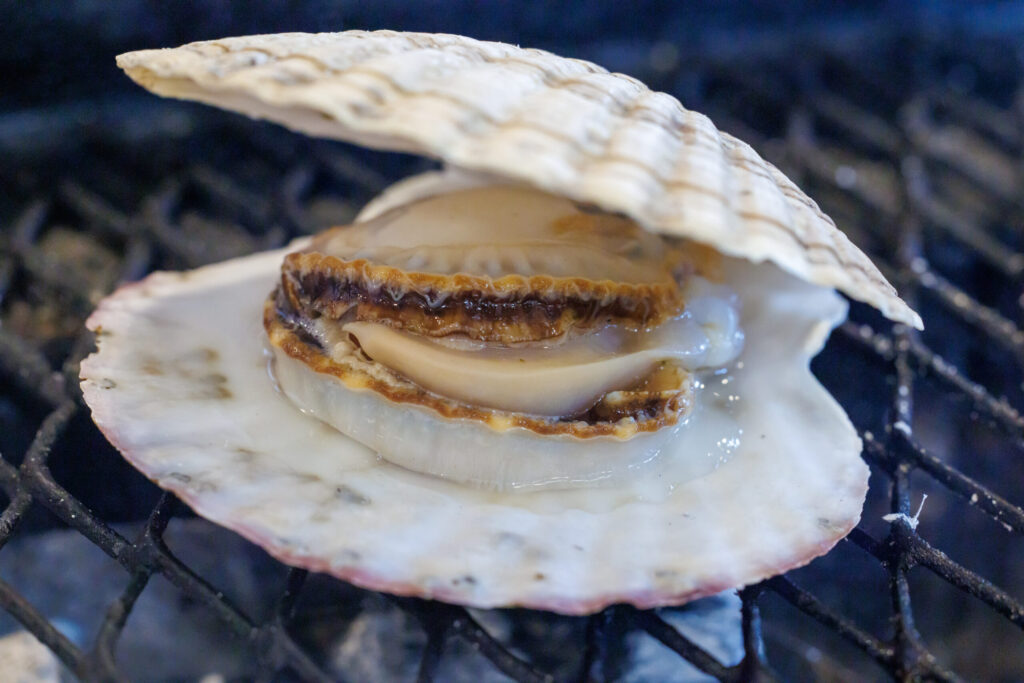
- Grilled scallops in shell – A signature Hokkaido style. Whole scallops are grilled over charcoal or a gas flame in their shells with butter and soy sauce until the juices bubble.
- Scallop sushi – Often served as nigiri, with a gently scored scallop on a small mound of vinegared rice.
- Dry scallops – Intensely flavored dried scallops are used for stock, snacks, or as gifts; you will see them packaged in markets and souvenir shops.
In Japanese, scallops are called hotate. On menus, look for “hotate sashimi,” “hotate yaki” (grilled scallops), or “hotate butter” where scallops are sautéed in butter, a style that reflects Hokkaido’s dairy culture.
Best Places in Hokkaido to Eat Crab and Scallops
While you can find crab and scallops almost anywhere in Hokkaido, some areas are especially convenient for first-time visitors.
Sapporo: Easy Access and Variety
Sapporo, the capital of Hokkaido, is usually the starting point for travelers. It offers excellent restaurants, busy seafood markets, and easy connections to other regions.
- Central seafood restaurants: Many specialize in crab courses, where you can compare different crab species in one meal. Course menus often include crab sashimi, boiled crab, grilled legs, and crab hot pot.
- Seafood rice bowl shops: Look for “kaisendon” restaurants around major stations; these are an affordable way to try both crab and scallops in one bowl.
Otaru: Port Town with Fresh Seafood
Just a short train ride from Sapporo, Otaru is a historic port city known for its canal district and old stone warehouses. Many of these warehouses are now seafood restaurants where you can enjoy crab and scallops with a view.
Morning markets in Otaru sell live crab and fresh shellfish. Many stalls offer a “buy and eat” style: you choose your crab or scallops, and they cook them on the spot.
Coastal Markets Around Hokkaido
For travelers with more time, visiting a coastal market can be a highlight:
- Markets on the Sea of Okhotsk side often feature abundant crab, especially during winter and early spring.
- Ports on the Pacific coast are famous for scallops and other shellfish, with tanks and baskets arranged in front of small, family-run eateries.
Even without advanced Japanese, pointing and using basic phrases is usually enough. Market vendors are accustomed to visitors and will often recommend the best way to cook what you have chosen.
How to Order and Eat Like a Local
For first-time visitors to Japan, navigating seafood menus can feel intimidating. Understanding a few key phrases and customs makes the experience much smoother.
Useful Words for Menus
- Kani – Crab
- Tarabagani – Red king crab
- Zuwaigani – Snow crab
- Kegani – Hairy crab
- Hotate – Scallop
- Sashimi – Raw sliced seafood
- Yaki – Grilled
- Nabe – Hot pot
- Kaisendon – Seafood rice bowl
Many restaurants in Hokkaido have picture menus or plastic food samples in the window, which can be extremely helpful. Do not hesitate to step outside, point at a display dish, and ask staff, “Same, please?”
Etiquette Tips for Crab and Scallops
- Handling crab shells: It is perfectly acceptable to use your hands along with crab tools. A small dish of water or a wet towel may be provided for cleaning your fingers.
- Dipping sauces: Boiled crab is often served with a vinegar-based dipping sauce, but many locals prefer to taste the crab first without any seasoning.
- Scallop texture: With sashimi or lightly grilled scallops, expect a slightly firm bite. This is a sign of freshness, not undercooking.
- Eating kani miso: For hairy crab, try the creamy crab “miso” with a small spoon or spread on crab meat. It pairs well with hot sake in winter.
Seasonal Experiences and Food Festivals
Hokkaido’s climate is strongly seasonal, and so is its food culture. Planning your visit to match seafood seasons can make your trip especially memorable.
Winter: Crab, Snow, and Hot Springs
From late autumn into winter, king crab and snow crab are at their peak. Many travelers combine ski trips or snow festival visits with crab feasts and hot springs stays. In snowy resort towns, ryokan often serve elaborate dinners featuring local crab in multiple courses.
During Sapporo’s winter festival season, restaurants and temporary food stalls highlight warming dishes such as crab hot pot and grilled crab legs, ideal after a day in the cold.
Spring and Summer: Hairy Crab and Coastal Scallops
As the snow melts, coastal areas come alive with spring seafood. Hairy crab seasons vary by region, but spring and early summer are common peaks. This is a great time to travel along the coasts, visiting small towns where you can taste freshly caught crab in relaxed, local settings.
Summer also shines for scallops, with grilled scallops sold at festivals and seaside stalls. You may see locals enjoying scallops in their shells with a simple combination of butter, soy sauce, and sometimes a hint of garlic.
Budget Tips: Enjoying Crab and Scallops Without Overspending
Crab, especially king crab, can be expensive, but there are many ways to enjoy Hokkaido’s seafood even on a modest budget.
- Choose kaisendon over full crab courses: A seafood rice bowl with crab and scallops is usually more affordable than a dedicated crab course meal, while still offering generous portions.
- Go for lunch sets: Many restaurants offer lunch menus featuring crab or scallops at lower prices than dinner.
- Share large dishes: Whole crabs are often big enough for two or more people. Splitting one, along with a couple of side dishes, keeps costs down.
- Visit local markets early: Morning markets sometimes have competitive prices, and you can compare several vendors before ordering.
Combining Seafood With the Rest of Your Hokkaido Trip
Crab and scallops are a highlight, but they are only part of what makes Hokkaido special. Many visitors combine their seafood experiences with:
- Onsen stays: Relaxing in hot springs after a seafood dinner is a classic Hokkaido experience.
- Skiing and snowboarding: Winter sports in popular resorts pair naturally with hearty crab hot pots.
- Scenic drives and train trips: Coastal routes offer views of fishing ports and scallop farms, giving context to what you are eating.
- Dairy and sweets: Hokkaido butter and cream appear in dishes like butter-grilled scallops and local desserts, tying land and sea ingredients together.
Even if you only have a few days in Hokkaido, dedicating at least one meal to crab and one to scallops will give you a deeper connection to the region’s culture, seasons, and people.
Final Tips for First-Time Visitors
As you plan your first journey to Japan, consider adding Hokkaido to your itinerary specifically for its seafood. Aim for winter if you want peak crab, or late spring and summer for lively coastal towns and scallops. Learn a few key Japanese food words, do not be shy about pointing at menus, and let local staff guide you toward what is freshest that day.
Whether you are cracking open a steaming king crab in a Sapporo restaurant or tasting sweet scallop sashimi at a small port market, Hokkaido’s crab and scallops will likely become one of your strongest food memories from Japan.